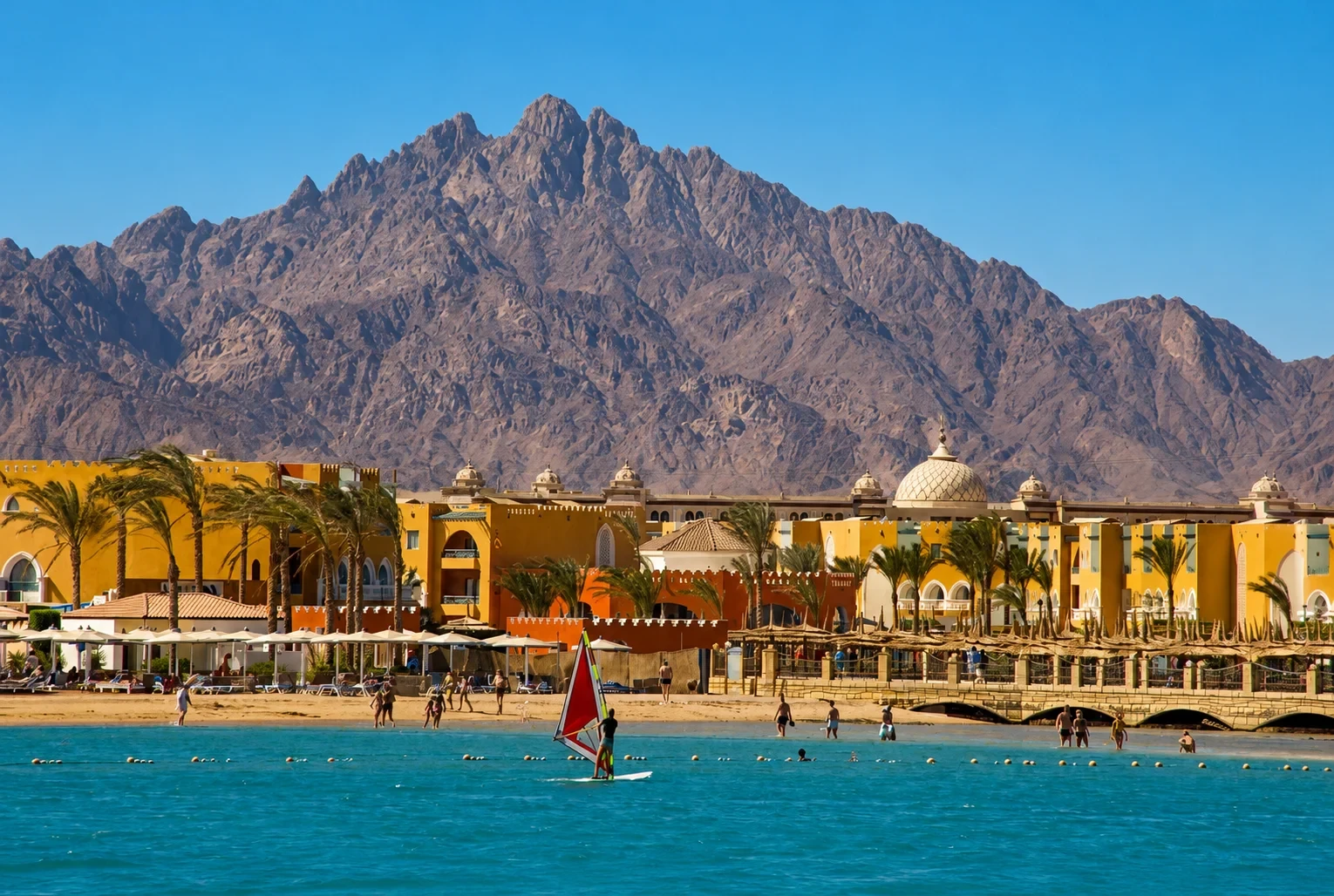

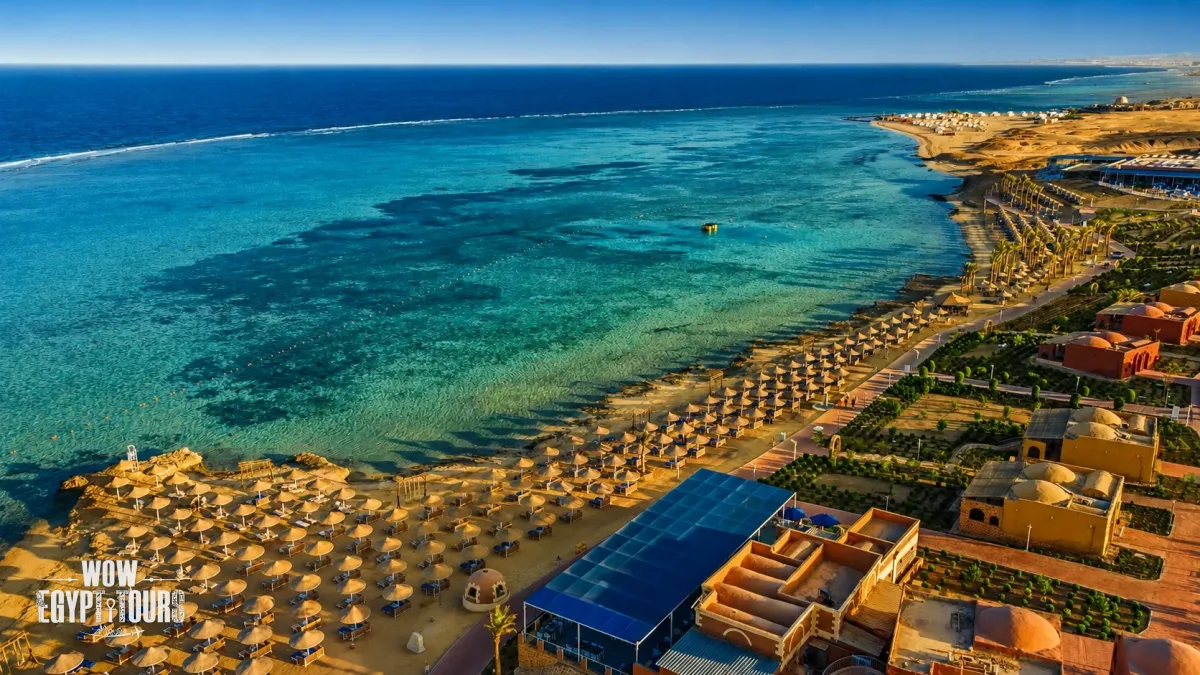

Marsa Alam is the most ecologically extraordinary, the most pristine, the most biologically astonishing, and the most genuinely wild of all the Egyptian Red Sea resort destinations, a magnificent stretch of the southern Red Sea coast approximately 220 kilometers south of Hurghada and approximately 630 kilometers southeast of Cairo in the Red Sea Governorate whose extraordinary combination of the most undisturbed and the most biologically rich coral reef environments on the entire Egyptian mainland coast, the most reliable and the most personally overwhelming marine wildlife encounters available at any accessible resort destination in the Red Sea world, and the most completely unspoiled natural coastal desert and mountain landscape accessible at any Egyptian Red Sea resort together make it the destination of choice for the most discerning, the most environmentally committed, and the most marine-heritage-serious international travelers who come to the Egyptian Red Sea coast seeking the most complete and the most personally extraordinary natural marine heritage encounter available anywhere in the country. Marsa Alam is the home of the legendary Elphinstone Reef, one of the most celebrated and the most consistently breathtaking dive sites in the entire world ocean, where the oceanic white tip sharks, the hammerhead schools, and the extraordinary wall of pelagic life visible on every dive at the reef's dramatic outer walls have given the site a global reputation among experienced divers as one of the genuinely supreme diving experiences available at any accessible dive site on earth, a site whose marine life encounter quality is so consistently extraordinary and so far beyond what any other single named dive site on the Egyptian mainland coast can provide that it alone is sufficient motivation for the long journey south from Hurghada or Cairo to the relatively remote coast of the Marsa Alam resort zone. This extraordinary destination is featured on Marsa Alam Tours, Egypt Red Sea Tours, and Egypt Honeymoon Tours, all of which WOW Egypt Tours proudly offers to travelers from around the world as part of Egypt Tours Packages and Egypt Travel Packages that encompass the extraordinary natural marine heritage of the Egyptian Red Sea coast.
Marsa Alam Egypt is more than simply the finest diving destination on the Egyptian mainland coast; it is the Egyptian Red Sea experience at its most primordial, its most biologically complete, and its most personally transformative, a destination where the combination of the unspoiled coral reef systems of the Wadi El Gemal National Park, the extraordinary marine megafauna encounters at the Elphinstone Reef, the resident wild spinner dolphin pod of the Shaab Samadai protected marine horseshoe reef, the endangered dugong populations of Marsa Mubarak and Abu Dabbab Bay that represent one of the most remarkable and the most personally extraordinary endangered species encounters available at any accessible coastal destination in the entire African and Middle Eastern world, and the nesting sea turtle populations whose presence on the beaches of the Marsa Alam coastal zone makes this section of the southern Red Sea coast one of the most important and the most biologically significant sea turtle nesting areas in the complete Red Sea ecosystem together create a natural heritage environment of such extraordinary biological richness and such extraordinary ecological significance that it genuinely challenges the capacity of any language to fully describe the personal impact of the complete Marsa Alam marine encounter on the visitor who experiences it for the first time. The ancient heritage of the surrounding landscape, encompassing the ancient Roman emerald mining operations of the Eastern Desert whose ruins are scattered across the desert landscape between the Red Sea coast and the Nile Valley, the ancient Ptolemaic and Roman ports of Abu Ghusun and Berenice whose remains document the extraordinary commercial significance of this section of the Red Sea coast in the ancient trade system connecting Egypt with Arabia, India, and sub-Saharan Africa, and the extraordinary Eastern Desert geological heritage of one of the world's oldest and most geologically complex ancient rock systems, adds dimensions of historical depth and geological fascination to the natural marine heritage that give the Marsa Alam destination a completeness of heritage variety available at no other Red Sea coastal resort in Egypt. WOW Egypt Tours includes Marsa Alam as the most ecologically extraordinary Red Sea destination in all comprehensive Egypt Red Sea Tours, Egypt Honeymoon Tours, and Egypt Travel Packages for travelers seeking the most complete, the most biologically extraordinary, and the most personally unforgettable marine heritage encounter available anywhere on the Egyptian Red Sea coast.

What Is Marsa Alam?
Marsa Alam is a coastal town and resort destination in the Red Sea Governorate of southern Egypt, located approximately 220 kilometers south of Hurghada, approximately 130 kilometers south of Safaga, and approximately 280 kilometers southeast of Luxor by the cross-desert road via the Edfu to Red Sea route, occupying one of the most remote and the most ecologically significant stretches of the Egyptian mainland Red Sea coast in a region whose combination of minimal resort development, extraordinary marine biodiversity, and remarkable concentration of marine megafauna encounters gives it a quality of natural heritage primacy and ecological authenticity that no other resort on the Egyptian mainland coast can match. The Marsa Alam coastal zone, extending from the Elphinstone Reef approximately 20 kilometers north of the town through the Shaab Samadai protected marine area, the Abu Dabbab Bay dugong site, the Marsa Mubarak dugong and turtle feeding ground, and the extraordinary Wadi El Gemal National Park to the south, constitutes the most biologically rich and the most ecologically intact stretch of the Egyptian mainland Red Sea coast accessible to recreational diving and snorkeling, a coastal heritage landscape of such extraordinary natural significance that it has attracted the designation of the Wadi El Gemal Hamata Protected Area as one of the most comprehensive and the most ecologically significant national park and marine protected area designations in the entire Egyptian Red Sea governance system.
The town of Marsa Alam itself is a modest Egyptian coastal settlement of relatively small size that has experienced significant but carefully managed resort development since the opening of Marsa Alam International Airport in the early 2000s, which brought the first direct international charter flight connections from the major European source markets and transformed the Marsa Alam coast from a destination accessible only to the most committed self-organized diving travelers into an increasingly visited international resort destination whose development has been guided by a more ecologically conscious and more architecturally restrained philosophy than the mass resort development of the northern Red Sea coast at Hurghada and Sharm El Sheikh, producing a coastal resort landscape of smaller-scale hotels, eco-resorts, and boutique dive camps whose modest physical footprint and genuine commitment to the protection of the extraordinary marine and terrestrial heritage of the surrounding protected areas give the Marsa Alam resort environment a quality of ecological authenticity and genuine environmental responsibility that is entirely consistent with and entirely appropriate to the extraordinary natural heritage that is the fundamental reason for the resort's existence and the fundamental source of its extraordinary international reputation.
Who Shaped The Heritage Of Marsa Alam?
The heritage of the Marsa Alam coastal zone spans an extraordinary range of historical periods from the ancient pharaonic expeditions to the Red Sea coast through the Ptolemaic and Roman commercial empire to the modern Egyptian government's development of the southern Red Sea coast as a carefully managed ecotourism destination whose extraordinary marine heritage is its primary and most fundamental asset. The ancient Egyptians used the Red Sea coast in the broader Marsa Alam region as an embarkation point for maritime expeditions to the legendary land of Punt, the ancient Egyptian source of the incense, myrrh, ebony, gold, and exotic tropical animals that were among the most valued luxury commodities of the pharaonic court, and the cross-desert caravan routes connecting the Nile Valley with the Red Sea coast in this southern section were among the most strategically important and the most consistently used ancient Egyptian desert roads, connecting the upper Nile Valley cities of ancient Edfu and Luxor directly with the Red Sea embarkation points at Mersa Gawasis and other ancient port sites in the broader southern Red Sea coastal zone.
The Ptolemaic rulers of Egypt, who were the most energetic developers of the Red Sea maritime trade system of any ancient Egyptian ruling dynasty, established the port of Berenice as their primary southern Red Sea commercial hub approximately 150 kilometers south of modern Marsa Alam, a port city of considerable size and considerable commercial importance whose archaeological remains, progressively revealed over decades of systematic excavation by international archaeological teams, document the extraordinary range of the Ptolemaic commercial network from the Red Sea coast through Arabia to India and East Africa. The Roman period expanded and intensified the commercial exploitation of the southern Red Sea coastal zone, adding the remarkable emerald mines of the Eastern Desert mountains immediately inland of the Marsa Alam coast to the commercial assets of the region whose extraordinary green gemstones were among the most prized luxury materials of the Roman imperial world, and whose ancient mining infrastructure of underground tunnels, surface quarries, workers' settlements, and administrative facilities is preserved in remarkable physical completeness in the dry desert air of the Eastern Desert mountains in a condition that makes the ancient Roman emerald mining landscape one of the most completely preserved and the most personally astonishing ancient industrial heritage sites accessible in the Egyptian desert world. The Egyptian government's designation of the Wadi El Gemal Hamata Protected Area in the modern era represents the most consequential and the most ecologically significant single heritage management decision in the entire history of the Marsa Alam coastal zone, providing the legal and institutional framework within which the extraordinary marine and terrestrial heritage of the region has been protected from the development pressures that have significantly degraded the natural heritage of the more northern sections of the Egyptian mainland Red Sea coast.
The Natural Marine World Of Marsa Alam
The natural marine heritage of the Marsa Alam coastal zone is the most biologically extraordinary and the most ecologically significant of any accessible resort destination on the Egyptian mainland Red Sea coast, a marine environment of such exceptional biological richness, such exceptional ecological integrity, and such exceptional concentration of marine megafauna that the comparison with the reef environments of the more northern Red Sea mainland resorts is simply not adequate to capture the qualitative difference in the marine heritage experience available at the finest Marsa Alam dive and snorkel sites. The Red Sea's extraordinary biological richness, the product of millions of years of evolution in the geologically isolated and climatically stable conditions of this long warm body of water, is expressed in the southern Red Sea coastal zone at Marsa Alam in its most completely preserved and its most fully intact form, in reef systems whose coral cover, structural complexity, and associated fish and invertebrate life represent the most complete expression of the Red Sea reef ecosystem available at any accessible dive site on the Egyptian mainland coast and whose marine megafauna encounter quality, the sharks, the rays, the dugongs, the sea turtles, and the spinner dolphin pods, is simply unmatched at any comparable accessible dive destination anywhere in the entire Egyptian Red Sea world.
The key to the extraordinary ecological quality of the Marsa Alam marine environment is the combination of the relative remoteness of the coast from the population centers of the northern Red Sea resort zone, the protection provided by the Wadi El Gemal Hamata Protected Area's management framework over the most sensitive and the most ecologically significant sections of the reef and coastal system, and the comparatively modest scale of the resort development that has occurred in the area since the opening of Marsa Alam International Airport in the early 2000s, whose restrained physical footprint and genuine environmental commitment have allowed the reef ecosystem to maintain the biological integrity and the megafauna populations that are the most fundamental and the most irreplaceable natural heritage asset of the complete Marsa Alam destination. The water clarity of the southern Red Sea off Marsa Alam, regularly exceeding 30 to 40 meters visibility in the optimal conditions of the cooler season, is among the finest available at any dive destination on the Egyptian mainland coast and gives the Marsa Alam underwater photography programme a quality of light, color, and spatial depth that is genuinely extraordinary by any international comparison.
Marsa Alam Location
Marsa Alam is located on the western shore of the Red Sea in the Red Sea Governorate of southern Egypt, approximately 220 kilometers south of Hurghada by the coastal road, approximately 130 kilometers south of Safaga, and approximately 280 kilometers from Luxor by the most direct cross-desert road crossing via the Edfu junction. Marsa Alam International Airport is located approximately 67 kilometers north of the main Marsa Alam town center on the coastal road, in a position that reflects the distribution of resort development along the northern section of the Marsa Alam coastal zone where the most significant reef dive sites including the Elphinstone Reef, the Shaab Samadai, the Abu Dabbab, and the Marsa Mubarak are most conveniently accessible. The resort development of the Marsa Alam coastal zone extends for approximately 100 kilometers of coastal strip from the Elphinstone Reef area in the north through the main concentration of hotels, dive camps, and eco-resorts in the central Marsa Alam bay area to the extraordinary Wadi El Gemal National Park protected area in the south, creating a resort zone of considerable geographical extent but relatively modest physical development density in comparison with the more intensively developed northern Red Sea coast resorts. WOW Egypt Tours provides all airport transfer, inter-resort transportation, and excursion vehicle services for all Marsa Alam programmes as part of Egypt Red Sea Tours, Egypt Honeymoon Tours, and Egypt Travel Packages.
Marsa Alam Fun Facts
The Elphinstone Reef, approximately 20 kilometers north of Marsa Alam's main hotel zone and accessible by boat in approximately 30 to 45 minutes from the resort's dive centres, is consistently ranked by the international diving media, the major dive certification agencies, and the experienced international diving community as one of the top ten dive sites in the entire world ocean, a distinction earned by the extraordinary combination of dramatic underwater topography, exceptional coral cover, and above all the most reliably extraordinary marine megafauna encounter available at any accessible dive site in the Egyptian Red Sea, encompassing the resident populations of oceanic white tip sharks, the seasonal visitations of hammerhead schools, the occasional passing thresher sharks, and the extraordinary wall of pelagic life visible on every dive at the reef's dramatic northern and southern plateau edges. The Elphinstone's global reputation as one of the world's supreme dive experiences is the single most important fact in Marsa Alam's extraordinary international diving reputation and the most compelling single reason for the dedicated diving tourists who travel specifically to this remote southern Red Sea coast from Europe, North America, Australia, and Asia.
The Abu Dabbab Bay and Marsa Mubarak areas of the Marsa Alam coastal zone are among the most reliable and the most accessible locations in the entire world to encounter wild dugongs, the large herbivorous marine mammals known colloquially as sea cows whose population in the Red Sea is one of the most significant and the most carefully monitored dugong populations in the entire Indian Ocean and Red Sea world. The dugongs of Abu Dabbab and Marsa Mubarak are habitual users of the sea grass beds that grow in the shallow sandy bays of the Marsa Alam coastal zone, feeding on the dense sea grass meadows in the shallow waters of the protected bays in the early morning and the late afternoon feeding periods in encounters of extraordinary personal impact with one of the most gentle, the most majestic, and the most evolutionarily ancient of all the large marine mammals whose lineage extends back to the ancient Tethys Sea environment of approximately 50 million years ago.
The ancient Roman emerald mines of the Sikait, Nugrus, and Wadi Gemal mountains immediately inland of the Marsa Alam coast are among the most completely preserved ancient industrial mining complexes accessible at any heritage site in the Egyptian Eastern Desert, comprising extensive networks of ancient underground tunnels, open-cast quarry workings, workers' settlement ruins, temple remains, and inscriptional evidence from the Ptolemaic through the Roman and Byzantine periods, preserved in such remarkable physical completeness in the dry desert air of the Eastern Desert that they provide one of the most direct and the most personally vivid encounters with the ancient industrial heritage of the Egyptian mining tradition available to any heritage traveler willing to make the off-road four-wheel-drive vehicle journey from the coast into the mountains of the Eastern Desert interior.
Why Is It Called Marsa Alam?
The name Marsa Alam combines two Arabic words whose meaning together provides a poetic and geographically evocative designation for the coastal settlement at this specific location on the southern Egyptian Red Sea coast. Marsa in Arabic means a harbor, a port, or more broadly a sheltered anchorage or a natural coastal indentation that provides protection from the open sea winds and waves, a designation particularly appropriate for the specific coastal geography of the Marsa Alam bay area whose natural sheltered character made it the most practical landing point and the most natural harbor on this otherwise relatively exposed section of the southern Egyptian Red Sea coast in the traditional maritime vocabulary of the Red Sea sailing community. Alam in Arabic means a flag, a banner, or a landmark, and in the compound toponym Marsa Alam the alam designation most likely refers either to a specific navigational landmark, a distinctive coastal feature that served as a natural marker and a navigational reference point for the traditional Red Sea sailors who used this anchorage, or to the flag or banner of a specific authority, a tribal, commercial, or administrative presence that marked the harbor site with a flag distinguishing it from the unmarked stretches of coast to the north and south. The combined name Marsa Alam therefore translates approximately as the Harbor of the Flag or the Port of the Landmark, a designation of considerable poetic beauty that captures both the physical character of the natural harbor and the human significance of the navigational or administrative marker that gave the site its distinguishing identity in the traditional maritime geography of the southern Egyptian Red Sea coast. The name has been used in both Arabic and international geographical literature for many centuries as the standard designation for the harbor and settlement at this specific coastal location and has been universally adopted in all international tourism and geographical publications since the development of the Marsa Alam resort area following the opening of the international airport in the early 2000s.
Marsa Alam History
The history of the Marsa Alam coastal zone encompasses one of the longest and the most richly layered sequences of human engagement with the Red Sea coast available at any section of the Egyptian mainland shore, a history whose earliest documented chapter is the ancient Egyptian maritime expeditions to the land of Punt that used the southern Red Sea coast as an embarkation zone and that are recorded in the extraordinary relief carvings of the Hatshepsut temple at Deir el-Bahari in Luxor and in the ancient pharaonic inscriptions of the Red Sea coastal ports. The ancient Egyptian Red Sea port of Mersa Gawasis, excavated by Italian and American archaeological teams in recent decades at a coastal site north of the modern Marsa Alam zone, has yielded extraordinary evidence for the ancient Egyptian maritime expeditions to Punt including ship timbers, rigging, and administrative documents sealed in ancient storage jars, providing the most direct available physical evidence for the ancient Egyptian maritime programme in the southern Red Sea that gives the broader Marsa Alam coastal zone a dimension of ancient Pharaonic maritime heritage significance unique in the Egyptian Red Sea world.
The Ptolemaic period saw the most ambitious and the most commercially consequential ancient development of the southern Red Sea coast, with the establishment of the port city of Berenice approximately 150 kilometers south of modern Marsa Alam as the primary hub of the Ptolemaic commercial network connecting Egypt with Arabia, India, and sub-Saharan Africa through the most extensively documented ancient maritime trade system in the pre-modern world. The ongoing archaeological excavation of Berenice by international teams, revealing the extraordinary range of trade goods, the multilingual inscriptions documenting the cosmopolitan character of the ancient port community, and the remarkable physical infrastructure of warehouses, temples, and administrative buildings that constituted the ancient city, progressively reveals a picture of the ancient southern Red Sea commercial world of extraordinary sophistication and extraordinary geographical reach that gives the Marsa Alam coastal zone a depth of ancient heritage significance entirely appropriate to the extraordinary natural heritage of its marine environment. The Roman period emerald mining operations of the Eastern Desert mountains immediately inland of the Marsa Alam coast added the most economically consequential ancient industrial activity to the heritage profile of the region, whose Sikait and Nugrus emerald mining complexes represent the largest and the most completely preserved examples of ancient Roman hard rock gemstone mining accessible at any heritage site in the entire Egyptian landscape.
The modern development of Marsa Alam as a Red Sea resort destination began in earnest with the opening of Marsa Alam International Airport in the early 2000s, which established the direct international air connection with the major European source markets that made the Marsa Alam coast accessible to the international diving and ecotourism market for the first time without the necessity of the long overland journey from Hurghada or Cairo that had previously restricted the visitor market to the most committed and the most self-organized international diving specialists. The subsequent development of the resort infrastructure has been guided by a more restrained and more ecologically conscious philosophy than the mass resort development of the northern Red Sea coast, producing a landscape of smaller-scale hotels, dedicated dive camps, and eco-resort facilities whose more modest physical footprint and more genuine environmental commitment reflect the extraordinary natural heritage values that make the Marsa Alam destination worthy of the international attention it has attracted from the most discerning and the most environmentally committed travelers in the international diving and ecotourism market.
The Story Of The Wadi El Gemal National Park
The Wadi El Gemal Hamata Protected Area, one of the most comprehensive and the most ecologically significant protected area designations in the entire Egyptian Red Sea governance system, encompasses a vast area of both terrestrial and marine habitat along the southern Marsa Alam coast that includes the extraordinary Wadi El Gemal river valley and its associated desert and coastal habitats, the Hamata mangrove lagoon system, the offshore coral reef systems of extraordinary biological richness, and the nesting sea turtle beaches of the southern Marsa Alam coast in a single protected area of remarkable ecological completeness and remarkable natural heritage significance. The establishment of the Wadi El Gemal protected area provided the most consequential and the most ecologically significant conservation framework available for the protection of the extraordinary natural heritage of the southern Marsa Alam coast from the development pressures that have significantly degraded the ecological character of the more northern sections of the Egyptian Red Sea mainland coast, creating the institutional context within which the extraordinary dugong populations, the nesting sea turtle communities, the mangrove forests, the desert wildlife, and the offshore coral reef systems of the Wadi El Gemal zone can be maintained in their current condition of ecological integrity and biological richness for the benefit of all future generations of visitors, researchers, and local communities whose relationship with the natural heritage of this extraordinary coastal landscape defines the most important and the most consequential dimension of the Marsa Alam heritage experience.
The Wadi El Gemal National Park's terrestrial dimension encompasses one of the most biologically rich and the most ecologically intact examples of the Eastern Desert dry riverbed (wadi) ecosystem accessible at any protected area in the Egyptian landscape, with the ancient acacia trees, the flowering desert shrubs, the extraordinary invertebrate communities, and the bird populations including the Egyptian vulture, the Barbary falcon, and the Sooty falcon that nest in the coastal mountains of the Wadi El Gemal zone together creating a desert ecosystem of considerable ecological complexity and considerable biodiversity value whose protection alongside the marine heritage of the offshore reef system gives the Wadi El Gemal protected area a completeness of terrestrial and marine conservation coverage that is unique among Egyptian Red Sea protected area designations and that makes it one of the most ecologically comprehensive natural heritage sites accessible as a recreational visitor experience at any point on the Egyptian mainland Red Sea coast.
Marsa Alam Key Attractions And Features
Elphinstone Reef
The Elphinstone Reef, located approximately 20 kilometers north of the main Marsa Alam hotel zone and accessible by boat in approximately 30 to 45 minutes from the resort's dive centres, is the supreme diving destination of the complete Marsa Alam heritage programme and one of the most consistently celebrated and the most genuinely extraordinary dive sites available at any accessible location in the entire world ocean, a site whose combination of dramatic underwater topography, exceptional coral cover, and the most reliably astonishing marine megafauna encounter available at any accessible dive site in the Egyptian Red Sea gives it a global reputation among experienced divers as one of the genuinely supreme and genuinely irreplaceable diving experiences available anywhere on earth. The reef consists of a narrow, elongated coral plateau rising from very deep water to just below the surface, whose dramatic northern and southern plateau edges drop vertically to depths of 50 meters and beyond in walls of extraordinary coral cover and extraordinary structural complexity populated by the most remarkable concentrations of large pelagic species, including the oceanic white tip sharks that give the Elphinstone its most immediate and its most internationally celebrated wildlife identity, the seasonal hammerhead schools that appear in the deep blue water off the northern plateau edge in the cooler months, the occasional thresher sharks that patrol the outer walls at depth, and the extraordinary concentrations of Napoleon fish, barracuda, jacks, and reef sharks that populate the plateau and the wall surfaces in such numbers and such variety that even the most experienced and the most widely traveled international diver consistently describes the Elphinstone experience as one of the most personally extraordinary and the most biologically astonishing dives of their entire diving career.
Abu Dabbab Bay And The Dugongs
The Abu Dabbab Bay, approximately 25 kilometers north of the main Marsa Alam hotel zone and accessible by boat in approximately 20 to 30 minutes, is one of the most celebrated and the most internationally significant marine wildlife encounter sites on the entire Egyptian Red Sea coast, a shallow sandy bay whose extensive sea grass meadows support one of the most reliably encountered wild dugong populations in the entire Red Sea and Indian Ocean world, making it one of only a handful of accessible coastal locations anywhere in the world where the extraordinary experience of swimming in close proximity to wild dugongs in their natural feeding habitat can be reliably organized and consistently achieved for visiting snorkelers and divers in the most personally extraordinary and the most emotionally affecting large marine mammal encounter available at any accessible site in the Egyptian Red Sea. The dugongs of Abu Dabbab Bay, whose massive torpedo-shaped bodies, wrinkled grey skin, broad whiskered muzzles, and the extraordinary fluked whale-like tail that propels their deceptively graceful movement through the sea grass meadows of the shallow bay floor create an encounter of such immediate visual impact and such profound biological wonder that visitors who experience it for the first time consistently describe it as one of the most emotionally affecting and the most personally transformative natural wildlife encounters of their entire lives, feed on the dense Cymodocea sea grass that covers the sandy floor of the bay's sheltered shallow water in the most productive sea grass ecosystem accessible at any snorkeling depth along the Egyptian mainland Red Sea coast.
Marsa Mubarak And The Sea Turtle Feeding Ground
Marsa Mubarak, a sheltered natural cove approximately 30 kilometers north of the main Marsa Alam hotel zone, is one of the most biologically significant and the most consistently rewarding marine wildlife encounter sites accessible from the Marsa Alam resort area, a protected coastal inlet whose combination of a resident population of endangered sea turtles that use the cove's shallow sandy floor as a regular resting and feeding site and an additional dugong population that frequents the adjacent sea grass meadows makes Marsa Mubarak the single most reliably wildlife-rich marine snorkeling environment accessible to visitors at any coastal site in the complete Marsa Alam resort zone. The sea turtles of Marsa Mubarak, predominantly green sea turtles and hawksbill sea turtles of adult size whose relaxed and unhurried behavior in the well-managed snorkeler presence at this established marine heritage site makes the underwater encounter with these ancient and extraordinary marine animals one of the most immediate and the most personally affecting wildlife experiences available at any snorkel-depth site in the Egyptian Red Sea, are present in the cove throughout the year, though the most reliable and the most concentrated turtle presence is typically in the early morning hours before the busiest period of visitor activity when the turtles are most actively feeding on the sea grass beds of the shallow floor. The additional presence of dugongs at Marsa Mubarak, less reliably encountered here than at Abu Dabbab but occurring with sufficient frequency to add an extraordinary dimension of possible marine megafauna encounter to every Marsa Mubarak visit, gives the site a quality of wildlife encounter potential that is genuinely unmatched at any comparable snorkeling destination on the Egyptian mainland Red Sea coast.
Shaab Samadai And The Spinner Dolphins
The Shaab Samadai, known among the diving community as the Dolphin House and managed as a strictly controlled marine protected area by the Egyptian Environmental Affairs Agency, is a horseshoe-shaped offshore reef approximately 20 kilometers south of the main Marsa Alam hotel zone whose sheltered inner lagoon provides the resting and socializing habitat for one of the most celebrated and the most carefully managed resident spinner dolphin populations on the entire Egyptian Red Sea coast. The Shaab Samadai management system, which restricts visitor access to specific zones of the reef and limits the number of snorkelers and divers permitted in the dolphin resting area at any one time to the minimum necessary to protect the dolphin community's undisturbed rest and to prevent the habituation-disrupting behavior that unmanaged mass visitor presence would produce, is recognized as the most effectively managed dolphin encounter programme on the Egyptian mainland coast and as a model of responsible marine wildlife tourism whose protocols balance the legitimate interests of the resident dolphin population with the equally legitimate interests of the visiting community who come to Shaab Samadai for one of the most extraordinary and the most personally affecting free marine animal encounters available at any accessible dive site in the Egyptian Red Sea. The spinner dolphins of Shaab Samadai, whose acrobatic spinning leaps above the surface, their social interactions within the pod, and their occasional curious approach to the most respectfully positioned snorkelers create a wildlife experience of such immediate natural drama and such profound personal impact that it is consistently described by visitors as one of the most extraordinary natural encounters of their complete Red Sea experience.
Wadi El Gemal National Park
The Wadi El Gemal National Park, encompassing the extraordinary terrestrial and marine heritage of the southern Marsa Alam coastal zone in one of the most comprehensive protected area designations in the Egyptian Red Sea governance system, provides the most completely immersive and the most ecologically diverse natural heritage experience available at any accessible destination in the complete Marsa Alam coastal zone, combining the extraordinary desert landscape of the ancient acacia-studded wadi floor with the Hamata mangrove lagoon, the offshore coral reef systems of the protected marine area, and the nesting sea turtle beaches of the southern Marsa Alam coast in a single natural heritage landscape of extraordinary ecological richness and extraordinary personal impact. The Hamata lagoon within the Wadi El Gemal park, whose extraordinary mangrove forest of red mangrove trees extending along the sheltered coastal lagoon in one of the most extensive and the most ecologically productive mangrove ecosystems accessible at any point on the Egyptian mainland Red Sea coast, provides the most completely extraordinary coastal ecosystem encounter available in the Marsa Alam programme, with the extraordinary biodiversity of the mangrove environment including the juvenile reef fish that use the mangrove root system as a nursery habitat, the wading birds that feed along the mangrove margins, and the sea turtles that rest in the lagoon's protected water all visible from traditional wooden fishing boats that provide the most appropriate and the most ecologically sensitive transport through the extraordinary mangrove landscape.
The Ancient Roman Emerald Mines
The ancient Roman emerald mining complexes of the Eastern Desert mountains immediately inland of the Marsa Alam coast, encompassing the extraordinary sites of Sikait, Nugrus, and the surrounding mountain mining zone, constitute one of the most remarkably preserved and the most personally astonishing examples of ancient Roman industrial heritage accessible at any heritage site in the Egyptian Eastern Desert, a landscape of ancient underground mining tunnels, open-cast quarry workings, workers' settlement ruins, an ancient temple, water management infrastructure, and the inscriptional evidence of three centuries of Ptolemaic, Roman, and Byzantine emerald extraction activity whose physical completeness in the dry desert air of the Eastern Desert mountains gives the site a quality of direct archaeological visibility and personal heritage immediacy that few ancient industrial sites anywhere in the world can match. The Sikait emerald mining complex, the largest and the most completely preserved of the ancient Eastern Desert mining sites accessible from the Marsa Alam coast, encompasses the ruins of an ancient mining town of considerable size built into the steep mountainside above the principal quarry workings, whose stepped terraces of stone-built worker housing, administrative buildings, temple, and the ancient shaft mining infrastructure descending into the emerald-bearing metamorphic rock of the mountain provide one of the most direct and the most personally affecting encounters with the ancient industrial world of Ptolemaic and Roman Egypt available to any heritage traveler willing to make the four-wheel-drive vehicle journey of approximately 2 to 3 hours from the Marsa Alam coast into the Eastern Desert mountains. The emeralds extracted from these ancient mines, the Smaragdus of the ancient literary tradition, were distributed throughout the Roman imperial world as luxury gemstones of the highest commercial value and were found in the jewelry collections of ancient Egyptian, Roman, Byzantine, and medieval Islamic rulers across the full geographical range of the ancient Mediterranean and Middle Eastern world.
The Ancient Port Of Berenice
The ancient Ptolemaic and Roman port city of Berenice, located approximately 150 kilometers south of modern Marsa Alam on the coastal road and currently the subject of active ongoing archaeological excavation by international teams, is one of the most historically significant and the most archaeologically productive ancient heritage sites on the Egyptian Red Sea coast, a port city of considerable size and considerable commercial importance whose ruins preserve the most extensive and the most detailed available evidence for the ancient Red Sea maritime trade system connecting Ptolemaic and Roman Egypt with Arabia, India, and sub-Saharan Africa in the most geographically extensive commercial network of the ancient world. The Berenice excavations have yielded extraordinary finds including Indian spices, South Arabian incense, sub-Saharan African ivory and animal bones, Nabataean pottery, and multilingual inscriptions in Greek, Latin, South Arabian, and Tamil that together document the extraordinary cosmopolitan character of the ancient port community and the remarkable geographical reach of the commercial network whose hub at Berenice was the most southerly and the most strategically significant of the Ptolemaic and Roman Red Sea port cities. The Berenice site is accessible from Marsa Alam by the coastal road with a licensed guide and provides one of the most personally affecting and the most historically resonant ancient heritage encounters available at any Red Sea coastal heritage site, an encounter with a genuinely extraordinary ancient city whose importance in the history of global maritime commerce is entirely appropriate to the extraordinary natural heritage of the Red Sea coastal landscape that surrounds it.
House Reefs And Night Diving
One of the most completely extraordinary and the most personally rewarding aspects of the Marsa Alam diving experience that distinguishes it most clearly from the diving programmes available at the more northern Red Sea mainland resorts is the extraordinary quality of the house reef diving available directly from the beach or the jetty at several of the Marsa Alam resort hotels, whose position adjacent to undisturbed coral reef systems of exceptional biological richness and exceptional coral cover provides the most immediately accessible and the most completely rewarding shore-entry reef diving available at any hotel beach on the Egyptian mainland Red Sea coast. The house reefs of the best-positioned Marsa Alam resort hotels, accessible by a short swim from the hotel beach without any boat journey or organized excursion programme, support fish populations of extraordinary density and variety, coral formations of exceptional structural complexity and exceptional health, and the occasional sea turtle and reef shark encounters that give the Marsa Alam house reef diving a quality of marine heritage richness that the house reefs of the more intensively used northern Red Sea resort beaches simply cannot match. The night diving from the Marsa Alam house reefs and from the boat dive sites of the Marsa Alam programme, conducted in the extraordinary Red Sea night water of exceptional clarity and exceptional bioluminescence, provides a marine heritage experience of utterly different and utterly extraordinary character from the daytime reef programme, revealing the nocturnal life of the reef in a sequence of completely different and completely astonishing species encounters, from the hunting squid and octopus to the feeding moray eels, from the resting turtles to the patrolling reef sharks, that gives the complete Marsa Alam diving programme a twenty-four-hour richness and variety of marine encounter that is simply unavailable at any comparable resort on the Egyptian mainland Red Sea coast.
Why Is Marsa Alam Important?
Marsa Alam is important for reasons spanning marine biodiversity conservation, endangered species protection, ancient maritime heritage, the significance of the Wadi El Gemal National Park as one of the most ecologically comprehensive protected areas on the Egyptian Red Sea coast, and the broader significance of the Marsa Alam destination as the Egyptian Red Sea's most complete and most ecologically intact example of the extraordinary natural marine heritage that makes the Red Sea one of the most biologically significant bodies of water in the world ocean. As a marine biodiversity site, the Elphinstone Reef provides the most reliably extraordinary and the most consistently astonishing marine megafauna diving experience available at any accessible site on the Egyptian mainland Red Sea coast, whose oceanic white tip sharks, hammerhead schools, and exceptional pelagic life give it a global reputation as one of the supreme dive experiences of the entire world ocean. As an endangered species conservation site, the dugong populations of Abu Dabbab and Marsa Mubarak and the nesting sea turtle communities of the Wadi El Gemal coast make Marsa Alam one of the most important accessible sites for the encounter with two of the most endangered and the most ecologically significant large marine animals in the entire Red Sea ecosystem. WOW Egypt Tours includes Marsa Alam as the most ecologically extraordinary Red Sea destination in all comprehensive Egypt Red Sea Tours, Egypt Honeymoon Tours, and Egypt Travel Packages for travelers seeking the most complete natural marine heritage encounter available on the Egyptian Red Sea coast.
What Are Some Interesting Facts About Marsa Alam?
The World Capital Of Dugong Encounters
Marsa Alam's claim to be the most reliable and the most accessible location in the entire world for the encounter with wild dugongs in their natural feeding habitat is one of the most extraordinary and the most internationally significant wildlife heritage facts associated with any Egyptian Red Sea destination, a distinction that places Marsa Alam in a genuinely unique position in the global marine wildlife tourism landscape as the single most accessible and the single most consistently productive location for this specific and extraordinarily rare wildlife encounter available anywhere on earth. The dugong, the sole surviving member of the ancient Dugongidae family whose closest living relatives are the elephants and whose evolutionary lineage extends back approximately 50 million years to the ancient Tethys Sea environment from which both the dugongs and the whales independently evolved their aquatic adaptations, is classified as Vulnerable on the IUCN Red List of Threatened Species and is protected by international conservation law throughout its range in the Indian Ocean, the Red Sea, and the Pacific, making the Abu Dabbab and Marsa Mubarak dugong encounter not simply an extraordinary wildlife experience but a direct personal encounter with one of the most endangered and the most evolutionarily remarkable large mammals accessible to wildlife tourism at any location in the world.
Elphinstone And The Oceanic White Tips
The oceanic white tip shark, one of the most powerful, the most open-ocean-adapted, and historically one of the most feared of all the large pelagic shark species, was once one of the most abundant large marine predators in the open ocean of the tropical world but has been dramatically reduced in population across its entire global range by decades of intensive shark finning and bycatch mortality in commercial fisheries, making the Elphinstone Reef population one of the most significant and the most reliably encountered populations of this increasingly rare species available at any accessible dive site in the global ocean. The oceanic white tip sharks of the Elphinstone Reef, whose bold, inquisitive, and occasionally intimidatingly close approach to divers gives the Elphinstone its most immediately dramatic and its most internationally celebrated wildlife encounter character, are visible on virtually every dive at the reef's deeper walls and outer plateau edges throughout the year, providing a shark encounter experience of such immediate personal impact and such profound biological significance that the Elphinstone dive is consistently described by experienced divers from around the world as one of the most extraordinary and the most personally unforgettable wildlife encounters of their complete diving career.
Ancient Emeralds Of The Desert
The emerald mines of the Eastern Desert mountains inland of Marsa Alam represent the most extensive and the most completely preserved ancient hard rock gemstone mining operation accessible at any heritage site in the Egyptian landscape, a physical record of Ptolemaic and Roman industrial ambition and technical achievement whose underground tunnels, quarry workings, and associated settlement remains preserved in the dry desert air give the site a quality of ancient industrial archaeology of the highest significance and the highest personal impact for any heritage traveler with an interest in the ancient economic and technical history of Egypt beyond the temples and the tombs that are the primary focus of most Egyptian heritage tourism. The emeralds extracted from these ancient mines over more than three centuries of continuous operation, distributed throughout the Roman imperial world as luxury gemstones of the highest commercial value and worn in the jewelry of emperors, queens, and the wealthiest members of the ancient Roman aristocracy, came from these specific mountains above the Red Sea coast that can still be reached by four-wheel-drive vehicle from the Marsa Alam resort hotels today, making the ancient emerald mining heritage of the Eastern Desert one of the most personally resonant and the most historically grounded heritage encounters available at any desert destination in the complete Egyptian landscape.
What Is So Special About Marsa Alam?
The Egyptian Red Sea At Its Most Primordial
What makes Marsa Alam uniquely special among all the Egyptian Red Sea resort destinations is the extraordinary quality of ecological authenticity and natural heritage primacy that the Marsa Alam coastal zone provides in a combination of marine biodiversity richness, marine megafauna encounter quality, and natural coastal landscape integrity that is simply unavailable at any comparable destination on the Egyptian mainland Red Sea coast. The combination of the Elphinstone Reef diving experience with the Abu Dabbab dugong encounter, the Shaab Samadai spinner dolphin programme, the Marsa Mubarak sea turtle snorkeling, and the Wadi El Gemal National Park terrestrial and marine heritage together creates a natural heritage programme of such extraordinary ecological completeness and such genuinely extraordinary personal impact that the question of how to choose among these extraordinary experiences is not a practical problem of selection but a very pleasant problem of scheduling within the available days of a stay that is almost always, in retrospect, not quite long enough to do full justice to the complete range of extraordinary natural encounters that the Marsa Alam destination makes available.
Where Ecology Comes First
Marsa Alam is also uniquely special for the quality of ecological commitment and environmental genuineness that characterizes the best and the most responsible of the Marsa Alam resort and dive centre operations, whose shared recognition that the extraordinary natural heritage of the surrounding reef and coastal ecosystem is not simply a commercial asset to be marketed and exploited but a living ecological system of finite resilience and fragile integrity that must be actively protected and responsibly managed if it is to remain the extraordinary natural heritage resource that it currently is for all future generations of visitors and local communities, gives the Marsa Alam destination an ethos of environmental seriousness and ecological commitment that is more consistently present and more genuinely practiced across the Marsa Alam resort community than at any other Egyptian Red Sea destination and that makes the choice of Marsa Alam as a Red Sea resort destination not simply an aesthetic or a recreational preference but a meaningful expression of the visitor's own commitment to the most responsible and the most ecologically conscious form of marine heritage tourism available at any Egyptian Red Sea destination.
Marsa Alam Through The Ages
The complete narrative of the Marsa Alam coastal zone from the ancient pharaonic maritime expeditions to Punt through the extraordinary Ptolemaic and Roman commercial empire whose most southerly Red Sea hub at Berenice was one of the most important maritime commercial cities of the ancient world, through the medieval Islamic period of Red Sea trade and pilgrimage, to the modern discovery of the extraordinary marine heritage of the southern Red Sea coast by the international diving community and the subsequent development of the Marsa Alam resort area as the most ecologically committed and the most biologically extraordinary accessible Red Sea destination in Egypt, traces one of the most historically layered and the most naturally extraordinary of all the Egyptian Red Sea coastal heritage biographies. The most consequential contemporary chapter of the Marsa Alam story is the growing international recognition of the extraordinary biological significance of the Elphinstone, Abu Dabbab, and Wadi El Gemal ecosystems and the growing commitment of the Egyptian government, the international conservation community, and the Marsa Alam tourism industry to the protection and the preservation of these extraordinary natural heritage assets for the benefit of all future generations of visitors, researchers, and local communities whose relationship with the extraordinary coastal landscape of the southern Red Sea defines the most important and the most personally meaningful dimension of the complete Marsa Alam heritage experience.
Marsa Alam And UNESCO Environmental Recognition
The Wadi El Gemal Hamata Protected Area managing the most ecologically significant terrestrial and marine heritage of the southern Marsa Alam coastal zone has been recognized by the Egyptian Environmental Affairs Agency, the Egyptian Ministry of Environment, and the international conservation community as one of the most important and the most ecologically comprehensive protected areas on the Egyptian Red Sea coast, encompassing within its boundaries the most significant dugong habitat, the most important sea turtle nesting beaches, the most extensive mangrove forest, and the most ecologically pristine offshore reef systems accessible at any point on the Egyptian mainland coast. The ongoing scientific monitoring of the Elphinstone Reef shark populations, the Abu Dabbab and Marsa Mubarak dugong populations, and the Shaab Samadai spinner dolphin community by Egyptian and international marine research teams provides the most continuously updated and the most scientifically authoritative assessment of the ecological health of the Marsa Alam marine heritage that is available for any marine protected area on the Egyptian mainland Red Sea coast, and the results of this monitoring programme are the most important input to the management decisions that determine the long-term future of the extraordinary natural heritage that makes the Marsa Alam destination one of the most significant and the most personally transformative marine heritage tourism destinations in the entire global ocean.
Best Time To Visit Marsa Alam
Marsa Alam is an excellent year-round diving and marine wildlife destination with a reliably sunny desert climate, minimal rainfall, and exceptional water clarity throughout the year, but with distinct seasonal variation that makes certain periods particularly rewarding for specific wildlife encounters and specific diving activities. The winter months from November through March provide the finest diving conditions in terms of water clarity, often exceeding 30 to 40 meters at the offshore reef sites including the Elphinstone, the coolest and the most comfortable water temperatures for extended diving in a 5mm wetsuit, and the most reliable encounters with the hammerhead schools and thresher sharks that appear at the Elphinstone in the cooler water of the winter season. The winter months also provide the most comfortable air temperatures for the Eastern Desert heritage excursions to the ancient Roman emerald mines and the cross-desert road journey to Luxor. The spring and autumn transition months of March through May and September through October provide the most complete combination of comfortable air and water temperatures, good diving conditions, and reliable marine wildlife encounters for the full range of Marsa Alam marine heritage activities. The summer months of June through September bring the warmest water temperatures, most comfortable for extended diving in a 3mm or lighter wetsuit, and the dugong and turtle encounters at Abu Dabbab and Marsa Mubarak are excellent throughout the year with no pronounced seasonal peak. The Shaab Samadai spinner dolphin population is present in the horseshoe reef throughout the year. WOW Egypt Tours organizes comprehensive Marsa Alam programmes throughout the year and advises on optimal seasonal timing for the Elphinstone hammerhead and shark encounters, the dugong feeding activity, and the sea turtle nesting season.
Marsa Alam Opening Hours
Marsa Alam diving centres typically operate morning boat departures from approximately 7:30 AM to 8:30 AM for the offshore reef sites including the Elphinstone, with afternoon departures for the closer sites. The Shaab Samadai (Dolphin House) protected marine area has controlled access managed by the Egyptian Environmental Affairs Agency, with visitor entry organized through licensed dive and snorkeling operators in designated time slots typically from 8:00 AM through 2:00 PM. Abu Dabbab Bay snorkeling visits are organized by licensed operators typically from 8:00 AM onwards. Marsa Mubarak snorkeling is accessible through licensed operators throughout daylight hours. The Wadi El Gemal National Park is accessible with licensed guides throughout daylight hours. The ancient Roman emerald mine sites of Sikait require organized four-wheel-drive vehicle excursions with licensed desert guides, typically departing from the Marsa Alam hotels in the early morning to take advantage of the cooler morning temperatures in the desert mountains. All Marsa Alam excursion programmes are organized through Marsa Alam Tours from WOW Egypt Tours.
Marsa Alam Entrance Fees
Shaab Samadai (Dolphin House) Protected Marine Area: access fees are included in the licensed operator boat excursion price and are subject to the current Egyptian Environmental Affairs Agency fee schedule confirmed at time of booking. Abu Dabbab Bay marine access: fee included in the licensed snorkeling operator excursion price. Wadi El Gemal National Park: national park entrance fee confirmed at time of booking. Ancient Roman emerald mine excursion fees: confirmed at time of booking. All Marsa Alam excursion entrance fees, marine area access fees, and desert excursion fees are included in the relevant Marsa Alam Tours programmes organized by WOW Egypt Tours.
How To Get To Marsa Alam
Marsa Alam is accessible from Marsa Alam International Airport, located approximately 67 kilometers north of the main Marsa Alam town center on the coastal road, which receives direct international charter flights from major European airports including London, Frankfurt, Amsterdam, Moscow, and others during the peak tourism seasons, making Marsa Alam directly accessible from the major European source markets without the need for a domestic connecting flight from Cairo or Hurghada. By domestic flight, Marsa Alam is accessible via Hurghada International Airport and then by private vehicle south on the coastal road (approximately 220 kilometers, approximately 2.5 to 3 hours). By road from Cairo, Marsa Alam is accessible by the desert highway southeast through the Eastern Desert to Hurghada and then south on the coastal road (approximately 680 kilometers total, approximately 7 to 8 hours by private vehicle). From Luxor, Marsa Alam is accessible by the cross-desert road via the Edfu junction (approximately 280 kilometers, approximately 3.5 to 4 hours by private vehicle), making the Luxor to Marsa Alam desert crossing the most direct approach from any Nile Valley heritage city and the most natural route for travelers combining the ancient heritage of Luxor with the extraordinary marine heritage of the southern Red Sea coast. WOW Egypt Tours arranges all airport transfers, inter-city transportation, and all programme logistics for all Marsa Alam itineraries.
How Long To Spend In Marsa Alam
A minimum stay of seven nights is strongly recommended for Marsa Alam to allow sufficient time for the primary marine wildlife encounters, at least two Elphinstone Reef dives, the Abu Dabbab dugong snorkeling, the Shaab Samadai spinner dolphin programme, the Marsa Mubarak sea turtle and dugong snorkeling, and a visit to the Wadi El Gemal National Park, together providing the most complete available first encounter with the extraordinary range of the Marsa Alam natural heritage. Ten to fourteen nights allow the most completely rewarding and the most personally comprehensive Marsa Alam experience, permitting multiple Elphinstone dives in different weather and tide conditions, extended time at the dugong sites during the optimal early morning feeding periods, night diving from the hotel house reef, the Eastern Desert ancient emerald mine excursion, and the Luxor day excursion across the desert to the supreme ancient pharaonic heritage of Upper Egypt. Dedicated diving travelers whose primary motivation for Marsa Alam is the Elphinstone Reef diving and the broader marine programme typically stay for ten to fourteen nights on liveaboard dive vessels that provide the most comprehensive and the most operationally flexible access to the full range of the Marsa Alam dive programme from the Elphinstone to the Berenice area reefs in the south. WOW Egypt Tours designs Marsa Alam programmes from seven-night introductory reef and wildlife experiences to comprehensive two-week diving and heritage exploration programmes.
Tips For Visiting Marsa Alam
Book the Elphinstone Reef dive for the third or fourth day of the stay rather than the first dive of the programme, allowing two or three preliminary dives at the Marsa Alam house reef and the closer bay sites to readjust your buoyancy, refresh your dive skills, and acclimatize to the Red Sea water conditions before committing to the most demanding and the most personally consequential dive of the complete Marsa Alam programme. For the Abu Dabbab dugong encounter, organize the snorkeling visit for the early morning before 9:00 AM when the dugongs are most actively feeding in the sea grass meadows of the shallow bay and are most reliably visible from the surface, and enter the water as calmly and as quietly as possible to avoid startling the dugongs from their feeding activity. For the Shaab Samadai spinner dolphin programme, follow the guide's briefing on permitted behavior in the dolphin habitat zone with absolute strictness, as the management protocol exists specifically to protect the wellbeing of the resident dolphin community and any deviation from the prescribed behavior reduces the quality of the encounter for all parties while potentially disrupting the dolphins' essential resting routine. For the Eastern Desert emerald mine excursion, depart from the hotel no later than 6:30 AM to reach the mine site before the desert heat of late morning makes the walking among the ruins uncomfortably hot, and bring at least three liters of water per person for the day in the desert mountains. For the Luxor day excursion via the Edfu desert road, confirm with WOW Egypt Tours the most recent road conditions before departure as certain sections of the cross-desert route may be subject to seasonal maintenance affecting journey times.
What To Wear In Marsa Alam
Marsa Alam's combination of reef diving, marine wildlife snorkeling, Wadi El Gemal National Park terrestrial exploration, Eastern Desert emerald mine excursion, and the Luxor day excursion requires versatile and practical clothing appropriate for all these different environments. For diving, a 5mm wetsuit is recommended for winter months when water temperatures can drop to 22 to 23 degrees Celsius, a 3mm suit for spring and autumn, and a 2mm suit or skin suit for summer diving when water temperatures reach 28 to 30 degrees Celsius. For all snorkeling activities including the Abu Dabbab dugong programme, the Shaab Samadai dolphin encounter, and the Marsa Mubarak turtle and dugong site, a rash guard provides essential sun protection in the exposed snorkeling environment where the combination of surface reflection and extended snorkel time creates a very high UV exposure risk. For the Wadi El Gemal National Park terrestrial walk, lightweight long-sleeved sun-protection clothing, a wide-brimmed hat, and sturdy closed-toe walking shoes are essential. For the Eastern Desert emerald mine excursion, the same desert walking clothing applies with additional layers of sun protection given the longer time in the exposed desert terrain. For the Luxor day excursion, modest clothing covering the shoulders and knees is required for all ancient temple and tomb site entries. High-SPF waterproof sunscreen is absolutely essential for all outdoor and water activities throughout the year in this intense southern Red Sea desert climate.
Photography In Marsa Alam
Marsa Alam provides the most extraordinary and the most personally significant wildlife photography opportunities available at any accessible Egyptian Red Sea resort destination, encompassing the oceanic white tip shark photography at the Elphinstone Reef in the extraordinary deep Red Sea light of the outer wall environments, the dugong photography at Abu Dabbab in the shallow sunlit sea grass bay whose crystal clarity and warm natural light create the finest available conditions for large marine mammal photography at snorkel depth anywhere in the Egyptian Red Sea, the spinner dolphin encounter photography at Shaab Samadai in the brilliant sunlit shallow waters of the reef horseshoe, the sea turtle portrait photography at Marsa Mubarak in the extraordinary visibility of the shallow reef cove, and the mangrove landscape photography of the Wadi El Gemal Hamata lagoon in the extraordinary desert coastal light of the early morning and late afternoon. The Elphinstone Reef provides the most technically demanding and the most potentially extraordinary underwater photography available at any accessible site in the Egyptian Red Sea, with the combination of the deep blue water, the dramatic vertical wall surface, the extraordinary coral cover, and the large pelagic species encounters requiring wide-angle underwater photography capability and sufficient diving experience to achieve the relaxed, buoyancy-controlled, and non-intrusive presence at depth that the finest wildlife photography in the open water requires. The dugong photography at Abu Dabbab, conducted in 3 to 6 meters of crystal-clear water with natural surface light illuminating the extraordinary ancient marine mammals as they feed in the sea grass meadows, provides some of the finest and the most personally moving large marine animal photography available at any accessible snorkeling site in the global ocean.
Marsa Alam Tours
Elphinstone Reef Diving Experience
This is the supreme diving programme of the complete Marsa Alam marine heritage, combining the most celebrated and the most consistently extraordinary dive site in the Egyptian mainland Red Sea world with the professional guidance and the ecological sensitivity required to maximize both the personal diving experience and the protection of the extraordinary marine heritage that makes the Elphinstone one of the truly great dive experiences of the entire world ocean.
What Is Covered
Licensed dive boat from Marsa Alam resort marina to Elphinstone Reef approximately 30 to 45 minutes north. Full professional dive guide briefing on the reef topography, the marine life, the current patterns, and the responsible diver behavior required at this marine heritage site. Two guided dives at the Elphinstone Reef, the first at the northern plateau edge targeting the oceanic white tip shark encounter and the extraordinary pelagic life of the outer wall, the second at a selected reef section based on the diving conditions of the day. Surface interval on the dive boat. Return to Marsa Alam resort marina. All dive equipment and cylinders provided by the licensed Marsa Alam dive centre.
Duration
Full day from the Marsa Alam resort, approximately 7 to 8 hours including boat travel and two dive cycles. Minimum certification level: Advanced Open Water. Recommended experience: minimum 30 logged dives.
Includes
Licensed boat, full dive equipment, cylinders, licensed dive guide with Elphinstone specialization, refreshments and lunch on board, and all logistics. Through WOW Egypt Tours Marsa Alam Tours.
Dugong And Sea Turtle Snorkeling Safari: Abu Dabbab And Marsa Mubarak
This extraordinary marine wildlife programme combines the two most significant and the most personally affecting large marine animal encounter sites of the complete Marsa Alam snorkeling world in a single extraordinary morning programme that provides the most complete and the most personally extraordinary encounter with the endangered marine megafauna of the southern Red Sea coast available at any accessible snorkeling destination in the Egyptian Red Sea.
What Is Covered
Licensed boat or vehicle from Marsa Alam resort with early morning departure targeting the peak dugong feeding activity period. Guided snorkeling at Abu Dabbab Bay in the sea grass meadows where the resident dugong population feeds in the early morning, with complete briefing on responsible dugong interaction behavior and full snorkeling equipment provided. Second guided snorkeling session at Marsa Mubarak cove for the resident sea turtle encounter in the extraordinary clarity of the shallow reef cove, with the possibility of additional dugong sightings. Return to Marsa Alam resort by late morning.
Duration
Half day from Marsa Alam resort with early morning departure and late morning return, approximately 4 to 5 hours.
Includes
Licensed boat or vehicle, full snorkeling equipment, licensed marine wildlife guide with dugong and sea turtle encounter specialization, marine protected area access fees, and all logistics. Through WOW Egypt Tours Marsa Alam Tours.
Shaab Samadai Spinner Dolphin Encounter
This carefully managed marine wildlife snorkeling programme at the protected Shaab Samadai horseshoe reef provides the most responsible and the most personally rewarding encounter with the resident spinner dolphin community of this extraordinary protected marine area available at any organized programme from any Marsa Alam resort.
What Is Covered
Licensed boat from Marsa Alam resort marina to Shaab Samadai protected marine area approximately 20 kilometers south. Complete briefing on the Shaab Samadai management protocols, the permitted behavior zones within the horseshoe reef, and the responsible dolphin interaction codes of the Egyptian Environmental Affairs Agency. Guided snorkeling in the designated visitor zone with the resident spinner dolphin pod. Additional snorkeling on the adjacent reef sections of the horseshoe for coral reef fish and invertebrate observation. Return to Marsa Alam marina.
Duration
Half day from Marsa Alam resort, approximately 4 to 5 hours.
Includes
Licensed boat, snorkeling equipment, marine wildlife guide, protected area access fee, and refreshments. Through WOW Egypt Tours Marsa Alam Tours.
Combine Marsa Alam With Your Egypt Tours Package
Marsa Alam is featured as the most ecologically extraordinary and the most biologically astonishing Red Sea destination across the WOW Egypt Tours travel products. Browse the options below to find the Egypt experience that includes Marsa Alam.
Egypt Tour Packages: Multi-day guided Egypt tours organized by duration, including 2 Days Egypt Packages, 3 Days Egypt Packages, 4 Days Egypt Packages, 5 Days Egypt Packages, 6 Days Egypt Packages, 7 Days Egypt Packages, 8 Days Egypt Packages, 10 Days Egypt Packages, and longer itineraries. Marsa Alam is featured in packages of 10 days and above that combine the ancient Nile Valley heritage of Cairo and Luxor with the extraordinary ecological marine heritage of the southern Red Sea coast. All packages include private vehicle, licensed guide, accommodation, all marine excursion fees, and all logistics.
Egypt Travel Packages: Themed Egypt travel packages including Egypt Honeymoon Travel Packages, Egypt Budget Travel Packages, Egypt Family Travel Packages, Egypt Luxury Travel Packages, Egypt Adventure Travel Packages, Egypt Cultural Travel Packages, and Egypt Christmas and New Year Travel Packages. Marsa Alam is the premier choice for Adventure, Luxury, and Honeymoon themed packages for its extraordinary combination of world-class Elphinstone Reef diving, dugong encounters, spinner dolphin programmes, sea turtle snorkeling, and the most ecologically pristine resort environment on the Egyptian mainland coast.
Egypt Red Sea Tours: Specialized Red Sea resort and marine heritage programmes for which Marsa Alam is the most ecologically extraordinary and the most biologically significant destination. Egypt Red Sea Tours covering Marsa Alam are organized as standalone Marsa Alam ecological marine heritage programmes encompassing the Elphinstone, the dugong sites, the Shaab Samadai dolphins, and the Wadi El Gemal National Park, or as part of broader Red Sea itineraries combining Marsa Alam with Safaga, Hurghada, and El Gouna. All programmes include eco-conscious accommodation, complete marine wildlife excursion packages, and all resort logistics.
Egypt Honeymoon Tours: Dedicated honeymoon packages for which Marsa Alam provides the most ecologically extraordinary and the most genuinely extraordinary natural beauty Red Sea honeymoon destination, combining the world-class Elphinstone diving, the breathtaking intimacy of the Abu Dabbab dugong encounter, the magical Shaab Samadai spinner dolphin programme, and the extraordinary natural beauty of the Wadi El Gemal coastal landscape in the most completely extraordinary and the most personally unforgettable honeymoon marine heritage experience available anywhere on the Egyptian Red Sea coast.
Egypt Nile Cruise Packages: Marsa Alam can be added as a Red Sea resort extension to any Egypt Nile Cruise Package via the Luxor to Marsa Alam cross-desert road, providing travelers with the most ecologically extraordinary marine heritage complement to the ancient Nile Valley heritage of the cruise programme.
Nile River Cruises: All WOW Egypt Tours Nile cruise options. Marsa Alam is available as a southern Red Sea extension from the Luxor area for Nile River Cruise itineraries.
Luxor Aswan Nile Cruises: Marsa Alam is accessible from Luxor by the 3.5 to 4 hour cross-desert road via Edfu, providing the most ecologically extraordinary Red Sea marine heritage complement to the supreme ancient pharaonic heritage of the Luxor-Aswan Nile Valley cruise programme.
Standard Nile Cruises: Marsa Alam available as a southern Red Sea extension from Luxor.
Deluxe Nile Cruises: Marsa Alam available as a southern Red Sea extension from Luxor.
Ultra Deluxe Nile Cruises: Marsa Alam available as a southern Red Sea extension from Luxor.
Luxury Nile Cruises: Marsa Alam available as a southern Red Sea extension from Luxor.
Dahabiya Nile Cruises: Marsa Alam available as a southern Red Sea extension for travelers combining the most intimate private Nile sailing experience with the most ecologically extraordinary marine wildlife encounters available on the Egyptian mainland Red Sea coast.
Lake Nasser Cruises: Marsa Alam available as a Red Sea extension from the Aswan or Luxor area for travelers combining the extraordinary Nubian heritage of Lake Nasser with the most ecologically pristine marine heritage on the Egyptian mainland Red Sea coast.
Luxor Tours: Marsa Alam is accessible from Luxor by the cross-desert road via Edfu in approximately 3.5 to 4 hours, making the combination of the Marsa Alam ecological marine heritage programme with the Luxor ancient pharaonic heritage programme one of the most personally extraordinary and the most heritage-complete combined itineraries available at any Egyptian Red Sea resort.
Marsa Alam Tours: The complete range of guided excursion programmes available from the Marsa Alam resort base, including the Elphinstone Reef diving programme, the Abu Dabbab dugong snorkeling safari, the Marsa Mubarak sea turtle and dugong snorkeling, the Shaab Samadai spinner dolphin encounter, the Wadi El Gemal National Park terrestrial and marine heritage visit, the Hamata mangrove lagoon boat excursion, the Eastern Desert ancient Roman emerald mine excursion to Sikait, the ancient port of Berenice heritage visit, the Luxor day excursion via the Edfu desert road, the night diving house reef programme, and the comprehensive Marsa Alam liveaboard diving programme covering the complete southern Red Sea reef system from the Elphinstone to the Berenice reef systems. All Marsa Alam Tours include licensed boat or vehicle, specialized marine wildlife or diving guide, all protected area access fees, and all excursion logistics organized by WOW Egypt Tours.
Safaga Port Excursions: Shore excursion programmes for cruise ship passengers arriving at Safaga Port who wish to extend their Red Sea programme to include the extraordinary marine heritage of the Marsa Alam area. Safaga Port Excursions to Marsa Alam are organized as overnight or multi-day extensions from the Safaga port for cruise itineraries with sufficient port time, providing access to the Abu Dabbab dugong programme, the Shaab Samadai spinner dolphin encounter, and the Elphinstone Reef diving for the most committed and the most marine-heritage-serious cruise passengers. All Safaga Port Excursion programmes organized by WOW Egypt Tours include private vehicle from Safaga Port, licensed guide, all site and protected area access fees, and guaranteed return to the ship before departure for all day-programme formats.
Nearby Attractions To Marsa Alam
Marsa Alam is positioned at the southern end of the Egyptian mainland Red Sea resort zone and its most naturally combined nearby attractions are distributed along the complete Red Sea coast to the north and across the Eastern Desert to the west. The most immediately significant nearby marine heritage destinations are the Shaab Samadai spinner dolphin site approximately 20 kilometers south of the main hotel zone, the Abu Dabbab and Marsa Mubarak dugong sites approximately 25 to 30 kilometers north of the main hotel zone, and the extraordinary Elphinstone Reef approximately 20 kilometers north of the hotel zone in the offshore waters of the northern Marsa Alam resort area, all of which are the primary and the most internationally significant natural heritage destinations of the complete Marsa Alam programme and all of which are most naturally combined in a Marsa Alam-based diving and marine wildlife programme of seven to fourteen nights that allows sufficient time for all the primary marine encounters.
To the north along the coastal road, Safaga approximately 130 kilometers away provides the world-class windsurfing and kiteboarding conditions of the Safaga Bay, the Panorama Reef diving programme, and the Safaga Port as the primary Red Sea maritime gateway for Nile Valley cruise passengers. Hurghada approximately 220 kilometers north provides the most comprehensively equipped Red Sea resort infrastructure in Egypt, the most complete island and reef excursion programme encompassing the Giftun Islands, Orange Bay, and the Dolphin House, and Hurghada International Airport as the primary air gateway for the northern Red Sea coast. The extraordinary planned resort city of El Gouna approximately 240 kilometers north provides the most architecturally beautiful resort environment on the Egyptian mainland Red Sea coast. To the west, across the extraordinary Eastern Desert plateau via the Edfu cross-desert road of approximately 280 kilometers and 3.5 to 4 hours, Luxor and the supreme ancient pharaonic monuments of Upper Egypt provide the most important and the most personally extraordinary cultural heritage complement to the Marsa Alam marine heritage programme available as a cross-desert excursion from any Egyptian mainland Red Sea resort. The ancient Roman emerald mine sites of Sikait and Nugrus in the Eastern Desert mountains immediately inland of the Marsa Alam coast provide the most remarkable and the most completely preserved ancient industrial heritage encounter accessible from the Marsa Alam resort hotels. Across the Red Sea, Sharm El Sheikh on the Sinai Peninsula is accessible via the Hurghada ferry connection for travelers whose comprehensive Egypt programme includes the Sinai Ras Mohammed coral reef diving and the Mount Sinai sacred heritage. All these destinations are accessible through the Egypt Red Sea Tours and Egypt Travel Packages offered by WOW Egypt Tours.
Frequently Asked Questions About Marsa Alam
What is Marsa Alam?
Marsa Alam is the most ecologically extraordinary and the most biologically pristine Red Sea resort destination on the Egyptian mainland coast, located approximately 220 kilometers south of Hurghada in the Red Sea Governorate, famous for the legendary Elphinstone Reef dive experience with its oceanic white tip sharks and hammerheads, the wild dugong encounters at Abu Dabbab Bay and Marsa Mubarak, the spinner dolphin programme at Shaab Samadai, the nesting sea turtle populations of the Wadi El Gemal National Park, and the ancient Roman emerald mining heritage of the Eastern Desert mountains. It is accessible through Marsa Alam Tours, Egypt Red Sea Tours, and Egypt Honeymoon Tours offered by WOW Egypt Tours.
What is the Elphinstone Reef?
The Elphinstone Reef is an elongated coral plateau approximately 20 kilometers north of Marsa Alam whose dramatic northern and southern plateau walls, dropping vertically from just below the surface to 50 meters and beyond, host resident populations of oceanic white tip sharks, seasonal hammerhead schools, thresher sharks, and extraordinary concentrations of large pelagic species that have given the reef its global reputation as one of the top ten dive sites in the entire world ocean and the single most celebrated and most consistently extraordinary dive experience available at any accessible site on the Egyptian mainland Red Sea coast.
Can I swim with dugongs at Marsa Alam?
Yes. Abu Dabbab Bay approximately 25 kilometers north of the Marsa Alam hotel zone and Marsa Mubarak approximately 30 kilometers north are among the most reliable and the most accessible locations in the entire world to encounter wild dugongs in their natural sea grass feeding habitat. Snorkeling with the resident dugong population in the shallow crystal-clear water of Abu Dabbab Bay in the early morning feeding hours is one of the most emotionally extraordinary and the most personally transformative large marine animal encounters available at any accessible snorkeling site in the Egyptian Red Sea.
What is Shaab Samadai?
Shaab Samadai, known as the Dolphin House, is a horseshoe-shaped offshore reef approximately 20 kilometers south of the Marsa Alam hotel zone managed as a strictly protected marine area by the Egyptian Environmental Affairs Agency, whose sheltered inner lagoon provides the permanent resting and socializing habitat for one of the most celebrated resident spinner dolphin populations on the Egyptian mainland coast. Visitor access is controlled by zone and by number to protect the dolphin community's essential resting routine.
What are the ancient Roman emerald mines near Marsa Alam?
The Sikait, Nugrus, and associated Roman emerald mining complexes in the Eastern Desert mountains approximately 2 to 3 hours by four-wheel-drive vehicle from the Marsa Alam coast are the most completely preserved ancient hard rock gemstone mining operations accessible at any heritage site in the Egyptian landscape, comprising ancient underground tunnels, open-cast quarry workings, workers' settlement ruins, a temple, and water management infrastructure spanning from the Ptolemaic through the Byzantine periods, preserved in remarkable physical completeness in the dry desert air of the Eastern Desert mountains.
What is the Wadi El Gemal National Park?
The Wadi El Gemal Hamata Protected Area is one of the most comprehensive ecological protected areas on the Egyptian Red Sea coast, encompassing the extraordinary Wadi El Gemal desert wadi ecosystem, the Hamata mangrove lagoon, the offshore coral reef systems of the southern Marsa Alam coast, and the nesting sea turtle beaches of the protected zone in a single protected area of remarkable ecological completeness and outstanding natural heritage significance for dugong conservation, sea turtle protection, and coastal ecosystem management.
How far is Marsa Alam from Luxor?
Marsa Alam is approximately 280 kilometers from Luxor by the most direct cross-desert road via the Edfu junction, approximately 3.5 to 4 hours by private vehicle, making the Luxor to Marsa Alam desert crossing a long but completely feasible day excursion from the Marsa Alam resort for the supreme ancient pharaonic heritage of Karnak Temple, the Luxor Temple, and the Valley of the Kings organized through Marsa Alam Tours and Luxor Tours from WOW Egypt Tours.
What certification level do I need for the Elphinstone?
The recommended minimum certification level for the Elphinstone Reef diving programme is Advanced Open Water with a minimum of 30 logged dives, as the dive involves significant depths, potential current conditions, and the need for experienced buoyancy control in the open water environment adjacent to the reef wall where the oceanic white tip shark encounters occur. The most experienced and the most well-trained divers will derive the most complete and the most personally rewarding experience from the Elphinstone programme.
What is the best time to see dugongs at Marsa Alam?
The dugongs of Abu Dabbab and Marsa Mubarak are present in the sea grass feeding grounds throughout the year with no pronounced seasonal absence, but the most reliable and the most productive encounters are typically in the early morning from approximately 7:00 AM to 10:00 AM when the dugongs are most actively feeding in the shallow sea grass meadows and are most consistently visible from snorkeling depth in the crystal-clear water of the shallow bay floor. All dugong encounter programmes organized by WOW Egypt Tours are specifically timed for the optimal early morning feeding activity period.
Is Marsa Alam good for a honeymoon?
Yes. Marsa Alam provides the most ecologically extraordinary and the most genuinely beautiful Red Sea honeymoon environment available on the Egyptian mainland coast, combining the intimate scale of the boutique resort community with the extraordinary natural beauty of the dugong encounter, the Elphinstone Reef adventure, the Shaab Samadai dolphin programme, and the magnificent coastal desert and mountain landscape of the Wadi El Gemal National Park in a honeymoon destination of such complete natural beauty and such profound ecological authenticity that it is consistently described by couples who choose it as the most completely extraordinary and the most personally unforgettable honeymoon experience of any Red Sea destination they have considered or visited. Egypt Honeymoon Tours from WOW Egypt Tours include comprehensive Marsa Alam honeymoon programmes.
What other Red Sea destinations can I combine with Marsa Alam?
Safaga is approximately 130 kilometers north with world-class wind sports and the Safaga Port for cruise connections. Hurghada is approximately 220 kilometers north with the most comprehensive resort infrastructure, the Giftun Islands National Park, and Orange Bay. El Gouna is approximately 240 kilometers north with the most architecturally beautiful resort environment. Sharm El Sheikh is accessible via the Hurghada ferry connection. All featured in comprehensive Egypt Red Sea Tours from WOW Egypt Tours.
How do I book a Marsa Alam tour with WOW Egypt Tours?
You can book any Marsa Alam Tours programme, Egypt Red Sea Tours package, Egypt Honeymoon Tours programme, Egypt Tours Package, or Egypt Travel Package that includes Marsa Alam directly through WOW Egypt Tours. Our team of travel specialists will arrange everything from accommodation in the most appropriately positioned Marsa Alam eco-resort or dive camp and airport transfers from Marsa Alam International Airport or from Hurghada to the complete ecological marine heritage programme encompassing the Elphinstone Reef diving, the Abu Dabbab dugong encounter, the Marsa Mubarak sea turtle snorkeling, the Shaab Samadai spinner dolphin programme, the Wadi El Gemal National Park visit, the ancient Roman emerald mine excursion, and the Luxor heritage day excursion, ensuring the most complete, the most ecologically responsible, and the most personally extraordinary encounter with the most biologically astonishing marine heritage destination available anywhere on the Egyptian mainland Red Sea coast.