

The Bibliotheca Alexandrina is the most architecturally spectacular, the most intellectually ambitious, and the most culturally resonant modern building in all of Egypt, a magnificent contemporary library and cultural complex built on the shores of the Mediterranean in the city of Alexandria to revive the spirit and the universal mission of the most celebrated library of the ancient world. Inaugurated in October 2002 after more than a decade of planning and construction under the patronage of UNESCO and the Egyptian government, the Bibliotheca Alexandrina is a building of extraordinary architectural beauty and extraordinary intellectual ambition, a deliberate act of cultural restoration that places modern Alexandria in direct succession to the ancient city's legendary role as the supreme center of learning, scholarship, and cultural exchange in the ancient Mediterranean world. This extraordinary landmark sits at the heart of the Alexandria cultural heritage experience, and is a featured destination on Alexandria Day Tours, Cairo and Alexandria Day Tours, and Alexandria Port Excursions, all of which WOW Egypt Tours proudly offers to travelers from around the world. The Bibliotheca Alexandrina is also a highlight of Egypt Tours Packages and Egypt Travel Packages that include Alexandria, making it one of the most visually impressive and most intellectually stimulating cultural destinations available to any visitor in the city of Alexander the Great.
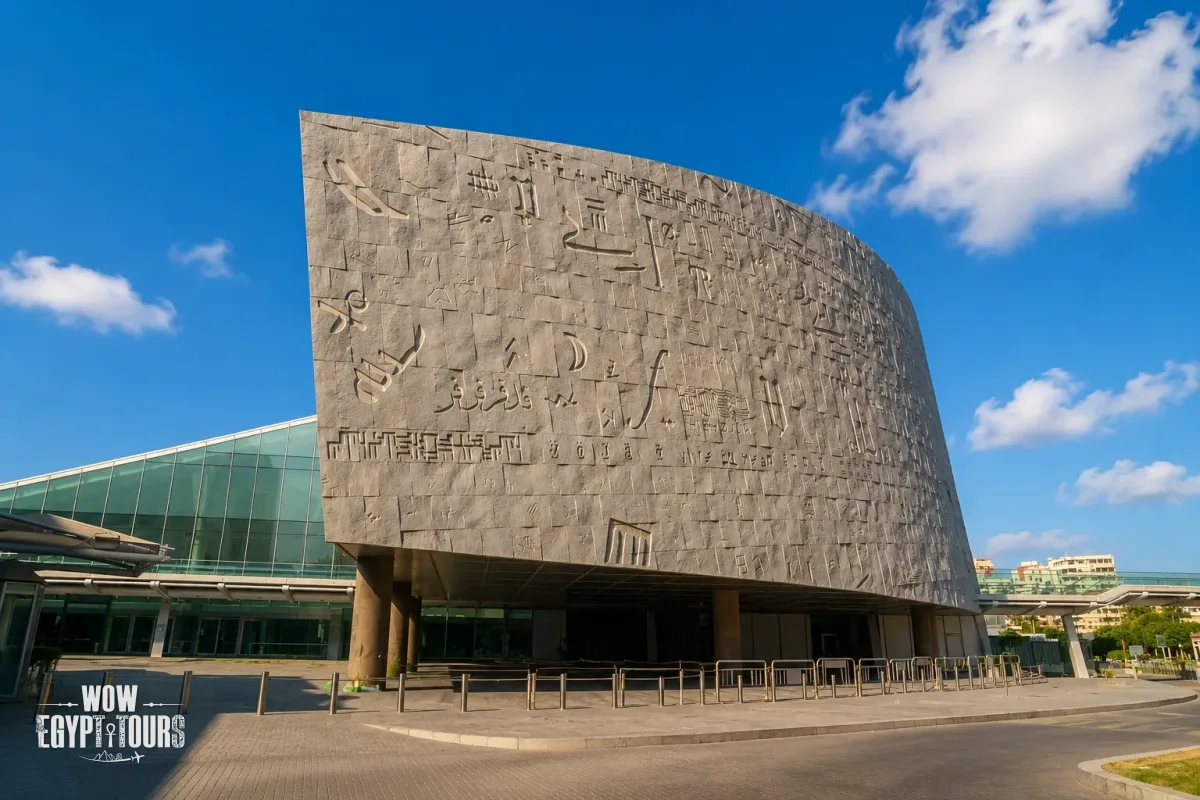
The Bibliotheca Alexandrina Egypt is not simply a modern public library. It is a complex cultural institution comprising a main reading room of breathtaking spatial drama, seven specialized research libraries, four museums, four art galleries, a planetarium, a conference center, and an extensive programme of cultural events, exhibitions, and educational activities that together make it the most comprehensive cultural center in Egypt outside Cairo. The building itself, designed by the Norwegian architectural firm Snøhetta following an international competition, is one of the masterworks of late 20th century institutional architecture, a tilted circular disc of grey Norwegian granite rising from the Alexandrian waterfront with its exterior surface covered in characters from more than 120 different ancient and modern writing systems, a visual metaphor for the universal aspiration to capture and preserve all human knowledge that was the founding principle of the ancient Library of Alexandria more than two thousand years ago. Visiting the Bibliotheca Alexandrina is not simply visiting a library or a museum; it is an encounter with the most ambitious modern statement of the ancient Alexandrian ideal of universal learning, knowledge, and cultural synthesis, set in one of the most beautiful and most dramatically situated modern buildings in the entire Mediterranean world.

Who Built The Bibliotheca Alexandrina?
The Bibliotheca Alexandrina was built by the Egyptian government in partnership with UNESCO and with financial contributions from a remarkable range of international donors including Arab governments, European countries, and private foundations, in a project that embodied the same spirit of international cultural cooperation that had characterized the UNESCO rescue of the Nubian monuments three decades earlier. The idea of rebuilding the ancient Library of Alexandria on or near its original site had been discussed by Egyptian scholars and international cultural figures since the 1970s, and the project was formally launched in 1990 under the patronage of UNESCO and the Egyptian government with an international architectural competition that attracted entries from more than 500 architectural firms from around the world.
The winning design was submitted by the Norwegian architectural firm Snøhetta, founded in Oslo in 1989 and already recognized as one of the most creatively innovative architectural practices of the late 20th century, whose proposal for the Bibliotheca Alexandrina combined a bold and distinctive visual concept, the tilted circular disc rising from the water's edge, with a practical and spatially sophisticated interior organization that placed the main reading room in the dramatic cascading interior of the disc and distributed the specialized libraries, museums, and cultural facilities around and beneath the central reading space. The construction of the building, carried out over approximately seven years between 1995 and 2002, involved Egyptian and international contractors and engineering teams in a complex programme that required significant land reclamation and foundation engineering work on the Mediterranean waterfront site, as well as the sourcing and finishing of the Norwegian granite that covers the exterior surfaces of the disc structure. The Bibliotheca was formally inaugurated at a ceremony attended by international heads of state, UNESCO officials, and cultural leaders from around the world on 16 October 2002, completing a project that had taken more than two decades from initial concept to final opening.
What Was The Ancient Library Of Alexandria?
The ancient Library of Alexandria was the greatest and the most celebrated library of the ancient world, a vast scholarly institution founded in the city of Alexandria in the 3rd century BCE under the patronage of the early Ptolemaic rulers of Egypt, Ptolemy I Soter and Ptolemy II Philadelphus, with the explicit ambition of collecting all the books in the world in a single universal repository of human knowledge. The library was part of the Mouseion, the Shrine of the Muses, a research institute modeled on the philosophical schools of Athens and supported by the royal patronage of the Ptolemaic dynasty, which brought to Alexandria some of the greatest scholars of the ancient world and provided them with the resources and the institutional support to pursue original research across every field of ancient intellectual inquiry, from astronomy and mathematics to medicine, philosophy, literature, and history.
At the height of its collection, the Library of Alexandria is estimated to have held between 400,000 and 700,000 papyrus scrolls, an unimaginable concentration of ancient knowledge that made it the largest collection of written material in the ancient world by an enormous margin. The scholars who worked in or were associated with the Library of Alexandria included some of the greatest intellectual figures of the ancient world: Euclid, who developed the foundations of geometry there; Eratosthenes, who calculated the circumference of the Earth using the angle of the sun at Aswan and Alexandria; Archimedes, who developed the principles of buoyancy and the lever; Aristarchus of Samos, who proposed the heliocentric model of the solar system nearly two thousand years before Copernicus; Hypatia, the great mathematician and philosopher; and dozens of other scholars whose works collectively constituted the most significant body of ancient scientific and humanistic knowledge ever assembled in a single institution. The Library of Alexandria was not simply a repository of books; it was the primary engine of ancient intellectual progress, the place where the most ambitious and the most productive scholarly work of the Hellenistic world was conceived, conducted, and recorded.
The fate of the ancient Library of Alexandria is one of the most debated questions in the history of the ancient world, with competing claims attributing its destruction to Julius Caesar, to the Christian patriarch Theophilus, to the Arab general Amr ibn al-As, or to a gradual process of decline and institutional decay over several centuries. Modern scholarship generally favors the gradual decline explanation, suggesting that the Library was progressively reduced and eventually eliminated by the combination of reduced royal patronage after the Roman conquest of Egypt in 30 BCE, periodic physical damage during the various military conflicts and religious upheavals of the late antique period, and the gradual shift of intellectual and cultural authority away from Alexandria and toward Rome, Byzantium, and the emerging centers of Christian and Islamic scholarship. Whatever the precise historical truth of its end, the Library of Alexandria has become in the cultural imagination of the modern world the supreme symbol of the irreplaceable loss of knowledge, a monument to the fragility of human intellectual achievement in the face of time, conflict, and indifference.
Bibliotheca Alexandrina Location In Egypt
The Bibliotheca Alexandrina is located on the waterfront of the Eastern Harbor of Alexandria, on the Corniche road (officially Tariq Al-Gaish, the Army Road) that runs along the Mediterranean shore of the city, in the Shatby district of central Alexandria. The building stands on land reclaimed from the sea directly adjacent to the site of the ancient Royal Quarter of Ptolemaic Alexandria, where the original ancient Library and Mouseion were believed to have stood in the 3rd century BCE, making the modern building a deliberate geographical statement about its relationship to its ancient predecessor. The site is approximately 225 kilometers northwest of Cairo, a journey of approximately 2 to 2.5 hours by road from the Egyptian capital, making Alexandria and the Bibliotheca easily accessible as a day excursion from Cairo or as the destination of a dedicated Alexandria overnight visit. The building stands directly on the Mediterranean waterfront with panoramic views of the Eastern Harbor, the Qaitbay Citadel visible in the distance across the bay, and the open sea beyond, providing one of the most dramatically beautiful urban architectural settings of any cultural institution in the entire Mediterranean world. WOW Egypt Tours provides private air-conditioned transportation to the Bibliotheca Alexandrina on all Alexandria Day Tours, Cairo and Alexandria Day Tours, and Alexandria Port Excursion programmes.
Bibliotheca Alexandrina Fun Facts
The exterior wall of the Bibliotheca Alexandrina disc structure is covered with characters representing more than 120 different ancient and modern writing systems, from ancient Egyptian hieroglyphics and Sumerian cuneiform to modern Latin, Arabic, Chinese, and dozens of other scripts carved into the grey Aswan granite panels that clad the exterior of the tilted circular disc. This extraordinary epigraphic programme, covering the complete surface of the disc exterior with the visual representation of the full diversity of human writing traditions, is both a striking architectural feature and a profound conceptual statement about the universal mission of the institution: to collect and preserve the recorded knowledge of all human civilizations, in all the scripts and all the languages in which that knowledge has been recorded across the full span of human intellectual history.
The main reading room of the Bibliotheca Alexandrina is one of the largest and most dramatically conceived library spaces in the world, a single continuous reading space covering approximately 70,000 square meters across eleven cascading floor levels that step down from the highest point of the tilted disc to its lowest, all illuminated by natural daylight filtering through the glass and aluminum roof panels that cover the open interior of the disc structure. The reading room can accommodate approximately 2,000 readers simultaneously in its continuous cascading space, surrounded by shelving for the library's current holding of approximately 2 million books, with a planned expansion capacity of up to 8 million volumes. The spatial experience of the main reading room, with its dramatic scale, its natural light, and the visual impression of knowledge cascading down through the terraced levels, is the architectural experience of the Bibliotheca that most consistently overwhelms visitors on their first encounter.
The Bibliotheca Alexandrina houses within its complex four museums of significant independent interest: the Antiquities Museum, which displays ancient Egyptian and Mediterranean artifacts; the Manuscript Museum, which houses an extraordinary collection of illuminated Islamic manuscripts; the History of Science Museum, which traces the development of scientific understanding from ancient Egypt through the Arab golden age to the modern era; and the Sadat Museum, dedicated to the Egyptian president Anwar Sadat and his role in the Camp David peace process.
Why Is The Bibliotheca Alexandrina Called By This Name?
The name Bibliotheca Alexandrina is Latin for the Library of Alexandria, a direct classical reference to the original ancient library institution whose spirit the modern building was explicitly designed to revive and whose legacy it was intended to continue in the contemporary world. The choice of the Latin form of the name, rather than the Arabic Al-Maktaba Al-Iskandariyya or the English Library of Alexandria, reflects the institution's self-conscious positioning as an heir to the Hellenistic intellectual tradition of the original Mouseion and Library, institutions that operated in the Greek language and within the Greek intellectual framework of the Ptolemaic cultural world. The use of the Latin Bibliotheca rather than the Greek Bibliotheke is itself significant, as it situates the modern institution within the Latin scholarly tradition through which the legacy of the ancient Greek Alexandrian scholarship was transmitted to the European Renaissance and ultimately to the modern world. The name is also internationally recognizable and immediately evocative of the ancient institution whose legendary status ensures that the modern Bibliotheca Alexandrina is understood in every language and every culture as a direct reference to the most celebrated library of the ancient world.
Bibliotheca Alexandrina History
The history of the Bibliotheca Alexandrina as an institutional project begins in the 1970s, when a group of Egyptian academics and cultural figures began to advocate publicly for the rebuilding of a great library in Alexandria to revive the ancient city's intellectual legacy and to position Egypt as a center of global cultural exchange and scholarship in the modern world. The idea gained significant momentum in the 1980s when the Governor of Alexandria and the President of Alexandria University formally proposed the project to the Egyptian government and to UNESCO, and UNESCO's endorsement of the project in 1987 gave it the international institutional backing needed to attract the financial contributions and the architectural talent necessary for its realization.
The international architectural competition launched in 1988 attracted entries from more than 500 architectural firms from 52 countries, making it one of the most widely contested architectural competitions of the late 20th century. The competition brief called for a building that would be a contemporary architectural response to the legacy of the ancient Library, capable of housing a major research collection and a range of cultural facilities, and appropriately situated in respect to the Mediterranean waterfront and the ancient Royal Quarter of Ptolemaic Alexandria. The winning Snøhetta design was selected in 1989, the project was formally established as the Bibliotheca Alexandrina Organization under Egyptian law in 1990, and the foundation stone was laid in 1995 with the ceremony attended by Egyptian President Hosni Mubarak and UNESCO Director-General Federico Mayor. Construction proceeded over seven years, with significant challenges including the archaeological excavations that revealed ancient remains on the building site and required careful coordination between the construction teams and the archaeological authorities, the complex foundation engineering required for the Mediterranean waterfront site, and the procurement and finishing of the Aswan granite cladding panels that cover the exterior disc surfaces.
The formal inauguration of the Bibliotheca Alexandrina on 16 October 2002 was one of the most symbolically charged cultural events in the modern history of Egypt, attended by kings, presidents, prime ministers, and cultural leaders from more than 60 countries, in a ceremony that marked not only the opening of a major new cultural institution but the completion of a project of immense symbolic importance for Egyptian national pride and for the international cultural community's aspiration to restore the spirit of the most celebrated library in human history. Since its opening, the Bibliotheca Alexandrina has established itself as one of the most visited and most internationally recognized cultural institutions in Egypt, attracting hundreds of thousands of visitors per year and operating an extensive programme of research, publication, digitization, and cultural exchange that fulfills the founding ambition of creating a modern successor to the ancient Library of Alexandria in both spirit and substance.
The Story Of Rebuilding The World's Most Famous Library
The story of the decision to rebuild the Library of Alexandria in the modern era is a story about the power of cultural memory and the aspiration to recover what has been lost, a narrative in which the ancient ideal of universal knowledge and the symbolic weight of the most famous intellectual loss in human history combine to inspire one of the most ambitious cultural projects of the late 20th century. For more than fifteen hundred years after the end of the ancient Library, the idea of the Library of Alexandria had functioned in the cultural imagination of the Western and Islamic worlds as the supreme symbol of the fragility of human knowledge and the irreversibility of cultural loss, the universal metaphor for everything that has been destroyed or forgotten in the long and turbulent history of human civilization. The decision to build a new library on or near the ancient site was therefore not simply an act of institutional planning but an act of cultural defiance against this tradition of loss, an assertion that the ideal of universal knowledge could be rebuilt and that the spirit of the ancient Library could be restored in a modern form appropriate to the intellectual and technological realities of the 21st century.
The architectural competition and the construction of the building itself embodied this ambition in every design decision, from the choice of a circular form that references the ancient Mediterranean architectural tradition to the programme of writing systems on the exterior walls that expresses the universal scope of the institution's cultural ambitions. The involvement of UNESCO as a founding partner gave the project the international cultural authority that aligned it with the organization's broader mission of promoting cultural diversity, intellectual freedom, and access to knowledge as fundamental human values. The opening of the building in 2002 was experienced by the Egyptian academic and cultural community as a moment of genuine cultural restoration, not the literal recreation of the ancient Library but the revival of its spirit in a contemporary institutional form worthy of the legacy it claimed and capable of fulfilling in the modern world some of the extraordinary intellectual functions that the ancient Library had fulfilled in the ancient world.
Bibliotheca Alexandrina Architecture And Key Features
The Tilted Disc Exterior
The most immediately distinctive and most widely recognized feature of the Bibliotheca Alexandrina is its exterior form: a massive circular disc of grey Aswan granite, approximately 160 meters in diameter, tilted at an angle toward the sea as if rising from the Mediterranean like a reincarnation of the ancient sun disc that was one of the most potent symbols of the Egyptian religious and intellectual traditions. The disc is tilted at approximately 16 degrees from the horizontal, with its highest point rising approximately 32 meters above the ground on the landward side and its lowest point dipping toward the Mediterranean waterfront on the seaward side, creating a dramatic visual effect of a stone disc in the act of emerging from or descending into the sea that is one of the most immediately evocative architectural gestures in modern Mediterranean architecture. The exterior wall of the disc, visible on all sides as visitors approach the building from the waterfront Corniche or from the surrounding streets, is clad entirely in panels of Aswan granite carved with characters representing more than 120 different writing systems, creating a visual surface of extraordinary textural richness and conceptual depth that rewards close examination and repays the extended attention of visitors who take the time to identify individual scripts within the extraordinary epigraphic ensemble.
The Main Reading Room
The interior of the Bibliotheca Alexandrina is dominated by the extraordinary main reading room, the single most dramatic library interior of any public institution built in the 20th or 21st centuries, a vast cascading space of eleven terraced levels that extends from the highest point of the tilted disc down to its lowest in a continuous visual sweep of shelving, reading tables, and natural light of overwhelming spatial power. The reading room is covered by a roof of glass and aluminum panels that floods the space with natural daylight from above, filtering it through the translucent glass sections and the aluminum shading elements to create an interior light environment of warm, soft, diffused illumination that is both intellectually stimulating and physically comfortable for extended reading and study. The visual experience of standing at any level of the cascading reading room and looking across the full extent of the space, with the books and the readers and the shelving and the light all combining in a composition of extraordinary spatial depth and intellectual atmosphere, is one of the most memorable and most intellectually moving architectural experiences available at any cultural institution in Egypt.
The Specialized Libraries
The Bibliotheca Alexandrina complex houses seven specialized research libraries in addition to the main general library, each dedicated to a specific field of knowledge and each maintained as an independent research collection with its own catalogue, management team, and user access protocols. The specialized libraries include the Arts and Multimedia Library, the Children's Library, the Taha Hussein Library for the visually impaired, the Young People's Library, the Deaf and Hard of Hearing Library, the Microforms and Rare Books Library, and the Francophone Library, together providing the most comprehensive range of specialized library services available at any single institution in Egypt. The arts and multimedia library is particularly notable for its collection of visual arts materials, audio and video archives, and digital media resources that reflect the Bibliotheca's commitment to documenting and preserving the cultural production of the modern Arab world alongside the scholarly collections that form the core of the institution's academic mission.
The Antiquities Museum
The Antiquities Museum within the Bibliotheca Alexandrina complex is the most archaeologically significant of the four museums in the building, displaying ancient Egyptian, Greco-Roman, Coptic Christian, and early Islamic artifacts primarily from the Alexandria region and reflecting the extraordinary cultural layering that makes Alexandria one of the most historically complex cities in the ancient Mediterranean world. The museum collection includes ancient Egyptian funerary objects, Greco-Roman sculpture and decorative arts, Coptic Christian textiles and liturgical objects, early Islamic art and architecture fragments, and a remarkable collection of ancient coins, ceramics, and personal ornaments that document the daily life of ancient Alexandrian society across its multiple cultural phases. The museum is particularly strong in its Greco-Roman collection, reflecting the primary cultural character of ancient Alexandria as the supreme center of Hellenistic civilization in the Mediterranean world, and the quality of individual objects in the collection is consistently high.
The Manuscript Museum
The Manuscript Museum of the Bibliotheca Alexandrina houses one of the most significant collections of Islamic manuscripts in Egypt outside the national collections in Cairo, with illuminated Quranic manuscripts, scientific treatises, literary texts, and historical documents from across the Arab and Islamic world preserved in a purpose-built conservation and display environment of international museum standard. The collection reflects the extraordinary flowering of manuscript culture in the Islamic scholarly tradition, from the earliest Quranic texts of the early Islamic period through the great scientific and philosophical manuscripts of the Arab golden age, when Islamic scholars in Baghdad, Cairo, and across the Islamic world translated, preserved, and extended the philosophical and scientific knowledge of the ancient Greek tradition in works that were to prove fundamental to the European Renaissance and the development of modern science. The Manuscript Museum of the Bibliotheca Alexandrina is a direct institutional connection to the ancient Library's greatest legacy: the preservation and transmission of ancient knowledge across the transitions between cultural traditions and historical eras that might otherwise have resulted in its permanent loss.
The Planetarium And Science Center
The Planetarium Science Center of the Bibliotheca Alexandrina is housed in a separate spherical structure immediately adjacent to the main disc building, a dome-shaped facility that contains a full-diameter projection dome for astronomical shows, interactive science exhibits, and educational programmes for school groups and general visitors. The planetarium reflects the particular appropriateness of astronomical science as a subject associated with the ancient Library of Alexandria, where Eratosthenes, Aristarchus of Samos, Hipparchus, and other ancient astronomers made some of the most significant observational and theoretical contributions to the development of ancient astronomy. The History of Science Museum within the Bibliotheca complex further reinforces this connection, tracing the development of scientific understanding from the ancient Egyptian contributions to astronomy and medicine through the Hellenistic achievements of the Alexandrian scholars through the Arab golden age contributions to mathematics, optics, and chemistry to the modern scientific tradition.
The Archaeological Site Beneath The Building
One of the most unexpected and most fascinating features of the Bibliotheca Alexandrina visit is the opportunity to see, through glass panels in the floor of the Antiquities Museum, the ancient archaeological remains uncovered during the construction of the building on its Mediterranean waterfront site. The construction excavations revealed significant ancient remains from the Ptolemaic and Roman periods of ancient Alexandria, including portions of ancient walls, floor surfaces, and artifact deposits that provide direct physical evidence for the ancient occupation of this area of the ancient Royal Quarter in the centuries when the original Library of Alexandria was active nearby. The in-situ preservation of these ancient remains within the modern building, visible through the glass floor panels as a literally underlying stratum of antiquity beneath the contemporary cultural institution, is one of the most immediately tangible expressions of the temporal relationship between the ancient and modern Libraries that the Bibliotheca Alexandrina was designed to embody.
Why Is The Bibliotheca Alexandrina Important?
The Bibliotheca Alexandrina is important for reasons that span architectural achievement, cultural symbolism, institutional significance, and the living intellectual mission it fulfills in the modern world. Architecturally, it is one of the masterworks of late 20th century institutional design, a building that combines formal brilliance and conceptual clarity with practical spatial organization of exceptional sophistication, and that has been internationally recognized as one of the defining cultural buildings of its generation. Culturally, it is the most powerful and the most explicitly symbolic act of cultural restoration in the modern history of Egypt, a deliberate assertion of the continuity between the ancient Alexandrian intellectual tradition and the cultural ambitions of the modern Egyptian state, and a contribution to the international cultural heritage of humanity that stands comparison with the greatest cultural buildings of any civilization or any period.
As an active institution, the Bibliotheca Alexandrina fulfills the most demanding interpretation of its founding mission through its library collections, its research programmes, its digitization projects, its manuscript conservation work, its museum collections, and its extensive publication and cultural exchange activities, serving millions of Egyptian and international users both physically and digitally and positioning Alexandria as a genuine center of Mediterranean cultural exchange in the 21st century. WOW Egypt Tours includes the Bibliotheca Alexandrina as a featured destination on all Alexandria Day Tours, recognizing it as the most impressive and the most intellectually enriching single attraction in the modern cultural heritage landscape of the city of Alexander the Great.
What Are Some Interesting Facts About The Bibliotheca Alexandrina?
More Than 120 Writing Systems On One Wall
The programme of writing systems on the exterior walls of the Bibliotheca Alexandrina disc is one of the most visually extraordinary and conceptually rich architectural decorative schemes in any building erected in the 20th or 21st centuries, a comprehensive epigraphic catalogue of the diversity of human writing traditions carved into the Aswan granite panels that covers the complete exterior wall surface of the tilted disc. The more than 120 writing systems represented on the walls include not only the major scripts of the contemporary world, Arabic, Latin, Cyrillic, Chinese, Japanese, Korean, Hindi Devanagari, but also dozens of ancient and historical scripts including ancient Egyptian hieroglyphics, Sumerian cuneiform, Phoenician, ancient Greek, Aramaic, Coptic, and many other writing traditions that document the full range of humanity's attempts to record its thought, its speech, and its knowledge in permanent visual form. Walking around the exterior of the building and examining the carved script characters on the wall panels is itself an extraordinary cultural experience, a compressed tour through the complete history of human writing technology that takes on its full meaning only when seen as the exterior skin of a building dedicated to the preservation and transmission of the knowledge recorded in all those scripts.
The Largest Library In Africa
The Bibliotheca Alexandrina's main library currently holds approximately 2 million books and aims to expand to its planned maximum capacity of 8 million volumes, making it by far the largest library in Africa and one of the largest by planned capacity anywhere in the world. The library's collections span all fields of human knowledge and all languages, with particular strengths in Arabic literature and scholarship, Mediterranean history and archaeology, Islamic manuscripts, and the history of science and mathematics. The digital collections of the Bibliotheca are even larger than the physical collections, with the institution maintaining extensive digital archives and online databases that make its resources accessible to users throughout Egypt, the Arab world, and beyond. The Bibliotheca Alexandrina is also one of the Internet Archive's mirror sites, hosting a complete copy of the Internet Archive's digital library, a fact that represents a particularly resonant modern continuation of the ancient Library's ambition to collect all recorded knowledge in a single institution.
Built On The Site Of The Ancient Library
The Bibliotheca Alexandrina stands in the district of ancient Alexandria that was known in the Ptolemaic period as the Royal Quarter, the area of the ancient city where the ancient Mouseion and Library were believed to have been located in the 3rd century BCE. While the precise boundaries and the exact location of the ancient Library cannot be determined with certainty from the available ancient sources, the archaeological remains uncovered during the construction of the modern building, preserved and displayed beneath the glass floor panels of the Antiquities Museum, provide direct physical evidence for the ancient cultural activity in this area of the ancient city and establish a tangible spatial connection between the modern institution and its ancient predecessor that gives the Bibliotheca Alexandrina a quality of historical authenticity and spatial continuity that no other location in Alexandria could provide.
What Is So Special About The Bibliotheca Alexandrina?
The Most Powerful Modern Cultural Statement In Egypt
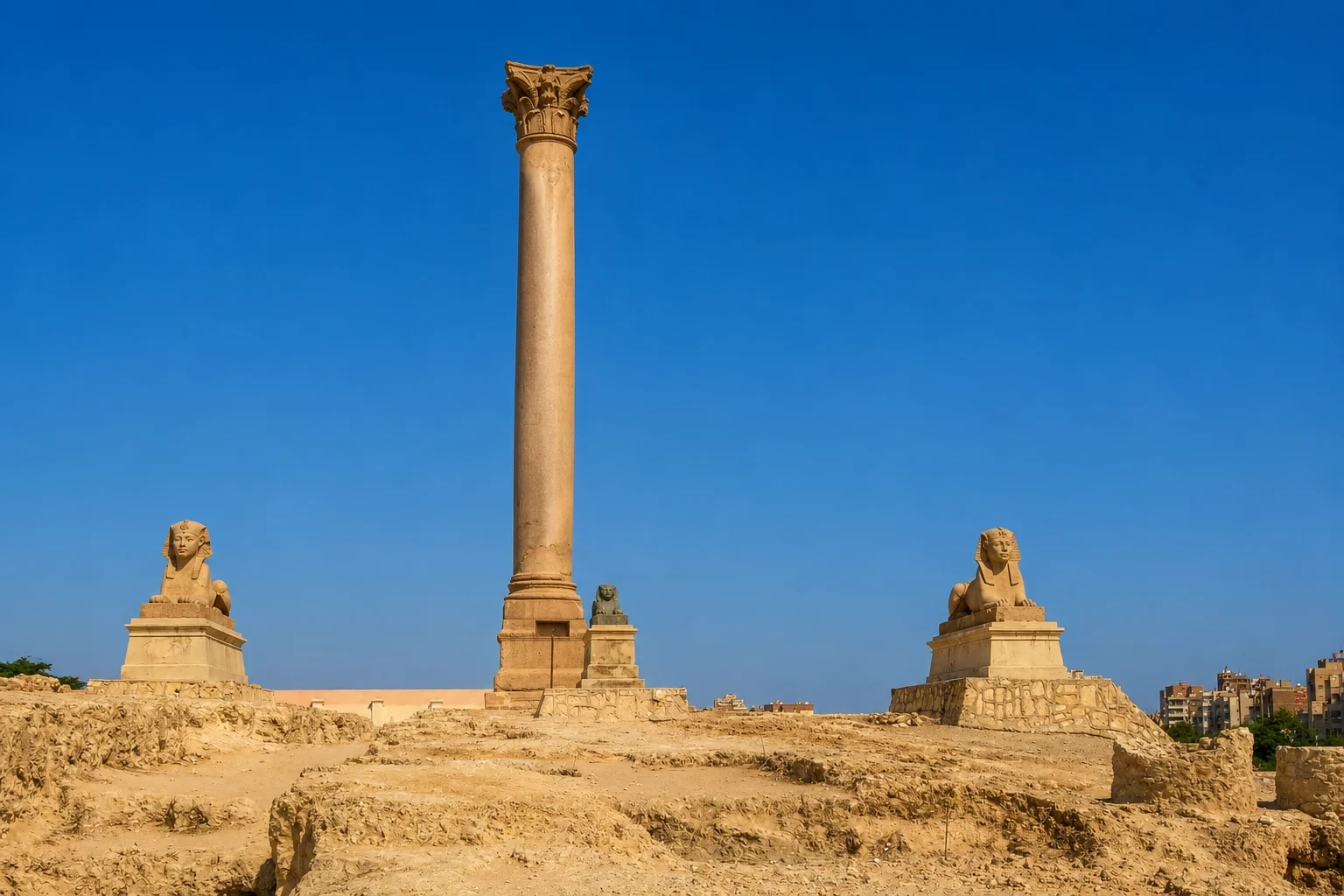
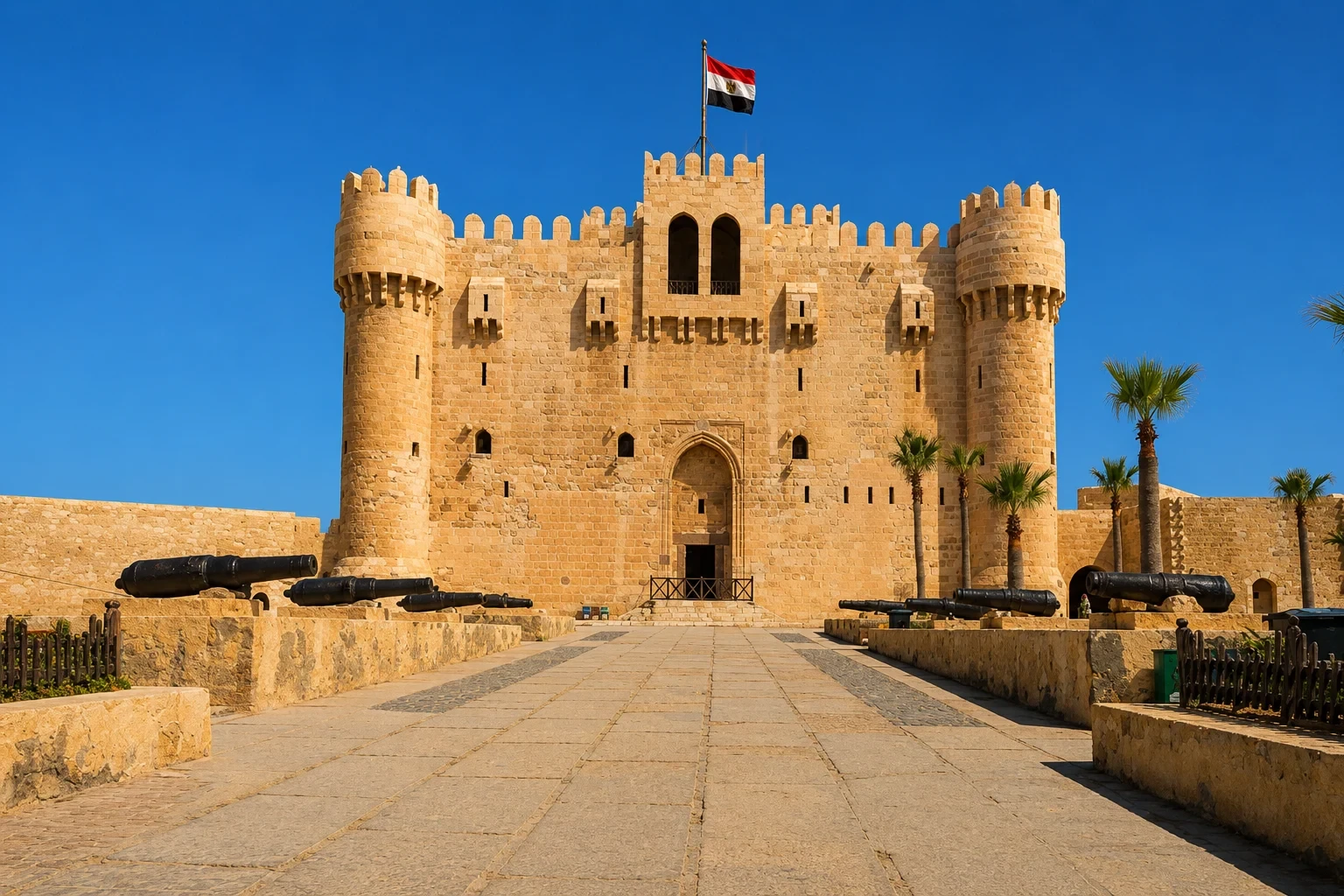
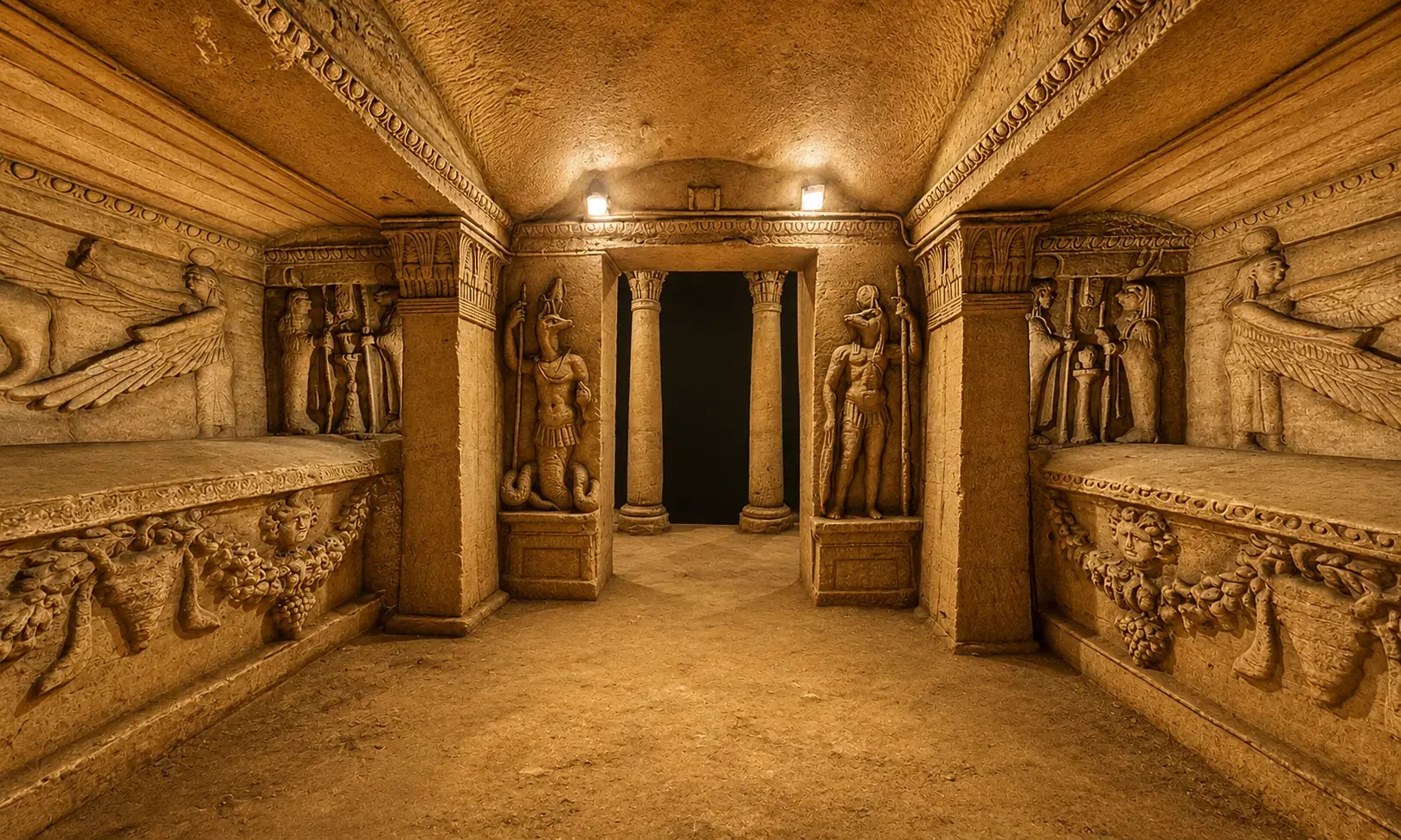
What makes the Bibliotheca Alexandrina uniquely special among all the cultural institutions and all the historic monuments of Alexandria is the extraordinary density and the extraordinary resonance of its symbolic meaning in relation to the ancient city and its legendary history. Every other major monument in Alexandria, the Qaitbay Citadel, the Catacombs of Kom El Shoqafa, Pompey's Pillar, the Roman Amphitheatre, is a remnant of the ancient city, a survival from a magnificent past that has been largely lost. The Bibliotheca Alexandrina alone is a creation of the present, a statement about what the contemporary world can do with the legacy of the ancient past, and what the aspiration to recover what has been lost can produce when it is given sufficient ambition, sufficient resources, and sufficient architectural genius. In a city of magnificent ruins and evocative fragments, the Bibliotheca Alexandrina stands as the one complete, fully realized modern cultural achievement that places Alexandria in the conversation about the great cultural institutions of the contemporary world while simultaneously connecting the modern city to its ancient role as the supreme center of global learning and cultural exchange.
A Living Institution In A City Of Ancient Ghosts
The Bibliotheca Alexandrina is also uniquely special for being a fully active, fully functioning living cultural institution in a city whose character is otherwise defined primarily by the magnificent remnants and evocative absences of the ancient world. While the ancient monuments of Alexandria provide encounters with the physical remains of one of the greatest cities of antiquity, the Bibliotheca provides an encounter with a living intellectual institution that is doing in the present something of what the ancient Library did in its own present: collecting knowledge, supporting scholarship, preserving manuscripts, educating the young, and positioning Alexandria as a center of cultural exchange between Egypt, the Arab world, and the broader international community. This combination of historical resonance with present-day vitality gives the Bibliotheca Alexandrina a depth of cultural significance that is available at no other single attraction in the city of Alexander the Great.
Bibliotheca Alexandrina Through The Ages: From Opening To The Present
Since its inauguration in October 2002, the Bibliotheca Alexandrina has grown rapidly from a new cultural institution into one of the most internationally recognized and most actively visited cultural centers in the Arab world. In the years immediately following its opening, the Bibliotheca established its primary collections and programmes, recruited its staff of more than two thousand professionals, and began the ambitious digitization projects that have made significant portions of its manuscript and rare book collections available to users throughout the world via its online platforms. The institution survived the political upheavals of the Egyptian Revolution of 2011, when its staff famously formed a human chain around the building to protect it from the disorder that affected other cultural institutions in Egypt during the revolutionary period, an act of collective cultural commitment that attracted international attention and reinforced the special status of the Bibliotheca in the cultural life of Alexandria and Egypt.
In the years since 2011, the Bibliotheca Alexandrina has continued to develop and expand its collections, its exhibitions, its cultural programmes, and its international partnerships, while also engaging increasingly with the digital heritage work that represents the most significant contemporary contribution to the ancient Library's universal mission. The institution's collaboration with the Internet Archive, its digital preservation of Arabic manuscripts threatened by conflict and neglect throughout the Arab world, and its development of extensive online educational resources have established the Bibliotheca Alexandrina as a genuinely significant player in the international digital cultural heritage landscape, fulfilling in a medium the ancient Library's founders could not have imagined the same aspiration to universal knowledge access that motivated the original Mouseion more than two thousand years ago. Today the Bibliotheca Alexandrina receives hundreds of thousands of visitors annually, operates an extensive programme of temporary exhibitions and cultural events, and continues to develop as the preeminent cultural institution in the city of Alexandria and one of the most symbolically powerful cultural buildings in the modern Mediterranean world.
Bibliotheca Alexandrina UNESCO Recognition
The Bibliotheca Alexandrina was founded in direct partnership with UNESCO and continues to operate as a UNESCO-associated institution, reflecting the organization's recognition of the project as one of the most significant cultural institution-building achievements of the late 20th century and as a direct continuation of the international cultural cooperation that produced the UNESCO World Heritage Convention and the broader framework of international cultural heritage protection. UNESCO's involvement in the founding of the Bibliotheca Alexandrina, from the initial endorsement of the project in 1987 through the foundation stone ceremony in 1995 and the formal inauguration in 2002, established the institution as a genuinely international cultural asset rather than simply a national Egyptian cultural resource, and the Bibliotheca's subsequent development as an internationally engaged institution with partners, programmes, and users throughout the world has justified the original UNESCO vision of a modern Library of Alexandria as a contribution to the cultural heritage of all humanity rather than simply of Egypt or the Arab world.
Best Time To Visit The Bibliotheca Alexandrina
The Bibliotheca Alexandrina is a fully air-conditioned indoor institution that is comfortable to visit at any time of year regardless of the outside temperature, making it one of the most seasonally flexible heritage and cultural destinations available in Alexandria. The best time to visit in terms of visitor numbers is during the weekdays from Sunday to Thursday, when the institution is primarily used by researchers and students and the main reading room and museums are significantly less crowded than on weekends and public holidays when Egyptian family visitors come in large numbers. The early morning hours after opening are the most peaceful time to experience the dramatic interior spaces of the building, particularly the main reading room, which achieves its fullest spatial impact when the natural morning light enters from the roof panels and illuminates the cascading levels in the warm golden tones of the early morning sun. The winter months from November through February offer the most pleasant conditions for the outdoor approach and the exterior examination of the building's remarkable granite walls, when the Mediterranean climate of Alexandria provides mild, clear conditions that show the architectural details at their best. WOW Egypt Tours plans all Bibliotheca Alexandrina visits at the optimal time of day for the season and the specific Alexandria itinerary.
Bibliotheca Alexandrina Opening Hours
The Bibliotheca Alexandrina is open to visitors Saturday through Thursday from 10:00 AM to 7:00 PM. On Fridays the library is open from 2:00 PM to 7:00 PM. The building is closed on certain Egyptian public holidays. The museums within the complex have the same opening hours as the main building. The Planetarium Science Center has separate scheduled shows throughout the day; show times and availability should be confirmed at the ticket desk on arrival. The library's reading rooms are open to researchers and library card holders during the standard opening hours, while the museums, galleries, and other cultural facilities are accessible on the general visitor ticket. Evening cultural events and special exhibitions sometimes extend the opening hours on specific days.
Bibliotheca Alexandrina Entrance Fees
Main Library and Antiquities Museum: EGP 70 adults, EGP 35 students
Manuscript Museum: EGP 50 adults, EGP 25 students
History of Science Museum: EGP 50 adults, EGP 25 students
Planetarium Science Center: EGP 50 adults, EGP 30 students (show-dependent pricing)
Combined ticket covering all museums: EGP 150 adults, EGP 75 students
The main library reading room is accessible to all visitors with a general ticket. Entrance fees to the Bibliotheca Alexandrina are included in all Alexandria Day Tours and Alexandria Port Excursion programmes booked through WOW Egypt Tours.
How To Get To The Bibliotheca Alexandrina
The Bibliotheca Alexandrina is located on the Corniche waterfront road (Tariq Al-Gaish) in the Shatby district of Alexandria, a central and easily accessible location approximately 225 kilometers northwest of Cairo. From Cairo, Alexandria is reached by private vehicle in approximately 2 to 2.5 hours via the Desert Road, by high-speed train in approximately 2 hours from Cairo Ramses or Cairo Sidi Gaber stations, or by daily domestic flights from Cairo International Airport to Borg El Arab Airport near Alexandria in approximately 45 minutes. From the Alexandria city center, the Bibliotheca is located on the Eastern Harbor Corniche and is accessible by private vehicle in approximately 10 to 15 minutes from most central Alexandria hotels. The building is immediately recognizable from the waterfront by its distinctive tilted disc exterior. WOW Egypt Tours provides private air-conditioned transportation directly from Cairo or from Alexandria hotels to the Bibliotheca Alexandrina on all Alexandria Day Tours, Cairo and Alexandria Day Tours, and Alexandria Port Excursion programmes.
How Long To Spend At The Bibliotheca Alexandrina
Most visitors spend between one and two hours at the Bibliotheca Alexandrina for a comprehensive visit covering the main reading room, the Antiquities Museum, and the exterior of the building. Visitors who wish to see all four museums, attend a Planetarium show, and spend time in the art galleries and specialized library spaces may wish to allow two to three hours. The Bibliotheca Alexandrina is most naturally combined in an Alexandria day programme with visits to the Qaitbay Citadel, the Catacombs of Kom El Shoqafa, and Pompey's Pillar, which together constitute the most complete single-day Alexandria heritage experience available. The Bibliotheca is ideally visited at the beginning of the Alexandria day to provide the cultural and historical context for the ancient monuments visited subsequently.
Tips For Visiting The Bibliotheca Alexandrina
Enter the building and go directly to the main reading room on your first visit, as the spatial experience of the cascading levels, the natural light, and the dramatic architectural interior is the most powerful first impression available in the building and provides the ideal emotional and conceptual introduction to everything else the Bibliotheca has to offer. Walk all the way down from the highest level of the reading room to the lowest to appreciate the full vertical range of the cascading space and the different visual perspectives available at each level. Take time to examine the exterior granite walls carefully before entering or after leaving, as the programme of carved writing systems is most fully appreciated with unhurried attention that allows individual scripts to be identified and their cultural contexts appreciated. Visit the Antiquities Museum to see the ancient remains preserved beneath the glass floor panels, as the visible archaeological stratigraphy of the ancient city directly beneath the feet of the modern library visitors is one of the most poetically appropriate encounters with the historical layers of Alexandria available anywhere in the city. A guide from WOW Egypt Tours knowledgeable about both the modern building and the ancient Library of Alexandria provides the essential intellectual context for a complete appreciation of the institution's significance. Photography is permitted in most areas of the building but should be done discreetly in the reading rooms where researchers are working.
What To Wear At The Bibliotheca Alexandrina
The Bibliotheca Alexandrina is a fully air-conditioned modern public institution and a working library, so smart casual dress is the most appropriate for the visit. Lightweight, comfortable clothing is suitable for the fully climate-controlled interior throughout the year. The building is cooled to a comfortable temperature regardless of the outside Mediterranean heat, making it one of the most physically comfortable cultural destinations in Alexandria in summer. Comfortable flat walking shoes are ideal for the smooth modern flooring of the interior galleries and reading rooms and for the external approach paths around the building exterior. A light additional layer is recommended if you are sensitive to air conditioning. Modest dress covering the shoulders and knees is appreciated as a mark of respect for the institution and for the Egyptian cultural environment, though the Bibliotheca operates an inclusive and internationally oriented institutional culture that is welcoming to visitors from every background and every dress tradition.
Photography At The Bibliotheca Alexandrina
Photography is permitted throughout most of the Bibliotheca Alexandrina complex including the main reading room, the museum galleries, the exterior granite walls, and the surrounding waterfront areas. The most photographically rewarding subjects include the dramatic interior perspective of the cascading reading room levels in natural light, the detail of the carved writing systems on the exterior granite wall panels, the exterior disc architecture from different viewpoints along the waterfront Corniche, and the views across the Eastern Harbor to the Qaitbay Citadel from the library's Mediterranean-facing terrace. Photography in the reading rooms should be done discreetly and without flash to avoid disturbing researchers and readers. Some special temporary exhibitions may have specific photography restrictions that are marked at the entrance to the exhibition space. The exterior of the building provides the most spectacular photography in the early morning when the Mediterranean light illuminates the granite surfaces and the tilted disc creates dramatic shadows on the waterfront, or in the late afternoon when the golden hour light warms the grey granite and the sea provides a luminous background. Professional photography or filming within the building requires advance permission from the Bibliotheca Alexandrina administration.
Bibliotheca Alexandrina Tours
Alexandria Day Tour From Cairo Including Bibliotheca Alexandrina
This comprehensive full-day tour from Cairo covers the most significant cultural and heritage destinations in Alexandria including the Bibliotheca Alexandrina, the Qaitbay Citadel, and the Catacombs of Kom El Shoqafa, providing the most complete single-day Alexandria experience available from the Egyptian capital.
What Is Covered
Private vehicle from Cairo hotel to Alexandria along the Desert Road (approximately 2 to 2.5 hours). Guided visit to the Bibliotheca Alexandrina including the main reading room, the Antiquities Museum with its ancient archaeological remains, the external writing systems wall, and the Mediterranean waterfront setting. Guided visit to the Qaitbay Citadel on the site of the ancient Lighthouse of Alexandria. Guided visit to the Catacombs of Kom El Shoqafa, the largest known funerary complex of the Greco-Roman period in Egypt. Optional: Pompey's Pillar and the adjacent site. Return to Cairo by private vehicle arriving in the early evening.
Duration
Full day from Cairo, approximately 1 to 1.5 hours at the Bibliotheca Alexandrina and proportionate time at each additional site, with approximately 2 to 2.5 hours driving each way.
Includes
Private air-conditioned vehicle from Cairo hotel, private licensed guide with expertise in Alexandrian history and modern cultural institutions, and entrance fees to all included sites.
Alexandria Day Tour: Complete Cultural Programme Including Bibliotheca Alexandrina
This full-day Alexandria city tour covers the complete range of Alexandria's most significant cultural and heritage attractions, beginning with the Bibliotheca Alexandrina as the essential modern cultural introduction to the ancient city and continuing through the major Greco-Roman, medieval, and Islamic monuments that together tell the complete story of Alexandria from its foundation by Alexander the Great to the present day.
What Is Covered
Guided visit to the Bibliotheca Alexandrina. Guided visit to the Catacombs of Kom El Shoqafa. Pompey's Pillar. The Roman Amphitheatre at Kom El Dikka. The Qaitbay Citadel. The Abu El Abbas El Mursi Mosque. Optional: the Greco-Roman Museum.
Duration
Full day from Alexandria hotel or cruise ship terminal, approximately 1 to 1.5 hours at the Bibliotheca and proportionate time at each additional site.
Includes
Private air-conditioned transportation from hotel or port, private licensed guide, and entrance fees to all included sites.
Alexandria Port Excursion: Bibliotheca Alexandrina And City Highlights
For cruise ship passengers arriving at Alexandria Port, this shore excursion covers the Bibliotheca Alexandrina and the most significant Alexandria heritage sites within the available port time, providing the most efficient and the most comprehensively rewarding experience of Alexandria's cultural highlights for visitors with limited time in the city.
What Is Covered
Private vehicle from Alexandria Port. Guided visit to the Bibliotheca Alexandrina. Guided visits to the Catacombs of Kom El Shoqafa, Pompey's Pillar, and the Qaitbay Citadel. Return transfer to Alexandria Port in time for all ship departure requirements.
Duration
Full day or half day from Alexandria Port depending on ship schedule and port time availability.
Includes
Private air-conditioned vehicle from Alexandria Port, private licensed guide, entrance fees to all included sites, and return transfer to the ship.
Combine Bibliotheca Alexandrina With Your Egypt Tours Package
The Bibliotheca Alexandrina is featured as a leading destination across the full range of WOW Egypt Tours travel products that include Alexandria. Browse the options below to find the Egypt experience that includes the Bibliotheca Alexandrina.
Egypt Tour Packages: Multi-day guided Egypt tours organized by duration, including 2 Days Egypt Packages, 3 Days Egypt Packages, 4 Days Egypt Packages, 5 Days Egypt Packages, 6 Days Egypt Packages, 7 Days Egypt Packages, 8 Days Egypt Packages, 10 Days Egypt Packages, and longer itineraries. All packages that include Alexandria feature the Bibliotheca Alexandrina as a standard component of the Alexandria programme. All packages include private air-conditioned transportation, private licensed guide, accommodations, entrance fees to all included sites, and private transfers throughout Egypt.
Egypt Travel Packages: Themed Egypt travel packages designed around specific travel styles and interests, including Egypt Honeymoon Travel Packages, Egypt Budget Travel Packages, Egypt Family Travel Packages, Egypt Luxury Travel Packages, Egypt Adventure Travel Packages, Egypt Cultural Travel Packages, and Egypt Christmas and New Year Travel Packages. The Bibliotheca Alexandrina is particularly suited to Cultural, Luxury, and Family themed packages. All packages include private transportation, licensed guide, accommodations, meals, and private transfers.
Egypt Nile Cruise Packages: Complete Egypt travel packages combining Cairo sightseeing with a fully guided Nile cruise. Alexandria and the Bibliotheca Alexandrina can be added as an extension to any Egypt Nile Cruise Package for travelers wishing to combine the Nile Valley heritage experience with the Alexandrian Mediterranean cultural heritage.
Nile River Cruises: All WOW Egypt Tours Nile cruise options. Alexandria and the Bibliotheca Alexandrina are available as an extension from Cairo added to the beginning or end of any Nile River Cruise itinerary.
Cairo Tours: Day tours from Cairo covering the major attractions of the Egyptian capital and its environs. Cairo-based travelers can visit Alexandria and the Bibliotheca Alexandrina as a full-day excursion from Cairo by private vehicle or train, combining the Bibliotheca with the other major Alexandria attractions in a single comprehensive day programme. All tours include private air-conditioned transportation, private licensed guide, entrance fees, and private transfers.
Alexandria Tours: Dedicated day tours based in Alexandria covering the complete range of the city's cultural and heritage attractions. The Bibliotheca Alexandrina is featured as the opening attraction of the standard full-day Alexandria heritage tour, providing the essential cultural and historical context for all the ancient monuments visited subsequently. All tours include private air-conditioned transportation, private licensed guide with Alexandrian heritage expertise, entrance fees to all included sites, and private transfers.
Alexandria Port Excursions: Shore excursion programmes from Alexandria Port for Mediterranean cruise ship passengers, coordinated around each ship's port schedule with guaranteed return to the ship before departure. The Bibliotheca Alexandrina is featured as a standard stop on all Alexandria Port Excursion programmes, combined with the Catacombs of Kom El Shoqafa, Pompey's Pillar, and the Qaitbay Citadel in the most efficient and most comprehensive available programme of Alexandria's major cultural attractions within a standard Mediterranean cruise port call. All excursions include private air-conditioned vehicle from the port, private licensed guide, entrance fees to all included sites, and guaranteed return transfer to the ship.
Nearby Attractions To The Bibliotheca Alexandrina
The Bibliotheca Alexandrina occupies one of the most culturally and historically dense urban environments in all of Egypt, situated in the heart of a city that has one of the richest and most layered ancient and medieval heritage landscapes in the entire Mediterranean world. The most natural and most frequently combined visits to the Bibliotheca are the Qaitbay Citadel, the magnificent 15th century Islamic fortress built on the exact site of the ancient Lighthouse of Alexandria on the eastern tip of the harbor peninsula approximately 2 kilometers from the Bibliotheca, and the Catacombs of Kom El Shoqafa, the largest known funerary complex of the Greco-Roman period in Egypt, whose extraordinary underground chambers combine ancient Egyptian, Greek, and Roman artistic traditions in one of the most dramatically atmospheric ancient sites in the city.
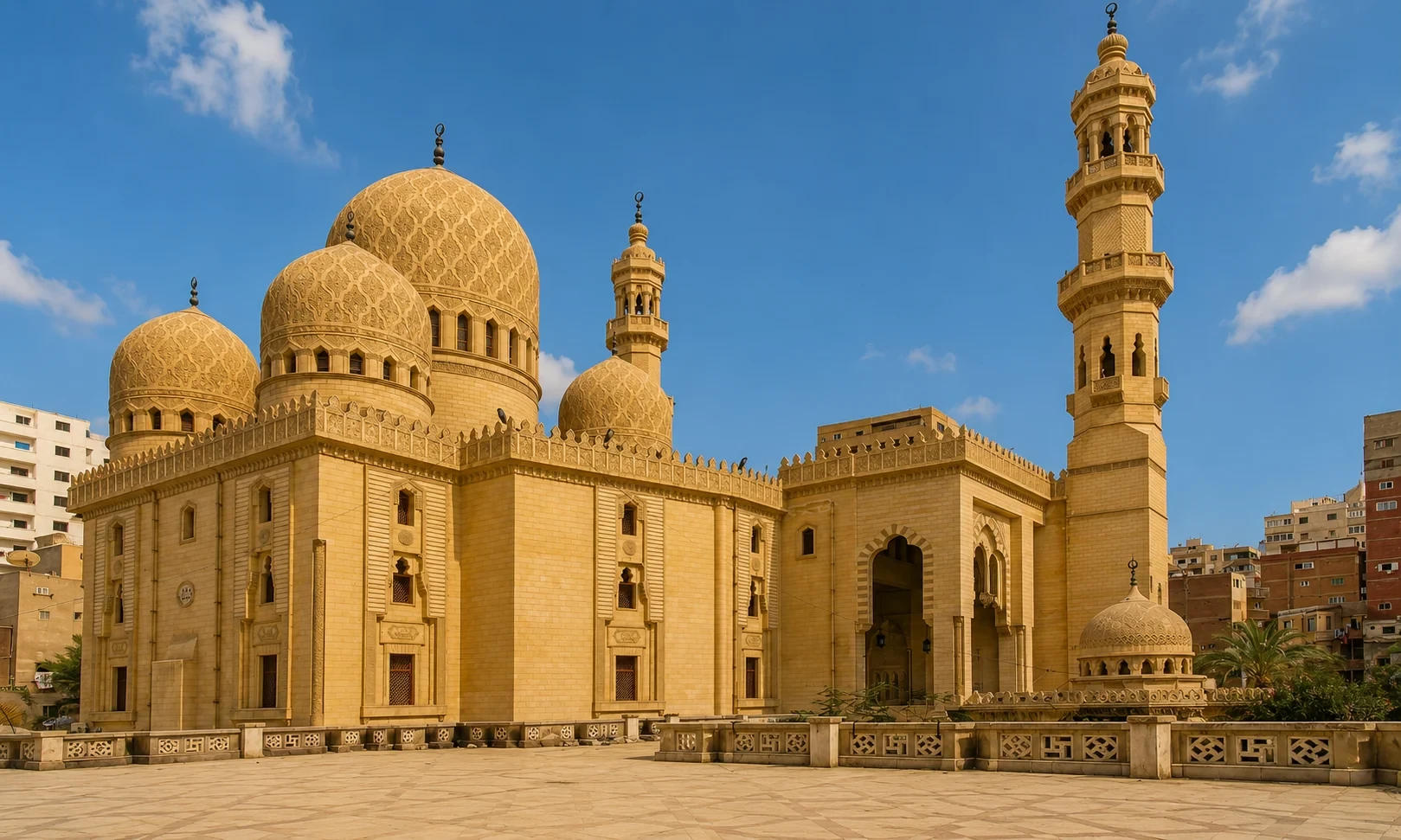
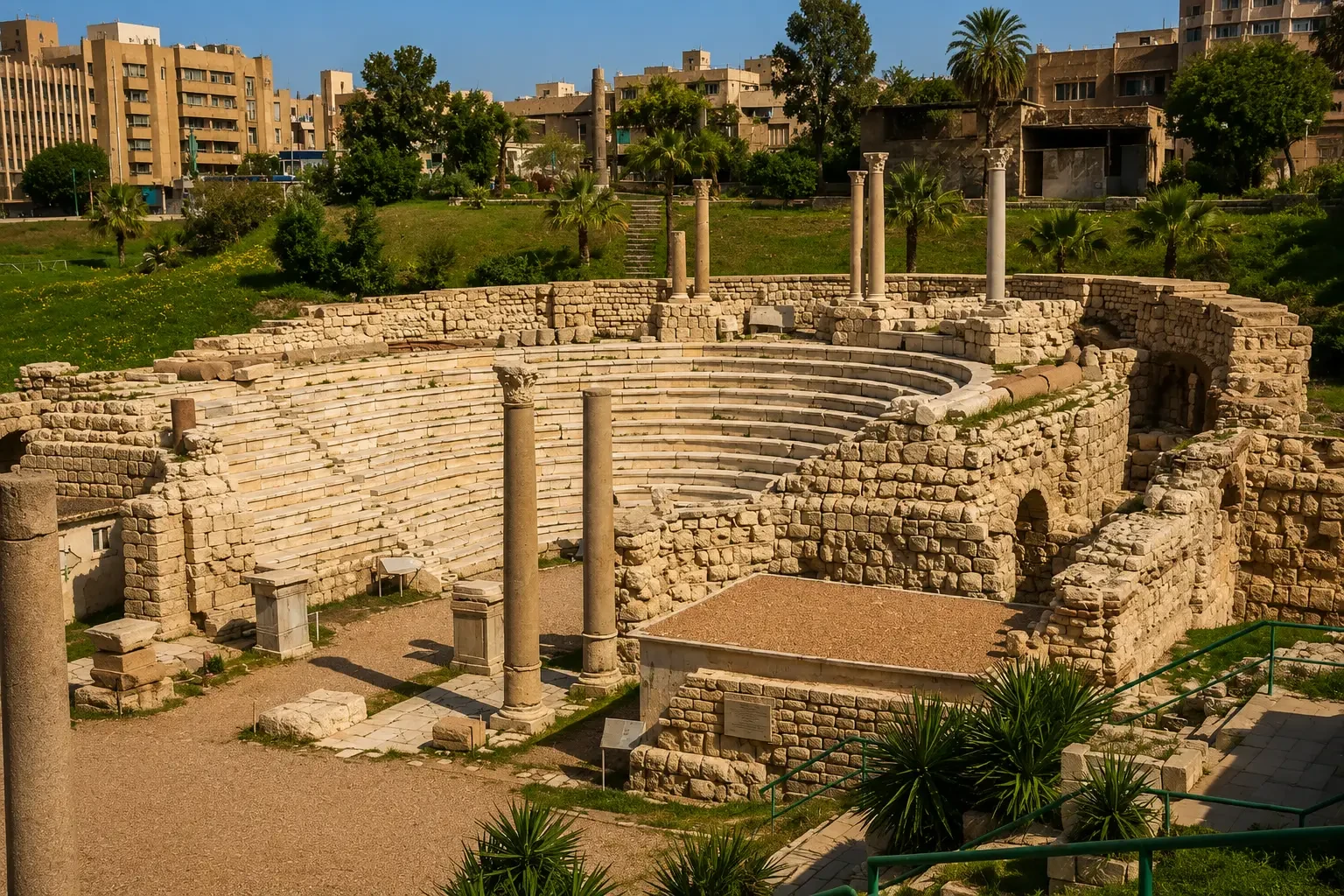
Pompey's Pillar, the largest ancient monolithic column in Egypt, standing more than 26 meters above the ancient Serapeum site approximately 3 kilometers south of the Bibliotheca, provides the most immediately impressive surviving ancient monument of the late antique period of Alexandrian history. The Roman Amphitheatre at Kom El Dikka, the only surviving ancient Roman theatre in Egypt, is located approximately 2 kilometers east of the Bibliotheca in the heart of the modern city. The Greco-Roman Museum, currently undergoing renovation, houses the most important collection of Greco-Roman antiquities in Egypt outside Cairo. The magnificent Abu El Abbas El Mursi Mosque, one of the most beautifully designed Islamic sacred buildings in Alexandria, stands approximately 1 kilometer west of the Bibliotheca on the same waterfront Corniche, providing an immediate architectural connection between the modern cultural institution and the Islamic heritage tradition of the medieval city. All these sites are accessible through the Alexandria Day Tours and Alexandria Port Excursions offered by WOW Egypt Tours.
Frequently Asked Questions About The Bibliotheca Alexandrina
What is the Bibliotheca Alexandrina?
The Bibliotheca Alexandrina is a magnificent modern library and cultural complex opened in October 2002 on the Mediterranean waterfront of Alexandria, designed by the Norwegian architectural firm Snøhetta to revive the spirit of the ancient Library of Alexandria. It houses approximately 2 million books (with capacity for 8 million), seven specialized research libraries, four museums, four art galleries, a planetarium, and extensive cultural facilities. The building is one of the architectural masterworks of the late 20th century and the most powerful modern cultural statement in the city of Alexander the Great. It is featured on all Alexandria Day Tours and Alexandria Port Excursions offered by WOW Egypt Tours.
What was the ancient Library of Alexandria?
The ancient Library of Alexandria was the greatest library of the ancient world, founded in the 3rd century BCE under Ptolemy I or II Philadelphus as part of the Mouseion research institute. At its height it held between 400,000 and 700,000 papyrus scrolls. Scholars associated with it included Euclid, Eratosthenes, Archimedes, and Hypatia. It was the primary center of ancient intellectual progress before its gradual decline in the late antique period.
Who designed the Bibliotheca Alexandrina building?
The Bibliotheca Alexandrina was designed by the Norwegian architectural firm Snøhetta, selected through an international competition that attracted entries from more than 500 firms. The building's distinctive tilted circular disc form, approximately 160 meters in diameter rising at a 16-degree angle toward the sea, with its exterior covered in characters from more than 120 writing systems, is one of the most immediately recognized modern architectural forms in the Mediterranean world.
What writing systems are on the exterior walls?
The exterior walls of the Bibliotheca Alexandrina disc are covered in characters from more than 120 different ancient and modern writing systems, including ancient Egyptian hieroglyphics, Sumerian cuneiform, Phoenician, ancient Greek, Aramaic, Coptic, Latin, Arabic, Chinese, Japanese, Korean, Hindi Devanagari, Cyrillic, and dozens of other scripts from across the full history and geography of human writing traditions, carved into Aswan granite panels that clad the complete exterior surface of the disc structure.
What museums are inside the Bibliotheca Alexandrina?
The Bibliotheca Alexandrina houses four museums: the Antiquities Museum (ancient Egyptian and Mediterranean artifacts), the Manuscript Museum (Islamic illuminated manuscripts), the History of Science Museum (from ancient Egypt through the Arab golden age to modern science), and the Sadat Museum (dedicated to Egyptian President Anwar Sadat). The complex also includes a Planetarium Science Center and four art galleries.
What are the opening hours of the Bibliotheca Alexandrina?
The Bibliotheca Alexandrina is open Saturday through Thursday from 10:00 AM to 7:00 PM, and on Fridays from 2:00 PM to 7:00 PM. The building is closed on certain public holidays.
How much does it cost to enter the Bibliotheca Alexandrina?
The main library and Antiquities Museum: EGP 70 adults, EGP 35 students. Individual museum tickets are EGP 50 per museum. A combined ticket covering all museums is EGP 150 adults, EGP 75 students. Entrance fees are included in all Alexandria Day Tours and Alexandria Port Excursion programmes booked through WOW Egypt Tours.
How long does it take to visit the Bibliotheca Alexandrina?
Most visitors spend 1 to 1.5 hours for a standard visit covering the main reading room and the Antiquities Museum. A complete visit covering all four museums takes 2 to 3 hours.
Is it far from Cairo to the Bibliotheca Alexandrina?
Alexandria is approximately 225 kilometers northwest of Cairo, approximately 2 to 2.5 hours by private vehicle via the Desert Road, approximately 2 hours by high-speed train, or approximately 45 minutes by domestic flight. Cairo Day Tours from WOW Egypt Tours include full-day Alexandria excursions with private transportation from Cairo hotels.
Can I visit the Bibliotheca Alexandrina from a cruise ship?
Yes. The Bibliotheca Alexandrina is a standard stop on all Alexandria Port Excursion programmes operated by WOW Egypt Tours for Mediterranean cruise ship passengers, combined with the Catacombs of Kom El Shoqafa, Pompey's Pillar, and the Qaitbay Citadel in a full or half-day programme coordinated with each ship's port schedule.
Is a guide necessary at the Bibliotheca Alexandrina?
A guide with knowledge of both the modern building's architectural significance and the ancient Library of Alexandria's history greatly enriches the experience. WOW Egypt Tours provides licensed guides with Alexandrian heritage expertise on all Alexandria Day Tours.
Can I take photographs inside the Bibliotheca Alexandrina?
Photography is permitted throughout most of the Bibliotheca complex including the main reading room, museums, and exterior. Photography should be done discreetly without flash in the reading rooms and research areas. Some special exhibitions may have specific restrictions. The exterior of the building and the waterfront setting provide some of the finest architectural photography opportunities in Alexandria.
What is the best time to visit the Bibliotheca Alexandrina?
Sunday to Thursday in the morning hours provide the most peaceful visiting conditions. The winter months of November through February offer the most pleasant Mediterranean climate for the outdoor approach and exterior examination of the building. Summer visits are entirely comfortable as the building is fully air-conditioned.
What other Alexandria attractions can I combine with the Bibliotheca?
The Bibliotheca Alexandrina is most naturally combined with the Qaitbay Citadel, the Catacombs of Kom El Shoqafa, Pompey's Pillar, the Roman Amphitheatre, and the Abu El Abbas El Mursi Mosque in a comprehensive full-day Alexandria cultural programme.
How do I book a Bibliotheca Alexandrina tour with WOW Egypt Tours?
You can book any Alexandria Day Tour, Cairo and Alexandria Day Tour, Alexandria Port Excursion, Egypt Tours Package, or Egypt Travel Package that includes the Bibliotheca Alexandrina directly through WOW Egypt Tours. Our team of travel specialists will arrange everything from private transportation and licensed guides to entrance fees and all the logistics of the complete Alexandria cultural experience, ensuring a seamless and unforgettable encounter with the most magnificent modern cultural institution in the city of Alexander the Great.