

The Greco-Roman Museum of Alexandria is the most important and the most comprehensive museum of ancient Greco-Roman civilization in all of Egypt, a magnificent institutional collection of more than forty thousand artifacts spanning approximately one thousand years of continuous cultural life in the Alexandrian world from the foundation of the city by Alexander the Great in 331 BCE through the Ptolemaic golden age, the Roman imperial period, and the late antique Christian era to the Arab conquest of Egypt in 641 CE, housed in a beautiful neoclassical building in the heart of modern Alexandria that is itself one of the most elegant pieces of late 19th century institutional architecture in the Egyptian Mediterranean. Founded in 1892 by the Italian scholar and antiquarian Giuseppe Botti, the Greco-Roman Museum is the oldest and the most historically significant museum in Alexandria, the primary institutional guardian of the most extraordinary collection of Hellenistic, Roman, and Ptolemaic artifacts assembled at any museum in Africa, and the essential intellectual preparation for every other heritage experience available in the city of Alexander the Great. This extraordinary institution is a featured destination on Alexandria Day Tours, Cairo and Alexandria Day Tours, and Alexandria Port Excursions, all of which WOW Egypt Tours proudly offers to travelers from around the world as part of Egypt Tours Packages and Egypt Travel Packages that include the magnificent heritage of Alexandria.
The Greco-Roman Museum Alexandria has recently been reopened to the public following a major renovation and modernization project that restored the historic building, conserved the collection, and upgraded the display galleries and visitor facilities to contemporary international museum standards, making a visit to the museum today the finest and the most completely satisfying museum experience available in the city. The museum's collection spans the complete cultural range of Ptolemaic and Roman Alexandria in twenty-five galleries dedicated to different aspects of the ancient world, from the monumental sculpture of the Ptolemaic royal tradition and the intimate personal jewelry and cosmetic objects of everyday ancient Alexandrian life to the extraordinary collection of ancient coinage that documents the economic and political history of the Ptolemaic and Roman periods, and the remarkable collection of ancient mummies, sarcophagi, and funerary art that provides the most direct and the most personally affecting available encounter with the ancient Alexandrian approach to death and the afterlife. A visit to the Greco-Roman Museum is not simply a visit to a collection of ancient objects; it is an immersion in the most sophisticated and the most culturally complex urban civilization of the ancient Mediterranean world, a world that combined the intellectual ambitions of the Greek philosophical tradition with the religious depth of the ancient Egyptian sacred tradition and the administrative efficiency of the Roman imperial system in a synthesis of extraordinary vitality and extraordinary creativity that shaped the cultural development of the entire Western and Islamic civilizational tradition. WOW Egypt Tours includes the Greco-Roman Museum as a featured destination on all comprehensive Alexandria heritage programmes.

Who Founded The Greco-Roman Museum?
The Greco-Roman Museum of Alexandria was founded in 1892 by Giuseppe Botti, an Italian classical scholar, antiquarian, and archaeological administrator who served as the first Director of the museum and who assembled the initial collection from the extraordinary abundance of ancient artifacts being recovered from the archaeological sites of Alexandria during the period of rapid urban development that characterized the city's growth under the late 19th century Khedival administration. Botti was one of the most significant figures in the early history of Alexandrian archaeology, and his energy, his scholarly knowledge, and his institutional ambition gave the new museum both the foundational collection and the intellectual framework that established it as a serious scholarly institution rather than simply a cabinet of curiosities. His systematic documentation of the ancient sites of Alexandria and his early archaeological investigations of the Serapeum and other ancient sites in the city produced the first generation of scholarly knowledge about the archaeological heritage of Alexandria on which all subsequent work has built.
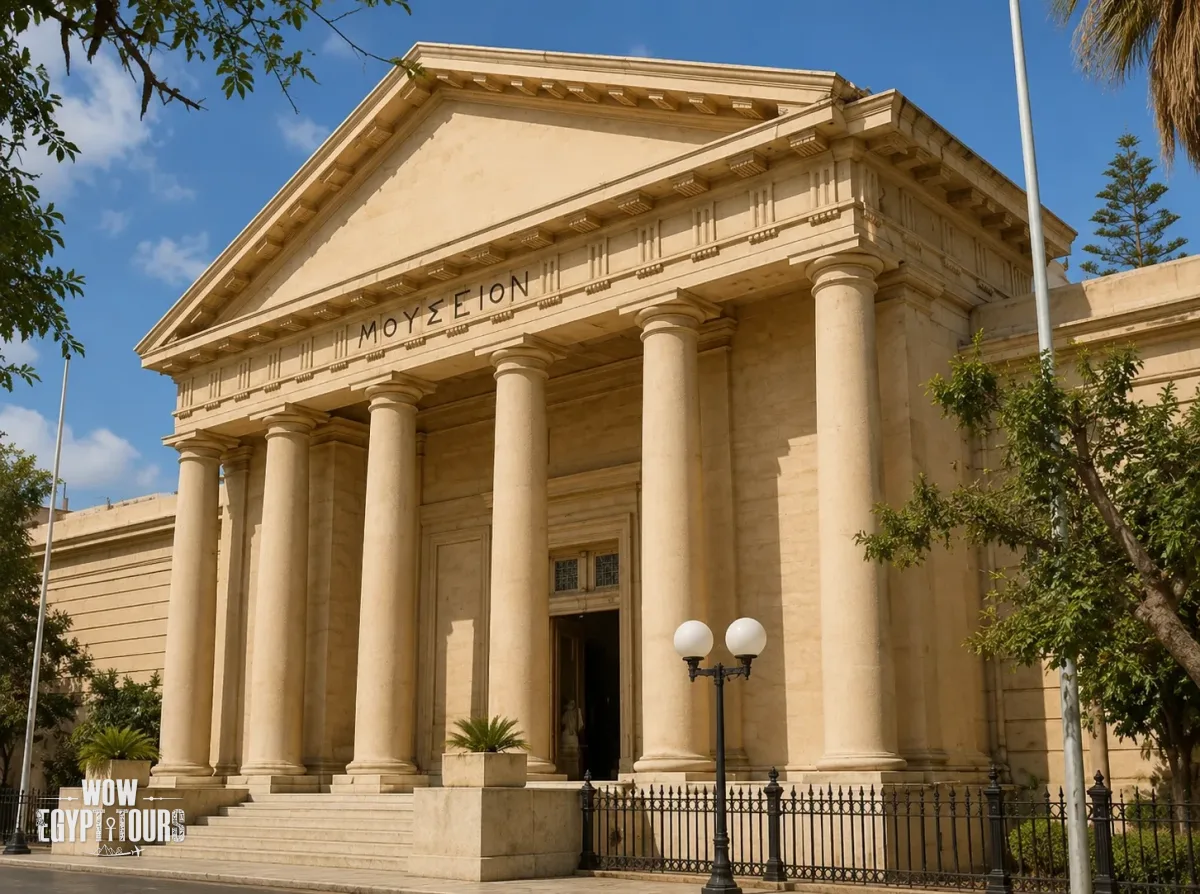
The museum's collection grew rapidly after its foundation as the excavation and development of the modern Alexandrian city continued to yield ancient artifacts in extraordinary quantities from the dense archaeological deposits that underlie virtually every part of the ancient urban core. Successive directors of the museum built on Botti's foundation to create the comprehensive collection of Ptolemaic, Roman, and late antique artifacts that makes the Greco-Roman Museum the primary institutional repository for the tangible heritage of ancient Alexandria and its Mediterranean cultural world. The museum building itself, a handsome neoclassical structure in the central city district, was purpose-built for the museum collection and represents one of the finest examples of late 19th and early 20th century institutional architecture in the Egyptian Mediterranean coastal cities, providing the museum's extraordinary collection with a physical setting of appropriate dignity and architectural elegance.
The World Of Ptolemaic And Roman Alexandria
To fully appreciate the Greco-Roman Museum's collection, it is essential to understand the extraordinary cultural world of Ptolemaic and Roman Alexandria that the museum documents, a world of such intellectual ambition, such cultural creativity, and such historical significance that it shaped the development of Western, Islamic, and Byzantine civilization in ways whose consequences are still felt in every library, every university, every hospital, and every philosophical tradition of the modern world. Ptolemaic Alexandria, founded by Alexander the Great in 331 BCE and developed into the Mediterranean's supreme city under the dynasty of the Ptolemies from the death of Alexander in 323 BCE to the death of Cleopatra VII in 30 BCE, was the most cosmopolitan, the most intellectually ambitious, and the most culturally productive city of the ancient Mediterranean world, a metropolis of perhaps half a million inhabitants where Greeks, Egyptians, Jews, and people from across the Mediterranean and the near east lived in close proximity and interacted across cultural, religious, and linguistic boundaries in ways that produced the most remarkable cultural synthesis in the history of the ancient world.
The ancient Library and Museum of Alexandria, the Serapeum, the great Ptolemaic palace complex on the Eastern Harbor, the Pharos lighthouse, the Jewish synagogue, and the countless temples, shrines, and civic monuments that filled the ancient city all reflected the astonishing ambition and the extraordinary resources of the Ptolemaic rulers, who used their control of Egypt's agricultural wealth and their strategic position at the crossroads of Mediterranean and eastern trade routes to create a city that surpassed Athens, Rome, and every other ancient Mediterranean center in the scale and the sophistication of its cultural institutions. The Roman conquest of Egypt in 30 BCE under Augustus brought this Ptolemaic golden age to an end but preserved Alexandria's status as one of the most important cities in the Roman Empire, the primary administrative and commercial center of Roman Egypt and one of the three or four largest cities in the entire Roman world, whose continued cultural and intellectual vitality through the Roman imperial period and into the late antique era produced the extraordinary range of artifacts that fill the galleries of the Greco-Roman Museum.
Greco-Roman Museum Location In Alexandria
The Greco-Roman Museum is located on Mathaf el-Romani Street in the central Loran district of Alexandria, approximately 1 to 2 kilometers east of the Eastern Harbor waterfront and approximately 1 kilometer from the Roman Amphitheatre at Kom El Dikka, making it one of the most conveniently situated heritage institutions in the central city and the most natural museum complement to the outdoor archaeological experience of the Kom El Dikka site. The museum building occupies a large urban block in the heart of the modern city, surrounded by the residential and commercial streets of central Alexandria, and is immediately recognizable from the street by its distinguished neoclassical facade and its prominent museum entrance. The site is accessible from most central Alexandria hotels in approximately 10 to 15 minutes by private vehicle, and from the Eastern Harbor waterfront in approximately 5 to 10 minutes. WOW Egypt Tours provides private air-conditioned transportation to the Greco-Roman Museum on all Alexandria Day Tours, Cairo and Alexandria Day Tours, and Alexandria Port Excursion programmes that include the museum.
Greco-Roman Museum Fun Facts
The Greco-Roman Museum is one of the oldest museums in Egypt and the oldest museum in Alexandria, founded in 1892 at a time when the Egyptian Museum in Cairo did not yet exist in its current form and when the systematic collection and institutional display of ancient Egyptian artifacts was still a relatively new concept in the modern Egyptian heritage landscape. The museum predates the Cairo Egyptian Museum, which was inaugurated in its current building in 1902, by a decade, making it one of the founding institutions of the modern Egyptian museum tradition and one of the earliest purpose-built museums on the African continent.
The museum's collection includes one of the most important and the most comprehensive collections of ancient coinage in the entire Middle East and North Africa, with more than twelve thousand ancient coins ranging from the earliest Ptolemaic gold, silver, and bronze issues to the late Roman bronze coinage of the 4th and 5th centuries CE, providing a uniquely complete numismatic record of the economic and political history of the Ptolemaic and Roman periods in Egypt. The coin collection is particularly valuable for understanding the political history of the Ptolemaic dynasty, as the portrait coinage of the Ptolemaic rulers provides the primary evidence for the physical appearance of the pharaohs and queens of the Ptolemaic line, including the famous portraits of Cleopatra VII whose coinage images are the only contemporary representations of the most celebrated queen of antiquity whose historical reality can be confirmed from direct documentary evidence.
The Greco-Roman Museum houses one of the most significant collections of ancient glass in any museum in the world, with more than ten thousand ancient glass objects ranging from the earliest experimental Hellenistic glass pieces of the 3rd century BCE through the extraordinary technical virtuosity of the Roman-period Alexandrian glass industry in the 1st and 2nd centuries CE to the late antique glass of the Christian period. Alexandria was the most important ancient glass-making center in the world during the Ptolemaic and Roman periods, producing innovations in glass-blowing technique, colored glass production, and decorative glass inlay that transformed the ancient glass industry and spread Alexandrian technical knowledge to glass-making centers throughout the Mediterranean world, and the museum's collection documents this extraordinary technological achievement in the most comprehensive available institutional context.
Why Is The Museum Called The Greco-Roman Museum?
The name Greco-Roman Museum reflects the primary cultural character of the collection and the historical period it documents, the period of ancient Alexandrian history from the Greek foundation of the city in 331 BCE through the Ptolemaic and Roman eras to the end of the ancient pagan world in the late antique Christian period, approximately a thousand years during which the dominant cultural framework of the city was Greek in language, Hellenistic in artistic tradition, and Roman in political and administrative organization, while simultaneously remaining profoundly influenced by the ancient Egyptian religious and cultural traditions that constituted the oldest and the deepest layer of the cultural life of the Nile Valley. The Greco-Roman designation, combining the two dominant cultural traditions of the period, reflects the standard periodization used by classical archaeologists and art historians to describe the cultural world of the eastern Mediterranean from the time of Alexander's conquests to the end of the Roman Empire, a period sometimes also called the Hellenistic period for its first three centuries and the Roman imperial period for the subsequent four centuries, but unified by the predominance of the Greek language and the Hellenistic artistic tradition as the shared cultural vocabulary of the educated elite throughout the eastern Mediterranean world.
The name also reflects the specific historical character of Alexandria as the supreme city of the Hellenistic cultural synthesis, where the meeting of the Greek and Egyptian worlds produced the most creative and the most consequential cultural encounter of the ancient Mediterranean period, and where the subsequent Roman overlay on the Ptolemaic foundation created the extraordinary multi-layered cultural world of late antique Alexandria that was simultaneously the most sophisticated intellectual environment and the most dramatically contested religious landscape in the ancient Mediterranean. The Greco-Roman Museum documents this complete cultural arc in all its complexity and all its richness, from the royal portrait sculpture of the Ptolemaic dynasty to the intimate household gods of the Roman-period Alexandrian home.
Greco-Roman Museum History
The Greco-Roman Museum was founded in 1892 by Giuseppe Botti, who established the initial collection in a small space in central Alexandria and quickly expanded it as the rapid urban development of the Khedival city produced a continuous flow of ancient artifacts from the construction sites and incidental discoveries that characterize any large-scale archaeological deposit under a continuously inhabited major city. The museum's collection grew throughout the late 19th and early 20th centuries as systematic archaeological investigations of the major ancient sites of Alexandria, the Serapeum, the ancient cemeteries, the ancient harbor areas, and the residential and commercial districts of the ancient city, contributed new finds to the institutional collection. The construction of a purpose-built museum building, the handsome neoclassical structure that continues to house the collection today, gave the museum a permanent and architecturally appropriate home that established its institutional status as the primary guardian of the Alexandrian ancient heritage.
The 20th century brought significant expansion of the collection through continued archaeological work throughout the Alexandria region, including the extraordinary discoveries of the Polish-Egyptian Archaeological Mission at Kom El Dikka from 1960 onwards and the ongoing underwater archaeological investigations of the ancient harbor areas that have yielded extraordinary ancient artifacts from the submerged ancient city quarter including fragments of the ancient Pharos lighthouse and statues from the Ptolemaic royal quarter. The museum also benefited from the legal protections established for Egyptian ancient heritage that channeled significant new finds to the national collections rather than to private or foreign hands, ensuring that the most significant discoveries from the Alexandrian archaeological deposits entered the public collection where they could be studied and displayed for the benefit of Egyptian and international scholars and visitors. The major renovation and modernization project that closed the museum for several years and was completed in the early 2020s has transformed the visitor experience of the collection, providing modern climate-controlled gallery spaces, updated interpretive displays, improved artifact conservation, and significantly enhanced visitor facilities that make the museum's extraordinary collection accessible in a contemporary international museum environment for the first time in the institution's history.
The Story Of The Renovation And Reopening
The renovation of the Greco-Roman Museum of Alexandria was one of the most ambitious and the most consequential heritage conservation projects in the modern history of Egyptian museums, a comprehensive programme that addressed decades of deferred maintenance in the historic building, upgraded the climate control and environmental management systems to modern conservation standards, redesigned the gallery spaces and the display installations to contemporary international museum practice, and undertook systematic conservation treatment of the most significant and the most vulnerable objects in the collection to ensure their long-term physical preservation. The renovation closed the museum to visitors for an extended period during which the building was essentially rebuilt from the inside while the historic neoclassical facade and the overall architectural character of the institution were carefully preserved, a process that required extraordinary care and considerable technical expertise to accomplish without damaging the historic fabric of the building or compromising the conservation of the ancient objects in its care.
The reopening of the renovated Greco-Roman Museum marked a significant moment in the cultural life of Alexandria and of Egyptian heritage tourism, restoring to the city and to the international visiting public the primary institutional repository for the most extraordinary collection of ancient Alexandrian cultural heritage in the world in a physical presentation that does justice to the extraordinary importance and the extraordinary beauty of the objects it contains. The newly displayed collection, presented in twenty-five renovated galleries with modern lighting, contemporary interpretive texts and graphics, and carefully designed display cases that allow the examination of individual objects from multiple angles, provides the most completely satisfying museum experience of Hellenistic and Roman Alexandrian civilization available anywhere in the world, a comprehensive and beautifully presented encounter with a thousand years of extraordinary human creativity in the most culturally ambitious city of the ancient Mediterranean world.
Greco-Roman Museum Key Collections And Highlights
The Ptolemaic Royal Sculpture
The most immediately impressive and the most historically significant component of the Greco-Roman Museum's collection is the extraordinary group of Ptolemaic royal sculpture, comprising portrait statues, busts, and relief representations of the Ptolemaic pharaohs and queens from the founding of the dynasty under Ptolemy I Soter around 300 BCE to the end of the Ptolemaic line with the death of Cleopatra VII in 30 BCE. The Ptolemaic royal sculpture at the Greco-Roman Museum documents the extraordinary artistic hybrid tradition of the Ptolemaic court, where the Greek sculptural tradition of naturalistic portraiture in three-dimensional marble and bronze met the ancient Egyptian tradition of idealized royal representation in relief and in the round, producing a range of royal images that are simultaneously recognizable as Hellenistic portrait sculpture in their technical execution and as ancient Egyptian royal icons in their symbolic content and iconographic vocabulary. The collection includes some of the finest surviving examples of Ptolemaic royal portraiture in any museum collection anywhere in the world, pieces of such high artistic quality and such historical significance that they have been reproduced and studied in the scholarly literature of Hellenistic art for more than a century. Among the most celebrated items are a series of heads of Ptolemaic rulers of exceptional portrait quality and sculptural accomplishment whose expression of individual physiognomy within the idealized conventions of the Hellenistic royal portrait tradition makes them among the most vivid and the most personally immediate ancient royal representations anywhere in the Egyptian heritage record.
The Serapis And Isis Collections
The museum houses the most extensive and the most significant collection of ancient representations of the syncretic Alexandrian deities Serapis and Isis available at any single museum in the world, a grouping of sculptures, reliefs, bronzes, terracotta figurines, gems, and inscribed objects that together constitute the primary visual and textual record for the iconographic development and the cult practice of the two most internationally significant religious exports from ancient Alexandria to the broader Greco-Roman world. The Serapis representations in the collection range from the most monumental marble cult statues, whose scale and frontality reflect the overwhelming physical presence of the canonical Serapeum cult statue described by ancient authors, to the smallest terracotta votive figurines produced for everyday household worship, and together they provide an extraordinarily complete picture of how Serapis was visualized and venerated across the full social spectrum of the ancient Alexandrian and Mediterranean communities that adopted his worship. The Isis collection is even more extensive, reflecting the even wider international distribution of the Isis cult throughout the Greco-Roman world, and includes some of the most beautifully executed and the most iconographically complex ancient Isis representations available in any institutional collection.
The Apis Bull Monuments
Among the most historically significant and the most immediately impressive objects in the entire Greco-Roman Museum collection are the monuments associated with the Apis bull cult, the ancient Egyptian sacred bull worship that was centered on Memphis in the Nile Delta but whose presence in Ptolemaic Alexandria was expressed through the subsidiary Serapeum cult and through the cult of the deified Apis-Osiris, the combination of the sacred bull with the god of resurrection that provided the Egyptian theological foundation for the creation of Serapis. The museum's Apis bull collection includes monumental carved representations of the sacred bull in the ancient Egyptian sculptural tradition, smaller bronze votive Apis figures, and epigraphic monuments recording the deaths and the celebrations of individual Apis bulls in the ancient Memphis Serapeum throughout the Ptolemaic and Roman periods, providing a rich and detailed documentary and artistic record for one of the most ancient and the most deeply rooted sacred traditions in the history of ancient Egyptian religion.
The Mummies And Funerary Art
The Greco-Roman Museum houses a remarkable collection of ancient mummies, sarcophagi, mummy masks, and associated funerary art from the Greco-Roman period that documents the extraordinary transformation of the ancient Egyptian funerary tradition under the cultural influence of the Hellenistic and Roman worlds, producing one of the most visually compelling and the most culturally revealing collections of ancient funerary art in any Egyptian museum outside Cairo. The Greco-Roman period mummies and their associated equipment reflect the same syncretic cultural synthesis that characterizes the Kom El Shoqafa catacombs decoration, combining the ancient Egyptian mummification technique and the traditional Egyptian funerary iconography with the Hellenistic portrait tradition in the extraordinary Fayum mummy portraits, the most realistic and the most personally immediate ancient portraits in the entire classical world, whose direct gaze from the faces of individual Roman-period Egyptians across nearly two thousand years creates the most powerful and the most moving encounter with individual ancient human identity available at any site or in any museum in the Nile Valley.
The Ancient Glass Collection
The museum's ancient glass collection is the finest and the most comprehensive documentation of the ancient Alexandrian glass industry available anywhere in the world, with objects spanning the complete range of ancient Alexandrian glass production from the earliest Hellenistic experiments in cast and molded glass in the 3rd century BCE through the development of the glass-blowing technique that revolutionized ancient glass production in the 1st century BCE and that allowed the Alexandrian workshops to produce glass objects of extraordinary technical sophistication and aesthetic beauty, to the late Roman and Byzantine period glass of the Christian era. The collection includes examples of all the major ancient Alexandrian glass techniques: mosaic glass, whose complex multicolored patterns in geometric and figurative designs represent the highest achievement of the pre-blowing glass tradition; millefiori glass; cameo glass; cage cups; painted glass; and gold-glass, each technique representing a distinct chapter in the extraordinary technological and artistic history of the ancient Alexandrian glass industry that made Alexandria the glass capital of the ancient world for nearly six hundred years.
The Numismatic Collection
The museum's collection of more than twelve thousand ancient coins constitutes one of the most important numismatic archives in the Middle East and North Africa, providing an incomparably detailed documentary and visual record of the economic and political history of Ptolemaic and Roman Egypt across the complete span of the Greco-Roman period. The Ptolemaic coinage section of the collection is particularly significant, including examples of the gold octadrachms, the silver tetradrachms, and the bronze issues of successive Ptolemaic rulers whose portrait imagery provides the primary documentary evidence for the physical appearance of the Ptolemaic kings and queens, including the famous silver tetradrachms of Ptolemy III bearing what may be the most accurate surviving portrait of any Ptolemaic ruler in any medium. The Roman imperial coinage from Alexandria, the city that produced some of the most distinctive and the most iconographically varied bronze coinage of the eastern Roman Empire, provides a comprehensive visual record of the Roman imperial period in Egypt that complements the sculptural and epigraphic evidence in the other museum galleries.
The Everyday Life Galleries
Beyond the monumental sculpture and the high-prestige artistic productions, the Greco-Roman Museum's collection is remarkable for the extraordinary richness of its documentation of everyday life in ancient Alexandria, with galleries dedicated to ancient jewelry, cosmetics and toilet objects, household furniture and fittings, terracotta figurines, agricultural implements, medical instruments, children's toys, games, and the complete range of domestic material culture that filled the daily lives of ordinary Alexandrian citizens across the full social and economic spectrum of the ancient city. These everyday life galleries provide the most directly personal and the most humanly accessible dimension of the museum experience, allowing visitors to appreciate that the ancient Alexandrian world was not simply the world of royal courts, philosophical schools, and magnificent temples documented by the high-prestige artifacts in the principal galleries, but also the world of ordinary families, market tradespeople, street vendors, children at play, and individuals going about the daily business of urban life in one of the most sophisticated cities in the ancient world.
Why Is The Greco-Roman Museum Important?
The Greco-Roman Museum is important as the primary institutional repository for the most significant collection of ancient Alexandrian cultural heritage in the world, the indispensable scholarly and educational resource for any understanding of the Ptolemaic and Roman periods of Egyptian history, and the most comprehensive single-institution encounter with the ancient Greco-Roman cultural synthesis that defined Alexandrian civilization and whose legacy shaped the cultural development of the entire Western, Byzantine, and Islamic world. As a museum, it houses objects of extraordinary art historical, archaeological, and human historical significance that are not duplicated at comparable quality or in comparable institutional context at any other museum in Egypt outside the Cairo collections, making it uniquely important for the scholarly understanding of Hellenistic and Roman Egypt and uniquely valuable for the visitor experience of the Alexandrian heritage. The museum's collection provides the essential cultural and artistic context for every other heritage experience available in Alexandria, from the Catacombs of Kom El Shoqafa syncretic art to the Serapeum of Alexandria religious heritage to the Roman Amphitheatre civic architecture to the underwater heritage of the ancient Pharos site below the Citadel of Qaitbay. WOW Egypt Tours includes the Greco-Roman Museum as a featured destination on all comprehensive Alexandria heritage programmes.
What Are Some Interesting Facts About The Greco-Roman Museum?
The Faces Of Cleopatra On Ancient Coins
One of the most historically and humanly fascinating dimensions of the Greco-Roman Museum's coin collection is the series of portrait coins of Cleopatra VII, the last Queen of Egypt and one of the most celebrated and the most mythologized figures in the entire history of the ancient world, whose portrait on Ptolemaic silver coinage provides the only unambiguously contemporary representations of her physical appearance that survive from the ancient period. The coin portraits of Cleopatra VII, which show a woman of strong and distinctive features rather than the idealized beauty of the popular romantic tradition, have attracted enormous scholarly and popular attention for their role as primary documentary evidence for the historical reality of the most famous queen of antiquity. The Greco-Roman Museum's coin collection includes examples of these Cleopatra VII portrait coins that are as close as any visitor anywhere in the world can come to seeing the actual face of the historical Cleopatra, making the numismatic gallery of the museum one of the most personally resonant and the most historically charged spaces in the entire Alexandrian heritage landscape.
The Fayum Mummy Portraits: The Faces Of Ancient Egyptians
The Greco-Roman Museum houses a remarkable collection of Fayum mummy portraits, the encaustic or tempera panel paintings that were incorporated into the mummy wrappings of Roman-period Egyptians in place of the traditional stylized mummy masks of the ancient Egyptian tradition, creating the most realistic and the most personally immediate ancient portraits in the entire classical world. The Fayum portraits, named after the Fayum oasis region of Egypt where the largest concentration of surviving examples was discovered in the 19th century, are painted in the Greek encaustic technique of applying heated beeswax pigment to wooden panels in a tradition of illusionistic portraiture that was one of the supreme achievements of ancient Greek painting. The individual faces that look out from the Fayum portraits, their expressions of quiet individuality, their personal jewelry and hairstyles, and their direct gaze across nearly two thousand years of time, create the most powerful and the most moving encounters with individual ancient human identity available anywhere in the Egyptian heritage record, and the Greco-Roman Museum's collection provides one of the finest institutional contexts for experiencing this extraordinary ancient portrait tradition.
The Oldest Museum In Alexandria
The Greco-Roman Museum's status as the oldest museum in Alexandria, founded in 1892 and predating the Cairo Egyptian Museum's current building by a decade, gives it a particular institutional dignity and historical significance as the founding institution of the modern Alexandrian heritage tradition. The museum has served the Alexandrian community and the international scholarly and tourist audiences for more than 130 years, through the multiple political, social, and economic transformations that have characterized Egyptian history in the 20th and 21st centuries, and its recent renovation and reopening represents a renewal and a reinvigoration of its founding mission as the primary guardian and interpreter of the ancient Alexandrian cultural heritage for the benefit of present and future generations.
What Is So Special About The Greco-Roman Museum?
The Essential Key To All Of Alexandria
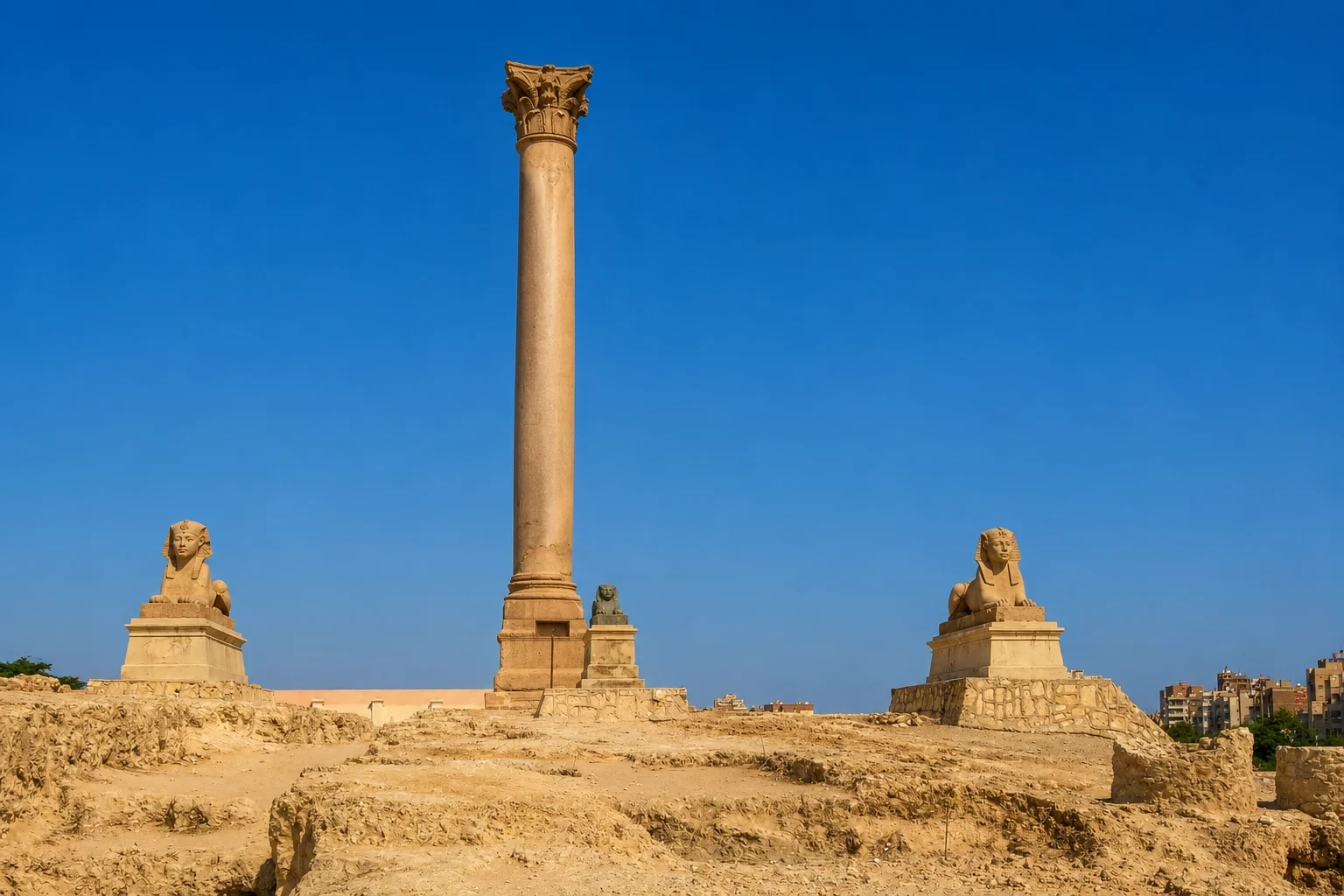
What makes the Greco-Roman Museum uniquely special among all the heritage destinations of Alexandria is that it is the essential interpretive key to every other ancient monument and heritage experience in the city, the institution without whose collection and without whose scholarship none of the other ancient sites of Alexandria can be fully understood or fully appreciated. The syncretic art of the Catacombs of Kom El Shoqafa, the religious significance of the Serapeum documented at Pompey's Pillar, the academic life of the Roman Amphitheatre and its lecture halls, and the ancient maritime heritage of the Citadel of Qaitbay and the ancient Pharos are all most completely understood within the artistic and historical context that only the Greco-Roman Museum's collection can provide. To visit Alexandria's ancient monuments without visiting the Greco-Roman Museum is to read the words without understanding the language; the museum is the dictionary and the grammar that make the rest of Alexandria's ancient heritage legible and meaningful in the fullest possible way.
A Thousand Years Of Human Achievement In Twenty-Five Galleries
The Greco-Roman Museum is also uniquely special for the extraordinary temporal sweep of its collection, which documents in twenty-five galleries approximately one thousand years of continuous human cultural achievement in one of the most intellectually ambitious and the most creatively productive civilizations in the history of the ancient world. The visitor who enters the museum at its Ptolemaic founding gallery and walks through to its late antique Christian conclusion is making a journey through one of the most consequential centuries in the history of human civilization, the period in which the major philosophical, religious, scientific, and artistic traditions of the modern Western, Byzantine, and Islamic worlds were formed, tested, developed, and transmitted, largely through the medium of the Alexandrian cultural synthesis that the museum documents. No other single institution in Alexandria, and very few museums anywhere in the world, offers this combination of temporal comprehensiveness and cultural significance in a single accessible collection of such beauty and such scholarly depth.
Greco-Roman Museum Through The Ages: From Foundation To Reopening
The Greco-Roman Museum's institutional history from its founding in 1892 to the present day mirrors in important ways the broader history of Alexandria and of Egypt in the modern period, reflecting the transformations of colonial and post-colonial cultural administration, the challenges and the achievements of Egyptian national heritage management, and the gradual development of international museum standards and heritage conservation practices that have characterized the global museum world in the 20th and 21st centuries. The museum's early decades under the direction of Botti and his successors established the collection and the scholarly framework that have remained the institutional foundation ever since, and the regular publication of the museum's collection in scholarly catalogues and monographs established the Greco-Roman Museum as a significant presence in the international scholarly literature of classical and Hellenistic archaeology from the very beginning of its existence.
The 20th century brought significant institutional challenges to the museum, including the political and social transformations of the Egyptian Revolution and the nationalization of the museum under Egyptian state administration, the progressive deterioration of the historic building and its infrastructure, and the growing scholarly recognition of conservation challenges in the collection that the museum's limited resources were insufficient to address. The decision to undertake the major renovation and modernization project that closed the museum for an extended period represented a commitment by the Egyptian state to the long-term preservation and the contemporary presentation of one of its most significant cultural institutions, and the reopening of the renovated museum has been recognized throughout the international museum community as a significant achievement in heritage conservation and museum renewal. Today the Greco-Roman Museum of Alexandria stands as one of the finest museums in the Middle East and North Africa, a transformed institution that combines its extraordinary historic collection with the presentation standards and visitor experience of a contemporary international museum of the first rank.
Greco-Roman Museum UNESCO Recognition
The Greco-Roman Museum of Alexandria is recognized as one of the most significant cultural institutions in Egypt and in the broader African and Mediterranean heritage landscape, housing a collection of outstanding universal value that contributes directly to the understanding and appreciation of the Greco-Roman cultural heritage of the Mediterranean world. The museum's collection includes objects associated with several UNESCO World Heritage Sites and candidate sites in the Alexandria region, and the institution operates in close association with the UNESCO-funded heritage protection activities that have characterized the international engagement with the Alexandrian cultural heritage since the early 20th century. The museum's role as the primary institutional interpreter of the ancient Alexandrian heritage for international visitors is recognized by UNESCO and by the international scholarly community as one of the most important cultural missions in the Egyptian museum landscape.
Best Time To Visit The Greco-Roman Museum
The Greco-Roman Museum is a fully air-conditioned indoor institution that is comfortable and rewarding to visit at any time of year regardless of the outside temperature, making it one of the most seasonally flexible heritage destinations in Alexandria and one of the most pleasant sites to visit during the warmer months when the outdoor monuments of the city require more careful timing and more protective clothing. The best time in terms of visitor numbers and gallery comfort is during the weekday mornings from Saturday through Thursday, when the museum is primarily visited by researchers, scholars, and independent tourists rather than by the large school and family groups that attend on weekends and public holidays. The morning opening hours are generally the most peaceful and the best for the extended quiet examination of individual objects that gives the finest museum experience. The winter months from November through April bring the most significant concentration of international heritage tourists to Alexandria and therefore the largest visitor numbers at the museum, but the galleries are large enough to absorb visitor numbers without undue crowding. WOW Egypt Tours plans all Greco-Roman Museum visits at the optimal time for the specific Alexandria day itinerary.
Greco-Roman Museum Opening Hours
The Greco-Roman Museum is open Saturday through Thursday from 9:00 AM to 5:00 PM. On Fridays the museum is open from 9:00 AM to 11:30 AM and then from 1:30 PM to 5:00 PM, with the midday closure for Friday prayers. The museum is closed on certain Egyptian public holidays. The renovation has provided the museum with significantly improved visitor facilities including a museum shop, a cafe, and improved restroom facilities. Visitors are advised to confirm current opening hours directly with the museum or through WOW Egypt Tours before visiting, as post-renovation operating schedules may be subject to adjustment in the period immediately following reopening.
Greco-Roman Museum Entrance Fees
Adults: EGP 400
Students: EGP 200
The entrance fee covers access to all twenty-five galleries of the renovated Greco-Roman Museum including the Ptolemaic royal sculpture galleries, the Serapis and Isis collections, the Apis bull monuments, the mummies and funerary art galleries, the ancient glass collection, the numismatic galleries, and the everyday life and household objects galleries. Entrance fees to the Greco-Roman Museum are included in all Alexandria Day Tours and Alexandria Port Excursion programmes that include the museum, booked through WOW Egypt Tours.
How To Get To The Greco-Roman Museum
The Greco-Roman Museum is located on Mathaf el-Romani Street in the central Loran district of Alexandria, approximately 1 to 2 kilometers east of the Eastern Harbor waterfront, approximately 1 kilometer from the Roman Amphitheatre at Kom El Dikka, and approximately 2 kilometers from the Bibliotheca Alexandrina. The museum is accessible from most central Alexandria hotels in approximately 10 to 15 minutes by private vehicle and from the Alexandria Port area in approximately 20 to 25 minutes. The museum building is immediately recognizable from the street by its handsome neoclassical facade. WOW Egypt Tours provides private air-conditioned transportation directly to the Greco-Roman Museum on all Alexandria Day Tours, Cairo and Alexandria Day Tours, and Alexandria Port Excursion programmes.
How Long To Spend At The Greco-Roman Museum
A minimum of one and a half to two hours is recommended for a comprehensive visit to the Greco-Roman Museum, which is sufficient time to walk through the principal galleries at a pace that allows individual objects to be appreciated and the guided explanations of the key highlights to be absorbed. Visitors with a serious interest in Hellenistic or Roman art history, ancient numismatics, ancient glass, or Ptolemaic religion may wish to allow two to three hours for a more thorough and more leisurely exploration of the collection in its particular areas of strength. The museum is most naturally visited at the beginning of an Alexandria day programme as the cultural and historical introduction that prepares the visitor for the most complete possible appreciation of the outdoor ancient monuments visited subsequently, particularly the Catacombs of Kom El Shoqafa and Pompey's Pillar whose artistic programme and religious significance are most fully comprehensible in the context of the museum's collection.
Tips For Visiting The Greco-Roman Museum
Visit the museum at the beginning of your Alexandria day programme rather than at the end, as the cultural and artistic context it provides for the outdoor ancient monuments significantly enhances the quality and depth of the subsequent site visits. Allow your eyes and your attention to adjust to the scale of the collection by beginning in the grand gallery spaces with the monumental Ptolemaic sculpture before moving to the more intimate galleries of glass, coins, and everyday objects, as this progression from the monumental to the intimate mirrors the natural way of engaging with a collection of such extraordinary diversity and depth. Ask your guide to prioritize the Fayum mummy portraits in the funerary galleries, as the direct gaze of the individual ancient faces is the most immediately moving and the most personally resonant experience available anywhere in the museum, and represents a dimension of the ancient Alexandrian world that no amount of scholarly description can substitute for direct visual encounter. Take time in the coin gallery to examine the Ptolemaic portrait coinage, particularly the representations of Cleopatra VII, whose historical significance as the only authentic contemporary images of the most famous queen of antiquity makes them among the most consequential individual objects in the entire museum. A licensed guide from WOW Egypt Tours with expertise in Hellenistic and Roman Alexandrian art and history is essential for the fullest possible appreciation of the museum's extraordinary collection.
What To Wear At The Greco-Roman Museum
The Greco-Roman Museum is a fully air-conditioned modern museum environment that is comfortable to visit in lightweight casual dress throughout the year. The renovated galleries maintain a consistent cool temperature appropriate for the conservation of the ancient objects and comfortable for visitors regardless of the outside temperature. A light additional warm layer is recommended if you are particularly sensitive to air conditioning, as the gallery temperatures can feel noticeably cool to visitors arriving from the summer heat outside. Comfortable flat walking shoes are ideal for the museum's polished gallery floors. Modest dress covering the shoulders and knees is appropriate in the broader social and cultural context of central Alexandria and is appreciated in the institutional setting of the museum. Large bags and backpacks may need to be deposited in the museum's cloakroom facilities, as is standard practice in major museums for the protection of the displayed objects.
Photography At The Greco-Roman Museum
Photography policy at the Greco-Roman Museum follows the standard practice of major Egyptian heritage institutions: personal photography with handheld cameras and smartphones is generally permitted throughout most of the galleries for non-commercial purposes, while flash photography is prohibited in all gallery spaces to protect the ancient objects from the potentially damaging effects of repeated intense light exposure. Tripods and professional camera equipment are not permitted in the galleries without specific advance authorization from the museum administration. Some individual galleries or specific categories of objects may have specific photography restrictions, which are indicated by standard signage within the gallery spaces. The most photographically compelling subjects in the collection include the monumental Ptolemaic royal sculpture in the principal galleries, the Fayum mummy portraits, the extraordinary ancient glass pieces in the glass gallery, and the architectural setting of the historic neoclassical building whose gallery spaces and display installations provide a visually distinguished institutional framework for the ancient objects they contain. Photography of the museum building's exterior and the museum gardens is freely permitted. Professional photography or filming within the museum requires advance permission from the museum administration and a separate permit fee.
Greco-Roman Museum Tours
Alexandria Day Tour From Cairo Including Greco-Roman Museum
This comprehensive full-day tour from Cairo covers the most significant cultural and heritage destinations in Alexandria, with the Greco-Roman Museum as the essential scholarly and artistic introduction to the complete Alexandrian ancient heritage programme.
What Is Covered
Private vehicle from Cairo hotel to Alexandria along the Desert Road (approximately 2 to 2.5 hours). Guided visit to the Greco-Roman Museum covering the principal gallery highlights including the Ptolemaic royal sculpture, the Serapis and Isis collections, the Fayum mummy portraits, the ancient glass, and the Cleopatra VII coin portraits. Combined guided visit to the Catacombs of Kom El Shoqafa and Pompey's Pillar. Guided visit to the Citadel of Qaitbay. Return to Cairo by private vehicle arriving in the early evening.
Duration
Full day from Cairo, approximately 1.5 to 2 hours at the Greco-Roman Museum and proportionate time at each additional site, with approximately 2 to 2.5 hours driving each way.
Includes
Private air-conditioned vehicle from Cairo hotel, private licensed guide with expertise in Hellenistic and Roman Alexandrian art and history, and entrance fees to all included sites.
Alexandria Day Tour: Complete Cultural Programme Including Greco-Roman Museum
This full-day Alexandria city tour covers the complete range of Alexandria's most significant cultural and heritage attractions, with the Greco-Roman Museum as the essential scholarly introduction to the complete programme.
What Is Covered
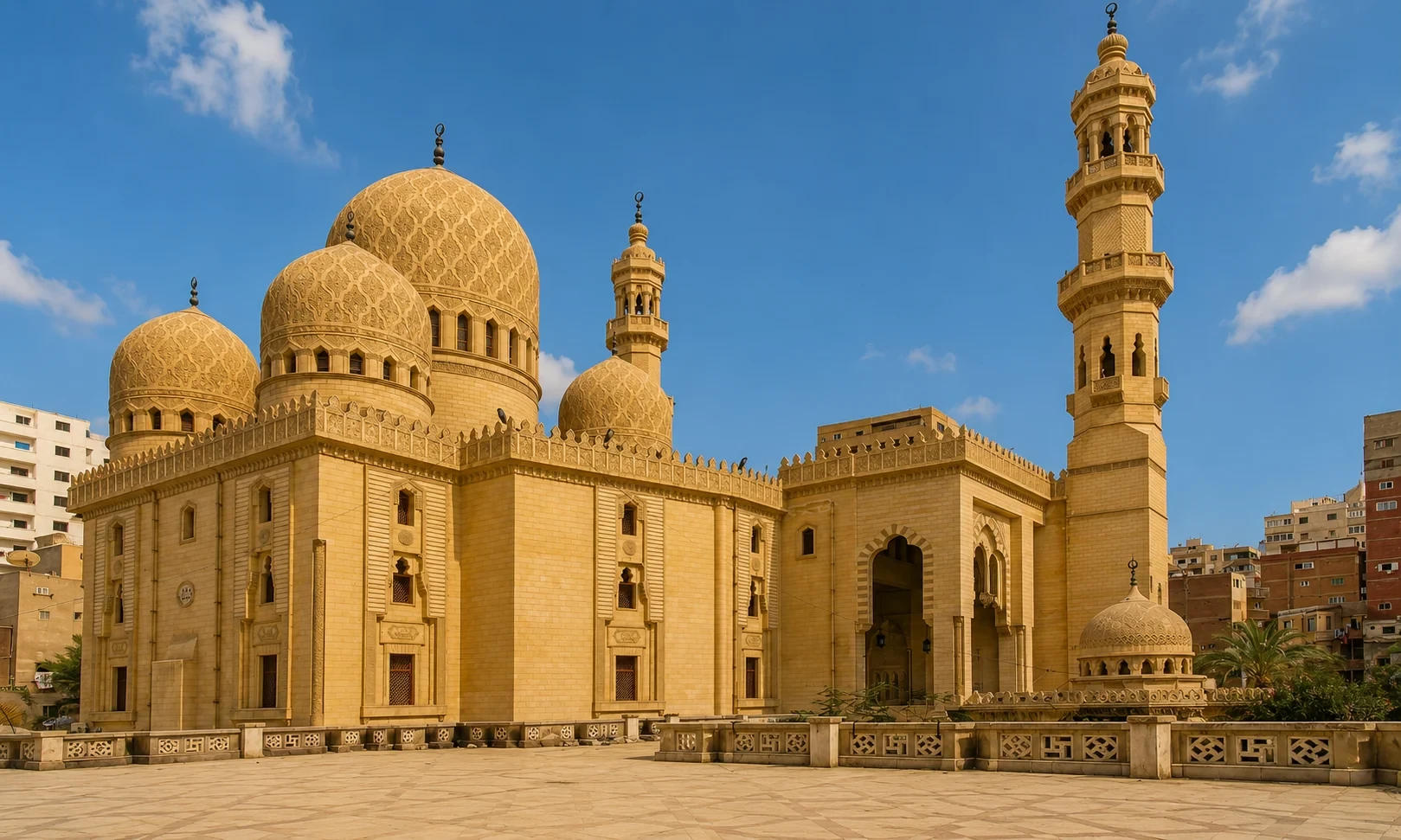
Guided visit to the Greco-Roman Museum. Guided visit to the Bibliotheca Alexandrina. Combined guided visit to the Catacombs of Kom El Shoqafa and Pompey's Pillar. Roman Amphitheatre at Kom El Dikka. Citadel of Qaitbay. Abu El Abbas El Mursi Mosque.
Duration
Full day from Alexandria hotel or cruise ship terminal, approximately 1.5 to 2 hours at the Greco-Roman Museum and proportionate time at each additional site.
Includes
Private air-conditioned transportation from hotel or port, private licensed guide with Alexandrian heritage expertise, and entrance fees to all included sites.
Alexandria Port Excursion Including Greco-Roman Museum
For cruise ship passengers arriving at Alexandria Port with sufficient port time, this shore excursion includes the Greco-Roman Museum as the scholarly foundation of the complete Alexandria heritage programme.
What Is Covered
Private vehicle from Alexandria Port. Guided visit to the Greco-Roman Museum covering the principal gallery highlights. Combined guided visit to the Catacombs of Kom El Shoqafa and Pompey's Pillar. Guided visit to the Citadel of Qaitbay. Return transfer to Alexandria Port before ship departure.
Duration
Full day from Alexandria Port. This itinerary requires a full day port call to accommodate the museum visit alongside the other major sites.
Includes
Private air-conditioned vehicle from Alexandria Port, private licensed guide, entrance fees to all included sites, and guaranteed return transfer to the ship.
Combine The Greco-Roman Museum With Your Egypt Tours Package
The Greco-Roman Museum is featured as a standard or optional destination across the full range of WOW Egypt Tours travel products that include Alexandria. Browse the options below to find the Egypt experience that includes the Greco-Roman Museum.
Egypt Tour Packages: Multi-day guided Egypt tours organized by duration, including 2 Days Egypt Packages, 3 Days Egypt Packages, 4 Days Egypt Packages, 5 Days Egypt Packages, 6 Days Egypt Packages, 7 Days Egypt Packages, 8 Days Egypt Packages, 10 Days Egypt Packages, and longer itineraries. All packages that include Alexandria can feature the Greco-Roman Museum as a component of the Alexandria programme. All packages include private air-conditioned transportation, private licensed guide, accommodations, entrance fees to all included sites, and private transfers throughout Egypt.
Egypt Travel Packages: Themed Egypt travel packages designed around specific travel styles and interests, including Egypt Honeymoon Travel Packages, Egypt Budget Travel Packages, Egypt Family Travel Packages, Egypt Luxury Travel Packages, Egypt Adventure Travel Packages, Egypt Cultural Travel Packages, and Egypt Christmas and New Year Travel Packages. The Greco-Roman Museum is particularly well suited to Cultural, Luxury, and Educational themed packages. All packages include private transportation, licensed guide, accommodations, meals, and private transfers.
Egypt Nile Cruise Packages: Complete Egypt travel packages combining Cairo sightseeing with a fully guided Nile cruise. Alexandria and the Greco-Roman Museum can be added as an extension to any Egypt Nile Cruise Package for travelers wishing to combine the Nile Valley ancient heritage with the Greco-Roman heritage of Alexandria.
Nile River Cruises: All WOW Egypt Tours Nile cruise options. Alexandria and the Greco-Roman Museum are available as an extension from Cairo added to the beginning or end of any Nile River Cruise itinerary.
Cairo Tours: Day tours from Cairo covering the major attractions of the Egyptian capital and its environs. Cairo-based travelers can visit Alexandria and the Greco-Roman Museum as a full-day excursion from Cairo by private vehicle or train, combined with the Catacombs, Pompey's Pillar, and the Citadel of Qaitbay. All tours include private air-conditioned transportation, private licensed guide, entrance fees, and private transfers.
Alexandria Tours: Dedicated day tours based in Alexandria covering the complete range of the city's cultural and heritage attractions. The Greco-Roman Museum is featured as the essential scholarly introduction to the full-day Alexandria heritage tour, typically visited first in the programme to provide the cultural context for all subsequent site visits. All tours include private air-conditioned transportation, private licensed guide with Hellenistic and Roman Alexandrian heritage expertise, entrance fees to all included sites, and private transfers.
Alexandria Port Excursions: Shore excursion programmes from Alexandria Port for Mediterranean cruise ship passengers, coordinated around each ship's port schedule with guaranteed return to the ship before departure. The Greco-Roman Museum is featured on full-day Alexandria Port Excursion programmes as the scholarly foundation of the complete Alexandria heritage experience. All excursions include private air-conditioned vehicle from the port, private licensed guide, entrance fees to all included sites, and guaranteed return transfer to the ship.
Nearby Attractions To The Greco-Roman Museum
The Greco-Roman Museum occupies a central position in the cultural geography of Alexandria that places it within easy reach of the major heritage sites of both the central city districts and the Eastern Harbor waterfront. The most naturally combined visit with the museum is the Roman Amphitheatre at Kom El Dikka, approximately 1 kilometer away, which provides the outdoor archaeological complement to the museum's indoor collection experience and whose artifacts and site history are directly represented in the museum's galleries by finds from the Polish-Egyptian excavations. The museum is ideally positioned to be visited immediately before or after the Kom El Dikka site, with the museum's galleries providing either the preparatory context for the outdoor visit or the scholarly follow-up that places the outdoor archaeological experience in its fullest interpretive framework.
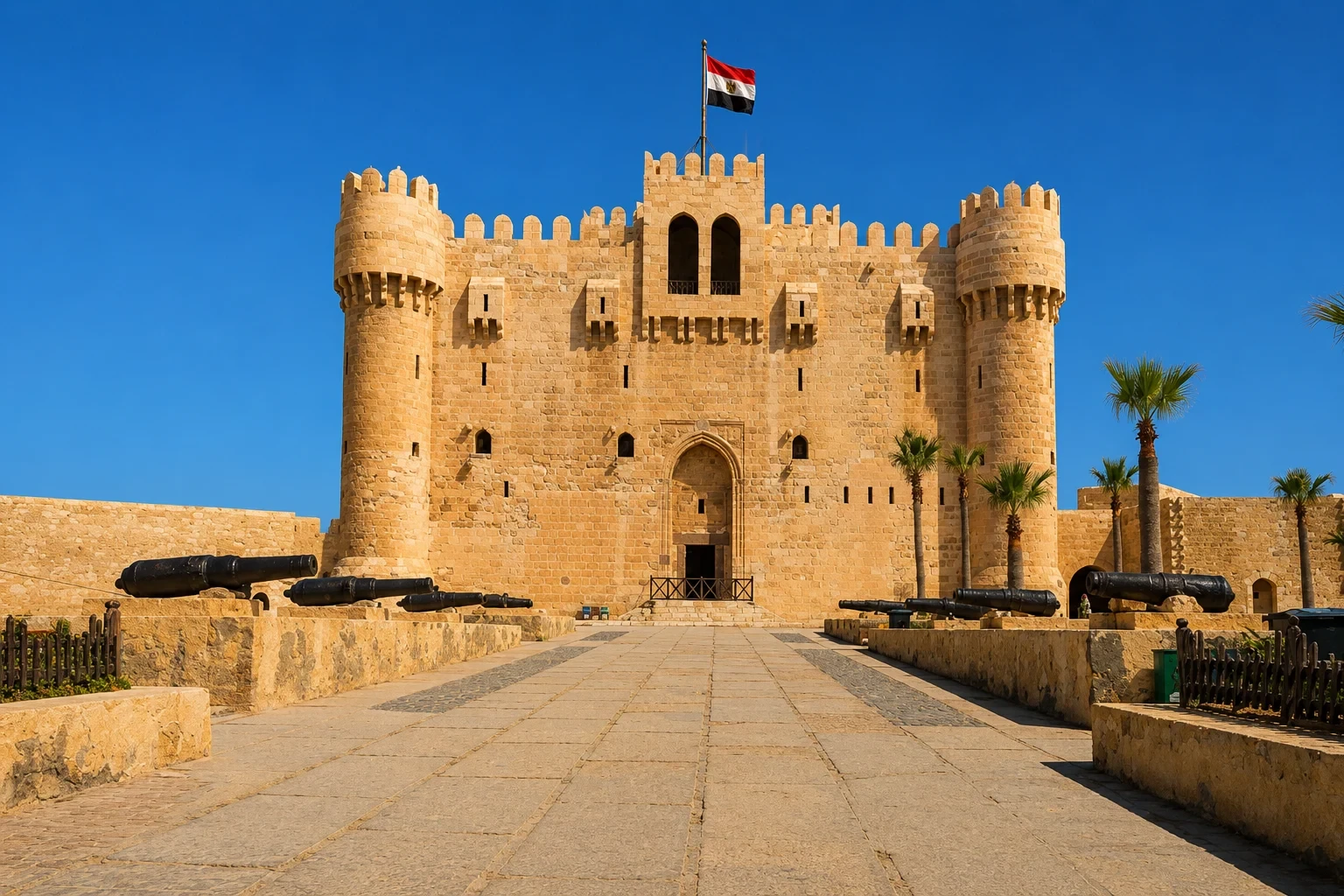
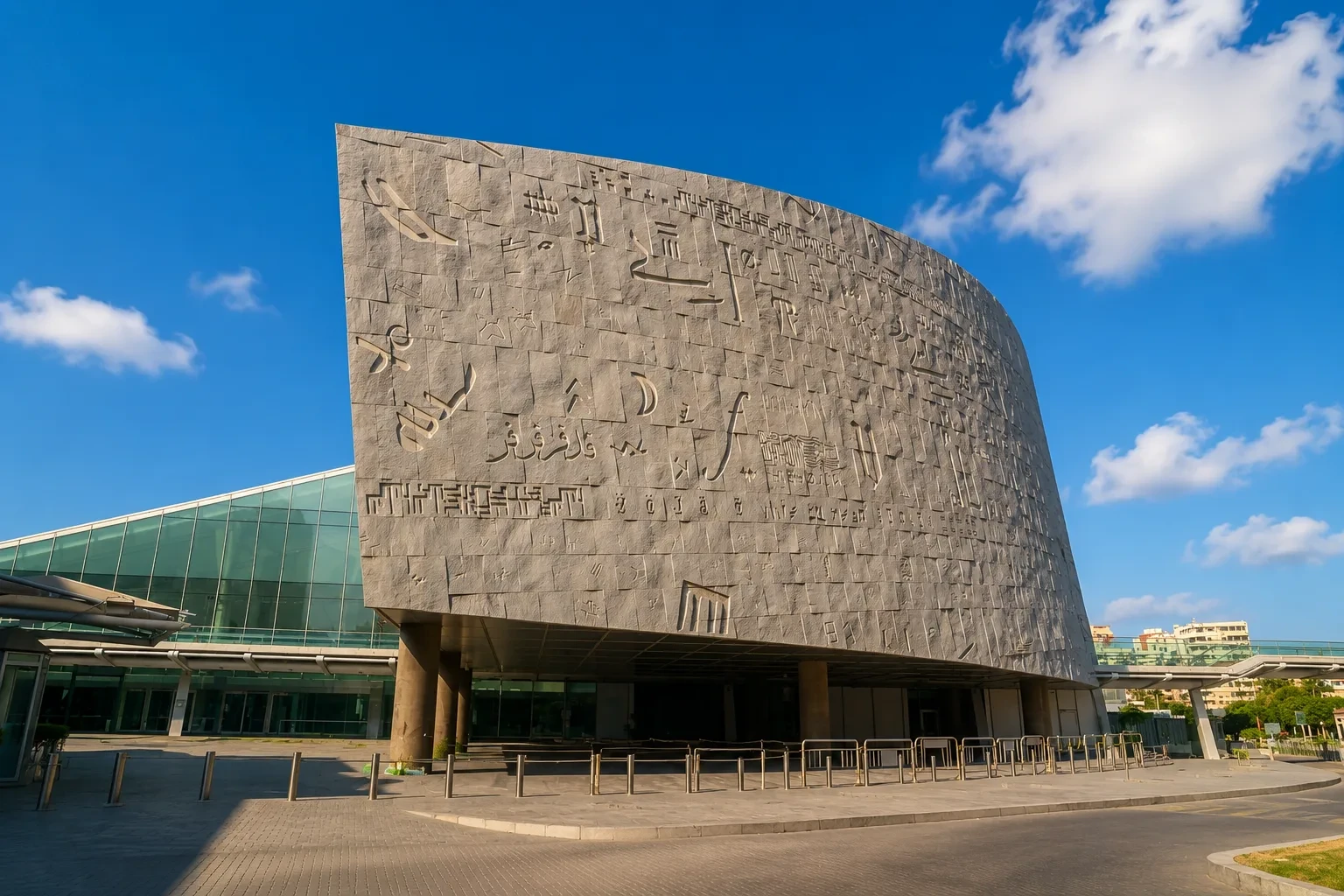
The Bibliotheca Alexandrina is approximately 2 kilometers to the west on the Eastern Harbor waterfront, providing the modern cultural institution that has inherited the intellectual mission of the ancient library documented in the museum's collections. The Catacombs of Kom El Shoqafa and Pompey's Pillar are approximately 3 to 4 kilometers southwest, providing the underground funerary and the outdoor religious dimensions of the Greco-Roman heritage whose artistic programme is most completely understood after a museum visit. The Citadel of Qaitbay and the Lighthouse of Alexandria site are approximately 4 to 5 kilometers northwest. The Abu El Abbas El Mursi Mosque and the broader Alexandria Pride of the Mediterranean heritage landscape are all accessible through the Alexandria Day Tours and Alexandria Port Excursions offered by WOW Egypt Tours.
Frequently Asked Questions About The Greco-Roman Museum
What is the Greco-Roman Museum of Alexandria?
The Greco-Roman Museum is the most important museum of ancient Greco-Roman civilization in Egypt, founded in 1892 by Giuseppe Botti and housing more than forty thousand artifacts spanning approximately one thousand years of Ptolemaic, Roman, and late antique Alexandrian cultural history in twenty-five galleries. Recently reopened after a major renovation, it documents the most sophisticated cultural synthesis in the ancient Mediterranean world, from the royal sculpture of the Ptolemaic dynasty to the Fayum mummy portraits to the finest ancient glass collection in the world. It is a featured destination on all Alexandria Tours and Alexandria Port Excursions offered by WOW Egypt Tours.
Who founded the Greco-Roman Museum?
The Greco-Roman Museum was founded in 1892 by Giuseppe Botti, an Italian classical scholar and antiquarian who served as the museum's first Director and assembled the foundational collection from the ancient artifacts recovered during the rapid urban development of Khedival Alexandria. Botti was also one of the pioneers of systematic archaeological investigation at Alexandrian ancient sites including the Serapeum.
Has the Greco-Roman Museum been renovated?
Yes. The Greco-Roman Museum underwent a major renovation and modernization project that comprehensively restored the historic building, upgraded the climate control and conservation systems, redesigned the gallery displays to contemporary international museum standards, and conserved the most significant and vulnerable objects in the collection. The renovated museum has reopened to the public and now offers the finest presentation of its extraordinary collection in the institution's history.
What are the Fayum mummy portraits?
The Fayum mummy portraits are encaustic or tempera panel paintings incorporated into the mummy wrappings of Roman-period Egyptians in place of traditional stylized mummy masks, creating the most realistic and the most personally immediate ancient portraits in the classical world. Painted in the Greek encaustic technique, they show individual faces with direct gazes that create a powerfully moving encounter with individual ancient human identity across nearly two thousand years of time. The Greco-Roman Museum houses one of the finest institutional collections of these extraordinary portraits.
Can I see images of Cleopatra in the museum?
Yes. The museum's coin collection includes portrait coins of Cleopatra VII, the last Queen of Egypt, which are the only unambiguously contemporary representations of her physical appearance that survive from the ancient period. Her portrait on Ptolemaic silver coinage shows a woman of strong and distinctive features whose historical reality is confirmed by the documentary context of the coin, making them the closest any modern visitor can come to seeing the authentic historical face of the most famous queen of antiquity.
What makes the ancient glass collection special?
The Greco-Roman Museum houses the finest and most comprehensive collection of ancient Alexandrian glass anywhere in the world, documenting the complete range of Alexandrian glass production techniques from the 3rd century BCE through the 7th century CE. Alexandria was the glass capital of the ancient world during the Ptolemaic and early Roman periods, producing innovations in glass-blowing and decorated glass that transformed the ancient glass industry throughout the Mediterranean, and the museum's collection documents this extraordinary technological and artistic achievement in unparalleled institutional depth.
What are the opening hours of the Greco-Roman Museum?
The museum is open Saturday through Thursday from 9:00 AM to 5:00 PM, and on Fridays from 9:00 AM to 11:30 AM and from 1:30 PM to 5:00 PM. Visitors are advised to confirm current hours through WOW Egypt Tours as post-renovation schedules may be subject to adjustment.
How much does it cost to enter the Greco-Roman Museum?
The entrance fee is EGP 400 for adults and EGP 200 for students, covering access to all twenty-five galleries. Entrance fees are included in all Alexandria Day Tours and Alexandria Port Excursion programmes that include the museum, booked through WOW Egypt Tours.
How long does a visit to the Greco-Roman Museum take?
A minimum of 1.5 to 2 hours is recommended for a comprehensive visit covering the principal gallery highlights. Visitors with serious specialist interests may wish to allow 2 to 3 hours.
Is the Greco-Roman Museum the best museum in Alexandria?
Yes. The Greco-Roman Museum is the finest and the most important museum in Alexandria, housing the primary collection of ancient Alexandrian cultural heritage in twenty-five galleries with more than forty thousand artifacts. The recent renovation has transformed the visitor experience to contemporary international museum standards, making it the most completely satisfying museum experience available in the city.
Why should I visit the Greco-Roman Museum before other Alexandria sites?
The Greco-Roman Museum provides the essential cultural, artistic, and historical context for every other ancient monument and heritage experience in Alexandria. The syncretic art of the Catacombs, the religious significance of the Serapeum at Pompey's Pillar, the academic life of the Roman Amphitheatre, and the ancient maritime heritage of the Pharos site are all most fully understood and most completely appreciated after a museum visit that introduces the cultural vocabulary of Ptolemaic and Roman Alexandria.
Is photography allowed in the Greco-Roman Museum?
Personal photography with handheld cameras and smartphones is generally permitted in most galleries for non-commercial purposes. Flash photography is prohibited throughout the museum to protect the ancient objects. Tripods require advance authorization. Specific galleries or objects may have individual restrictions indicated by gallery signage.
What is the connection between the Greco-Roman Museum and the Catacombs of Kom El Shoqafa?
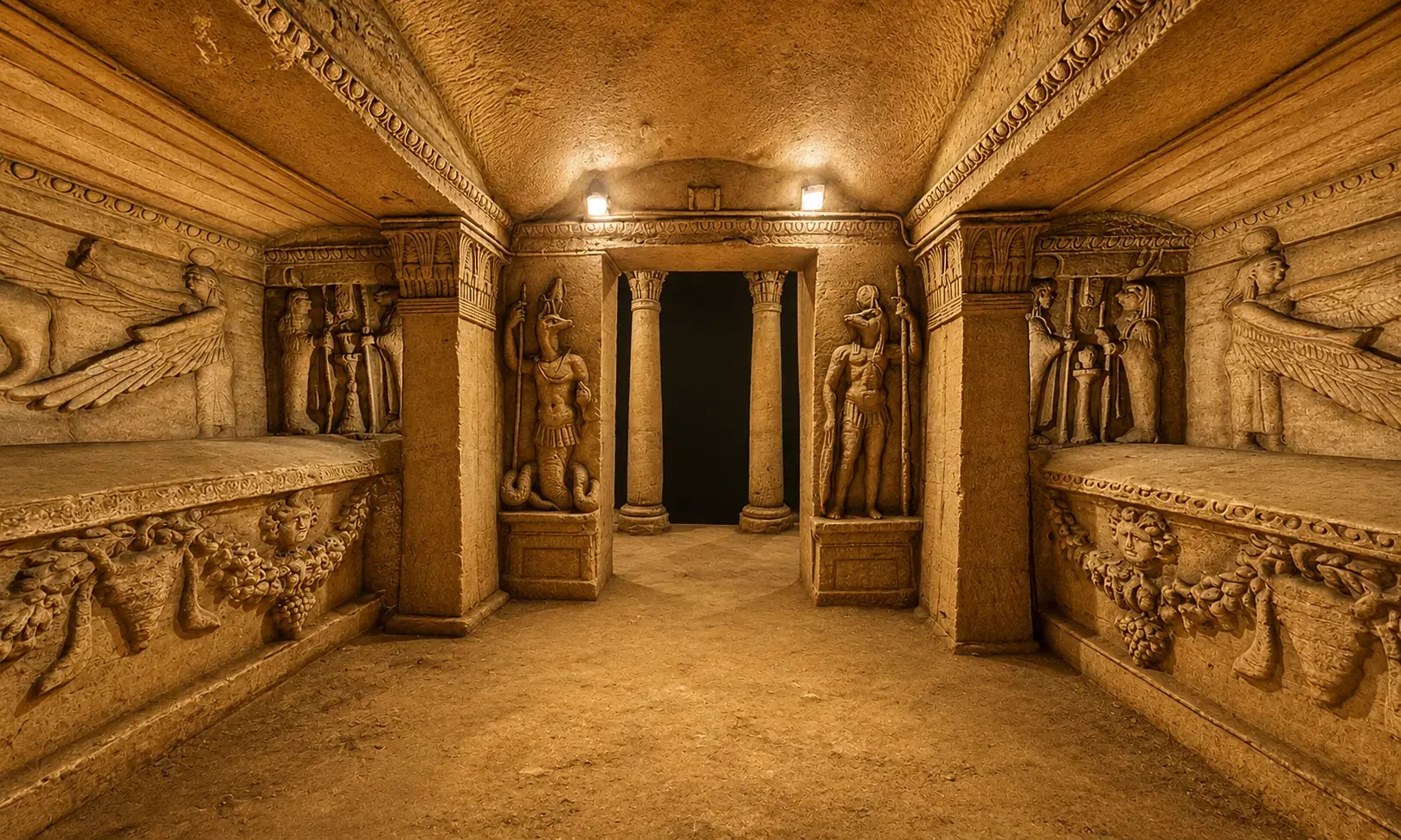
The Greco-Roman Museum provides the essential interpretive context for the extraordinary syncretic art programme of the Catacombs of Kom El Shoqafa, documenting in its Serapis, Isis, and Apis bull collections the divine traditions that were combined in the Catacombs' remarkable visual synthesis of Egyptian, Greek, and Roman religious iconography. Visiting the museum before the Catacombs makes the Anubis in Roman armor and the other syncretic images in the Catacombs sanctuary fully comprehensible within the cultural context of Roman-period Alexandrian religious life.
What other Alexandria attractions are near the Greco-Roman Museum?
The Roman Amphitheatre at Kom El Dikka is approximately 1 kilometer away. The Bibliotheca Alexandrina is approximately 2 kilometers west. The Catacombs of Kom El Shoqafa and Pompey's Pillar are approximately 3 to 4 kilometers southwest. The Citadel of Qaitbay is approximately 4 to 5 kilometers northwest.
How do I book a Greco-Roman Museum tour with WOW Egypt Tours?
You can book any Alexandria Day Tour, Cairo and Alexandria Day Tour, Alexandria Port Excursion, Egypt Tours Package, or Egypt Travel Package that includes the Greco-Roman Museum directly through WOW Egypt Tours. Our team of travel specialists will arrange everything from private transportation and licensed guides to entrance fees and all the logistics of the complete Alexandria cultural experience, ensuring a seamless and unforgettable encounter with the finest and the most comprehensive museum collection of ancient Greco-Roman civilization in all of Africa and one of the most extraordinary institutional treasuries of the ancient Mediterranean world's most creative and most consequential urban civilization.