

The Dakhla Oasis is the most archaeologically diverse, the most historically layered, and the most architecturally extraordinary of all the great Western Desert oases in Egypt, a magnificent natural depression approximately 800 kilometers southwest of Cairo in the New Valley Governorate whose extraordinary concentration of ancient Egyptian, Roman, Byzantine, and medieval Islamic heritage monuments encompasses the full sweep of nearly five thousand years of continuous human civilization in the Egyptian Western Desert and gives the Dakhla Oasis a claim to historical completeness and archaeological variety that no other single oasis destination in the country can match. From the extraordinary Old Kingdom palace complex and administrative town of Ain Asil and Balat at the eastern edge of the oasis, whose excavated remains document the most ancient period of Egyptian state engagement with the Western Desert oasis world in the most physically direct and the most scholarly productive form available at any Western Desert site, through the beautifully preserved Roman-period painted tombs of Muzawwaqa and the magnificent Roman temple of Deir el-Hagar, to the remarkable medieval Islamic village of El-Qasr whose traditional mud-brick architecture, ancient mosque, and extraordinary living vernacular building tradition constitute the finest example of medieval Islamic desert urban heritage in the entire Egyptian Western Desert and one of the finest anywhere in Africa, the Dakhla Oasis provides the most chronologically complete and the most architecturally diverse ancient and medieval heritage experience available within the boundaries of a single Western Desert oasis destination. This extraordinary destination is accessible through Egypt Desert Safari Tours and Egypt Travel Packages, both of which WOW Egypt Tours proudly offers to travelers from around the world as part of Egypt Tours Packages that encompass the extraordinary natural and cultural heritage of the Egyptian Western Desert.
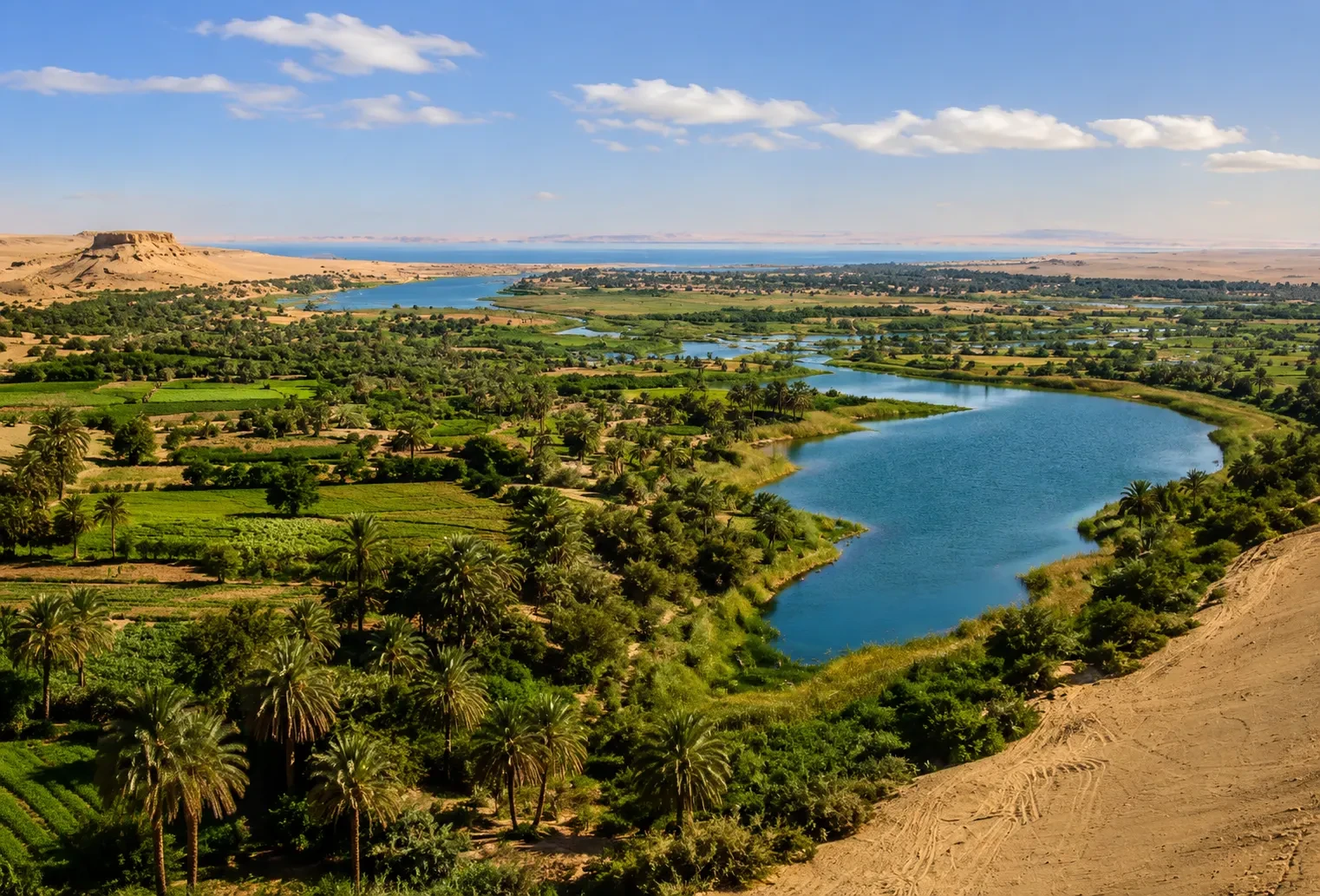
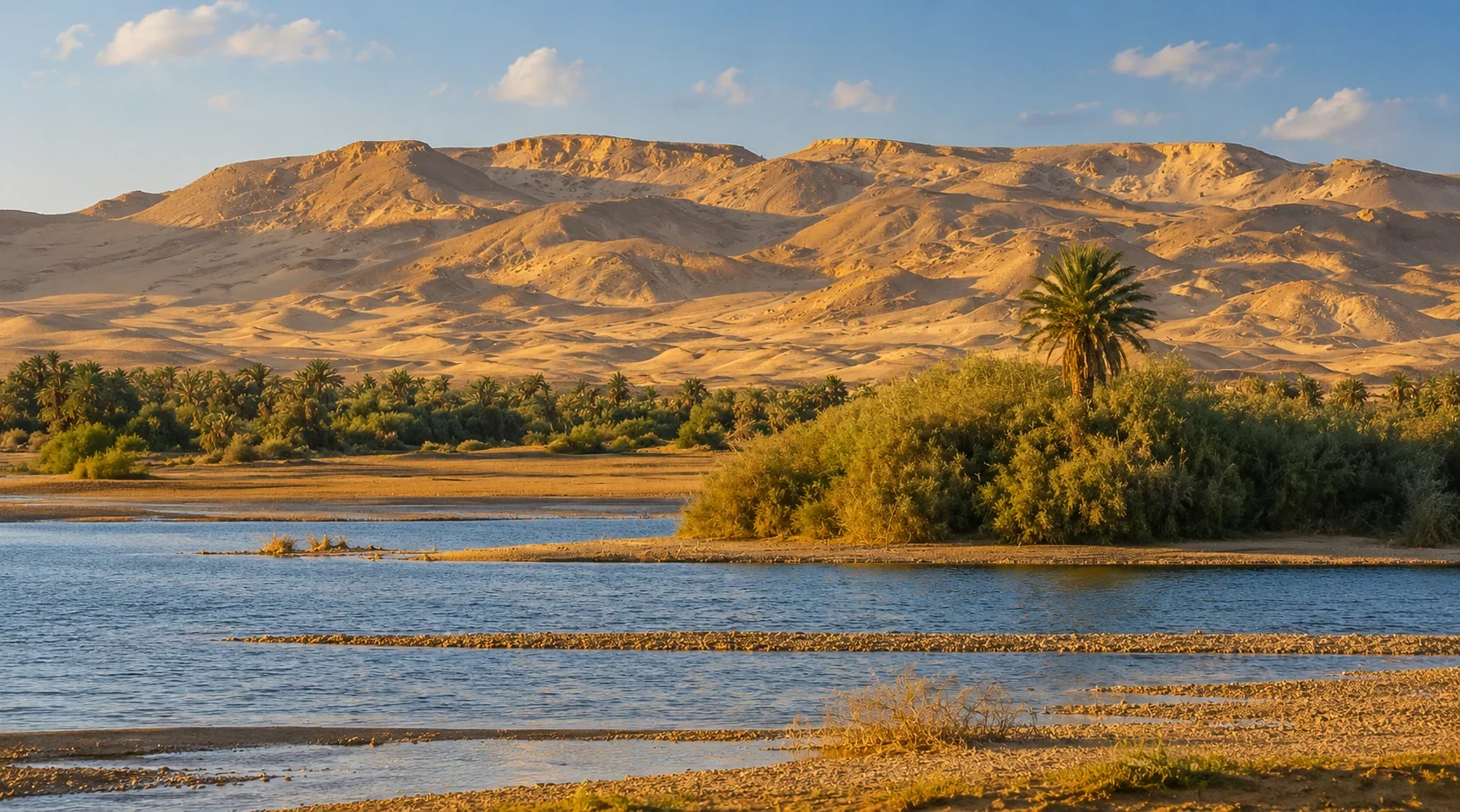
The Dakhla Oasis Egypt is the most substantially populated of the Western Desert oases with a community of approximately 75,000 people distributed across the main city of Mut, the administrative capital and the commercial center of the Dakhla district, and a series of smaller agricultural settlements spread across the remarkably extensive oasis depression whose total agricultural area encompasses hundreds of square kilometers of irrigated farmland, date palm plantations, and mango orchards whose famous Dakhla mangoes are celebrated throughout Egypt as among the finest quality tropical fruit available from any desert agricultural region in the country. The oasis depression, whose northwestern escarpments rise dramatically from the agricultural floor to create the most impressive and the most photogenically beautiful natural landscape backdrop available at any accessible Western Desert oasis, provides the visual framework for one of the most richly varied and the most personally rewarding heritage travel experiences in the complete Egyptian desert oasis circuit, a destination that consistently rewards several days of careful and curious exploration with discoveries of historical and artistic significance at every site, every village, and every landscape viewpoint that the Dakhla programme encompasses. WOW Egypt Tours includes the Dakhla Oasis as a featured heritage destination on Egypt Desert Safari Tours and comprehensive Egypt Travel Packages for travelers seeking the most archaeologically complete and the most architecturally extraordinary encounter with the ancient and medieval heritage of the Egyptian Western Desert.

What Is Dakhla Oasis?
Dakhla Oasis is a natural oasis depression in the New Valley Governorate (Wadi El Gedid) of the Egyptian Western Desert, positioned as the inner oasis of the pair that it forms with the Kharga Oasis to the east, the two oases connected by a desert road and historically linked as the most substantial and the most agriculturally productive of the Egyptian Western Desert oasis communities. The Dakhla depression is approximately 80 kilometers from east to west and approximately 25 kilometers from north to south at its widest extent, occupying one of the largest and the most topographically varied of the Western Desert oasis basins, whose floor elevation varies from approximately 90 meters above sea level at the higher eastern sections to lower elevations at the western end, and whose northern escarpment of white limestone and sandstone cliffs provides the most dramatic and the most visually compelling natural landscape backdrop available at any major Egyptian Western Desert oasis. The main settlement of Mut, the administrative capital of the Dakhla Oasis district, is a bustling provincial Egyptian city of considerable size and considerable agricultural commercial vitality whose markets, traditional craft workshops, and the main Dakhla Museum provide the primary urban heritage context for all Dakhla Oasis programmes.
The Dakhla Oasis agricultural landscape is one of the most extensively developed and the most productively diverse of all the Egyptian Western Desert oasis agricultural systems, fed by a network of artesian wells drawing on the Nubian Sandstone Aquifer System and supporting the cultivation of dates, mangoes, olives, rice, wheat, and a wide range of fruits and vegetables across the several hundred square kilometers of irrigated farmland that constitute the primary economic base of the oasis community. The famous Dakhla mango, a variety of extraordinary size, sweetness, and flavor grown in the deep desert oasis agricultural conditions and harvested in the summer months when the oasis mango orchards are heavy with ripe fruit, is recognized throughout Egypt as the finest quality desert mango available from any oasis agricultural region and is traded in the Cairo and Nile Valley markets as a premium agricultural product whose desert provenance gives it a distinctive flavor and a distinctive cultural cachet that commands premium prices in the national fruit market.
Who Built The Ancient Monuments Of Dakhla Oasis?
The ancient monuments of the Dakhla Oasis were built by a remarkable succession of Egyptian ruling powers spanning from the Old Kingdom through the New Kingdom, the Late Period, the Ptolemaic, Roman, Byzantine, and Islamic eras, each contributing distinctive and significant physical evidence for the historical relationship between the central Egyptian state and the most distant and the most productive of the inner Western Desert oases. The earliest and the most completely unexpected major monument builders at Dakhla are the pharaohs of the Old Kingdom, approximately 2600 to 2150 BCE, whose administrative engagement with the Dakhla Oasis is documented in the remarkable palace complex and administrative settlement of Ain Asil and Balat at the eastern edge of the oasis, the oldest and the most archaeologically significant ancient Egyptian administrative complex ever discovered in the Egyptian Western Desert and the most direct physical evidence for the extraordinary ambition and the extraordinary organizational capacity of the Old Kingdom Egyptian state in its management of the most remote agricultural territories of the pharaonic empire.
The Roman period emperors and administrators of the 1st through 4th centuries CE are responsible for the most visually spectacular surviving monuments of the Dakhla Oasis heritage, including the extraordinary Deir el-Hagar temple complex of the Emperor Nero and the elaborately painted rock-cut tombs of Muzawwaqa, whose combination of ancient Egyptian religious iconography and Roman period artistic conventions creates the most visually impressive and the most historically informative ancient funerary and religious art programme available at any accessible monument site in the Dakhla heritage landscape. The Islamic period rulers of the Mamluk and Ottoman eras are responsible for the extraordinary medieval village of El-Qasr, whose traditional mud-brick architecture, ancient mosque, and surviving medieval urban fabric constitute the most important and the most completely preserved example of medieval Islamic desert urban heritage in the entire Egyptian Western Desert.
El-Qasr: The Crown Jewel Of Dakhla
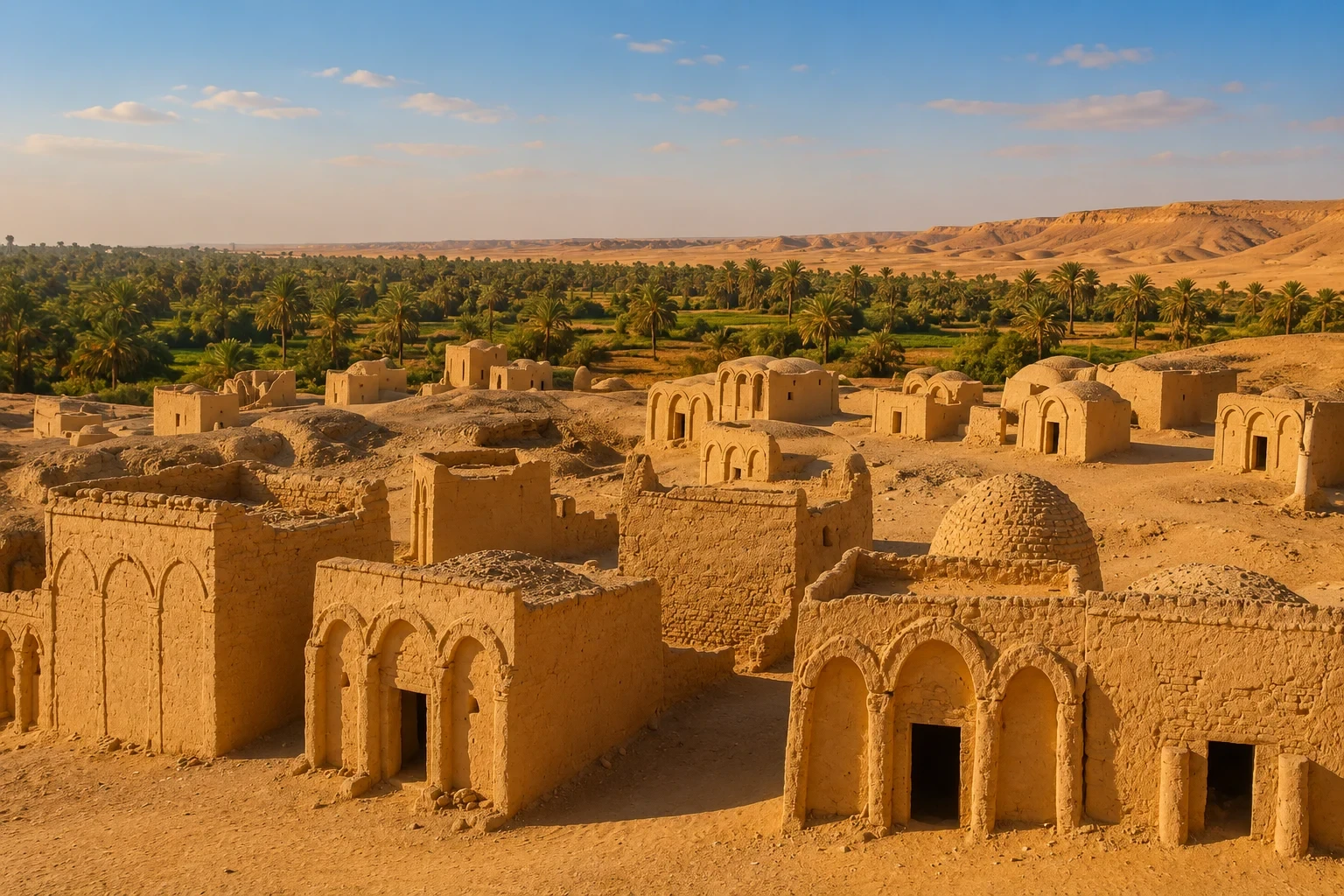
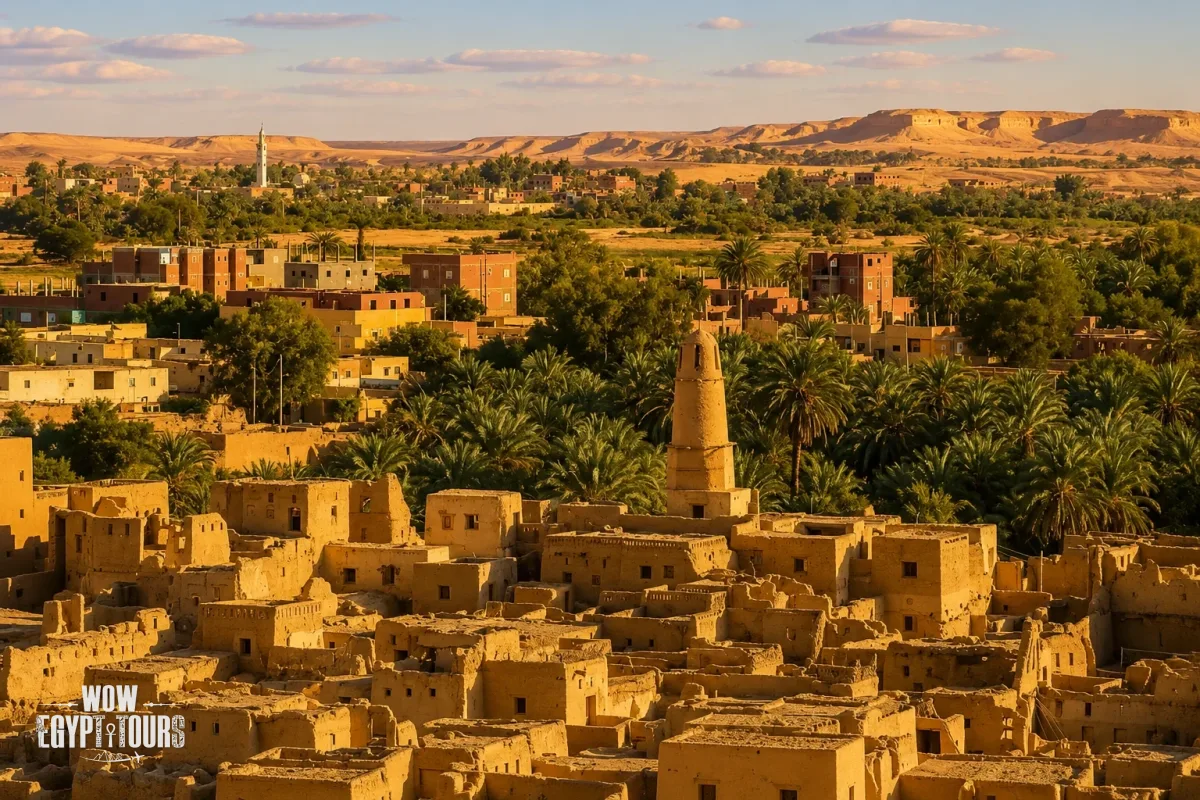
Of all the extraordinary heritage sites available in the Dakhla Oasis, none is more immediately stunning, more architecturally distinctive, more completely preserved, or more personally moving as a heritage encounter than the ancient mud-brick village of El-Qasr (also written as Al-Qasr), a medieval Islamic settlement of approximately 12th century CE origin whose traditional kershef and mud-brick buildings, narrow vaulted alleyways, ancient minaret, traditional grain storage facilities, and 12th century wooden mosque door constitute collectively the finest and the most completely authentic example of medieval Islamic desert vernacular architecture available at any accessible oasis settlement in the entire Egyptian Western Desert. El-Qasr is not an archaeological site in the conventional Egyptian sense of an excavated ancient ruin surrounded by modern urban development; it is a living village of extraordinary historical authenticity whose resident community has inhabited the same mud-brick buildings along the same narrow alleys for many generations and whose relationship with the extraordinary architectural heritage that surrounds them on every side gives the village a quality of genuine inhabited heritage that is simply unavailable at any purely archaeological site in the Egyptian Western Desert.
The village of El-Qasr is built on the highest ground in the western Dakhla landscape, taking advantage of the slight elevation of the ancient settlement mound for both defensive visibility and for the protection of the mud-brick buildings from the occasional winter rains that can cause catastrophic structural damage to the kershef and mud-brick building materials of the desert oasis architectural tradition. Walking through the narrow covered alleys of El-Qasr, with the ancient mud-brick walls rising on both sides to create a sequence of vaulted passages, sudden courtyards, and dramatically framed glimpses of sky above the building mass, is one of the most completely immersive traditional Islamic urban experiences available at any accessible heritage destination in the Egyptian desert world, a spatial sequence of extraordinary variety, extraordinary intimacy, and extraordinary human historical depth that consistently produces in visitors a response of complete absorption in the ancient desert urban world that the village embodies. The most celebrated individual architectural monument within the El-Qasr village complex is the ancient minaret of the mosque, a simple but beautifully proportioned tower of mud-brick construction dating to the Ayyubid period (approximately 12th century CE) whose elegant form rising above the surrounding village roofline is the most immediately recognizable symbol of the El-Qasr architectural heritage and the most frequently reproduced single image of the medieval Islamic building tradition of the Dakhla Oasis. The mosque's extraordinary 12th century cedarwood door, carved with intricate geometric and calligraphic decoration in the finest medieval Islamic woodcarving tradition, is one of the most significant individual works of medieval Islamic decorative art available at any accessible heritage site in the Egyptian Western Desert and is recognized by Islamic art historians as a work of considerable beauty and considerable historical importance.
Dakhla Oasis Location In Egypt
Dakhla Oasis is located in the New Valley Governorate (Wadi El Gedid) of the Egyptian Western Desert, approximately 800 kilometers southwest of Cairo, approximately 310 kilometers southeast of the Farafra Oasis, and approximately 185 kilometers west of the Kharga Oasis, occupying its position as the inner oasis of the pair that constitutes the most substantially populated section of the Egyptian Western Desert oasis chain. The main city of Mut, the administrative and commercial capital of the Dakhla district, is the primary arrival point for all Dakhla Oasis programmes and the most convenient base for the exploration of all the major heritage sites of the oasis, whose individual monuments are spread across the full east-west extent of the 80-kilometer depression. Dakhla is accessible from Cairo via the Desert Road to Bahariya (approximately 370 kilometers), then south through Farafra (approximately 180 kilometers more), and then southeast through the desert to Dakhla (approximately 310 kilometers more from Farafra), giving a total driving distance of approximately 850 kilometers and a driving time of approximately 9 to 10 hours in a single very long day's journey or most comfortably accomplished over two to three days as part of the complete Western Desert oasis circuit. An alternative and shorter approach from the Nile Valley is via the road from Luxor or Asyut to Kharga (approximately 230 kilometers from Luxor or 200 kilometers from Asyut) and then west from Kharga to Dakhla (approximately 185 kilometers), giving a Nile Valley approach to Dakhla that is significantly shorter and significantly faster than the complete Desert Road approach from Cairo. WOW Egypt Tours provides private four-wheel-drive vehicle transportation to Dakhla Oasis via both the Desert Road approach and the Nile Valley approach as part of all comprehensive Western Desert Safari Tours and Egypt Desert Safari programmes.
Dakhla Oasis Fun Facts
The Dakhla Oasis is home to one of the most remarkable concentrations of ancient pottery production in the entire Egyptian desert heritage landscape, with the traditional pottery workshops of the Dakhla communities having maintained an unbroken tradition of hand-thrown and kiln-fired pottery production using locally sourced clay and traditional techniques essentially unchanged from the ancient period through the medieval Islamic era to the present day. The Dakhla pottery tradition, characterized by the distinctive reddish clay of the oasis deposits and the traditional forms of water storage jars, cooking vessels, and decorative ceramic pieces whose shapes and surface decorations have remained consistent over centuries of continuous production, is recognized by archaeologists and craft heritage specialists as one of the most significant and the most authentically maintained traditional ceramic traditions in the Egyptian desert world. The opportunity to visit the active pottery workshops of the Dakhla communities and to watch the traditional production process is one of the most culturally engaging and the most personally memorable craft heritage experiences available at any Western Desert oasis destination.
The Ain Asil palace complex and the associated ancient town of Balat at the eastern edge of the Dakhla Oasis, excavated over several decades by the French Institut Français d'Archéologie Orientale (IFAO), represent the most ancient documented example of an Egyptian state administrative complex ever discovered in the Western Desert, with remains spanning from the late Old Kingdom through the First Intermediate Period that provide the most direct and the most architecturally informative evidence for the management of the most remote agricultural territory of the pharaonic Egyptian state at the very peak of its administrative capacity and its logistical reach in the 3rd millennium BCE. The discovery of cuneiform inscribed clay tablets alongside the traditional Egyptian hieratic administrative documents at the Ain Asil site suggests the existence of direct diplomatic or commercial contact between the Dakhla Oasis community and the Mesopotamian world of the early 3rd millennium BCE, a finding of extraordinary historical significance that has transformed scholarly understanding of the geographical reach of ancient Egyptian economic and diplomatic activity in the earliest documented period of the pharaonic state.
The Dakhla Oasis is one of the most productive agricultural regions in the Egyptian Western Desert, with the famous Dakhla mangoes recognized throughout Egypt as among the finest quality desert-grown mangoes available from any oasis agricultural region. The deep artesian water supply of the Dakhla oasis, the warm desert days and relatively cool desert nights of the growing season, and the centuries-long accumulated agricultural expertise of the Dakhla farming community combine to produce mangoes of extraordinary sweetness, extraordinary aroma, and extraordinary size whose summer harvest is one of the most eagerly anticipated seasonal agricultural events in the oasis community calendar and whose appearance in the Cairo and Nile Valley markets is recognized as a reliable seasonal marker of the peak summer harvest at the Dakhla Oasis.
Why Is It Called Dakhla Oasis?
The name Dakhla, applied to the oasis in both Arabic and in the European heritage and travel literature tradition, derives from the Arabic root dakhala, meaning to enter or to go inside, giving the name the approximate meaning of the inner one or the interior oasis, a designation that captures with considerable geographic accuracy the relative position of the Dakhla Oasis within the spatial organization of the Egyptian Western Desert oasis chain. The Dakhla Oasis is positioned to the west of the Kharga Oasis, deeper into the interior of the Western Desert and further from the Nile Valley than its eastern neighbor, and the Arabic designation of the more interior oasis as the inner one and the contrasting designation of the Kharga Oasis as the outer one (from the Arabic kharaja, meaning to go out or to exit) creates a paired geographical naming system of elegant simplicity and considerable geographical accuracy that has been in use in both Arabic and international geographical literature for many centuries. The ancient Egyptian name for the Dakhla Oasis area, documented in the Pharaonic period administrative records, was different from the current Arabic toponym, but the Arabic name Dakhla has been the universal designation for the oasis in Arabic and international usage since the medieval Islamic period and is the name by which the oasis is universally known in the modern Western Desert tourism and heritage world. The name accurately reflects the oasis's character as the more deeply interior and the more genuinely remote of the inner oasis pair, deeper within the desert landscape and further from the Nile Valley than the Kharga Oasis that guards the outer approach to the inner desert.
Dakhla Oasis History
The history of human occupation in the Dakhla Oasis extends from the Paleolithic period through the Neolithic, the Predynastic, and into the fully documented Pharaonic period in one of the most complete and the most continuously stratified archaeological sequences available at any Western Desert oasis site, a sequence that documents with extraordinary physical directness the complete evolution of human settlement and human cultural complexity in the Egyptian desert oasis environment from the earliest hunter-gatherer communities of the prehistoric wet Sahara period through the sophisticated ancient state agricultural civilization of the Old Kingdom pharaonic administration. The most important and the most archaeologically consequential ancient heritage of the Dakhla Oasis is the Old Kingdom administrative complex of Ain Asil and Balat at the eastern edge of the depression, whose excavated palace, administrative buildings, and associated ancient town remain document in remarkable physical detail the presence and the organizational capacity of the Egyptian state in the Dakhla Oasis during the 6th Dynasty, approximately 2300 to 2150 BCE, when the pharaonic government was managing the oasis as a productive agricultural territory and a strategic outpost on the desert routes connecting Egypt with the sub-Saharan African trade networks.
The New Kingdom period saw the Dakhla Oasis incorporated into the broader administrative system of the Egyptian empire under the great warrior pharaohs of the 18th and 19th Dynasties, whose records document the oasis as an important agricultural and military staging post in the western desert administration of the empire. The Roman period, from the conquest of Egypt in 30 BCE through the decline of Roman power in the 4th century CE, represents the most comprehensively documented and the most monumentally impressive phase of Dakhla's ancient heritage, with the construction of the Deir el-Hagar temple complex, the elaborately painted Muzawwaqa tombs, and the extensive ancient city of Mothis (Mut el-Kharab) creating the most substantial ancient architectural legacy available at any heritage site in the Dakhla landscape. The Byzantine and early Christian period added the churches and the Christian iconographic elements visible at several Dakhla sites to the religious heritage of the oasis, while the subsequent Islamic conquest of Egypt in 641 CE gradually transformed the oasis community into the predominantly Muslim agricultural population whose medieval heritage is most dramatically expressed in the extraordinary El-Qasr village complex. The Ottoman and modern Egyptian periods brought the current administrative and agricultural infrastructure of the oasis, connecting it by road to both the Nile Valley approach and the northern Desert Road circuit and developing the irrigation and agricultural systems that support the current population of approximately 75,000 people.
The Story Of Ain Asil And The Oldest Palace In The Western Desert
The story of the Ain Asil archaeological site at the eastern edge of the Dakhla Oasis is one of the most extraordinary archaeological discovery stories of the Egyptian Western Desert, a narrative that began with the first recognition of ancient mudbrick structures eroding from the desert surface at the Ain Asil mound in the early 20th century and that has continued through the systematic excavation programme of the French IFAO that has progressively revealed, over several decades of patient and methodologically sophisticated archaeological work, one of the most remarkable and the most historically significant ancient Egyptian administrative complexes ever discovered outside the Nile Valley. The Ain Asil palace and administrative complex, whose excavated remains include the foundations and partial walls of a substantial mudbrick palace of the 6th Dynasty period, a governor's residence, administrative storage facilities, a large town of ancient Egyptian administrative workers and their families, and an associated necropolis whose tomb superstructures and underground burial chambers have yielded extraordinary quantities of ancient Egyptian administrative documents, pottery, and personal objects, represents the most complete surviving evidence for the organization of the Egyptian state administration of a remote desert territory at the very peak of the Old Kingdom pharaonic state's organizational capacity and geographical ambition in the late 3rd millennium BCE.
The discovery at the Ain Asil site of ancient administrative documents including lists of personnel, agricultural production records, and correspondence between the oasis governor and the Nile Valley administration has provided the most direct available evidence for the actual management practices and the administrative procedures of the ancient Egyptian desert oasis administration, giving the Dakhla Oasis a dimension of ancient administrative documentary heritage that is simply unavailable at any comparable level of completeness and specificity at any other Western Desert oasis site. The IFAO excavations at Ain Asil and the associated ancient town of Balat continue to the present day, and the Ain Asil site remains one of the most actively investigated and the most scholarly productive ancient Egyptian administrative sites outside the main Nile Valley archaeological zones, contributing new evidence and new interpretations of Old Kingdom administrative practice to the scholarly literature with each season of work. The exhibition of selected finds from the Ain Asil excavations in the Dakhla Museum at Mut provides the primary public encounter with this extraordinary ancient heritage for visitors to the oasis who cannot access the active excavation site.
Dakhla Oasis Key Attractions And Features
El-Qasr Medieval Islamic Village
The medieval Islamic village of El-Qasr at the western end of the Dakhla Oasis is the single most celebrated and the most internationally recognized heritage site in the complete Dakhla heritage landscape, a monument of such extraordinary architectural quality, such complete historical preservation, and such immediate visual impact that it consistently ranks among the most remarkable and the most personally affecting heritage discoveries available to any traveler who makes the journey to the Egyptian Western Desert. El-Qasr was built primarily in the Ayyubid period (12th century CE) and subsequently expanded and modified through the Mamluk and Ottoman periods, creating a densely packed urban fabric of multi-story mud-brick and kershef buildings organized along a labyrinthine system of narrow vaulted alleys, sudden open courts, traditional grain stores, communal wells, the ancient mosque with its 12th century minaret, and the small domestic shrines and community spaces that gave the medieval village its complete and self-sufficient urban character. The visual character of El-Qasr is unlike anything else in the Egyptian Western Desert heritage landscape: the tall mud-brick facades, the intricately carved wooden lintels over individual house doors inscribed with Quranic verses and the names of past owners, the vaulted alley roofs that create a cool indoor-outdoor transition space between the domestic interiors and the open streets, and the ancient minaret rising above the village roofline against the vast open sky of the desert create a spatial experience of extraordinary richness and extraordinary historical depth that rewards extended exploration and extended visual attention with continuously revealed layers of architectural detail and human historical information. El-Qasr is designated on UNESCO's tentative World Heritage List, recognizing its outstanding architectural and cultural significance as the finest surviving example of medieval Islamic desert urban heritage in the Egyptian Western Desert.
Deir El-Hagar Roman Temple
The Deir el-Hagar temple complex at the western edge of the Dakhla depression is the most significantly preserved and the most completely interpretable ancient Egyptian temple monument accessible at any heritage site in the complete Dakhla Oasis, a Roman period sandstone temple dedicated to the Theban triad of Amun-Re, Mut, and Khons and to the desert god Seth, constructed primarily in the 1st century CE during the reigns of the emperors Nero, Vespasian, Titus, and Domitian and subsequently expanded and decorated with relief carvings and painted programmes of considerable artistic and theological sophistication. The temple sits within a substantial enclosure wall of ancient mud-brick construction and is surrounded by the ruins of the ancient settlement that served the temple community, providing the archaeological landscape context that gives the architectural remains their most complete and most historically intelligible setting. The relief carvings that decorate the internal walls of the Deir el-Hagar temple are among the finest examples of Roman-period ancient Egyptian religious relief art available at any accessible Western Desert site, combining the canonical iconographic conventions of the ancient Egyptian divine representation tradition with the specific theological concerns of the Roman-period Dakhla religious community to create a visual programme of considerable complexity and considerable art historical interest. The interior sanctuary of the temple, whose walls preserve both the carved relief decoration and significant traces of the original ancient painting that covered the carved surfaces, provides the most intimate and the most archaeologically direct encounter with the sacred interior of an ancient Egyptian Roman-period desert temple available at any accessible Dakhla heritage site.
The Muzawwaqa Tombs
The Muzawwaqa tombs, located in a rock formation approximately 35 kilometers northwest of the main Mut city in the desert terrain at the edge of the Dakhla depression, are the most spectacularly painted and the most visually extraordinary ancient funerary monuments in the complete Dakhla Oasis heritage landscape, a group of Ptolemaic and Roman-period rock-cut tombs whose internal decoration of remarkably well-preserved painted plaster covering every surface of the tomb chambers with elaborate ancient Egyptian funerary iconography and the extraordinary zodiacal ceiling of the tomb of Petosiris creates one of the most visually overwhelming and the most artistically significant ancient funerary art encounters available at any heritage site in the Egyptian Western Desert. The two most significant Muzawwaqa tombs are the tomb of Petosiris and the tomb of Sadosiris, both dating to the Roman period and both decorated with painted programmes that combine the traditional ancient Egyptian funerary iconographic vocabulary, including the weighing of the heart, the solar boat, and the reception of the deceased by Osiris and the underworld deities, with the more naturalistic portrait conventions and the zodiacal imagery of the Greco-Roman syncretic religious tradition to create the most complete available example of the syncretic funerary art tradition of the Roman-period Western Desert oasis community. The extraordinary painted zodiac ceiling of the Petosiris tomb, whose circular composition of the twelve zodiacal signs arranged around a central astronomical image is the most elaborate and the most completely preserved ancient astronomical ceiling decoration available at any accessible tomb site in the Egyptian Western Desert, is the single most celebrated artistic achievement of the Muzawwaqa tomb complex and one of the most significant surviving examples of ancient astronomical iconography in the entire Egyptian heritage landscape.
Ain Asil And Balat: The Old Kingdom Administrative Complex
The Ain Asil palace complex and the ancient administrative town of Balat at the eastern edge of the Dakhla Oasis constitute the most historically significant and the most archaeologically extraordinary ancient heritage site in the complete Dakhla landscape, the physical remains of the most ancient documented Egyptian state administrative complex in the Western Desert and the most direct available evidence for the organizational capacity and the geographical ambition of the Old Kingdom pharaonic state in the late 3rd millennium BCE. The excavated remains of the Ain Asil palace, the governor's residence, and the associated ancient town, progressively revealed over decades of systematic IFAO excavation, provide the most complete available physical picture of how the Egyptian state organized and managed a remote desert oasis territory at the most ambitious phase of the Old Kingdom administrative expansion, and the extraordinary administrative documents, ceramic collections, and personal objects recovered from the site have transformed the scholarly understanding of Old Kingdom administrative practice in the Western Desert region. While the Ain Asil site itself has limited public access due to the ongoing nature of the IFAO excavations, the Dakhla Museum at Mut displays the most significant finds from the site in a public museum context that makes this extraordinary ancient heritage accessible to all visitors to the oasis. The ancient town site of Balat adjacent to Ain Asil, whose eroded mud-brick structures are visible in the desert landscape of the eastern Dakhla, provides additional physical evidence for the spatial organization and the architectural character of the ancient Egyptian administrative settlement in its desert oasis setting.
The Dakhla Museum At Mut
The Dakhla Museum in the main city of Mut is the primary institutional repository for the extraordinary archaeological heritage of the complete Dakhla Oasis landscape, displaying in its galleries a comprehensive collection of artifacts from all the major periods of Dakhla's ancient history from the prehistoric through the Old Kingdom, New Kingdom, Roman, and Byzantine periods in a display programme of considerable scholarly depth and considerable public interpretive richness. The museum's collection includes selected finds from the Ain Asil and Balat excavations documenting the Old Kingdom administrative heritage, a range of Roman-period artifacts including pottery, glass, jewelry, and personal objects from the Muzawwaqa tomb community and the ancient city of Mothis, Coptic Christian objects from the Byzantine period sites of the Dakhla landscape, and the traditional ethnographic collection of craft objects, agricultural tools, and domestic equipment from the modern oasis community that provides the most accessible and the most personally engaging encounter with the living cultural heritage of the Dakhla agricultural tradition. The museum's role as the primary interpretive context for all the major Dakhla heritage sites makes it the most naturally appropriate first stop for any serious engagement with the archaeological heritage of the oasis, as the museum visit provides the chronological framework, the artifact context, and the scholarly interpretation that allows the subsequent site visits to be most fully comprehensible and most personally rewarding.
The Dakhla Hot Springs
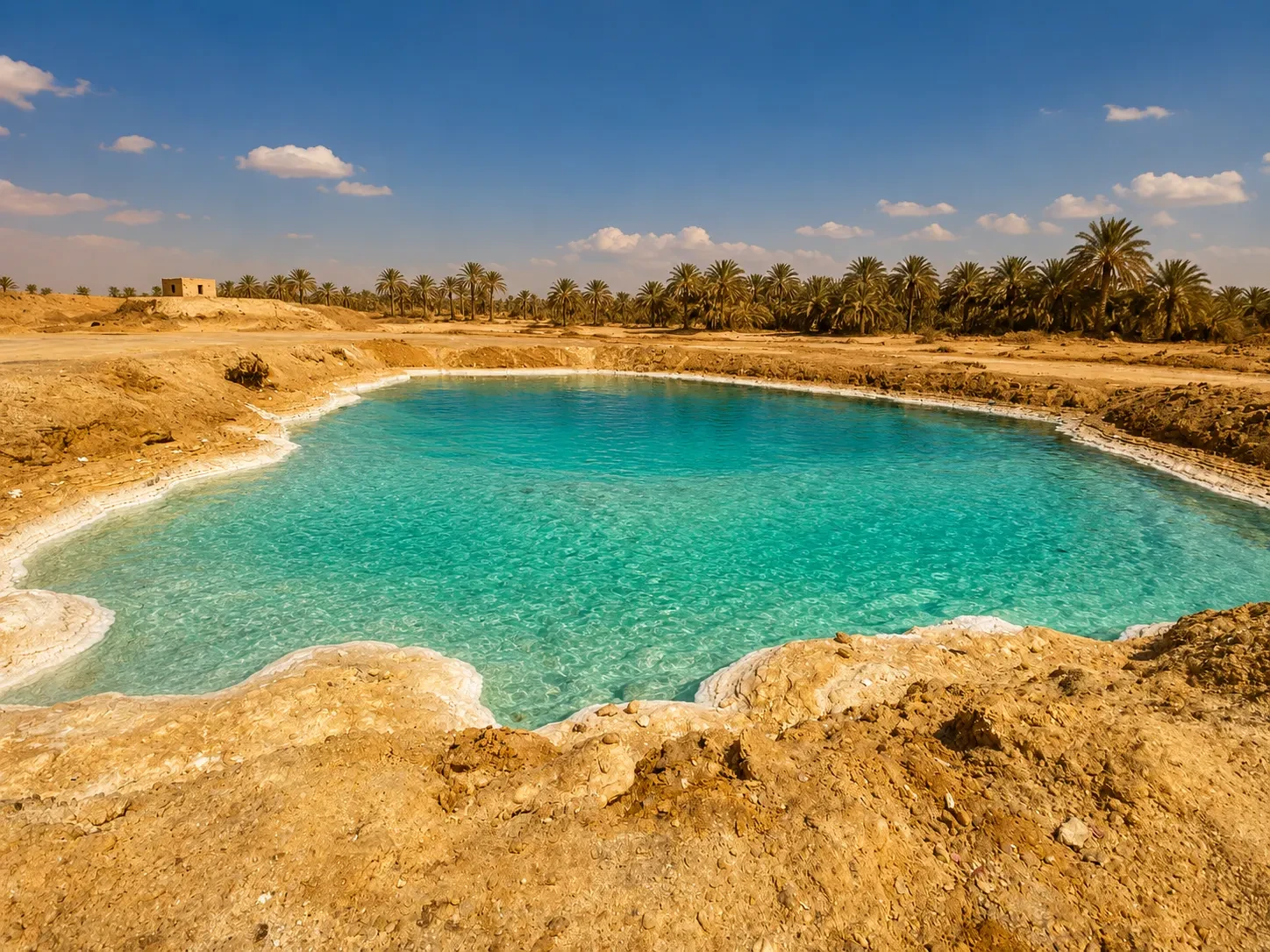
The artesian hot springs of the Dakhla Oasis, of which the Mut Talata spring complex near the main city of Mut is the most accessible and the most frequently visited, provide one of the most distinctive and the most sensory-rich natural heritage experiences available in the Dakhla landscape, a combination of warm mineral-rich water emerging from the deep artesian aquifer in a desert oasis setting that has attracted travelers seeking therapeutic bathing since ancient times. The Mut Talata springs, whose name means Mut Three in Arabic referring to their position in the numbered sequence of artesian water sources in the Mut city area, provide bathing conditions of considerable warmth and considerable atmospheric appeal in the desert oasis setting, with the warm water temperatures and the mineral composition of the artesian spring water creating a bathing experience that many visitors describe as one of the most deeply relaxing and the most personally restorative available at any oasis destination in the Egyptian Western Desert.
Traditional Pottery Workshops
The traditional pottery workshops of the Dakhla Oasis communities, operating in several of the agricultural villages scattered across the oasis depression, maintain one of the most ancient and the most continuously practiced ceramic production traditions in the Egyptian desert heritage landscape, a tradition of hand-thrown and kiln-fired pottery production using locally sourced clay that connects the modern Dakhla craft community directly to the ancient ceramic tradition documented in the archaeological record of the oasis from the Predynastic period through the Pharaonic, Roman, and Islamic eras. The opportunity to visit the active pottery workshops of the Dakhla villages, to watch the traditional production process of vessel formation on the hand-turned wheel and the firing of the formed pieces in the traditional kiln, and to purchase the resulting traditional pottery directly from the producing community is one of the most culturally authentic and the most directly engaging craft heritage experiences available at any Western Desert oasis destination and provides the most immediately personal encounter with the living ancient ceramic tradition of the Dakhla Oasis available to any visitor.
The Escarpment Landscape
The northern escarpment of the Dakhla Oasis depression, where the white limestone and sandstone cliffs of the desert plateau drop dramatically to the agricultural floor of the oasis below in a series of cliffs, scree slopes, and isolated rock formations of considerable geological drama and considerable visual beauty, provides the most impressive and the most photographically spectacular natural landscape backdrop available at any accessible oasis destination in the Egyptian Western Desert. The escarpment cliffs, rising to heights of 100 to 200 meters above the oasis floor in the most impressive sections and extending along the full northern edge of the Dakhla depression for approximately 80 kilometers, create a physical frame for the oasis landscape of such natural architectural authority and such visual drama that the combination of the white cliff face, the green agricultural floor below, and the blue desert sky above creates one of the most beautiful natural landscape compositions available at any viewpoint in the complete Western Desert oasis circuit. The viewpoints from the escarpment edge overlooking the complete Dakhla agricultural landscape below are among the finest elevated panoramic perspectives available in the Egyptian Western Desert and provide the most completely satisfying single visual expression of the fundamental character of the oasis landscape, the green agricultural island in the desert plateau, that gives the Egyptian oasis tradition its most immediately comprehensible and most personally affecting visual identity.
Why Is Dakhla Oasis Important?
Dakhla Oasis is important for reasons spanning all five thousand years of its documented ancient heritage, from the Old Kingdom administrative complex of Ain Asil to the medieval Islamic village of El-Qasr, as well as for its living cultural traditions of pottery, agriculture, and community craft, and for its strategic position as the most archaeologically rich destination in the complete Western Desert oasis circuit. As an archaeological site, Dakhla contains more diverse, more chronologically complete, and more individually spectacular ancient monuments than any other Western Desert oasis, encompassing within the boundaries of a single oasis depression the Old Kingdom palace complex, the Roman-period painted tombs and temples, the Byzantine Christian heritage, and the medieval Islamic village architecture that together document nearly five thousand years of continuous high-quality cultural achievement in the most remote and the most desert-bounded of the Egyptian agricultural environments. As a living cultural heritage destination, Dakhla's pottery workshops, traditional agricultural practices, and the living community of the El-Qasr village provide the most complete and the most authentically maintained examples of traditional desert oasis cultural life available at any major Western Desert oasis destination. WOW Egypt Tours includes Dakhla Oasis as a featured heritage destination on all comprehensive Western Desert Safari Tours and Egypt Desert Safari programmes, recognizing it as the most archaeologically complete and the most culturally diverse oasis destination in the entire Egyptian Western Desert heritage landscape.
What Are Some Interesting Facts About Dakhla Oasis?
The Oldest Known Palace In The Western Desert
The Ain Asil palace complex at the eastern edge of the Dakhla Oasis is the oldest known palace building ever discovered in the Egyptian Western Desert, its excavated mud-brick foundations dating to the late Old Kingdom, approximately the 6th Dynasty, around 2300 to 2150 BCE, making it a structure of more than four thousand years of age and the most ancient documented example of Egyptian royal or state administrative architecture in any desert oasis location in the entire Egyptian heritage record. The discovery of this ancient palace in the remote interior of the Western Desert, more than 800 kilometers from Cairo and separated from the Nile Valley by hundreds of kilometers of desert, demonstrated with direct and completely unexpected physical evidence the extraordinary organizational ambition and the extraordinary logistical capacity of the Old Kingdom pharaonic state in its management of the most distant agricultural territories of its empire. The palace at Ain Asil was not a modest outpost building but a substantial administrative complex with multiple rooms, storage facilities, and the amenities appropriate to the seat of a senior pharaonic official managing a significant agricultural and commercial oasis territory, and its discovery transformed the scholarly understanding of the western boundary of Old Kingdom state activity and the sophistication of the ancient Egyptian desert oasis administration in the most dramatic and the most physically convincing possible way.
The Zodiac Ceiling That Astonishes Every Visitor
Among all the visually extraordinary and the most art historically significant individual ancient monuments of the Dakhla Oasis heritage landscape, none is more immediately astonishing to visitors encountering it for the first time than the painted zodiac ceiling of the tomb of Petosiris at the Muzawwaqa site, whose circular composition of the twelve zodiacal signs, the planetary bodies, and the ancient Egyptian astronomical iconography arranged in a compositionally elegant and visually vivid ancient painted programme on the ceiling of the Roman-period rock-cut tomb is the most ambitious and the most completely preserved ancient astronomical ceiling decoration available at any accessible tomb site in the entire Egyptian Western Desert. The Muzawwaqa zodiac ceiling is not simply a beautiful ancient painting but a significant document of the extraordinary cultural synthesis of the Roman-period Western Desert oasis community, in which the ancient Babylonian zodiacal tradition adopted by the Hellenistic Greek astronomical tradition was combined with the traditional ancient Egyptian astronomical iconography and the traditional ancient Egyptian funerary ceiling decoration programme to create something entirely new and entirely extraordinary, an ancient ceiling painting that belongs simultaneously to the Babylonian astronomical tradition, the Hellenistic scientific tradition, and the ancient Egyptian sacred art tradition in a synthesis of intellectual ambition and artistic accomplishment that is genuinely unique in the surviving ancient heritage record of the Egyptian Western Desert.
Where Medieval Architecture Still Lives
The extraordinary completeness and the extraordinary authenticity of the El-Qasr medieval Islamic village heritage is made even more remarkable by the fact that it is not a static archaeological monument but a living community space whose buildings, alleys, and community facilities are still in active daily use by the El-Qasr resident community, whose presence gives the medieval architecture a quality of inhabited authenticity and living human heritage that is simply unavailable at any purely archaeological ancient urban site in the Egyptian desert world. The ancient mud-brick houses of El-Qasr, some of which have been occupied by the same family lineages for generations across many centuries, preserve in their spatial organization, their decorative elements, and their functional arrangement the complete social and domestic logic of the medieval Islamic oasis urban tradition in a form that is more directly and more immediately legible than any museum reconstruction could achieve, because it is maintained not as an exhibition for visitors but as the genuine living environment of a genuine living community whose daily relationship with the ancient architectural heritage that surrounds them gives it a quality of continuous cultural validation and continuous human meaning that no amount of scholarly restoration or heritage tourism interpretation can substitute for.
What Is So Special About Dakhla Oasis?
The Most Archaeologically Complete Oasis In Egypt
What makes Dakhla Oasis uniquely special among all the Western Desert oasis destinations is the extraordinary chronological completeness and the extraordinary quality of its archaeological heritage, which encompasses in a single accessible oasis destination the most ancient, the most Roman, and the most completely preserved medieval Islamic monuments available at any combination of Western Desert oasis sites, giving the Dakhla visitor an encounter with the complete historical sweep of nearly five thousand years of human civilization in the Egyptian desert oasis world that no other single oasis destination can provide. The visitor who explores Dakhla with appropriate time and appropriate attention moves through a chronological sequence from the Old Kingdom palace of Ain Asil through the Roman temples and painted tombs of Deir el-Hagar and Muzawwaqa to the medieval Islamic village of El-Qasr in a heritage journey of extraordinary historical depth and extraordinary variety of monument type and artistic tradition, encountering at each successive site a completely different historical period, a completely different cultural tradition, and a completely different artistic vocabulary while remaining within the boundaries of the same oasis depression whose landscape and whose natural character provide the unifying physical context for all this historical variety.
Where The Desert Oasis Reaches Its Full Complexity
Dakhla is also uniquely special for the quality of full complexity that its heritage provides, the sense that the Egyptian Western Desert oasis tradition is most completely and most fully expressed here than at any other single oasis destination, with the ancient archaeology, the living craft traditions, the agricultural heritage, the natural landscape drama of the escarpment, the thermal spring heritage, and the extraordinary medieval Islamic architecture of El-Qasr all coexisting within the boundaries of a single oasis community of sufficient size and sufficient historical depth to have generated all these different dimensions of heritage simultaneously and continuously over the longest documented period of any Western Desert oasis community. No other oasis in the Egyptian Western Desert circuit offers this combination of historical completeness, heritage variety, and cultural living continuity in a single destination, and the traveler who gives Dakhla the three to four days it deserves will consistently describe it as the most completely satisfying and the most personally rewarding individual heritage destination of the complete Western Desert oasis circuit.
Dakhla Oasis Through The Ages
The complete history of the Dakhla Oasis from the Paleolithic prehistory of the wet Sahara period through the Old Kingdom administrative golden age, the New Kingdom military and commercial expansion, the Roman provincial prosperity, the Byzantine Christian period, the medieval Islamic community-building of the Ayyubid and Mamluk eras, and the modern agricultural and tourism development of the current period traces one of the most continuously inhabited and the most historically diverse of all the Egyptian Western Desert oasis communities, a history whose physical evidence spans from the prehistoric stone tools and ancient lake deposits of the pre-dynastic period through the mud-brick walls of the Old Kingdom palace and the carved sandstone of the Roman-period temple to the carved wooden door of the 12th century mosque and the contemporary pottery workshop and mango orchard of the modern oasis economy.
The modern development of the Dakhla Oasis in the 20th and 21st centuries, including the expansion of the artesian well network and the agricultural land, the paving of the Desert Road connection and the Kharga road connection that made the oasis accessible to regular vehicle traffic, and the growing international archaeological and heritage tourism interest in the extraordinary monuments of the oasis that has brought increasing numbers of scholarly missions and heritage tourists to Dakhla, represents the most recent and the most rapidly transformative period in the oasis's extraordinarily long heritage biography. The ongoing IFAO excavations at Ain Asil and Balat, the Egyptian Ministry of Tourism and Antiquities conservation work at Deir el-Hagar and the Muzawwaqa tombs, and the UNESCO tentative listing of El-Qasr on the World Heritage List all reflect the growing international recognition of the extraordinary heritage significance of the Dakhla Oasis and the investment of significant scholarly and institutional resources in the preservation and the interpretation of its remarkable ancient, medieval, and living cultural heritage for present and future generations.
Dakhla Oasis UNESCO Recognition
The El-Qasr medieval Islamic village in the western Dakhla Oasis is included on UNESCO's tentative list of World Heritage Sites, recognized as a heritage of potential outstanding universal value for the extraordinary completeness and the extraordinary authenticity of its medieval Islamic mud-brick architecture, its ancient mosque with the 12th century Ayyubid-period minaret, its carved wooden decorative elements, and the living community tradition that maintains the historic village fabric as an inhabited heritage rather than a static archaeological site. The UNESCO tentative listing reflects the international heritage community's recognition of El-Qasr as the finest surviving example of medieval Islamic desert vernacular urban architecture in the Egyptian Western Desert and one of the most significant examples of this architectural tradition in the broader North African and Middle Eastern world. The broader archaeological heritage of the Dakhla Oasis, encompassing the Old Kingdom administrative complex of Ain Asil, the Roman-period temples and tombs, and the complete range of ancient heritage sites distributed across the oasis depression, has attracted the sustained engagement of international archaeological institutions including the French IFAO and has been recognized by UNESCO and by the international archaeological community as a heritage landscape of major significance for the understanding of the complete history of human civilization in the Egyptian Western Desert.
Best Time To Visit Dakhla Oasis
The best time to visit the Dakhla Oasis is during the cooler months from October through April, when the desert climate of the Dakhla depression provides the most comfortable conditions for the extended outdoor heritage site exploration, the escarpment viewpoint visits, and the traditional village and craft community engagement that constitute the most rewarding dimensions of the complete Dakhla heritage programme. The winter months of December through February are the most comfortable for outdoor activity, with pleasant daytime temperatures and cool evenings that make the extended exploration of El-Qasr, Deir el-Hagar, and the Muzawwaqa tombs in the desert landscape most personally enjoyable. The autumn months of October and November and the spring months of March and April provide similarly excellent conditions, and the mango harvest season of June through August, while extremely hot for the outdoor heritage site visits, offers the extraordinary sensory bonus of the famous Dakhla mangoes at peak ripeness in the oasis orchards and markets, giving the summer season a distinctive agricultural cultural character entirely unavailable at any other time of year. WOW Egypt Tours operates Western Desert Safari programmes including Dakhla year-round and provides expert guidance on optimal seasonal timing for all oasis and desert activities.
Dakhla Oasis Opening Hours
The Dakhla Museum at Mut is open Saturday through Thursday from 9:00 AM to 5:00 PM. The El-Qasr village is accessible throughout the day with official licensed guides available at the village entrance. Deir el-Hagar Roman temple is open daily from 8:00 AM to 5:00 PM. The Muzawwaqa tombs are open daily from 8:00 AM to 5:00 PM. The Ain Asil and Balat archaeological sites have restricted public access due to ongoing excavation activities and access arrangements should be confirmed with WOW Egypt Tours at the time of booking. The hot springs are accessible throughout the day. The traditional pottery workshops are typically accessible during morning working hours. All Dakhla Oasis heritage site visits are organized by WOW Egypt Tours as part of comprehensive Western Desert Safari Tours and Egypt Desert Safari programmes.
Dakhla Oasis Entrance Fees
Dakhla Museum: EGP 50 for adults, EGP 25 for students.
El-Qasr village guided visit: EGP 40 for adults, EGP 20 for students.
Deir el-Hagar Roman temple: EGP 60 for adults, EGP 30 for students.
Muzawwaqa tombs: EGP 60 for adults, EGP 30 for students.
Additional site fees may apply and current rates should be confirmed with WOW Egypt Tours at the time of booking. All Dakhla Oasis entrance fees are included in the comprehensive Western Desert Safari Tour and Egypt Desert Safari programmes offered by WOW Egypt Tours.
How To Get To Dakhla Oasis
Dakhla Oasis is accessible from Cairo via two primary routes. The Desert Road approach follows the main Western Desert oasis circuit route from Cairo to Bahariya (approximately 370 kilometers), south through Farafra (approximately 180 kilometers more), and then southeast through the desert to Dakhla (approximately 310 kilometers more from Farafra), giving a total driving distance of approximately 850 kilometers and a total driving time of approximately 9 to 10 hours, most comfortably accomplished over two to three days as part of the complete Western Desert oasis safari. The Nile Valley approach is via the road from Luxor (approximately 230 kilometers) or Asyut (approximately 200 kilometers) to the Kharga Oasis and then west from Kharga to Dakhla (approximately 185 kilometers more), giving a total approach time of approximately 5 to 6 hours from Luxor via Kharga and significantly shorter than the Desert Road approach from Cairo. The Nile Valley approach via Kharga is the most efficient approach for travelers whose primary heritage interest is the Dakhla monuments and who are combining the Dakhla visit with the Nile Valley heritage programme of Luxor or Asyut rather than with the complete Western Desert safari circuit from Cairo. WOW Egypt Tours provides private vehicle transportation to Dakhla Oasis via both the Desert Road approach and the Nile Valley approach in all Egypt Desert Safari Tours and Egypt Travel Packages that include the Dakhla heritage programme.
How Long To Spend At Dakhla Oasis
A minimum of two full days in Dakhla is strongly recommended for any program that intends to do justice to the extraordinary breadth and depth of the oasis heritage landscape. Two full days allow a comprehensive visit to El-Qasr, Deir el-Hagar, the Muzawwaqa tombs, and the Dakhla Museum, with time for the Mut Talata hot spring, a visit to the traditional pottery workshops, and an exploration of the escarpment viewpoints that provide the most panoramic perspectives on the complete oasis landscape. Three full days, which many experienced Western Desert heritage travelers consider the ideal minimum, allow the most leisurely and the most personally rewarding engagement with all the major Dakhla heritage sites, including the Ain Asil and Balat sites at the eastern end of the depression, the traditional village communities across the oasis, and the most comprehensive exploration of El-Qasr village with sufficient time to appreciate its extraordinary architectural detail at the unhurried pace that the richness of its heritage demands. The Dakhla Oasis is most naturally and most efficiently visited as part of the complete Western Desert oasis circuit combining Bahariya Oasis, the Black Desert, Crystal Mountain, Farafra Oasis, the White Desert, Dakhla, and the Kharga Oasis in a comprehensive 7 to 10 day Western Desert circuit from Cairo or from the Nile Valley.
Tips For Visiting Dakhla Oasis
Visit the Dakhla Museum in Mut at the very beginning of the oasis programme before any of the individual heritage sites, as the museum's comprehensive collection of artifacts from all periods of Dakhla's history provides the chronological framework, the typological context, and the scholarly interpretation that makes all subsequent site visits most fully comprehensible and most personally rewarding. Allocate a minimum of two hours for the El-Qasr village visit rather than the brief single-hour stop that some rushed itineraries allow, as the full richness of El-Qasr's extraordinary medieval Islamic architecture, its alley spatial sequence, its decorated wooden lintels, and the ancient mosque interior can only be appreciated in the most productive and the most personally rewarding way by visitors who allow themselves the time to explore beyond the immediately obvious highlights and to engage with the subtler and the more intimate architectural details that reveal themselves only with patient and attentive exploration. At the Muzawwaqa tombs, ask your guide to explain the full iconographic programme of the Petosiris zodiac ceiling before you enter the tomb chamber, as the combination of the Babylonian zodiacal tradition, the Hellenistic astronomical science, and the ancient Egyptian funerary ceiling iconography is most fully comprehensible and most completely astonishing when encountered with the explanatory framework already in place rather than in the initial darkness of the tomb interior. Visit Deir el-Hagar in the early morning when the low eastern light illuminates the sandstone reliefs at their most dramatic and most texturally revealing angle. Ask to visit an active pottery workshop in one of the traditional agricultural villages of the oasis, as the direct observation of the traditional ceramic production process is one of the most engaging and the most authentically personal craft heritage experiences available in the complete Dakhla programme. A licensed guide from WOW Egypt Tours with comprehensive knowledge of the Dakhla archaeological heritage across all periods is essential for the fullest appreciation of the oasis's extraordinary diversity and depth.
What To Wear At Dakhla Oasis
The Dakhla Oasis programme encompasses a range of environments from the outdoor desert heritage sites of Deir el-Hagar and the Muzawwaqa tombs through the covered alley spaces of the El-Qasr village and the air-conditioned museum galleries of the Dakhla Museum to the thermal spring bathing and the pottery workshop visits, requiring practical, comfortable, and culturally appropriate clothing for all these different contexts. Lightweight, breathable, long-sleeved clothing covering the arms and legs is recommended for all outdoor desert heritage site visits, with a wide-brimmed hat and generous sunscreen essential for the exposed outdoor sites. Modest clothing covering the shoulders and knees is appropriate throughout the Dakhla community, reflecting the conservative Islamic character of the oasis agricultural community and the specific cultural requirements of the El-Qasr village visit and the mosque precinct. For the Mut Talata hot spring bathing, a swimsuit is required under a covering garment for the approach to and departure from the spring. Sturdy, comfortable, flat-soled walking shoes with good grip are recommended for the uneven surfaces of the El-Qasr village alleys, the Muzawwaqa tomb access paths, and the Deir el-Hagar temple complex terrain. A light warm layer is useful for the cooler months when evening temperatures in the Dakhla depression can drop noticeably. Carry sufficient water for all outdoor activities.
Photography At Dakhla Oasis
Dakhla Oasis provides the most diverse and the most photogenically rich range of photography subjects available at any Western Desert oasis destination, encompassing the medieval architectural grandeur of the El-Qasr village with its vaulted alleys and ancient minaret, the Roman temple reliefs and painted tomb ceilings of Deir el-Hagar and Muzawwaqa, the extraordinary escarpment landscape of the northern depression rim, the traditional pottery workshop craft process, and the extraordinary panoramic views of the complete oasis landscape from elevated escarpment viewpoints. The El-Qasr village photographs most effectively in the early morning and late afternoon when the low-angle light creates the deepest shadows in the carved wooden lintels and the most dramatic relief on the mud-brick facades, and when the narrow alley spaces are most atmospherically lit by the diagonal light entering from above. The Deir el-Hagar temple reliefs photograph most effectively in the morning when the low eastern sun rakes across the sandstone surfaces and reveals the full three-dimensional character of the carved relief programme. The Muzawwaqa tomb interiors require flash or artificial light for adequate photography of the painted surfaces, subject to the current photography policy of the site management. The escarpment viewpoints above the northern oasis rim provide the finest wide-angle landscape photography of the complete Dakhla agricultural depression, most dramatically rendered in the early morning or late afternoon when the low-angle light across the landscape creates the deepest shadows in the escarpment cliffs and the most vivid color contrast between the white limestone cliff face and the green agricultural floor below. Photography within the El-Qasr mosque and in the immediate vicinity of the mosque requires particular sensitivity to the active religious character of the space.
Dakhla Oasis Tours
Complete Western Desert Oasis Circuit Including Dakhla
This comprehensive Western Desert oasis circuit programme combines the complete chain of Western Desert oases and natural heritage destinations in the most ambitious and the most personally rewarding format available for the complete Egyptian Western Desert heritage experience, covering the Black Desert, Bahariya Oasis, Crystal Mountain, Farafra Oasis, the White Desert, the Dakhla Oasis, and the Kharga Oasis in a programme of extraordinary geographical sweep and extraordinary cultural and natural heritage variety.
What Is Covered
Day 1: Cairo to Black Desert and Bahariya Oasis.
Day 2: Bahariya archaeological programme (Golden Mummies Museum, Valley of the Golden Mummies).
Day 3: South through Crystal Mountain to Farafra Oasis (Badr Museum, hot spring).
Day 4: White Desert overnight camping.
Day 5: Dawn White Desert photography, south through desert to Dakhla Oasis.
Day 6: Dakhla heritage programme Day 1 (Dakhla Museum, El-Qasr village, Deir el-Hagar).
Day 7: Dakhla heritage programme Day 2 (Muzawwaqa tombs, Ain Asil/Balat, pottery workshops, hot springs).
Day 8: Drive east to Kharga Oasis for Kharga archaeological programme.
Day 9: Return to Cairo via Nile Valley through Luxor or Asyut.
Duration
9 Days 8 Nights. Shorter 7-day programmes available focusing on Black Desert, White Desert, and Dakhla without the complete oasis circuit. Extended 12-day programmes including Siwa Oasis available.
Includes
Private four-wheel-drive vehicle throughout, licensed desert and heritage guide, all accommodation, all meals, all site entrance fees, White Desert camping equipment, and all desert logistics. All through WOW Egypt Tours Egypt Desert Safari Tours.
Dakhla Oasis Heritage Focused Programme: El-Qasr, Muzawwaqa, And Deir El-Hagar
For travelers with a primary interest in the extraordinary archaeological and architectural heritage of Dakhla, this focused programme provides the most comprehensive and the most expertly guided encounter with the complete Dakhla monument landscape from the medieval Islamic village to the Roman temples and the Old Kingdom palace complex.
What Is Covered
Arrival at Dakhla via Kharga from Luxor or via the Desert Road from Cairo.
Day 1 at Dakhla: Dakhla Museum morning visit. Afternoon: El-Qasr medieval Islamic village with extended architectural guided programme including mosque interior, ancient minaret, carved wooden lintels, and complete alley system exploration. Evening: traditional craft market.
Day 2 at Dakhla: Morning Muzawwaqa tombs with detailed explanation of Petosiris zodiac ceiling and Greco-Roman funerary art programme. Deir el-Hagar Roman temple with complete relief carving guided interpretation. Afternoon: Ain Asil and Balat Old Kingdom site viewing. Mut Talata hot springs. Pottery workshop visit. Escarpment viewpoint panorama. Departure for Kharga or return to Cairo.
Duration
2 Days in Dakhla, plus travel days to and from Cairo or Luxor.
Includes
Private vehicle, licensed heritage guide with Dakhla archaeological specialization, all accommodation, all site entrance fees, and all logistics. Through WOW Egypt Tours Egypt Desert Safari Tours.
Combine Dakhla Oasis With Your Egypt Tours Package
Dakhla Oasis is featured as the most archaeologically rich and the most heritage-diverse oasis destination across the WOW Egypt Tours travel products that include the Egyptian Western Desert. Browse the options below to find the Egypt experience that includes Dakhla Oasis.
Egypt Tour Packages: Multi-day guided Egypt tours organized by duration, including 2 Days Egypt Packages, 3 Days Egypt Packages, 4 Days Egypt Packages, 5 Days Egypt Packages, 6 Days Egypt Packages, 7 Days Egypt Packages, 8 Days Egypt Packages, 10 Days Egypt Packages, and longer itineraries. All packages that include the Western Desert oasis circuit feature Dakhla as the most archaeologically significant and the most architecturally diverse oasis destination in the complete circuit. All packages include private vehicle, licensed guide, accommodation, all site fees, and all logistics.
Egypt Travel Packages: Themed Egypt travel packages including Egypt Honeymoon Travel Packages, Egypt Budget Travel Packages, Egypt Family Travel Packages, Egypt Luxury Travel Packages, Egypt Adventure Travel Packages, Egypt Cultural Travel Packages, and Egypt Christmas and New Year Travel Packages. Dakhla Oasis is particularly suited to Cultural, Archaeological, and Adventure themed packages for its extraordinary combination of Old Kingdom, Roman, and medieval Islamic heritage. All packages include private transportation, licensed guide, accommodation, meals, and private transfers.
Egypt Desert Safari Tours: Specialized desert safari programmes for which Dakhla Oasis is the most archaeologically significant and the most heritage-diverse destination. All comprehensive Western Desert circuit Egypt Desert Safari Tours include Dakhla with a minimum of two full days for the complete monument programme. All Desert Safari Tours include private four-wheel-drive vehicle, licensed heritage guide, all accommodation, all meals, all site entrance fees, and all desert logistics.
Egypt Nile Cruise Packages: Dakhla Oasis can be added as a Western Desert extension to any Egypt Nile Cruise Package, most conveniently via the Kharga-Dakhla route from Luxor, for travelers wishing to combine the Nile Valley and the most archaeologically complete Western Desert oasis heritage in a single Egypt journey.
Nile River Cruises: All WOW Egypt Tours Nile cruise options. Dakhla Oasis is available as a Western Desert extension added to any Nile River Cruise itinerary.
Luxor Aswan Nile Cruises: Dakhla Oasis is particularly naturally combined with Luxor-Aswan cruises via the Kharga road from Luxor, creating the most comprehensive Egypt itinerary combining the supreme ancient Nile Valley monuments with the most complete Western Desert oasis heritage.
Nearby Attractions To Dakhla Oasis
The Dakhla Oasis is positioned at the center of the inner Western Desert oasis circuit and its most naturally combined nearby attractions include both the northern Desert Road circuit and the eastern Nile Valley approach destinations. To the northwest, approximately 310 kilometers via the desert road, the Farafra Oasis and the White Desert National Park provide the natural heritage counterpoint to Dakhla's archaeological richness, with the extraordinary chalk formation landscape of the White Desert offering the most dramatic natural heritage contrast with the monument-rich oasis landscape of the Dakhla heritage programme. Crystal Mountain on the Farafra to Bahariya road and the complete Black Desert and Bahariya Oasis circuit further north complete the northern dimension of the Western Desert safari for travelers combining Dakhla with the complete Desert Road circuit from Cairo.
To the east, approximately 185 kilometers via the Kharga road, the Kharga Oasis provides the complementary inner oasis heritage destination with its own extraordinary ancient monuments and its road connection to the Luxor and Asyut of the Nile Valley, making the Kharga-Dakhla-Farafra route one of the most historically rich and the most geographically complete approaches to the complete Western Desert heritage circuit available from the Nile Valley. The Siwa Oasis in the far northwest, the Faiyum Oasis near Cairo, and the Blue Desert of Sinai in the South Sinai Peninsula complete the full spectrum of Egyptian oasis and desert natural heritage destinations accessible through the Egypt Desert Safari Tours and Egypt Travel Packages offered by WOW Egypt Tours.
Frequently Asked Questions About Dakhla Oasis
What is Dakhla Oasis?
Dakhla Oasis is the most archaeologically diverse and the most historically layered of the major Egyptian Western Desert oases, located approximately 800 kilometers southwest of Cairo in the New Valley Governorate, with a population of approximately 75,000 people centered on the main city of Mut. It is home to the UNESCO-tentative-listed medieval Islamic village of El-Qasr, the Roman temple of Deir el-Hagar, the extraordinary painted zodiac ceiling of the Muzawwaqa tombs, and the Old Kingdom palace complex of Ain Asil, together spanning nearly five thousand years of continuous ancient and medieval heritage. It is accessible through Egypt Desert Safari Tours and Egypt Travel Packages offered by WOW Egypt Tours.
What is El-Qasr village in Dakhla?
El-Qasr is a medieval Islamic village of primarily 12th century Ayyubid origin at the western end of the Dakhla Oasis, designated on UNESCO's tentative World Heritage List as the finest surviving example of medieval Islamic desert vernacular urban architecture in the Egyptian Western Desert. It features labyrinthine mud-brick and kershef buildings, narrow vaulted alleys, a remarkable ancient mosque with 12th century minaret, and an extraordinary carved 12th century cedarwood mosque door, all still inhabited by a living community of traditional oasis residents.
What is Deir el-Hagar?
Deir el-Hagar is a Roman-period sandstone temple dedicated to the Theban triad (Amun-Re, Mut, and Khons) and the desert god Seth, constructed in the 1st century CE during the reigns of emperors Nero, Vespasian, Titus, and Domitian, located at the western edge of the Dakhla depression. It preserves carved relief decoration and painted surfaces of considerable archaeological and art historical significance and is the most substantially preserved ancient Egyptian temple monument in the Dakhla heritage landscape.
What are the Muzawwaqa tombs?
The Muzawwaqa tombs are Ptolemaic and Roman-period rock-cut tombs approximately 35 kilometers northwest of Mut, most celebrated for the painted zodiac ceiling of the tomb of Petosiris, whose circular composition of the twelve zodiacal signs combined with ancient Egyptian astronomical and funerary iconography is the most elaborate and the most completely preserved ancient astronomical ceiling decoration at any accessible Western Desert tomb site and one of the most significant surviving examples of ancient astronomical iconography in the Egyptian heritage landscape.
What is Ain Asil?
Ain Asil is an Old Kingdom archaeological site at the eastern edge of the Dakhla Oasis, excavated by the French IFAO, containing the foundations of the oldest known palace building in the Egyptian Western Desert, dating to the 6th Dynasty approximately 2300 to 2150 BCE. Together with the associated ancient town of Balat, it documents the ancient Egyptian state administration of the oasis at the height of the Old Kingdom pharaonic empire more than four thousand years ago.
What is the famous Dakhla mango?
The Dakhla mango is a variety of mango grown in the artesian-watered oasis orchards of the Dakhla depression, recognized throughout Egypt as among the finest quality desert-grown mangoes available from any oasis agricultural region. The combination of the deep artesian water supply, the warm desert days, and the cool desert nights creates exceptional growing conditions producing mangoes of extraordinary sweetness, size, and aroma harvested in the summer months.
Why is El-Qasr on the UNESCO tentative list?
El-Qasr is on UNESCO's tentative World Heritage List because it represents the finest surviving example of medieval Islamic desert vernacular urban architecture in the Egyptian Western Desert, with extraordinary completeness of preservation, an inhabited community maintaining the historic building fabric as living heritage, the remarkable 12th century mosque and minaret, and the extraordinary carved wooden decorative elements, together constituting a heritage of potential outstanding universal value in the category of living historic towns.
How do I access Dakhla from Luxor?
From Luxor, drive northwest approximately 230 kilometers to the Kharga Oasis and then west from Kharga approximately 185 kilometers to Dakhla, a total driving time of approximately 5 to 6 hours. This Nile Valley approach via Kharga is significantly shorter than the complete Desert Road approach from Cairo and is the most natural approach for travelers combining Dakhla with the Luxor and Nile Valley heritage.
What is the best time of year to visit Dakhla?
October through April is the most comfortable period for heritage site exploration. The summer mango harvest season of June through August, while extremely hot, offers the famous Dakhla mangoes at peak ripeness and is the most agriculturally and culinarily distinctive time of year to visit.
What traditional craft is Dakhla famous for?
Dakhla is most famous for its traditional pottery production, an ancient craft tradition of hand-thrown and kiln-fired ceramics using locally sourced reddish clay that has been maintained essentially unchanged from the ancient period to the present day in several of the traditional agricultural village workshops of the oasis community.
Is Dakhla suitable for children?
Yes. The El-Qasr alley exploration, the Muzawwaqa zodiac ceiling, the Deir el-Hagar temple relief carvings, and the pottery workshop visits are all engaging and educational experiences for children of school age and above. The pottery workshops in particular are consistently popular with children who enjoy watching and participating in the traditional production process. The hot springs provide a safe and enjoyable physical experience. WOW Egypt Tours designs family-friendly Western Desert oasis programmes for all ages.
What other oases are near Dakhla?
The Kharga Oasis is approximately 185 kilometers to the east and is the most naturally combined oasis destination with Dakhla. The Farafra Oasis is approximately 310 kilometers to the northwest with the White Desert between them. The Bahariya Oasis is the northern gateway of the complete Western Desert circuit.
How do I book a Dakhla Oasis tour with WOW Egypt Tours?
You can book any Egypt Desert Safari Tour, Egypt Tours Package, or Egypt Travel Package that includes Dakhla Oasis directly through WOW Egypt Tours. Our team of travel specialists will arrange everything from private vehicle transportation via the Desert Road or the Kharga approach and licensed archaeological and heritage guides to all accommodation, all site entrance fees, the pottery workshop programme, the hot springs, and all the logistics of the most archaeologically complete and the most historically extraordinary oasis heritage journey in the Egyptian Western Desert.