

The Nubian Village is one of the most warm, colorful, and culturally enriching experiences available to any traveler in Egypt, a destination that offers something no ancient temple or modern monument can provide: a living encounter with one of the oldest, most distinctive, and most resilient indigenous cultures in the African world. Located on the west bank of the Nile, on the islands of the First Cataract, and in the resettlement communities around Aswan in Upper Egypt, the Nubian Villages that visitors explore today are the living homeland of the Nubian people, the ancient inhabitants of the Nile Valley south of Aswan whose culture, language, architecture, music, and traditions are unlike those of any other community in Egypt and whose story is one of the most compelling and most poignant in the modern history of the Nile Valley. This extraordinary cultural destination sits at the heart of some of Egypt's most rewarding travel experiences, including Aswan Day Tours, Nubian Village Tours, Dahabiya Nile River Cruises, Luxor Aswan Nile River Cruises, and Lake Nasser Cruises, all of which WOW Egypt Tours proudly offers to travelers from around the world. The Nubian Village is also a highlight of Egypt Tours Packages and Egypt Travel Packages, making it one of the most human, most hospitable, and most memorable experiences in all of Egypt.
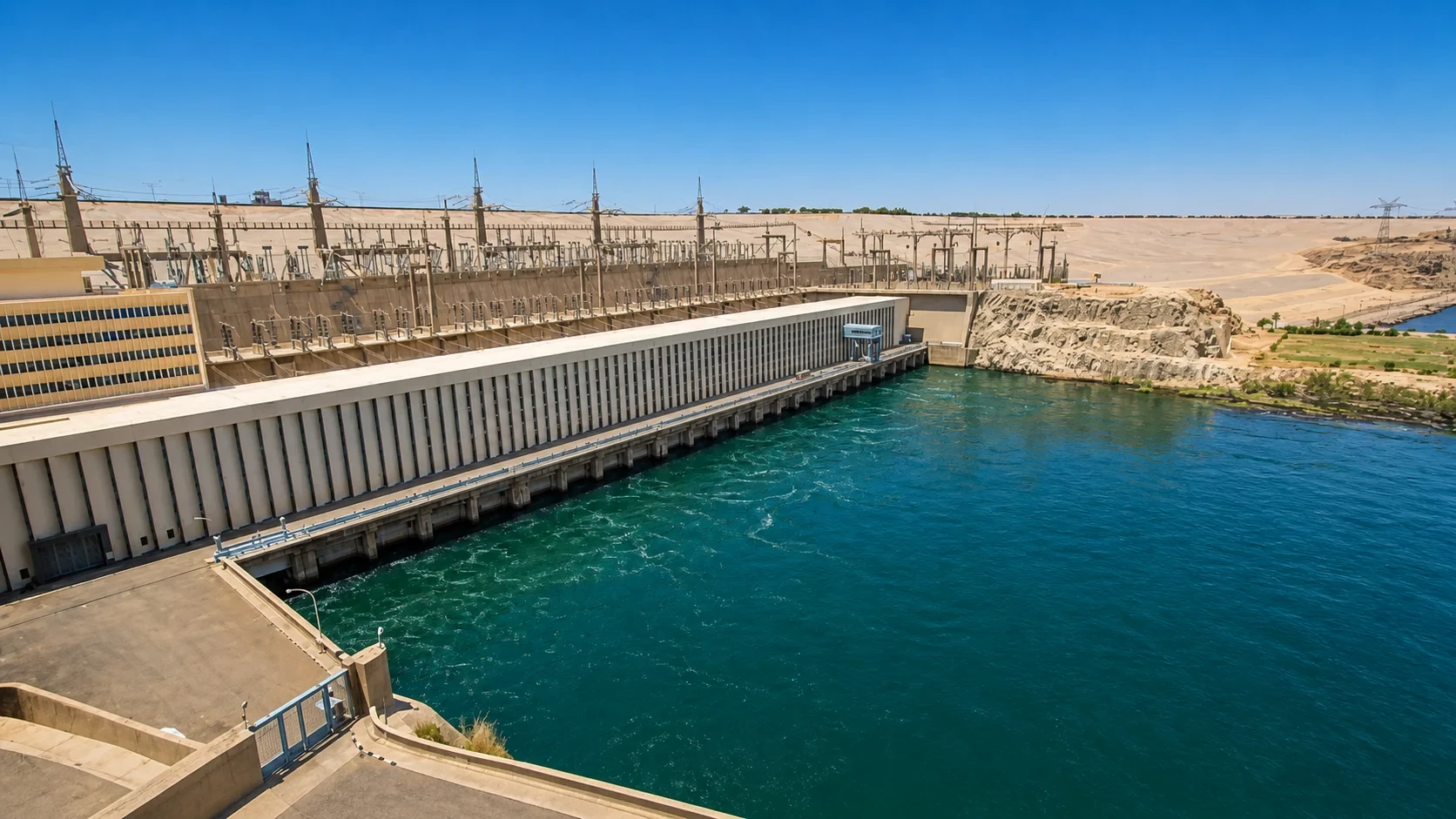
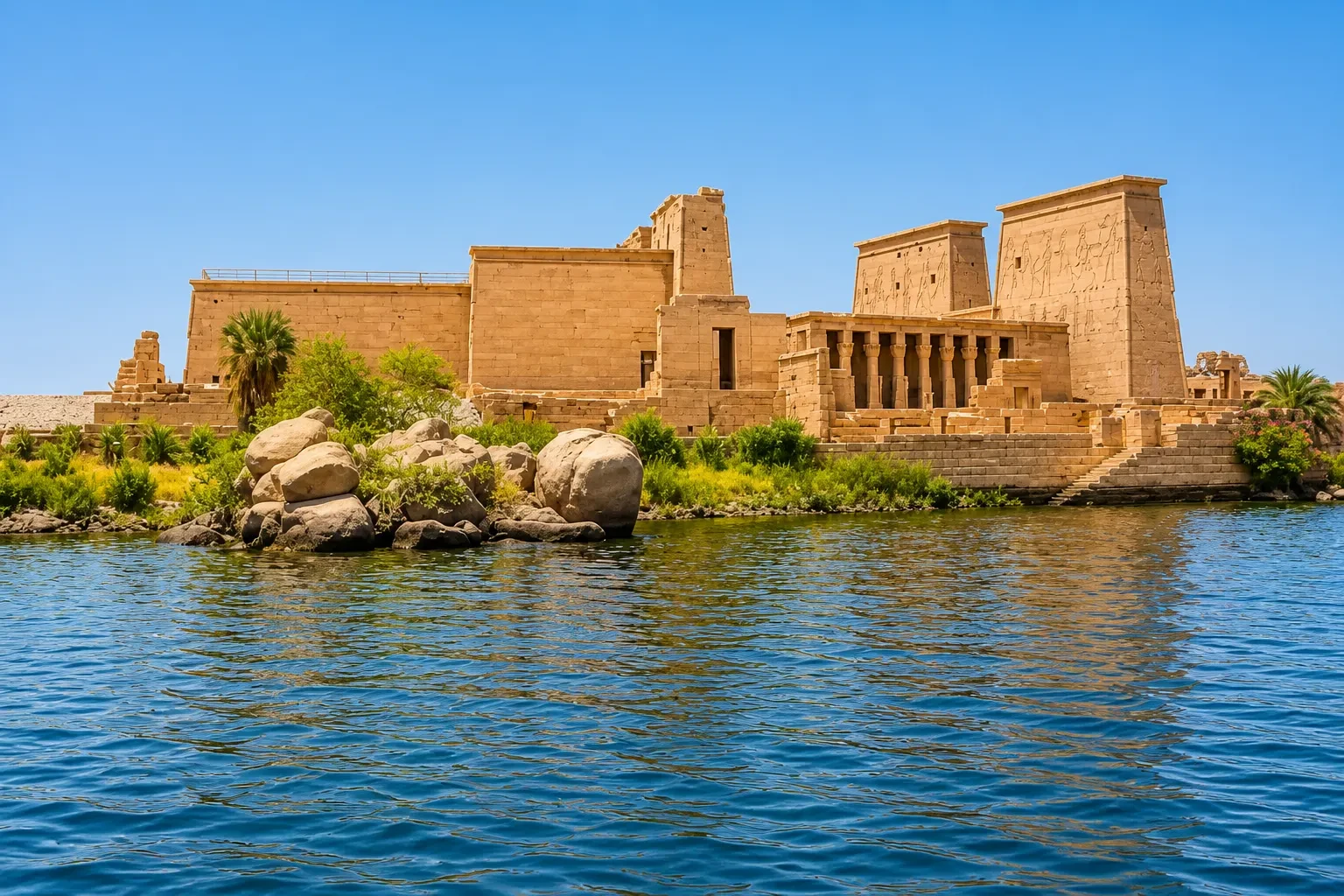
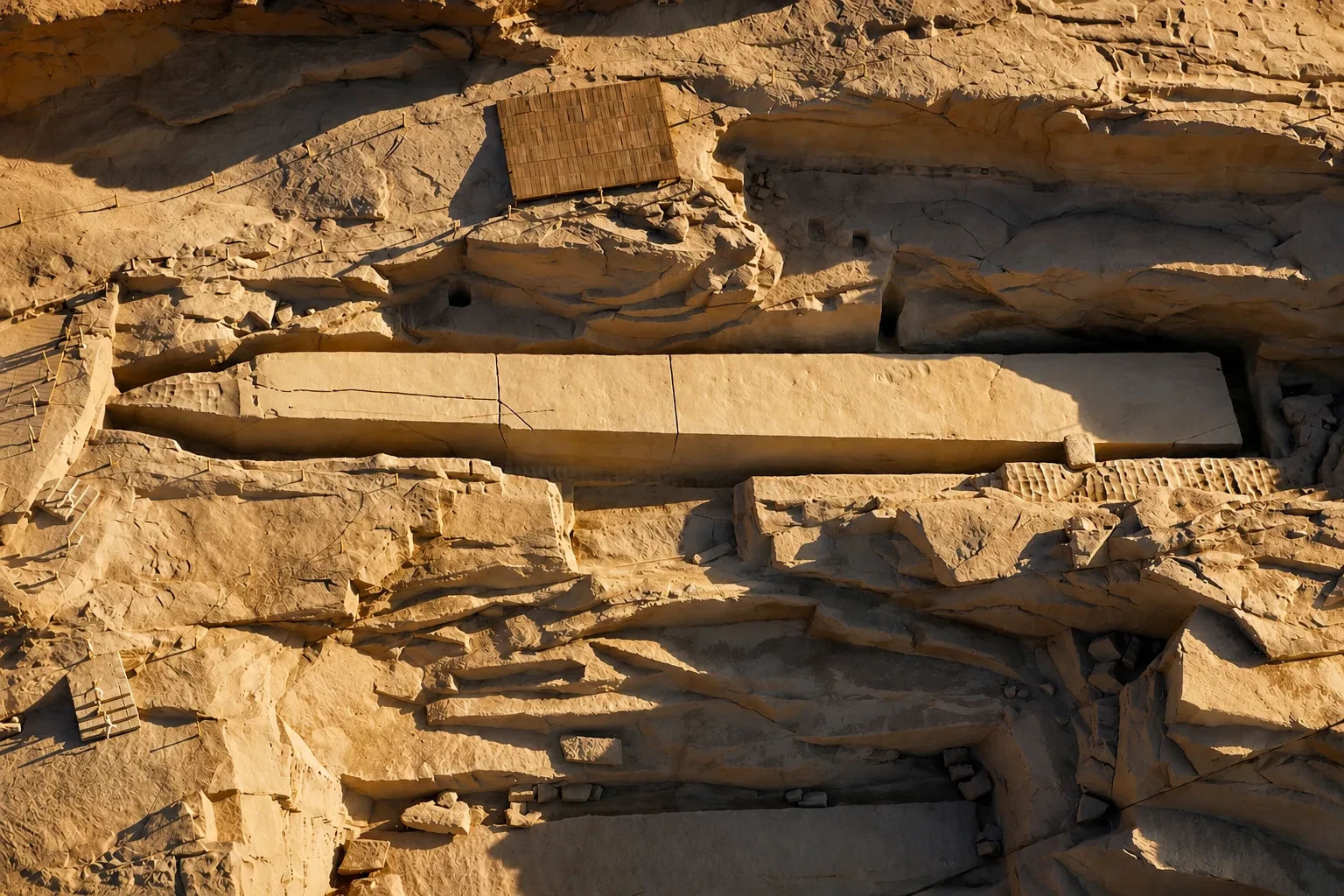
The Nubian Village experience in Aswan is fundamentally different from any other cultural tourism experience in Egypt. Unlike the ancient temples and royal tombs that are the primary attractions of the Egyptian heritage circuit, the Nubian Village is not a monument from the past but a living community in the present, a place where people live, work, raise their children, maintain their traditions, and welcome visitors into their homes and their lives with a generosity and a warmth that is consistently described by travelers as the most memorable human encounter of their entire Egypt journey. The characteristic Nubian architecture of brightly painted houses decorated with geometric patterns and traditional symbols, the colorful Nubian dress and jewelry, the sounds of Nubian music, the taste of Nubian food and drink, and the stories of the Nubian people's extraordinary history of displacement and cultural survival give the Nubian Village visit a depth and an emotional resonance that complements the ancient monuments of the Aswan area in ways that no amount of Egyptological expertise can replicate. A visit to the Nubian Village is always combined with visits to the Temple of Isis at Philae, the Unfinished Obelisk, and the Aswan High Dam for the most complete and most human possible experience of Aswan and its people.

Who Are The Nubian People?
The Nubian people are the indigenous inhabitants of the Nile Valley south of Aswan, whose cultural territory historically encompassed the stretch of the Nile from the First Cataract at Aswan south through what is now southern Egypt and northern Sudan as far as the Fourth Cataract and beyond. The Nubians are one of the most ancient settled peoples in the Nile Valley, with a documented history of civilization and cultural achievement stretching back more than five thousand years, encompassing the great Nubian kingdoms of Kerma, Kush, Napata, and Meroe that at various periods ruled not only Nubia but all of Egypt, providing the 25th Dynasty of Egypt known as the Black Pharaohs who ruled from approximately 747 BCE to 656 BCE. The Nubian contribution to ancient Egyptian civilization is far more extensive and far more significant than is commonly appreciated, and the Nubian cultural traditions that visitors encounter in the villages around Aswan today are the living continuation of one of Africa's most ancient and most distinguished civilizations.
The Nubian people of Egypt today belong primarily to two distinct ethnic and linguistic groups: the Kenuz Nubians, whose traditional homeland was the stretch of the Nile from Aswan south to approximately Wadi el-Arab, and who speak a language called Mattokki, related to the ancient Meroitic language; and the Fadija or Fadicca Nubians, whose traditional homeland was the southern Nile Valley between Wadi el-Arab and the Sudan border, and who speak a language called Nobiin, also an ancient African language unrelated to Arabic or to the Semitic language family. Both Kenuz and Fadija communities were displaced by the construction of the Aswan High Dam and the creation of Lake Nasser, and both maintain their distinct cultural identities, languages, and traditions in the resettlement communities of the Aswan area and throughout the Nubian diaspora in Cairo and other Egyptian cities.
The Story Of Nubian Displacement And The Aswan High Dam
The history of the modern Nubian Village communities of the Aswan area is inseparable from the history of the Aswan High Dam and the catastrophic displacement that its construction imposed on the Nubian people. When the Egyptian government announced the construction of the High Dam and the creation of Lake Nasser in the early 1960s, approximately 50,000 Egyptian Nubians (in addition to approximately 50,000 Sudanese Nubians on the southern side of the border) were living in some 44 villages along the Nile between Aswan and the Sudan border, in a landscape that their families had occupied for generations and that was intimately bound up with their cultural identity, their agricultural practices, their religious traditions, and their sense of who they were as a people.
Between 1963 and 1966, the Egyptian government relocated the entire Egyptian Nubian population from their traditional riverside villages to a series of purpose-built resettlement communities in the Kom Ombo area, approximately 50 kilometers north of Aswan. The relocation was conducted rapidly and with inadequate consultation or compensation, and many Nubian families found themselves in communities that bore no resemblance to their traditional villages, lacking the date palm groves, the river access, the communal organization, and the cultural infrastructure that had sustained Nubian life for centuries. The resettlement was widely experienced by the Nubian community as a traumatic rupture with their homeland and their identity, and the longing for return to the drowned Nubian homeland has been one of the defining emotional and political themes of Nubian cultural life in Egypt ever since.
In the decades following the relocation, significant numbers of Nubian families moved back toward the Aswan area, settling in villages on the west bank of the Nile, on the islands of the First Cataract, and in the neighborhoods of the city of Aswan itself, recreating as far as possible the traditional Nubian village environment in their new locations and maintaining the cultural traditions, architectural styles, and community practices that defined Nubian identity. The Nubian villages that visitors experience today in the Aswan area are primarily these return communities, created by Nubians who chose proximity to their ancestral landscape over the government-built resettlement housing at Kom Ombo, and who in doing so preserved and to a significant extent revitalized the distinctive Nubian cultural expression that makes their villages one of the most vivid and most rewarding cultural tourism destinations in all of Egypt.
Nubian Village Location In Egypt
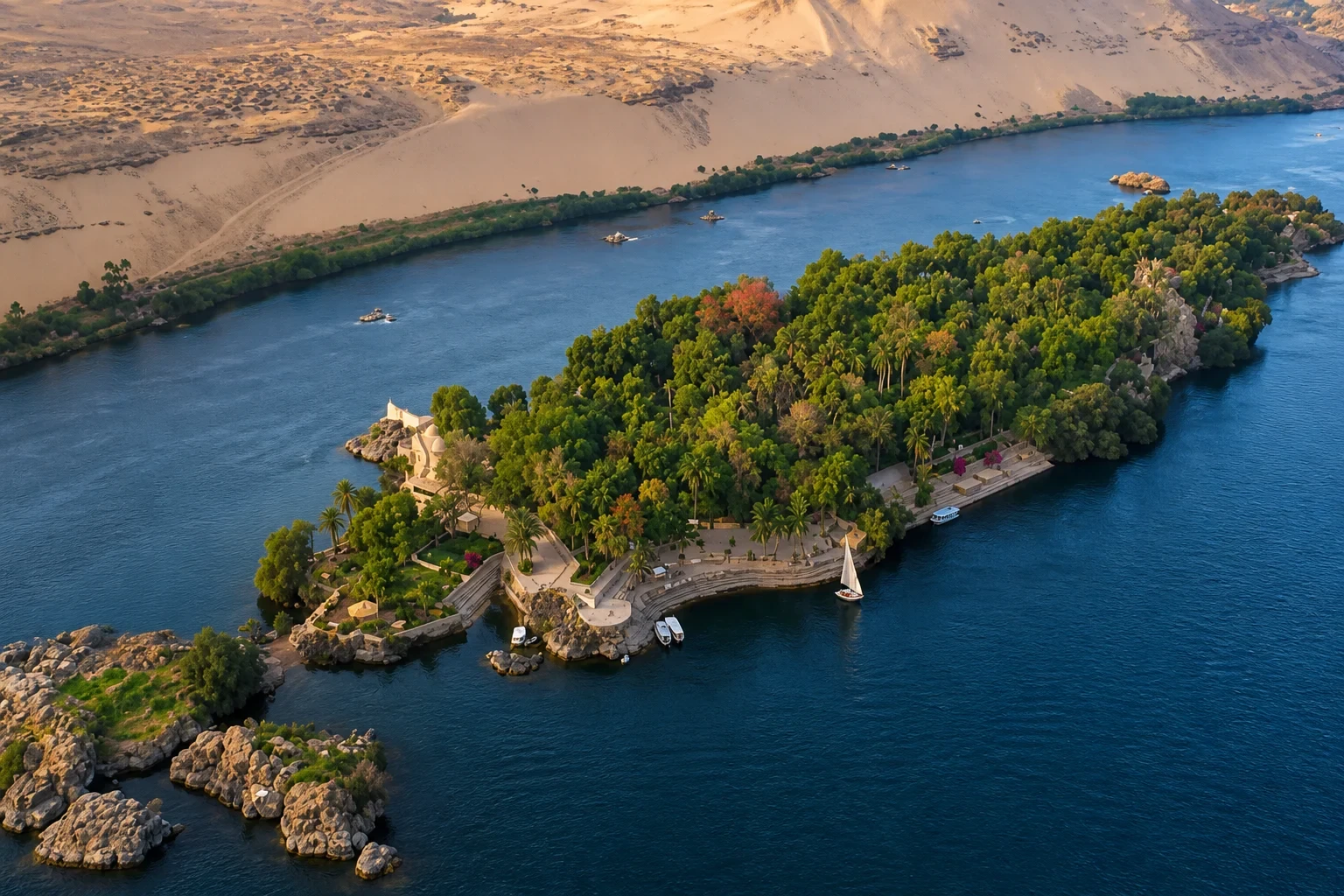
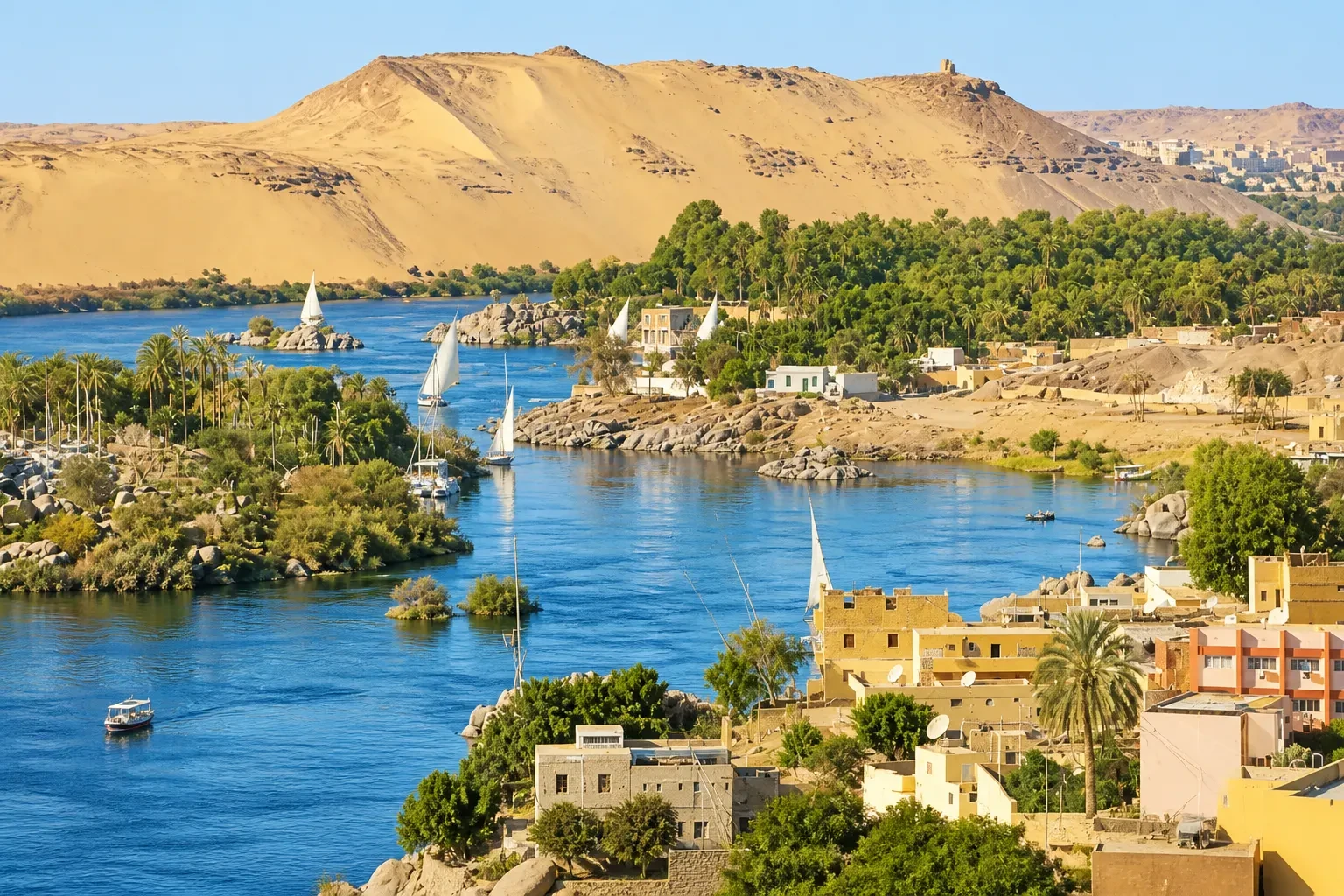
The Nubian Villages accessible to visitors in the Aswan area are located in several different settings along and around the Nile near the city of Aswan. The most commonly visited Nubian villages for tourism are situated on the west bank of the Nile opposite Aswan, accessible by motorboat from the Aswan Corniche waterfront, and on some of the islands of the First Cataract including the southern end of Elephantine Island. Additional Nubian communities are established on the east bank of the Nile south of Aswan, particularly in the area between the old town center and the High Dam. The most atmospheric and most traditional Nubian village experience available near Aswan is generally found on the west bank communities, where the characteristic brightly painted Nubian houses with their distinctive geometric and figurative decorations face the Nile across a narrow channel and where the traditional community organization, the gardens and palm trees, and the intimate scale of the village streets create an environment that retains much of the character of the traditional Nubian riverside community. WOW Egypt Tours provides private motorboat transfers and private vehicle transportation to Nubian Villages on all Aswan Day Tours, Egypt Tours Packages, Nile River Cruise itineraries, and Lake Nasser Cruise programmes that include the Nubian Village experience.
Nubian Village Fun Facts
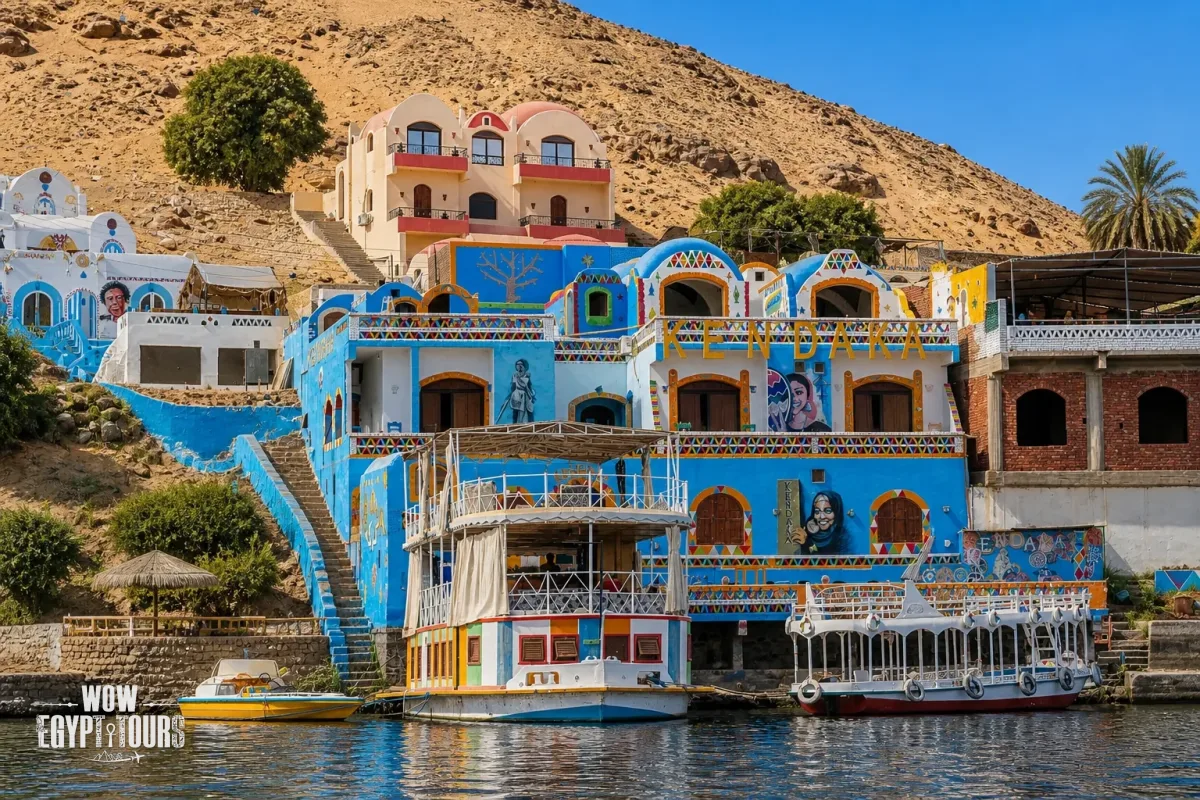
Nubian houses are renowned for their extraordinarily vivid and inventive painted decoration, which covers the exterior walls of virtually every home in the traditional Nubian style with geometric patterns, figurative motifs, and symbolic images that express the identity, the history, and the aspirations of the family within. The colors used in Nubian house painting, brilliant blues, turquoises, yellows, oranges, greens, and deep reds, are more vivid and more varied than those of any other traditional domestic architecture in Egypt, and the effect of walking through a Nubian village street lined with these brilliantly painted facades is one of the most visually exhilarating experiences available in any cultural tourism destination in Africa. The painted images on Nubian houses often include references to the Hajj pilgrimage to Mecca, with stylized images of the Kaaba, the airplane or boat used for the journey, and other Hajj symbols painted by family members who have made the pilgrimage as a permanent public record of this important religious achievement.
The Nubian language, spoken by the communities around Aswan in its Mattokki and Nobiin forms, is one of the oldest living languages in the Nile Valley and is a direct descendant of the ancient Meroitic language spoken by the Nubian kingdoms of the pharaonic and post-pharaonic periods. Although Arabic has been the primary language of education and public life for Nubian communities in Egypt since the Islamic period, the Nubian languages have been maintained in domestic and community use and are experiencing a significant cultural revival as younger generations of Nubians increasingly seek to reconnect with their linguistic heritage as part of the broader movement for Nubian cultural recognition and rights. The Nubian music tradition, particularly the haunting call-and-response vocal style and the characteristic Nubian instruments including the arghul double flute and the percussion instruments of the traditional wedding ensemble, is one of the most distinctive and most celebrated musical traditions in Africa and has been widely recognized as a foundational influence on the development of Egyptian popular music.
Why Is The Nubian Village Called By This Name In Egypt?
The term Nubian derives from the ancient Egyptian word Nub, meaning gold, a reference to the legendary wealth of gold that the lands south of Aswan produced and which was the primary commodity drawing Egyptian traders, soldiers, and colonial administrators into the southern Nile Valley from the earliest periods of pharaonic history. The region south of Aswan was known to the ancient Egyptians as Ta-Sety, the Land of the Bow, a reference to the legendary archery skill of the Nubian warriors, and was later known as Kush and as Nubia in the Greek and Roman periods. The modern Arabic name for the region and its people is Al-Nuba or simply Nuba, preserving the ancient association of the gold-bearing southern lands with the people who inhabited them. The term Nubian Village, as used in the context of Aswan tourism today, refers specifically to the traditional communities of Nubian people living in the Aswan area, characterized by their distinctive painted architecture, their Nubian language and cultural traditions, and their warm tradition of hospitality toward visitors that has made the Nubian Village experience one of the most beloved and most frequently recommended cultural encounters in all of Egyptian tourism.
Nubian Village History
The history of the Nubian people in the Nile Valley stretches back to the very beginnings of human civilization in the region, with archaeological evidence for settled communities in the area south of Aswan dating to at least 5000 BCE and with the first Nubian kingdom of Kerma establishing a sophisticated civilization with monumental architecture, elaborate metalwork, and extensive trade networks by approximately 2500 BCE. The relationship between ancient Egypt and ancient Nubia was one of the defining geopolitical dynamics of the ancient world, involving a complex mixture of military conflict, economic interdependence, cultural exchange, and political domination that shaped both civilizations over a period of more than two thousand years.
During the New Kingdom period, Egypt established colonial control over Nubia and built a series of temples throughout the Nile Valley south of Aswan, including the magnificent rock-cut temples of Ramesses II at Abu Simbel. During the Third Intermediate Period, however, the Nubian kingdom of Kush reasserted its independence and eventually its dominance over Egypt itself, with the Nubian pharaohs of the 25th Dynasty ruling all of Egypt for approximately a century. The subsequent history of Nubia involved a long process of cultural convergence between the Nubian and Arabic-Islamic traditions following the Arab conquest of Egypt in the 7th century CE and the gradual Islamization of Nubian society in subsequent centuries, culminating in the distinctly Nubian expression of Islam that characterizes Nubian religious life today, combining orthodox Sunni practice with a rich heritage of pre-Islamic spiritual traditions, healing practices, and community ceremonies.
The construction of the Aswan Low Dam by the British colonial administration between 1898 and 1902, and its subsequent raising in 1907 to 1912 and 1929 to 1933, caused increasing annual flooding of the lower Nubian villages during the period when the reservoir was filled, forcing the progressive relocation of communities from their original river-level sites to higher ground. The definitive displacement came with the construction of the Aswan High Dam between 1960 and 1970 and the creation of Lake Nasser, which permanently submerged the entire traditional Nubian homeland in Egypt under approximately 22 meters of water. The resettlement of approximately 50,000 Egyptian Nubians to the Kom Ombo area between 1963 and 1966, and the subsequent drift back of significant Nubian communities toward the Aswan area in the decades that followed, created the Nubian Villages that visitors encounter today: communities that have rebuilt their traditional architecture, maintained their cultural practices, and created a new homeland as close as possible to the drowned landscape that remains at the center of Nubian cultural memory.
The Story Of Nubian Cultural Resilience
The story of the modern Nubian Village is above all a story of cultural resilience, of a people who survived one of the most complete and most sudden destructions of a traditional homeland in the modern history of the Nile Valley and responded not with cultural disintegration but with a renewed and intensified commitment to the traditions, the language, and the community practices that defined their identity. In the Nubian resettlement communities and in the return villages around Aswan, Nubian families have maintained their distinctive architectural traditions, painting their new homes in the vivid colors and geometric patterns of the old riverside villages, maintaining the traditional Nubian wedding celebrations with their music, dancing, and ceremonial practices, speaking the Nubian language in their homes alongside Arabic, and organizing their community life around the extended family and clan structures that had sustained Nubian society for generations in the original homeland.
In recent decades, this cultural resilience has increasingly taken the form of active cultural advocacy, with Nubian organizations, artists, musicians, writers, and intellectuals working to document, preserve, and transmit the Nubian cultural heritage to younger generations and to assert the political rights of the Nubian community, including the right to return to a rebuilt homeland on the shores of Lake Nasser. The distinctive Nubian cultural expression visible in the villages around Aswan today, the painted houses, the music, the weaving and craft traditions, the language, the food, and the legendary hospitality, is therefore not merely a picturesque survival from a traditional past but an active and conscious affirmation of cultural identity by a community that has chosen to remain Nubian in the face of powerful pressures toward assimilation into the mainstream of Egyptian Arab culture.
Nubian Village Architecture And Key Features
The Painted Houses
The most immediately striking feature of any Nubian village is the extraordinary painted decoration of the houses, which covers the exterior walls of virtually every home in vivid patterns of geometric and figurative imagery that have no parallel in any other domestic architecture in Egypt. Nubian house painting is not merely decorative but communicative, a system of visual expression in which specific patterns, colors, and images carry specific meanings related to family history, religious identity, social status, and cultural aspiration. The characteristic geometric patterns, based on ancient Nubian decorative traditions, combine with figurative images drawn from both Islamic and pre-Islamic traditions to create exterior wall surfaces of great visual complexity and symbolic richness. Turquoise and blue are particularly characteristic Nubian house colors, believed to carry protective properties as well as aesthetic appeal, and the combination of these cool blues with warm yellows, oranges, and reds against the desert-colored landscape of the Aswan area gives Nubian village streets a uniquely vibrant and welcoming visual character that visitors consistently find one of the most immediately delightful visual experiences of their entire Egypt journey.
The Traditional Nubian Home Interior
Inside the traditional Nubian home, visitors who are welcomed by a host family encounter an interior environment that is as distinctive and as culturally rich as the exterior. Traditional Nubian interiors are organized around the central courtyard that provides both private outdoor space and natural ventilation for the surrounding rooms, with the reception room for guests decorated with the family's prized possessions, including traditional Nubian crafts, embroidered textiles, and the ceramic and metalwork pieces that are a characteristic feature of Nubian domestic decoration. Many traditional Nubian homes in the villages around Aswan keep crocodiles, either live juveniles in a special room or tank, or stuffed adult crocodiles displayed as a symbol of good luck and traditional connection to the ancient Nile crocodile cult that is one of the oldest religious traditions in the region. The offer of traditional Nubian hospitality to visiting guests, including karkade hibiscus tea, Nubian coffee, and traditional sweets, is one of the most immediate and most genuine expressions of Nubian cultural identity, a tradition of generous welcome that is considered among the most important social obligations of the Nubian family.
Nubian Craft Traditions
The craft traditions of the Nubian people include some of the most distinctive and most technically accomplished folk art forms in the African Nile Valley. Traditional Nubian pottery, characterized by its distinctive geometric painted decoration in the ancient Nubian tradition, is still produced by women potters in some communities and is among the most recognizable material culture expressions of Nubian identity. Nubian basketwork and palm-leaf weaving, used to produce both functional household items and decorative objects, represents one of the oldest craft traditions in the region and continues to be practiced in the villages around Aswan. Nubian embroidery and textile work, incorporating traditional geometric patterns in vivid colors on both clothing and household textiles, is another important craft tradition that visitors can observe and purchase in the village shops and workshops. The availability of authentic Nubian craft products directly from the communities that produce them makes the Nubian Village visit one of the most rewarding shopping experiences available on any Egypt itinerary, offering genuinely traditional handcraft items that are directly connected to the cultural heritage they represent.
Nubian Music And Dance
Nubian music is one of the most distinctive, most celebrated, and most emotionally powerful musical traditions in Africa, characterized by its haunting pentatonic melodic structures, its complex polyrhythmic percussion patterns, and its distinctive call-and-response vocal style that has been recognized as a foundational influence on the development of Egyptian and broader African popular music. The characteristic instruments of traditional Nubian music include the arghul, a double flute with a drone pipe and a melody pipe played simultaneously; the saja, a type of frame drum; the darabukka, the traditional hand drum of the region; and various other percussion instruments whose combined effect creates the irresistibly dancing rhythmic texture that is the most immediately recognizable feature of Nubian musical performance. In the Nubian villages around Aswan, traditional music is performed at weddings, festivals, and community celebrations in a tradition of communal musical participation that gives Nubian music a social function quite different from the passive-audience model of western concert performance. Visitors who are fortunate enough to encounter a Nubian musical performance during their village visit find it one of the most joyfully infectious and most genuinely participatory musical experiences available anywhere in Egypt.
The Nubian Market And Bazaar
The market and craft shopping areas in the Nubian villages around Aswan offer visitors direct access to a range of authentic Nubian cultural products including traditional jewelry, embroidered textiles, painted pottery, palm-leaf baskets, traditional musical instruments, carved wooden items, and various food products including locally produced spices, dried herbs, and the karkade hibiscus flowers that are used to make the characteristic deep-red Nubian hibiscus tea. Shopping in the Nubian village market is qualitatively different from shopping in the general tourist bazaars of Aswan city, because in the village market the products are directly connected to the community that produces them and the transaction involves a genuine cultural exchange rather than purely commercial interaction. Taking time to converse with the craftspeople and market sellers, even through an interpreter, adds a dimension of human connection to the shopping experience that makes the Nubian village market one of the most personally rewarding cultural encounters on any Egypt itinerary.
Traditional Nubian Food And Drink
The culinary traditions of the Nubian people are as distinctive and as richly flavored as every other dimension of Nubian culture, combining the staple grains and legumes of the Nile Valley with the aromatic spices of the African interior and the fresh produce of the Nile irrigated gardens in a cuisine that is at once simple and intensely flavorful. The most iconic Nubian beverage is karkade, a deep-red hibiscus flower tea served hot or cold and prized for its refreshing tartness, its beautiful color, and its reputed health benefits, which is universally offered to guests in Nubian homes and is one of the most pleasant and most characteristically Nubian sensory experiences of the village visit. Nubian cooking also features distinctive preparations of fish from the Nile, slow-cooked meat stews with aromatic spices, various preparations of fava beans and lentils, and a range of sweet pastries and baked goods that reflect the influences of both the African inland cooking tradition and the broader Egyptian culinary heritage of the Nile Valley.
Why Is The Nubian Village Important?
The Nubian Village is important for reasons that extend far beyond its considerable appeal as a colorful and hospitable cultural tourism destination. It is the living expression of one of the oldest and most historically significant indigenous cultures in the Nile Valley, a culture that contributed directly to the development of ancient Egyptian civilization, that produced the Black Pharaohs of the 25th Dynasty who ruled all of Egypt, and that has maintained its distinctive identity across more than five thousand years of changing political circumstances, religious transformations, colonial encounters, and, most recently, the catastrophic displacement caused by the construction of the Aswan High Dam. The Nubian Village is also important as evidence of the remarkable capacity of human communities to rebuild their cultural life in the face of devastating loss, demonstrating the creative resilience that enables the Nubian people to maintain their identity, their language, their architecture, and their traditions in a new homeland that is geographically close to but culturally and emotionally distinct from the drowned homeland beneath Lake Nasser.
For visitors to Aswan, the Nubian Village provides the essential human context for the ancient and modern monuments of the region, connecting the ancient Nubian heritage visible in the rescued temples of Lake Nasser with the living Nubian communities of today, and giving the story of the Aswan High Dam and the UNESCO rescue campaign a human dimension that no engineering exhibition or informational display can adequately convey. WOW Egypt Tours includes the Nubian Village as a featured visit on extended Aswan Day Tours, Nile River Cruise programmes, and Lake Nasser Cruise itineraries.
What Are Some Interesting Facts About The Nubian Village?
The Black Pharaohs Of Egypt
One of the most remarkable and least widely known chapters in the history of the Nile Valley is the period of the 25th Dynasty of Egypt, approximately 747 BCE to 656 BCE, when the rulers of the Nubian kingdom of Kush conquered all of Egypt and ruled as pharaohs in the full tradition of the ancient Egyptian kingship, wearing the double crown, performing the traditional royal rituals at the temples of the Egyptian gods, building new temples and monuments throughout the Nile Valley, and in many respects demonstrating a more rigorous adherence to traditional Egyptian royal ideology than the native Egyptian dynasties that had preceded them. The Nubian pharaohs of the 25th Dynasty, including the great Taharqa whose name appears in the Hebrew Bible as the ally of the Israelite king Hezekiah against the Assyrian invasion, represent the culmination of more than a thousand years of interaction between Egyptian and Nubian civilization and the moment at which the historically subordinate partner in that relationship achieved supreme power over the entire Nile Valley. The descendants of these ancient rulers are the ancestors of the Nubian people who live in the villages around Aswan today, and the consciousness of this extraordinary heritage is a source of cultural pride that is palpable in the communities visitors encounter on any Nubian Village tour.
The Crocodile Tradition
One of the most visually startling and most immediately memorable features of a visit to a traditional Nubian home is the discovery that many Nubian families keep a live baby crocodile or display a stuffed adult crocodile as a household symbol of good luck and protection. This tradition reflects the ancient Nubian relationship with the Nile crocodile that goes back to the same roots as the crocodile cult of Sobek visible at the Temple of Kom Ombo and the hundreds of mummified crocodiles in its adjacent museum. For the Nubian people, the crocodile represents the power of the Nile itself, a force that must be respected and propitiated rather than simply feared, and the keeping of a crocodile in the home is a way of maintaining a tangible connection with the sacred power of the river that was the foundation of Nubian life for millennia. The combination of traditional Nubian hospitality with the somewhat surreal presence of a live crocodile in the living room creates one of the most authentically surprising and most frequently retold stories of any Egypt journey.
A Threatened Language Being Revived
The Nubian languages, Mattokki and Nobiin, spoken by the communities around Aswan today, are among the languages most seriously threatened by displacement and urbanization in the modern world, with the number of fluent speakers declining significantly with each generation as Arabic replaces Nubian in the schools, the media, and the public life of the Nubian diaspora communities scattered across Egypt. However, the last decade has seen a remarkable and energetic cultural revival movement within the Nubian community, with young Nubians increasingly learning and using the Nubian languages as a conscious act of cultural identity, with Nubian language teaching programmes established in some community schools, and with Nubian music, literature, and art in the Nubian languages experiencing a significant public resurgence. A visit to the Nubian Village today brings travelers into contact with this living cultural revival, in a community that is consciously and actively working to transmit its linguistic and cultural heritage to future generations.
What Is So Special About The Nubian Village?
The Most Human Experience In Egypt
What makes the Nubian Village uniquely special among all the experiences available to visitors in the Aswan area is its quality as a genuinely human encounter rather than a heritage tourism experience. Ancient temples, royal tombs, and modern engineering achievements are all, in their different ways, encounters with the past or with human achievement abstracted into stone, inscriptions, and infrastructure. The Nubian Village is an encounter with people as they live today, with families in their homes, craftspeople at their work, musicians playing for pleasure rather than performance, children playing in the village streets, elders sitting in the shade telling stories, and hosts welcoming strangers into their community with a generosity and an openness that consistently moves visitors to expressions of profound gratitude and deep appreciation. In a heritage tourism circuit that can begin to feel like a progression through magnificent but ultimately impersonal monuments, the Nubian Village provides the essential human dimension that makes the entire Aswan experience feel complete and alive.
Africa On The Nile
The Nubian Village also offers visitors something that no ancient temple or modern monument in Egypt can provide: a direct encounter with the cultural traditions of sub-Saharan Africa at the gateway to the Nile Valley. In the music, the visual art, the language, the food, and the social traditions of the Nubian village, visitors can feel the presence of a cultural tradition that connects the Nile Valley not only with ancient Egypt to the north but with the great African cultural heartland to the south, the world of the ancient Nubian kingdoms that stretched from Aswan to Khartoum and beyond. This African dimension of the Aswan experience, embodied in the living culture of the Nubian Village, gives the city of Aswan and its surroundings a geographical and cultural depth that is unique among all the cities of Egypt and that makes a visit to the Nubian Village the most intellectually and emotionally complete experience available anywhere on the Upper Egyptian heritage circuit.
Nubian Village Through The Ages: From Ancient Nubia To The Present
The history of the Nubian Village from the ancient Nubian kingdoms to the present day is one of the most richly layered stories in the entire Nile Valley, encompassing military conquest and cultural survival, religious transformation and traditional continuity, colonial displacement and communal reconstruction. The ancient Nubian settlements of the Nile Valley south of Aswan were among the most prosperous and most strategically important communities in the ancient world, sitting astride the trade routes that connected Egypt with the gold, ivory, ebony, and exotic animals of sub-Saharan Africa, and producing from their own territory the gold that gave Nubia its ancient name. The New Kingdom Egyptian colonization of Nubia between approximately 1500 BCE and 1070 BCE imposed Egyptian administrative structures, Egyptian religious cults, and Egyptian architectural forms on the Nubian Nile Valley, but Nubian cultural traditions continued to be maintained in domestic and community life even while the official culture of the colonial period was Egyptian in form.
The post-pharaonic period saw the Nubian kingdoms reassert their cultural independence and eventually their political supremacy over Egypt itself in the 25th Dynasty, before the Assyrian invasion of Egypt in 656 BCE ended Nubian political rule in the north and forced the Nubian kings back to their homeland at Napata and eventually at Meroe. The spread of Christianity into Nubia in the 6th century CE brought new architectural traditions and new organizational structures to the Nubian communities, with a network of Nubian Christian kingdoms maintaining their independence until the 13th century CE and leaving a significant legacy of Nubian Christian art and architecture in the region. The gradual conversion of the Nubian kingdoms to Islam between the 13th and 15th centuries CE, and the subsequent incorporation of Nubia into the Ottoman administrative system, transformed the public religious and political life of the region while leaving Nubian domestic culture, language, and community traditions substantially intact.
The construction of the Aswan Low Dam in 1902 and its subsequent raisings, followed by the construction of the Aswan High Dam and the creation of Lake Nasser between 1960 and 1970, imposed the most devastating disruption on Nubian community life in the modern period, permanently submerging the traditional Nubian homeland and forcing the relocation of the entire community. The reconstruction of Nubian village life in the Aswan area over the subsequent decades, the cultural revival movement of recent years, and the growing international recognition of the Nubian cultural heritage as a precious and endangered world resource together constitute the most recent chapter in the five-thousand-year story of the Nubian people and their relationship with the Nile Valley.
Nubian Village UNESCO Recognition
The Nubian cultural heritage, including the living traditions of the Nubian Village communities, is increasingly recognized by UNESCO and by international cultural heritage bodies as one of the most important and most endangered intangible cultural heritages in the world. UNESCO has formally recognized the threat posed to Nubian language and cultural traditions by displacement and urbanization, and has supported documentation and preservation projects for the Nubian languages, oral traditions, and craft practices. The Nubian monuments rescued from Lake Nasser and now preserved as the Nubian Monuments from Abu Simbel to Philae UNESCO World Heritage Site represent the ancient material dimension of Nubian heritage, while the living cultural traditions of the Nubian Village communities represent the equally important intangible dimension of a heritage that encompasses both the ancient past and the living present of one of the Nile Valley's most significant indigenous cultures.
Best Time To Visit The Nubian Village
The best time to visit a Nubian Village in the Aswan area is during the cooler months from October through April, when temperatures in the Aswan area are moderate and outdoor exploration of the village streets, the gardens, and the Nile waterfront is comfortable throughout the day. The Aswan area can be intensely hot in summer, with temperatures regularly exceeding 40 degrees Celsius from May to September, but the shade of the village streets, the gardens, and the interior of the traditional homes provides some relief, and many visitors find that the intimate scale of the Nubian village and the hospitality of its welcome makes even a summer visit entirely rewarding. If visiting in summer, plan the village visit for the early morning when the air is coolest and the light is most beautiful on the painted house facades. WOW Egypt Tours plans all Nubian Village visits at the optimal time of day for the season and the specific itinerary, and coordinates with host families to ensure the most genuine and most welcoming possible reception for all guests.
Nubian Village Opening Hours
Nubian Villages are living communities rather than formally ticketed attractions, and they are accessible to visitors throughout the day. The most welcoming time for a village visit is generally in the morning from approximately 9:00 AM to 12:00 PM, when host families are at home, craftspeople are at work, and the village is at its most active and most hospitable. Afternoon visits from approximately 3:00 PM to 6:00 PM are also pleasant, particularly in the cooler months when the afternoon light is especially beautiful on the painted village facades. Lunchtime and the early afternoon are often less ideal for village visits as families may be resting. The evening, particularly in the summer months, brings the village life outdoors and can be one of the most atmospheric times to experience the social life of the Nubian community, with families gathered in the village streets and music occasionally audible from nearby homes or community spaces.
Nubian Village Entrance And Visit Costs
There is no formal entrance fee to visit a Nubian Village in the Aswan area, as the villages are living communities rather than ticketed heritage attractions. The costs associated with a Nubian Village visit typically include the motorboat transfer to the village if it is located on the west bank or on an island, any food or drinks consumed at the village, any craft items purchased from village shops and workshops, and any donations made to community organizations or cultural programs encountered during the visit. All transportation costs for Nubian Village visits are included in all Aswan Day Tours, Egypt Tours Packages, Nile River Cruise programmes, and Lake Nasser Cruise itineraries booked through WOW Egypt Tours. WOW Egypt Tours works with established Nubian host families and community guides who provide the most authentic and most respectful possible village visit experience for all guests.
How To Get To The Nubian Village
The Nubian Villages most commonly visited from Aswan are located on the west bank of the Nile opposite the city, accessible by motorboat from the Aswan Corniche waterfront in approximately 5 to 10 minutes, or on the southern portion of Elephantine Island, accessible by the regular public ferry from the city center. Additional Nubian communities are located south of Aswan on both banks of the Nile and can be reached by private vehicle along the Nile Valley road. The motorboat journey across the Nile to the west bank village is itself one of the most pleasant and most atmospheric aspects of the Nubian Village visit, with the city of Aswan and the felucca-dotted Nile providing a beautiful backdrop as the boat makes its short crossing to the village landing. All transportation including motorboat transfers is included in all Aswan Day Tours and Nile River Cruise programmes that include the Nubian Village visit, booked through WOW Egypt Tours.
How Long To Spend At The Nubian Village
Most visitors spend between one and two hours in the Nubian Village, which is sufficient time to walk through the main village streets admiring the painted facades, visit one or two traditional homes with the hospitality of host families, sample karkade tea and traditional Nubian refreshments, browse the craft market and workshop areas, and hear some explanation from the guide of the Nubian history, language, and cultural traditions. Visitors who wish to spend more time in the village, including attending a traditional music performance, participating in craft demonstrations, sharing a meal with a Nubian family, or simply sitting in the village shade and absorbing the community atmosphere, may wish to allow two to three hours. The Nubian Village is most commonly combined in Aswan with the Temple of Isis at Philae, the Aswan High Dam, and the Unfinished Obelisk for the most complete and most human Aswan day experience.
Tips For Visiting The Nubian Village
Accept the offer of karkade hibiscus tea when it is made by your host family, as this traditional Nubian gesture of welcome is one of the most genuine cultural experiences of the entire visit and the tea itself is one of the most delicious and most refreshing beverages in the Egyptian culinary tradition. Take time to examine the painted house facades carefully and ask your guide to explain the meanings of specific patterns, symbols, and colors, as the visual vocabulary of Nubian house painting is rich with cultural significance that is not immediately obvious to the uninitiated eye. If you are interested in purchasing craft items, buy directly from the craftspeople who made them rather than from general tourist souvenir shops, as the direct transaction is both culturally more meaningful and economically more beneficial to the Nubian community. A licensed guide from WOW Egypt Tours who speaks Nubian or has extensive knowledge of the Nubian community is invaluable for creating genuine connections with host families and for providing the historical and cultural context that makes the village visit far more than a pleasant walk through colorful streets. Dress modestly with shoulders and knees covered as a mark of respect for the conservative social norms of the Nubian community. Ask permission before photographing people in the village, particularly in and around private homes.
What To Wear At The Nubian Village
The Nubian Village is a living Muslim community where modest dress is the appropriate social norm. Lightweight, breathable clothing covering the shoulders and knees is strongly recommended for both respect for the community's social values and comfort in the Aswan heat. Women should bring a light scarf that can be used to cover the hair if entering any religious spaces encountered in the village. Comfortable, flat walking shoes are adequate for the village streets, which are generally level and paved or compacted earth. A wide-brimmed hat and sunscreen are useful for the outdoor portions of the visit including the motorboat transfer and any time spent in the village gardens or waterfront areas. Bring a small amount of local currency for purchasing craft items, beverages, or small gifts for host families as a gesture of appreciation for their hospitality.
Photography At The Nubian Village
The Nubian Village is one of the most photogenic cultural tourism destinations in Egypt, offering an extraordinary range of photography subjects from the brilliantly painted house facades and the colorful village streets to the daily life scenes of craftspeople at work, children playing, and families gathered in their courtyard gardens. The architectural photography of Nubian house facades is particularly rewarding, as the combination of vivid colors, geometric patterns, and the warm desert light of the Aswan area creates compositions of great visual power and beauty. Photography of the village environment is generally welcomed by host families and community members, but it is essential to ask permission before photographing people, particularly women and children, and to respect any refusals graciously. Flash photography inside traditional homes should be avoided unless specifically invited. The motorboat journey to the village provides beautiful photography opportunities of the Aswan Nile landscape, the feluccas, and the approach to the village from the water. Professional photography or filming with specialized equipment should be discussed in advance with the community guide and with the host families involved.
Nubian Village Tours
Single Attraction Visit: Nubian Village Tour From Aswan
This dedicated tour visits a traditional Nubian Village as a standalone cultural experience from Aswan, suitable for travelers with a particular interest in Nubian culture, history, and traditions, or for those who want the most extended and most immersive possible Nubian community experience.
What Is Covered
Motorboat transfer to the west bank Nubian Village. Guided walk through the village streets with explanation of the painted house decoration and its cultural significance. Welcome and hospitality in a traditional Nubian home including karkade tea and traditional refreshments. Opportunity to observe and purchase from the craft workshops and village market. Optional: traditional Nubian music performance. Optional: Nubian lunch with the host family.
Duration
1 to 2 hours in the village, plus motorboat transfer time from the Aswan Corniche.
Includes
Private vehicle from Aswan hotel to the Nile embarkation point, motorboat transfer to and from the village, licensed guide with Nubian cultural expertise. Available for morning and afternoon departures.
Full Aswan Day Tour: Nubian Village, Philae Temple, Aswan High Dam, And Unfinished Obelisk
This comprehensive full-day tour from Aswan covers the complete range of Aswan highlights across both its ancient, modern, and living cultural dimensions, creating the most complete single-day Aswan experience available by combining the human warmth of the Nubian Village with the sacred beauty of the Temple of Isis at Philae, the engineering drama of the Aswan High Dam, and the industrial revelation of the Unfinished Obelisk.
What Is Covered
The Nubian Village with a guided cultural visit, home hospitality, craft market, and optional music. The Aswan High Dam with views of Lake Nasser and the Soviet-Egyptian Friendship Monument. The Unfinished Obelisk in the ancient granite quarries. The Temple of Isis at Philae with motorboat transfer and full guided island visit. Optional: the Aswan Botanical Garden on Kitchener's Island and Elephantine Island.
Duration
Full day from Aswan, with approximately 1 to 1.5 hours at the Nubian Village and proportionate time at each additional site.
Includes
Private air-conditioned transportation from Aswan hotel, motorboat transfers for Nubian Village and Philae Island, licensed guide with Nubian cultural expertise and Egyptological knowledge, and entrance fees to all included sites. Available for morning departures.
Nubian Village With Felucca Sailing On The Nile
This popular half-day tour combines a visit to a traditional Nubian Village with a traditional felucca sailing experience on the Nile around the islands of the First Cataract, providing the most atmospheric and most uniquely Nubian possible experience of the Aswan waterscape.
What Is Covered
A traditional Nubian Village visit with home hospitality, painted house exploration, and craft market. A traditional felucca sailing experience on the Nile, circling the islands of the First Cataract with the desert landscape, the ancient quarry cliffs, and the modern city of Aswan visible across the water. Optional stop at the Aswan Botanical Garden on Kitchener's Island.
Duration
Half day from Aswan, approximately 1 hour in the village and 1 to 1.5 hours sailing.
Includes
Private transportation from Aswan hotel, felucca hire and transfer, licensed guide. Available for late afternoon departures when the light on the Nile is most beautiful.
Dahabiya Nile River Cruise
A Dahabiya Nile River Cruise is a small-vessel sailing experience on the Nile between Luxor and Aswan aboard a traditional wooden dahabiya. WOW Egypt Tours operates dahabiya cruises with private cabins, all meals, a private licensed Egyptologist guide on board, and guided shore excursions at every stop. A Nubian Village visit is available as an optional addition to all Dahabiya itineraries at the Aswan embarkation or disembarkation end of the journey, alongside Philae Temple, the Aswan High Dam, and the Unfinished Obelisk.
4 Days 3 Nights Dahabiya Nile River Cruise From Aswan To Luxor
Route: Aswan to Luxor, sailing north.
Itinerary
Day 1: Embarkation in Aswan. Guided visits to Philae Temple, the Aswan High Dam, and the Unfinished Obelisk. Optional Nubian Village visit. Sail north to Kom Ombo. Guided visit to Kom Ombo Temple and Crocodile Museum. Continue to Gebel el Silsila. Overnight on board.
Day 2: Guided visit to Gebel el Silsila. Sail to the Village of Basaw. Guided visit to Village of Basaw. Continue to Edfu. Guided visit to the Temple of Horus at Edfu. Overnight on board.
Day 3: Sail to El Kab. Guided visit to El Kab Tombs. Sail to El Hagaz Island. Swimming stop. Overnight on board.
Day 4: Sail to Esna. Visit Khnum Temple at Esna. Disembarkation in Esna. Transfer to Luxor, approximately 55 kilometers (35 miles).
Includes
Private cabin, all meals on board, private licensed Egyptologist guide, entrance fees to all site visits, and private transfers. Nubian Village visit available as an optional addition on embarkation day.
5 Days 4 Nights Dahabiya Nile River Cruise From Luxor To Aswan
Route: Luxor to Aswan, sailing south.
Itinerary
Day 1: Embarkation in Luxor. Transfer to Esna, approximately 55 kilometers (35 miles). Visit Khnum Temple at Esna. Sail to El Hagaz Island. Overnight on board.
Day 2: Sail to El Kab. Guided visit to El Kab Tombs. Continue to Edfu. Guided visit to the Temple of Horus at Edfu. Sail to the Village of Basaw. Guided visit to Village of Basaw. Overnight on board.
Day 3: Sail to Gebel el Silsila. Guided visit to Gebel el Silsila. Sail south to Kom Ombo. Guided visit to Kom Ombo Temple and Crocodile Museum. Sail to Daraw Village. Overnight on board.
Day 4: Guided visit to Daraw Village. Sail to Herbiab Island. Swimming stop. Philae Sound and Light Show. Overnight on board.
Day 5: Guided visits to Philae Temple, the Aswan High Dam, and the Unfinished Obelisk. Optional Nubian Village visit. Disembarkation in Aswan.
Includes
Private cabin, all meals on board, private licensed Egyptologist guide, entrance fees to all site visits, and private transfers. Nubian Village visit available as an optional addition on disembarkation day.
8 Days 7 Nights Dahabiya Nile River Cruise Round Trip From Luxor (Via Aswan)
Route: Luxor and Aswan, sailing north and south.
Itinerary
Day 1: Embarkation in Luxor. Transfer to Esna, approximately 55 kilometers (35 miles). Visit Khnum Temple at Esna. Sail to El Hagaz Island. Overnight on board.
Day 2: Sail to El Kab. Continue to Edfu. Guided visit to the Temple of Horus at Edfu. Sail to the Village of Basaw. Guided visit to Village of Basaw. Overnight on board.
Day 3: Sail to Gebel el Silsila. Sail south to Kom Ombo. Guided visit to Kom Ombo Temple and Crocodile Museum. Sail to Daraw Village. Overnight on board.
Day 4: Guided visit to Daraw Village. Sail to Herbiab Island. Swimming stop. Philae Sound and Light Show. Overnight on board.
Day 5: Guided visits to Philae Temple, the Aswan High Dam, and the Unfinished Obelisk. Optional Nubian Village visit. Sail north to Kom Ombo. Continue to Gebel el Silsila. Overnight on board.
Day 6: Guided visit to Gebel el Silsila. Sail to the Village of Basaw. Continue to Edfu. Guided visit to the Temple of Horus at Edfu. Overnight on board.
Day 7: Sail to El Kab. Guided visit to El Kab Tombs. Sail to El Hagaz Island. Swimming stop. Overnight on board.
Day 8: Disembarkation in Esna. Transfer to Luxor, approximately 55 kilometers (35 miles).
Includes
Private cabin, all meals on board, private licensed Egyptologist guide, entrance fees to all site visits, and private transfers. Nubian Village visit available as an optional addition.
8 Days 7 Nights Dahabiya Nile River Cruise Round Trip From Aswan (Via Luxor)
Route: Luxor and Aswan, sailing north and south.
Itinerary
Day 1: Embarkation in Aswan. Guided visits to Philae Temple, the Aswan High Dam, and the Unfinished Obelisk. Optional Nubian Village visit. Sail north to Kom Ombo. Guided visit to Kom Ombo Temple and Crocodile Museum. Continue to Gebel el Silsila. Overnight on board.
Day 2: Guided visit to Gebel el Silsila. Sail to the Village of Basaw. Continue to Edfu. Guided visit to the Temple of Horus at Edfu. Overnight on board.
Day 3: Sail to El Kab. Guided visit to El Kab Tombs. Sail to El Hagaz Island. Swimming stop. Overnight on board.
Day 4: Sail to Esna. Visit Khnum Temple at Esna. Sail to El Hagaz Island. Overnight on board.
Day 5: Sail to El Kab. Continue to Edfu. Guided visit to the Temple of Horus at Edfu. Sail to the Village of Basaw. Guided visit to Village of Basaw. Overnight on board.
Day 6: Sail to Gebel el Silsila. Sail south to Kom Ombo. Guided visit to Kom Ombo Temple and Crocodile Museum. Sail to Daraw Village. Overnight on board.
Day 7: Guided visit to Daraw Village. Sail to Herbiab Island. Swimming stop. Philae Sound and Light Show. Overnight on board.
Day 8: Guided visits to Philae Temple, the Aswan High Dam, and the Unfinished Obelisk. Optional Nubian Village visit. Disembarkation in Aswan.
Includes
Private cabin, all meals on board, private licensed Egyptologist guide, entrance fees to all site visits, and private transfers. Nubian Village visit available as an optional addition.
Lake Nasser Cruise
A Lake Nasser Cruise is a luxury cruising experience on the waters of Lake Nasser, the vast reservoir created by the Aswan High Dam. WOW Egypt Tours operates Lake Nasser Cruises visiting the rescued Nubian temples along the lake shores. A Nubian Village visit in the Aswan area is available as an optional addition to all Lake Nasser Cruise itineraries on the embarkation or disembarkation day in Aswan, providing the most complete possible experience of the living Nubian cultural heritage alongside the ancient Nubian monuments of Lake Nasser.
5 Days 4 Nights Lake Nasser Cruise From Aswan To Abu Simbel
Route: Aswan to Abu Simbel, sailing south on Lake Nasser.
Itinerary
Day 1: Embarkation in Aswan. Guided visits to the Aswan High Dam, the Unfinished Obelisk, and Philae Temple. Optional Nubian Village visit. Embarkation and sail south on Lake Nasser. Overnight on board.
Day 2: Sail south to Kalabsha. Guided visit to the Temple of Kalabsha and associated temples. Continue sailing south to Wadi el-Seboua. Overnight on board.
Day 3: Guided visit to the Temples of Wadi el-Seboua. Guided visit to the Temple of Amada. Continue south. Overnight on board.
Day 4: Sail to Kasr Ibrim. Guided visit to Kasr Ibrim. Continue south to Abu Simbel. Guided visit to the Abu Simbel Temples. Optional Sound and Light Show. Overnight on board at Abu Simbel.
Day 5: Second visit to Abu Simbel at sunrise. Farewell breakfast. Disembarkation at Abu Simbel. Transfer by air or road back to Aswan.
Includes
Private cabin, all meals on board, private licensed Egyptologist guide, entrance fees to all temple visits including Philae Temple and Abu Simbel Temples, motorboat transfer to Philae Island, and private transfers. Nubian Village visit available as an optional addition on embarkation day.
4 Days 3 Nights Lake Nasser Cruise From Abu Simbel To Aswan
Route: Abu Simbel to Aswan, sailing north on Lake Nasser.
Itinerary
Day 1: Arrival at Abu Simbel. Embarkation. Full guided visit to the Abu Simbel Temples. Optional Sound and Light Show. Overnight on board at Abu Simbel.
Day 2: Sail north. Guided visit to Kasr Ibrim. Guided visit to the Temple of Amada. Guided visit to the Temples of Wadi el-Seboua. Overnight on board.
Day 3: Continue north to Kalabsha. Guided visit to the Temple of Kalabsha and associated temples. Continue north toward Aswan. Guided visits to the Aswan High Dam, the Unfinished Obelisk, and Philae Temple. Overnight on board in Aswan.
Day 4: Guided visit to the Nubian Village. Farewell breakfast on board. Disembarkation in Aswan.
Includes
Private cabin, all meals on board, private licensed Egyptologist guide, entrance fees to all temple visits, motorboat transfers, and private transfers including Nubian Village visit on disembarkation day.
Luxor And Aswan Nile River Cruise
The Luxor and Aswan Nile River Cruise is a standard Nile cruise product operated aboard a full-size cruise ship between Luxor and Aswan. WOW Egypt Tours operates this cruise in both directions with private licensed Egyptologist guides, all meals included, private cabins, and guided shore excursions at every port of call. A Nubian Village visit is available as an optional addition to all cruise itineraries on the Aswan overnight day.
4 Days 3 Nights Luxor And Aswan Nile River Cruise From Aswan To Luxor
Route: Aswan to Luxor, sailing north.
Itinerary
Day 1: Embarkation in Aswan. Guided visits to Philae Temple, the Aswan High Dam, and the Unfinished Obelisk. Optional Nubian Village visit. Overnight on board in Aswan.
Day 2: Sail north to Kom Ombo. Guided visit to Kom Ombo Temple and Crocodile Museum. Continue to Edfu. Overnight on board.
Day 3: Guided visit to the Temple of Horus at Edfu. Continue north toward Luxor. Pass through the Esna Lock. Optional visit to Khnum Temple at Esna. Guided visit to Luxor Temple and Karnak Temple. Overnight on board in Luxor.
Day 4: Optional Sunrise Hot Air Balloon available. Guided visits to Valley of the Kings, Queen Hatshepsut Temple, and Colossi of Memnon. Disembarkation in Luxor.
Includes
Private cabin, all meals on board, private licensed Egyptologist guide, entrance fees to all temple visits, motorboat transfer to Philae Island, and private transfers. Nubian Village visit available as an optional addition.
5 Days 4 Nights Luxor And Aswan Nile River Cruise From Luxor To Aswan
Route: Luxor to Aswan, sailing south.
Itinerary
Day 1: Embarkation in Luxor. Guided visits to Luxor Temple and Karnak Temple. Overnight on board in Luxor.
Day 2: Optional Sunrise Hot Air Balloon available. Guided visits to Valley of the Kings, Queen Hatshepsut Temple, and Colossi of Memnon. Pass through the Esna Lock. Visit to Khnum Temple at Esna. Sail south to Edfu. Overnight on board.
Day 3: Guided visit to the Temple of Horus at Edfu. Continue to Kom Ombo. Guided visit to Kom Ombo Temple and Crocodile Museum. Overnight on board.
Day 4: Continue south toward Aswan. Guided visits to Philae Temple, the Aswan High Dam, and the Unfinished Obelisk. Nubian Village visit. Overnight on board in Aswan.
Day 5: Optional Abu Simbel visit available by air or road. Disembarkation in Aswan.
Includes
Private cabin, all meals on board, private licensed Egyptologist guide, entrance fees to all temple visits, motorboat transfer to Philae Island, and private transfers.
8 Days 7 Nights Luxor And Aswan Nile River Cruise Round Trip From Luxor (Via Aswan)
Route: Luxor and Aswan, sailing north and south.
Itinerary
Day 1: Embarkation in Luxor. Guided visits to Luxor Temple and Karnak Temple. Overnight on board in Luxor.
Day 2: Guided visits to Luxor Museum. Pass through the Esna Lock. Visit to Khnum Temple at Esna. Sail south to Edfu. Overnight on board.
Day 3: Guided visit to the Temple of Horus at Edfu. Continue to Kom Ombo. Guided visit to Kom Ombo Temple and Crocodile Museum. Overnight on board.
Day 4: Continue south toward Aswan. Guided visits to Philae Temple, the Aswan High Dam, and the Unfinished Obelisk. Overnight on board in Aswan.
Day 5: Nubian Village visit. Abu Simbel visit available by road or air. Sound and Light Show at Philae Temple. Overnight on board in Aswan.
Day 6: Sail north to Kom Ombo. Guided visit to Kom Ombo Temple. Continue north. Overnight on board.
Day 7: Guided visits to Valley of the Kings, Queen Hatshepsut Temple, and Colossi of Memnon. Pass through the Esna Lock. Visit to Khnum Temple at Esna. Overnight on board in Luxor.
Day 8: Optional Sunrise Hot Air Balloon available. Disembarkation in Luxor.
Includes
Private cabin, all meals on board, private licensed Egyptologist guide, entrance fees to all temple visits, motorboat transfer to Philae Island, and private transfers.
8 Days 7 Nights Luxor And Aswan Nile River Cruise Round Trip From Aswan (Via Luxor)
Route: Luxor and Aswan, sailing north and south.
Itinerary
Day 1: Embarkation in Aswan. Guided visits to Philae Temple, the Aswan High Dam, and the Unfinished Obelisk. Nubian Village visit. Overnight on board in Aswan.
Day 2: Sail north to Kom Ombo. Guided visit to Nubian Village and Kom Ombo Temple and Crocodile Museum. Continue to Edfu. Overnight on board.
Day 3: Continue north toward Luxor. Pass through the Esna Lock. Visit to Khnum Temple at Esna. Guided visit to Luxor Museum and Karnak Sound and Light Show. Overnight on board in Luxor.
Day 4: Guided visits to Luxor Temple and Karnak Temple. Overnight on board in Luxor.
Day 5: Optional Sunrise Hot Air Balloon available. Guided visits to Valley of the Kings, Queen Hatshepsut Temple, and Colossi of Memnon. Pass through the Esna Lock. Sail south to Edfu. Overnight on board.
Day 6: Guided visit to the Temple of Horus at Edfu. Continue to Kom Ombo. Guided visit to Kom Ombo Temple. Overnight on board.
Day 7: Sound and Light Show at Philae Temple. Overnight on board in Aswan.
Day 8: Abu Simbel visit available by road or air. Disembarkation in Aswan.
Includes
Private cabin, all meals on board, private licensed Egyptologist guide, entrance fees to all temple visits, motorboat transfer to Philae Island, and private transfers.
Combine The Nubian Village With Your Egypt Tours Package
The Nubian Village experience is included as an optional or featured addition across the full range of WOW Egypt Tours travel products that include an Aswan component. Browse the options below to find the Egypt experience that is right for you.
Egypt Tour Packages: Multi-day guided Egypt tours organized by duration, including 2 Days Egypt Packages, 3 Days Egypt Packages, 4 Days Egypt Packages, 5 Days Egypt Packages, 6 Days Egypt Packages, 7 Days Egypt Packages, 8 Days Egypt Packages, 10 Days Egypt Packages, and longer itineraries. All packages that include Aswan can feature the Nubian Village as a component of the Aswan programme. All packages include private air-conditioned transportation, private licensed Egyptologist guide, accommodations, entrance fees to all included sites, and private transfers throughout Egypt.
Egypt Travel Packages: Themed Egypt travel packages designed around specific travel styles and interests, including Egypt Honeymoon Travel Packages, Egypt Budget Travel Packages, Egypt Family Travel Packages, Egypt Luxury Travel Packages, Egypt Adventure Travel Packages, Egypt Cultural Travel Packages, and Egypt Christmas and New Year Travel Packages. The Nubian Village is particularly suited to Family, Cultural, and Honeymoon travel packages and is an exceptionally rewarding addition to any of these themed experiences. All packages include private air-conditioned transportation, private licensed guide, accommodations, meals, and private transfers.
Egypt Nile Cruise Packages: Complete Egypt travel packages combining Cairo sightseeing with a fully guided Nile cruise between Luxor and Aswan. The Nubian Village is available as an optional addition on the Aswan overnight day of all Nile cruise packages. All packages include private cabin, all meals, licensed guide, and private transfers.
Nile River Cruises: All WOW Egypt Tours Nile cruise options between Luxor and Aswan and on Lake Nasser. The Nubian Village is an optional addition to all Nile River Cruise and Lake Nasser Cruise itineraries at the Aswan end of the journey.
Luxor Aswan Nile Cruises: Available in both directions and in durations of 4 Days 3 Nights, 5 Days 4 Nights, and 8 Days 7 Nights round trip. Nubian Village available as an optional addition at the Aswan overnight stop.
Standard Nile Cruises: Comfortable standard-category cruise ships. Nubian Village available as an optional addition at Aswan.
Deluxe Nile Cruises: Deluxe-category cruise ships. Nubian Village available as an optional addition at Aswan.
Ultra Deluxe Nile Cruises: Ultra deluxe-category cruise ships. Nubian Village available as an optional addition at Aswan.
Luxury Nile Cruises: Luxury-category cruise ships. Nubian Village available as an optional addition at Aswan.
Dahabiya Nile Cruises: Private small-vessel sailing experience between Luxor and Aswan. The Nubian Village is available as an optional addition at the Aswan embarkation or disembarkation end of all Dahabiya itineraries, and the Dahabiya cruise also includes a visit to the traditional village of Basaw along the river route, providing an additional authentic riverside community experience as part of the main cruise itinerary.
Lake Nasser Cruises: Luxury cruising on Lake Nasser between Aswan and Abu Simbel. The Nubian Village is a featured visit on the Lake Nasser Cruise disembarkation day programme in Aswan, providing the most complete possible experience of living Nubian culture alongside the ancient Nubian temples of the lake shores. Available in 5 Days 4 Nights from Aswan to Abu Simbel and 4 Days 3 Nights from Abu Simbel to Aswan.
Luxor Tours: Day tours from Luxor covering the major sites of Upper Egypt, including specialized Aswan Day Tours that cover the Nubian Village combined with Philae Temple, the High Dam, the Unfinished Obelisk, and optional Elephantine Island and Botanical Garden visits. All tours include private air-conditioned transportation, private licensed guide, entrance fees to all included sites, and private transfers.
Nearby Attractions To The Nubian Village
The Nubian Villages around Aswan are situated within the most culturally and historically diverse heritage landscape in all of Upper Egypt, offering access to the full range of Aswan's ancient, modern, and living cultural heritage within a single river city setting. The most frequently combined visits with the Nubian Village are the Temple of Isis at Philae, the most romantically situated ancient monument in Egypt, the Aswan High Dam, the engineering achievement whose construction displaced the Nubian community and whose story gives the Nubian Village visit its essential historical context, and the Unfinished Obelisk in the ancient granite quarries, the most direct physical evidence for the ancient building techniques that produced the monuments of the Nile Valley.
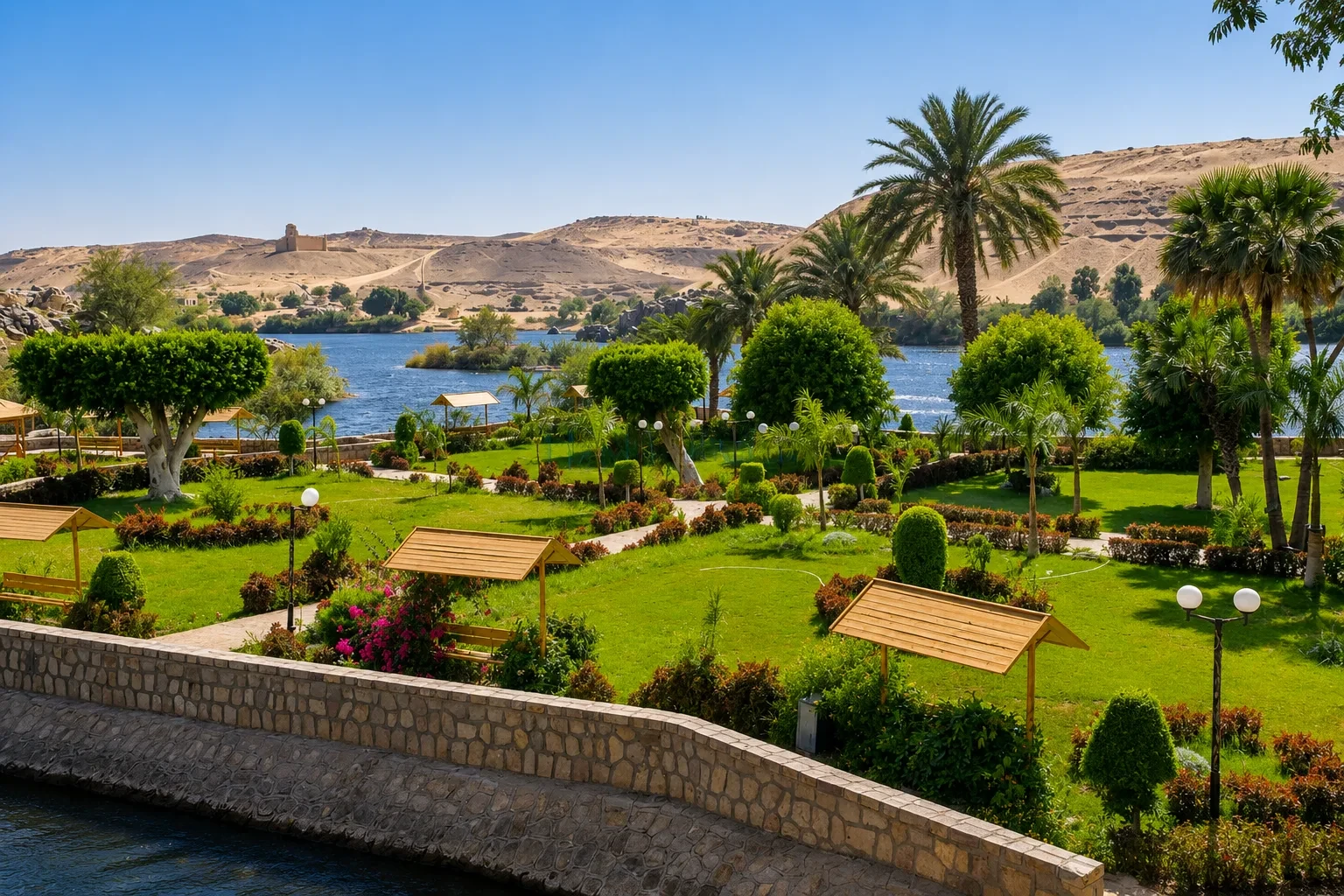
The ancient temple remains and the Nilometer of Elephantine Island connect the modern Nubian community visit with the ancient history of the First Cataract settlement that stretches back more than five thousand years. The Aswan Botanical Garden on Kitchener's Island offers a beautiful and tranquil natural respite within the Aswan waterscape, easily combined with a Nubian Village visit as part of a day of Nile island exploration. For travelers looking south into the ancient Nubian homeland, the Lake Nasser Cruise provides access to the temples of Kalabsha, Wadi el-Seboua, Amada, and the supreme monuments of Abu Simbel in the drowned Nubian homeland. All these sites are accessible through the Aswan Day Tours, Nile cruise itineraries, Lake Nasser Cruises, and Egypt Tours Packages offered by WOW Egypt Tours.
Frequently Asked Questions About The Nubian Village
What is a Nubian Village?
A Nubian Village in the context of Aswan tourism is a traditional community of Nubian people living in the Aswan area, characterized by their distinctive painted architecture, their Nubian language and cultural traditions, their warm hospitality, and their living connection with one of the oldest and most historically significant indigenous cultures in the Nile Valley. The Nubian Villages around Aswan were largely established by Nubian families who returned to the Aswan area after the displacement caused by the construction of the Aswan High Dam and the creation of Lake Nasser in the 1960s. Nubian Village visits are featured on Aswan Day Tours, Nile River Cruises, Lake Nasser Cruises, and Egypt Tours Packages offered by WOW Egypt Tours.
Who are the Nubian people?
The Nubian people are the indigenous inhabitants of the Nile Valley south of Aswan, one of the oldest settled peoples in the Nile Valley with a documented history stretching back more than five thousand years. They include the Kenuz Nubians, who speak Mattokki, and the Fadija Nubians, who speak Nobiin. The ancient Nubian kingdoms of Kerma, Kush, Napata, and Meroe were major civilizations in the ancient world, and the Nubian pharaohs of the 25th Dynasty ruled all of Egypt. Today the Nubian people maintain their distinctive culture, language, and traditions in communities around Aswan and throughout Egypt.
Why were the Nubian people displaced?
The Nubian people were displaced from their traditional homeland along the Nile south of Aswan by the construction of the Aswan High Dam and the resulting creation of Lake Nasser, which permanently submerged approximately 44 Nubian villages between 1963 and 1966. Approximately 50,000 Egyptian Nubians were relocated to government-built communities in the Kom Ombo area, with many subsequently moving back toward the Aswan area and establishing the Nubian Village communities that visitors experience today.
What is the Nubian house painting tradition?
Nubian house painting is the tradition of covering the exterior walls of Nubian homes with vivid geometric and figurative patterns in brilliant colors, particularly turquoise, blue, yellow, orange, and red. The painted images include geometric patterns from ancient Nubian decorative traditions, Islamic symbols including Hajj references, and figurative motifs that communicate family history and cultural identity. The painted Nubian house facade is the most immediately recognizable visual feature of any Nubian village and one of the most photographically rewarding subjects in the Aswan area.
What is karkade?
Karkade is the traditional Nubian hibiscus flower tea, made by steeping dried hibiscus flowers in hot or cold water to produce a deeply colored red beverage with a refreshing tart flavor. It is universally offered to guests in Nubian homes and is one of the most characteristically Nubian sensory experiences of the village visit. Karkade is served both hot and cold and is widely available throughout Egypt, but nowhere is it quite as fresh, as vivid, and as genuinely hospitable as in the context of a traditional Nubian home welcome.
What are the Nubian languages?
The Nubian languages spoken in the communities around Aswan are Mattokki (spoken by the Kenuz Nubians) and Nobiin (spoken by the Fadija Nubians), both ancient African languages descended from the ancient Meroitic language and unrelated to Arabic or the Semitic language family. Both languages are threatened by displacement and urbanization but are experiencing a cultural revival among younger generations.
Is there an entrance fee for the Nubian Village?
No. Nubian Villages are living communities rather than ticketed attractions, and there is no formal entrance fee. The costs associated with a visit include transportation, any food and beverages consumed, and any craft items purchased.
How long does a Nubian Village visit take?
Most visitors spend 1 to 2 hours in the village for a complete cultural experience including the painted house walk, home hospitality, and craft market. Extended visits with music performances or shared meals may take 2 to 3 hours.
What is the best time of year to visit the Nubian Village?
October to April is the most comfortable period due to moderate temperatures. Summer visits are possible and rewarding with appropriate sun protection and early morning timing.
How do I get to the Nubian Village?
The most commonly visited Nubian Villages near Aswan are reached by motorboat from the Aswan Corniche waterfront, a journey of approximately 5 to 10 minutes. All Aswan Day Tours and Nile River Cruise programmes with WOW Egypt Tours include motorboat and vehicle transportation to and from the village.
Is a guide necessary for the Nubian Village?
A guide with Nubian cultural knowledge is strongly recommended. The explanation of the painted house decoration and its meanings, the historical context of Nubian displacement, the Nubian language and musical traditions, and the facilitation of genuine communication with host families all greatly enrich the experience. WOW Egypt Tours provides guides with expertise in Nubian culture on all Nubian Village tours.
Can I take photographs in the Nubian Village?
Photography of the village architecture is welcomed and produces some of the most rewarding images available in the Aswan area. Always ask permission before photographing people, particularly women and children, and respect any refusals graciously. Flash photography inside homes should be avoided unless specifically invited.
What should I wear to the Nubian Village?
Lightweight, breathable clothing covering the shoulders and knees, comfortable flat walking shoes, a wide-brimmed hat and sunscreen for outdoor portions, and a light scarf for women that can cover the hair if entering religious spaces. Bring a small amount of local currency for craft purchases and optional food and beverage.
What crafts can I buy in the Nubian Village?
Traditional Nubian craft products available directly from village craftspeople include painted pottery, palm-leaf baskets, embroidered textiles, traditional jewelry, carved wooden items, Nubian musical instruments, karkade hibiscus flowers and other food products, and various handmade souvenirs. Buying directly from the craftspeople who made the items is both culturally more meaningful and more economically beneficial to the Nubian community.
Do Nubian families really keep crocodiles at home?
Yes. Many traditional Nubian homes keep a live baby crocodile or display a stuffed adult crocodile as a household symbol of good luck and protection, reflecting the ancient Nubian relationship with the Nile crocodile that goes back to the same roots as the ancient crocodile cult of Sobek. The baby crocodiles are typically small and kept in a special room or tank, and their presence is one of the most genuinely surprising and most memorable aspects of the traditional Nubian home visit.
Can I eat a meal in the Nubian Village?
Yes. Many Nubian Village tours can be extended to include a traditional Nubian meal with a host family, featuring Nubian culinary specialties including fish preparations, slow-cooked stews, legume dishes, and traditional pastries. This option should be arranged in advance through WOW Egypt Tours as part of the tour planning process.
What other Aswan sites can I combine with the Nubian Village?
The Nubian Village is most commonly combined in the full Aswan programme with the Temple of Isis at Philae, the Aswan High Dam, the Unfinished Obelisk, and optionally Elephantine Island and the Aswan Botanical Garden.
What Nile cruise options include the Nubian Village?
The Nubian Village is available as an optional or featured addition on all WOW Egypt Tours Nile River Cruises, including Luxor Aswan Nile River Cruises, Dahabiya Nile River Cruises, and Lake Nasser Cruises at the Aswan end of the journey. All cruises are available as part of WOW Egypt Tours Egypt Tours Packages and Egypt Travel Packages.
How do I book a Nubian Village tour with WOW Egypt Tours?
You can book any Nubian Village tour as a standalone cultural visit, as part of a full Aswan Day Tour, as an addition to any Dahabiya Nile River Cruise, Luxor Aswan Nile River Cruise, Lake Nasser Cruise, Egypt Tours Package, or Egypt Travel Package directly through WOW Egypt Tours. Our team of travel specialists will arrange everything from motorboat transfers and cultural guides to host family coordination and any special requests for music performances, craft demonstrations, or traditional meals, ensuring the most authentic, most respectful, and most warmly welcomed possible encounter with the Nubian community and its extraordinary living heritage.