

The Unfinished Obelisk is one of the most extraordinary and most intellectually revelatory ancient monuments in all of Egypt, a destination that transforms every visitor's understanding of how the greatest works of ancient Egyptian stone architecture were actually conceived, planned, and executed. Located in the ancient granite quarries on the southern bank of the Nile in the city of Aswan in Upper Egypt, the Unfinished Obelisk lies precisely where the ancient quarrymen abandoned it more than three thousand years ago when a fatal crack appeared in the granite bedrock during the cutting process, leaving in the living rock the largest ancient Egyptian obelisk ever attempted, still attached to its parent rock on three sides and awaiting the final undercutting that would never come. This remarkable landmark sits at the heart of some of Egypt's most rewarding travel experiences, including Aswan Day Tours, Aswan Highlights Tours, Dahabiya Nile River Cruises, Luxor Aswan Nile River Cruises, and Lake Nasser Cruises, all of which WOW Egypt Tours proudly offers to travelers from around the world. The Unfinished Obelisk is also a highlight of Egypt Tours Packages and Egypt Travel Packages, making it one of the most fascinating and most educationally valuable ancient industrial sites in all of Egypt.
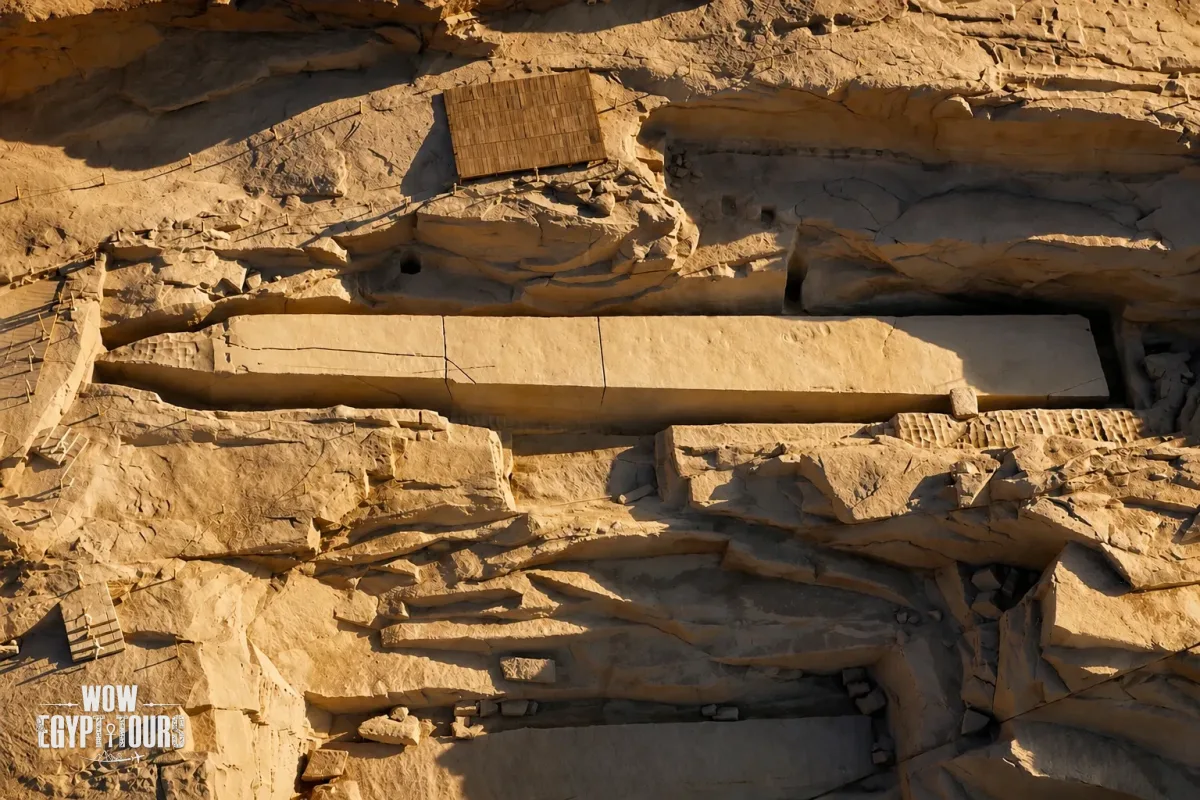
The Unfinished Obelisk Egypt is not a ruin, not a fragment, and not a remnant of something once complete. It is, uniquely among all the ancient monuments of Egypt, a monument frozen in the act of its own creation, a window opened directly onto the process by which the ancient Egyptians quarried and shaped the massive granite obelisks that they erected at the entrances to their great temples and that became, through the Roman fashion of removing them to Rome and Constantinople, one of the defining symbols of ancient Egypt in every city of the western world. Standing beside the Unfinished Obelisk in the ancient granite quarry and seeing the complete outline of the obelisk still emerging from the bedrock, the ancient chisel marks still sharp and clear in the rose-pink granite of the quarry floor, the parallel channels cut around the obelisk's sides by the ancient workers, and the fatal crack that stopped everything in its tracks, is one of the most immediate and most visceral encounters with the actual physical process of ancient Egyptian civilization-building available anywhere in the Nile Valley. Visiting the Unfinished Obelisk is typically combined with a visit to the Aswan High Dam and the Temple of Isis at Philae as the essential Aswan highlights programme that every traveler to Upper Egypt should experience.

Who Created The Unfinished Obelisk In Egypt?
The Unfinished Obelisk is believed to have been commissioned by Queen Hatshepsut, one of the most remarkable rulers in the entire history of ancient Egypt and one of the few women who ruled Egypt as a full pharaoh rather than as a regent. Hatshepsut ruled Egypt from approximately 1479 BCE to 1458 BCE as the co-regent and eventually the dominant partner of the young Thutmose III, and her reign was one of the most productive and most architecturally ambitious of any period in ancient Egyptian history. She was responsible for the construction of the magnificent mortuary temple at Deir el-Bahari in Luxor, the addition of major new elements to the Karnak Temple complex including the famous Red Chapel and a pair of enormous obelisks, and numerous other building projects throughout Egypt and Nubia. The obelisks that Hatshepsut erected at Karnak, one of which still stands and is the tallest surviving ancient Egyptian obelisk in the world, are directly comparable in scale to the Unfinished Obelisk at Aswan, and scholars have concluded that the Unfinished Obelisk was most likely intended to be a third obelisk commissioned by Hatshepsut to complement or replace one of her existing Karnak pair.
The actual physical work of quarrying the Unfinished Obelisk was carried out by the royal quarrymen of the Aswan granite quarries, specialist workers who were among the most skilled craftsmen in the ancient Egyptian state and who were organized in gangs under the direction of royal overseers and scribes dispatched from the pharaoh's court to supervise the extraction of granite for the great building projects of the New Kingdom. The granite quarries of Aswan, which supplied not only the granite for obelisks but also the stone for colossal statues, sarcophagi, door sills, column bases, and innumerable other architectural elements throughout the Nile Valley, were one of the most important industrial installations of the ancient Egyptian state, and the royal quarrymen who worked them were among the most highly organized and most materially supported workforce in the ancient world.
What Is An Ancient Egyptian Obelisk?
An ancient Egyptian obelisk is a tall, four-sided tapering monolithic stone monument topped by a pyramid-shaped capstone called a pyramidion, which was typically sheathed in gold or electrum to catch and reflect the rays of the rising sun. The ancient Egyptian word for obelisk was tekhenu, meaning to pierce or to penetrate, a reference to the monument's function as a sky-piercing symbol of the divine light of the sun god Ra. Obelisks were invariably erected in pairs at the entrances to temple pylons, where they served as the most visible and most dramatic architectural statement of the pharaoh's divine relationship with the sun, their pyramidal peaks catching and reflecting the first rays of sunrise each morning in a visible manifestation of solar divine power.
The creation of an ancient Egyptian obelisk was one of the most technically demanding stone-working operations in the ancient world, requiring the selection, quarrying, transportation, erection, and final inscription of a single piece of granite that could weigh hundreds of tonnes, measure more than thirty meters in height, and had to be shaped to precise geometric specifications from a single monolithic block cut from the living bedrock of the Aswan quarries. The Unfinished Obelisk in the Aswan quarry gives a uniquely direct and comprehensive view of the first stage of this extraordinary process, the quarrying itself, revealing in exact physical detail how the ancient Egyptians went about extracting these enormous stone monuments from the living rock of the quarry floor.
Unfinished Obelisk Location In Egypt
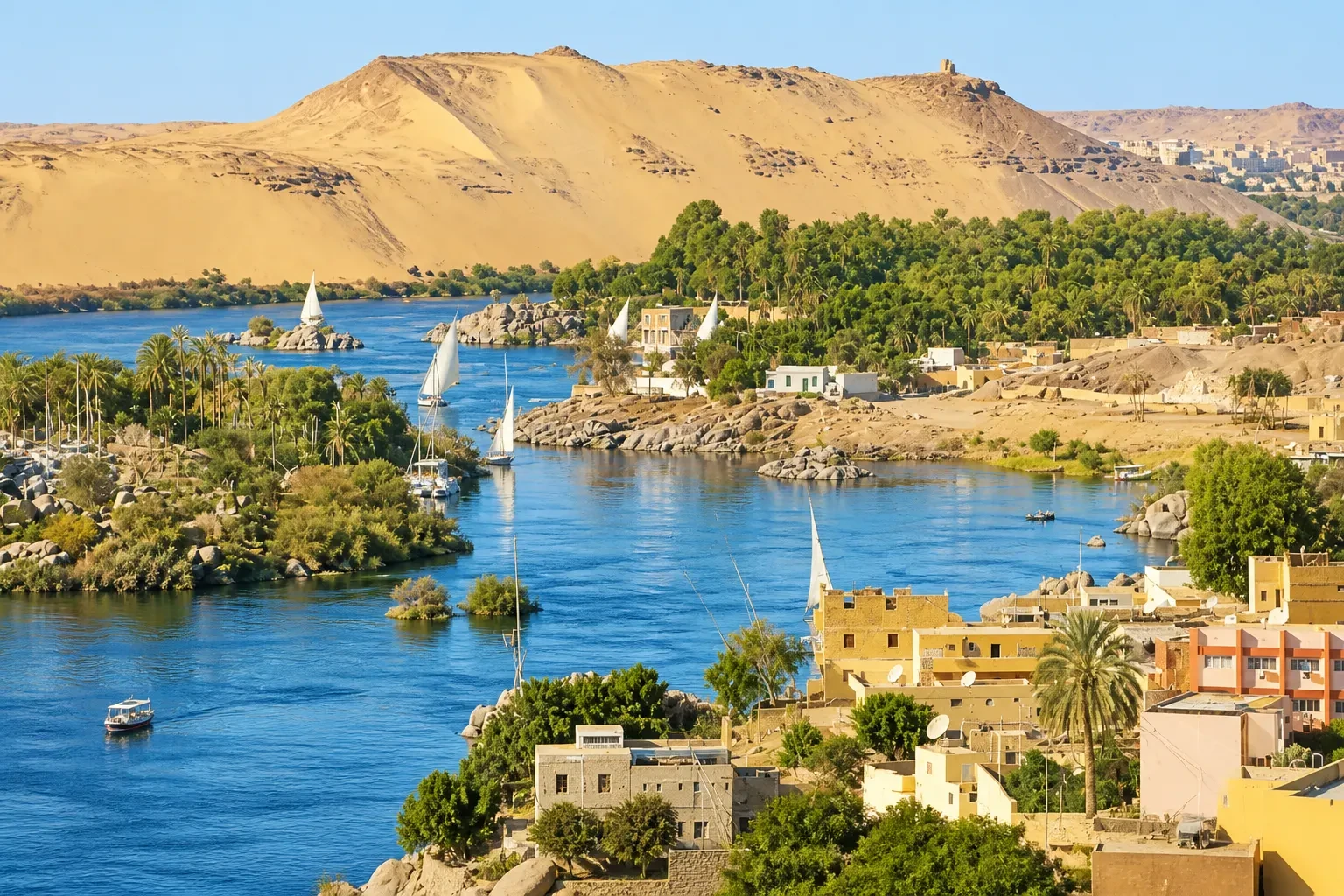
The Unfinished Obelisk is located in the ancient granite quarries on the southern edge of the modern city of Aswan in Upper Egypt, approximately 550 kilometers south of Cairo and just north of the Nile's First Cataract. The quarry site, now formally designated as an archaeological park open to visitors, is situated on the east bank of the Nile within the urban fabric of modern Aswan, a short drive from the city center and from the Aswan waterfront where the Nile cruise ships dock. The quarry landscape is a dramatic expanse of exposed rose-pink granite bedrock, worn smooth by millennia of weathering and scarred by the ancient cutting channels and tool marks of the New Kingdom quarrymen, with the enormous shape of the Unfinished Obelisk lying at the lowest point of the quarry floor, still embedded in the bedrock from which it was being cut when the project was abandoned. WOW Egypt Tours provides private air-conditioned transportation directly from Aswan hotels to the Unfinished Obelisk quarry site on all Aswan Day Tours, Egypt Tours Packages, and Nile River Cruise itineraries that include the site.
Unfinished Obelisk Fun Facts
If the Unfinished Obelisk had been successfully completed and erected, it would have been the largest ancient Egyptian obelisk in history. The obelisk measures approximately 41.75 meters (approximately 137 feet) in length and is estimated to weigh approximately 1,168 tonnes, making it significantly larger than any obelisk that was ever successfully quarried, transported, and erected in the ancient world. For comparison, the largest successfully erected ancient Egyptian obelisk in existence, the Lateran Obelisk now standing in Rome, measures approximately 32 meters in height and weighs approximately 455 tonnes. The Unfinished Obelisk would have been approximately 30 percent taller and more than twice as heavy as the Lateran Obelisk, representing an ambition of scale that exceeds anything the ancient Egyptians ever successfully achieved in obelisk construction.
The ancient quarrying technique visible in the Unfinished Obelisk quarry involved a remarkably simple but highly effective process using dolerite balls, hard dark igneous stones harder than the surrounding granite, which were used as hammering and pounding implements to grind away the surrounding granite to create the cutting channels around the obelisk outline. Thousands of these dolerite pounders have been found in the Aswan quarry area, and the grinding marks they left are still clearly visible on the walls and floors of the cutting channels around the Unfinished Obelisk. The ancient Egyptians did not use metal chisels to cut the granite; the hardness of the granite made bronze tools ineffective, and the dolerite pounder technique, while enormously laborious, was the most practical available method for the separation of large granite blocks from the parent bedrock.
The crack that caused the abandonment of the Unfinished Obelisk is still clearly visible running diagonally across the upper section of the monument. The nature of the crack suggests that it appeared during the active quarrying process rather than as a pre-existing flaw in the rock, and the discovery of this crack after enormous investment of labor and time in the cutting of the channels represents one of the most costly failures in the history of ancient Egyptian royal building projects.
Why Is The Unfinished Obelisk Called By This Name In Egypt?
The name Unfinished Obelisk is entirely descriptive and entirely accurate: the monument is an obelisk that was never finished, abandoned in the quarry in the state in which it was left when work on it ceased. The Arabic name for the site is El-Masala El-Naaqisa, meaning the Incomplete Obelisk or the Defective Column, which carries the same meaning as the English name. There is no ancient Egyptian name recorded specifically for this particular abandoned obelisk, though the quarry area as a whole was known in ancient times as Syene, the ancient name for Aswan, which gave the ancient Egyptians the name for the granite extracted from these quarries, Syenite, a geological term still used today for certain types of coarse-grained igneous rock similar to granite. The modern English word Obelisk is derived from the ancient Greek obeliskos, meaning a small pointed pillar or spit, a Greek diminutive applied to the ancient Egyptian tekhenu monuments that the Greeks encountered in Egypt and subsequently transplanted to Rome and to the vocabulary of European architectural history. The term Unfinished Obelisk has been in consistent use in Egyptological literature since the earliest systematic European documentation of the Aswan quarries in the early 19th century.
Unfinished Obelisk History
The history of the Unfinished Obelisk is primarily the history of its abandonment, and the broader history of the Aswan granite quarries that it represents is one of the most sustained and most productive industrial operations in the ancient world. The Aswan granite quarries were in continuous use from at least the Early Dynastic Period, around 3000 BCE, through the Roman Period, a span of more than three thousand years during which they supplied the granite for the royal statuary, sarcophagi, architectural elements, and obelisks of virtually every major Egyptian building project in the Nile Valley. The quarrymen of Aswan were among the most skilled and most organized craftsmen in ancient Egypt, organized into work gangs under royal supervision and supplied with food, water, and tools by the pharaonic state as part of the centrally managed royal building programme.
The Unfinished Obelisk was begun during the New Kingdom, most likely during the reign of Hatshepsut around 1460 BCE, as part of the most ambitious obelisk-cutting programme in Egyptian history. The quarrying process had advanced sufficiently that the outline of the obelisk was nearly complete when the fatal crack appeared in the granite, causing the project to be abandoned in a state that preserves for modern visitors the most complete picture of the ancient obelisk-cutting process available anywhere in the world. After the abandonment of the Unfinished Obelisk, the quarry continued in active use by later pharaohs of the New Kingdom and subsequent periods, and the landscape around the unfinished monument is covered with the traces of additional quarrying activities from multiple periods, creating an extraordinarily rich archaeological record of ancient stone-working practice that extends far beyond the single dramatic centerpiece of the abandoned obelisk itself.
The modern presentation of the Unfinished Obelisk as a visitor site began with the formal excavation and clearance of the quarry area by the Egyptian Antiquities Service in the mid-20th century, which removed the accumulated debris from around the obelisk and its cutting channels to reveal the monument in substantially the form visible today. The construction of the visitor infrastructure, including the pathways around the obelisk, the viewing platforms, and the informational displays, was completed in subsequent decades, and the site is now managed as a formal archaeological park by the Egyptian Ministry of Tourism and Antiquities.
The Story Of The Unfinished Obelisk And The Crack In The Granite
The story of the Unfinished Obelisk is one of the most gripping narratives of failure and frustration in the entire history of ancient Egyptian monumental building. Imagine the scene: a royal commission of unprecedented scale, ordering the cutting of the largest obelisk in Egyptian history from the living granite of the Aswan quarries, with gangs of hundreds of skilled quarrymen working day after day under the scorching Aswan sun with their dolerite pounders, grinding away at the rock surrounding the obelisk outline, gradually deepening the cutting channels on all four sides, working downward toward the moment when the final undercutting would free the enormous stone from the bedrock and allow it to be rolled onto a wooden sledge for the extraordinary journey north by river to its eventual temple destination.
The work had been going on for months, perhaps for years. The cutting channels on all four long sides of the obelisk were nearly at the depth required for the final undercutting. The end was in sight. And then, somewhere in the upper portion of the obelisk body, a crack appeared in the granite. Not a surface scratch or a minor imperfection that a skilled craftsman might work around, but a deep structural crack running through the body of the stone, a fatal flaw that made the entire obelisk useless as a monolith and rendered all the accumulated labor of its quarrying wasted. The work stopped. The tools were put down. The quarrymen moved to other tasks at other parts of the quarry, and the Unfinished Obelisk was left where it lay, as it has lain ever since, the largest abandoned stone monument in the history of human engineering, a permanent record of what was attempted and what was lost.
Unfinished Obelisk Architecture And Key Features
The Obelisk In The Quarry Floor
The Unfinished Obelisk lies at the lowest point of the quarry floor, still connected to the parent bedrock along its flat bottom face while three of its four sides and most of its top face have been separated from the surrounding rock by the deep cutting channels cut around it by the ancient quarrymen. The obelisk shape is completely formed and immediately recognizable from the viewing path that runs around the quarry perimeter: the four long tapering faces of the obelisk body are clearly defined, the pyramidal top is shaped though unpolished, and the monument's intended form as a finished obelisk is unmistakably visible even in its uncompleted state. The scale of the monument is overwhelming at close quarters: standing at the level of the cutting channel floor and looking up at the side face of the obelisk, visitors can appreciate in a visceral and immediate way the sheer ambition of the ancient project and the extraordinary challenge that the successful completion and erection of such a monument would have represented.
The Cutting Channels
The cutting channels that were created around the obelisk to separate it from the parent rock are among the most technically informative ancient industrial features visible anywhere in Egypt. The channels, measuring approximately 60 to 75 centimeters wide at their narrowest point, were wide enough to allow a worker to crouch or kneel while using a dolerite pounder to grind the rock surface, and the floors and walls of the channels still bear the grinding marks left by the pounders as if the work stopped yesterday rather than more than three thousand years ago. The depth of the channels varies, with the sides of the obelisk channeled to a considerably greater depth than the top face, reflecting the logical sequence of the quarrying process in which the side channels were deepened first to define the obelisk outline before the final undercutting of the bottom face would have freed the monument from the bedrock. Several dolerite pounders are still visible in situ in the cutting channels, abandoned precisely where the workers left them when they stopped work.
The Dolerite Pounders
Scattered around the quarry area, both in the cutting channels around the Unfinished Obelisk and elsewhere on the quarry floor, are numerous dolerite balls of varying sizes, the actual tools used by the ancient quarrymen to grind and pound the granite. These dolerite pounders, rounded balls of dark igneous rock harder than the surrounding rose-pink granite, are among the most immediately tangible ancient industrial artifacts visible at any Egyptian heritage site, physical objects that were held in the hands of ancient quarrymen more than three thousand years ago and that reveal the actual manual technique by which the ancient Egyptians accomplished their most extraordinary feats of stone-working. The presence of these pounders, still lying where they were dropped when work stopped, gives the Unfinished Obelisk quarry an immediacy and a physical directness that is rare at ancient sites where the artifacts are invariably either protected behind museum glass or absent entirely.
The Fatal Crack
The crack that caused the abandonment of the Unfinished Obelisk is clearly visible to visitors who examine the upper section of the obelisk body, running diagonally through the granite in a line that would have made the completion of the project structurally impossible. The crack passes through the obelisk at an angle that would have caused the monument to fracture under its own weight either during the final undercutting or during the process of tipping the free stone onto its transport sledge, making continuation of the work pointless from the moment the crack was discovered. The position of the crack in the upper portion of the obelisk, where it would not have been visible until the cutting had reached a considerable depth on all sides, suggests that the flaw was not detectable at the surface and was only revealed as the quarrying exposed progressively deeper layers of the granite. The crack is one of the most historically significant individual geological features visible at any ancient site in Egypt, the literal physical reason why the largest planned ancient Egyptian obelisk was never completed.
The Broader Quarry Landscape
The Unfinished Obelisk is not an isolated monument but the centerpiece of a much broader ancient quarry landscape that extends across a considerable area of the modern Aswan city surroundings. The rose-pink granite bedrock of the entire area bears the marks of ancient quarrying activity, including the remains of numerous other quarrying operations for smaller blocks, stelae, statues, architectural elements, and obelisk bases, as well as the ancient administrative infrastructure of the quarry including workers' shelters, water storage facilities, and the marks of ancient transport routes down which the extracted stone was moved toward the river. Walking through the broader quarry landscape around the Unfinished Obelisk, visitors can appreciate that the abandoned obelisk was not an isolated project but one element of a vast industrial complex that was active for more than three thousand years and that supplied the building material for the entire programme of ancient Egyptian granite architecture throughout the Nile Valley.
The Ancient Quarrymen's Inscriptions
On various surfaces of the granite bedrock throughout the Aswan quarry area, ancient inscriptions and graffiti left by the quarry workers and their supervisors record the names, titles, and dates of quarrying expeditions spanning multiple periods of ancient Egyptian history. These inscriptions, similar in character to the more extensive quarrymen's graffiti at Gebel el-Silsila, provide direct evidence for the management and organization of the ancient quarry operations and give the landscape a human voice that complements the purely industrial evidence of the cutting channels and dolerite pounders. Several of the inscriptions in the Unfinished Obelisk quarry area have been identified as dating to the New Kingdom period, consistent with the proposed Hatshepsut-period date of the Unfinished Obelisk itself, and provide corroborating evidence for the historical attribution of the monument.
Why Is The Unfinished Obelisk Important?
The Unfinished Obelisk is important for reasons that go far beyond its considerable visual drama and historical interest. It is the single most informative surviving document of the ancient Egyptian obelisk-quarrying process, the only place in Egypt where the complete set of evidence for the technique of granite obelisk extraction, the dolerite pounders, the cutting channels, the tool marks, the organizational marks, and the partially completed monument itself, can be seen in their original and undisturbed relationship to each other and to the parent bedrock. Every other ancient Egyptian obelisk that survives, whether still standing in Egypt or transplanted to Rome, Istanbul, Paris, London, or New York, began its existence in a quarry process identical to the one preserved at Aswan, but nowhere else can this process be seen in such physical completeness and such immediate tangibility.
The Unfinished Obelisk is also important as the largest ancient Egyptian stone monument ever attempted, surpassing in planned scale every successfully completed obelisk, colossal statue, and architectural element in the entire Egyptian canon, and revealing an ambition of scale in the ancient Egyptian building programme that exceeds even the extraordinary achievements that were successfully completed. The fact that this largest-ever Egyptian stone monument was never finished gives it a particular poignancy as evidence of the limits as well as the achievements of ancient Egyptian technology, a reminder that the ancient builders were human beings working within real physical and geological constraints as well as demigods capable of extraordinary feats of engineering. WOW Egypt Tours includes the Unfinished Obelisk as a featured visit on all Aswan Day Tours, Nile River Cruise itineraries, and Lake Nasser Cruise embarkation programmes.
What Are Some Interesting Facts About The Unfinished Obelisk?
The Largest Abandoned Stone Monument In History
At an estimated weight of approximately 1,168 tonnes and a length of approximately 41.75 meters, the Unfinished Obelisk is not only the largest ancient Egyptian obelisk ever attempted but also one of the largest single pieces of stone ever intended for use in any monumental structure anywhere in the ancient world. The sheer scale of the ambition that the Unfinished Obelisk represents, the desire to cut, transport, and erect a stone column of these dimensions as a single monolith, is staggering to contemplate even with modern engineering understanding and appreciation of what such an operation would have entailed. The logistics of transporting a 1,168-tonne monolith from the Aswan quarry to its intended temple destination, loading it onto a river barge, sailing it north to Luxor or wherever it was destined, unloading and transporting it overland to the temple entrance, and then erecting it vertically and setting it in its final position without any of the mechanical lifting equipment that would be considered essential by modern engineers, represent a challenge of engineering organization that is humbling to consider. That similar operations were successfully completed multiple times in the New Kingdom makes the achievement of the completed obelisks all the more impressive, and makes the failure of the Unfinished Obelisk all the more poignant.
The Technique That Built The Ancient World
The dolerite pounder technique revealed at the Unfinished Obelisk quarry is one of the most important single pieces of evidence for the ancient Egyptian approach to hard stone working, and its implications extend far beyond the quarrying of obelisks alone. The same basic technique of using harder stone tools to work softer stone, adapted for different scales of operation and different types of stone, was applied throughout the entire programme of ancient Egyptian granite architecture, from the cutting of sarcophagi and statuary to the dressing of architectural facing stones and the shaping of column drums. Understanding the dolerite pounder technique, visible with extraordinary clarity in the Unfinished Obelisk cutting channels, gives visitors a fundamentally new understanding of how ancient Egypt's most celebrated buildings were actually constructed, replacing the mysterious with the comprehensible and revealing the extraordinary organizational achievement that lay behind what might otherwise seem like a magically inexplicable technical capability.
Where The Obelisks Of The World Were Born
Standing in the Unfinished Obelisk quarry and looking at the rose-pink granite bedrock that produced the Unfinished Obelisk, visitors are standing in the geological origin of some of the most famous monuments in the world. The granite quarries of Aswan produced the stone for obelisks that now stand in Rome, Paris, London, New York, Istanbul, and cities across the world. The Obelisk of Luxor now in the Place de la Concorde in Paris, the Cleopatra's Needles on the Embankment in London and in Central Park in New York, the Vatican Obelisk and the Lateran Obelisk in Rome, and dozens of other obelisks that have been defining landmarks of the western world's great cities for centuries all began as pink granite in the quarry bedrock at Aswan, cut by quarrymen using dolerite pounders and loaded onto river barges for the journey to their temple destinations. The Aswan granite quarry is therefore not simply a local Aswan heritage site but the geological birthplace of one of the most globally distributed ancient monument types in the world.
What Is So Special About The Unfinished Obelisk?
Ancient Egypt In The Act Of Making Itself
What makes the Unfinished Obelisk uniquely special among all the ancient sites of the Aswan region and indeed among all the ancient sites of Egypt is the quality of direct industrial authenticity that it provides. Almost every other ancient Egyptian monument that visitors encounter on any Egypt itinerary is the end result of a completed process, a temple, a tomb, a statue, a relief, a painting that reached its intended final state before being abandoned by the civilization that made it. The Unfinished Obelisk is the sole exception: a monument that never reached its intended final state, arrested in mid-process by a geological accident and left exactly as the ancient quarrymen left it, still embedded in its parent rock, still bearing the marks of every dolerite blow that shaped it, still showing the crack that stopped everything. This quality of mid-process arrest, of ancient Egypt caught in the act of making itself, gives the Unfinished Obelisk a historical and emotional immediacy that no finished monument can quite match, however spectacular.
The Greatest Engineering Failure Of The Ancient World
The Unfinished Obelisk is also uniquely special as the most spectacular single piece of evidence for the limits of ancient Egyptian engineering ambition, the point at which the extraordinary confidence and capability of the New Kingdom building programme encountered an obstacle it could not overcome. Ancient Egypt's monuments are almost invariably presented to visitors as achievements: completed temples, standing obelisks, intact tombs. The Unfinished Obelisk is the rare and invaluable counter-evidence, the monument that shows what happened when something went wrong, when the geological flaw was deeper than the quarrymen could detect, when the ambition exceeded the capacity of the available material, when the project had to be abandoned and the enormous investment of time and skill written off. For visitors who want to understand ancient Egypt as a human civilization operating within real physical constraints rather than a mythological world of inexplicable achievement, the Unfinished Obelisk is one of the most important ancient sites in the country.
Unfinished Obelisk Through The Ages: From Ancient Egypt To The Present
The history of the Unfinished Obelisk after its abandonment in the New Kingdom is primarily a history of gradual burial and eventual rediscovery, with the abandoned monument lying in its quarry floor undisturbed for more than three thousand years while the city of Aswan grew around and over it. After the abandonment of the obelisk project, the Aswan granite quarries continued in active use by later New Kingdom pharaohs and subsequent dynasties for smaller-scale quarrying operations, and the area around the Unfinished Obelisk accumulated debris from these later operations as well as wind-blown sand and gravel that progressively covered the lower portions of the monument and its cutting channels. During the Ptolemaic and Roman periods, the quarries were still active, supplying granite for the building programmes of the Ptolemaic and Roman rulers in Egypt and the growing Roman demand for Egyptian granite for construction projects throughout the empire.
During the early Christian era and the medieval period, the quarry area was gradually abandoned as active industrial use and became a part of the expanding city of Aswan, with the topmost portions of the Unfinished Obelisk remaining visible above the accumulated soil as an enigmatic ancient relic within the urban landscape. The systematic documentation of the Unfinished Obelisk by European travelers and scholars began in the early 19th century, with the Napoleonic expedition's savants including the monument in their comprehensive survey of the Aswan antiquities. The Egyptian Antiquities Service conducted the definitive excavation and clearance of the quarry area in the mid-20th century, removing the accumulated debris to reveal the Unfinished Obelisk and its cutting channels in the condition visible today. The site is now managed as a formal archaeological park with a defined visitor path, informational displays, and ticket facilities by the Egyptian Ministry of Tourism and Antiquities.
Unfinished Obelisk UNESCO World Heritage Status
The Unfinished Obelisk and the ancient granite quarry landscape of Aswan are part of the broader concentration of ancient heritage in the Aswan area that includes the Nubian Monuments from Abu Simbel to Philae UNESCO World Heritage Site, inscribed in 1979. The ancient quarries of Aswan, which supplied the granite for monuments throughout the entire Upper Nile Valley and for numerous obelisks now standing in cities across the world, represent an essential component of the ancient Egyptian heritage landscape and an irreplaceable document of ancient industrial technology. The Unfinished Obelisk in particular is recognized internationally as the single most informative surviving evidence for the ancient Egyptian obelisk-quarrying process and as one of the most significant ancient industrial sites in the world, providing direct physical evidence for the techniques that produced some of the most celebrated ancient monuments in existence.
Best Time To Visit The Unfinished Obelisk
The best time to visit the Unfinished Obelisk is during the cooler months from October through April, when temperatures in the Aswan area are moderate and the open-air quarry site is comfortable for extended exploration. The Aswan area is among the hottest regions of Egypt in summer, with temperatures regularly exceeding 40 degrees Celsius from May to September, making the open granite quarry one of the most challenging outdoor sites to visit in the midday heat. If visiting during summer, plan your visit to the Unfinished Obelisk for the very earliest morning hours immediately after the site opens, when the air is coolest and the granite surfaces have not yet absorbed the full heat of the sun. The rose-pink granite of the quarry is particularly beautiful in the warm light of early morning or late afternoon, when the raking light reveals the texture of the ancient tool marks on the cutting channel walls with exceptional clarity. WOW Egypt Tours plans all visits to the Unfinished Obelisk at the optimal time of day for the season and the specific itinerary.
Unfinished Obelisk Opening Hours
The Unfinished Obelisk quarry site is open to visitors every day of the week, including public holidays. The site opens at 6:00 AM and closes at 5:00 PM from October to April, and from 6:00 AM to 6:00 PM from May to September. The most peaceful and least crowded time to visit is in the early morning immediately after opening, before the main tour groups arrive from the Aswan hotels and cruise ships. There is an on-site visitor center with informational displays explaining the quarrying process and the history of the site, which is worth spending time in before or after walking around the obelisk itself.
Unfinished Obelisk Entrance Fees
Adults: EGP 220
Students: EGP 110
Keep your ticket safe throughout your visit. The entrance fee covers access to the complete quarry site including the Unfinished Obelisk, the cutting channels, the visitor center, and the walkways around the quarry perimeter. Entrance fees to the Unfinished Obelisk are included in all Aswan Day Tours, Egypt Tours Packages, Nile River Cruise itineraries, and Lake Nasser Cruise embarkation programmes booked through WOW Egypt Tours.
How To Get To The Unfinished Obelisk
The Unfinished Obelisk is located within the southern portion of the modern city of Aswan, approximately 2 to 3 kilometers south of the city center, on the east bank of the Nile. From the Aswan city center or the cruise ship waterfront, the quarry site is reached by private vehicle in approximately 10 to 15 minutes. The site is signposted within the city and has a designated entrance with a ticket office and a small parking area for visitors arriving by vehicle. All Aswan Day Tours, Egypt Tours Packages, Nile River Cruise shore excursion programmes, and Lake Nasser Cruise embarkation programmes booked through WOW Egypt Tours include private air-conditioned transportation directly to and from the Unfinished Obelisk as part of the standard Aswan highlights programme.
How Long To Spend At The Unfinished Obelisk
Most visitors spend between 30 and 45 minutes at the Unfinished Obelisk, which is sufficient time to walk the complete path around the quarry perimeter, examine the cutting channels and dolerite pounders from both the upper walkway level and from any accessible points at cutting channel level, locate and examine the fatal crack in the upper section of the obelisk, visit the on-site visitor center, and appreciate the full scale of the monument and the quarry landscape. Visitors with a particular interest in the quarrying technology, the comparison between the Unfinished Obelisk and the completed obelisks of Hatshepsut at Karnak, or the broader history of the Aswan granite quarries may wish to allow an hour. The Unfinished Obelisk is always visited in Aswan as part of the standard Aswan highlights programme alongside the Aswan High Dam and the Temple of Isis at Philae, with the three sites together constituting the essential half-day or full-day Aswan experience.
Tips For Visiting The Unfinished Obelisk
Ask your guide to explain the dolerite pounder technique in detail before beginning the walk around the obelisk, as understanding the mechanics of the ancient quarrying process transforms the experience of examining the cutting channels from a passive visual encounter into an active intellectual engagement with the most important ancient industrial evidence visible anywhere in Egypt. Look closely at the walls of the cutting channels, where the grinding marks of the dolerite pounders are still clearly visible after more than three thousand years, creating a direct physical connection with the ancient quarrymen who made them. Locate the fatal crack in the upper section of the obelisk and ask your guide to explain exactly where the crack runs and why it made completion of the project impossible. Compare the scale of the Unfinished Obelisk with the known dimensions of completed Egyptian obelisks to appreciate the extraordinary ambition of the project. A licensed Egyptologist guide from WOW Egypt Tours is recommended for the Unfinished Obelisk: the technical explanation of the quarrying process, the historical attribution of the monument to Hatshepsut's building programme, and the comparison with other obelisks of the same period are all greatly enriched by expert guidance. Bring water and a hat as the open quarry provides very little shade.
What To Wear At The Unfinished Obelisk
The Unfinished Obelisk is a completely open-air site with minimal shade, set in the open granite quarry landscape of southern Aswan. Lightweight, breathable clothing covering the shoulders and knees is recommended for both comfort in the heat and respect for the heritage site. A wide-brimmed hat and generous sunscreen are absolutely essential, as the open granite quarry reflects and amplifies the solar heat significantly, particularly in the warmer months. Comfortable, closed-toe walking shoes with good grip are recommended for the uneven quarry terrain and the stone surfaces around the cutting channels. Bring substantial quantities of water for visits in warm months, as there are limited refreshment facilities at the quarry site. The site is entirely flat and accessible without climbing or negotiating steep surfaces, making it one of the more physically straightforward ancient sites in the Aswan area.
Photography At The Unfinished Obelisk
The Unfinished Obelisk is a rewarding photography destination, offering the unique combination of the vast horizontal scale of the abandoned monument lying in its quarry floor, the texture of the ancient cutting channels with their dolerite pounder marks, the beautiful rose-pink color of the Aswan granite in morning or afternoon light, and the dramatic contrast between the shaped obelisk form and the raw natural bedrock that still surrounds it. Photography with a standard camera or smartphone is permitted throughout the site. There are no restrictions on photography of the obelisk and the quarry surfaces. The most dramatic photographs of the complete obelisk are taken from the upper walkway looking down along the length of the monument, while close-up photographs of the cutting channel walls and the dolerite pounder marks are most informative and most dramatic at close range from the lower level. Raking light in early morning or late afternoon reveals the texture of the ancient tool marks on the granite surfaces with exceptional clarity. Professional photography or filming with specialized equipment requires a separate permit from Egypt's Ministry of Tourism and Antiquities.
Unfinished Obelisk Tours
Single Attraction Visit: Unfinished Obelisk Tour From Aswan
This short dedicated tour visits the Unfinished Obelisk as a standalone excursion from Aswan. It is suitable for travelers with a particular interest in ancient Egyptian stone-working technology, the logistics of obelisk quarrying and transportation, or the history of the New Kingdom building programme under Hatshepsut.
What Is Covered
Full guided walk around the complete Unfinished Obelisk quarry site including the upper walkway perimeter path, examination of the cutting channels and dolerite pounders, location and explanation of the fatal crack, visit to the on-site visitor center, and explanation of the broader quarrying technology and its implications for the ancient Egyptian building programme.
Duration
30 to 45 minutes at the site, plus approximately 15 minutes each way from the Aswan city center by private vehicle.
Includes
Private vehicle from Aswan hotel to the Unfinished Obelisk, private licensed Egyptologist guide, and entrance fees. Available for morning and afternoon departures.
Aswan Highlights Day Tour: Unfinished Obelisk, Aswan High Dam, And Philae Temple
This comprehensive half-day or full-day tour from Aswan covers the three most significant ancient and modern monuments in the immediate Aswan area in a single well-organized programme, combining the industrial revelation of the Unfinished Obelisk with the engineering achievement of the Aswan High Dam and the sacred beauty of the Temple of Isis at Philae.
What Is Covered
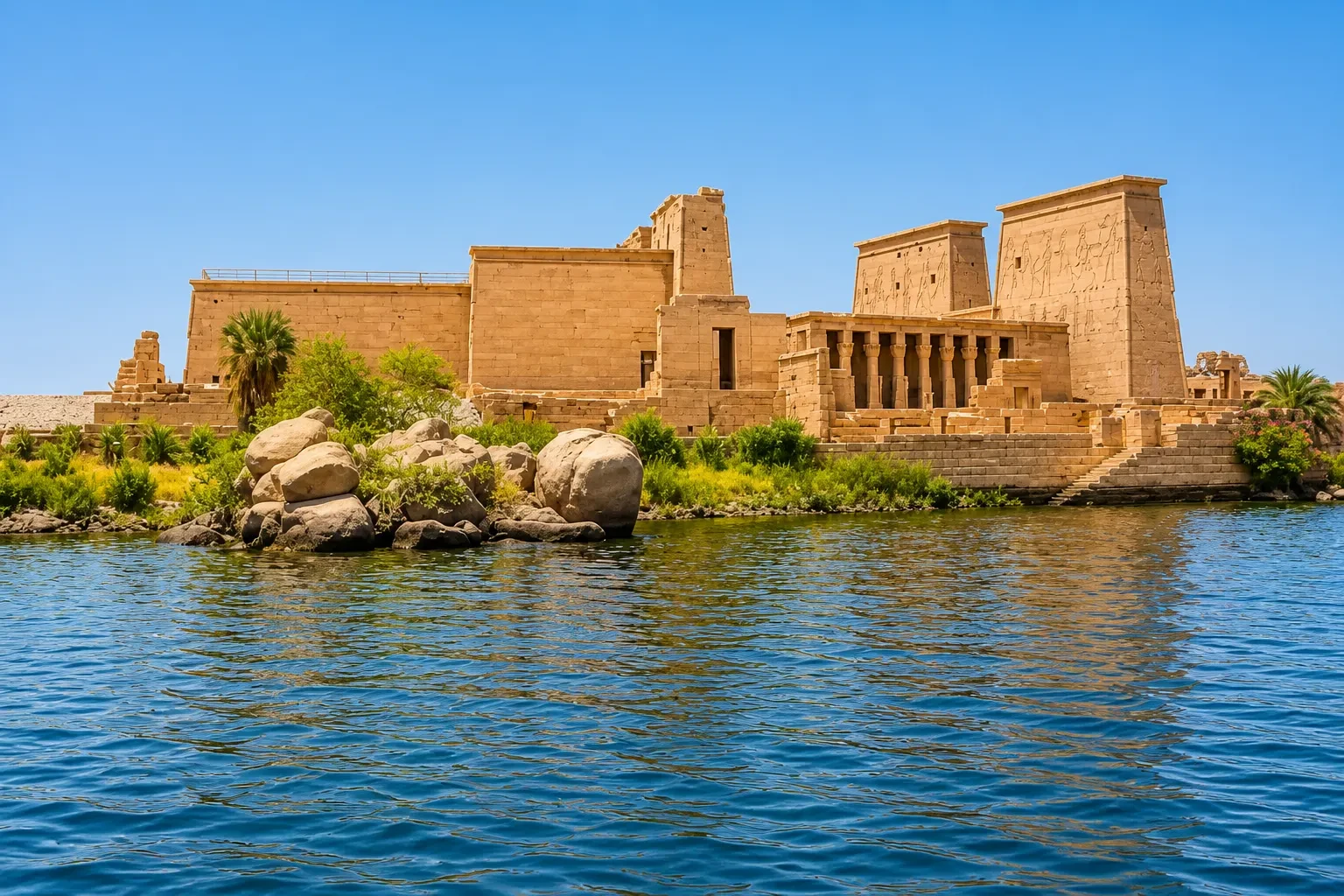
The Unfinished Obelisk with a full guided walk of the quarry site. The Aswan High Dam, the great modern engineering achievement that controls the Nile flood and created Lake Nasser, with a guided visit to the viewpoint, the dam structure, and the informational displays. The Temple of Isis at Philae with a motorboat transfer to the island and a full guided visit of the complete complex including the Kiosk of Trajan, the main Isis Temple, and the birth house.
Duration
Half day to full day from Aswan, approximately 30 to 45 minutes at the Unfinished Obelisk, 30 minutes at the High Dam, and 1 to 1.5 hours at Philae.
Includes
Private air-conditioned transportation from Aswan hotel, motorboat transfer to and from Philae Island, private licensed Egyptologist guide, and entrance fees to all three sites. Available for morning departures.
Full Aswan Day Tour: Unfinished Obelisk, Philae Temple, Nubian Village, And Elephantine Island
This comprehensive full-day tour from Aswan combines the Unfinished Obelisk with the full range of Aswan heritage and cultural experiences, creating the most complete single-day Aswan programme available.
What Is Covered
The Unfinished Obelisk with a guided walk of the complete quarry site. The Aswan High Dam with a guided visit to the viewpoint. The Temple of Isis at Philae with a full guided island visit. A traditional Nubian Village with an authentic guided cultural visit. Elephantine Island with the ancient temple remains and Nilometer.
Duration
Full day from Aswan, approximately 30 to 45 minutes at the Unfinished Obelisk and proportionate time at each additional site.
Includes
Private air-conditioned transportation from Aswan hotel, motorboat transfers for Philae and island visits, private licensed Egyptologist guide, and entrance fees to all included sites. Available for morning departures.
Dahabiya Nile River Cruise
A Dahabiya Nile River Cruise is a small-vessel sailing experience on the Nile between Luxor and Aswan aboard a traditional wooden dahabiya. WOW Egypt Tours operates dahabiya cruises with private cabins, all meals, a private licensed Egyptologist guide on board, and guided shore excursions at every stop. The Unfinished Obelisk is a featured visit on all Dahabiya itineraries at the Aswan embarkation or disembarkation end of the journey, as part of the standard Aswan highlights programme alongside Philae Temple and the Aswan High Dam.
4 Days 3 Nights Dahabiya Nile River Cruise From Aswan To Luxor
Route: Aswan to Luxor, sailing north.
Itinerary
Day 1: Embarkation in Aswan. Guided visits to Philae Temple, the Aswan High Dam, and the Unfinished Obelisk. Sail north to Kom Ombo. Guided visit to Kom Ombo Temple and Crocodile Museum. Continue to Gebel el Silsila. Overnight on board.
Day 2: Guided visit to Gebel el Silsila. Sail to the Village of Basaw. Guided visit to Village of Basaw. Continue to Edfu. Guided visit to the Temple of Horus at Edfu. Overnight on board.
Day 3: Sail to El Kab. Guided visit to El Kab Tombs. Sail to El Hagaz Island. Swimming stop. Overnight on board.
Day 4: Sail to Esna. Visit Khnum Temple at Esna. Disembarkation in Esna. Transfer to Luxor, approximately 55 kilometers (35 miles).
Includes
Private cabin, all meals on board, private licensed Egyptologist guide, entrance fees to all site visits including the Unfinished Obelisk, and private transfers.
5 Days 4 Nights Dahabiya Nile River Cruise From Luxor To Aswan
Route: Luxor to Aswan, sailing south.
Itinerary
Day 1: Embarkation in Luxor. Transfer to Esna, approximately 55 kilometers (35 miles). Visit Khnum Temple at Esna. Sail to El Hagaz Island. Overnight on board.
Day 2: Sail to El Kab. Guided visit to El Kab Tombs. Continue to Edfu. Guided visit to the Temple of Horus at Edfu. Sail to the Village of Basaw. Guided visit to Village of Basaw. Overnight on board.
Day 3: Sail to Gebel el Silsila. Guided visit to Gebel el Silsila. Sail south to Kom Ombo. Guided visit to Kom Ombo Temple and Crocodile Museum. Sail to Daraw Village. Overnight on board.
Day 4: Guided visit to Daraw Village. Sail to Herbiab Island. Swimming stop. Philae Sound and Light Show. Overnight on board.
Day 5: Guided visits to Philae Temple, the Aswan High Dam, and the Unfinished Obelisk. Disembarkation in Aswan.
Includes
Private cabin, all meals on board, private licensed Egyptologist guide, entrance fees to all site visits including the Unfinished Obelisk, and private transfers.
8 Days 7 Nights Dahabiya Nile River Cruise Round Trip From Luxor (Via Aswan)
Route: Luxor and Aswan, sailing north and south.
Itinerary
Day 1: Embarkation in Luxor. Transfer to Esna, approximately 55 kilometers (35 miles). Visit Khnum Temple at Esna. Sail to El Hagaz Island. Overnight on board.
Day 2: Sail to El Kab. Continue to Edfu. Guided visit to the Temple of Horus at Edfu. Sail to the Village of Basaw. Guided visit to Village of Basaw. Overnight on board.
Day 3: Sail to Gebel el Silsila. Sail south to Kom Ombo. Guided visit to Kom Ombo Temple and Crocodile Museum. Sail to Daraw Village. Overnight on board.
Day 4: Guided visit to Daraw Village. Sail to Herbiab Island. Swimming stop. Philae Sound and Light Show. Overnight on board.
Day 5: Guided visits to Philae Temple, the Aswan High Dam, and the Unfinished Obelisk. Sail north to Kom Ombo. Continue to Gebel el Silsila. Overnight on board.
Day 6: Guided visit to Gebel el Silsila. Sail to the Village of Basaw. Continue to Edfu. Guided visit to the Temple of Horus at Edfu. Overnight on board.
Day 7: Sail to El Kab. Guided visit to El Kab Tombs. Sail to El Hagaz Island. Swimming stop. Overnight on board.
Day 8: Disembarkation in Esna. Transfer to Luxor, approximately 55 kilometers (35 miles).
Includes
Private cabin, all meals on board, private licensed Egyptologist guide, entrance fees to all site visits including the Unfinished Obelisk, and private transfers.
8 Days 7 Nights Dahabiya Nile River Cruise Round Trip From Aswan (Via Luxor)
Route: Luxor and Aswan, sailing north and south.
Itinerary
Day 1: Embarkation in Aswan. Guided visits to Philae Temple, the Aswan High Dam, and the Unfinished Obelisk. Sail north to Kom Ombo. Guided visit to Kom Ombo Temple and Crocodile Museum. Continue to Gebel el Silsila. Overnight on board.
Day 2: Guided visit to Gebel el Silsila. Sail to the Village of Basaw. Continue to Edfu. Guided visit to the Temple of Horus at Edfu. Overnight on board.
Day 3: Sail to El Kab. Guided visit to El Kab Tombs. Sail to El Hagaz Island. Swimming stop. Overnight on board.
Day 4: Sail to Esna. Visit Khnum Temple at Esna. Sail to El Hagaz Island. Overnight on board.
Day 5: Sail to El Kab. Continue to Edfu. Guided visit to the Temple of Horus at Edfu. Sail to the Village of Basaw. Guided visit to Village of Basaw. Overnight on board.
Day 6: Sail to Gebel el Silsila. Sail south to Kom Ombo. Guided visit to Kom Ombo Temple and Crocodile Museum. Sail to Daraw Village. Overnight on board.
Day 7: Guided visit to Daraw Village. Sail to Herbiab Island. Swimming stop. Philae Sound and Light Show. Overnight on board.
Day 8: Guided visits to Philae Temple, the Aswan High Dam, and the Unfinished Obelisk. Disembarkation in Aswan.
Includes
Private cabin, all meals on board, private licensed Egyptologist guide, entrance fees to all site visits including the Unfinished Obelisk, and private transfers.
Lake Nasser Cruise
A Lake Nasser Cruise is a luxury cruising experience on the waters of Lake Nasser, the vast reservoir created by the Aswan High Dam that stretches south from Aswan across the ancient landscape of Nubia to the border with Sudan. WOW Egypt Tours operates Lake Nasser Cruises with private cabins, all meals, a private licensed Egyptologist guide on board, and guided shore excursions to the remarkable collection of rescued Nubian temples that line the shores of the lake. The Unfinished Obelisk is a featured visit on all Lake Nasser Cruise itineraries as part of the Aswan highlights programme on the embarkation or disembarkation day.
5 Days 4 Nights Lake Nasser Cruise From Aswan To Abu Simbel
Route: Aswan to Abu Simbel, sailing south on Lake Nasser.
Itinerary
Day 1: Embarkation in Aswan. Guided visits to the Aswan High Dam, the Unfinished Obelisk, and Philae Temple with the full guided visit of the Temple of Isis on the sacred island of Agilkia. Embarkation and sail south on Lake Nasser. Overnight on board.
Day 2: Sail south to Kalabsha. Guided visit to the Temple of Kalabsha, the largest free-standing ancient temple in Nubia, and the associated temples of Beit el-Wali and Kertassi. Continue sailing south to Wadi el-Seboua. Overnight on board.
Day 3: Guided visit to the Temples of Wadi el-Seboua, the processional avenue of sphinxes and the remarkable Ramesside temple. Guided visit to the Temple of Amada, the oldest surviving temple on Lake Nasser. Continue south. Overnight on board.
Day 4: Sail to Kasr Ibrim. Guided visit to Kasr Ibrim, the only ancient Nubian site remaining in its original above-water location. Continue south to Abu Simbel. Guided visit to the Abu Simbel Temples. Optional Abu Simbel Sound and Light Show. Overnight on board at Abu Simbel.
Day 5: Second visit to Abu Simbel Temples at sunrise. Farewell breakfast on board. Disembarkation at Abu Simbel. Transfer by air or road back to Aswan.
Includes
Private cabin, all meals on board, private licensed Egyptologist guide, entrance fees to all temple visits including the Unfinished Obelisk and Abu Simbel Temples, motorboat transfer to Philae Island, and private transfers.
4 Days 3 Nights Lake Nasser Cruise From Abu Simbel To Aswan
Route: Abu Simbel to Aswan, sailing north on Lake Nasser.
Itinerary
Day 1: Arrival at Abu Simbel by air or road from Aswan. Embarkation at Abu Simbel. Full guided visit to the Abu Simbel Temples. Optional Abu Simbel Sound and Light Show. Overnight on board at Abu Simbel.
Day 2: Sail north on Lake Nasser. Guided visit to Kasr Ibrim from the deck. Guided visit to the Temple of Amada. Guided visit to the Temples of Wadi el-Seboua. Overnight on board.
Day 3: Continue north to Kalabsha. Guided visit to the Temple of Kalabsha and associated temples. Continue north toward Aswan. Guided visits to the Aswan High Dam, the Unfinished Obelisk, and Philae Temple. Overnight on board in Aswan.
Day 4: Guided visits to the Nubian Village and Aswan highlights as desired. Farewell breakfast on board. Disembarkation in Aswan.
Includes
Private cabin, all meals on board, private licensed Egyptologist guide, entrance fees to all temple visits including the Unfinished Obelisk and Abu Simbel Temples, motorboat transfer to Philae Island, and private transfers.
Luxor And Aswan Nile River Cruise
The Luxor and Aswan Nile River Cruise is a standard Nile cruise product operated aboard a full-size cruise ship between Luxor and Aswan. WOW Egypt Tours operates this cruise in both directions with private licensed Egyptologist guides, all meals included, private cabins, and guided shore excursions at every port of call. The Unfinished Obelisk is a featured guided visit on all Luxor and Aswan Nile River Cruise itineraries as part of the standard Aswan highlights programme at the Aswan end of the journey.
4 Days 3 Nights Luxor And Aswan Nile River Cruise From Aswan To Luxor
Route: Aswan to Luxor, sailing north.
Itinerary
Day 1: Embarkation in Aswan. Guided visits to Philae Temple, the Aswan High Dam, and the Unfinished Obelisk. Overnight on board in Aswan.
Day 2: Sail north to Kom Ombo. Guided visit to Kom Ombo Temple and Crocodile Museum. Continue to Edfu. Overnight on board.
Day 3: Guided visit to the Temple of Horus at Edfu. Continue north toward Luxor. Pass through the Esna Lock. Optional visit to Khnum Temple at Esna. Guided visit to Luxor Temple and Karnak Temple. Overnight on board in Luxor.
Day 4: Optional Sunrise Hot Air Balloon available. Guided visits to Valley of the Kings, Queen Hatshepsut Temple, and Colossi of Memnon. Disembarkation in Luxor.
Includes
Private cabin, all meals on board, private licensed Egyptologist guide, entrance fees to all temple visits including the Unfinished Obelisk and Philae Temple, motorboat transfer to Philae Island, and private transfers.
5 Days 4 Nights Luxor And Aswan Nile River Cruise From Luxor To Aswan
Route: Luxor to Aswan, sailing south.
Itinerary
Day 1: Embarkation in Luxor. Guided visits to Luxor Temple and Karnak Temple. Overnight on board in Luxor.
Day 2: Optional Sunrise Hot Air Balloon available. Guided visits to Valley of the Kings, Queen Hatshepsut Temple, and Colossi of Memnon. Pass through the Esna Lock. Visit to Khnum Temple at Esna. Sail south to Edfu. Overnight on board.
Day 3: Guided visit to the Temple of Horus at Edfu. Continue to Kom Ombo. Guided visit to Kom Ombo Temple and Crocodile Museum. Overnight on board.
Day 4: Continue south toward Aswan. Guided visits to Philae Temple, the Aswan High Dam, and the Unfinished Obelisk. Overnight on board in Aswan.
Day 5: Optional Abu Simbel visit available by air or road. Disembarkation in Aswan.
Includes
Private cabin, all meals on board, private licensed Egyptologist guide, entrance fees to all temple visits including the Unfinished Obelisk and Philae Temple, motorboat transfer to Philae Island, and private transfers.
8 Days 7 Nights Luxor And Aswan Nile River Cruise Round Trip From Luxor (Via Aswan)
Route: Luxor and Aswan, sailing north and south.
Itinerary
Day 1: Embarkation in Luxor. Guided visits to Luxor Temple and Karnak Temple. Overnight on board in Luxor.
Day 2: Guided visits to Luxor Museum. Pass through the Esna Lock. Visit to Khnum Temple at Esna. Sail south to Edfu. Overnight on board.
Day 3: Guided visit to the Temple of Horus at Edfu. Continue to Kom Ombo. Guided visit to Kom Ombo Temple and Crocodile Museum. Overnight on board.
Day 4: Continue south toward Aswan. Guided visits to Philae Temple, the Aswan High Dam, and the Unfinished Obelisk. Overnight on board in Aswan.
Day 5: Abu Simbel visit available by road or air. Sound and Light Show at Philae Temple. Overnight on board in Aswan.
Day 6: Guided visits to Nubian Village. Sail north to Kom Ombo. Guided visit to Kom Ombo Temple. Continue north. Overnight on board.
Day 7: Guided visits to Valley of the Kings, Queen Hatshepsut Temple, and Colossi of Memnon. Pass through the Esna Lock. Visit to Khnum Temple at Esna. Overnight on board in Luxor.
Day 8: Optional Sunrise Hot Air Balloon available. Disembarkation in Luxor.
Includes
Private cabin, all meals on board, private licensed Egyptologist guide, entrance fees to all temple visits including the Unfinished Obelisk and Philae Temple, motorboat transfer to Philae Island, and private transfers.
8 Days 7 Nights Luxor And Aswan Nile River Cruise Round Trip From Aswan (Via Luxor)
Route: Luxor and Aswan, sailing north and south.
Itinerary
Day 1: Embarkation in Aswan. Guided visits to Philae Temple, the Aswan High Dam, and the Unfinished Obelisk. Overnight on board in Aswan.
Day 2: Sail north to Kom Ombo. Guided visit to Nubian Village and Kom Ombo Temple and Crocodile Museum. Continue to Edfu. Overnight on board.
Day 3: Continue north toward Luxor. Pass through the Esna Lock. Visit to Khnum Temple at Esna. Guided visit to Luxor Museum and Karnak Sound and Light Show. Overnight on board in Luxor.
Day 4: Guided visits to Luxor Temple and Karnak Temple. Overnight on board in Luxor.
Day 5: Optional Sunrise Hot Air Balloon available. Guided visits to Valley of the Kings, Queen Hatshepsut Temple, and Colossi of Memnon. Pass through the Esna Lock. Sail south to Edfu. Overnight on board.
Day 6: Guided visit to the Temple of Horus at Edfu. Continue to Kom Ombo. Guided visit to Kom Ombo Temple. Overnight on board.
Day 7: Sound and Light Show at Philae Temple. Overnight on board in Aswan.
Day 8: Abu Simbel visit available by road or air. Disembarkation in Aswan.
Includes
Private cabin, all meals on board, private licensed Egyptologist guide, entrance fees to all temple visits including the Unfinished Obelisk and Philae Temple, motorboat transfer to Philae Island, and private transfers.
Combine The Unfinished Obelisk With Your Egypt Tours Package
The Unfinished Obelisk is included as a featured visit across the full range of WOW Egypt Tours travel products that include an Aswan component. Browse the options below to find the Egypt experience that is right for you.
Egypt Tour Packages: Multi-day guided Egypt tours organized by duration, including 2 Days Egypt Packages, 3 Days Egypt Packages, 4 Days Egypt Packages, 5 Days Egypt Packages, 6 Days Egypt Packages, 7 Days Egypt Packages, 8 Days Egypt Packages, 10 Days Egypt Packages, and longer itineraries. All packages that include Aswan feature the Unfinished Obelisk as a standard component of the Aswan highlights programme, alongside Philae Temple and the High Dam. All packages include private air-conditioned transportation, private licensed Egyptologist guide, accommodations, entrance fees to all included sites, and private transfers throughout Egypt.
Egypt Travel Packages: Themed Egypt travel packages designed around specific travel styles and interests, including Egypt Honeymoon Travel Packages, Egypt Budget Travel Packages, Egypt Family Travel Packages, Egypt Luxury Travel Packages, Egypt Adventure Travel Packages, Egypt Cultural Travel Packages, and Egypt Christmas and New Year Travel Packages. All packages that include Aswan feature the Unfinished Obelisk as a standard Aswan highlight. All packages include private air-conditioned transportation, private licensed Egyptologist guide, accommodations, meals, entrance fees to all included sites, and private transfers.
Egypt Nile Cruise Packages: Complete Egypt travel packages combining Cairo sightseeing with a fully guided Nile cruise between Luxor and Aswan. The Unfinished Obelisk is a standard feature of the Aswan highlights programme on all Nile cruise packages. All packages include private cabin on board, all meals, private licensed Egyptologist guide, entrance fees to all site visits including the Unfinished Obelisk, and private transfers.
Nile River Cruises: All WOW Egypt Tours Nile cruise options between Luxor and Aswan and on Lake Nasser. The Unfinished Obelisk is a standard featured visit at the Aswan end of all Nile River Cruise and Lake Nasser Cruise itineraries. All cruises include private cabin on board, all meals, private licensed Egyptologist guide, entrance fees to all site visits, and private transfers.
Luxor Aswan Nile Cruises: The classic Upper Egypt Nile cruise route between Luxor and Aswan, available in both directions and in durations of 4 Days 3 Nights, 5 Days 4 Nights, and 8 Days 7 Nights round trip. The Unfinished Obelisk is a standard guided stop at the Aswan end of all itineraries. All cruises include private cabin, all meals, licensed guide, entrance fees including the Unfinished Obelisk, and private transfers.
Standard Nile Cruises: Comfortable standard-category cruise ships sailing between Luxor and Aswan. Includes standard cabin, all meals, licensed guide, and entrance fees including the Unfinished Obelisk.
Deluxe Nile Cruises: Deluxe-category cruise ships. Includes deluxe cabin, all meals, licensed guide, and entrance fees including the Unfinished Obelisk.
Ultra Deluxe Nile Cruises: Ultra deluxe-category cruise ships. Includes ultra deluxe cabin, all meals, licensed guide, and entrance fees including the Unfinished Obelisk.
Luxury Nile Cruises: Luxury-category cruise ships. Includes luxury cabin, all meals, licensed guide, and entrance fees including the Unfinished Obelisk.
Dahabiya Nile Cruises: Private small-vessel sailing experience between Luxor and Aswan, available in four itineraries. The Unfinished Obelisk is a featured visit at the Aswan embarkation or disembarkation end of all Dahabiya itineraries. Includes private cabin, all meals, private licensed Egyptologist guide, entrance fees including the Unfinished Obelisk, and private transfers.
Lake Nasser Cruises: Luxury cruising experience on Lake Nasser between Aswan and Abu Simbel, visiting the rescued Nubian temples including the Temple of Kalabsha, the Temples of Wadi el-Seboua, and the Temple of Amada. The Unfinished Obelisk is a featured visit on the Aswan embarkation or disembarkation day of all Lake Nasser Cruise itineraries. Available in 5 Days 4 Nights from Aswan to Abu Simbel and 4 Days 3 Nights from Abu Simbel to Aswan. Includes private cabin, all meals, licensed guide, entrance fees including the Unfinished Obelisk, and private transfers.
Luxor Tours: Day tours from Luxor covering the major sites of Upper Egypt, including specialized Aswan Day Tours that cover the Unfinished Obelisk combined with the Aswan High Dam, Philae Temple, and optional Nubian Village and Elephantine Island visits. All tours include private air-conditioned transportation, private licensed Egyptologist guide, entrance fees to all included sites, and private transfers.
Nearby Attractions To The Unfinished Obelisk
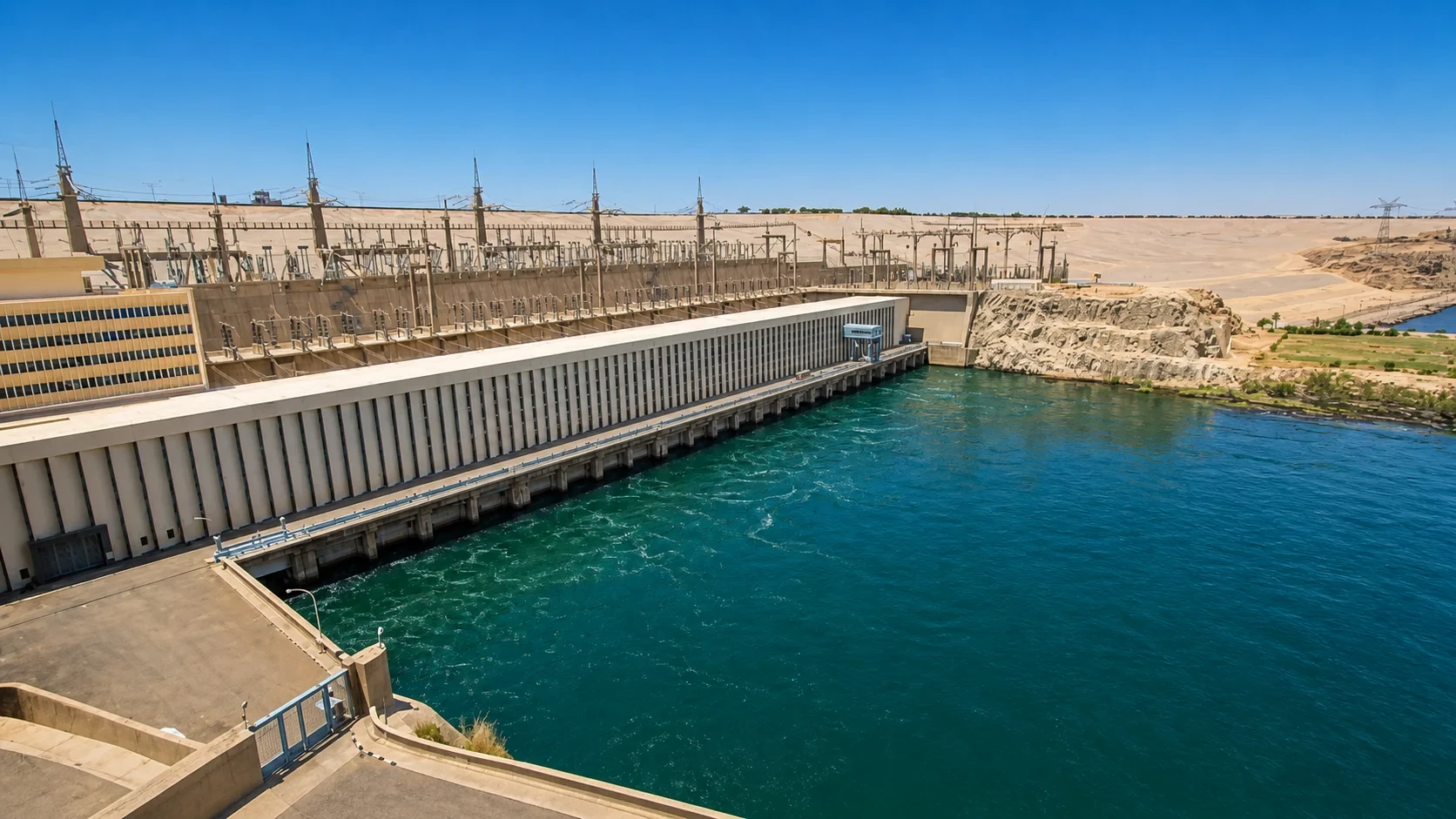
The Unfinished Obelisk is located within the diverse and extraordinarily rich heritage landscape of Aswan, the ancient granite city at the threshold of Nubia that combines ancient and modern monuments with a living Nubian cultural tradition of great warmth and authenticity. The most natural and most frequently combined visits to the Unfinished Obelisk are the Aswan High Dam, just a short drive south, whose construction is directly responsible both for the creation of Lake Nasser and for the UNESCO rescue of the Nubian temples, and the Temple of Isis at Philae, the most romantically situated ancient monument in Egypt, accessible by motorboat across the reservoir waters south of the city.
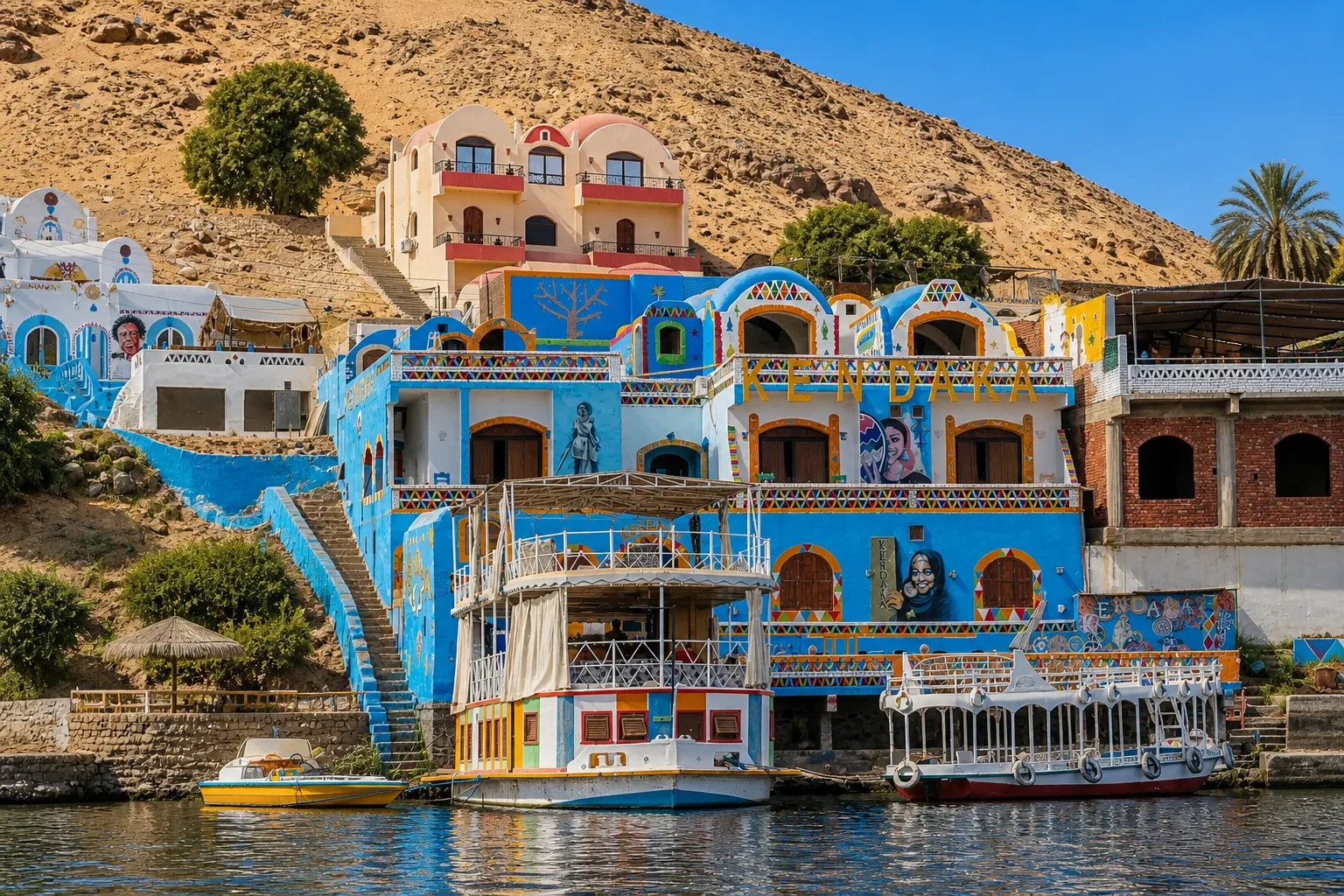
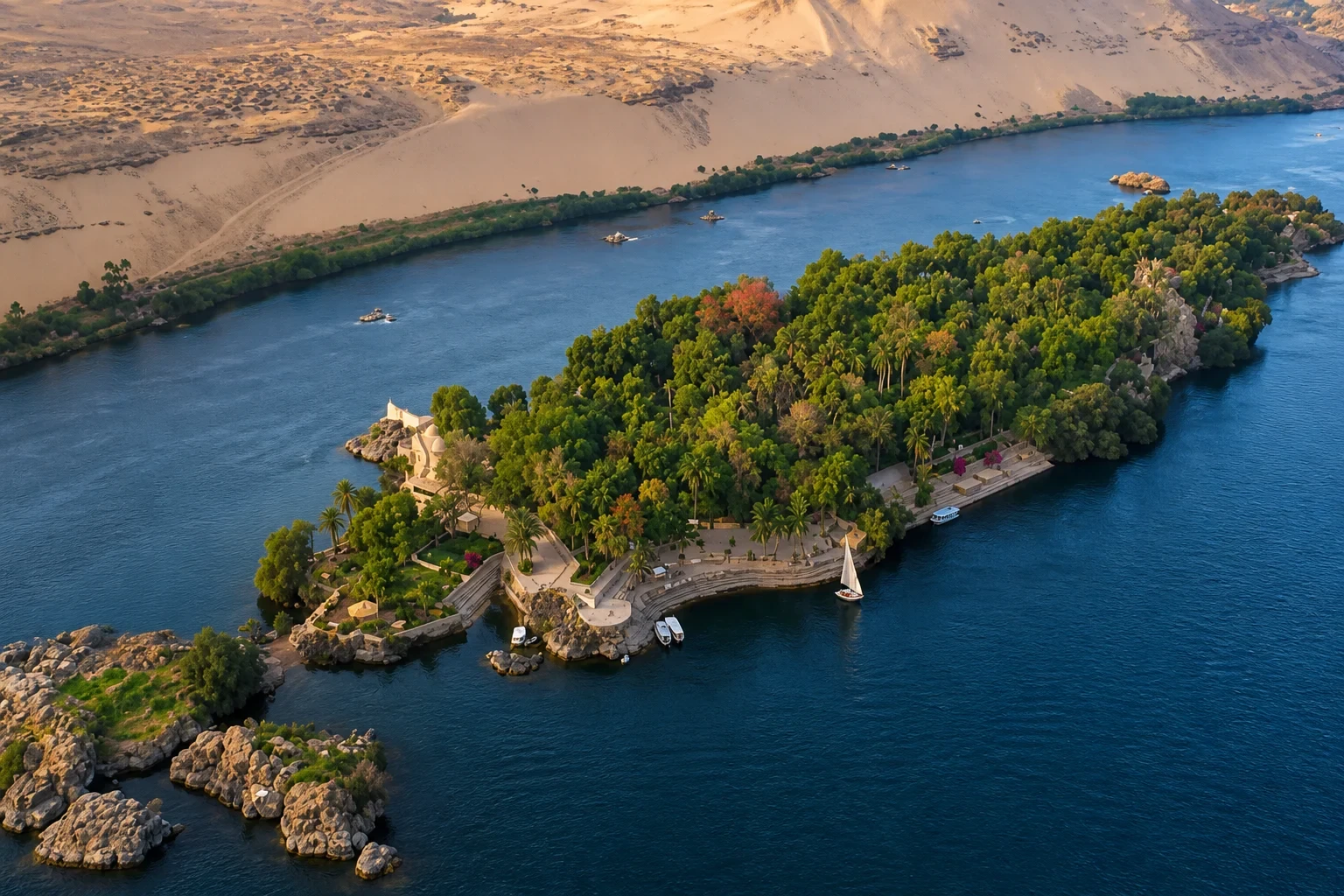
The Nubian Village on the west bank of the Nile or on a Nile island near Aswan provides the most authentic encounter with the living Nubian culture whose ancient homeland was the landscape of Lake Nasser, giving the heritage sites of Aswan a human context of great warmth and immediacy. The ancient temple remains and the archaeological museum of Elephantine Island in the center of the Aswan Nile reach provide fascinating evidence for the long history of the First Cataract settlement from Predynastic times through the Roman Period. The Aswan Botanical Garden on Kitchener's Island offers a beautiful and tranquil green space within the Aswan waterscape.
For travelers looking south toward the extraordinary heritage of Lake Nasser, the Lake Nasser Cruise operated by WOW Egypt Tours provides access to the Temple of Kalabsha, the Temples of Wadi el-Seboua, the Temple of Amada, and the supreme monuments of Abu Simbel, the most famous ancient monuments in Nubia. All these sites are accessible through the Aswan Day Tours, Nile cruise itineraries, Lake Nasser Cruises, and Egypt Tours Packages offered by WOW Egypt Tours.
Frequently Asked Questions About The Unfinished Obelisk
What is the Unfinished Obelisk?
The Unfinished Obelisk is the largest ancient Egyptian obelisk ever attempted, lying in the ancient granite quarries of Aswan exactly where it was abandoned approximately 3,500 years ago when a fatal crack appeared in the granite during the quarrying process. It measures approximately 41.75 meters in length and weighs an estimated 1,168 tonnes, making it significantly larger than any obelisk ever successfully completed and erected in the ancient world. The Unfinished Obelisk is the single most informative surviving evidence for the ancient Egyptian obelisk-quarrying technique and is a featured visit on all Aswan Day Tours, Nile River Cruises, Lake Nasser Cruises, and Egypt Tours Packages offered by WOW Egypt Tours.
Who ordered the Unfinished Obelisk to be made?
The Unfinished Obelisk is believed to have been commissioned by Queen Hatshepsut, one of the greatest builders of the New Kingdom and one of the very few women who ruled Egypt as a full pharaoh, whose reign is dated to approximately 1479 BCE to 1458 BCE. Hatshepsut was responsible for the standing obelisks at Karnak Temple in Luxor, and the Unfinished Obelisk was most likely intended to complement or replace one of her existing Karnak obelisks.
Why was the Unfinished Obelisk abandoned?
The Unfinished Obelisk was abandoned because a fatal crack appeared in the granite during the quarrying process, making completion of the project structurally impossible. The crack, still clearly visible in the upper section of the monument, runs diagonally through the stone at an angle that would have caused the obelisk to fracture under its own weight during the final undercutting or transportation process. The project was abandoned at the point at which this crack was discovered, with the tools left in place and the monument remaining embedded in the parent bedrock.
How was the Unfinished Obelisk being cut?
The Unfinished Obelisk was being cut using the ancient Egyptian dolerite pounder technique, in which hard balls of dolerite stone harder than the surrounding granite were used as grinding and hammering implements to cut channels around the obelisk outline in the quarry floor. The cutting channels around the Unfinished Obelisk still bear the grinding marks of these dolerite pounders, and numerous actual dolerite balls have been found in and around the quarry site.
How big is the Unfinished Obelisk?
The Unfinished Obelisk measures approximately 41.75 meters (approximately 137 feet) in length and is estimated to weigh approximately 1,168 tonnes. If completed and erected, it would have been the largest ancient Egyptian obelisk in history, approximately 30 percent taller than the largest successfully erected obelisk (the Lateran Obelisk in Rome at approximately 32 meters).
What are the cutting channels around the Unfinished Obelisk?
The cutting channels are the deep trenches cut into the surrounding bedrock on all sides of the Unfinished Obelisk to separate it from the parent rock. They were cut by quarrymen using dolerite pounders and measure approximately 60 to 75 centimeters wide, sufficient for a worker to crouch or kneel inside while working. The floors and walls of the channels still bear the original grinding marks of the ancient dolerite pounders with extraordinary clarity.
What are the dolerite pounders?
Dolerite pounders are rounded balls of hard dark igneous rock (dolerite) that the ancient Egyptian quarrymen used as grinding and hammering tools to cut the granite. Dolerite is harder than the surrounding granite, making it effective for grinding away the softer rock. Thousands of dolerite pounders have been found in the Aswan quarry area, and several are still visible in situ in the cutting channels around the Unfinished Obelisk.
What are the opening hours of the Unfinished Obelisk?
The Unfinished Obelisk quarry site is open daily from 6:00 AM to 5:00 PM from October to April, and from 6:00 AM to 6:00 PM from May to September.
How much does it cost to enter the Unfinished Obelisk?
The entrance fee is EGP 220 for adults and EGP 110 for students. Entrance fees are included in all Aswan Day Tours, Egypt Tours Packages, and Nile River Cruise programmes booked through WOW Egypt Tours.
How long does it take to visit the Unfinished Obelisk?
Most visitors spend 30 to 45 minutes at the Unfinished Obelisk for a complete walk around the quarry perimeter, examination of the cutting channels and dolerite pounders, and a visit to the on-site visitor center. Those with a deeper interest in the quarrying technology may allow up to one hour.
What is the best time of year to visit the Unfinished Obelisk?
October to April is the most comfortable period, with moderate temperatures. Summer visits are possible but require very early morning timing due to the intense heat of the open granite quarry.
How do I get to the Unfinished Obelisk?
The Unfinished Obelisk is located approximately 2 to 3 kilometers south of the Aswan city center and is reached by private vehicle in approximately 10 to 15 minutes. All Aswan Day Tours and Nile River Cruise programmes with WOW Egypt Tours include private transportation directly to the site.
Is a guide necessary at the Unfinished Obelisk?
A guide is strongly recommended. The explanation of the dolerite pounder quarrying technique, the historical attribution to Hatshepsut's building programme, the identification of the fatal crack, and the comparison with the completed obelisks of the same period are all greatly enriched by expert guidance. WOW Egypt Tours provides licensed Egyptologist guides on all Aswan Day Tours and Nile Cruise programmes.
Can I take photographs at the Unfinished Obelisk?
Photography with a standard camera or smartphone is permitted throughout the site with no restrictions. The raking light of early morning or late afternoon is best for revealing the texture of the ancient tool marks in the granite surfaces. Professional filming requires a separate permit.
What should I wear to visit the Unfinished Obelisk?
Lightweight clothing covering the shoulders and knees, a wide-brimmed hat, generous sunscreen, comfortable closed-toe walking shoes, and substantial water. The open granite quarry provides very little shade and can be intensely hot in the warmer months.
What other sites in Aswan can I combine with the Unfinished Obelisk?
The Unfinished Obelisk is most commonly combined in the standard Aswan highlights programme with the Aswan High Dam and the Temple of Isis at Philae. A full Aswan day tour adds the Nubian Village, Elephantine Island, and optionally the Aswan Botanical Garden.
What Nile cruise options include the Unfinished Obelisk?
All WOW Egypt Tours Nile River Cruises, including Luxor Aswan Nile River Cruises, Dahabiya Nile River Cruises, and Lake Nasser Cruises, include a guided visit to the Unfinished Obelisk as part of the standard Aswan highlights programme. All cruises are available as part of WOW Egypt Tours Egypt Tours Packages and Egypt Travel Packages.
How do I book an Unfinished Obelisk tour with WOW Egypt Tours?
You can book any Unfinished Obelisk visit as part of an Aswan Day Tour, Aswan Highlights Tour, Dahabiya Nile River Cruise, Luxor Aswan Nile River Cruise, Lake Nasser Cruise, Egypt Tours Package, or Egypt Travel Package directly through WOW Egypt Tours. Our team of travel specialists will arrange everything from private transportation and licensed Egyptologist guides to hotel pick-up and entrance fees, ensuring a seamless and unforgettable experience of the Unfinished Obelisk and all the wonders of ancient Aswan and the Upper Egyptian Nile Valley.