
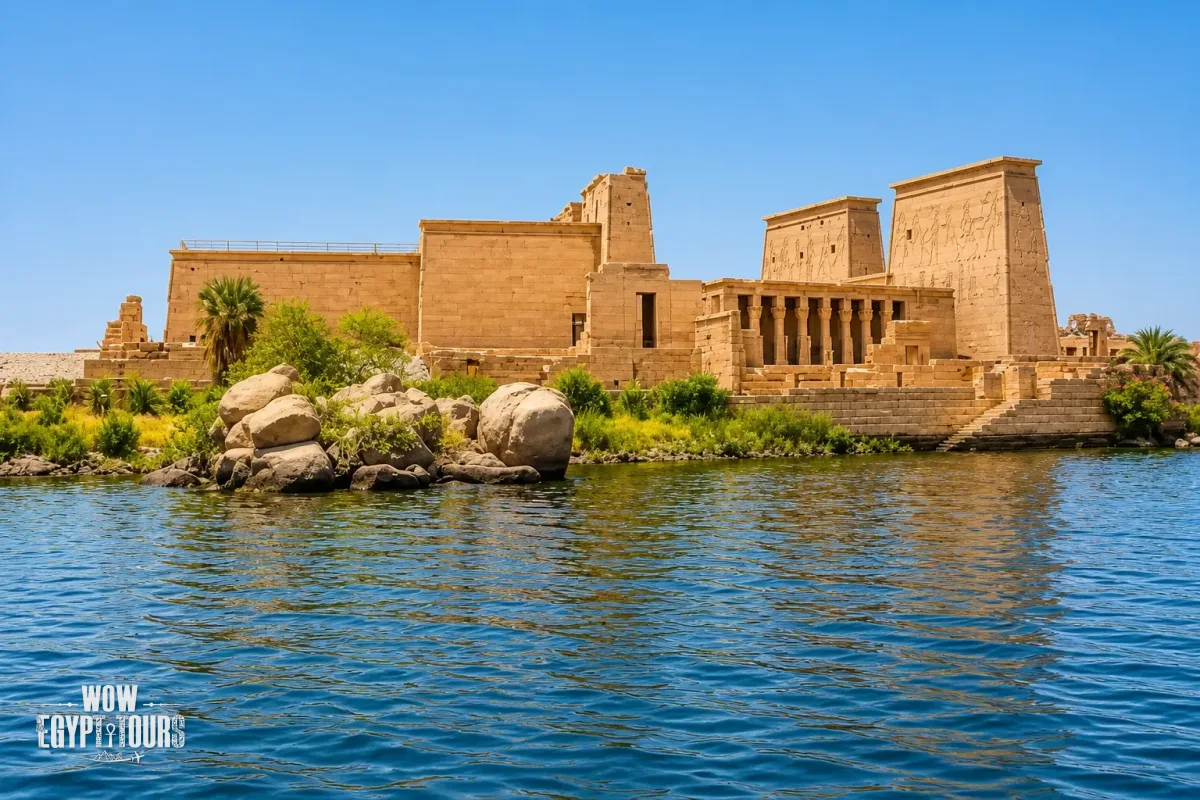

The Temple of Philae is the most romantically situated and most hauntingly beautiful ancient monument in all of Egypt, a sacred island sanctuary rising from the blue waters of the Nile at the threshold of Nubia that has captivated every traveler who has approached it by boat since the earliest days of tourism in the ancient world. Located on the island of Agilkia within the reservoir created by the old Aswan Dam, just south of the city of Aswan in Upper Egypt and reached exclusively by short motorboat journey across the shimmering waters of the Nile, the Temple of Isis at Philae is the supreme example of Ptolemaic island temple architecture and the monument that most directly embodies the ancient Egyptian tradition of the divine island rising from the primordial waters of creation as the first act of the cosmic genesis. This extraordinary landmark sits at the heart of some of Egypt's greatest travel experiences, including Aswan Day Tours, Philae Temple Tours, Dahabiya Nile River Cruises, Luxor Aswan Nile River Cruises, and Lake Nasser Cruises, all of which WOW Egypt Tours proudly offers to travelers from around the world. The Temple of Isis at Philae is also a highlight of Egypt Tours Packages and Egypt Travel Packages, making it one of the most visited and most emotionally resonant ancient sites in all of Egypt.
Built primarily during the Ptolemaic Period between approximately 280 BCE and 47 BCE, with substantial additions during the Roman Period through to the reign of Diocletian at the end of the 3rd century CE, the Philae Temple Egypt is dedicated to Isis, the great mother goddess, the divine wife, and the supreme magician of the ancient Egyptian pantheon, whose mythology of devotion, resurrection, and maternal love made her the most universally beloved goddess not only in Egypt but throughout the entire ancient Mediterranean world. The Temple of Philae is also remarkable as the site where the last inscription in the ancient Egyptian hieroglyphic script was carved in 394 CE and where the last ancient Egyptian demotic inscription was created in 452 CE, making the Philae Temple the final chapter in the three-thousand-year story of ancient Egyptian sacred writing. Visiting the Temple of Philae is therefore not only a visit to a magnificent ancient temple; it is an encounter with both the beginning and the end of ancient Egyptian civilization in a single sacred island setting of incomparable beauty.
The Temple of Isis at Philae owes its survival above all to one of the greatest conservation operations in the history of heritage preservation: the UNESCO-coordinated relocation of the entire temple complex from its original island of Philae, submerged by the construction of the Aswan High Dam, to the neighboring island of Agilkia between 1972 and 1980, where it was meticulously reassembled block by block on a landscape specially sculpted to match the original topography of Philae Island. This extraordinary act of international cooperation saved one of the most beloved ancient monuments in the world from permanent submersion and gave the temple a new home on an island setting barely distinguishable from the original, preserving for future generations the incomparable experience of approaching the Temple of Isis across open water as the ancient pilgrims once approached it.

Who Built The Temple Of Philae In Egypt?
The Temple of Philae was built primarily by the Ptolemaic rulers of Egypt, the Greek dynasty established by Ptolemy I Soter following the death of Alexander the Great in 323 BCE, with significant additions by the Roman emperors who succeeded them. The earliest Ptolemaic construction on Philae Island dates to the reign of Ptolemy II Philadelphus around 280 BCE, when the first substantial temple buildings were erected on the sacred island, though earlier monuments including a small kiosk of Nectanebo I of the 30th Dynasty, built around 380 BCE, predate the main Ptolemaic building programme and are among the earliest surviving structures on the island. The main temple of Isis, the central and most elaborate structure on Philae Island, was built and decorated primarily under Ptolemy III Euergetes I, Ptolemy IV Philopator, Ptolemy V Epiphanes, Ptolemy VI Philometor, and Ptolemy VIII Euergetes II, with continued additions by Ptolemy XII Auletes, the father of Cleopatra VII.
The Roman emperors made substantial contributions to the Philae complex, particularly to the outer courts and entrance colonnades. Augustus, Tiberius, Claudius, Nero, Domitian, Trajan, Hadrian, Antoninus Pius, Marcus Aurelius, Commodus, Septimius Severus, Caracalla, and Diocletian all left their names and images on the walls of the Philae complex, making it one of the most extensively annotated Roman-period religious buildings in Egypt. The famous Kiosk of Trajan, a beautiful open colonnaded pavilion that has become the most photographed single structure at the Philae complex, was built by the Roman emperor Trajan around 100 CE and is one of the finest examples of Roman period temple architecture in Egypt. The final Ptolemaic and Roman builders of the Philae Temple were among the last patrons of the ancient Egyptian temple building tradition in its entirety.
Who Was Isis?
Isis was the most beloved, most widely worshipped, and most theologically complex goddess in the entire ancient Egyptian religious tradition, and by the time of the Ptolemaic Period she had become one of the most important divine figures in the entire ancient Mediterranean world. Isis was the divine wife of Osiris and the mother of Horus, the two central divine relationships in the Egyptian mythological tradition. Her mythology, one of the most emotionally powerful divine narratives of the ancient world, tells of her devoted search for the scattered body parts of her murdered husband Osiris, her miraculous conception of Horus while temporarily reviving the dead Osiris through her magical power, her raising of the infant Horus in the papyrus swamps of the Delta in hiding from the evil god Seth, and her ultimate triumph when her son Horus defeated Seth and restored divine order to the world.
Isis was venerated as the supreme magician of the gods, the mistress of all magic, whose power could heal the sick, protect the living, and resurrect the dead. She was the divine mother par excellence, whose image nursing the infant Horus on her lap is one of the most enduring and most widely reproduced images in the history of art, appearing in ancient Egyptian tomb chapels, on temple walls, as small bronze votive statues, and ultimately as the probable iconographic prototype for the Christian image of the Madonna and Child. At Philae, Isis was venerated in her most complete and most elevated theological form as the Lady of Philae, the mistress of the sacred island at the threshold of Nubia that the ancient Egyptians called the Abaton, the inaccessible holy place where the tomb of Osiris was believed to be located.
Philae Temple Location In Egypt
The Temple of Philae is located on the island of Agilkia within the reservoir of the old Aswan Dam, approximately 8 kilometers south of the city of Aswan in Upper Egypt and approximately 550 kilometers south of Cairo. The island of Agilkia, on which the temple was reassembled after its rescue from the original Philae Island, sits in the narrow stretch of the Nile between the old Aswan Dam and the Aswan High Dam, surrounded by the black granite boulders and blue water of the First Cataract that made this section of the Nile one of the most visually dramatic landscapes in all of Egypt. The temple is accessible only by motorboat from the dedicated embarkation point on the Aswan waterfront or from the landing near the old dam, a short journey across the water that approaches the island with its towering temple buildings reflected in the Nile below, creating one of the most dramatically beautiful arrival experiences of any ancient monument in the world. WOW Egypt Tours provides private motorboat transfers to the Temple of Philae on all Aswan Day Tours, Egypt Tours Packages, and Nile River Cruise itineraries that include the site.
Philae Temple Fun Facts
The Temple of Isis at Philae is the only ancient Egyptian temple in existence that was entirely dismantled and reassembled on a different island from its original location, as part of the UNESCO International Campaign to Save the Monuments of Nubia between 1972 and 1980. The rescue operation involved the dismantling of approximately 45,000 blocks of stone from their original positions on Philae Island, the transportation of each block by boat to the neighboring island of Agilkia, and the meticulous reassembly of the entire complex in its original arrangement on a landscape whose topography was specially sculpted to match the original Philae Island, with the surrounding granite boulders repositioned to recreate the visual environment of the original sacred island as closely as possible.
The Temple of Philae was the last ancient Egyptian temple in active religious use, with the traditional cult of Isis at Philae continuing to be practiced by the priests of the island and by Nubian pilgrims from beyond the Egyptian border until the reign of the Emperor Justinian in approximately 550 CE, when the Byzantine authorities finally closed the temple and expelled its priests. The last inscription in the ancient Egyptian hieroglyphic script, carved at Philae on 24 August 394 CE, and the last ancient Egyptian demotic inscription, also at Philae in 452 CE, make the Philae Temple the final point in the three-thousand-year history of ancient Egyptian sacred writing, giving it a unique and poignant historical significance as the end of an extraordinary tradition.
The famous evening Sound and Light Show at the Temple of Philae, held most evenings at the sacred island complex, is widely regarded as the most beautiful and most atmospheric Sound and Light Show in all of Egypt, taking advantage of the unique island setting and the reflections of the illuminated temple buildings in the surrounding water to create a visual experience of extraordinary romance and dramatic power.
Why Is The Philae Temple Called By This Name In Egypt?
The name Philae is the ancient Greek form of the ancient Egyptian name Pilak or Pilakh, meaning the end or the boundary, a reference to the island's position at the southernmost navigable point of the Nile within Egypt proper, at the threshold of the First Cataract where the river became impassable for boats and where the land of Egypt ended and the land of Nubia began. The ancient Egyptian name Pilak therefore expressed both a geographical reality, the island's position at the edge of Egypt, and a theological concept, the idea that Philae was situated at the boundary between the world of the living and the sacred landscape of the divine south, at the threshold of the most mysterious and most spiritually charged region of the ancient Egyptian cosmos. The Coptic name for the island was Pilak, preserving the ancient Egyptian form directly, and the modern Arabic name El-Birba, sometimes used for the site, means the temple or the ancient building, reflecting the medieval Arabic practice of referring to ancient temple structures by a generic architectural term.
Philae Temple History
The history of Philae as a sacred site begins in the Late Period of ancient Egyptian history, around the 7th century BCE, when the island at the threshold of the First Cataract of the Nile began to be venerated as one of the most holy places in Egypt because of its identification with the tomb of Osiris. The ancient Egyptians believed that the tomb of Osiris was located in the First Cataract region, associated with a group of islands in the Nile near the southern boundary of Egypt, and the island of Philae was identified as one of the most sacred of these islands because of its connection with the Osirian burial tradition. The Abaton, the most sacred and most inaccessible of all the islands of the First Cataract, was believed to be the actual resting place of Osiris, and the proximity of Philae to the Abaton gave it a sacred status that attracted royal patronage from the 30th Dynasty onwards.
The earliest surviving structures at Philae date to the reign of Nectanebo I of the 30th Dynasty around 380 BCE, whose small colonnaded kiosk at the southern end of the island is the oldest surviving monument on the Agilkia Island complex today. The main Ptolemaic building programme began under Ptolemy II Philadelphus around 280 BCE and continued under successive Ptolemaic rulers for more than two centuries, creating the magnificent complex of temples, colonnades, and auxiliary buildings that eventually covered the majority of the island's surface. The Roman Period saw continued additions to the complex, with the most celebrated Roman contribution being the beautiful Kiosk of Trajan built around 100 CE. The Philae complex remained in active religious use as the last functioning cult center of the traditional Isis religion until the 6th century CE, outlasting all other ancient Egyptian temples by several centuries.
After the closure of the Isis cult by the Byzantine emperor Justinian around 550 CE, the Philae Temple was converted to a Coptic Christian church, with crosses carved on some of the carved divine relief figures and a church established in the main hypostyle hall of the Isis temple. During the medieval and Ottoman periods, the island was largely abandoned, and when European travelers first reached Philae in the early 19th century they found the temple partially buried in sand and debris but structurally largely intact. The construction of the first Aswan Low Dam in 1902 caused the island and its temples to be submerged for a large part of each year as the reservoir behind the dam filled, creating the famous and poignant spectacle of the temple columns rising from the flood waters that attracted photographers and tourists from around the world in the early 20th century. The construction of the Aswan High Dam in 1971 threatened to submerge the island permanently, prompting the UNESCO International Campaign that rescued the temples between 1972 and 1980 and reassembled them on the neighboring island of Agilkia, where they stand today.
The Story Of Saving The Temple Of Isis At Philae
The story of the rescue of the Philae Temple from the rising waters of the Aswan High Dam reservoir is one of the most dramatic and most inspiring stories in the history of international heritage conservation, a testament to what the world community can achieve when it decides that a monument of extraordinary beauty and historical significance is too important to be lost. When the Egyptian government announced in the late 1950s that the construction of the Aswan High Dam would permanently submerge both the island of Philae and the temples upon it, UNESCO launched one of the most ambitious heritage rescue operations ever attempted, the International Campaign to Save the Monuments of Nubia, which over the following two decades successfully relocated the Abu Simbel temples, the Philae temples, and numerous other Nubian monuments threatened by the rising waters of Lake Nasser.
The Philae rescue operation, conducted between 1972 and 1980 by an international engineering consortium with funding from 30 different countries, involved first the construction of a cofferdam around the island of Philae to lower the water level around the temple, then the systematic dismantling of approximately 45,000 individual stone blocks from the temple walls, floors, columns, and ceilings, the careful numbering and cataloguing of each block, the transportation of every block by boat to the neighboring island of Agilkia, and the meticulous reconstruction of the entire temple complex on the new island according to the original architectural plans. The topography of Agilkia Island was specially reshaped to match that of the original Philae Island as closely as possible, with the existing granite boulders repositioned and new plantings established to recreate the visual environment of the sacred original. When the cofferdam around Philae was opened in 1980 and the rescue island of Agilkia was formally inaugurated as the new home of the Philae temples, the result was a monument so faithfully recreated in its original context that most visitors today cannot detect that the temple does not stand on its original island or in its original position. The UNESCO rescue of the Philae Temple remains the most complete and most successful ancient monument relocation operation in the history of heritage conservation.
Philae Temple Architecture And Key Features
The Kiosk Of Nectanebo I
The earliest surviving monument on the island complex of Agilkia is the small colonnaded kiosk built by Pharaoh Nectanebo I of the 30th Dynasty around 380 BCE, located at the southern tip of the island as the first structure encountered by visitors approaching by boat from the south. The Nectanebo kiosk consists of a rectangular enclosure with 14 Hathor-headed columns connected by screen walls, though most of the original screen walls are now missing or fragmentary. The kiosk stands as both the earliest monument on the island and as a beautiful example of the decorative architectural style of the late 30th Dynasty that immediately preceded the Ptolemaic building programme at Philae. Its position at the southern landing point of the island, where ancient boats would have arrived from the direction of Nubia, reflects the importance of the southern approach to the sacred island as the arrival point for Nubian pilgrims coming north to venerate the goddess Isis at her most important sanctuary.
The Great Outer Colonnade
Visitors to the Philae Temple complex enter the main precinct through the great outer courtyard, defined on two sides by the famous Western and Eastern Colonnades, two long rows of columns that create a processional approach to the entrance pylon of the main Isis temple. The western colonnade, the more complete and more impressive of the two, consists of 16 columns with elaborately carved composite capitals supporting a decorated entablature with a carved winged sun disk frieze. The columns and entablature of the western colonnade are decorated with carved relief scenes of Ptolemaic and Roman rulers making offerings before Isis and other deities, and the internal walls of the colonnade rooms between the columns and the outer enclosure wall are covered with a rich programme of Ptolemaic decoration. Walking along the western colonnade from the Nectanebo kiosk toward the entrance pylon of the main Isis temple, with the blue water of the Nile visible through the columns on one side and the decorated walls of the colonnade rooms on the other, is one of the most atmospheric approaches to any ancient Egyptian sacred space available anywhere in Egypt.
The First Pylon And Entrance Gate
The main entrance to the Temple of Isis at Philae is through the First Pylon, a massive gateway tower rising approximately 18 meters above the entrance court and decorated on its outer faces with large-scale carved reliefs showing Ptolemy XII Auletes in the act of smiting his enemies before the goddess Isis, in the standard image of royal triumph and divine protection that appears on temple pylons throughout the pharaonic period. The two towers of the First Pylon are decorated with incised relief scenes showing the pharaoh offering to Isis and other Philae deities, and the upper sections bear cartouches of Ptolemy XII with columns of hieroglyphic inscriptions identifying the divine recipients of the royal offerings. Flanking the entrance gateway through the pylon, two granite lion statues guard the threshold, and the remains of the original granite colossi that once stood against the pylon towers can be seen in the court beyond. The First Pylon provides the most dramatic single architectural moment at the Philae complex, the transition from the open sky of the approach court to the sacred enclosed space of the temple forecourt beyond.
The Birth House Or Mammisi
Opening off the court between the First and Second Pylons, on the western side of the main axis, is the well-preserved birth house or mammisi of the Philae complex, a small Ptolemaic chapel dedicated to the celebration of the divine birth of Horus, the child of Isis and Osiris. The Philae mammisi is one of the finest examples of its type in Egypt, with a beautifully preserved colonnaded exterior walkway featuring the distinctive Bes and Hathor figure capitals characteristic of the mammisi architectural type throughout the Ptolemaic Period. The interior walls of the birth house are decorated with scenes of the divine birth sequence showing the miraculous conception, gestation, and delivery of the infant Horus by his divine mother Isis, providing one of the most complete surviving visual narratives of the Osirian birth myth in any ancient Egyptian sacred building. The mammisi at Philae was one of the primary destinations for women seeking divine assistance with fertility and childbirth, and the votive objects and inscribed petitions left by ancient pilgrims seeking Isis's help at this chapel reflect the deeply personal and emotionally intimate character of the Isis cult at Philae.
The Second Pylon And Hypostyle Hall
The Second Pylon of the Philae Temple is somewhat smaller than the First but equally impressive, its towers decorated with carved relief scenes of Euergetes II and other Ptolemaic rulers offering to Isis. The entrance gateway through the Second Pylon leads into the main hypostyle hall of the Isis temple, a colonnaded space of six columns with elaborately carved composite capitals that serves as the primary decorated interior space of the main temple. The walls and ceiling of the hypostyle hall are covered with carved and painted relief scenes showing the Ptolemaic and Roman rulers performing offerings and rituals before the divine family of Philae, and the ceiling retains significant areas of original painted astronomical decoration including detailed star maps and divine barque scenes. The southern wall of the hypostyle hall preserves one of the most historically significant individual inscriptions at Philae: the famous Decree of Canopus, a trilingual royal decree of Ptolemy III issued in 238 BCE, one of the bilingual and trilingual Ptolemaic decrees that were crucial in the decipherment of the ancient Egyptian hieroglyphic script in the early 19th century.
The Inner Sanctuary And Surrounding Chapels
Beyond the hypostyle hall, the Temple of Isis at Philae continues through a series of vestibules and antechambers to the innermost sanctuary of Isis, the Holy of Holies where the sacred image of the goddess was kept in her portable shrine and where the daily cult rituals were performed by the Philae priesthood. The walls of the inner sanctuary are decorated with scenes of the most sacred ritual programme of the Isis cult, including the daily offering cycle, the ritual adornment of the divine statue, and scenes of Osirian resurrection mythology that reflect the deep theological connection between Philae and the sacred tradition of Osirian death and revival. Around the main sanctuary, a series of small subsidiary chapels are dedicated to specific aspects of the Isis theology and to associated deities including Osiris, Horus, and Hathor, creating a complete divine world within the innermost precincts of the island temple.
The Chapel Of Osiris
At the top of the main Isis temple, accessible by a staircase from the inner sanctuary area, a series of rooftop rooms and corridors are dedicated to the Osirian mysteries, the most sacred rituals of the Philae complex. The rooftop Osiris chapel preserves some of the most intimate and theologically significant carved relief scenes at Philae, depicting the gathering of the body parts of Osiris by Isis, the wrapping and resurrection of the divine mummy, and the magical conception of Horus by the widowed Isis. These rooftop rooms, some of the most rarely visited spaces in the Philae complex, contain decoration of extraordinary quality and theological depth that rewards the effort of ascending the narrow staircase from the main sanctuary area.
The Kiosk Of Trajan
The most immediately recognizable and most widely photographed individual structure in the entire Philae complex is the beautiful Kiosk of Trajan, a graceful open colonnaded pavilion built by the Roman emperor Trajan around 100 CE and positioned at the eastern waterfront of the island where it is the first structure visible to visitors approaching by boat from the east. The kiosk consists of 14 columns arranged in a rectangular plan, each column bearing an elaborate composite capital combining lotus, papyrus, and floral elements, connected at their bases by intercolumnar screen walls and supporting above them the remains of a carved stone entablature. The kiosk was originally designed to house a portable divine shrine or barque, and its elegant proportions and open design make it one of the most beautiful examples of Roman-period Egyptian temple architecture in existence. The Kiosk of Trajan appears in virtually every photograph of the Philae complex and has become one of the most iconic images of ancient Egyptian architecture in the world, its graceful columns perfectly reflected in the surrounding water on calm days to create one of the most photographically celebrated compositions in Egyptian cultural tourism.
The Temple Of Hathor
On the eastern side of the main axis of the Philae complex, the small Temple of Hathor provides a subsidiary sanctuary for the goddess of love and music who was closely associated with Isis in the Ptolemaic theological tradition. The Hathor temple at Philae is notable for its carved reliefs depicting musicians and divine beings playing various instruments before the goddess, including scenes of Bes the dwarf deity playing the harp and of divine musicians playing the sistrum rattle that was the primary sacred instrument of the Hathor cult. These musical relief scenes give the Hathor temple at Philae a distinctive and immediately joyful character that contrasts beautifully with the more solemn Osirian mythology of the main Isis temple, reflecting the theological balance between the grieving divine wife and the life-affirming divine mother within the sacred world of the Philae island.
Why Is The Temple Of Philae Important?
The Temple of Isis at Philae is important for a combination of historical, artistic, theological, and conservation reasons that together make it one of the most significant ancient monuments in Egypt. Historically, it is the site of the last ancient Egyptian hieroglyphic inscription, the last demotic inscription, and the last functioning ancient Egyptian temple cult, making it the literal final chapter in the three-thousand-year story of pharaonic civilization. The Philae Temple represents not the beginning of the ancient Egyptian world, as the Pyramids of Giza do, but its end: the point at which the extraordinary tradition of pharaonic sacred art, divine worship, and hieroglyphic writing finally concluded.
Architecturally, the Philae complex is the finest surviving example of a complete Ptolemaic and Roman sacred island complex, with its main temple, birth house, subsidiary temples, outer colonnades, entrance pylons, and waterfront kiosk all preserved within a single magnificent island setting that gives the complete precinct a spatial coherence and an architectural beauty that exceeds that of any other Ptolemaic complex in Egypt. The conservation story of the Philae rescue is itself of global importance, representing the most successful and most complete ancient monument relocation in the history of heritage preservation and establishing the precedent and the methodology for all subsequent international heritage rescue operations. WOW Egypt Tours includes the Temple of Isis at Philae as a featured destination on all Aswan Day Tours, Nile River Cruise itineraries, and Lake Nasser Cruise embarkation programmes.
What Are Some Interesting Facts About The Philae Temple?
The Last Hieroglyphs In The World
The Temple of Isis at Philae holds the remarkable distinction of being the site where the last inscription in the ancient Egyptian hieroglyphic script was carved. On the 24th of August 394 CE, a priest named Nesmeterakhem carved a votive inscription at Philae in the hieroglyphic script, recording an offering made to Isis in the traditional manner of the ancient pharaonic tradition. This inscription, small and relatively informal compared to the great royal dedications on the temple walls, marks the literal end of the three-thousand-year tradition of hieroglyphic writing that began with the earliest royal inscriptions of the 1st Dynasty. A second inscription at Philae, in the demotic script, was carved in 452 CE, making Philae also the site of the last demotic inscription in the world. After these final inscriptions, the ancient Egyptian writing traditions ceased entirely, their meaning lost to the world until the decipherment of the Rosetta Stone in 1822 by Jean-Francois Champollion.
The Rescue Of Philae And The UNESCO Campaign
The international rescue of the Philae Temple between 1972 and 1980 was the most ambitious and most complete ancient monument conservation operation in the history of the world, involving the dismantling and reassembly of approximately 45,000 stone blocks from their original island to a new island specially prepared to receive them. The campaign was funded by contributions from 30 different countries and was the second major operation of the UNESCO International Campaign to Save the Monuments of Nubia, following the even more ambitious rescue of the Abu Simbel temples between 1964 and 1968. The success of the Philae rescue established the UNESCO International Campaign as the most significant collective international heritage conservation effort in history and demonstrated that the international community could mobilize sufficient resources and expertise to save monuments of extraordinary importance from apparently inevitable destruction. The story of the Philae rescue is told in detail in the visitor center at the site and in UNESCO publications, and for many visitors it is as moving and as inspiring as the ancient monuments themselves.
Isis And The Universal Goddess
One of the most historically remarkable aspects of the Temple of Isis at Philae is the evidence it provides for the universal spread of the Isis religion throughout the ancient Mediterranean world during the Ptolemaic and Roman periods. The inscriptions at Philae include dedications in Greek, Latin, Meroitic, and Coptic as well as ancient Egyptian, reflecting the extraordinary diversity of the pilgrims who traveled to the sacred island from every corner of the ancient world to seek the help and the blessing of the goddess of love and magic. The Isis cult spread from its Egyptian homeland throughout the Mediterranean, establishing temples and sanctuaries in Rome, Greece, Spain, Britain, and as far as the Danube frontier of the Roman Empire. The Philae Temple, as the principal sanctuary of Isis in Egypt, was the spiritual center of this universal religious movement, and the continued functioning of its cult long after all other ancient Egyptian temples had been closed reflects the extraordinary hold that the worship of Isis maintained on the hearts and minds of people throughout the ancient world.
What Is So Special About The Temple Of Philae?
The Most Romantic Ancient Monument In Egypt
What makes the Temple of Isis at Philae uniquely special among all the ancient monuments of Egypt is the quality of its setting and its approach. No other ancient temple in the Nile Valley is approached by water in the way that Philae is approached, and no other ancient temple creates the same sense of arrival at a sacred island rising from a divine sea that the approach to Philae creates. The boat journey across the reservoir from the landing to the island, with the temple buildings growing larger with each passing minute as the vessel draws closer, and the golden granite boulders of the First Cataract framing the approach on all sides, is one of the most powerfully romantic travel experiences available anywhere in the heritage world. As the boat approaches the western quay of the island and the great outer colonnade comes into clear focus above the waterline, with the Kiosk of Trajan perfectly reflected in the still water to the east, visitors consistently experience a sensation of arrival at a place of extraordinary sacred beauty that lingers in the memory long after the physical details of the temple itself have begun to fade.
The Beginning And The End
The Temple of Isis at Philae is also uniquely special for what it represents in the full arc of the ancient Egyptian story. The pyramids of Giza represent the beginning of that story, the supreme expression of the early pharaonic tradition in its most concentrated and most absolute form. The Philae Temple represents the end: the final temple, the last hieroglyphs, the latest cult, the closing chapter of an extraordinary tradition that lasted more than three thousand years. Standing in the hypostyle hall of the Philae Temple and looking at the carved reliefs of the Ptolemaic rulers, the Roman emperors in their pharaonic regalia, and the Coptic crosses carved over the ancient divine faces, visitors can see in a single sacred space the entire final arc of pharaonic civilization, from its greatest Ptolemaic flowering to its Roman extension to its Christian conclusion, condensed into one island sanctuary of incomparable beauty at the edge of the ancient world.
Philae Temple Through The Ages: From Ancient Egypt To The Present
The history of the Philae Temple after the closure of the Isis cult by Justinian around 550 CE is a story of gradual abandonment, Christian reuse, periodic flooding, and ultimately one of the most dramatic heritage rescues in history. After the expulsion of the Isis priests and the formal closure of the last functioning ancient Egyptian temple, the Philae complex was converted to Coptic Christian use, with the main hypostyle hall transformed into a church and dedicated to Saint Stephen, crosses carved on many of the ancient divine relief figures, and a Coptic settlement established on the island. During the medieval and Ottoman periods, the island was largely abandoned and the temple buildings were gradually submerged in the annual Nile flood deposit, though the granite foundations and the robust Ptolemaic masonry of the upper walls remained substantially intact.
When the first Aswan Low Dam was completed in 1902, the annual impounding of the Nile behind the dam caused the island of Philae and all its monuments to be submerged for several months each year as the reservoir filled. For approximately half of each year, the temple columns and the upper portions of the buildings stood above the water in a melancholy but hauntingly beautiful spectacle that attracted photographers, painters, and romantics from around the world, creating a body of visual documentation that has preserved the image of the partially submerged Philae temples for posterity. When the plans for the Aswan High Dam were announced in the late 1950s, threatening permanent and complete submersion of the island, UNESCO launched the International Campaign that culminated in the successful rescue and reassembly of the entire complex on the neighboring island of Agilkia between 1972 and 1980. Today the reassembled Temple of Isis at Philae on its new island of Agilkia receives hundreds of thousands of visitors per year from every country in the world and is recognized as one of the most beautiful and most historically significant ancient monuments in the entire UNESCO World Heritage system.
Philae Temple UNESCO World Heritage Site
The Temple of Philae is part of the Nubian Monuments from Abu Simbel to Philae UNESCO World Heritage Site, inscribed in 1979, which encompasses the complete collection of ancient Nubian monuments rescued from the rising waters of Lake Nasser during the UNESCO International Campaign to Save the Monuments of Nubia between 1960 and 1980. This World Heritage Site, one of the first ten inscribed on the UNESCO World Heritage List, includes the Abu Simbel temples, the Philae temple complex, and numerous other relocated Nubian temples and monuments preserved at various locations around Lake Nasser, and recognizes the exceptional universal value of these monuments both as outstanding examples of ancient Egyptian and Nubian sacred architecture and as the products of an unprecedented international heritage rescue effort. The UNESCO designation of the Philae Temple complex acknowledges its unique historical significance as the site of the last ancient Egyptian hieroglyphic inscription and as the final functioning ancient Egyptian temple, making it the single monument that most completely represents the end of the three-thousand-year pharaonic tradition.
Best Time To Visit The Philae Temple
The best time to visit the Temple of Isis at Philae is during the cooler months from October through April, when temperatures in the Aswan area are moderate and both the boat journey to the island and the outdoor exploration of the temple complex are comfortable throughout the day. The Aswan area is among the hottest regions of Egypt in summer, with temperatures regularly exceeding 40 degrees Celsius from May to September, making early morning visits to Philae essential during these months. The evening Sound and Light Show at Philae is available most evenings of the year and is particularly recommended during the winter months when the cool evening air and the reflections of the illuminated temple in the surrounding water combine to create one of the most memorable heritage experiences in Egypt. WOW Egypt Tours plans all day tour and Nile cruise visits to the Temple of Isis at Philae at the optimal time of day for the season and the specific itinerary.
Philae Temple Opening Hours
The Temple of Isis at Philae is open to visitors every day of the week, including public holidays. The temple opens at 7:00 AM and closes at 4:00 PM from October to May, and from 7:00 AM to 5:00 PM from June to September. The evening Sound and Light Show is held most evenings, typically starting at sunset, with multiple sessions in different languages on different evenings of the week. The most peaceful and least crowded time to visit the temple is in the early morning immediately after opening, before the main tour groups arrive. WOW Egypt Tours provides current Sound and Light Show schedules as part of the Aswan tour planning process for all guests.
Philae Temple Entrance Fees
Adults: EGP 550
Students: EGP 275
The entrance fee covers access to the complete island complex including the main Isis Temple, the Kiosk of Trajan, the Temple of Hathor, the birth house, and all other accessible structures on the island. The motorboat transfer to and from the island is charged separately and is typically arranged as part of the tour programme. The evening Sound and Light Show has a separate admission fee. All entrance fees to the Philae Temple and motorboat transfers are included in all Aswan Day Tours, Egypt Tours Packages, Nile River Cruise itineraries, and Lake Nasser Cruise embarkation programmes booked through WOW Egypt Tours.
How To Get To The Philae Temple
The Temple of Isis at Philae is accessible only by motorboat from the dedicated embarkation point on the western bank of the Nile, approximately 8 kilometers south of central Aswan, near the old Aswan Low Dam. The journey by motorboat from the embarkation point to the island of Agilkia takes approximately 5 to 10 minutes across the reservoir waters, and return boats are readily available throughout the day from the island landing. Visitors arriving in Aswan by train, by air, or by Nile cruise ship are transported to the Philae embarkation point by private vehicle, from where the boat transfer completes the journey. All motorboat transfers and private vehicle transportation to the Philae embarkation point are included in all Aswan Day Tours, Egypt Tours Packages, Nile River Cruise itineraries, and Lake Nasser Cruise programmes booked through WOW Egypt Tours.
How Long To Spend At The Philae Temple
Most visitors spend between one and two hours at the Temple of Isis at Philae, which is sufficient time to walk through the complete island complex from the Nectanebo kiosk at the southern landing to the Kiosk of Trajan at the eastern waterfront, visiting the main Isis temple in full including the hypostyle hall, the inner sanctuary, and the rooftop Osiris chapels, as well as the birth house, the Temple of Hathor, and the outer colonnades. Visitors with a particular interest in the theological programme of the inner sanctuary, the conservation story of the Philae rescue, or the historical significance of the last hieroglyphs may wish to allow two hours. The Philae Temple is typically combined in Aswan with visits to the Aswan High Dam and the Unfinished Obelisk for a comprehensive half-day Aswan programme, or as one element of a full-day Aswan itinerary that also includes the Nubian Village and the Elephantine Island.
Tips For Visiting The Philae Temple
Arrange your boat transfer in advance through WOW Egypt Tours rather than negotiating independently at the embarkation point, as the organized boat transfer ensures the most convenient and most cost-effective access to the island. Arrive early in the morning before the main tour groups reach the island, as the Philae complex is at its most tranquil and most beautiful in the early morning light. Do not miss the Kiosk of Trajan on the eastern waterfront, which provides one of the most perfectly composed photography subjects in all of ancient Egypt and is most spectacularly photographed in the early morning light with its reflection in the surrounding water. Ask your guide to locate the famous last hieroglyphic inscription of 394 CE, which is one of the most historically poignant individual texts in all of ancient Egyptian epigraphy. A licensed Egyptologist guide from WOW Egypt Tours is strongly recommended: the theological significance of the island's Osirian associations, the conservation story of the UNESCO rescue, and the iconographic programme of the main temple all require expert explanation to be fully appreciated. Attend the evening Sound and Light Show if possible, as it is the most atmospheric Sound and Light Show in Egypt. Do not touch any carved or painted surfaces anywhere in the temple.
What To Wear At The Philae Temple
The Philae Temple is an open-air island complex with significant areas exposed to direct sun, including the outer colonnades, the forecourt between the pylons, and the waterfront areas around the Kiosk of Trajan. Lightweight, breathable clothing covering the shoulders and knees is recommended for both comfort and respect. A wide-brimmed hat and sunscreen are essential for any visit to Philae, as the open water surrounding the island reflects and amplifies the solar heat significantly in the warmer months. Comfortable, flat walking shoes are adequate for the level stone floors within the temple complex, though closed-toe shoes are preferred for the boat transfer and for the uneven surfaces around the island perimeter. For the evening Sound and Light Show, a warm additional layer is strongly recommended in winter as the open-air seating on the island waterfront can be significantly cooler than the daytime temperatures, particularly after dark with the cool air coming off the surrounding water.
Photography At The Philae Temple
The Temple of Isis at Philae is one of the finest photography destinations in all of Egypt, offering an extraordinary combination of architectural grandeur, natural island setting, surrounding water, granite rock formations, and the golden light of the Upper Egyptian sun at multiple times of day. The approach by motorboat, with the island and its temples rising from the water ahead, provides extraordinary wide-angle compositions that cannot be obtained at any other ancient Egyptian temple. The Kiosk of Trajan, perfectly reflected in calm water, is one of the most celebrated photographic subjects in the entire heritage world. The long western colonnade, with the river visible through the columns, offers beautiful perspective compositions in early morning or late afternoon light. Photography with a standard camera or smartphone is permitted throughout the complex. Flash photography is strictly prohibited near all carved and painted surfaces. The evening Sound and Light Show provides the unique opportunity to photograph the illuminated temple buildings reflected in the surrounding water, creating compositions of extraordinary beauty that are unlike anything available at any other ancient site. Professional photography or filming with specialized equipment requires a separate permit from Egypt's Ministry of Tourism and Antiquities.
Philae Temple Tours
Single Attraction Visit: Philae Temple Tour From Aswan
This half-day tour from Aswan visits the Temple of Isis at Philae as a dedicated excursion, including the complete island complex from the Nectanebo kiosk to the Kiosk of Trajan. It is suitable for travelers with a particular interest in the Isis cult, the UNESCO rescue story, Ptolemaic temple architecture, or the romance of the sacred island setting.
What Is Covered
Motorboat transfer to and from the island. Full guided visit of the Philae Temple complex including the Nectanebo kiosk, the outer colonnades, the birth house, the First and Second Pylons, the main Isis Temple hypostyle hall and inner sanctuary, the rooftop Osiris chapels, the Kiosk of Trajan, and the Temple of Hathor.
Duration
Half day from Aswan, approximately 1 to 1.5 hours at the temple plus transfer time.
Includes
Private vehicle from Aswan hotel to the Philae embarkation point, motorboat transfer to and from the island, private licensed Egyptologist guide, and entrance fees. Available for morning and afternoon departures.
Aswan Highlights Day Tour: Philae Temple, Unfinished Obelisk, And Aswan High Dam
This comprehensive half-day or full-day tour from Aswan covers the three most visited and most significant ancient and modern monuments in the immediate Aswan area in a single well-organized programme, combining the sacred beauty of the Temple of Isis at Philae with the geological marvel of the Unfinished Obelisk in its ancient granite quarry and the engineering achievement of the Aswan High Dam.
What Is Covered
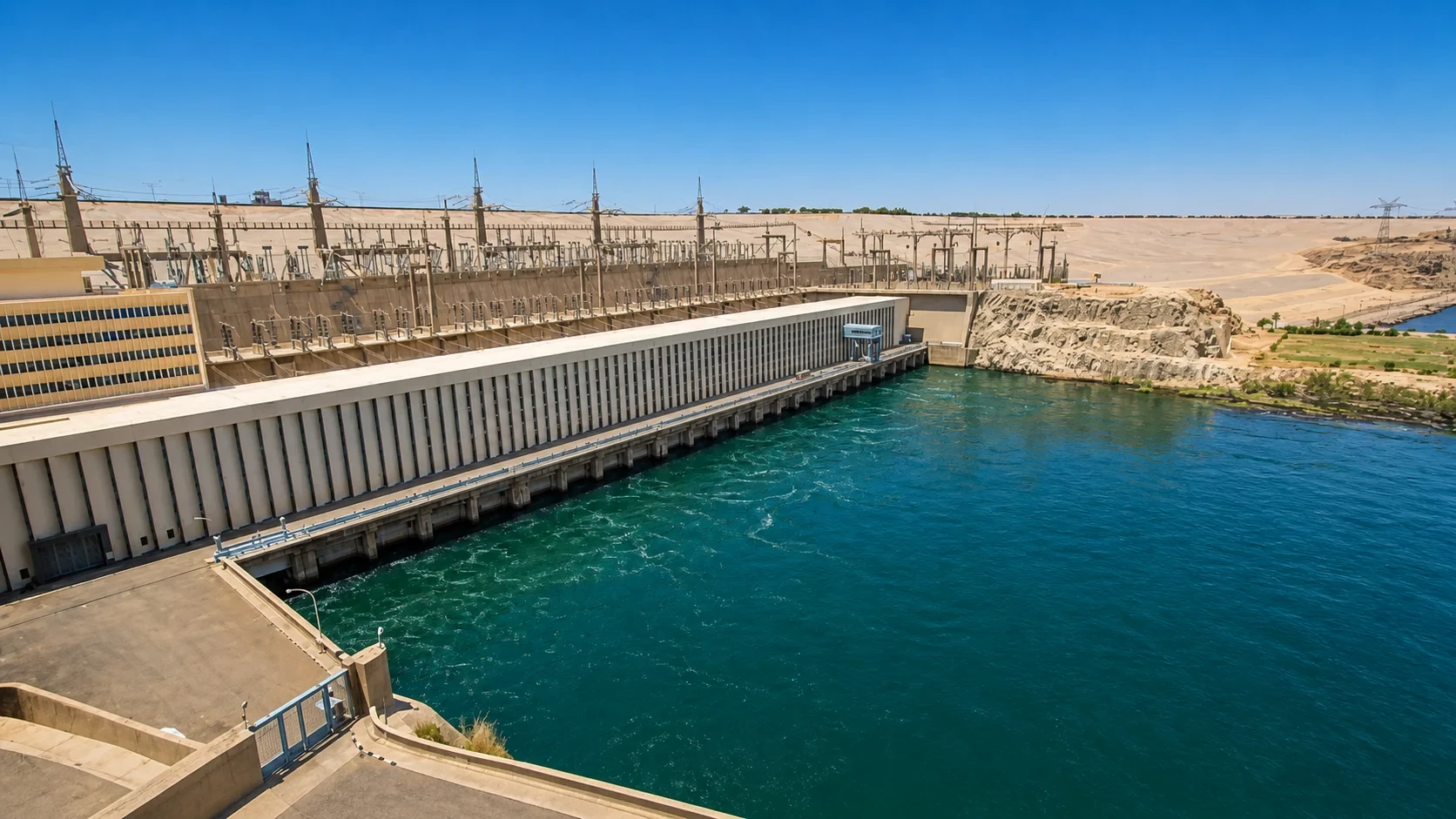
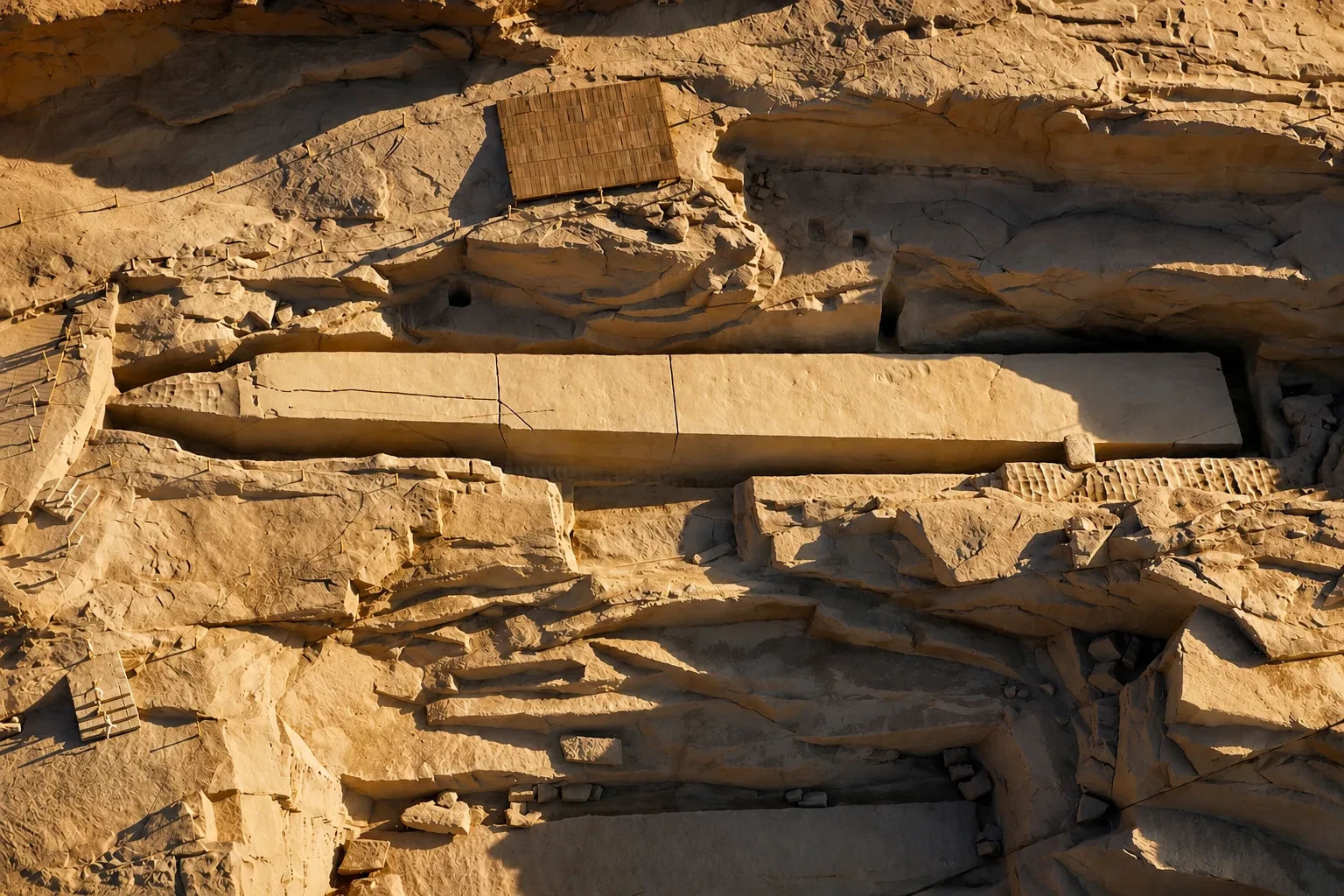
The Unfinished Obelisk in the ancient granite quarries of Aswan, where the largest ancient Egyptian obelisk ever attempted was abandoned in situ when a crack appeared in the granite during cutting, revealing the ancient quarrying techniques of the ancient Egyptians in remarkable detail. The Aswan High Dam, the great modern engineering achievement that controls the Nile flood, provides the electricity for Upper Egypt, and whose reservoir Lake Nasser necessitated the UNESCO rescue of the Nubian temples. The Temple of Isis at Philae with a full guided visit of the complete island complex.
Duration
Half day to full day from Aswan, approximately 30 minutes at the Unfinished Obelisk, 30 minutes at the High Dam viewpoint, and 1 to 1.5 hours at Philae.
Includes
Private air-conditioned transportation from Aswan hotel, motorboat transfer to and from Philae Island, private licensed Egyptologist guide, and entrance fees to all three sites. Available for morning departures.
Philae Temple Evening Sound And Light Show
The evening Sound and Light Show at the Temple of Isis at Philae is the most romantic and most visually spectacular Sound and Light Show in all of Egypt, using the extraordinary island setting and the reflections of the illuminated temple buildings in the surrounding water to create an experience of dramatic beauty that is unlike anything available at the mainland temple shows. The show is held most evenings and runs for approximately one hour.
What Is Covered
Motorboat transfer to and from the island in the evening. Seating in the open-air Sound and Light Show auditorium on the island waterfront. The illuminated show covering the history of Philae, the mythology of Isis and Osiris, the story of the UNESCO rescue, and the sacred traditions of the island, narrated in multiple languages on different evenings of the week.
Duration
Approximately 1 hour for the show, plus boat transfer time and evening transportation from and to Aswan hotel.
Includes
Private vehicle from Aswan hotel to the Philae embarkation point, motorboat transfer to and from the island, Sound and Light Show admission. Available most evenings of the week, with language schedule confirmed at time of booking through WOW Egypt Tours.
Full Aswan Day Tour: Philae Temple, Nubian Village, And Elephantine Island
This full-day tour from Aswan combines the Temple of Isis at Philae with the authentic Nubian cultural experience of visiting a traditional Nubian Village and the ancient and modern heritage of Elephantine Island, creating the most comprehensive single-day Aswan experience available.
What Is Covered
The Temple of Isis at Philae with a full guided visit. A guided visit to a traditional Nubian village on the west bank or on an island in the Nile, with the opportunity to experience the distinctive Nubian architecture, culture, and hospitality. Elephantine Island with its ancient temple remains, archaeological museum, and the Nilometer. Optional: the Aswan Botanical Garden on Kitchener's Island.
Duration
Full day from Aswan, approximately 1 to 1.5 hours at Philae, 1 to 1.5 hours at the Nubian Village, and 1 hour at Elephantine Island.
Includes
Private air-conditioned transportation from Aswan hotel, motorboat transfers for Philae and island visits, private licensed Egyptologist guide, and entrance fees to all included sites. Available for morning departures.
Dahabiya Nile River Cruise
A Dahabiya Nile River Cruise is a small-vessel sailing experience on the Nile between Luxor and Aswan aboard a traditional wooden dahabiya. WOW Egypt Tours operates dahabiya cruises with private cabins, all meals, a private licensed Egyptologist guide on board, and guided shore excursions at every stop. The Temple of Isis at Philae is a featured visit on all Dahabiya itineraries at the Aswan embarkation or disembarkation end of the journey.
4 Days 3 Nights Dahabiya Nile River Cruise From Aswan To Luxor
Route: Aswan to Luxor, sailing north.
Itinerary
Day 1: Embarkation in Aswan. Guided visits to Philae Temple, the Aswan High Dam, and the Unfinished Obelisk. Sail north to Kom Ombo. Guided visit to Kom Ombo Temple and Crocodile Museum. Continue to Gebel el Silsila. Overnight on board.
Day 2: Guided visit to Gebel el Silsila. Sail to the Village of Basaw. Guided visit to Village of Basaw. Continue to Edfu. Guided visit to the Temple of Horus at Edfu. Overnight on board.
Day 3: Sail to El Kab. Guided visit to El Kab Tombs. Sail to El Hagaz Island. Swimming stop. Overnight on board.
Day 4: Sail to Esna. Visit Khnum Temple at Esna. Disembarkation in Esna. Transfer to Luxor, approximately 55 kilometers (35 miles).
Includes
Private cabin, all meals on board, private licensed Egyptologist guide, entrance fees to all site visits including Philae Temple, and private transfers.
5 Days 4 Nights Dahabiya Nile River Cruise From Luxor To Aswan
Route: Luxor to Aswan, sailing south.
Itinerary
Day 1: Embarkation in Luxor. Transfer to Esna, approximately 55 kilometers (35 miles). Visit Khnum Temple at Esna. Sail to El Hagaz Island. Overnight on board.
Day 2: Sail to El Kab. Guided visit to El Kab Tombs. Continue to Edfu. Guided visit to the Temple of Horus at Edfu. Sail to the Village of Basaw. Guided visit to Village of Basaw. Overnight on board.
Day 3: Sail to Gebel el Silsila. Guided visit to Gebel el Silsila. Sail south to Kom Ombo. Guided visit to Kom Ombo Temple and Crocodile Museum. Sail to Daraw Village. Overnight on board.
Day 4: Guided visit to Daraw Village. Sail to Herbiab Island. Swimming stop. Philae Sound and Light Show. Overnight on board.
Day 5: Guided visits to Philae Temple, the Aswan High Dam, and the Unfinished Obelisk. Disembarkation in Aswan.
Includes
Private cabin, all meals on board, private licensed Egyptologist guide, entrance fees to all site visits including Philae Temple, and private transfers.
8 Days 7 Nights Dahabiya Nile River Cruise Round Trip From Luxor (Via Aswan)
Route: Luxor and Aswan, sailing north and south.
Itinerary
Day 1: Embarkation in Luxor. Transfer to Esna, approximately 55 kilometers (35 miles). Visit Khnum Temple at Esna. Sail to El Hagaz Island. Overnight on board.
Day 2: Sail to El Kab. Continue to Edfu. Guided visit to the Temple of Horus at Edfu. Sail to the Village of Basaw. Guided visit to Village of Basaw. Overnight on board.
Day 3: Sail to Gebel el Silsila. Sail south to Kom Ombo. Guided visit to Kom Ombo Temple and Crocodile Museum. Sail to Daraw Village. Overnight on board.
Day 4: Guided visit to Daraw Village. Sail to Herbiab Island. Swimming stop. Philae Sound and Light Show. Overnight on board.
Day 5: Guided visits to Philae Temple, the Aswan High Dam, and the Unfinished Obelisk. Sail north to Kom Ombo. Continue to Gebel el Silsila. Overnight on board.
Day 6: Guided visit to Gebel el Silsila. Sail to the Village of Basaw. Continue to Edfu. Guided visit to the Temple of Horus at Edfu. Overnight on board.
Day 7: Sail to El Kab. Guided visit to El Kab Tombs. Sail to El Hagaz Island. Swimming stop. Overnight on board.
Day 8: Disembarkation in Esna. Transfer to Luxor, approximately 55 kilometers (35 miles).
Includes
Private cabin, all meals on board, private licensed Egyptologist guide, entrance fees to all site visits including Philae Temple, and private transfers.
8 Days 7 Nights Dahabiya Nile River Cruise Round Trip From Aswan (Via Luxor)
Route: Luxor and Aswan, sailing north and south.
Itinerary
Day 1: Embarkation in Aswan. Guided visits to Philae Temple, the Aswan High Dam, and the Unfinished Obelisk. Sail north to Kom Ombo. Guided visit to Kom Ombo Temple and Crocodile Museum. Continue to Gebel el Silsila. Overnight on board.
Day 2: Guided visit to Gebel el Silsila. Sail to the Village of Basaw. Continue to Edfu. Guided visit to the Temple of Horus at Edfu. Overnight on board.
Day 3: Sail to El Kab. Guided visit to El Kab Tombs. Sail to El Hagaz Island. Swimming stop. Overnight on board.
Day 4: Sail to Esna. Visit Khnum Temple at Esna. Sail to El Hagaz Island. Overnight on board.
Day 5: Sail to El Kab. Continue to Edfu. Guided visit to the Temple of Horus at Edfu. Sail to the Village of Basaw. Guided visit to Village of Basaw. Overnight on board.
Day 6: Sail to Gebel el Silsila. Sail south to Kom Ombo. Guided visit to Kom Ombo Temple and Crocodile Museum. Sail to Daraw Village. Overnight on board.
Day 7: Guided visit to Daraw Village. Sail to Herbiab Island. Swimming stop. Philae Sound and Light Show. Overnight on board.
Day 8: Guided visits to Philae Temple, the Aswan High Dam, and the Unfinished Obelisk. Disembarkation in Aswan.
Includes
Private cabin, all meals on board, private licensed Egyptologist guide, entrance fees to all site visits including Philae Temple, and private transfers.
Lake Nasser Cruise
A Lake Nasser Cruise is a luxury cruising experience on the waters of Lake Nasser, the vast reservoir created by the Aswan High Dam that stretches south from Aswan across the ancient landscape of Nubia to the border with Sudan. WOW Egypt Tours operates Lake Nasser Cruises with private cabins, all meals, a private licensed Egyptologist guide on board, and guided shore excursions to the remarkable collection of rescued Nubian temples that line the shores of the lake. The Temple of Isis at Philae is the iconic starting or ending monument of all Lake Nasser Cruise itineraries, visited as part of the Aswan embarkation or disembarkation day programme alongside the Aswan High Dam and the Unfinished Obelisk.
5 Days 4 Nights Lake Nasser Cruise From Aswan To Abu Simbel
Route: Aswan to Abu Simbel, sailing south on Lake Nasser.
Itinerary
Day 1: Embarkation in Aswan. Guided visits to the Aswan High Dam, the Unfinished Obelisk, and Philae Temple with the full guided visit of the Temple of Isis on the sacred island of Agilkia. Embarkation and sail south on Lake Nasser. Overnight on board.
Day 2: Sail south to Kalabsha. Guided visit to the Temple of Kalabsha, the largest free-standing ancient temple in Nubia, and the associated temples of Beit el-Wali and Kertassi. Continue sailing south to Wadi el-Seboua. Overnight on board.
Day 3: Guided visit to the Temples of Wadi el-Seboua, the processional avenue of sphinxes and the remarkable Ramesside temple converted to a Christian church. Guided visit to the Temple of Amada, the oldest surviving temple on Lake Nasser and one of the finest examples of New Kingdom painted relief decoration in Nubia. Continue south. Overnight on board.
Day 4: Sail to Kasr Ibrim. Guided visit to Kasr Ibrim, the only ancient Nubian site remaining in its original location above the Lake Nasser waterline. Continue south to Abu Simbel. Guided visit to the Abu Simbel Temples, the two rock-cut temples of Ramesses II and Nefertari, the most celebrated ancient monuments in Nubia and among the most famous ancient monuments in the world. Optional Abu Simbel Sound and Light Show in the evening. Overnight on board at Abu Simbel.
Day 5: Second visit to Abu Simbel Temples at sunrise for the most spectacular lighting of the colossi. Farewell breakfast on board. Disembarkation at Abu Simbel. Transfer by air or road back to Aswan.
Includes
Private cabin, all meals on board, private licensed Egyptologist guide, entrance fees to all temple visits including Philae Temple and Abu Simbel Temples, motorboat transfer to Philae Island, and private transfers. Abu Simbel Sound and Light Show attendance available as an optional addition.
4 Days 3 Nights Lake Nasser Cruise From Abu Simbel To Aswan
Route: Abu Simbel to Aswan, sailing north on Lake Nasser.
Itinerary
Day 1: Arrival at Abu Simbel by air or road from Aswan. Embarkation at Abu Simbel. Full guided visit to the Abu Simbel Temples, the two extraordinary rock-cut temples of Ramesses II and Queen Nefertari, relocated to their current position by the UNESCO International Campaign between 1964 and 1968. Optional Abu Simbel Sound and Light Show in the evening. Overnight on board at Abu Simbel.
Day 2: Sail north on Lake Nasser. Guided visit to Kasr Ibrim, the only ancient Nubian site remaining in its original location above the lake waterline, viewed from the deck. Guided visit to the Temple of Amada, the oldest temple on Lake Nasser with some of the finest New Kingdom painted relief decoration in Nubia. Guided visit to the Temples of Wadi el-Seboua, including the remarkable avenue of sphinxes. Overnight on board.
Day 3: Continue north to Kalabsha. Guided visit to the Temple of Kalabsha and associated temples. Continue north toward Aswan. Guided visit to the Aswan High Dam, the Unfinished Obelisk, and Philae Temple with the full guided visit of the Temple of Isis on the sacred island of Agilkia. Overnight on board in Aswan.
Day 4: Guided visits to the Nubian Village and Aswan highlights as desired. Farewell breakfast on board. Disembarkation in Aswan.
Includes
Private cabin, all meals on board, private licensed Egyptologist guide, entrance fees to all temple visits including Philae Temple and Abu Simbel Temples, motorboat transfer to Philae Island, and private transfers. Abu Simbel Sound and Light Show attendance available as an optional addition.
Luxor And Aswan Nile River Cruise
The Luxor and Aswan Nile River Cruise is a standard Nile cruise product operated aboard a full-size cruise ship between Luxor and Aswan. WOW Egypt Tours operates this cruise in both directions with private licensed Egyptologist guides, all meals included, private cabins, and guided shore excursions at every port of call. The Temple of Isis at Philae is a featured guided visit on all Luxor and Aswan Nile River Cruise itineraries at the Aswan end of the journey.
4 Days 3 Nights Luxor And Aswan Nile River Cruise From Aswan To Luxor
Route: Aswan to Luxor, sailing north.
Itinerary
Day 1: Embarkation in Aswan. Guided visits to Philae Temple, the Aswan High Dam, and the Unfinished Obelisk. Overnight on board in Aswan.
Day 2: Sail north to Kom Ombo. Guided visit to Kom Ombo Temple and Crocodile Museum. Continue to Edfu. Overnight on board.
Day 3: Guided visit to the Temple of Horus at Edfu. Continue north toward Luxor. Pass through the Esna Lock. Optional visit to Khnum Temple at Esna. Guided visit to Luxor Temple and Karnak Temple. Overnight on board in Luxor.
Day 4: Optional Sunrise Hot Air Balloon available. Guided visits to Valley of the Kings, Queen Hatshepsut Temple, and Colossi of Memnon. Disembarkation in Luxor.
Includes
Private cabin, all meals on board, private licensed Egyptologist guide, entrance fees to all temple visits including Philae Temple, motorboat transfer to Philae Island, and private transfers.
5 Days 4 Nights Luxor And Aswan Nile River Cruise From Luxor To Aswan
Route: Luxor to Aswan, sailing south.
Itinerary
Day 1: Embarkation in Luxor. Guided visits to Luxor Temple and Karnak Temple. Overnight on board in Luxor.
Day 2: Optional Sunrise Hot Air Balloon available. Guided visits to Valley of the Kings, Queen Hatshepsut Temple, and Colossi of Memnon. Pass through the Esna Lock. Visit to Khnum Temple at Esna. Sail south to Edfu. Overnight on board.
Day 3: Guided visit to the Temple of Horus at Edfu. Continue to Kom Ombo. Guided visit to Kom Ombo Temple and Crocodile Museum. Overnight on board.
Day 4: Continue south toward Aswan. Guided visits to Philae Temple, the Aswan High Dam, and the Unfinished Obelisk. Overnight on board in Aswan.
Day 5: Optional Abu Simbel visit available by air or road. Disembarkation in Aswan.
Includes
Private cabin, all meals on board, private licensed Egyptologist guide, entrance fees to all temple visits including Philae Temple, motorboat transfer to Philae Island, and private transfers.
8 Days 7 Nights Luxor And Aswan Nile River Cruise Round Trip From Luxor (Via Aswan)
Route: Luxor and Aswan, sailing north and south.
Itinerary
Day 1: Embarkation in Luxor. Guided visits to Luxor Temple and Karnak Temple. Overnight on board in Luxor.
Day 2: Guided visits to Luxor Museum. Pass through the Esna Lock. Visit to Khnum Temple at Esna. Sail south to Edfu. Overnight on board.
Day 3: Guided visit to the Temple of Horus at Edfu. Continue to Kom Ombo. Guided visit to Kom Ombo Temple and Crocodile Museum. Overnight on board.
Day 4: Continue south toward Aswan. Guided visits to Philae Temple, the Aswan High Dam, and the Unfinished Obelisk. Overnight on board in Aswan.
Day 5: Abu Simbel visit available by road or air. Sound and Light Show at Philae Temple. Overnight on board in Aswan.
Day 6: Guided visits to Nubian Village. Sail north to Kom Ombo. Guided visit to Kom Ombo Temple. Continue north. Overnight on board.
Day 7: Guided visits to Valley of the Kings, Queen Hatshepsut Temple, and Colossi of Memnon. Pass through the Esna Lock. Visit to Khnum Temple at Esna. Overnight on board in Luxor.
Day 8: Optional Sunrise Hot Air Balloon available. Disembarkation in Luxor.
Includes
Private cabin, all meals on board, private licensed Egyptologist guide, entrance fees to all temple visits including Philae Temple, motorboat transfer to Philae Island, and private transfers.
8 Days 7 Nights Luxor And Aswan Nile River Cruise Round Trip From Aswan (Via Luxor)
Route: Luxor and Aswan, sailing north and south.
Itinerary
Day 1: Embarkation in Aswan. Guided visits to Philae Temple, the Aswan High Dam, and the Unfinished Obelisk. Overnight on board in Aswan.
Day 2: Sail north to Kom Ombo. Guided visit to Nubian Village and Kom Ombo Temple and Crocodile Museum. Continue to Edfu. Overnight on board.
Day 3: Continue north toward Luxor. Pass through the Esna Lock. Visit to Khnum Temple at Esna. Guided visit to Luxor Museum and Karnak Sound and Light Show. Overnight on board in Luxor.
Day 4: Guided visits to Luxor Temple and Karnak Temple. Overnight on board in Luxor.
Day 5: Optional Sunrise Hot Air Balloon available. Guided visits to Valley of the Kings, Queen Hatshepsut Temple, and Colossi of Memnon. Pass through the Esna Lock. Sail south to Edfu. Overnight on board.
Day 6: Guided visit to the Temple of Horus at Edfu. Continue to Kom Ombo. Guided visit to Kom Ombo Temple. Overnight on board.
Day 7: Sound and Light Show at Philae Temple. Overnight on board in Aswan.
Day 8: Abu Simbel visit available by road or air. Disembarkation in Aswan.
Includes
Private cabin, all meals on board, private licensed Egyptologist guide, entrance fees to all temple visits including Philae Temple, motorboat transfer to Philae Island, and private transfers.
Combine Philae Temple With Your Egypt Tours Package
The Temple of Isis at Philae is included as a featured visit across the full range of WOW Egypt Tours travel products. Browse the options below to find the Egypt experience that is right for you.
Egypt Tour Packages: Multi-day guided Egypt tours organized by duration, including 2 Days Egypt Packages, 3 Days Egypt Packages, 4 Days Egypt Packages, 5 Days Egypt Packages, 6 Days Egypt Packages, 7 Days Egypt Packages, 8 Days Egypt Packages, 10 Days Egypt Packages, and longer itineraries. All packages include private air-conditioned transportation, private licensed Egyptologist guide, accommodations, entrance fees to all included sites including Philae Temple, motorboat transfer to Philae Island, and private transfers throughout Egypt.
Egypt Travel Packages: Themed Egypt travel packages designed around specific travel styles and interests, including Egypt Honeymoon Travel Packages, Egypt Budget Travel Packages, Egypt Family Travel Packages, Egypt Luxury Travel Packages, Egypt Adventure Travel Packages, Egypt Cultural Travel Packages, and Egypt Christmas and New Year Travel Packages. All packages include private air-conditioned transportation, private licensed Egyptologist guide, accommodations, meals, entrance fees to all included sites, and private transfers.
Egypt Nile Cruise Packages: Complete Egypt travel packages combining Cairo sightseeing with a fully guided Nile cruise between Luxor and Aswan, available as Cairo and Nile Cruise Packages, Egypt and Nile Cruise Packages, and Nile Cruise and Red Sea Packages. All packages include private cabin on board, all meals, private licensed Egyptologist guide, entrance fees to all temple visits including Philae Temple, motorboat transfer to Philae Island, and private transfers.
Nile River Cruises: All WOW Egypt Tours Nile cruise options between Luxor and Aswan, available across four ship categories — Standard, Deluxe, Ultra Deluxe, and Luxury — as well as private Dahabiya sailing vessels, and Lake Nasser Cruises. The Temple of Isis at Philae is a featured visit on all Nile River Cruise and Lake Nasser Cruise itineraries at the Aswan end of the journey. All cruises include private cabin on board, all meals, private licensed Egyptologist guide, entrance fees to all temple visits, and private transfers.
Luxor Aswan Nile Cruises: The classic Upper Egypt Nile cruise route between Luxor and Aswan, available in both directions and in durations of 4 Days 3 Nights, 5 Days 4 Nights, and 8 Days 7 Nights round trip. Philae Temple is a standard guided stop at the Aswan end of all itineraries. All cruises include private cabin on board, all meals, private licensed Egyptologist guide, entrance fees to all sites including Philae, motorboat transfer to Philae Island, and private transfers.
Standard Nile Cruises: Comfortable standard-category cruise ships sailing between Luxor and Aswan. Includes standard cabin, all meals, licensed guide, entrance fees including Philae Temple, and motorboat transfer to Philae Island.
Deluxe Nile Cruises: Deluxe-category cruise ships with enhanced cabin comfort. Includes deluxe cabin, all meals, licensed guide, entrance fees including Philae Temple, and motorboat transfer to Philae Island.
Ultra Deluxe Nile Cruises: Ultra deluxe-category cruise ships with superior cabins and premium dining. Includes ultra deluxe cabin, all meals, licensed guide, entrance fees including Philae Temple, and motorboat transfer to Philae Island.
Luxury Nile Cruises: Luxury-category cruise ships with the finest cabins and exceptional cuisine. Includes luxury cabin, all meals, licensed guide, entrance fees including Philae Temple, and motorboat transfer to Philae Island.
Dahabiya Nile Cruises: Private small-vessel sailing experience aboard a traditional wooden dahabiya between Luxor and Aswan, available in four itineraries: 4 Days 3 Nights Dahabiya From Aswan To Luxor, 5 Days 4 Nights Dahabiya From Luxor To Aswan, 8 Days 7 Nights Dahabiya Round Trip From Luxor via Aswan, and 8 Days 7 Nights Dahabiya Round Trip From Aswan via Luxor. Philae Temple is a featured visit at the Aswan embarkation or disembarkation end of all Dahabiya itineraries. Includes private cabin, all meals, licensed guide, entrance fees including Philae Temple, motorboat transfer to Philae Island, and private transfers.
Lake Nasser Cruises: Luxury cruising experience on Lake Nasser between Aswan and Abu Simbel, visiting the remarkable collection of rescued Nubian temples along the shores of the lake including the Abu Simbel Temples, the Temple of Kalabsha, the Temples of Wadi el-Seboua, and the Temple of Amada. The Temple of Isis at Philae is a featured visit at the Aswan embarkation or disembarkation end of all Lake Nasser Cruise itineraries. Available in 5 Days 4 Nights from Aswan to Abu Simbel and 4 Days 3 Nights from Abu Simbel to Aswan. Includes private cabin on board, all meals, private licensed Egyptologist guide, entrance fees to all temple visits including Philae Temple, motorboat transfer to Philae Island, and private transfers.
Luxor Tours: Day tours from Luxor covering the major sites of Upper Egypt, including specialized Aswan Day Tours that cover Philae Temple combined with the Aswan High Dam, the Unfinished Obelisk, and optional Nubian Village and Elephantine Island visits. All tours include private air-conditioned transportation, private licensed Egyptologist guide, motorboat transfer to Philae Island, entrance fees to all included sites, and private transfers.
Nearby Attractions To Philae Temple
The Temple of Isis at Philae is located within the extraordinary heritage landscape of Aswan, the ancient granite city at the threshold of Nubia that offers one of the most diverse and most rewarding concentrations of ancient and living cultural heritage in all of Egypt. The most natural and most frequently combined visits to Philae are the Aswan High Dam, the great modern engineering achievement that controls the Nile flood and whose construction necessitated the UNESCO rescue of the Philae temples, and the Unfinished Obelisk in the ancient granite quarries of Aswan, where the largest ancient Egyptian obelisk ever attempted was abandoned in situ when a crack appeared in the granite during cutting, providing the most vivid available illustration of the ancient obelisk-cutting technique.
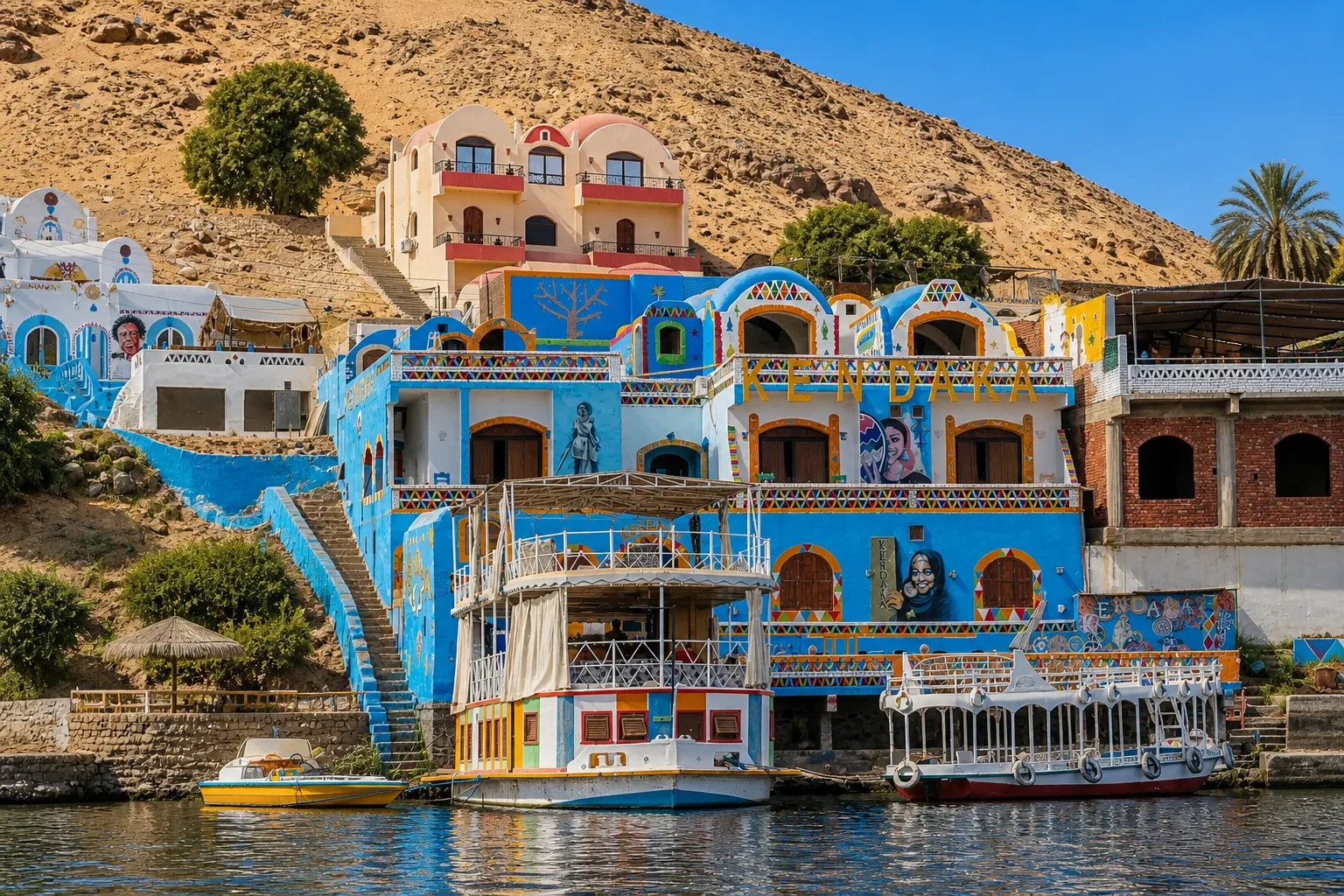
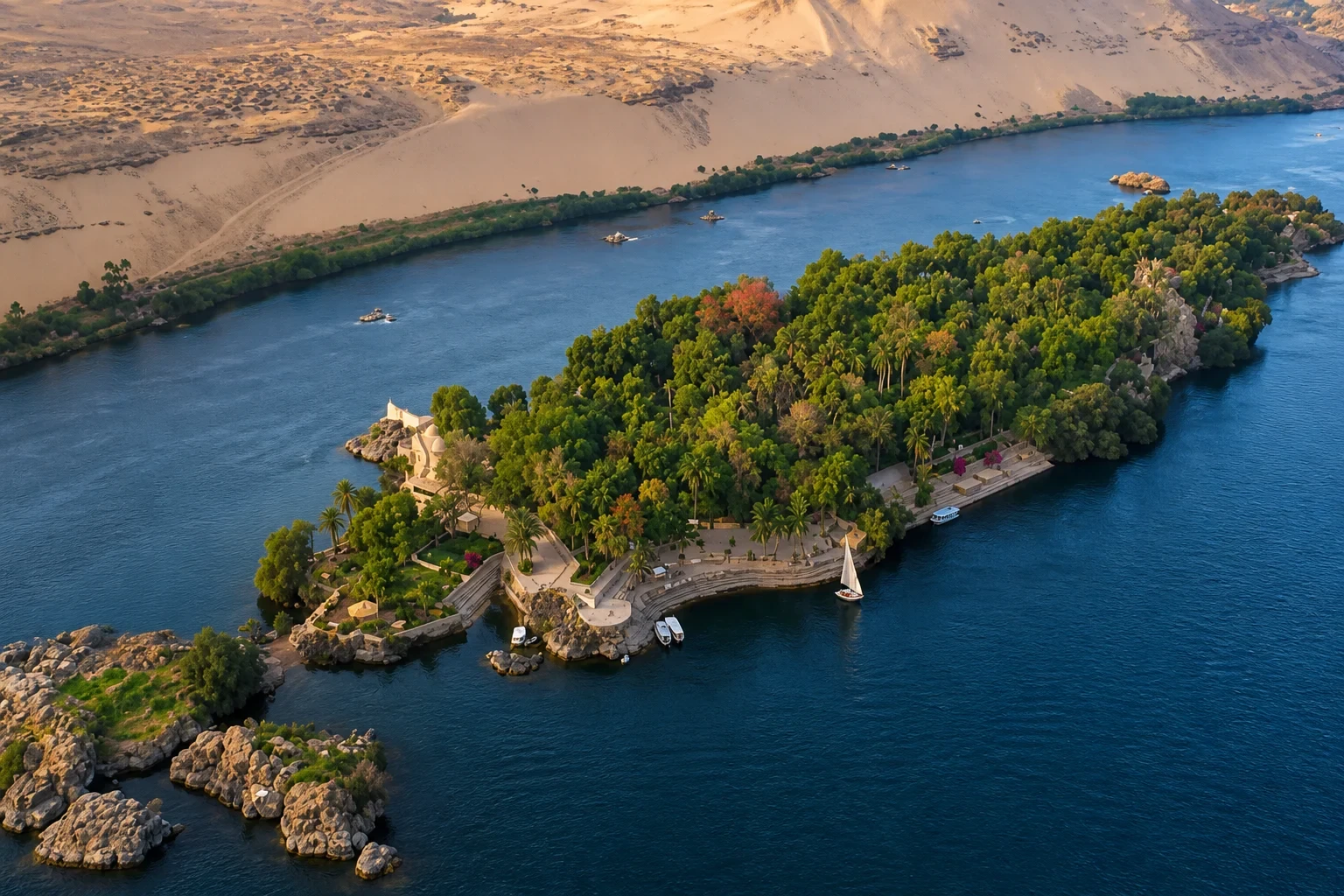
The Nubian Village on the west bank of the Nile or on one of the islands near Aswan provides the most authentic and most immediately engaging encounter with the living Nubian culture of Upper Egypt, with the distinctive painted architecture, the traditional crafts, and the legendary warmth of Nubian hospitality creating an experience that complements the ancient monuments of the area with a vivid sense of the living civilization that these monuments represent. The ancient temple remains and the archaeological museum of Elephantine Island, the original ancient town of Aswan at the center of the Nile, provide fascinating evidence for the settlement of the First Cataract region from Predynastic times through the Roman Period. The Aswan Botanical Garden on Kitchener's Island offers a beautiful and tranquil green retreat within the Aswan waterscape, with an extraordinary collection of tropical plants from Africa, Asia, and the Americas.
For travelers continuing south from Aswan, the extraordinary collection of ancient Nubian temples preserved on the shores of Lake Nasser, including the Temple of Kalabsha, the Temples of Wadi el-Seboua, the Temple of Amada, and the supreme monuments of Abu Simbel, constitute the most spectacular extension of the Philae and Aswan heritage experience available to any traveler, accessible via the Lake Nasser Cruise operated by WOW Egypt Tours. All these sites are accessible through the Aswan Day Tours, Nile cruise itineraries, Lake Nasser Cruises, and Egypt Tours Packages offered by WOW Egypt Tours.
Frequently Asked Questions About The Philae Temple
What is the Temple of Philae?
The Temple of Philae, officially known as the Temple of Isis at Philae or the Temple of Isis on Agilkia Island, is a magnificent Ptolemaic and Roman sacred island complex dedicated to the goddess Isis, located approximately 8 kilometers south of Aswan on the island of Agilkia within the reservoir of the old Aswan Dam. Built primarily between approximately 280 BCE and the 3rd century CE, it is the site of the last ancient Egyptian hieroglyphic inscription and the last functioning ancient Egyptian temple cult, and was rescued from permanent submersion by an UNESCO International Campaign between 1972 and 1980. The Philae Temple is a featured visit on all Aswan Day Tours, Nile River Cruises, Lake Nasser Cruises, and Egypt Tours Packages offered by WOW Egypt Tours.
Who was Isis and why was she worshipped at Philae?
Isis was the most universally beloved goddess in the ancient Egyptian religious tradition, the divine wife of Osiris and mother of Horus, the supreme magician of the gods and the protector of the living and the dead. At Philae, she was venerated as the Lady of Philae in the sacred island sanctuary at the threshold of the First Cataract, adjacent to the ancient belief that the tomb of Osiris was located in the First Cataract island region, giving the Philae sanctuary a unique Osirian sacredness that attracted pilgrims from throughout Egypt and the ancient Mediterranean world.
Why was the Philae Temple moved?
The construction of the Aswan High Dam in 1971 created Lake Nasser, a massive reservoir that permanently submerged the original island of Philae and would have buried all its temples forever. UNESCO launched an International Campaign that between 1972 and 1980 dismantled the entire temple complex of approximately 45,000 stone blocks, transported each block to the neighboring island of Agilkia, and meticulously reassembled the complete complex in its original arrangement on a specially prepared island whose topography was sculpted to match the original Philae Island as closely as possible.
What is the last hieroglyphic inscription at Philae?
The last hieroglyphic inscription in the history of ancient Egyptian civilization was carved at the Temple of Isis at Philae on the 24th of August 394 CE, by a priest named Nesmeterakhem. This inscription marks the literal end of the three-thousand-year tradition of ancient Egyptian hieroglyphic writing. A demotic inscription at Philae, dated to 452 CE, represents the last demotic text as well, making Philae the final point in the entire ancient Egyptian written tradition.
What is the Kiosk of Trajan?
The Kiosk of Trajan is a graceful open colonnaded pavilion built by the Roman emperor Trajan around 100 CE, positioned at the eastern waterfront of the Agilkia Island complex where it is the first structure visible to visitors approaching by boat. It consists of 14 columns with elaborate composite capitals connected by intercolumnar screen walls, and is the most photographed individual structure in the Philae complex. It was designed to house a portable divine shrine or barque and is one of the most beautiful examples of Roman-period Egyptian temple architecture in existence.
What is the Philae Sound and Light Show?
The Philae Sound and Light Show is an evening illuminated show held most evenings on the sacred island of Agilkia, using dramatic colored lighting to illuminate the temple buildings and narrating the history and mythology of Philae through recorded commentary in multiple languages. It is widely regarded as the most beautiful and most atmospheric Sound and Light Show in all of Egypt, using the unique island setting and the reflections of the illuminated temples in the surrounding water to create a visual experience of extraordinary romance and drama.
How do I get to the Philae Temple?
The Philae Temple is accessible only by motorboat from the dedicated embarkation point approximately 8 kilometers south of central Aswan. All Aswan Day Tours, Nile River Cruises, Lake Nasser Cruises, and Egypt Tours Packages with WOW Egypt Tours include private vehicle transportation to the Philae embarkation point and motorboat transfer to and from the island.
What are the opening hours of the Philae Temple?
The Philae Temple is open daily from 7:00 AM to 4:00 PM from October to May, and from 7:00 AM to 5:00 PM from June to September. The evening Sound and Light Show is held most evenings starting at sunset, with the schedule varying by language and season.
How much does it cost to enter the Philae Temple?
The entrance fee to the Philae Temple complex is EGP 550 for adults and EGP 275 for students. The motorboat transfer has a separate charge. The evening Sound and Light Show has its own admission fee. All entrance fees and boat transfers are included in all Philae Temple Tours, Aswan Day Tours, Nile River Cruises, Lake Nasser Cruises, and Egypt Tours Packages booked through WOW Egypt Tours.
How long does it take to visit the Philae Temple?
Most visitors spend between one and two hours on the island for a complete visit to all the major structures including the main Isis temple, the Kiosk of Trajan, the Temple of Hathor, the birth house, and the outer colonnades. The evening Sound and Light Show lasts approximately one hour.
What is the best time of year to visit the Philae Temple?
October to April is the most comfortable period, with moderate temperatures and clear skies. Summer visits are possible with early morning timing. The evening Sound and Light Show is particularly recommended in the cool winter months.
Is a guide necessary at the Philae Temple?
A guide is strongly recommended. The theological significance of the Osirian island traditions, the conservation story of the UNESCO rescue, the iconographic programme of the main temple, and the historical significance of the last hieroglyphic inscription are all greatly enriched by expert explanation. WOW Egypt Tours provides licensed Egyptologist guides on all Philae Temple Tours and Aswan Day Tours.
Can I take photographs at the Philae Temple?
Photography with a standard camera or smartphone is permitted throughout the complex. Flash photography is strictly prohibited near all carved and painted surfaces. The Kiosk of Trajan reflected in the surrounding water is one of the most celebrated photographic subjects in Egyptian cultural tourism. Professional filming requires a separate permit.
What should I wear to visit the Philae Temple?
Lightweight clothing covering the shoulders and knees, a wide-brimmed hat and sunscreen, comfortable flat walking shoes, and a warm layer for the evening Sound and Light Show in winter. Dress practically for the short motorboat transfer to and from the island.
What is the difference between Philae Temple and Karnak Temple?
Karnak Temple in Luxor is the largest ancient religious complex in the world, built over approximately 2,000 years from the Middle Kingdom to the Ptolemaic Period and covering more than 200 acres, dedicated primarily to the god Amun and representing the supreme expression of New Kingdom and late period royal temple building. The Temple of Isis at Philae is a complete and intimate Ptolemaic and Roman sacred island complex, smaller in scale but uniquely beautiful in its island setting, dedicated to Isis, and remarkable as the last functioning ancient Egyptian temple and the site of the last ancient Egyptian hieroglyphic inscription. The two temples are complementary rather than comparable experiences.
What Nile cruise options include Philae Temple?
All WOW Egypt Tours Nile River Cruises, including Luxor Aswan Nile River Cruises, Dahabiya Nile River Cruises, and Lake Nasser Cruises, include a guided visit to the Temple of Isis at Philae as a standard stop at the Aswan end of the journey. All cruises are available as part of WOW Egypt Tours Egypt Tours Packages and Egypt Travel Packages.
What is a Lake Nasser Cruise and how does it relate to Philae Temple?
A Lake Nasser Cruise is a luxury cruising experience on Lake Nasser, the vast reservoir south of the Aswan High Dam, visiting the rescued Nubian temples along the lake shores including the Abu Simbel Temples, the Temple of Kalabsha, the Temples of Wadi el-Seboua, and the Temple of Amada. The Temple of Isis at Philae is visited on the first or last day of every Lake Nasser Cruise as part of the Aswan highlights programme, alongside the High Dam and the Unfinished Obelisk, making Philae the iconic gateway monument for the entire Lake Nasser heritage experience.
Can I combine a visit to Philae Temple with Abu Simbel?
Yes. The most comprehensive way to combine Philae Temple with Abu Simbel is the Lake Nasser Cruise, which includes both temples as standard featured visits on all itineraries in both directions. Abu Simbel can also be visited as a single-day excursion from Aswan by air or by road, combined with a Philae Temple visit on the same or the following day as part of any comprehensive Aswan Day Tour programme arranged by WOW Egypt Tours.
How do I book a Philae Temple Tour with WOW Egypt Tours?
You can book any Philae Temple Single Visit from Aswan, Aswan Highlights Day Tour, Philae Temple Sound and Light Show, Full Aswan Day Tour, Dahabiya Nile River Cruise, Luxor Aswan Nile River Cruise, Lake Nasser Cruise, Egypt Tours Package, or Egypt Travel Package that includes Philae Temple directly through WOW Egypt Tours. Our team of travel specialists will arrange everything from private transportation and motorboat transfers to licensed Egyptologist guides, hotel pick-up, and entrance fees, ensuring a seamless and unforgettable experience of the Temple of Isis at Philae and all the wonders of ancient Egypt.