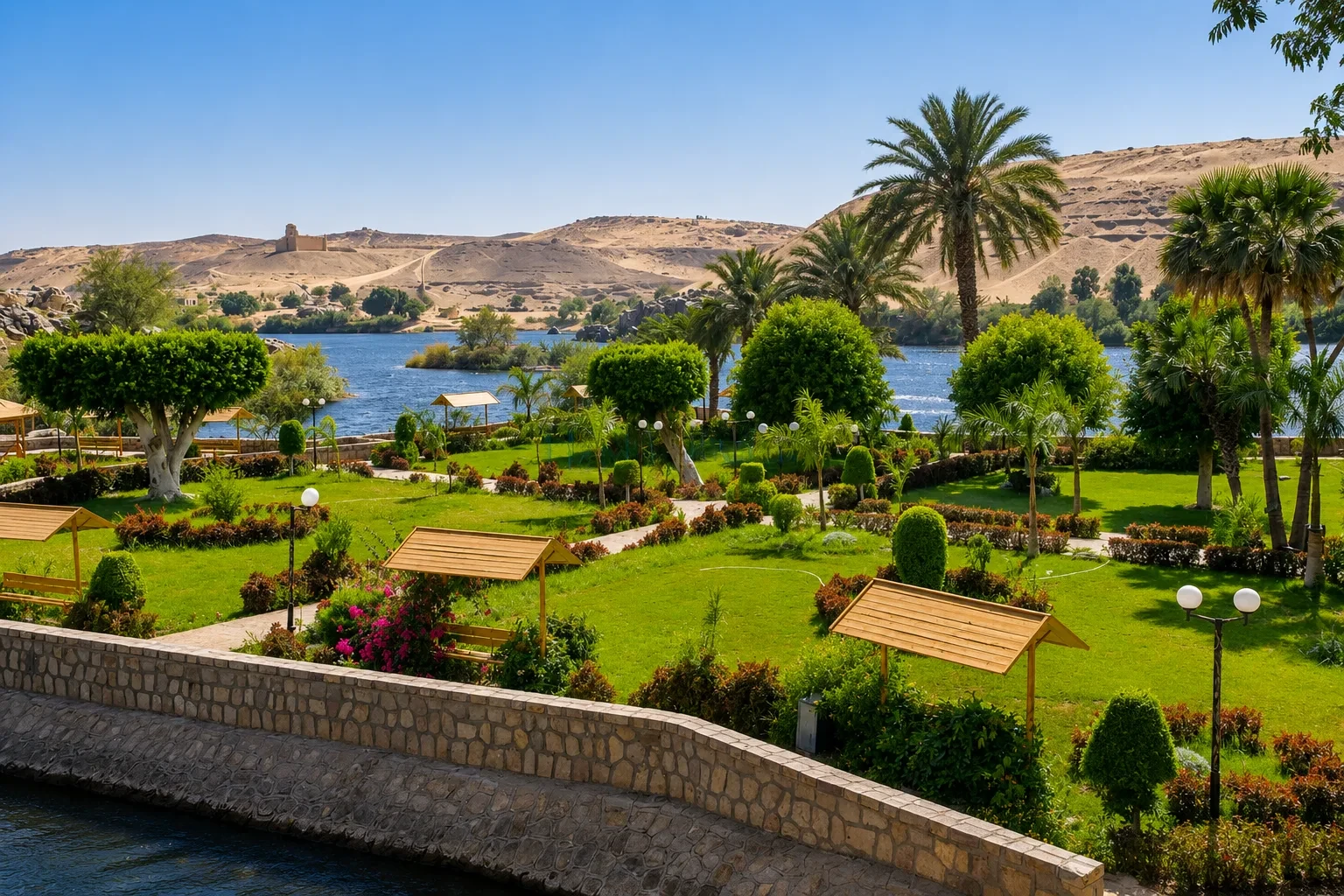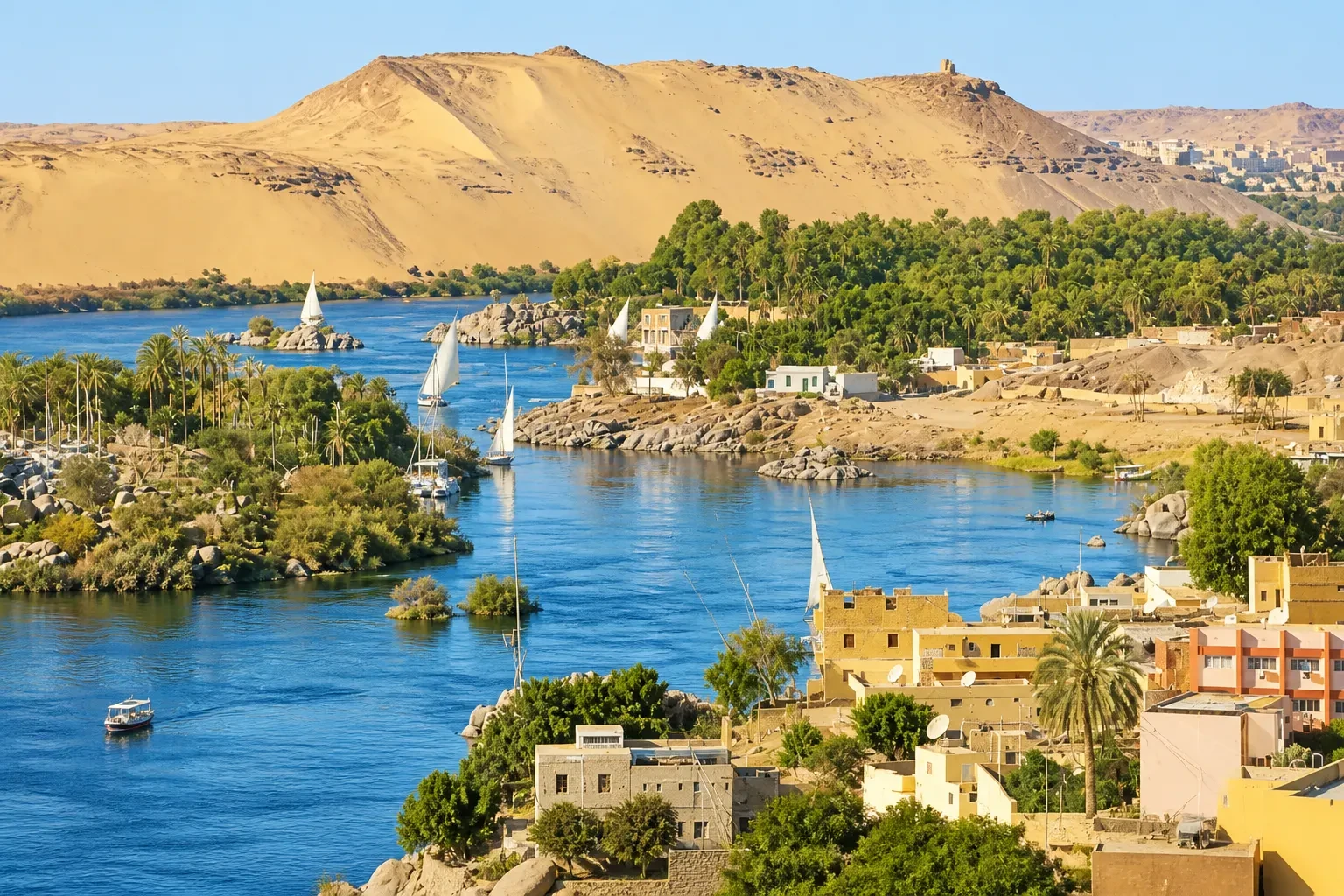

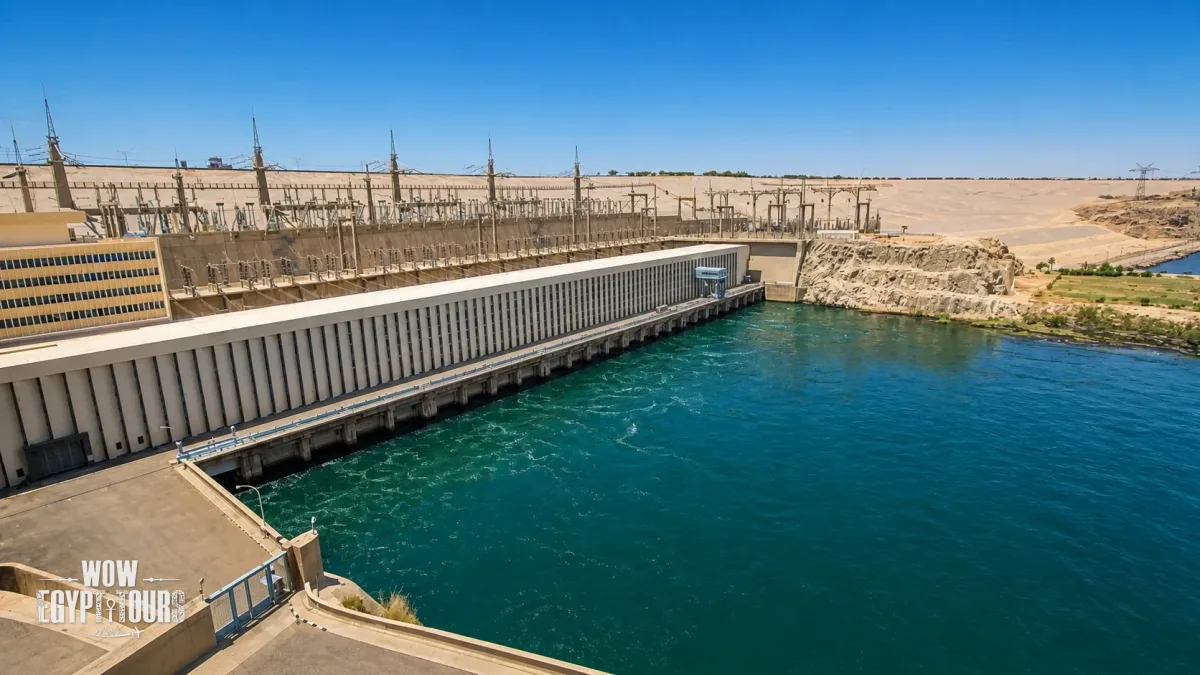

The Aswan High Dam is one of the most consequential engineering achievements of the 20th century, a monument of modern civilization that transformed the entire economy, ecology, and cultural landscape of Egypt and whose construction necessitated one of the most ambitious heritage rescue operations in the history of humanity. Located approximately 13 kilometers south of the city of Aswan in Upper Egypt at the First Cataract of the Nile, the Aswan High Dam stands as a defining landmark of modern Egypt, a structure that controls the annual Nile flood that shaped Egyptian civilization for more than five thousand years, generates a significant proportion of Egypt's electricity, and created behind its wall the vast artificial lake known as Lake Nasser that submerged the ancient homeland of Nubia and forced the relocation of hundreds of thousands of people and dozens of ancient monuments. This remarkable landmark sits at the heart of some of Egypt's most rewarding travel experiences, including Aswan Day Tours, Aswan Highlights Tours, Dahabiya Nile River Cruises, Luxor Aswan Nile River Cruises, and Lake Nasser Cruises, all of which WOW Egypt Tours proudly offers to travelers from around the world. The Aswan High Dam is also a highlight of Egypt Tours Packages and Egypt Travel Packages, making it one of the most historically and intellectually significant modern monuments available to visitors anywhere in Egypt.
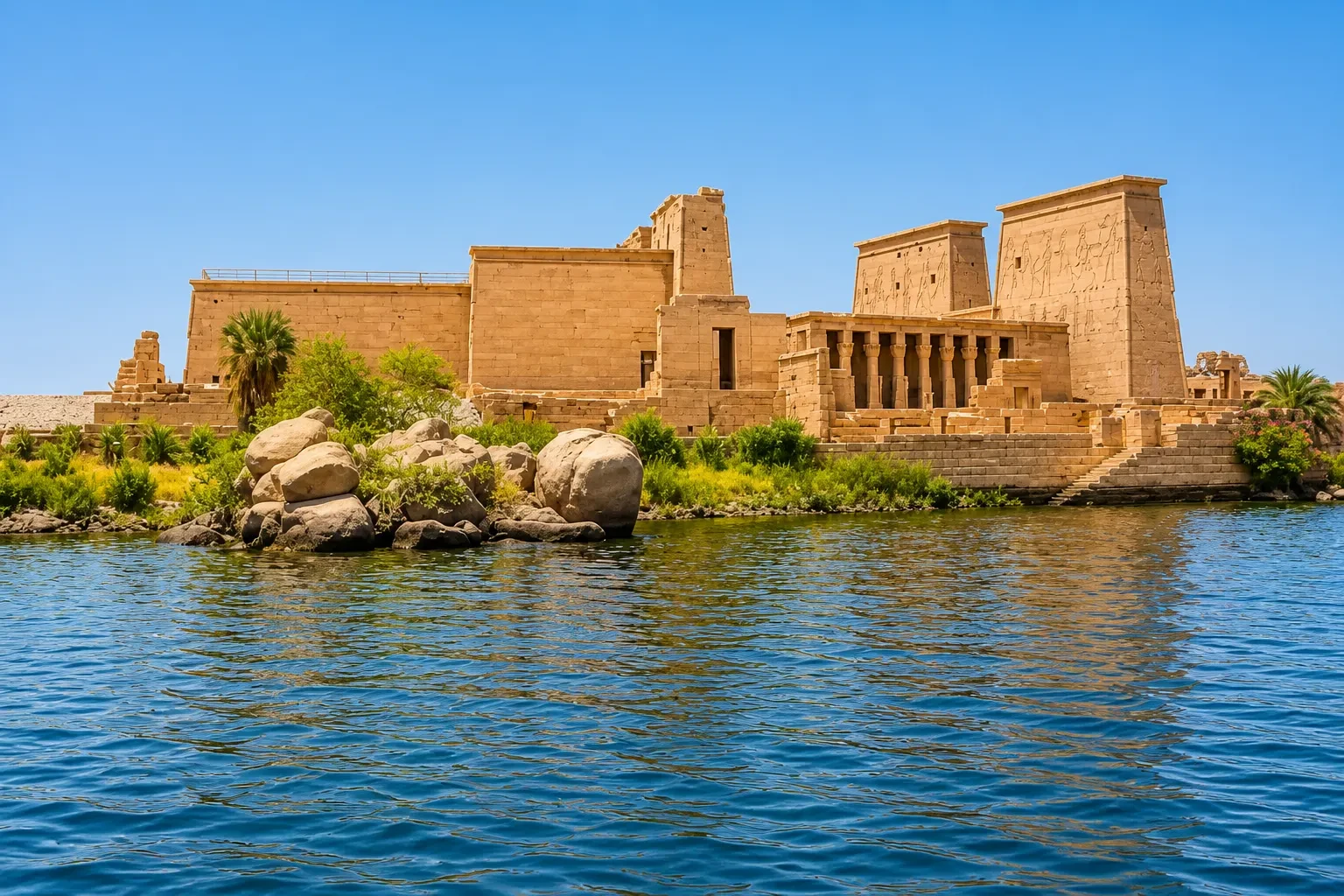
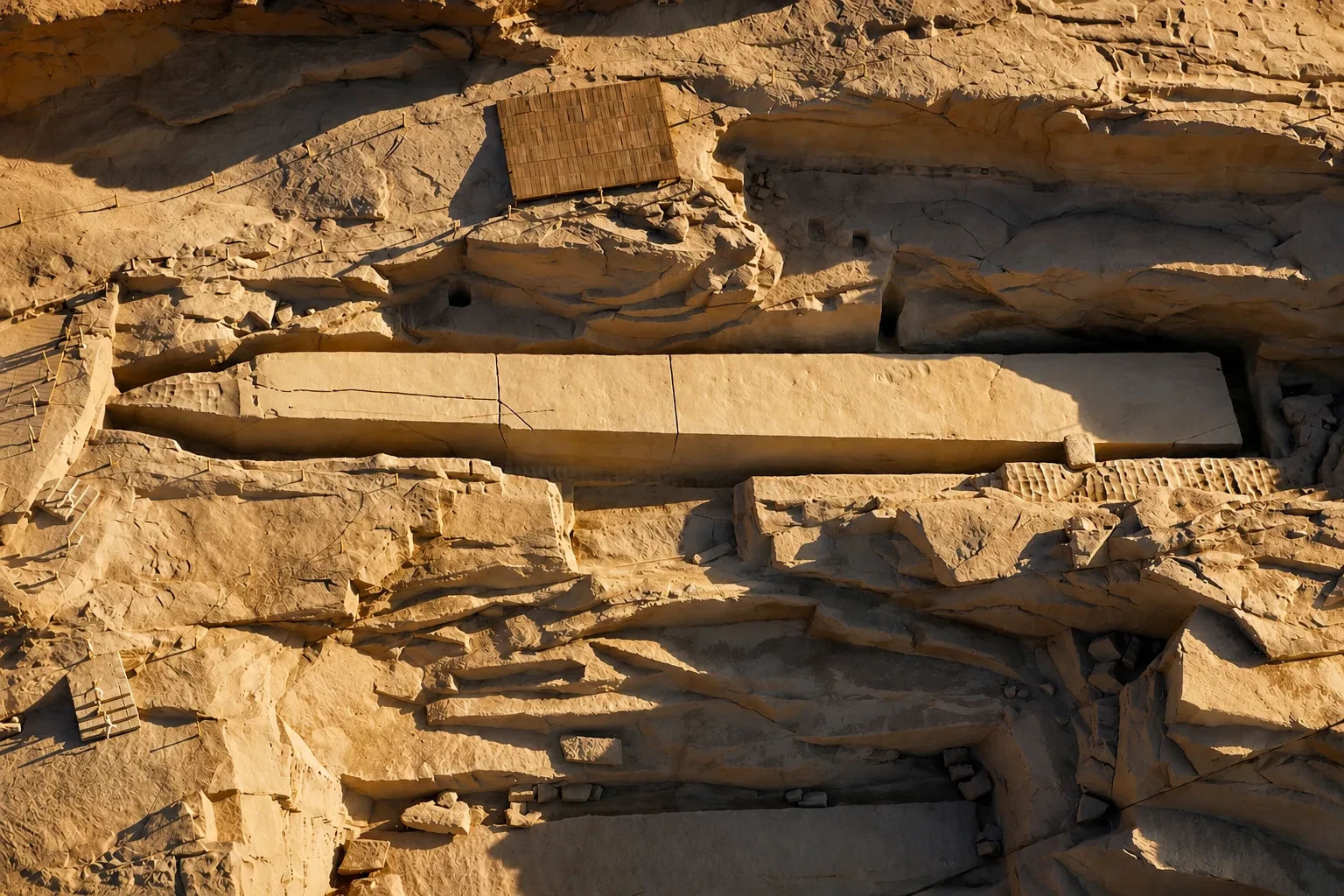
The Aswan High Dam Egypt is more than an engineering structure: it is the defining event of modern Egyptian history, the moment at which Gamal Abdel Nasser's government asserted Egypt's independence and sovereignty over its own greatest natural resource, the Nile, and embarked on the most transformative infrastructure project in the country's modern history. The decision to build the High Dam, the diplomatic struggle to finance it, the Cold War politics that shaped its construction, the enormous social and environmental consequences it produced, and the extraordinary UNESCO International Campaign to Save the Monuments of Nubia that it precipitated are together one of the most fascinating stories of the 20th century, a story in which ancient civilization, modern politics, engineering ambition, and international cultural cooperation are inseparably intertwined. A visit to the Aswan High Dam is invariably combined with visits to the Unfinished Obelisk in the ancient granite quarries and the Temple of Isis at Philae on the sacred island of Agilkia as the essential Aswan highlights programme, connecting ancient Egyptian civilization, its modern industrial transformation, and its UNESCO-rescued heritage in a single coherent day of discovery.

Who Built The Aswan High Dam In Egypt?
The Aswan High Dam was built by the government of the Arab Republic of Egypt under the presidency of Gamal Abdel Nasser, with the technical expertise and financial support of the Soviet Union. The political history of the dam's construction is inseparable from the broader history of Egyptian decolonization and the Cold War. In 1952, the Free Officers' Revolution overthrew the Egyptian monarchy and established the republic under Muhammad Naguib and subsequently under Gamal Abdel Nasser, who made the construction of the Aswan High Dam the central economic and symbolic project of his government's modernization programme. The initial plan was to finance the dam with loans from the World Bank, the United States, and Great Britain, but when the United States and Britain withdrew their offers of financing in July 1956 in response to Nasser's flirtation with Soviet arms deals and his recognition of Communist China, Nasser responded by nationalizing the Suez Canal Company, triggering the Suez Crisis and the Anglo-French-Israeli military intervention of October 1956.
After the Suez Crisis, the financing and technical support for the Aswan High Dam was provided by the Soviet Union, and construction began in January 1960 under the direction of the Soviet engineering firm Hydro-project with Egyptian technical partners. Approximately 25,000 Egyptian workers and several thousand Soviet technical advisors worked on the dam construction over the decade of its building. The foundation stone of the dam was laid by President Nasser on 9 January 1960, and the dam was ceremonially inaugurated by President Nasser and Soviet Premier Nikita Khrushchev in May 1964, when the first diversion channels were closed and the Nile began to fill Lake Nasser behind the dam. The dam was officially completed and formally inaugurated by President Nasser and Soviet President Nikolai Podgorny on 15 January 1971, with full power generation beginning in 1970.
The First Aswan Low Dam: Predecessor To The High Dam
The Aswan High Dam was not the first dam built at the First Cataract of the Nile. An earlier dam, known as the Aswan Low Dam or the Aswan Dam, was constructed by the British colonial administration of Egypt between 1898 and 1902, and was for a brief period the largest dam in the world. The Aswan Low Dam was a gravity masonry dam approximately 1,900 meters long and 30 meters high, and was raised twice after its initial construction, in 1907 to 1912 and again in 1929 to 1933, to increase its water storage capacity. The Low Dam caused the annual flooding of the island of Philae and its temples for several months each year as the reservoir behind it filled, creating the famous and poignant spectacle of the Philae Temple columns rising from the floodwaters that became one of the defining images of early 20th century heritage tourism. The Aswan Low Dam still stands immediately north of the High Dam and can be seen from the High Dam viewpoint, a reminder of the previous attempt to control the Nile that ultimately proved insufficient for Egypt's growing water and power needs and led to the construction of the more ambitious High Dam some decades later.
Aswan High Dam Location In Egypt
The Aswan High Dam is located approximately 13 kilometers south of the city of Aswan at the First Cataract of the Nile, the narrow rocky gorge where the Nile crosses the granite bedrock of the Aswan region and where the river has been a natural barrier and a navigational challenge since the earliest periods of Egyptian history. The dam stretches across the Nile valley from east bank to west bank, with the main dam structure approximately 3,830 meters long and 111 meters high above the original river bed, and its crest rising approximately 40 meters above the surface of Lake Nasser behind it. To the north of the dam, the normal Nile channel flows between the old Aswan Low Dam and the reservoir of the Philae Temple island. To the south, the vast expanse of Lake Nasser stretches for approximately 550 kilometers into Sudan, the largest artificial lake by surface area in the world at its original maximum extent. WOW Egypt Tours provides private air-conditioned transportation directly from Aswan hotels to the Aswan High Dam viewpoint on all Aswan Day Tours, Egypt Tours Packages, and Nile River Cruise itineraries that include the site.
Aswan High Dam Fun Facts
The Aswan High Dam is one of the largest earth-filled dams in the world, containing approximately 43 million cubic meters of rock, sand, and clay in its body, 17 times the volume of material contained in the Great Pyramid of Giza. The dam is 3,830 meters long, 980 meters wide at the base, 40 meters wide at the crest, and 111 meters high from its foundation to its crest level. The dam is anchored at both ends in the natural granite bedrock of the Aswan First Cataract, whose characteristic pink granite gave the ancient Egyptians their primary building material for thousands of years and now provides the natural geological foundation for one of the modern world's most significant hydraulic engineering structures.
Lake Nasser, created by the dam's construction, is the third largest artificial lake in the world by volume of water, containing approximately 132 cubic kilometers of water at its maximum capacity, and stretches approximately 550 kilometers from the High Dam south to the Sudan border and beyond. The lake has a surface area of approximately 5,250 square kilometers and required the relocation of approximately 90,000 Nubian people from their traditional homeland villages along the Nile, as well as the most ambitious programme of ancient monument rescue and relocation ever attempted, the UNESCO International Campaign to Save the Monuments of Nubia that rescued the Philae Temple, the Abu Simbel temples, and dozens of other Nubian ancient sites from permanent submersion between 1960 and 1980. The Aswan High Dam's twelve turbines generate approximately 2,100 megawatts of electricity, supplying approximately 15 percent of Egypt's electricity needs and representing one of the most significant contributions to the country's electrical generation capacity.
Why Is The Aswan High Dam Called By This Name In Egypt?
The Aswan High Dam is named for its location at Aswan, the ancient city at the First Cataract of the Nile whose name derives from the ancient Egyptian Swenet, meaning trade, reflecting the city's ancient role as the primary trading post and gateway between Egypt and the lands of Nubia and sub-Saharan Africa. The adjective High distinguishes it from the older Aswan Low Dam or Aswan Dam built by the British colonial administration between 1898 and 1902, which was subsequently raised twice to increase its storage capacity but was ultimately superseded by the larger and more ambitious High Dam. The official Arabic name for the Aswan High Dam is Al-Sadd Al-Ali, simply meaning the High Dam, a name that became in the era of Nasser's presidency a symbol of Egyptian national pride and technological ambition far beyond its purely engineering significance. In the popular imagination of the Nasser era and beyond, Al-Sadd Al-Ali was not merely a dam but the defining achievement of the modern Egyptian state, the physical embodiment of Egypt's determination to control its own destiny and its own greatest natural resource.
Aswan High Dam History
The history of the Aswan High Dam is one of the most dramatic and most consequential stories of 20th century engineering, politics, and international relations. The idea of constructing a high dam at Aswan to completely control the annual Nile flood and provide year-round water storage for irrigation was discussed by Egyptian engineers and politicians from the 1940s onwards, as the limitations of the Aswan Low Dam became increasingly apparent with the growth of Egypt's population and agricultural needs. The Free Officers' Revolution of 1952 gave the dam project new urgency and new symbolic importance, as the new Egyptian government sought a flagship economic project that would demonstrate the transformative power of the revolutionary state.
Initial negotiations for World Bank financing of the dam proceeded through 1955 and into 1956, with the United States and Britain playing leading roles in the financing discussions. When the United States abruptly withdrew its offer of financing on 19 July 1956, citing Egypt's arms deal with Czechoslovakia and concerns about Egypt's financial stability, Nasser's response was immediate and explosive: on 26 July 1956, in a speech to a vast crowd in Alexandria marking the fourth anniversary of King Farouk's abdication, he announced the nationalization of the Suez Canal Company, redirecting the canal's revenues to finance the dam. The nationalization triggered the Suez Crisis, the last great adventure of European imperial intervention in the Middle East, which ended in political humiliation for Britain and France and left Nasser stronger than before. The Soviet Union, eager to extend its influence in the Arab world, stepped forward to finance and technically supervise the dam construction that the West had declined to support.
Construction proceeded from 1960 to 1970 in an atmosphere of enormous national pride and popular enthusiasm in Egypt, with the dam project serving as the central symbol of the Nasser government's modernization programme. The displacement of approximately 90,000 Nubian people from the villages that would be submerged by Lake Nasser was carried out between 1963 and 1966, an enormous social upheaval that has left deep traces in Nubian cultural memory and in the living Nubian communities that visitors encounter today in the Nubian Villages of the Aswan area. The dam was officially completed on 21 July 1970, and full power generation began in the same year, with the formal inauguration ceremony conducted in January 1971 attended by President Nasser's successor Anwar Sadat and Soviet President Nikolai Podgorny.
The Story Of The Aswan High Dam And The UNESCO Campaign
The construction of the Aswan High Dam and the creation of Lake Nasser behind it set in motion one of the most remarkable stories of international cultural cooperation in the history of the modern world. When the Egyptian and Sudanese governments announced in 1959 that the rising waters of Lake Nasser would permanently submerge not only the homeland of the Nubian people but also dozens of ancient monuments of world historical significance, including the spectacular rock-cut temples of Ramesses II and Nefertari at Abu Simbel and the sacred island temple complex of Isis at Philae, UNESCO launched the International Campaign to Save the Monuments of Nubia, the most ambitious international heritage rescue operation ever attempted.
Between 1960 and 1980, the UNESCO campaign mobilized financial contributions from 50 different countries and the technical expertise of international teams of archaeologists, engineers, and conservators to document, excavate, and in many cases physically relocate the threatened monuments. The most spectacular achievements of the campaign were the relocation of the Abu Simbel temples between 1964 and 1968, which involved sawing the two rock-cut temples into approximately 1,050 large blocks and reassembling them on an artificial hill 65 meters above and 200 meters back from their original position above the rising waters, and the relocation of the Philae Temple complex between 1972 and 1980, which involved dismantling the entire island complex of approximately 45,000 stone blocks and reassembling it on the neighboring island of Agilkia. These extraordinary operations, made necessary by the construction of the Aswan High Dam, have been recognized as the founding achievements of international cultural heritage preservation and established the precedent and the methodology for all subsequent UNESCO heritage rescue operations worldwide. The story of the Aswan High Dam and the UNESCO campaign is one of the most powerful illustrations available anywhere in the modern world of the complex relationship between human progress, environmental transformation, cultural loss, and international heritage preservation.
Aswan High Dam Architecture And Key Features
The Dam Structure
The Aswan High Dam is an earth-fill dam, constructed primarily from compacted earth, sand, gravel, and clay with a central clay and concrete core and rock-fill armor on both the upstream and downstream faces. This construction method, while less visually dramatic than concrete arch dams, was the appropriate engineering choice for the geological conditions at the Aswan site and allowed the use of locally available materials on a massive scale. The dam is 3,830 meters long from east bank to west bank, 980 meters wide at the base, 40 meters wide along the flat crest roadway, and 111 meters high from its deepest foundation to the crest level. Visitors can drive along the crest roadway from the east bank to the west bank, giving a direct impression of the dam's enormous scale and of the vast water expanse of Lake Nasser stretching south to the horizon behind it.
The Power Station
On the western end of the dam, the hydroelectric power station houses twelve Francis turbine generator units with a total installed capacity of approximately 2,100 megawatts. The power station was constructed and commissioned between 1967 and 1978 in two phases, with the first set of generators coming online in 1967 and the second set completed in 1978. The electricity generated by the High Dam was transformative for Egyptian society in the 1960s and 1970s, bringing electrical power to rural areas that had never been electrified and fueling the industrial development programme of the Nasser and Sadat governments. The power station building is a significant piece of Soviet-era Egyptian industrial architecture, designed in the functional modernist style characteristic of major Soviet engineering projects of the 1960s, and visible from the dam crest roadway on the western end of the structure.
The Lotus Tower Monument
On the east bank approach to the Aswan High Dam, a large monument known as the Lotus Tower or the Soviet-Egyptian Friendship Monument stands as a combined memorial to the construction of the dam and to the Soviet-Egyptian cooperation that made it possible. The monument, erected in 1971 at the time of the dam's formal completion, consists of a large stylized lotus flower design rising from a base inscribed with the names of the project and the date of its inauguration, rendered in the heroic public sculpture style characteristic of the Soviet-influenced monumental art of the Nasser era. The monument is a significant piece of 20th century Egyptian political and architectural history in its own right, representing the specific moment and the specific international alliance that produced the dam, and provides visitors with a point of historical reflection on the Cold War context in which one of the modern world's most significant infrastructure projects was conceived and executed.
The Dam Crest Road And Viewing Points
The crest of the Aswan High Dam is crossed by a public road that allows visitors to drive or walk from the east bank to the west bank along the top of the dam structure, giving direct access to the most dramatic views available of both Lake Nasser to the south and the Nile channel to the north. From the dam crest, the contrast between the two sides is immediately apparent: to the south, Lake Nasser stretches to the horizon as a vast shimmering expanse of blue water in the desert, dotted with the occasional small island and with the distant smudge of the Saharan mountains on the horizon; to the north, the Nile flows in its normal channel between the old Aswan Low Dam, visible approximately two kilometers to the north, and the Philae reservoir, with the buildings of the modern city of Aswan visible in the distance. Several viewing platforms and informational displays along the dam crest provide additional perspectives on the dam structure and its hydraulic installations.
Lake Nasser
Lake Nasser, the artificial lake created by the closure of the Aswan High Dam and the impounding of the Nile, is one of the most extraordinary human-made landscapes in the world. Stretching approximately 550 kilometers from the dam south into Sudan and covering a surface area of approximately 5,250 square kilometers, Lake Nasser submerged the entire ancient Nubian homeland along both banks of the Nile in this reach, the landscape of the ancient Nubian cultures whose history and artistic traditions are now documented in the relocated temples along the lake shores. The lake is now the center of a growing tourism industry based on the Lake Nasser Cruise that visits the remarkable collection of rescued Nubian temples including the Temple of Kalabsha, the Temples of Wadi el-Seboua, the Temple of Amada, and the supreme monuments of Abu Simbel at its southern end.
Why Is The Aswan High Dam Important?
The Aswan High Dam is important for reasons that span engineering, economics, ecology, politics, and cultural history. Economically, it transformed Egyptian agriculture by enabling year-round irrigation rather than the seasonal flood-dependent cultivation that had characterized Egyptian farming for five thousand years, and by generating the electricity that powered Egypt's industrial development in the second half of the 20th century. Ecologically, it ended the annual Nile flood that had been one of the defining natural events of the Egyptian year since the beginning of Egyptian civilization, with profound consequences for the Nile Delta, the fertility of Egyptian agricultural land, and the fish populations of the eastern Mediterranean. Politically, it was the symbolic centerpiece of Nasser's modernization programme and the project whose financing dispute triggered the Suez Crisis and permanently altered the balance of power in the Middle East. Culturally, its construction necessitated the UNESCO International Campaign to Save the Monuments of Nubia, the founding event of modern international heritage conservation, which established the precedent and the methodology for every subsequent international heritage rescue effort.
For visitors to Aswan, the High Dam is important as the key to understanding the modern transformation of the ancient Nile landscape that surrounds the city, the reason why the Philae Temple stands on the island of Agilkia rather than its original island, the reason why the Abu Simbel temples stand on an artificial hill above the lake rather than in their original cliff face, and the reason why the Nubian communities of the Aswan area live in resettlement villages rather than in their original riverside homeland. Understanding the Aswan High Dam means understanding the entire modern transformation of the ancient Nile landscape of southern Egypt, and WOW Egypt Tours provides expert guided explanation of this context on all Aswan Day Tours and Nile River Cruise programmes.
What Are Some Interesting Facts About The Aswan High Dam?
Seventeen Times The Great Pyramid
The sheer scale of the Aswan High Dam is most vividly illustrated by the comparison with the Great Pyramid of Giza, the most celebrated ancient monumental structure in Egypt. The Aswan High Dam contains approximately 43 million cubic meters of material in its body, compared to approximately 2.5 million cubic meters of stone in the Great Pyramid of Giza, making the dam body approximately 17 times larger by volume than the most famous ancient Egyptian monument. This comparison is particularly resonant in the Egyptian context, where the Pyramids represent the ultimate ancient statement of monumental ambition, and where the Aswan High Dam represents an analogous modern statement of national ambition and technological capability that consciously echoed the legacy of the ancient builders in its scale and its symbolic significance for Egyptian national identity.
The End Of The Ancient Flood
One of the most profound consequences of the Aswan High Dam was the ending of the annual Nile flood, the Inundation, the natural event that had been the most important ecological and cultural phenomenon of the Egyptian year since the beginning of Egyptian civilization more than five thousand years ago. For ancient Egyptians, the annual flood was not merely an agricultural convenience but a divine act, the gift of the gods to their people on earth, the renewal of creation itself repeated each year in the waters of the sacred river. The great festivals of the ancient Egyptian calendar were organized around the flood, the agricultural taxation system was calibrated to the flood level measured at the Nilometers, and the entire symbolic vocabulary of ancient Egyptian religion was saturated with the imagery of the flood as divine creative power. When the Aswan High Dam closed in 1970 and the annual Nile flood was replaced by controlled year-round water releases, a five-thousand-year natural cycle that had shaped the entire culture of the Nile Valley was ended at a single stroke, and with it one of the most ancient and most formative natural relationships between a human civilization and its environment.
The Cold War Dam
The political history of the Aswan High Dam is one of the most dramatic stories in the geopolitics of the 20th century Cold War. The dam was conceived as an Egyptian national project, became the subject of a superpower financing competition between the United States and the Soviet Union, triggered the nationalization of the Suez Canal and the resulting international crisis, was ultimately built with Soviet financing and technical assistance, and became the most visible symbol of Soviet influence in the Arab world during the Khrushchev and Brezhnev eras. The Soviet-Egyptian Friendship Monument on the east bank of the dam, and the stylistic influence of Soviet modernist architecture visible in the power station building and associated infrastructure, preserve the Cold War context of the dam's construction in the physical fabric of the site, making a visit to the High Dam simultaneously a visit to a significant chapter of 20th century geopolitical history.
What Is So Special About The Aswan High Dam?
Where Ancient And Modern Egypt Meet
What makes the Aswan High Dam uniquely special among all the modern monuments and attractions of Aswan is the extraordinarily dense concentration of historical, cultural, and environmental meaning that it represents. No other single structure in Egypt embodies so completely the intersection of ancient civilization, modern technology, Cold War politics, environmental transformation, social upheaval, and international cultural cooperation as the Aswan High Dam. Standing on the crest of the dam and looking south across Lake Nasser, visitors are looking at the drowned homeland of Nubia, the landscape that produced some of the greatest ancient monuments rescued by the UNESCO campaign, and the vast artificial body of water that is simultaneously one of the modern world's great hydrological achievements and one of its most consequential environmental interventions. Understanding the Aswan High Dam means understanding Egypt not as a single static entity defined by its ancient monuments but as a living civilization navigating the tensions between its extraordinary ancient heritage and the imperatives of modern development.
The Dam That Saved The Monuments
The Aswan High Dam is also uniquely special for the paradox at the heart of its relationship with ancient Egyptian heritage. The same dam that threatened to submerge the Philae Temple and the Abu Simbel temples forever also prompted the UNESCO International Campaign that not only saved those temples but established the modern system of international cultural heritage protection that now safeguards monuments of outstanding universal value throughout the world. Without the Aswan High Dam, there would have been no UNESCO campaign, no World Heritage Convention, and no systematic international framework for the protection of ancient monuments from the consequences of development. The dam that endangered ancient heritage also created the mechanisms for its preservation, making it simultaneously the greatest threat and the greatest benefactor to ancient Egyptian monuments in the modern era.
Aswan High Dam Through The Ages: From Construction To The Present
The history of the Aswan High Dam since its completion in 1970 has been a story of both achievement and consequence. The dam's immediate economic benefits were substantial: Egypt achieved food security through year-round irrigation, the electricity generation capacity transformed the country's industrial base, and the regular water flow replaced the unpredictable annual flood that had historically alternated between devastating drought and catastrophic inundation. The agricultural transformation enabled by the dam increased Egypt's cultivated area significantly and supported the feeding of a rapidly growing population.
The environmental consequences of the dam, however, have been more complex and in some respects more problematic. The ending of the annual Nile flood stopped the deposition of the fertile silt that had replenished Egyptian agricultural land for thousands of years, requiring the increasing use of artificial fertilizers and causing a gradual decline in soil fertility in some areas. The trapping of sediment behind the dam reduced the sediment load delivered to the Nile Delta, contributing to coastal erosion and the gradual retreat of the delta shoreline. The increased water availability from year-round irrigation also contributed to rising groundwater levels and waterlogging in some agricultural areas, and to increased salinization of soils in others. The ecology of the eastern Mediterranean was affected by the reduction in Nile sediment and nutrient inputs, with the famous sardine fishery of the Egyptian coast declining sharply after the dam was completed. These complex and sometimes contradictory consequences of the Aswan High Dam continue to be studied, debated, and managed by Egyptian and international scientists and engineers, making it one of the most intensively studied large infrastructure projects in the world and a touchstone for ongoing debates about the relationship between development, sustainability, and cultural heritage in rapidly changing societies.
Aswan High Dam UNESCO Recognition
The Aswan High Dam itself is not a UNESCO World Heritage Site, but it is the direct cause of the creation of several UNESCO World Heritage Sites and the impetus for the most significant UNESCO heritage preservation campaign in history. The Nubian Monuments from Abu Simbel to Philae UNESCO World Heritage Site, inscribed in 1979, encompasses the temples rescued from the rising waters of Lake Nasser during the International Campaign to Save the Monuments of Nubia, including the Philae Temple complex and the Abu Simbel temples. The UNESCO World Heritage Convention itself, adopted in 1972 and now the most widely ratified international cultural convention in history, was drafted partly in response to the experience of the Nubian monuments campaign and its demonstration of the need for a permanent international framework for the protection of cultural and natural heritage of outstanding universal value. The Aswan High Dam therefore occupies a foundational position in the history of modern international heritage protection, the engineering project that both threatened and ultimately inspired the most important heritage conservation framework in the modern world.
Best Time To Visit The Aswan High Dam
The best time to visit the Aswan High Dam is during the cooler months from October through April, when temperatures in the Aswan area are moderate and the open-air crest road and viewing areas are comfortable for an extended visit. The Aswan area is among the hottest regions of Egypt in summer, with temperatures regularly exceeding 40 degrees Celsius from May to September. The Aswan High Dam viewpoint is an open and largely unshaded location exposed to direct sun and the reflected heat of the surrounding desert landscape, making it one of the more challenging outdoor sites to visit in the summer months. In practical terms, however, a visit to the High Dam is relatively brief, typically 20 to 30 minutes, which makes it manageable even in summer with appropriate sun protection and hydration. WOW Egypt Tours plans all Aswan Day Tour visits to the High Dam at the optimal time of day for the season and the specific itinerary.
Aswan High Dam Opening Hours
The Aswan High Dam visitor area is open to visitors every day of the week, including public holidays. The viewing area and dam crest road are accessible from 7:00 AM to 5:00 PM throughout the year. The dam is a functioning national infrastructure installation with some areas restricted to authorized personnel, but the public viewing areas, the dam crest road, the Soviet-Egyptian Friendship Monument, and the informational displays are all freely accessible to visitors with a valid entrance ticket during opening hours.
Aswan High Dam Entrance Fees
Adults: EGP 300
Students: EGP 150
The entrance fee covers access to the dam visitor area including the crest road, the viewing platforms, the Soviet-Egyptian Friendship Monument, and the informational displays. Entrance fees to the Aswan High Dam are included in all Aswan Day Tours, Egypt Tours Packages, Nile River Cruise itineraries, and Lake Nasser Cruise embarkation programmes booked through WOW Egypt Tours.
How To Get To The Aswan High Dam
The Aswan High Dam is located approximately 13 kilometers south of the Aswan city center on the east bank of the Nile, reached by the main road that runs south from Aswan along the east bank of the river toward the Sudan border. From the city center, the drive takes approximately 20 to 25 minutes by private vehicle. All Aswan Day Tours, Egypt Tours Packages, Nile River Cruise shore excursion programmes, and Lake Nasser Cruise embarkation programmes booked through WOW Egypt Tours include private air-conditioned transportation directly to and from the Aswan High Dam visitor area as part of the standard Aswan highlights programme.
How Long To Spend At The Aswan High Dam
Most visitors spend between 20 and 40 minutes at the Aswan High Dam, which is sufficient time to walk the most significant section of the dam crest road with views of Lake Nasser to the south and the Nile to the north, visit the Soviet-Egyptian Friendship Monument, view the power station building from the crest, and review the informational displays about the dam's construction and its consequences. The Aswan High Dam is always visited as part of the standard Aswan highlights programme alongside the Unfinished Obelisk and the Temple of Isis at Philae, with the three sites together constituting the essential half-day or full-day Aswan experience that every traveler to Upper Egypt should undertake.
Tips For Visiting The Aswan High Dam
Ask your guide to explain the political and economic history of the dam's construction before you reach the site, as understanding the Cold War context, the Suez Crisis, the Soviet-Egyptian alliance, and the decision to nationalize the Suez Canal greatly enriches the experience of standing on the dam crest and appreciating what the structure represents beyond its purely engineering dimensions. Walk the complete crest road from one side to the other to appreciate the full contrast between the vast Lake Nasser to the south and the contained Nile channel to the north. Look for the Aswan Low Dam approximately two kilometers to the north, visible from the crest road, to understand the historical sequence of dam-building at this location. Visit the Soviet-Egyptian Friendship Monument on the east bank approach for an insight into the specific historical and political context of the dam's construction. A licensed Egyptologist guide from WOW Egypt Tours is recommended: the historical, political, ecological, and cultural dimensions of the dam's story are all greatly enriched by expert explanation that connects the modern engineering achievement with the ancient heritage landscape it transformed. Bring water, a hat, and sunscreen as the open dam crest provides very little shade.
What To Wear At The Aswan High Dam
The Aswan High Dam is a completely open-air site with no shade structures on the crest road or viewing areas. Lightweight, breathable clothing covering the shoulders and knees is recommended. A wide-brimmed hat and generous sunscreen are essential, as the open dam crest exposed to direct sun and the reflected heat of the surrounding desert landscape can be intensely hot in the warmer months. Comfortable, flat walking shoes are adequate for the smooth paved surfaces of the dam crest road and the monument area. Bring water, as there are limited refreshment facilities at the dam site. The visit is brief and involves no significant walking on uneven surfaces, making it one of the most physically straightforward sites in the Aswan area.
Photography At The Aswan High Dam
The Aswan High Dam offers a distinctive and historically significant photography experience that is unlike any other site in the Egyptian heritage landscape. The most dramatic compositions are taken from the dam crest road looking south across the vast blue expanse of Lake Nasser stretching to the horizon, with the desert landscape of the lake shore in the foreground and the Saharan mountains visible in the far distance on clear days. Looking north from the crest, the compact green Nile channel between the old Aswan Low Dam and the Philae reservoir provides a striking contrast with the enormity of the lake to the south. The Soviet-Egyptian Friendship Monument provides a photogenic subject of 20th century architectural and political history. Restrictions apply to photography at certain areas of the dam, particularly near the power station and other operational infrastructure, and visitors should follow the instructions of the site security personnel regarding photography restrictions in sensitive areas. Professional photography or filming with specialized equipment requires a separate permit from the relevant Egyptian authorities.
Aswan High Dam Tours
Single Attraction Visit: Aswan High Dam Tour From Aswan
This short dedicated tour visits the Aswan High Dam as a standalone excursion from Aswan. It is suitable for travelers with a particular interest in modern engineering, 20th century Egyptian history, Cold War geopolitics, or the environmental and cultural consequences of large-scale hydraulic infrastructure.
What Is Covered
Guided visit to the Aswan High Dam visitor area including the dam crest road with views of Lake Nasser and the Nile, the Soviet-Egyptian Friendship Monument, the view of the power station building, and the informational displays about the dam's construction, engineering, and consequences for the Nile Valley landscape.
Duration
20 to 40 minutes at the dam, plus approximately 25 minutes each way from the Aswan city center by private vehicle.
Includes
Private vehicle from Aswan hotel to the High Dam, private licensed Egyptologist guide, and entrance fees. Available for morning and afternoon departures.
Aswan Highlights Day Tour: Aswan High Dam, Unfinished Obelisk, And Philae Temple
This comprehensive half-day or full-day tour from Aswan covers the three most significant ancient and modern monuments in the immediate Aswan area in a single well-organized programme, combining the modern engineering achievement of the Aswan High Dam with the industrial revelation of the Unfinished Obelisk and the sacred beauty of the Temple of Isis at Philae. Together these three sites span more than three thousand years of Aswan's history, from the ancient granite quarries of the New Kingdom through the sacred island temple of the Ptolemaic and Roman periods to the 20th century dam that transformed the entire landscape of the Nile Valley.
What Is Covered
The Aswan High Dam with a guided visit to the dam crest, the Lake Nasser viewpoint, the Soviet-Egyptian Friendship Monument, and the informational displays. The Unfinished Obelisk in the ancient granite quarries of Aswan, with a guided walk of the complete quarry site including the cutting channels, the dolerite pounders, and the on-site visitor center. The Temple of Isis at Philae with a motorboat transfer to the island and a full guided visit of the complete complex including the Kiosk of Trajan, the main Isis Temple hypostyle hall, and the birth house.
Duration
Half day to full day from Aswan, approximately 20 to 40 minutes at the High Dam, 30 to 45 minutes at the Unfinished Obelisk, and 1 to 1.5 hours at Philae.
Includes
Private air-conditioned transportation from Aswan hotel, motorboat transfer to and from Philae Island, private licensed Egyptologist guide, and entrance fees to all three sites. Available for morning departures.
Full Aswan Day Tour: High Dam, Unfinished Obelisk, Philae Temple, Nubian Village, And Elephantine Island
This comprehensive full-day tour from Aswan covers the complete range of Aswan highlights across both its ancient and modern dimensions, adding the living cultural experience of the Nubian Village and the ancient and modern heritage of Elephantine Island to the core Aswan highlights programme.
What Is Covered
The Aswan High Dam. The Unfinished Obelisk. The Temple of Isis at Philae. A traditional Nubian Village with an authentic cultural visit. Elephantine Island with the ancient temple remains and the Nilometer. Optional: the Aswan Botanical Garden on Kitchener's Island.
Duration
Full day from Aswan with appropriate time at each site.
Includes
Private air-conditioned transportation from Aswan hotel, motorboat transfers for Philae and island visits, private licensed Egyptologist guide, and entrance fees to all included sites. Available for morning departures.
Dahabiya Nile River Cruise
A Dahabiya Nile River Cruise is a small-vessel sailing experience on the Nile between Luxor and Aswan aboard a traditional wooden dahabiya. WOW Egypt Tours operates dahabiya cruises with private cabins, all meals, a private licensed Egyptologist guide on board, and guided shore excursions at every stop. The Aswan High Dam is a featured visit on all Dahabiya itineraries at the Aswan embarkation or disembarkation end of the journey, as part of the standard Aswan highlights programme alongside the Unfinished Obelisk and Philae Temple.
4 Days 3 Nights Dahabiya Nile River Cruise From Aswan To Luxor
Route: Aswan to Luxor, sailing north.
Itinerary
Day 1: Embarkation in Aswan. Guided visits to Philae Temple, the Aswan High Dam, and the Unfinished Obelisk. Sail north to Kom Ombo. Guided visit to Kom Ombo Temple and Crocodile Museum. Continue to Gebel el Silsila. Overnight on board.
Day 2: Guided visit to Gebel el Silsila. Sail to the Village of Basaw. Guided visit to Village of Basaw. Continue to Edfu. Guided visit to the Temple of Horus at Edfu. Overnight on board.
Day 3: Sail to El Kab. Guided visit to El Kab Tombs. Sail to El Hagaz Island. Swimming stop. Overnight on board.
Day 4: Sail to Esna. Visit Khnum Temple at Esna. Disembarkation in Esna. Transfer to Luxor, approximately 55 kilometers (35 miles).
Includes
Private cabin, all meals on board, private licensed Egyptologist guide, entrance fees to all site visits including the Aswan High Dam, and private transfers.
5 Days 4 Nights Dahabiya Nile River Cruise From Luxor To Aswan
Route: Luxor to Aswan, sailing south.
Itinerary
Day 1: Embarkation in Luxor. Transfer to Esna, approximately 55 kilometers (35 miles). Visit Khnum Temple at Esna. Sail to El Hagaz Island. Overnight on board.
Day 2: Sail to El Kab. Guided visit to El Kab Tombs. Continue to Edfu. Guided visit to the Temple of Horus at Edfu. Sail to the Village of Basaw. Guided visit to Village of Basaw. Overnight on board.
Day 3: Sail to Gebel el Silsila. Guided visit to Gebel el Silsila. Sail south to Kom Ombo. Guided visit to Kom Ombo Temple and Crocodile Museum. Sail to Daraw Village. Overnight on board.
Day 4: Guided visit to Daraw Village. Sail to Herbiab Island. Swimming stop. Philae Sound and Light Show. Overnight on board.
Day 5: Guided visits to Philae Temple, the Aswan High Dam, and the Unfinished Obelisk. Disembarkation in Aswan.
Includes
Private cabin, all meals on board, private licensed Egyptologist guide, entrance fees to all site visits including the Aswan High Dam, and private transfers.
8 Days 7 Nights Dahabiya Nile River Cruise Round Trip From Luxor (Via Aswan)
Route: Luxor and Aswan, sailing north and south.
Itinerary
Day 1: Embarkation in Luxor. Transfer to Esna, approximately 55 kilometers (35 miles). Visit Khnum Temple at Esna. Sail to El Hagaz Island. Overnight on board.
Day 2: Sail to El Kab. Continue to Edfu. Guided visit to the Temple of Horus at Edfu. Sail to the Village of Basaw. Guided visit to Village of Basaw. Overnight on board.
Day 3: Sail to Gebel el Silsila. Sail south to Kom Ombo. Guided visit to Kom Ombo Temple and Crocodile Museum. Sail to Daraw Village. Overnight on board.
Day 4: Guided visit to Daraw Village. Sail to Herbiab Island. Swimming stop. Philae Sound and Light Show. Overnight on board.
Day 5: Guided visits to Philae Temple, the Aswan High Dam, and the Unfinished Obelisk. Sail north to Kom Ombo. Continue to Gebel el Silsila. Overnight on board.
Day 6: Guided visit to Gebel el Silsila. Sail to the Village of Basaw. Continue to Edfu. Guided visit to the Temple of Horus at Edfu. Overnight on board.
Day 7: Sail to El Kab. Guided visit to El Kab Tombs. Sail to El Hagaz Island. Swimming stop. Overnight on board.
Day 8: Disembarkation in Esna. Transfer to Luxor, approximately 55 kilometers (35 miles).
Includes
Private cabin, all meals on board, private licensed Egyptologist guide, entrance fees to all site visits including the Aswan High Dam, and private transfers.
8 Days 7 Nights Dahabiya Nile River Cruise Round Trip From Aswan (Via Luxor)
Route: Luxor and Aswan, sailing north and south.
Itinerary
Day 1: Embarkation in Aswan. Guided visits to Philae Temple, the Aswan High Dam, and the Unfinished Obelisk. Sail north to Kom Ombo. Guided visit to Kom Ombo Temple and Crocodile Museum. Continue to Gebel el Silsila. Overnight on board.
Day 2: Guided visit to Gebel el Silsila. Sail to the Village of Basaw. Continue to Edfu. Guided visit to the Temple of Horus at Edfu. Overnight on board.
Day 3: Sail to El Kab. Guided visit to El Kab Tombs. Sail to El Hagaz Island. Swimming stop. Overnight on board.
Day 4: Sail to Esna. Visit Khnum Temple at Esna. Sail to El Hagaz Island. Overnight on board.
Day 5: Sail to El Kab. Continue to Edfu. Guided visit to the Temple of Horus at Edfu. Sail to the Village of Basaw. Guided visit to Village of Basaw. Overnight on board.
Day 6: Sail to Gebel el Silsila. Sail south to Kom Ombo. Guided visit to Kom Ombo Temple and Crocodile Museum. Sail to Daraw Village. Overnight on board.
Day 7: Guided visit to Daraw Village. Sail to Herbiab Island. Swimming stop. Philae Sound and Light Show. Overnight on board.
Day 8: Guided visits to Philae Temple, the Aswan High Dam, and the Unfinished Obelisk. Disembarkation in Aswan.
Includes
Private cabin, all meals on board, private licensed Egyptologist guide, entrance fees to all site visits including the Aswan High Dam, and private transfers.
Lake Nasser Cruise
A Lake Nasser Cruise is a luxury cruising experience on the waters of Lake Nasser, the vast reservoir created by the Aswan High Dam, offering access to the remarkable collection of rescued Nubian temples along the lake shores. WOW Egypt Tours operates Lake Nasser Cruises with private cabins, all meals, a private licensed Egyptologist guide on board, and guided shore excursions to the Nubian temples. The Aswan High Dam is a featured visit on all Lake Nasser Cruise itineraries as part of the Aswan highlights programme on the embarkation or disembarkation day.
5 Days 4 Nights Lake Nasser Cruise From Aswan To Abu Simbel
Route: Aswan to Abu Simbel, sailing south on Lake Nasser.
Itinerary
Day 1: Embarkation in Aswan. Guided visits to the Aswan High Dam, the Unfinished Obelisk, and Philae Temple. Embarkation and sail south on Lake Nasser. Overnight on board.
Day 2: Sail south to Kalabsha. Guided visit to the Temple of Kalabsha and associated temples. Continue sailing south to Wadi el-Seboua. Overnight on board.
Day 3: Guided visit to the Temples of Wadi el-Seboua. Guided visit to the Temple of Amada. Continue south. Overnight on board.
Day 4: Sail to Kasr Ibrim. Guided visit to Kasr Ibrim. Continue south to Abu Simbel. Guided visit to the Abu Simbel Temples. Optional Sound and Light Show. Overnight on board at Abu Simbel.
Day 5: Second visit to Abu Simbel at sunrise. Farewell breakfast. Disembarkation at Abu Simbel. Transfer by air or road back to Aswan.
Includes
Private cabin, all meals on board, private licensed Egyptologist guide, entrance fees to all temple visits including the Aswan High Dam and Abu Simbel Temples, motorboat transfer to Philae Island, and private transfers.
4 Days 3 Nights Lake Nasser Cruise From Abu Simbel To Aswan
Route: Abu Simbel to Aswan, sailing north on Lake Nasser.
Itinerary
Day 1: Arrival at Abu Simbel. Embarkation. Full guided visit to the Abu Simbel Temples. Optional Sound and Light Show. Overnight on board at Abu Simbel.
Day 2: Sail north. Guided visit to Kasr Ibrim. Guided visit to the Temple of Amada. Guided visit to the Temples of Wadi el-Seboua. Overnight on board.
Day 3: Continue north to Kalabsha. Guided visit to the Temple of Kalabsha and associated temples. Continue north toward Aswan. Guided visits to the Aswan High Dam, the Unfinished Obelisk, and Philae Temple. Overnight on board in Aswan.
Day 4: Guided visits to the Nubian Village and Aswan highlights as desired. Farewell breakfast. Disembarkation in Aswan.
Includes
Private cabin, all meals on board, private licensed Egyptologist guide, entrance fees to all temple visits including the Aswan High Dam and Abu Simbel Temples, motorboat transfer to Philae Island, and private transfers.
Luxor And Aswan Nile River Cruise
The Luxor and Aswan Nile River Cruise is a standard Nile cruise product operated aboard a full-size cruise ship between Luxor and Aswan. WOW Egypt Tours operates this cruise in both directions with private licensed Egyptologist guides, all meals included, private cabins, and guided shore excursions at every port of call. The Aswan High Dam is a featured guided visit on all Luxor and Aswan Nile River Cruise itineraries as part of the standard Aswan highlights programme.
4 Days 3 Nights Luxor And Aswan Nile River Cruise From Aswan To Luxor
Route: Aswan to Luxor, sailing north.
Itinerary
Day 1: Embarkation in Aswan. Guided visits to Philae Temple, the Aswan High Dam, and the Unfinished Obelisk. Overnight on board in Aswan.
Day 2: Sail north to Kom Ombo. Guided visit to Kom Ombo Temple and Crocodile Museum. Continue to Edfu. Overnight on board.
Day 3: Guided visit to the Temple of Horus at Edfu. Continue north toward Luxor. Pass through the Esna Lock. Optional visit to Khnum Temple at Esna. Guided visit to Luxor Temple and Karnak Temple. Overnight on board in Luxor.
Day 4: Optional Sunrise Hot Air Balloon available. Guided visits to Valley of the Kings, Queen Hatshepsut Temple, and Colossi of Memnon. Disembarkation in Luxor.
Includes
Private cabin, all meals on board, private licensed Egyptologist guide, entrance fees to all temple visits including the Aswan High Dam, motorboat transfer to Philae Island, and private transfers.
5 Days 4 Nights Luxor And Aswan Nile River Cruise From Luxor To Aswan
Route: Luxor to Aswan, sailing south.
Itinerary
Day 1: Embarkation in Luxor. Guided visits to Luxor Temple and Karnak Temple. Overnight on board in Luxor.
Day 2: Optional Sunrise Hot Air Balloon available. Guided visits to Valley of the Kings, Queen Hatshepsut Temple, and Colossi of Memnon. Pass through the Esna Lock. Visit to Khnum Temple at Esna. Sail south to Edfu. Overnight on board.
Day 3: Guided visit to the Temple of Horus at Edfu. Continue to Kom Ombo. Guided visit to Kom Ombo Temple and Crocodile Museum. Overnight on board.
Day 4: Continue south toward Aswan. Guided visits to Philae Temple, the Aswan High Dam, and the Unfinished Obelisk. Overnight on board in Aswan.
Day 5: Optional Abu Simbel visit available by air or road. Disembarkation in Aswan.
Includes
Private cabin, all meals on board, private licensed Egyptologist guide, entrance fees to all temple visits including the Aswan High Dam, motorboat transfer to Philae Island, and private transfers.
8 Days 7 Nights Luxor And Aswan Nile River Cruise Round Trip From Luxor (Via Aswan)
Route: Luxor and Aswan, sailing north and south.
Itinerary
Day 1: Embarkation in Luxor. Guided visits to Luxor Temple and Karnak Temple. Overnight on board in Luxor.
Day 2: Guided visits to Luxor Museum. Pass through the Esna Lock. Visit to Khnum Temple at Esna. Sail south to Edfu. Overnight on board.
Day 3: Guided visit to the Temple of Horus at Edfu. Continue to Kom Ombo. Guided visit to Kom Ombo Temple and Crocodile Museum. Overnight on board.
Day 4: Continue south toward Aswan. Guided visits to Philae Temple, the Aswan High Dam, and the Unfinished Obelisk. Overnight on board in Aswan.
Day 5: Abu Simbel visit available by road or air. Sound and Light Show at Philae Temple. Overnight on board in Aswan.
Day 6: Guided visits to Nubian Village. Sail north to Kom Ombo. Guided visit to Kom Ombo Temple. Continue north. Overnight on board.
Day 7: Guided visits to Valley of the Kings, Queen Hatshepsut Temple, and Colossi of Memnon. Pass through the Esna Lock. Visit to Khnum Temple at Esna. Overnight on board in Luxor.
Day 8: Optional Sunrise Hot Air Balloon available. Disembarkation in Luxor.
Includes
Private cabin, all meals on board, private licensed Egyptologist guide, entrance fees to all temple visits including the Aswan High Dam, motorboat transfer to Philae Island, and private transfers.
8 Days 7 Nights Luxor And Aswan Nile River Cruise Round Trip From Aswan (Via Luxor)
Route: Luxor and Aswan, sailing north and south.
Itinerary
Day 1: Embarkation in Aswan. Guided visits to Philae Temple, the Aswan High Dam, and the Unfinished Obelisk. Overnight on board in Aswan.
Day 2: Sail north to Kom Ombo. Guided visit to Nubian Village and Kom Ombo Temple and Crocodile Museum. Continue to Edfu. Overnight on board.
Day 3: Continue north toward Luxor. Pass through the Esna Lock. Visit to Khnum Temple at Esna. Guided visit to Luxor Museum and Karnak Sound and Light Show. Overnight on board in Luxor.
Day 4: Guided visits to Luxor Temple and Karnak Temple. Overnight on board in Luxor.
Day 5: Optional Sunrise Hot Air Balloon available. Guided visits to Valley of the Kings, Queen Hatshepsut Temple, and Colossi of Memnon. Pass through the Esna Lock. Sail south to Edfu. Overnight on board.
Day 6: Guided visit to the Temple of Horus at Edfu. Continue to Kom Ombo. Guided visit to Kom Ombo Temple. Overnight on board.
Day 7: Sound and Light Show at Philae Temple. Overnight on board in Aswan.
Day 8: Abu Simbel visit available by road or air. Disembarkation in Aswan.
Includes
Private cabin, all meals on board, private licensed Egyptologist guide, entrance fees to all temple visits including the Aswan High Dam, motorboat transfer to Philae Island, and private transfers.
Combine The Aswan High Dam With Your Egypt Tours Package
The Aswan High Dam is included as a featured visit across the full range of WOW Egypt Tours travel products that include an Aswan component. Browse the options below to find the Egypt experience that is right for you.
Egypt Tour Packages: Multi-day guided Egypt tours organized by duration, including 2 Days Egypt Packages, 3 Days Egypt Packages, 4 Days Egypt Packages, 5 Days Egypt Packages, 6 Days Egypt Packages, 7 Days Egypt Packages, 8 Days Egypt Packages, 10 Days Egypt Packages, and longer itineraries. All packages that include Aswan feature the Aswan High Dam as a standard component of the Aswan highlights programme. All packages include private air-conditioned transportation, private licensed Egyptologist guide, accommodations, entrance fees to all included sites, and private transfers throughout Egypt.
Egypt Travel Packages: Themed Egypt travel packages designed around specific travel styles and interests, including Egypt Honeymoon Travel Packages, Egypt Budget Travel Packages, Egypt Family Travel Packages, Egypt Luxury Travel Packages, Egypt Adventure Travel Packages, Egypt Cultural Travel Packages, and Egypt Christmas and New Year Travel Packages. All packages include private air-conditioned transportation, private licensed Egyptologist guide, accommodations, meals, entrance fees to all included sites, and private transfers.
Egypt Nile Cruise Packages: Complete Egypt travel packages combining Cairo sightseeing with a fully guided Nile cruise between Luxor and Aswan. The Aswan High Dam is a standard feature of the Aswan highlights programme on all Nile cruise packages. All packages include private cabin on board, all meals, private licensed Egyptologist guide, entrance fees to all site visits including the High Dam, and private transfers.
Nile River Cruises: All WOW Egypt Tours Nile cruise options. The Aswan High Dam is a standard featured visit at the Aswan end of all Nile River Cruise and Lake Nasser Cruise itineraries. All cruises include private cabin, all meals, licensed guide, entrance fees including the High Dam, and private transfers.
Luxor Aswan Nile Cruises: Available in both directions and in durations of 4 Days 3 Nights, 5 Days 4 Nights, and 8 Days 7 Nights round trip. The High Dam is a standard guided stop at the Aswan end of all itineraries.
Standard Nile Cruises: Comfortable standard-category cruise ships. Includes standard cabin, all meals, licensed guide, and entrance fees including the High Dam.
Deluxe Nile Cruises: Deluxe-category cruise ships. Includes deluxe cabin, all meals, licensed guide, and entrance fees including the High Dam.
Ultra Deluxe Nile Cruises: Ultra deluxe-category cruise ships. Includes ultra deluxe cabin, all meals, licensed guide, and entrance fees including the High Dam.
Luxury Nile Cruises: Luxury-category cruise ships. Includes luxury cabin, all meals, licensed guide, and entrance fees including the High Dam.
Dahabiya Nile Cruises: Private small-vessel sailing experience between Luxor and Aswan, available in four itineraries. The Aswan High Dam is a featured visit at the Aswan embarkation or disembarkation end of all Dahabiya itineraries. Includes private cabin, all meals, licensed guide, entrance fees including the High Dam, and private transfers.
Lake Nasser Cruises: Luxury cruising on Lake Nasser between Aswan and Abu Simbel, visiting the Temple of Kalabsha, the Temples of Wadi el-Seboua, and the Temple of Amada. The Aswan High Dam is a featured visit on the embarkation or disembarkation day of all Lake Nasser Cruise itineraries. Available in 5 Days 4 Nights from Aswan to Abu Simbel and 4 Days 3 Nights from Abu Simbel to Aswan. Includes private cabin, all meals, licensed guide, entrance fees including the High Dam, and private transfers.
Luxor Tours: Day tours from Luxor covering the major sites of Upper Egypt, including specialized Aswan Day Tours that cover the Aswan High Dam combined with the Unfinished Obelisk, Philae Temple, and optional Nubian Village and Elephantine Island visits. All tours include private air-conditioned transportation, private licensed Egyptologist guide, entrance fees to all included sites, and private transfers.
Nearby Attractions To The Aswan High Dam
The Aswan High Dam is located within the extraordinarily rich heritage and cultural landscape of Aswan, the ancient granite city at the threshold of Nubia. The most natural and most frequently combined visits to the High Dam are the Unfinished Obelisk in the ancient granite quarries approximately two to three kilometers north of the dam, and the Temple of Isis at Philae on the island of Agilkia in the reservoir between the High Dam and the old Low Dam, the most romantically situated ancient monument in Egypt and the most direct physical consequence of the dam's construction on the heritage landscape of Aswan.
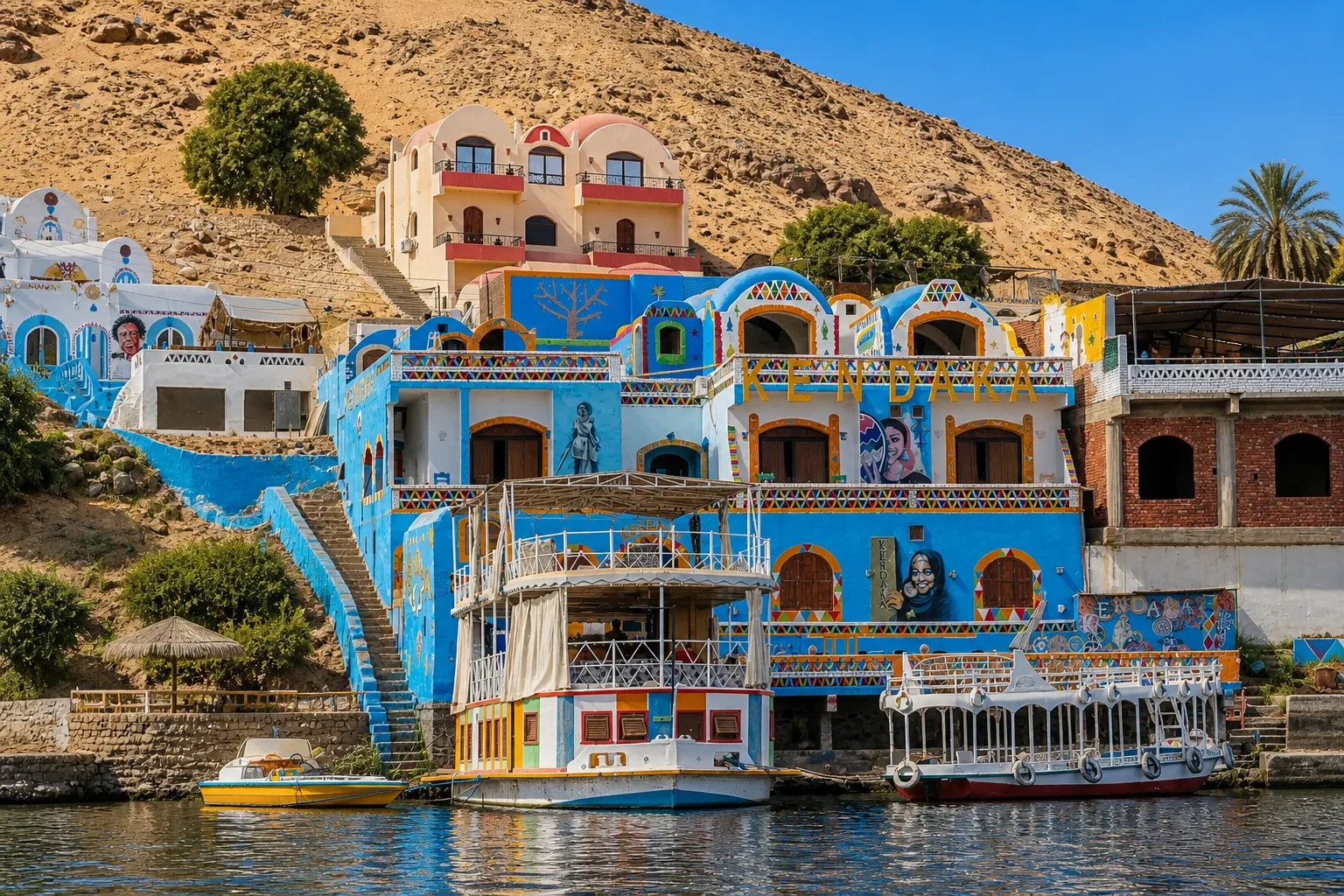
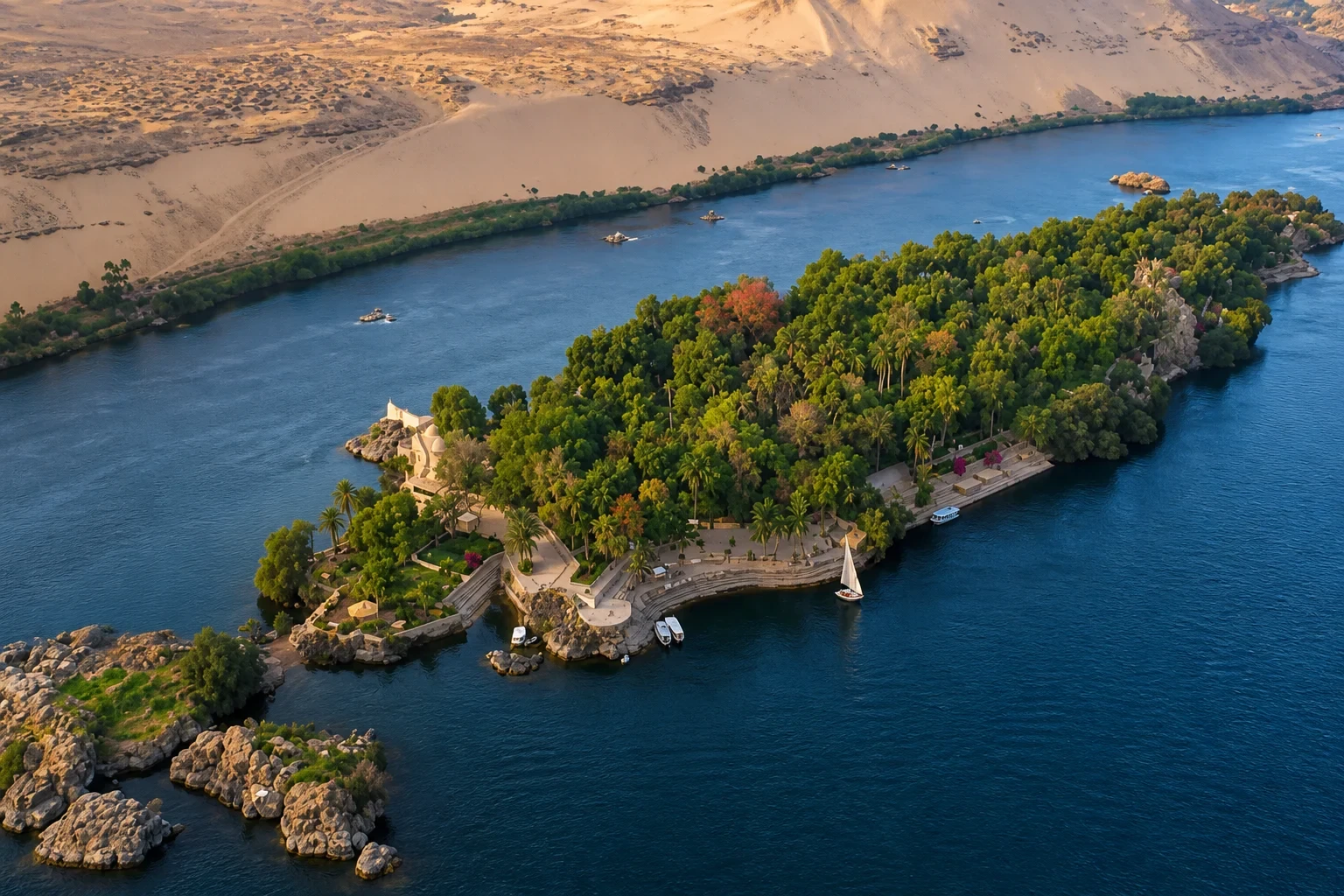
The Nubian Village provides the most authentic encounter with the living Nubian communities whose traditional homeland was submerged by Lake Nasser, giving the High Dam a direct human dimension that complements the engineering and historical dimensions available at the dam itself. The ancient temple remains and the Nilometer of Elephantine Island connect the modern water management of the High Dam with the ancient tradition of Nile measurement that goes back to the earliest periods of Egyptian civilization. The Aswan Botanical Garden on Kitchener's Island offers a beautiful natural respite within the Aswan waterscape.
For travelers looking south toward the extraordinary heritage that the High Dam's construction made both necessary and possible, the Lake Nasser Cruise provides access to the Temple of Kalabsha, the Temples of Wadi el-Seboua, the Temple of Amada, and the supreme monuments of Abu Simbel. All these sites are accessible through the Aswan Day Tours, Nile cruise itineraries, Lake Nasser Cruises, and Egypt Tours Packages offered by WOW Egypt Tours.
Frequently Asked Questions About The Aswan High Dam
What is the Aswan High Dam?
The Aswan High Dam is a large earth-fill dam constructed across the Nile River approximately 13 kilometers south of Aswan in Upper Egypt, completed in 1970 with Soviet technical and financial assistance under the presidency of Gamal Abdel Nasser. It is 3,830 meters long, 111 meters high, and contains approximately 43 million cubic meters of material. The dam controls the annual Nile flood, provides year-round irrigation water for Egyptian agriculture, generates approximately 2,100 megawatts of electricity, and created Lake Nasser behind it. The Aswan High Dam is a featured visit on all Aswan Day Tours, Nile River Cruises, Lake Nasser Cruises, and Egypt Tours Packages offered by WOW Egypt Tours.
Why was the Aswan High Dam built?
The Aswan High Dam was built to control the annual Nile flood that had characterized the Egyptian agricultural cycle for five thousand years, to provide year-round water storage for irrigation, and to generate electricity for Egypt's industrial development. It was also a central symbol of the modernization programme of President Nasser's government and of Egyptian national independence and sovereignty over the Nile River.
Who financed the Aswan High Dam?
After the United States and Britain withdrew their offers of financing in July 1956, prompting Nasser to nationalize the Suez Canal, the Soviet Union stepped forward to provide both the technical expertise and the financing for the dam's construction. Approximately 25,000 Egyptian workers and several thousand Soviet technical advisors built the dam between 1960 and 1970.
What is Lake Nasser?
Lake Nasser is the vast artificial reservoir created by the closure of the Aswan High Dam, stretching approximately 550 kilometers south from the dam into Sudan. It has a surface area of approximately 5,250 square kilometers, making it one of the largest artificial lakes in the world. Lake Nasser submerged the ancient Nubian homeland and required the relocation of approximately 90,000 Nubian people. The lake is now the setting for the Lake Nasser Cruise and the remarkable collection of rescued Nubian temples along its shores.
What is the connection between the Aswan High Dam and the UNESCO campaign?
The construction of the Aswan High Dam and the creation of Lake Nasser threatened to permanently submerge the ancient Nubian monuments including the Abu Simbel temples and the Philae Temple complex. This threat prompted UNESCO to launch the International Campaign to Save the Monuments of Nubia between 1960 and 1980, which successfully relocated the threatened temples and established the precedent for all subsequent international heritage protection efforts, ultimately leading to the creation of the UNESCO World Heritage Convention in 1972.
What is the Soviet-Egyptian Friendship Monument?
The Soviet-Egyptian Friendship Monument, also known as the Lotus Tower, is a large stylized monument erected on the east bank approach to the Aswan High Dam in 1971, commemorating the completion of the dam and the Soviet-Egyptian cooperation that made it possible. It is rendered in the heroic public sculpture style of the Soviet-influenced Egyptian monumental art of the Nasser era and is a significant piece of 20th century Egyptian political and architectural history.
What are the opening hours of the Aswan High Dam?
The Aswan High Dam visitor area is open daily from 7:00 AM to 5:00 PM throughout the year.
How much does it cost to enter the Aswan High Dam?
The entrance fee is EGP 300 for adults and EGP 150 for students. Entrance fees are included in all Aswan Day Tours, Egypt Tours Packages, and Nile River Cruise programmes booked through WOW Egypt Tours.
How long does it take to visit the Aswan High Dam?
Most visitors spend 20 to 40 minutes at the Aswan High Dam for a complete visit to the dam crest road, the Lake Nasser viewpoint, and the Soviet-Egyptian Friendship Monument.
What is the best time of year to visit the Aswan High Dam?
October to April is the most comfortable period, with moderate temperatures. Summer visits are possible with appropriate sun protection and hydration. The brief nature of the dam visit makes it manageable in any season.
How do I get to the Aswan High Dam?
The High Dam is approximately 13 kilometers south of the Aswan city center, reached by private vehicle in approximately 20 to 25 minutes. All Aswan Day Tours and Nile River Cruise programmes with WOW Egypt Tours include private transportation to and from the dam.
Can I take photographs at the Aswan High Dam?
Photography is permitted in the visitor areas including the dam crest, the Lake Nasser viewpoint, and the Friendship Monument. Photography restrictions apply in areas near operational infrastructure such as the power station. Follow the instructions of site security personnel regarding photography.
What is the difference between the Aswan High Dam and the old Aswan Low Dam?
The Aswan Low Dam was built by the British colonial administration between 1898 and 1902 as a gravity masonry dam approximately 1,900 meters long, raised twice after its initial completion. It caused the annual flooding of Philae Island but allowed complete submersion of the island only for part of the year. The Aswan High Dam, completed in 1970, is a much larger earth-fill structure built approximately two kilometers upstream of the Low Dam that completely controls the Nile and created the permanent Lake Nasser reservoir. Both dams are visible from the High Dam visitor area.
What other sites can I combine with the Aswan High Dam?
The Aswan High Dam is most commonly combined in the standard Aswan highlights programme with the Unfinished Obelisk and the Temple of Isis at Philae. A full Aswan day tour adds the Nubian Village, Elephantine Island, and optionally the Aswan Botanical Garden.
What Nile cruise options include the Aswan High Dam?
All WOW Egypt Tours Nile River Cruises, including Luxor Aswan Nile River Cruises, Dahabiya Nile River Cruises, and Lake Nasser Cruises, include a guided visit to the Aswan High Dam as part of the standard Aswan highlights programme. All cruises are available as part of WOW Egypt Tours Egypt Tours Packages and Egypt Travel Packages.
How do I book an Aswan High Dam tour with WOW Egypt Tours?
You can book any Aswan High Dam visit as part of an Aswan Day Tour, Aswan Highlights Tour, Dahabiya Nile River Cruise, Luxor Aswan Nile River Cruise, Lake Nasser Cruise, Egypt Tours Package, or Egypt Travel Package directly through WOW Egypt Tours. Our team of travel specialists will arrange everything from private transportation and licensed Egyptologist guides to hotel pick-up and entrance fees, ensuring a seamless and unforgettable experience of the Aswan High Dam and all the wonders of ancient and modern Aswan.