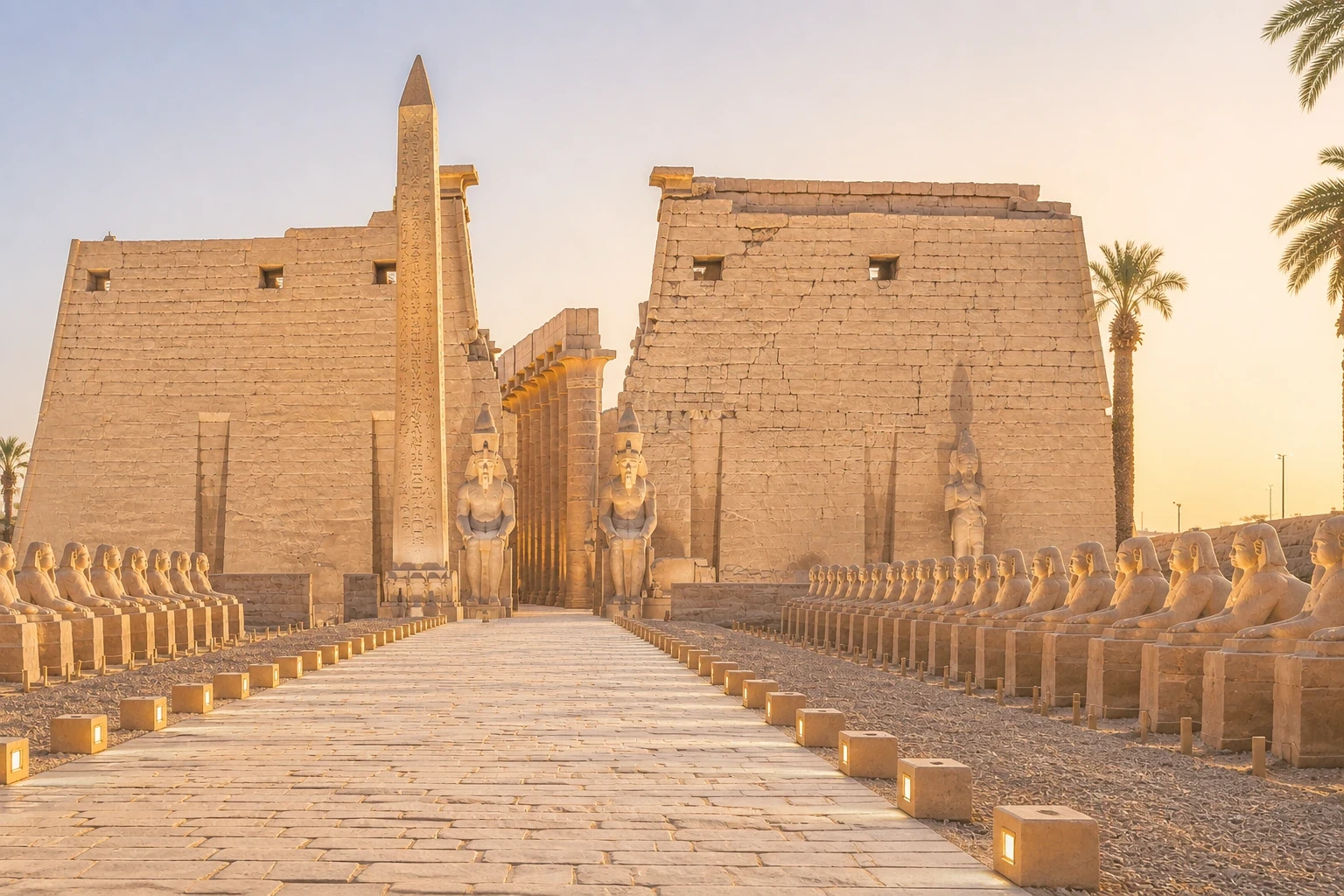
Luxor Temple

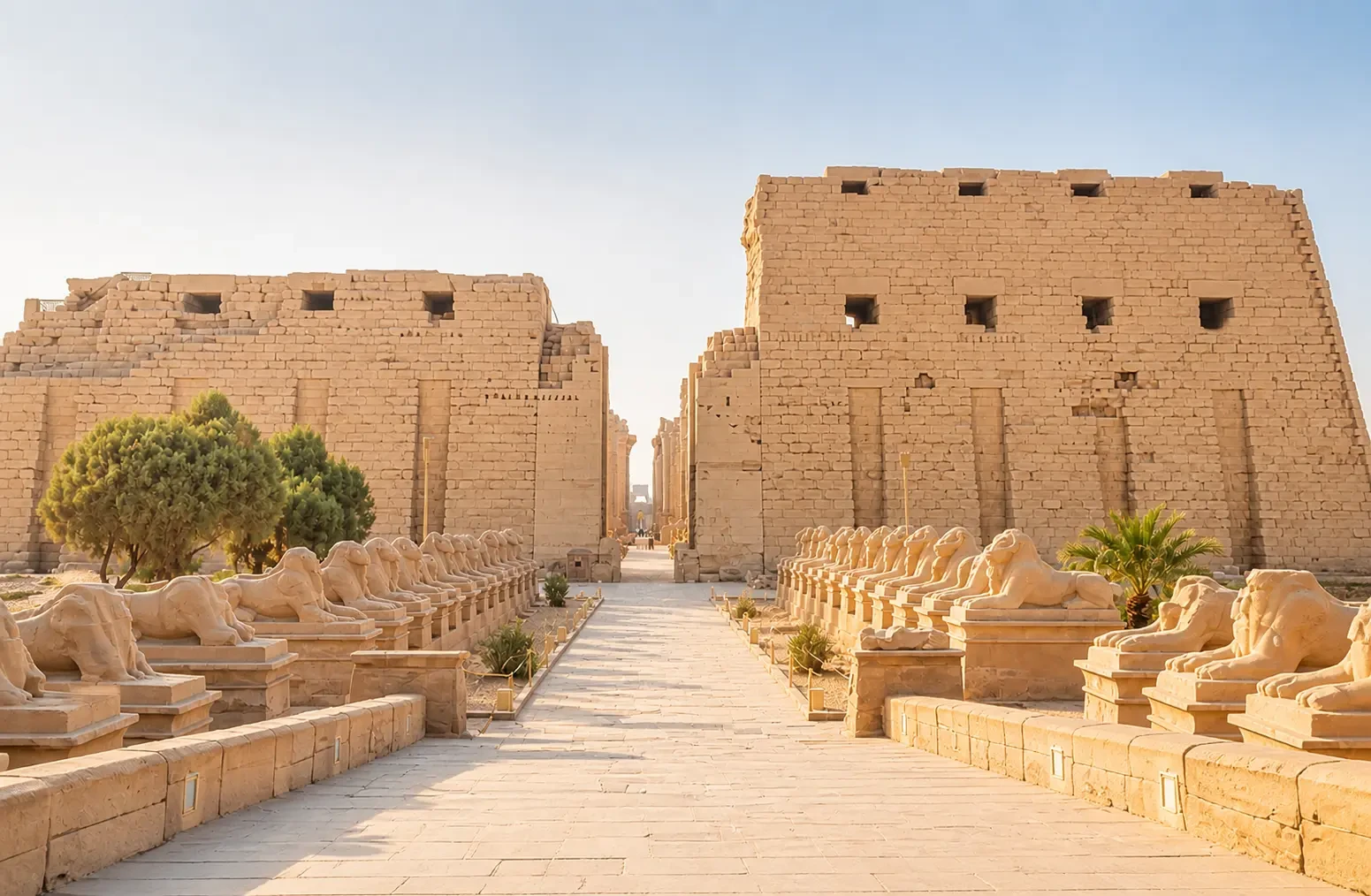
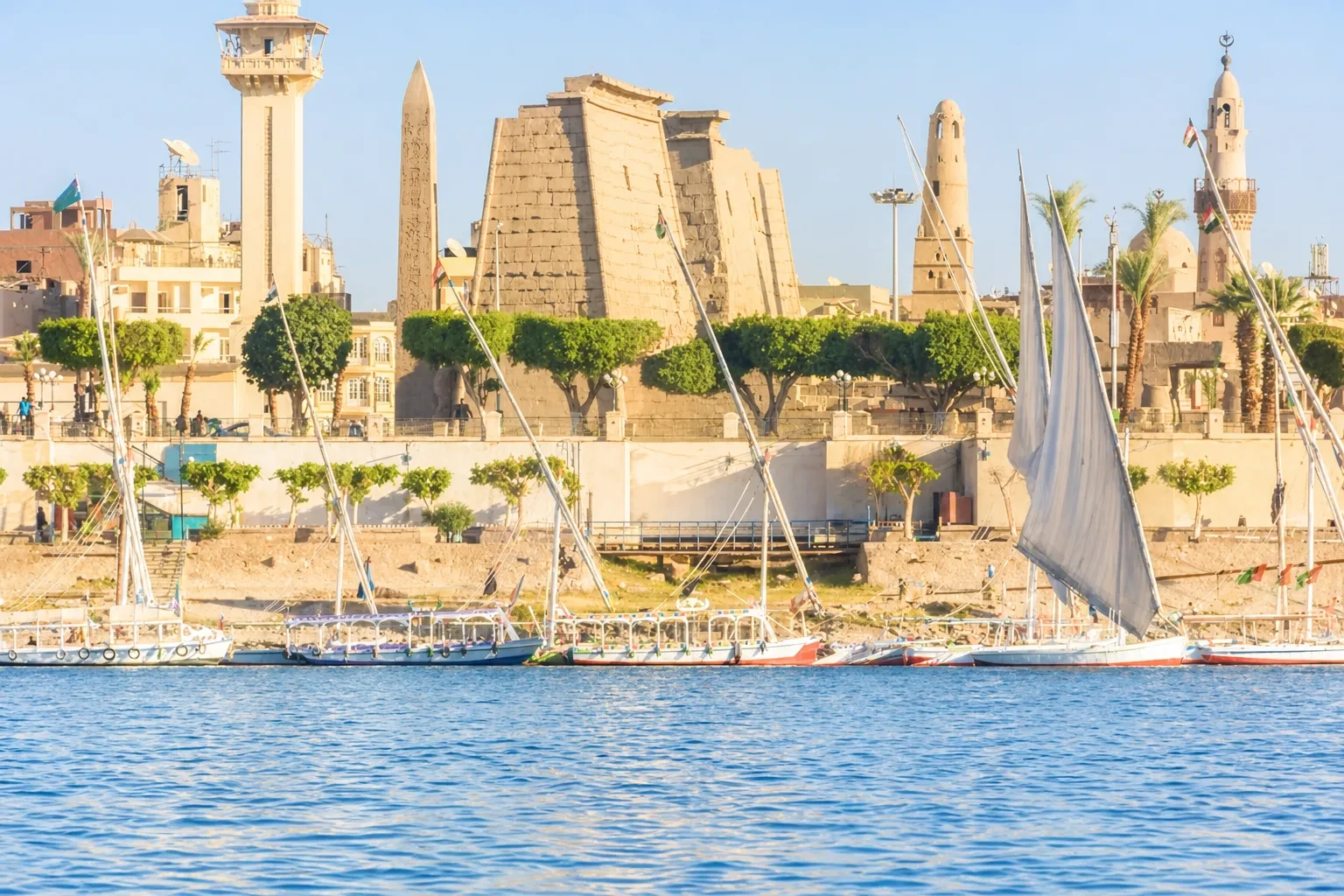
Luxor Temple is one of the most magnificent and best-preserved ancient Egyptian temple complexes in...

Contact Us
Follow Us
Ancient temples, royal tombs, museums, Nile landmarks, and historic sites explained.

Articles with maps, entrance info, visiting tips, and the best things to do in Luxor.
Luxor is one of the most important archaeological destinations in the world and the city with the highest concentration of ancient Egyptian monuments anywhere on earth. Built on top of ancient Thebes, the political and religious capital of Egypt during the New Kingdom period from around 1550 BCE to 1070 BCE, Luxor holds temples, tombs, museums, and ruins that span more than three thousand years of continuous Egyptian civilization. This guide section covers all major Luxor tourist attractions across both banks of the Nile, with individual pages for each site containing historical background, visitor information, entrance fees, opening hours, and practical tips to help you plan your time in Luxor. All of the attractions covered here are part of Luxor Tours, Luxor Day Tours, Luxor East Bank Tours, Luxor West Bank Tours, Dahabiya Nile River Cruises, and Luxor Aswan Nile River Cruises, all of which WOW Egypt Tours proudly offers to travelers from around the world. The Luxor attractions in this guide are also covered within Egypt Tours Packages, Egypt Travel Packages, and Safaga Shore Excursions.
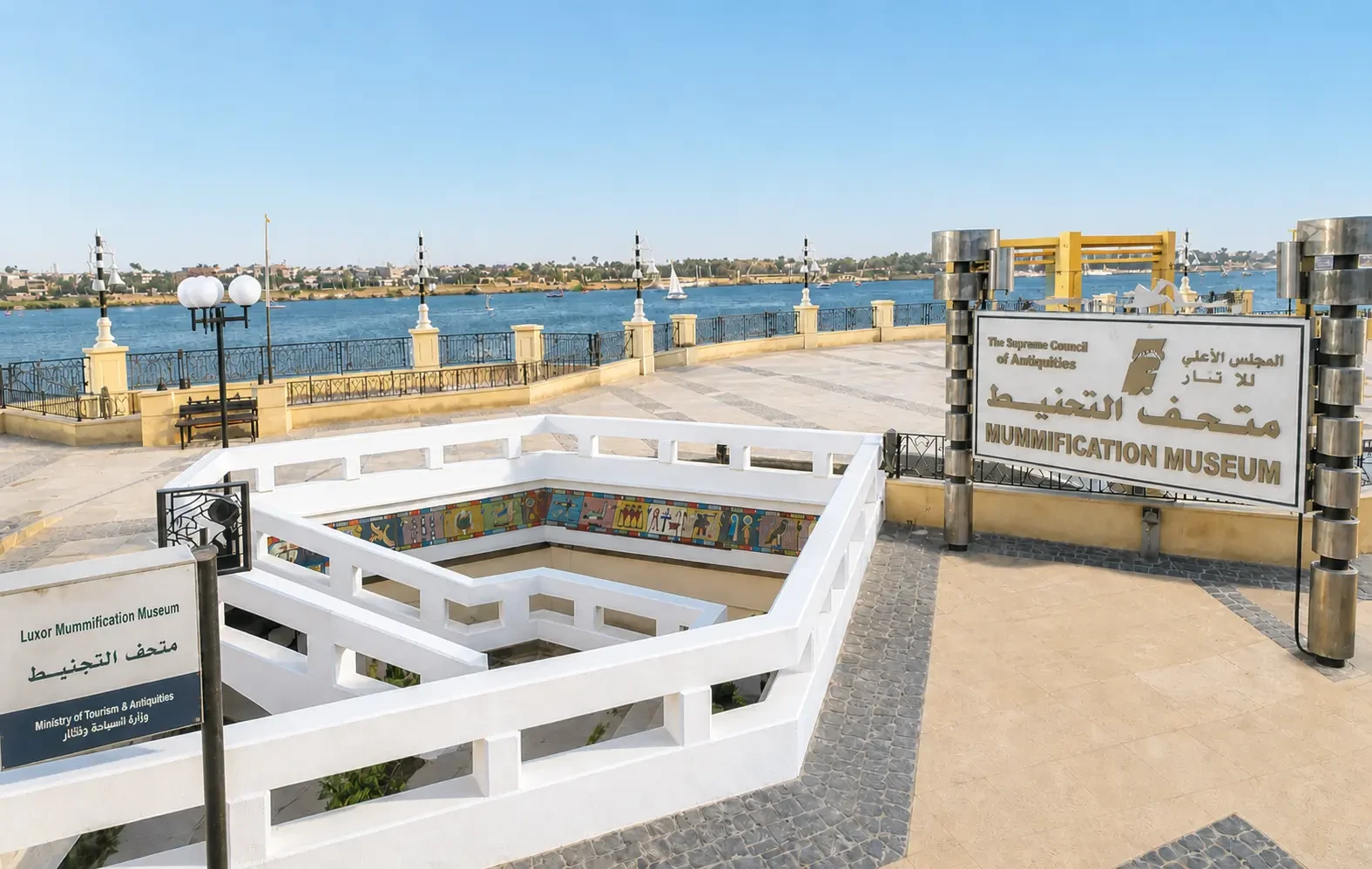
The Luxor East Bank holds the city's two largest temple complexes. Luxor Temple stands directly on the Nile corniche and was built primarily under Amenhotep III and Ramesses II, dedicated to the god Amun and used for the annual Opet Festival. Karnak Temple is the largest religious building ever constructed, a complex of temples, pylons, obelisks, and sacred lakes built over more than two thousand years by successive pharaohs. The two temples were originally connected by the Avenue of Sphinxes, sections of which have been excavated and are now open to visitors. Also on the East Bank, Luxor Museum contains a carefully selected collection of statues, reliefs, and artifacts recovered from the Theban area, and the Luxor Mummification Museum is the only museum in Egypt dedicated entirely to the process and history of mummification, with actual mummies and embalming instruments on display.
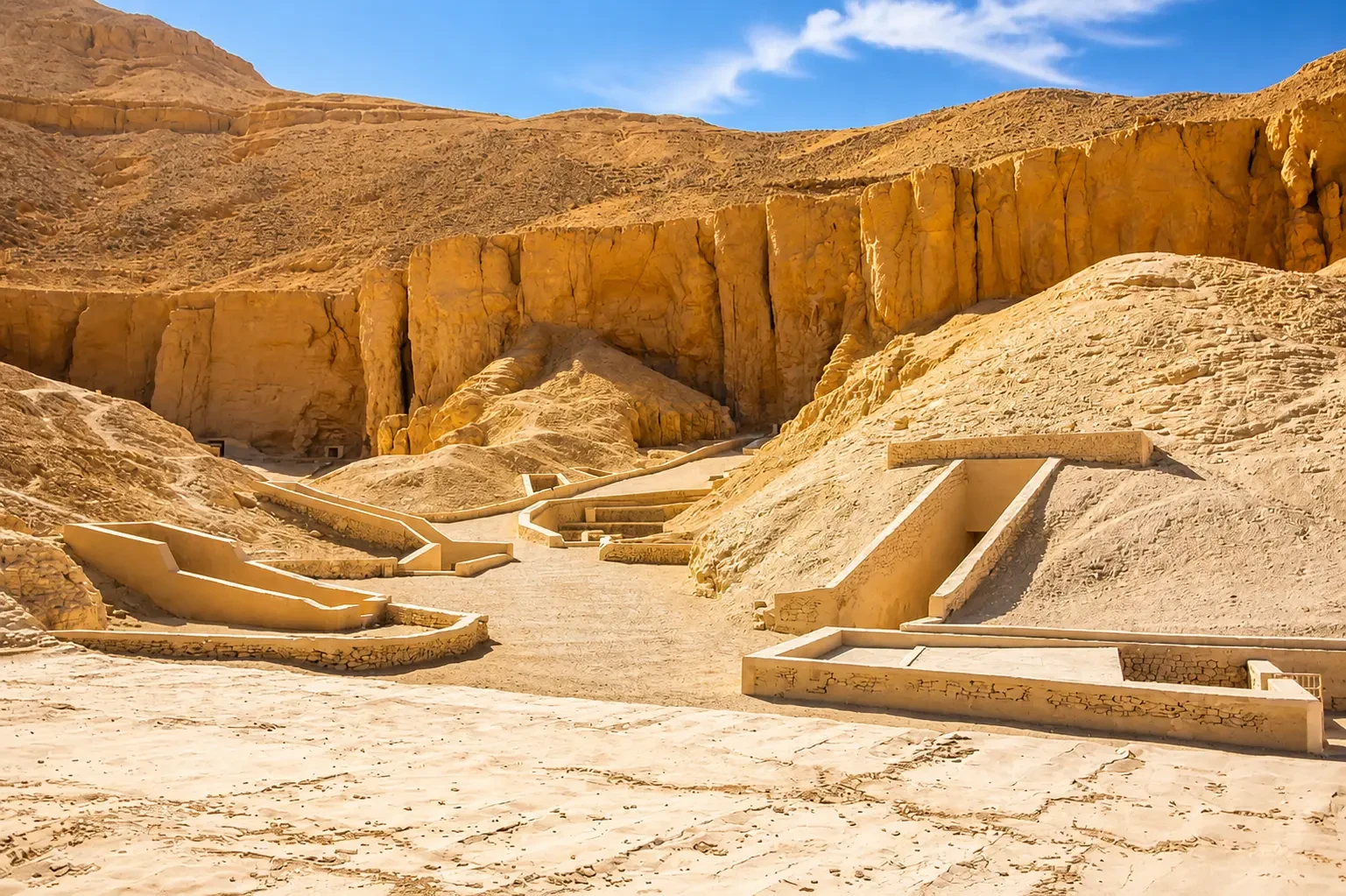
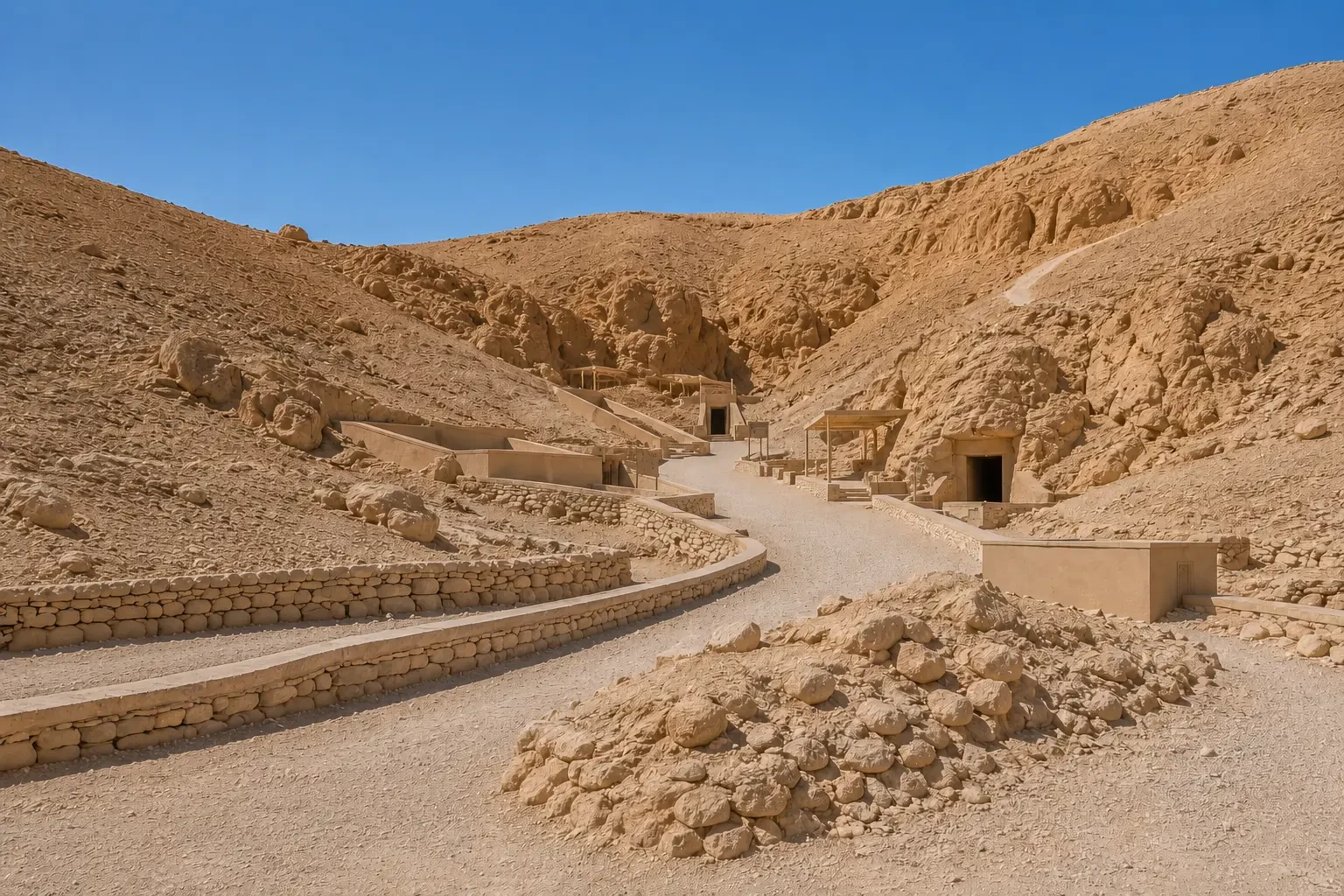
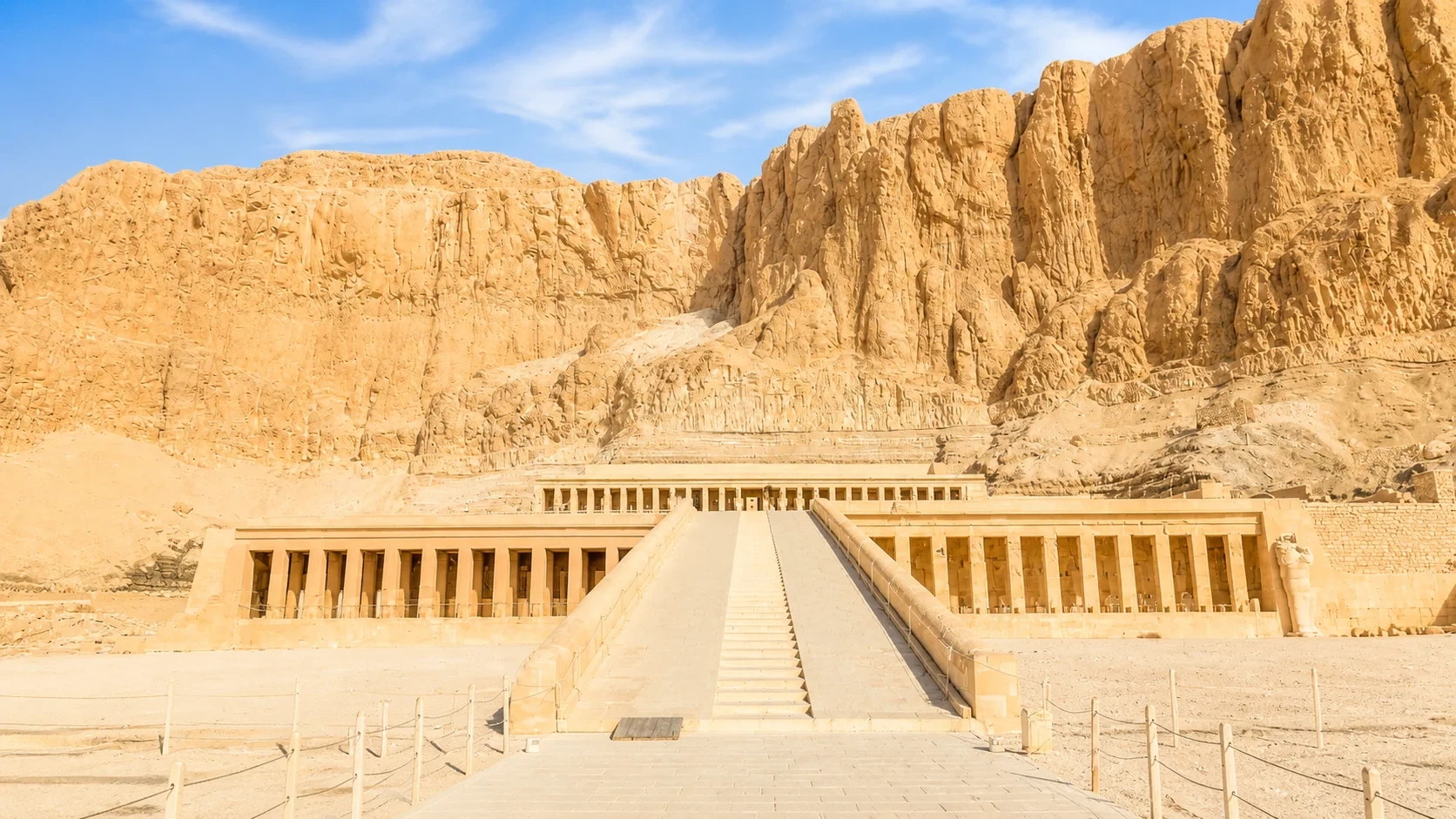
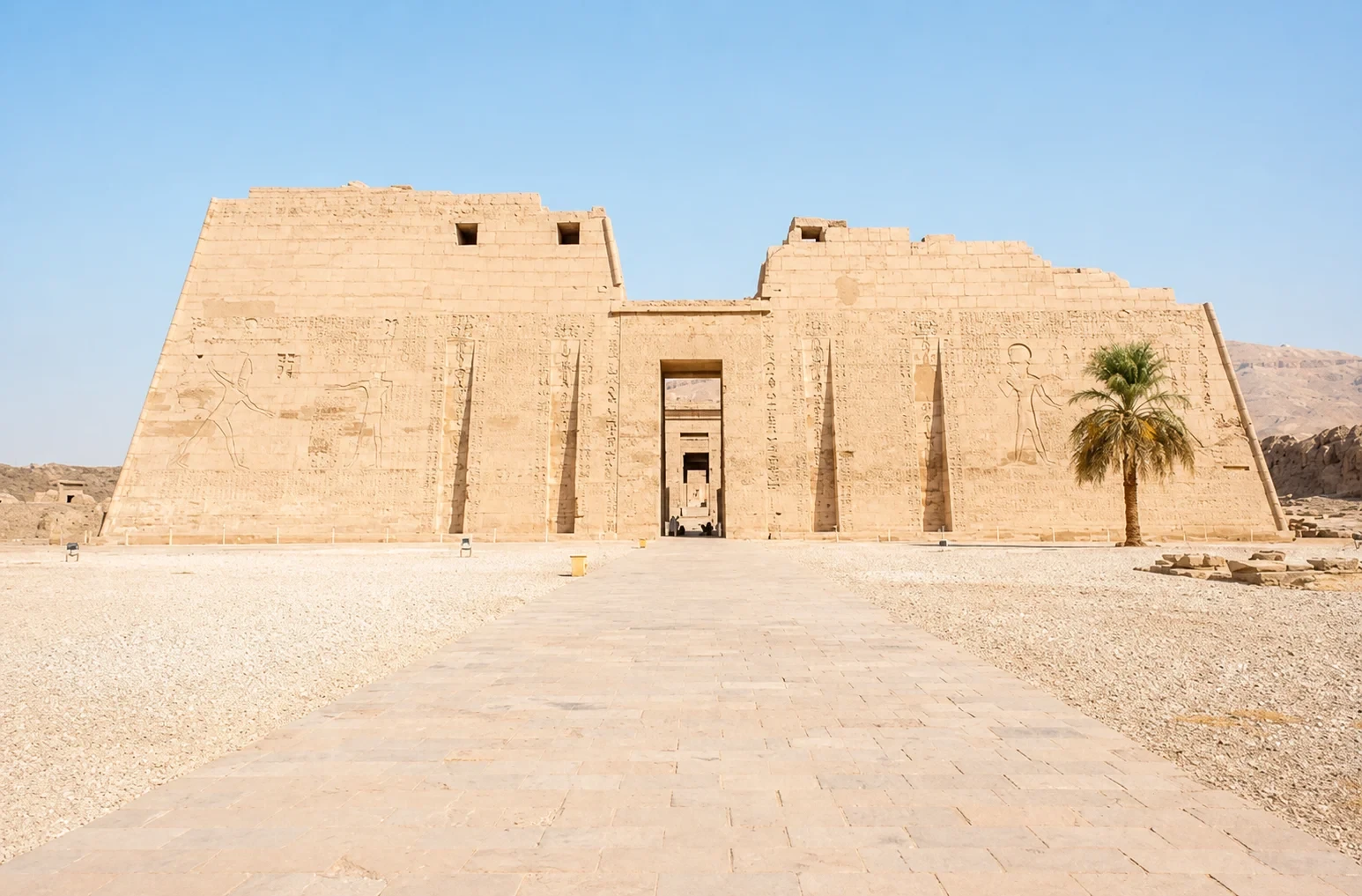
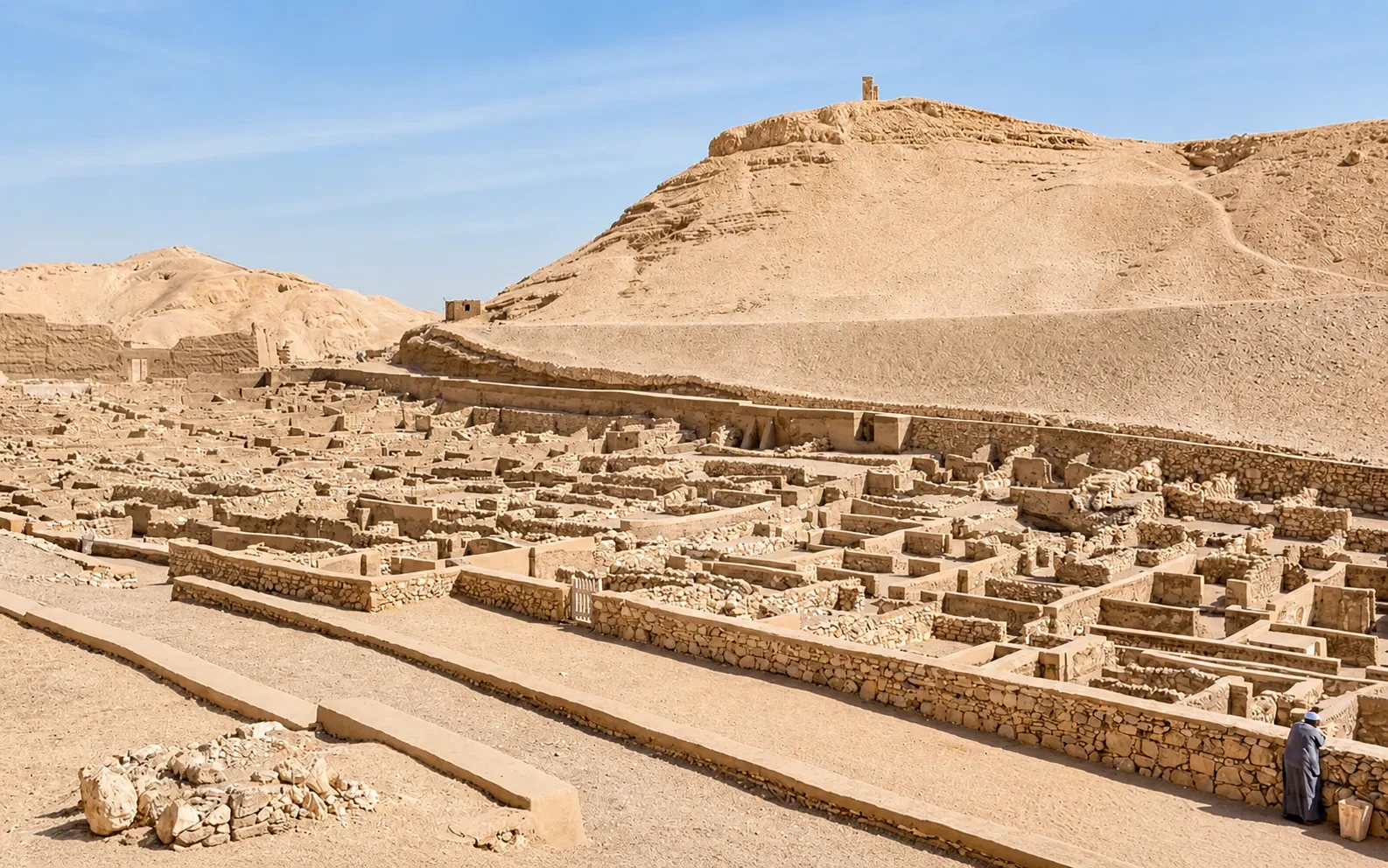
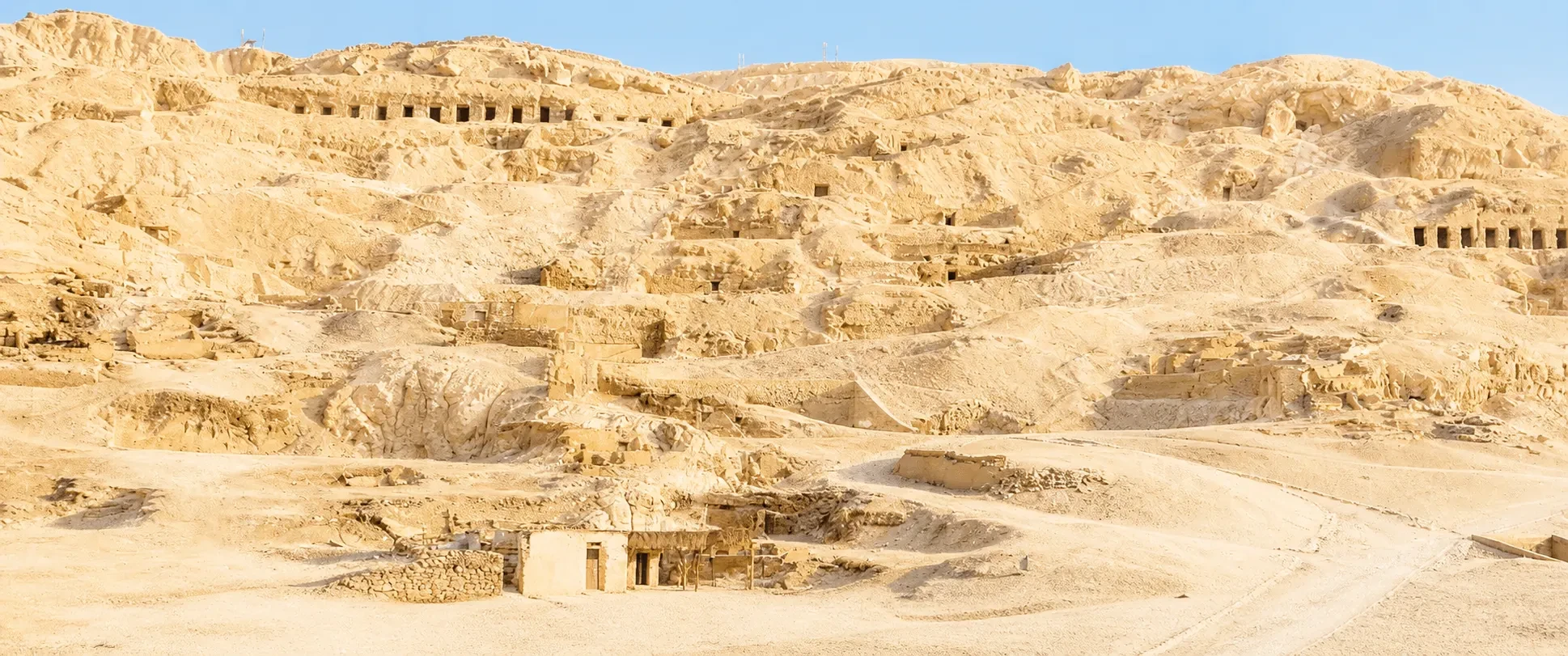
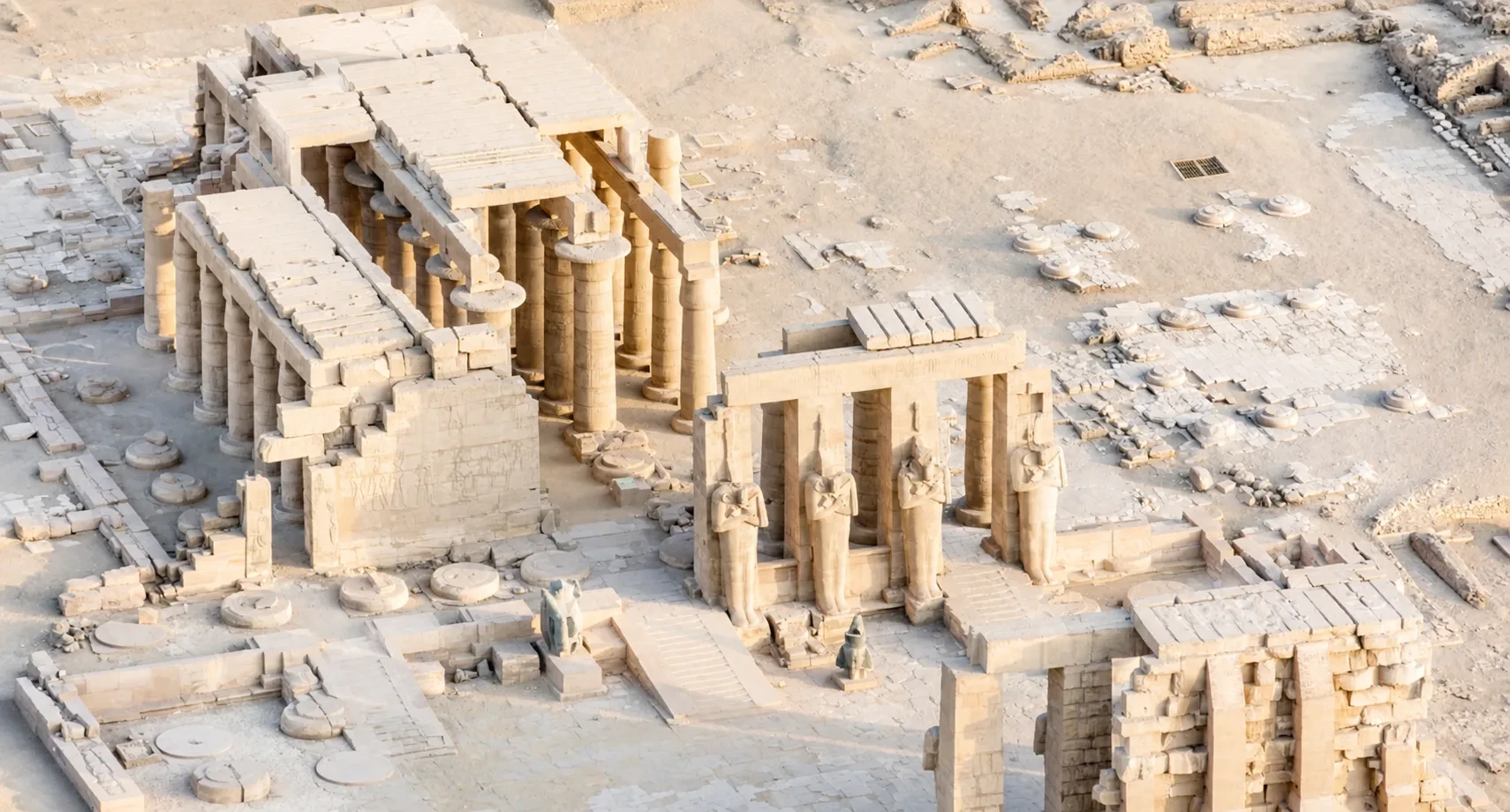
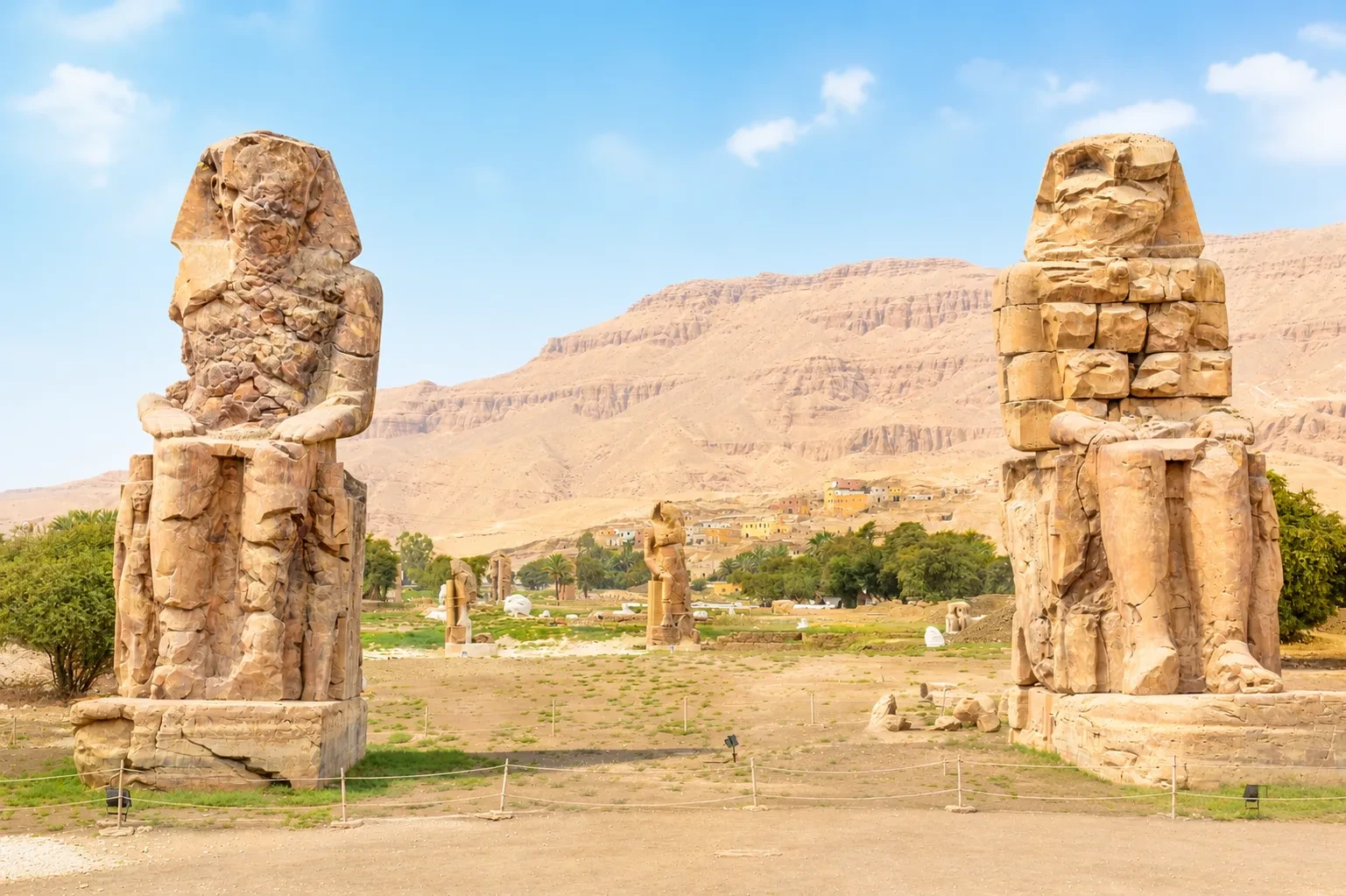
The Luxor West Bank is where the ancient Egyptians buried their dead, and it contains the largest and most diverse grouping of royal and private tombs, mortuary temples, and workers' villages in Egypt. The Valley of the Kings is the royal burial ground used by the pharaohs of the New Kingdom, containing over 60 tombs including those of Tutankhamun, Ramesses II, Seti I, and Ramesses VI. Nearby, the Valley of the Queens holds the tombs of royal wives and princes, most notably the tomb of Queen Nefertari, considered one of the finest examples of ancient Egyptian wall painting anywhere. Hatshepsut Temple, known as Deir el-Bahari, is a three-tiered mortuary temple cut into the limestone cliffs of the Theban hills, built for one of ancient Egypt's most powerful female pharaohs. Medinet Habu is the mortuary temple of Ramesses III and one of the best-preserved temples on the West Bank, with detailed battle reliefs and painted interior halls. Deir el-Medina is the excavated village where the craftsmen and artisans who built the royal tombs lived and were buried, providing direct evidence of the daily lives of working Egyptians during the New Kingdom. The Valley of the Nobles, also called the Tombs of the Nobles, contains over 400 private tomb chapels belonging to the senior officials and administrators of the Theban court, decorated with detailed scenes of farming, feasting, hunting, and craftsmanship that give a different view of ancient Egyptian life than the royal tombs. The Ramesseum is the mortuary temple of Ramesses II, with a massive fallen granite colossus of the pharaoh that inspired Percy Bysshe Shelley's poem Ozymandias. The Colossi of Memnon are two 18-meter seated statues of Amenhotep III that stand at the entrance to his now largely destroyed mortuary temple and are among the most photographed monuments on the West Bank.
The overview page for Luxor the Ancient City covers the broader history of Thebes, how the city developed from the Old Kingdom through the New Kingdom and Late Period, and how the modern city of Luxor relates to its ancient foundations. Use these guides as a starting point for planning which sites to visit, how much time to allocate at each, what tickets cost, and when to visit based on your schedule and the time of year. All guides are written to give you practical, accurate information before your trip, not after.
Luxor Temple is one of the most magnificent and best-preserved ancient Egyptian temple complexes in...
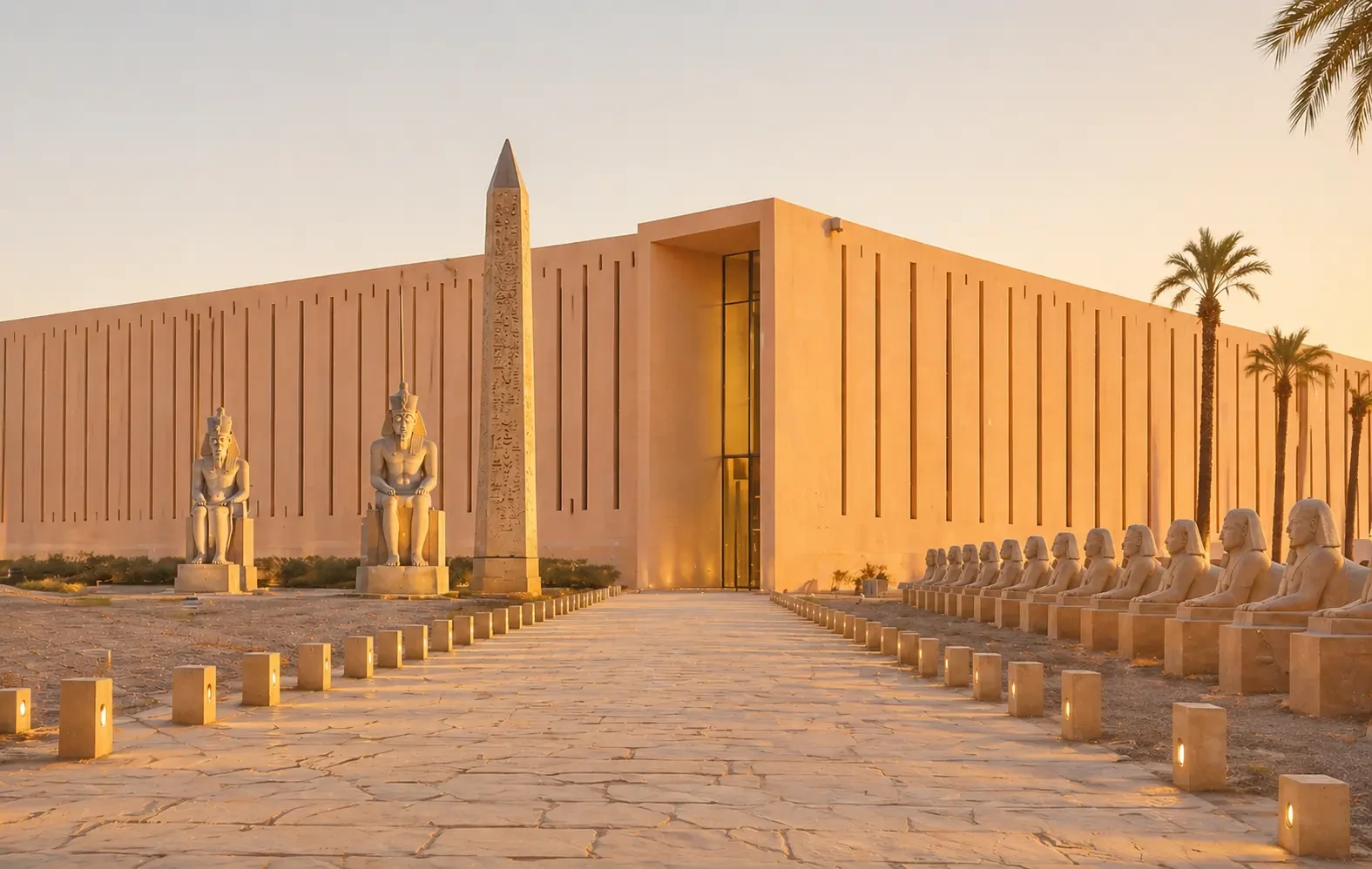
Temple of Karnak is the largest temple complex in the world and the largest religious building ever...
Museum of Luxor one of the finest and most beautifully curated archaeological museums in the entire...
Mummification Museum of Luxor is one of the most unique and fascinating museums in Egypt, and a dest...
Valley of the Gates of the Kings is one of the most iconic archaeological sites in the world, locate...
Valley of the Gates of the Queens is located near the Valley of the Kings, across from Luxor on the...
Temple of Queen Hatshepsut is carved straight out of the limestone cliffs in Luxor. And it is one of...
Medinet Habu Funerary is an archaeological site in the west bank of the Nile River at Luxor, Egypt....
Deir el-Medina was home to the royal tomb builders during the New Kingdom and it is also referred to...
Valley of the Nobles and the Tombs of the Nobles is situated on Luxor’s west bank between the Temple...
Temple Of Ramesseum II stands on the west bank of the Nile at ancient Thebes. It preserves memories...
Colossi of Memnon is the one of the biggest tourist attractions in Luxor, due to its majestic appear...
Luxor is the most extraordinary open-air museum in the world, and a destination that every traveler...
Luxor Temple is one of the most magnificent and best-preserved ancient Egyptian temple complexes in...
Temple of Karnak is the largest temple complex in the world and the largest religious building ever...
Museum of Luxor one of the finest and most beautifully curated archaeological museums in the entire...
Mummification Museum of Luxor is one of the most unique and fascinating museums in Egypt, and a dest...
Valley of the Gates of the Kings is one of the most iconic archaeological sites in the world, locate...
Valley of the Gates of the Queens is located near the Valley of the Kings, across from Luxor on the...
Temple of Queen Hatshepsut is carved straight out of the limestone cliffs in Luxor. And it is one of...
Medinet Habu Funerary is an archaeological site in the west bank of the Nile River at Luxor, Egypt....
Deir el-Medina was home to the royal tomb builders during the New Kingdom and it is also referred to...
Valley of the Nobles and the Tombs of the Nobles is situated on Luxor’s west bank between the Temple...
Temple Of Ramesseum II stands on the west bank of the Nile at ancient Thebes. It preserves memories...
Colossi of Memnon is the one of the biggest tourist attractions in Luxor, due to its majestic appear...
Luxor is the most extraordinary open-air museum in the world, and a destination that every traveler...
Professional team, clear communication, and value you can count on.






Private tours, Public reviews
Before you choose a tour company, see what other travelers say. On TripAdvisor, Trustpilot, and Google Reviews you will find verified reviews describing how we plan itineraries, manage airport meet and assist, handle day to day timing, and support guests on WhatsApp, email, and phone throughout the tour. Many reviews explain why our private tours, flexible options, and local team make travel easier. Read their feedback to understand what to expect from start to finish with WOW Egypt Tours.

We highly recommend WOW Egypt Tours-they made our trip to Egypt truly unforgettable. A special thank you to Salma the coordinator . Her professionalism, responsiveness, and attention to detail were outstanding. Every email and question we had was an...

an amazing 8days/7nights trip, and everything was perfectly organized from start to finish. We started in Cairo, then flew to Luxor for a Nile cruise, visiting Edfu, Kom Ombo, Aswan, and Abu Simbel along the way. It was truly a trip of a lifetime!...
Wir hatten eine unglaubliche 2-tägige Tour in Luxor mit WOW Egypt Tours! Wir waren eine Gruppe von 9 Kollegen auf einer Geschäftsreise, und alles war einfach perfekt. Unser Aufenthalt im Steigenberger Achti direkt am Nil war fantastisch – die Aussich...
WOW Egypt Tours has been a pleasure to work with. Booking was very easy working with the team. Walaa was a fantastic tour agent and has made the booking experience a breeze. Will update after our tour experience
Quick answers to the most asked questions.
This FAQ covers core Egypt travel facts: visa on arrival and e-visa options, safety and health basics, average trip costs and cash/card tips, best months by region, what to wear and pack, local customs and public holidays, weather by season, official language and useful phrases, mobile data/Wi-Fi and SIM cards, transport (flights, trains, taxis, ride-hailing), tipping norms, and guidance for solo travelers and families. Use it to plan quickly and avoid surprises.
Getting into Egypt is genuinely easy. Most nationalities receive a 30-day visa on arrival at Cairo, Luxor, and Hurghada airports for just USD 30, paid in cash at the bank counter before immigration. If you prefer to sort it before you fly, Egypt's official e-Visa takes 3 to 5 business days and costs the same amount. Your passport needs to be valid for at least 6 months from your travel date. When you book with WOW Egypt Tours, your dedicated advisor confirms your exact visa route before anything else, so there is no guesswork on your end.
Absolutely. WOW Egypt Tours specialises in shore excursions from Egypt's main cruise ports including Alexandria for Cairo and the Pyramids, Port Said for Cairo, Safaga for Luxor and the Valley of the Kings, and Sokhna. Your guide meets you directly at the dock, the itinerary is timed precisely to get you back well before all-aboard, and everything runs in a private vehicle with no waiting around. Just share your ship name, port of call, and docking time when you get in touch and we handle the rest.
Start with a message through our contact page, WhatsApp, or email at booking@WOWEgyptTours.com. From that first message you will deal with one dedicated advisor who designs the itinerary, answers every question, and manages your trip from start to finish. A deposit secures your dates and the balance can be paid before arrival or on arrival in Egypt, depending on the package. Your advisor confirms the available payment methods for your specific booking. There are no surprise charges along the way.
This is genuinely what we do best. Through our tailor-made experience, your advisor starts from scratch with your travel dates, the destinations you care about, the pace you prefer, your accommodation style, and your budget, then builds an itinerary around all of it. Want to add a sunrise hot air balloon over Luxor, a private yacht on the Nile, a marriage proposal at Abu Simbel, a family trip mapped around your children's interests, or a wheelchair-accessible route through the Pyramids? All of it is possible and all of it has been done before.
Think light, breathable, and modest. Loose cotton or linen clothing works brilliantly in the heat and dries fast. Inside temples, mosques, and religious sites, covered shoulders and knees are required, so a lightweight scarf or wrap folds into any bag and solves the problem instantly. Comfortable, closed-toe walking shoes matter more than you might expect as ancient surfaces are uneven. Sunscreen, sunglasses, and a hat are non-negotiable in summer. A small reusable water bottle is a good idea everywhere. For desert or Sinai trips, pack a warm layer as nights drop sharply once the sun goes down. Find destination-specific tips in our Wiki and Guides section.
Private packages and cruises on sale
Pick a trip, choose your dates, and get prompt confirmation with dedicated support before and during travel.