
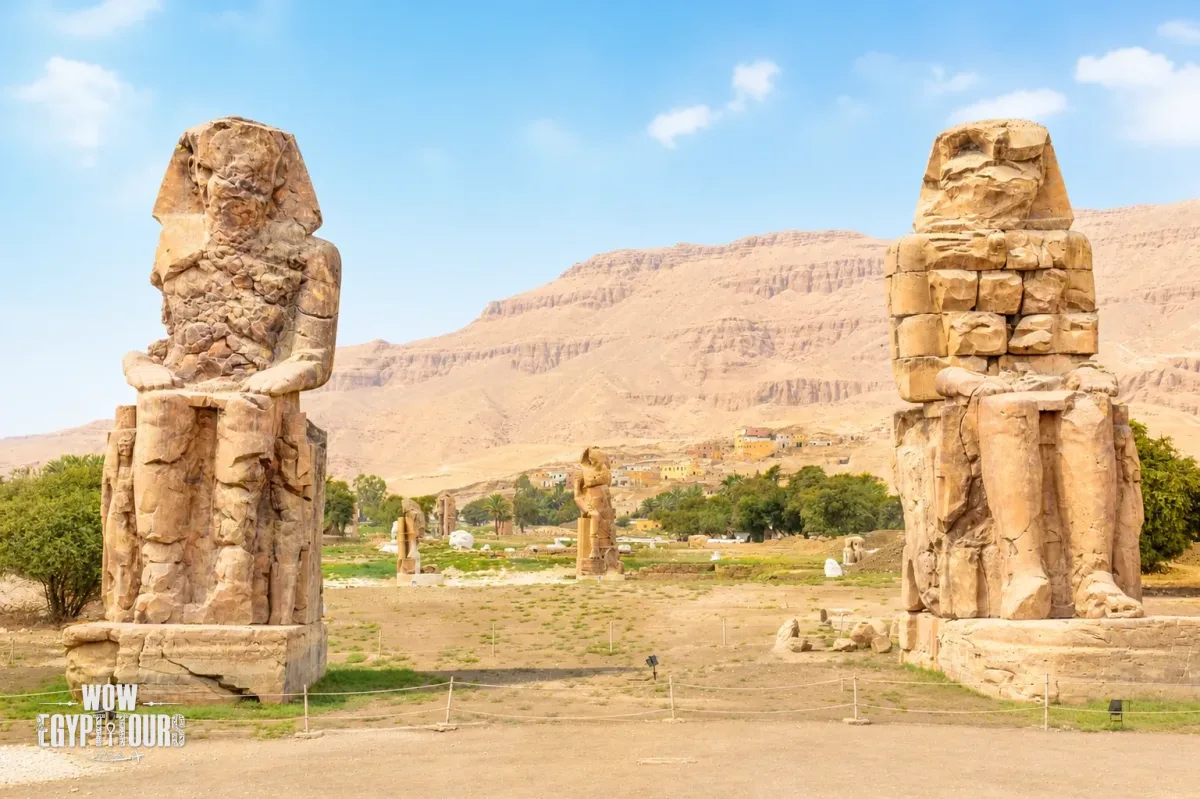

The Colossi of Memnon are among the most iconic and immediately recognizable ancient monuments in Egypt, and a landmark that every traveler to Luxor encounters on their journey through the west bank of the Nile. Located at the entrance to the Theban West Bank plain in the city of Luxor, ancient Thebes, the Colossi of Memnon stand as two enormous seated statues of Pharaoh Amenhotep III, rising more than 18 meters above the surrounding fields and serving for more than three thousand years as the sentinels of the greatest concentration of royal funerary monuments in the ancient world. These legendary statues sit at the heart of some of Egypt's greatest travel experiences, including Luxor Tours, Luxor Day Tours, Luxor East Bank Tours, Luxor West Bank Tours, Colossi of Memnon Tours, Dahabiya Nile River Cruises, and Luxor Aswan Nile River Cruises, all of which WOW Egypt Tours proudly offers to travelers from around the world. The Colossi of Memnon are also a highlight of Egypt Tours Packages, Egypt Travel Packages, and Safaga Shore Excursions, making them one of the most visited and most photographed ancient monuments in all of Egypt.
Originally erected around 1350 BCE as the entrance facade of the enormous mortuary temple of Amenhotep III, the largest mortuary temple ever built on the Theban West Bank, the Colossi of Memnon Egypt have stood at their current location for more than 3,300 years, outlasting the great temple they once guarded, which was subsequently quarried for building materials by later pharaohs until almost nothing remained above ground. The statues depict Amenhotep III seated on his throne, with his hands resting on his knees and his gaze directed east toward the Nile and the rising sun, embodying the eternal vigilance of a divine pharaoh watching over his kingdom throughout eternity. Visiting the Colossi of Memnon is not simply a photo stop; it is a confrontation with the sheer scale of ancient Egyptian royal ambition, and an opportunity to understand why these two giants were once considered among the wonders of the ancient world and attracted tourists from across the Mediterranean for more than a thousand years before the birth of modern Egyptology.
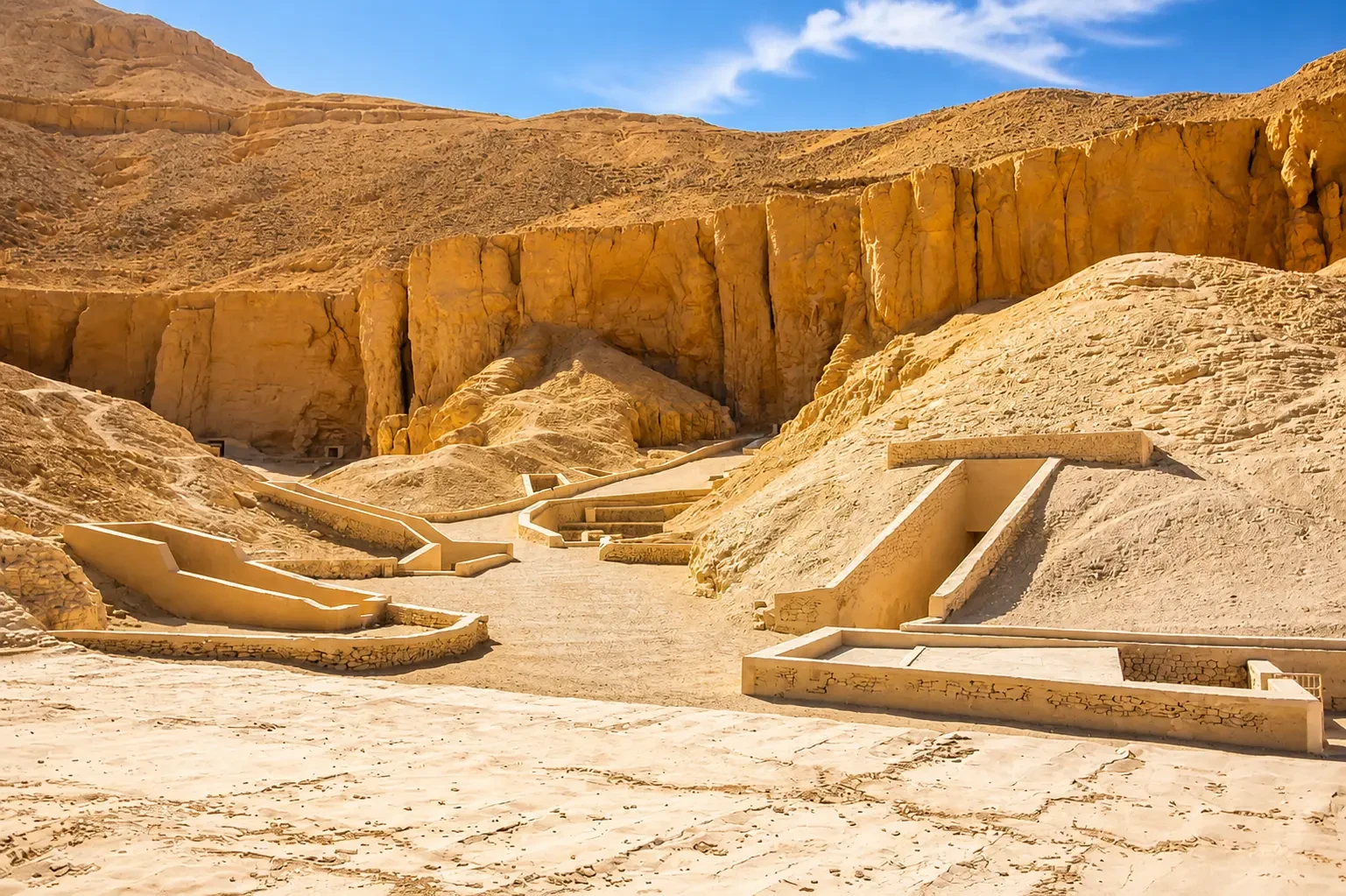
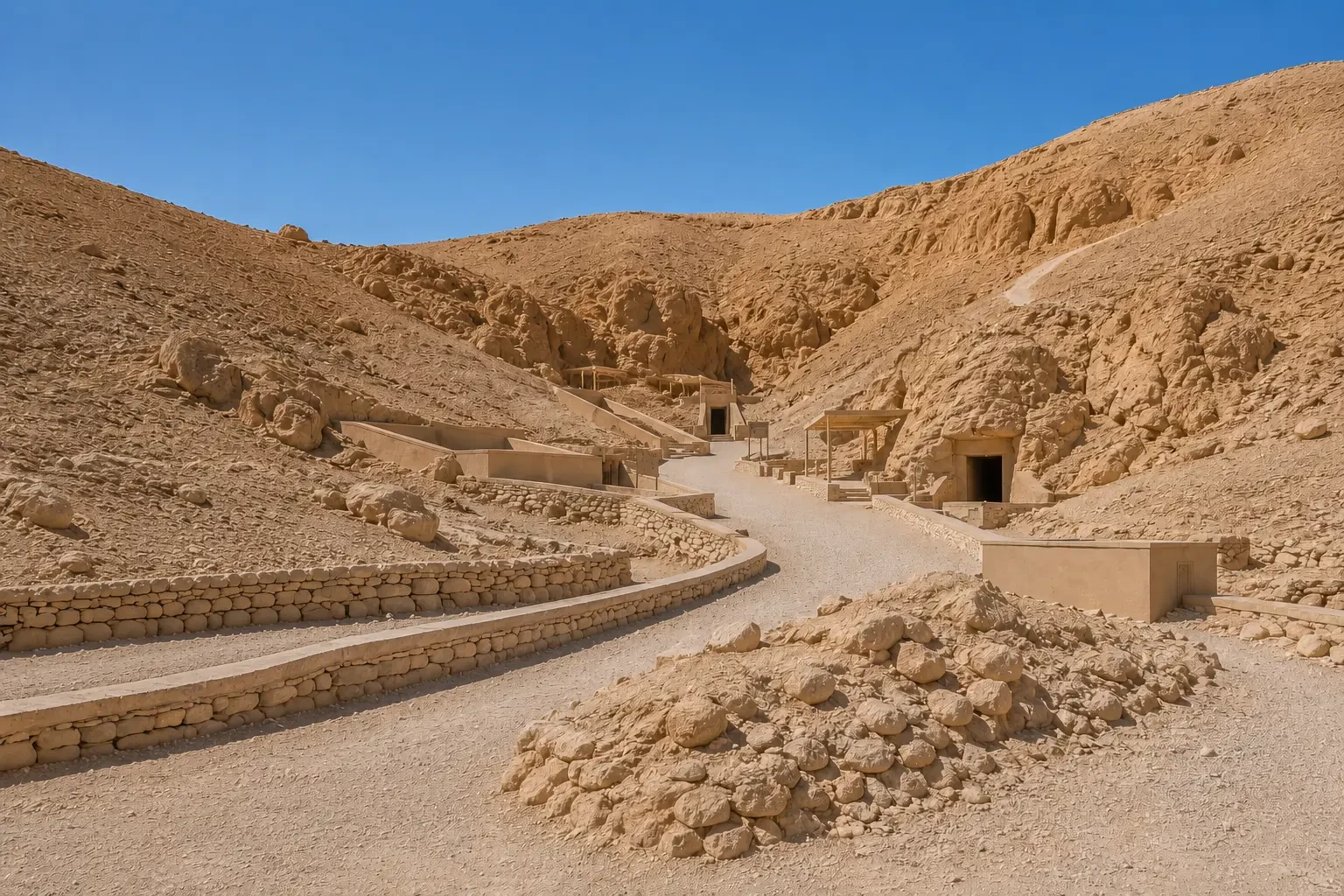
The Colossi of Memnon stand at the threshold of the ancient Theban necropolis, the vast city of the dead that spread across the entire west bank of the Nile opposite ancient Thebes, encompassing the Valley of the Kings, the Valley of the Queens, and the great mortuary temples of the Theban plain.

Who Built The Colossi Of Memnon In Egypt?
The Colossi of Memnon were built by Pharaoh Amenhotep III of the 18th Dynasty, who ruled Egypt from approximately 1388 BCE to 1350 BCE during what is generally considered the cultural and artistic golden age of the New Kingdom. Amenhotep III was one of the most prolific builders in the history of ancient Egypt, commissioning an extraordinary programme of temple construction and artistic creation that transformed the landscape of both Thebes and Nubia during his long reign of approximately 38 years. The Colossi were quarried from quartzite sandstone at the site of Gebel el-Ahmar near Cairo and transported by barge the entire length of the Nile to Thebes, a logistical achievement of staggering proportions that demonstrates the extraordinary organizational capacity of the New Kingdom Egyptian state.
The statues originally stood at the eastern entrance to the mortuary temple of Amenhotep III, known in ancient Egyptian as the Temple of Nebmaatre, Lord of Thebes, which at the time of its construction was the largest temple complex in Egypt, covering an area of approximately 350,000 square meters and containing more large-scale sculptures than any other temple in the ancient world. The temple was subsequently dismantled over the following centuries by Ramesses II, Merenptah, and other pharaohs who quarried its stones for their own building projects, leaving the Colossi of Memnon standing alone on the plain as the only visible remnants of what had once been the most magnificent mortuary complex in ancient Thebes.
Who Was Amenhotep III?
Amenhotep III was one of the most remarkable and accomplished rulers in the entire history of ancient Egypt. Born around 1388 BCE as the son of Thutmose IV and his Mitannian wife Mutemwia, he inherited the throne at a young age and ruled for approximately 38 years in an era of extraordinary prosperity, political stability, and artistic achievement. Unlike many of the great New Kingdom pharaohs, Amenhotep III was not primarily a warrior king: his reign was characterized by diplomatic skill, economic abundance, and an almost unprecedented investment in building, art, and luxury. He conducted diplomatic correspondence with the kings of Babylon, Mitanni, Assyria, and Cyprus, arranged dynastic marriages with foreign princesses, and presided over a royal court of breathtaking cultural sophistication.
Amenhotep III's building programme was unmatched in the history of the New Kingdom. He constructed the Temple of Amun at Luxor, the Third Pylon at Karnak Temple, the Temple of Soleb in Nubia, a colossal mortuary temple on the West Bank of Thebes, and hundreds of statues and sphinxes throughout Egypt and Nubia. He married a commoner named Tiye as his great royal wife, breaking with royal tradition in a way that required extensive ideological justification, and he was the father of the pharaoh Akhenaten, who would briefly transform Egyptian religion and art in the most radical revolution in ancient history. The Luxor Museum houses one of the finest surviving royal portraits of Amenhotep III, a painted limestone head that is considered among the masterpieces of New Kingdom royal sculpture.
Colossi Of Memnon Location In Egypt
The Colossi of Memnon stand on the west bank of the Nile River in the city of Luxor, at the edge of the agricultural plain approximately 500 meters west of the Nile riverbank, directly beside the main road that leads from the West Bank ferry landing to all the sites of the Theban necropolis. Their position at the threshold of the West Bank plain makes them the first ancient monument that every visitor to the Theban necropolis encounters on arriving from the Nile, and the last they see on departing. The statues are visible from the East Bank of the Nile and from the fields surrounding them, towering above the flat agricultural landscape with an immediacy and physical presence that no photograph fully prepares visitors for. WOW Egypt Tours includes a visit to the Colossi of Memnon as a standard stop on all Luxor West Bank Tours, Egypt Tours Packages, Egypt Travel Packages, and Safaga Shore Excursions.
Colossi Of Memnon Fun Facts
Each of the Colossi of Memnon stands approximately 18 meters high, roughly equivalent to a six-story building, and weighs an estimated 720 tonnes, making them among the heaviest single stone objects ever moved in the ancient world. The statues were carved from quartzite sandstone quarried at Gebel el-Ahmar near modern Cairo, more than 675 kilometers from Thebes, and transported by barge along the Nile on a specially constructed vessel at the time of the annual Nile flood when the river was at its highest. The bases of the statues are decorated with carved reliefs showing the Nile gods binding together the heraldic plants of Upper and Lower Egypt around a Sema symbol representing the unity of the two lands, confirming the cosmic significance of the pharaoh whose eternal presence the statues were designed to embody.
The northern colossus of the pair became famous throughout the ancient world for an extraordinary phenomenon: following a severe earthquake in 27 BCE that cracked the statue from its waist upward, it began to emit a mysterious musical sound at dawn, described by ancient visitors as a singing or ringing tone that was interpreted as the voice of the hero Memnon greeting his mother Eos, the goddess of the dawn. This acoustic phenomenon attracted visitors from across the Roman Empire for nearly three centuries, and more than 100 ancient Greek and Latin inscriptions left by these visitors are still visible on the legs and base of the statue today, making the northern colossus one of the most extensively inscribed ancient monuments in the world. The singing of the Memnon statue ceased after the Roman Emperor Septimius Severus had the cracked upper portion restored around 199 CE, and the statue has been silent ever since.
Why Are The Colossi Of Memnon Called By This Name In Egypt?
The name Colossi of Memnon is a Greek and Roman misidentification that has persisted from classical antiquity to the present day. The ancient Greeks who visited Thebes in the centuries before and after the Common Era mistook the seated statues for representations of the mythological hero Memnon, a son of the dawn goddess Eos and king of Ethiopia who, according to Homer's Iliad, fought on the Trojan side in the Trojan War and was killed by the Greek hero Achilles. When the northern statue began to emit its mysterious dawn sound after the earthquake of 27 BCE, the Greeks and Romans interpreted this as the voice of Memnon calling out to his mother Eos at the moment of sunrise, and the name Colossi of Memnon, or the Memnoneia, became permanently attached to the statues.
The ancient Egyptian name for the statues was simply the guardians of the mortuary temple of Amenhotep III, and the ancient Egyptians clearly knew that the statues depicted their great pharaoh rather than any Greek hero. The modern Arabic name for the statues is Shama el-Nema, meaning the statues of Nema, a folk etymological corruption of the ancient name Amenhotep. Despite the historically inaccurate nature of the classical name, Colossi of Memnon has remained the universally used designation for these extraordinary monuments in all languages and in all periods of modern scholarship and tourism.
Colossi Of Memnon History
The Colossi of Memnon were erected around 1350 BCE as the entrance facade of the mortuary temple of Amenhotep III, which was at that time the largest temple complex in Egypt. For the first few centuries of their existence the statues stood within a vast temple precinct filled with additional colossal statues, sphinxes, obelisks, and pylon gateways that made the entire complex one of the most magnificent religious establishments in the ancient world. However, the temple itself was built on the low-lying floodplain of the Nile and was repeatedly inundated by the annual flood, which gradually weakened its mud-brick foundations. Successive pharaohs of the 19th and 20th Dynasties, beginning with Merenptah, used the temple as a convenient quarry for building materials for their own projects, and by the Roman period virtually nothing remained above ground except the two entrance colossi.
The earthquake of 27 BCE that cracked the northern colossus and produced its famous singing sound transformed the statues from the remains of a demolished temple into one of the most celebrated tourist attractions in the ancient world. Roman emperors, generals, scholars, and ordinary travellers visited the Colossi of Memnon in large numbers, leaving inscriptions in Greek, Latin, and other languages on the statue bases and legs that today constitute one of the most extensive collections of ancient tourist graffiti in existence. The acoustic phenomenon ceased after the restoration of the statue by Septimius Severus around 199 CE, but the fame of the Colossi continued through the Byzantine, Arab, and Ottoman periods into the modern era. Archaeological excavation of the surrounding area since the 1990s, led by the Colossi of Memnon and Amenhotep III Temple Conservation Project, has revealed extensive remains of the original mortuary temple complex and produced significant new discoveries about the scale and splendor of what Amenhotep III originally built.
The Story Of The Singing Colossus
The story of the Singing Colossus of Memnon is one of the most remarkable phenomena in the history of ancient tourism. Following the earthquake of 27 BCE, which severely cracked the northern statue from approximately the waist upward, ancient visitors reported hearing a musical sound emanating from the statue at dawn, described variously as the sound of a lyre being struck, a brass instrument being played, or a pure ringing tone. The sound was interpreted by Greeks and Romans as the voice of the mythological hero Memnon calling out to his divine mother Eos at the moment when her rays first struck the stone, a response of the dead hero to the warmth and light of the rising sun.
The phenomenon attracted an extraordinary range of ancient visitors including the Roman empress Sabina, wife of Hadrian, who visited in 130 CE and was so impressed that she composed five epigrams about the experience that are among the inscriptions still visible on the statue base today. The Greek geographer Strabo, who visited shortly after the earthquake and before the acoustic phenomenon was fully established, expressed skepticism about the reports, suggesting that the sound might be produced by local people hidden in the rocks. Modern scientists have proposed that the sound was produced by the rapid warming of the cracked stone at dawn causing the contraction and expansion of the quartzite to produce a ringing tone, a phenomenon that ceased when the restoration by Septimius Severus filled in the cracks and eliminated the resonance chamber. Whatever its cause, the Singing Colossus of Memnon stands as one of the most vividly documented popular phenomena of the ancient world.
Colossi Of Memnon Architecture And Features
The Two Main Colossi
The two Colossi of Memnon depict Amenhotep III in the standard posture of the enthroned pharaoh, seated with his hands flat on his thighs and his gaze directed eastward toward the Nile and the rising sun. Each statue was carved from a single block of quartzite sandstone, though the upper portions of the northern colossus were restored in antiquity using blocks of different stone added during the Severan restoration. The faces of both statues are severely weathered and largely featureless as a result of millennia of exposure to the elements and to the annual Nile flood, but the basic form and scale of the figures remain imposing. The crowns originally worn by both statues, which bore the double plumes of Amun, have been lost and only the lower sections of the crowns survive on the tops of the heads.
The Side Figures
On the sides of each throne of the Colossi of Memnon stand smaller carved figures of the pharaoh's family members. On the north side of each throne stands a figure of Amenhotep III's mother, the Mitannian queen Mutemwia, and on the south side stands his great royal wife Queen Tiye. These smaller figures, though dwarfed by the colossal scale of the enthroned pharaoh, are themselves carved on a human scale, providing a vivid visual demonstration of the overwhelming superhuman scale of the pharaonic figure they attend. The presence of Tiye and Mutemwia on the throne bases reflects the exceptional importance of women in the ideological world of Amenhotep III's reign.
The Throne Bases And Nile God Reliefs
The throne bases of the Colossi of Memnon are decorated on their front faces with carved relief scenes showing the Hapy figures, the gods of the annual Nile inundation, tying together the lotus plant of Upper Egypt and the papyrus plant of Lower Egypt around a central Sema symbol representing the unification of the Two Lands under the pharaoh. These Sema-tawy or Union of the Two Lands reliefs are one of the standard decorative motifs of ancient Egyptian royal statuary, appearing on throne bases and statue pedestals throughout the pharaonic period, and their presence on the Colossi of Memnon confirms the cosmic royal significance of Amenhotep III's seated figures as embodiments of the unified divine kingship of Egypt.
The Ancient Inscriptions
More than 100 ancient Greek and Latin inscriptions are preserved on the legs and bases of the Colossi of Memnon, left by ancient visitors over a period of approximately three centuries from the 1st century CE onwards. These inscriptions, which range from brief identification tags to elaborate literary compositions in verse, constitute one of the most extensive and best-preserved collections of ancient tourist graffiti in the world and provide a fascinating record of the ancient visitor experience at this famous site. The inscriptions include compositions by the Roman empress Sabina, by the proconsul Calvisius Flaccus, by the poet Julia Balbilla who accompanied Hadrian and Sabina on their visit in 130 CE, and by hundreds of ordinary visitors from across the Roman Empire who wanted to record their presence at one of the most celebrated wonders of the ancient world.
The Mortuary Temple Remains
The area surrounding the Colossi of Memnon contains extensive buried and partially excavated remains of the mortuary temple of Amenhotep III, revealed by ongoing archaeological work conducted since the 1990s by the joint Egyptian-German-Armenian Colossi of Memnon and Amenhotep III Temple Conservation Project directed by Hourig Sourouzian. Excavations have revealed additional colossal statues, sphinx rows, stele, column bases, paving stones, and the foundations of multiple pylon gateways and hypostyle halls from the original temple complex, transforming scholarly understanding of the scale and magnificence of what Amenhotep III built. A third colossus of Amenhotep III, discovered in fragments and painstakingly reassembled by the archaeological team, now stands at the site alongside the original two, giving visitors a more complete impression of the original entrance precinct of the temple.
Why Are The Colossi Of Memnon Important?
The Colossi of Memnon are important for several reasons that extend beyond their undeniable visual impact. They are the only surviving above-ground remnants of what was once the largest temple complex in ancient Egypt, making them the primary physical evidence for the existence and scale of the great mortuary temple of Amenhotep III. Their extraordinary longevity, standing in virtually the same location for more than 3,300 years through the successive civilizations of pharaonic Egypt, the Greek and Roman world, Byzantine Christianity, medieval Islam, and the modern era, makes them one of the most enduring and continuously witnessed human-made objects in the history of civilization.
The acoustic phenomenon of the northern colossus, documented in more than a hundred ancient inscriptions, makes the Colossi of Memnon uniquely important as a site of ancient cultural and religious experience, providing direct evidence of how an ancient wonder could attract visitors from across the Mediterranean world and generate a rich tradition of literary and epigraphic response over centuries. The ongoing archaeological excavations at the site continue to yield new discoveries that are dramatically expanding knowledge of the mortuary temple of Amenhotep III, making the Colossi of Memnon an active site of contemporary scientific investigation rather than simply a static heritage monument. WOW Egypt Tours includes the Colossi of Memnon as a standard stop on all Luxor West Bank Tours, Egypt Tours Packages, and Safaga Shore Excursions.
What Are Some Interesting Facts About The Colossi Of Memnon?
The Heaviest Statues Ever Moved In The Ancient World
Each of the Colossi of Memnon weighs an estimated 720 tonnes and was quarried as a single block from the quartzite sandstone quarries at Gebel el-Ahmar near Cairo, more than 675 kilometers from the site where they now stand. Transporting these enormous blocks from Cairo to Thebes by river barge, probably at the time of the annual Nile inundation when the flood waters made the river navigable to vessels of exceptional size and capacity, required a level of engineering knowledge, organizational capacity, and physical labor that staggers modern imagination. Ancient inscriptions record the pride of Amenhotep III in his achievement: one of the great commemorative scarabs of his reign boasts that he had caused to be made two great statues from the quartzite of Gebel el-Ahmar, marvels that would endure forever and ever.
The Roman Empress Who Heard The Singing
Among the most celebrated of the ancient visitors who heard the singing of the northern colossus was the Roman empress Sabina, wife of the emperor Hadrian, who visited Thebes in November of 130 CE as part of a grand imperial tour of Egypt. Sabina and the emperor were accompanied by a group of intellectuals and poets, and her lady-in-waiting Julia Balbilla composed four epigrams in the archaic Aeolic Greek of the poet Sappho to commemorate the visit, which are among the most sophisticated literary compositions preserved in the entire corpus of ancient visitor inscriptions. The inscriptions record that Sabina heard the voice of Memnon both on her first visit and on a subsequent visit the following day, and that the sound was compared by those present to the sound of a bronze instrument. These inscriptions are still clearly legible on the left leg of the northern colossus today and constitute a unique literary document of ancient imperial tourism.
The Third Colossus
Recent archaeological excavations at the site of the mortuary temple of Amenhotep III have revealed the fragments of a third colossal statue of the pharaoh, approximately equal in scale to the two surviving Colossi of Memnon, which had fallen and broken into numerous pieces and been buried under the surface of the surrounding fields. The painstaking work of the Colossi of Memnon and Amenhotep III Temple Conservation Project, directed by Hourig Sourouzian, has assembled these fragments and re-erected the third colossus at the site, where it now stands near the original pair as visible evidence of the extraordinary density of colossal sculpture that once populated the entrance precinct of the mortuary temple. The discovery and re-erection of the third colossus is one of the most dramatic recent achievements of Egyptian archaeological restoration and gives visitors to the Colossi of Memnon an additional monument that was unknown to the world until the 21st century.
What Is So Special About The Colossi Of Memnon?
The First Thing You See On The Theban West Bank
The Colossi of Memnon occupy a unique place in the visitor experience of the Theban West Bank because they are the first ancient monument that every visitor encounters on arriving from the Nile, towering above the flat agricultural plain with an immediacy and physical scale that no other monument on the West Bank matches in its initial visual impact. For countless generations of travelers, the first sight of the Colossi of Memnon as they crossed the Nile from Luxor has been the defining moment of arrival at the most extraordinary archaeological landscape in the world. The experience of approaching the statues across the flat plain, watching them grow from distant shapes on the horizon to overwhelming human-scale presences that dwarf everything around them, is one that prepares every visitor perfectly for the scale of the monuments they are about to encounter in the Valley of the Kings, the Temple of Hatshepsut, and the other great sites of the West Bank.
Three Thousand Years Of Continuous Tourism
What makes the Colossi of Memnon uniquely special among all the ancient monuments of the Theban West Bank is the unbroken record of human visitation that stretches from the time of their construction to the present day. For more than three thousand years, generation after generation of visitors has stood before these two seated giants, looked up at their weathered faces, and been struck by the same sense of overwhelming scale and temporal depth that every modern visitor experiences. The more than one hundred ancient inscriptions preserved on the statue bases document a continuous tradition of ancient tourism that lasted for at least three centuries of the Roman period alone, and the modern millions who photograph the statues each year are participating in the world's longest-running tradition of cultural tourism.
Colossi Of Memnon Through The Ages: From Ancient Egypt To The Present
The history of the Colossi of Memnon spans more than three thousand years of continuous human engagement. During the New Kingdom, the statues stood at the entrance of the greatest temple complex in Egypt, presiding over a precinct filled with subsidiary statues, sphinxes, obelisks, and pylon gateways. As the mortuary temple of Amenhotep III was gradually dismantled by later pharaohs, the Colossi remained standing, too massive and too deeply founded to be easily removed, while the world around them changed beyond recognition.
During the Greek and Roman periods, the statues became one of the most celebrated tourist attractions in the ancient world, attracting visitors from across the Mediterranean who came specifically to hear the singing of the northern colossus and to leave their names among the growing collection of inscriptions on its base. The Roman restoration by Septimius Severus ended the singing phenomenon but did nothing to reduce the fame of the monuments, which remained major landmarks throughout the Byzantine and medieval periods. During the Arab and Ottoman periods, the statues were known locally under their Arabic name and continued to be visited by travelers from across the Islamic world and from Europe. The modern scientific study of the Colossi of Memnon began with the Napoleonic expedition of 1798 and has continued through successive generations of Egyptologists and archaeologists to the present day, most recently through the ongoing excavations of the Colossi of Memnon and Amenhotep III Temple Conservation Project that continue to expand knowledge of the original temple complex that the statues once guarded.
Colossi Of Memnon UNESCO World Heritage Site
The Colossi of Memnon are part of the Ancient Thebes with its Necropolis UNESCO World Heritage Site, inscribed in 1979. This designation recognizes the outstanding universal value of the entire Theban region, which includes the Colossi of Memnon, the Valley of the Kings, the Valley of the Queens, Luxor Temple, Karnak Temple, and the many temples and tombs of the West Bank of the Nile. UNESCO recognizes the Colossi of Memnon as outstanding examples of ancient Egyptian colossal sculpture and as the primary surviving physical evidence of the mortuary temple of Amenhotep III, the largest royal mortuary complex ever built in ancient Egypt. The UNESCO designation has supported international archaeological work at the site, including the ongoing excavation and conservation project that is gradually recovering the buried remains of the original temple precinct.
Best Time To Visit The Colossi Of Memnon
The best time to visit the Colossi of Memnon is during the cooler months from October through April, when temperatures in Luxor are moderate and the open plain surrounding the statues is comfortable for extended observation and photography. The summer months from May to September can be intensely hot at the Colossi of Memnon site, which is fully exposed to the sun with no shade whatsoever, and midday visits in summer can be genuinely uncomfortable. If visiting during summer, plan your visit for early morning when the low sun illuminates the faces of the statues from the east, creating the most dramatic and photogenic lighting conditions, and before the heat of the day builds to its maximum intensity. WOW Egypt Tours includes the Colossi of Memnon as a standard stop on all Luxor West Bank Tours and times the visit to coincide with the best lighting conditions available on the day.
Colossi Of Memnon Opening Hours
The Colossi of Memnon are accessible to visitors at all hours of the day, as the statues stand in an open area beside the main road without an enclosing ticket barrier. The surrounding archaeological site is open daily from 6:00 AM to 5:00 PM, and visitors can approach and photograph the statues at any time during these hours. Early morning is the best time to visit both for the quality of the light, which illuminates the eastern faces of the statues as the sun rises, and for the relative coolness of the air before the full heat of the day develops.
Colossi Of Memnon Entrance Fees
Visiting the Colossi of Memnon is free of charge. The statues stand beside the main West Bank road and can be viewed and photographed without purchasing a ticket. The surrounding archaeological site area is also accessible without an entrance fee. All WOW Egypt Tours Luxor West Bank Tours, Egypt Tours Packages, and Safaga Shore Excursions include a standard stop at the Colossi of Memnon as part of the itinerary.
How To Get To The Colossi Of Memnon
The Colossi of Memnon are located on the west bank of the Nile in Luxor, approximately 500 meters west of the main West Bank ferry landing, directly beside the road that leads to all the sites of the Theban necropolis. From central Luxor, visitors cross the Nile by public ferry or private motorboat to the West Bank landing, from which the Colossi of Memnon are visible immediately to the west and can be reached on foot in approximately ten minutes or by taxi in under five minutes.
Visitors arriving by air land at Luxor International Airport on the East Bank, from which private transfers to the West Bank are readily available. Nile cruise ships dock along the Corniche on the East Bank and all cruise itineraries include organized transportation to the West Bank sites. Travelers joining Safaga Shore Excursions with WOW Egypt Tours are collected directly from Safaga Port and transferred comfortably to the Colossi of Memnon by private air-conditioned vehicle. All Luxor West Bank Tours operated by WOW Egypt Tours include a stop at the Colossi of Memnon as part of the standard itinerary.
How Long To Spend At The Colossi Of Memnon
Most visitors spend between 15 and 30 minutes at the Colossi of Memnon, which is sufficient time to approach the statues, appreciate their extraordinary scale, read the information panels about their history, and take photographs from multiple angles. Visitors with a deeper interest in the ancient inscriptions on the statue bases, the carved reliefs on the throne pedestals, or the ongoing archaeological excavations in the surrounding area may wish to allow 30 to 45 minutes for a more thorough visit. The Colossi of Memnon are almost always visited as part of a full Luxor West Bank Tour rather than as a standalone destination, and WOW Egypt Tours typically includes them as an opening or closing stop on all West Bank itineraries.
Tips For Visiting The Colossi Of Memnon
Visit early in the morning for the best light and the most comfortable temperatures, particularly in summer. The east-facing statues are at their most dramatic in the early morning when the rising sun illuminates their fronts directly, creating strong shadows and revealing the sculptural detail of the throne bases and side figures. Bring water and sunscreen, as there is no shade whatsoever at the Colossi of Memnon site and the open plain is fully exposed to the sun at all times. Take time to walk around the back of the statues to appreciate the full three-dimensional form of these extraordinary sculptures, which are usually only seen from the front in photographs. Look carefully at the ancient Greek and Latin inscriptions on the lower legs and bases of the northern colossus, which are among the most extensive ancient tourist inscriptions in existence. A licensed Egyptologist guide from WOW Egypt Tours can explain the history of the singing phenomenon, the significance of the inscriptions, and the ongoing archaeological discoveries in the surrounding area.
What To Wear At The Colossi Of Memnon
The Colossi of Memnon stand in an open agricultural plain with no facilities and no shade, making practical sun protection essential for any visit. Lightweight, breathable clothing covering the shoulders and knees is recommended for both comfort in the Egyptian heat and as a mark of cultural respect. A wide-brimmed hat and generous sunscreen are absolutely necessary, as the site is fully exposed to the sun with no shelter available at any time of day. Comfortable, flat shoes are adequate for the level ground around the statues. Visitors should bring adequate water for their time at the site, particularly during the summer months when temperatures at the fully exposed plain location can be extreme.
Photography At The Colossi Of Memnon
The Colossi of Memnon are one of the most photographed ancient monuments in Egypt, and the open plain setting of the statues allows for a wide variety of photographic approaches that are not possible at enclosed temple sites. Photography is freely permitted at the Colossi of Memnon from all distances and angles. The best natural light for photography is in the early morning when the rising sun illuminates the east-facing fronts of the statues directly, creating a warm golden tone on the quartzite surface and strong shadows that emphasize the sculptural form. Late afternoon light from the west creates dramatic silhouettes against the sky. The statues can be photographed with or without the surrounding agricultural landscape and Theban hills as a backdrop, creating compositional options ranging from intimate close-ups of the carved details to wide-angle landscape shots that show the statues in the context of their extraordinary natural setting. Professional photography or filming with specialized equipment requires a separate permit from Egypt's Ministry of Tourism and Antiquities.
Colossi Of Memnon Tours
Luxor West Bank Tours: Colossi Of Memnon, Valley Of The Kings, Hatshepsut Temple And More
This full-day tour covers the major sites on the West Bank of Luxor, opening or closing with a visit to the Colossi of Memnon. It is the most comprehensive way to experience the Theban necropolis and is suitable for all travelers visiting Luxor with a full day available for the West Bank.
What Is Covered
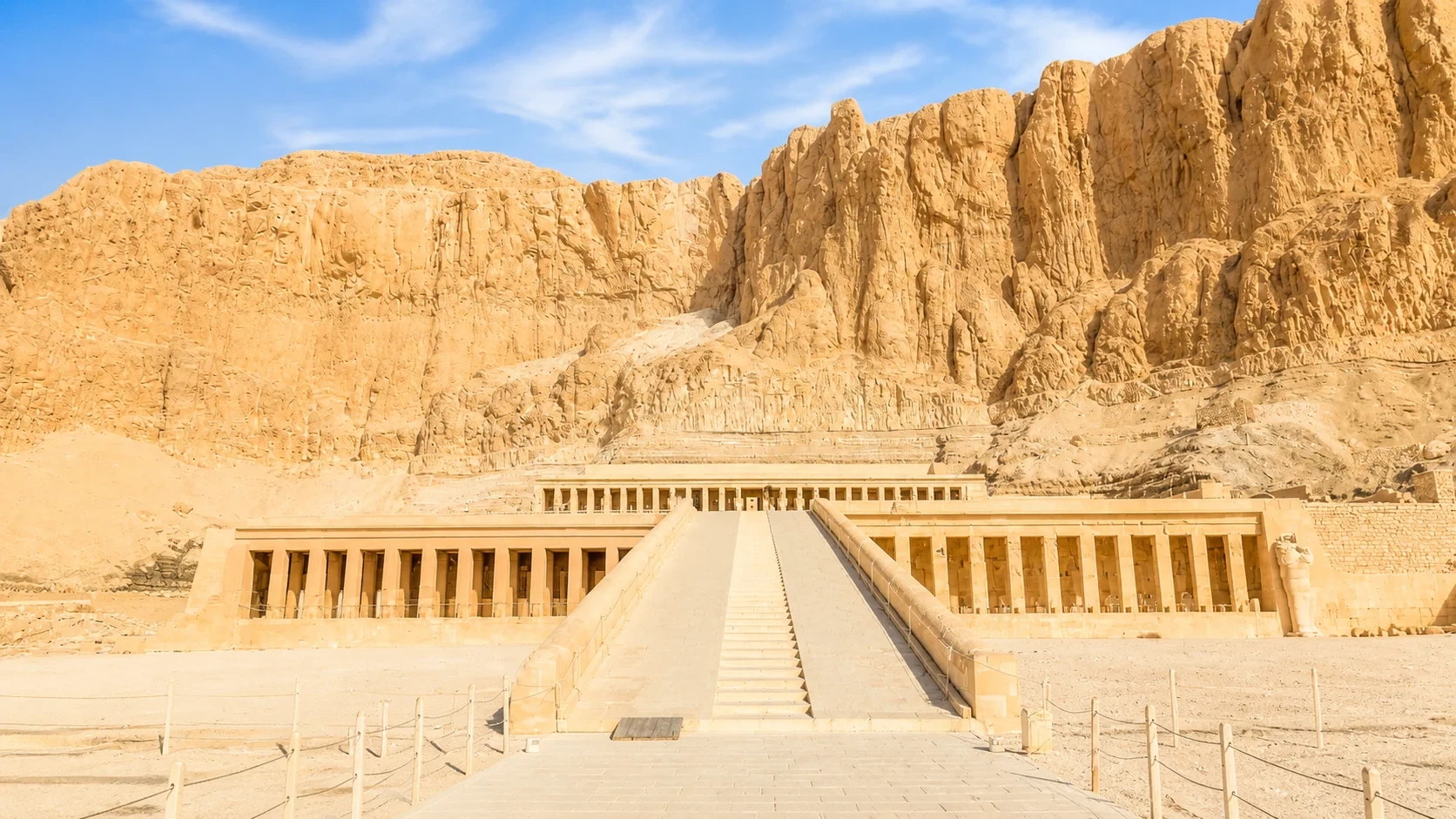
The Colossi of Memnon with a guided explanation of the statues, their history, the acoustic phenomenon of the singing colossus, and the ancient inscriptions. The Valley of the Kings with entry to three royal tombs. The Temple of Hatshepsut at Deir el-Bahari with a full guided visit of all three terraces and the decorated chapels. Optional extensions include the Valley of the Queens, the Ramesseum, Medinet Habu Temple, the Valley of the Nobles, and Deir el-Medina.
Duration
Full day, approximately 6 to 7 hours.
Includes
Private air-conditioned transportation, Nile crossing, private licensed Egyptologist guide, and entrance fees to the main sites. Available for morning departures.
Luxor East Bank Tours: Karnak Temple, Luxor Temple, Luxor Museum And Mummification Museum
This full-day tour covers the four main sites on the East Bank of Luxor, combining the great open-air temple complexes with Luxor's two main museums.
What Is Covered
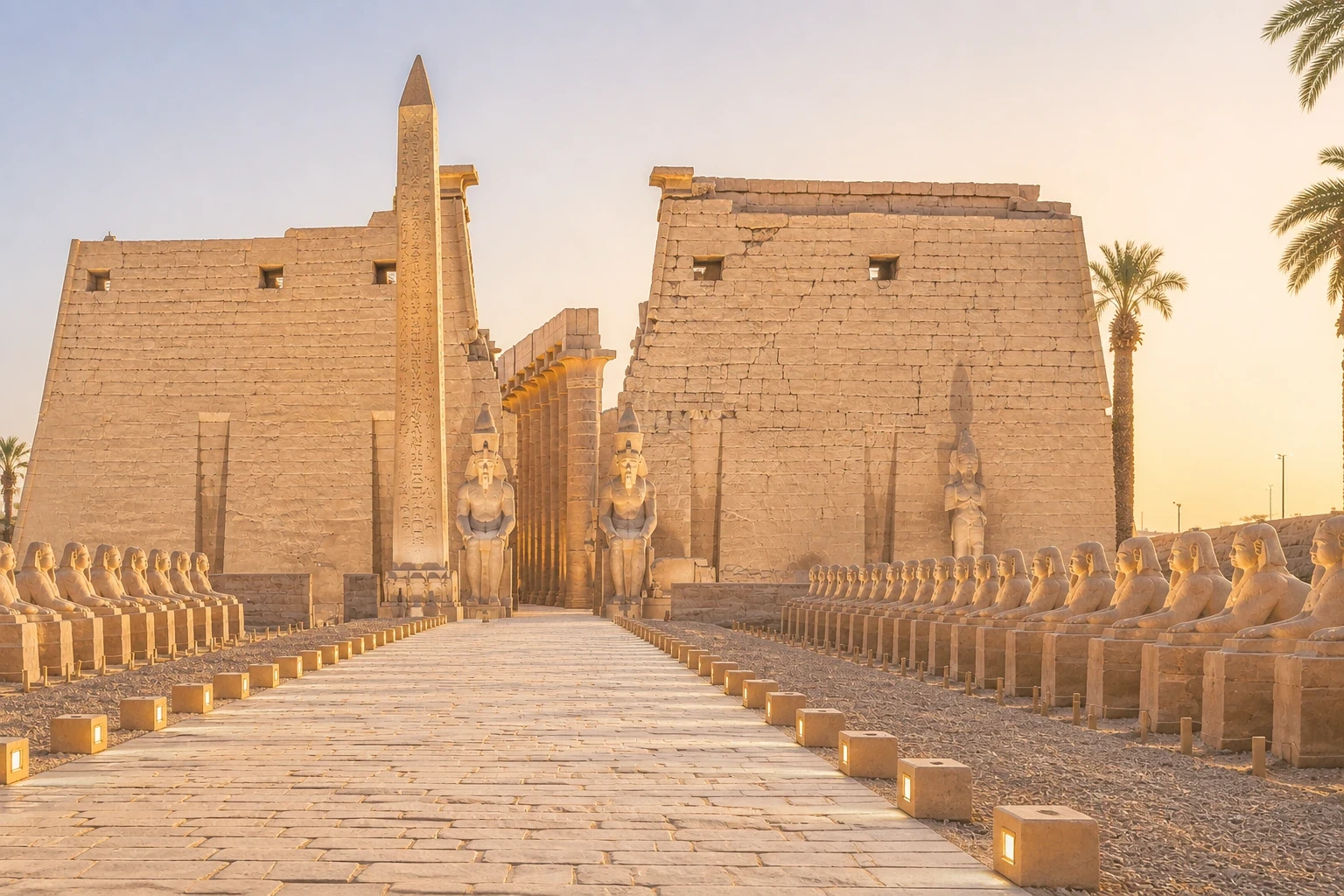
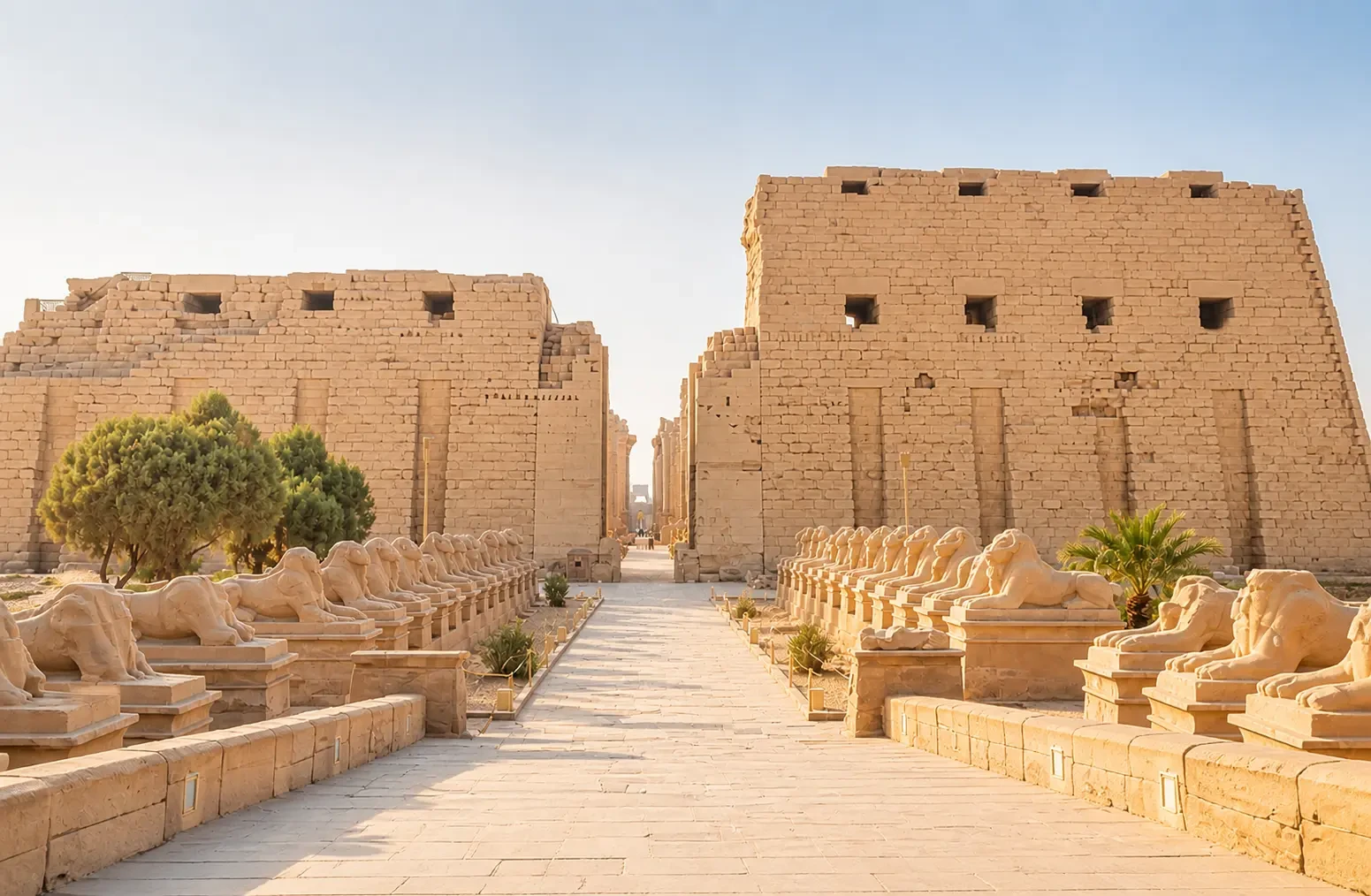
Karnak Temple with a full guided visit including the Great Hypostyle Hall, the Sacred Lake, and the Open Air Museum. The Avenue of Sphinxes connecting Karnak Temple to Luxor Temple. Luxor Temple including the entrance pylon, the great colonnade, the courtyard of Amenhotep III, and the inner halls. The Luxor Museum with a full guided visit of all galleries. The Mummification Museum covering the tools, methods, and materials used in ancient Egyptian embalming.
Duration
Full day, approximately 6 to 7 hours.
Includes
Private air-conditioned transportation, private licensed Egyptologist guide, and entrance fees to all four sites. Available for morning departures.
Luxor Day Tours: Combined East Bank And West Bank
This full-day combined tour covers the most important sites on both banks of the Nile in Luxor in a single day.
What Is Covered
West Bank: The Colossi of Memnon, the Valley of the Kings with three tomb entries, and the Temple of Hatshepsut at Deir el-Bahari. East Bank: Karnak Temple including the Great Hypostyle Hall and Sacred Lake, the Avenue of Sphinxes, and Luxor Temple.
Duration
Full day, approximately 8 to 9 hours.
Includes
Private air-conditioned transportation, Nile crossing, private licensed Egyptologist guide, and entrance fees to all sites. Available for morning departures.
Safaga Shore Excursions To The Colossi Of Memnon
Safaga Port is located on the Red Sea coast, approximately 250 kilometers (155 miles) from Luxor. WOW Egypt Tours operates Safaga Shore Excursions that transfer cruise ship passengers from Safaga Port to Luxor and back within a single port day. The transfer is approximately 2.5 to 3 hours each way by private air-conditioned vehicle.
What Is Covered
The Colossi of Memnon. The Valley of the Kings with entry to three royal tombs. The Temple of Hatshepsut at Deir el-Bahari. Karnak Temple including the Great Hypostyle Hall and the Sacred Lake. Optional addition: Luxor Temple and Luxor Museum subject to available time.
Duration
Full day from port departure to port return, approximately 12 to 13 hours including transfers.
Includes
Private air-conditioned vehicle from Safaga Port, private licensed Egyptologist guide, entrance fees to all included sites, and return transfer to the ship. All Safaga Shore Excursions are coordinated around each ship's port schedule to guarantee return to the vessel before departure.
Dahabiya Nile River Cruise
A Dahabiya Nile River Cruise is a small-vessel sailing experience on the Nile between Luxor and Aswan aboard a traditional wooden dahabiya. WOW Egypt Tours operates dahabiya cruises with private cabins, all meals, a private licensed Egyptologist guide on board, and guided shore excursions at every stop.
4 Days 3 Nights Dahabiya Nile River Cruise From Aswan To Luxor
Route: Aswan to Luxor, sailing north.
Itinerary
Day 1: Embarkation in Aswan. Visit to Philae Temple and the Unfinished Obelisk. Sail north to Kom Ombo. Guided visit to Kom Ombo Temple. Continue to Gebel el Silsila. Overnight on board.
Day 2: Guided visit to Gebel el Silsila. Sail to the Village of Basaw. Guided visit to Village of Basaw. Continue to Edfu. Guided visit to the Temple of Horus at Edfu. Overnight on board.
Day 3: Sail to El Kab. Guided visit to El Kab Tombs. Sail to El Hagaz Island. Swimming stop. Overnight on board.
Day 4: Sail to Esna. Visit Khnum Temple at Esna. Disembarkation in Esna. Transfer to Luxor, approximately 55 kilometers (35 miles).
Includes
Private cabin, all meals on board, private licensed Egyptologist guide, entrance fees to all temple visits, and private transfers.
5 Days 4 Nights Dahabiya Nile River Cruise From Luxor To Aswan
Route: Luxor to Aswan, sailing south.
Itinerary
Day 1: Embarkation in Luxor. Transfer to Esna, approximately 55 kilometers (35 miles). Visit Khnum Temple at Esna. Sail to El Hagaz Island. Overnight on board.
Day 2: Sail to El Kab. Guided visit to El Kab Tombs. Continue to Edfu. Guided visit to the Temple of Horus at Edfu. Sail to the Village of Basaw. Guided visit to Village of Basaw. Overnight on board.
Day 3: Sail to Gebel el Silsila. Guided visit to Gebel el Silsila. Sail south to Kom Ombo. Guided visit to Kom Ombo Temple. Sail to Daraw Village. Overnight on board.
Day 4: Guided visit to Daraw Village. Sail to Herbiab Island. Swimming stop. Philae Sound and Light Show. Overnight on board.
Day 5: Optional Abu Simbel visit available by air or road. Guided visits to Philae Temple, the High Dam, and the Unfinished Obelisk. Disembarkation in Aswan.
Includes
Private cabin, all meals on board, private licensed Egyptologist guide, entrance fees to all temple visits, and private transfers.
8 Days 7 Nights Dahabiya Nile River Cruise Round Trip From Luxor (Via Aswan)
Route: Luxor and Aswan, sailing north and south.
Itinerary
Day 1: Embarkation in Luxor. Transfer to Esna, approximately 55 kilometers (35 miles). Visit Khnum Temple at Esna. Sail to El Hagaz Island. Overnight on board.
Day 2: Sail to El Kab. Continue to Edfu. Guided visit to the Temple of Horus at Edfu. Sail to the Village of Basaw. Guided visit to Village of Basaw. Overnight on board.
Day 3: Sail to Gebel el Silsila. Sail south to Kom Ombo. Guided visit to Kom Ombo Temple. Sail to Daraw Village. Overnight on board.
Day 4: Guided visit to Daraw Village. Sail to Herbiab Island. Swimming stop. Philae Sound and Light Show. Overnight on board.
Day 5: Optional Abu Simbel visit available by air or road. Guided visits to Philae Temple, the High Dam, and the Unfinished Obelisk. Sail north to Kom Ombo. Continue to Gebel el Silsila. Overnight on board.
Day 6: Guided visit to Gebel el Silsila. Sail to the Village of Basaw. Continue to Edfu. Overnight on board.
Day 7: Sail to El Kab. Guided visit to El Kab Tombs. Sail to El Hagaz Island. Swimming stop. Overnight on board.
Day 8: Disembarkation in Esna. Transfer to Luxor, approximately 55 kilometers (35 miles).
Includes
Private cabin, all meals on board, private licensed Egyptologist guide, entrance fees to all temple visits, and private transfers.
8 Days 7 Nights Dahabiya Nile River Cruise Round Trip From Aswan (Via Luxor)
Route: Luxor and Aswan, sailing north and south.
Itinerary
Day 1: Embarkation in Aswan. Visit to Philae Temple and the Unfinished Obelisk. Sail north to Kom Ombo. Continue to Gebel el Silsila. Overnight on board.
Day 2: Guided visit to Gebel el Silsila. Sail to the Village of Basaw. Continue to Edfu. Overnight on board.
Day 3: Sail to El Kab. Guided visit to El Kab Tombs. Sail to El Hagaz Island. Swimming stop. Overnight on board.
Day 4: Sail to Esna. Visit Khnum Temple at Esna. Sail to El Hagaz Island. Overnight on board.
Day 5: Sail to El Kab. Continue to Edfu. Guided visit to the Temple of Horus at Edfu. Sail to the Village of Basaw. Guided visit to Village of Basaw. Overnight on board.
Day 6: Sail to Gebel el Silsila. Sail south to Kom Ombo. Guided visit to Kom Ombo Temple. Sail to Daraw Village. Overnight on board.
Day 7: Guided visit to Daraw Village. Sail to Herbiab Island. Swimming stop. Philae Sound and Light Show. Overnight on board.
Day 8: Disembarkation in Aswan.
Includes
Private cabin, all meals on board, private licensed Egyptologist guide, entrance fees to all temple visits, and private transfers.
Luxor And Aswan Nile River Cruise
The Luxor and Aswan Nile River Cruise is a standard Nile cruise product operated aboard a full-size cruise ship between Luxor and Aswan. WOW Egypt Tours operates this cruise in both directions with private licensed Egyptologist guides, all meals included, private cabins, and guided shore excursions at every port of call. The Colossi of Memnon are included as a standard stop on all West Bank excursions in both directions.
4 Days 3 Nights Luxor And Aswan Nile River Cruise From Aswan To Luxor
Route: Aswan to Luxor, sailing north.
Itinerary
Day 1: Embarkation in Aswan. Guided visits to Philae Temple, the High Dam, and the Unfinished Obelisk. Overnight on board in Aswan.
Day 2: Sail north to Kom Ombo. Guided visit to Kom Ombo Temple. Continue to Edfu. Overnight on board.
Day 3: Guided visit to the Temple of Horus at Edfu. Continue north toward Luxor. Guided visit to Luxor Temple and Karnak Temple. Overnight on board in Luxor.
Day 4: Optional Sunrise Hot Air Balloon available. Guided visits to Valley of the Kings, Queen Hatshepsut Temple, and Colossi of Memnon. Disembarkation in Luxor.
Includes
Private cabin, all meals on board, private licensed Egyptologist guide, entrance fees to all temple visits, and private transfers.
5 Days 4 Nights Luxor And Aswan Nile River Cruise From Luxor To Aswan
Route: Luxor to Aswan, sailing south.
Itinerary
Day 1: Embarkation in Luxor. Guided visits to Luxor Temple and Karnak Temple. Overnight on board in Luxor.
Day 2: Optional Sunrise Hot Air Balloon available. Guided visits to Valley of the Kings, Queen Hatshepsut Temple, and Colossi of Memnon. Pass through the Esna locks. Sail south to Edfu. Overnight on board.
Day 3: Guided visit to the Temple of Horus at Edfu. Continue to Kom Ombo. Guided visit to Kom Ombo Temple. Overnight on board.
Day 4: Continue south toward Aswan. Guided visits to Philae Temple, the High Dam, and the Unfinished Obelisk. Overnight on board in Aswan.
Day 5: Optional Abu Simbel visit available by air or road. Disembarkation in Aswan.
Includes
Private cabin, all meals on board, private licensed Egyptologist guide, entrance fees to all temple visits, and private transfers.
8 Days 7 Nights Luxor And Aswan Nile River Cruise Round Trip From Luxor (Via Aswan)
Route: Luxor and Aswan, sailing north and south.
Itinerary
Day 1: Embarkation in Luxor. Guided visits to Luxor Temple and Karnak Temple. Overnight on board in Luxor.
Day 2: Guided visits to Luxor Museum. Pass through the Esna locks. Sail south to Edfu. Overnight on board.
Day 3: Guided visit to the Temple of Horus at Edfu. Continue to Kom Ombo. Overnight on board.
Day 4: Continue south toward Aswan. Guided visits to Philae Temple, the High Dam, and the Unfinished Obelisk. Overnight on board in Aswan.
Day 5: Abu Simbel visit available by road. Sound and Light Show at Philae Temple. Overnight on board in Aswan.
Day 6: Guided visits to Nubian Village. Sail north to Kom Ombo. Guided visit to Kom Ombo Temple. Continue to Edfu. Overnight on board.
Day 7: Guided visits to Valley of the Kings, Queen Hatshepsut Temple, and Colossi of Memnon. Pass through the Esna locks. Sail south to Edfu. Overnight on board.
Day 8: Optional Sunrise Hot Air Balloon available. Disembarkation in Luxor.
Includes
Private cabin, all meals on board, private licensed Egyptologist guide, entrance fees to all temple visits, and private transfers.
8 Days 7 Nights Luxor And Aswan Nile River Cruise Round Trip From Aswan (Via Luxor)
Route: Luxor and Aswan, sailing north and south.
Itinerary
Day 1: Embarkation in Aswan. Guided visits to Philae Temple, the High Dam, and the Unfinished Obelisk. Overnight on board in Aswan.
Day 2: Sail north to Kom Ombo. Guided visit to Nubian Village and Kom Ombo Temple. Continue to Edfu. Overnight on board.
Day 3: Continue north toward Luxor. Guided visit to Luxor Museum and Karnak Sound and Light Show. Overnight on board in Luxor.
Day 4: Guided visits to Luxor Temple and Karnak Temple. Overnight on board in Luxor.
Day 5: Optional Sunrise Hot Air Balloon available. Guided visits to Valley of the Kings, Queen Hatshepsut Temple, and Colossi of Memnon. Pass through the Esna locks. Sail south to Edfu. Overnight on board.
Day 6: Guided visit to the Temple of Horus at Edfu. Continue to Kom Ombo. Overnight on board.
Day 7: Sound and Light Show at Philae Temple. Overnight on board in Aswan.
Day 8: Abu Simbel visit available by road. Disembarkation in Aswan.
Includes
Private cabin, all meals on board, private licensed Egyptologist guide, entrance fees to all temple visits, and private transfers.
Combine The Colossi Of Memnon With Your Egypt Tours Package
The Colossi of Memnon are included as a standard stop across the full range of WOW Egypt Tours travel products that include the Theban West Bank. Browse the options below to find the Egypt experience that is right for you.
Egypt Tour Packages: Multi-day guided Egypt tours organized by duration, including 2 Days Egypt Packages, 3 Days Egypt Packages, 4 Days Egypt Packages, 5 Days Egypt Packages, 6 Days Egypt Packages, 7 Days Egypt Packages, 8 Days Egypt Packages, 10 Days Egypt Packages, and longer itineraries. All packages include private air-conditioned transportation, private licensed Egyptologist guide, accommodations, entrance fees to all included sites, and private transfers throughout Egypt.
Egypt Travel Packages: Themed Egypt travel packages designed around specific travel styles and interests, including Egypt Honeymoon Travel Packages, Egypt Budget Travel Packages, Egypt Family Travel Packages, Egypt Luxury Travel Packages, Egypt Adventure Travel Packages, Egypt Cultural Travel Packages, and Egypt Christmas and New Year Travel Packages. All packages include private air-conditioned transportation, private licensed Egyptologist guide, accommodations, meals, entrance fees to all included sites, and private transfers.
Egypt Nile Cruise Packages: Complete Egypt travel packages combining Cairo sightseeing with a fully guided Nile cruise between Luxor and Aswan, available as Cairo and Nile Cruise Packages, Egypt and Nile Cruise Packages, and Nile Cruise and Red Sea Packages. All packages include private cabin on board, all meals, private licensed Egyptologist guide, entrance fees to all temple visits, and private transfers.
Nile River Cruises: All WOW Egypt Tours Nile cruise options between Luxor and Aswan, available across four ship categories, Standard, Deluxe, Ultra Deluxe, and Luxury, as well as private Dahabiya sailing vessels. All cruises include private cabin on board, all meals, private licensed Egyptologist guide, entrance fees to all temple visits, and private transfers.
Luxor Aswan Nile Cruises: The classic Upper Egypt Nile cruise route between Luxor and Aswan, available in both directions and in durations of 4 Days 3 Nights, 5 Days 4 Nights, and 8 Days 7 Nights round trip. The Colossi of Memnon are included as a standard West Bank stop on all itineraries. All cruises include private cabin on board, all meals, private licensed Egyptologist guide, entrance fees to all sites, and private transfers.
Standard Nile Cruises: Comfortable standard-category cruise ships sailing between Luxor and Aswan, available in 4 Days 3 Nights, 5 Days 4 Nights, and 8 Days 7 Nights itineraries in both directions. Includes standard cabin on board, all meals, private licensed Egyptologist guide, entrance fees to all temple visits, and private transfers.
Deluxe Nile Cruises: Deluxe-category cruise ships with enhanced cabin comfort and upgraded dining, sailing between Luxor and Aswan in 4 Days 3 Nights, 5 Days 4 Nights, and 8 Days 7 Nights itineraries in both directions. Includes deluxe cabin on board, all meals, private licensed Egyptologist guide, entrance fees to all temple visits, and private transfers.
Ultra Deluxe Nile Cruises: Ultra deluxe-category cruise ships offering superior cabins, premium dining, and an elevated onboard experience, sailing between Luxor and Aswan in 4 Days 3 Nights, 5 Days 4 Nights, and 8 Days 7 Nights itineraries in both directions. Includes ultra deluxe cabin on board, all meals, private licensed Egyptologist guide, entrance fees to all temple visits, and private transfers.
Luxury Nile Cruises: Luxury-category cruise ships with the finest cabins, exceptional cuisine, and premium onboard facilities, sailing between Luxor and Aswan in 4 Days 3 Nights, 5 Days 4 Nights, and 8 Days 7 Nights itineraries in both directions. Includes luxury cabin on board, all meals, private licensed Egyptologist guide, entrance fees to all temple visits, and private transfers.
Dahabiya Nile Cruises: Private small-vessel sailing experience aboard a traditional wooden dahabiya between Luxor and Aswan, available in four itineraries: 4 Days 3 Nights Dahabiya From Aswan To Luxor, 5 Days 4 Nights Dahabiya From Luxor To Aswan, 8 Days 7 Nights Dahabiya Round Trip From Luxor via Aswan, and 8 Days 7 Nights Dahabiya Round Trip From Aswan via Luxor. Includes private cabin on board, all meals, private licensed Egyptologist guide, entrance fees to all temple visits, and private transfers.
Luxor Tours: Day tours and multi-day tours of Luxor covering all major sites on both banks of the Nile, including Luxor West Bank Tours covering the Colossi of Memnon, Valley of the Kings, Temple of Hatshepsut, and optional extensions to the Valley of the Queens, Medinet Habu Temple, and Deir el-Medina; Luxor East Bank Tours covering Karnak Temple, Luxor Temple, Luxor Museum, and Mummification Museum; and combined Luxor Day Tours covering both banks in a single day. All tours include private air-conditioned transportation, private licensed Egyptologist guide, entrance fees to all included sites, and private transfers.
Shore Excursions: Guided day excursions from Egypt's Red Sea ports to the Colossi of Memnon and the monuments of Upper Egypt, available for cruise ship passengers with a port call at Safaga, Hurghada, Port Said, Alexandria, and Sokhna. Includes private air-conditioned transportation from the port, private licensed Egyptologist guide, entrance fees to all included sites, and return transfer to the ship, with all timings coordinated around each vessel's port schedule.
Safaga Port Excursions: Shore excursions departing from Safaga Port on the Red Sea coast, approximately 250 kilometers (155 miles) from Luxor, covering the Colossi of Memnon, Valley of the Kings, Temple of Hatshepsut, Karnak Temple, and Luxor Temple as a full-day trip within a single port call. Available options include Safaga to Luxor West Bank Tours, Safaga to Luxor East Bank Tours, and combined Safaga to Luxor Day Tours. Includes private air-conditioned vehicle from Safaga Port, private licensed Egyptologist guide, entrance fees to all included sites, and return transfer to the ship.
Nearby Attractions To The Colossi Of Memnon
The Colossi of Memnon stand at the threshold of one of the richest archaeological landscapes in the world, with world-class ancient monuments in every direction from the flat plain where they rise above the agricultural fields. The Temple of Hatshepsut at Deir el-Bahari is located approximately 3 kilometers to the northwest up in the Theban hills and is the essential companion visit to the Colossi on any West Bank itinerary. The Valley of the Kings is located approximately 4 kilometers to the northwest beyond the Temple of Hatshepsut, at the heart of the Theban massif. The Ramesseum, the mortuary temple of Ramesses II, is located approximately 1 kilometer to the north along the desert edge road.
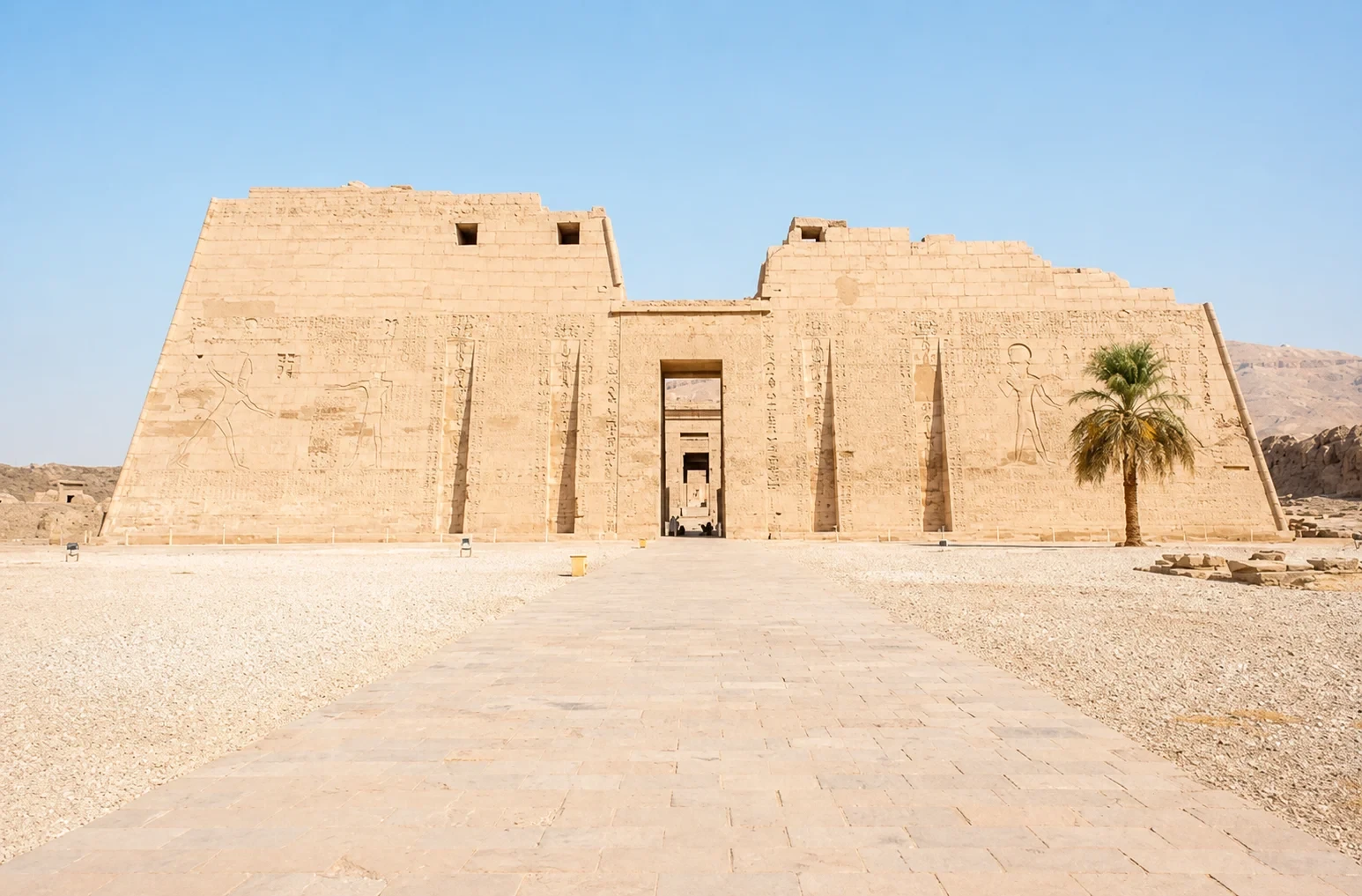
The Valley of the Nobles, with its beautifully painted private tomb chapels, lies to the north between the Ramesseum and the road to the Valley of the Kings. The Valley of the Queens and Deir el-Medina, the Village of the Artisans, are located to the southwest, and Medinet Habu Temple, the best-preserved mortuary temple on the West Bank, is located approximately 2 kilometers to the south. On the East Bank, a short ferry ride across the Nile brings visitors to Luxor Temple, Karnak Temple, the Luxor Museum, and the Mummification Museum.
Frequently Asked Questions About The Colossi Of Memnon
What are the Colossi of Memnon?
The Colossi of Memnon are two enormous seated statues of Pharaoh Amenhotep III standing approximately 18 meters high on the west bank of the Nile in Luxor, originally built around 1350 BCE as the entrance facade of the mortuary temple of Amenhotep III and among the most iconic ancient monuments in Egypt. The Colossi of Memnon are a standard stop on all Luxor West Bank Tours, Egypt Tours Packages, Egypt Travel Packages, and Safaga Shore Excursions offered by WOW Egypt Tours.
Who built the Colossi of Memnon?
The Colossi of Memnon were built by Pharaoh Amenhotep III of the 18th Dynasty around 1350 BCE as the entrance to his great mortuary temple on the Theban West Bank, which was at the time the largest temple complex in ancient Egypt.
Why are they called the Colossi of Memnon?
The name is a Greek and Roman misidentification. Ancient Greek and Roman visitors mistook the statues for depictions of the mythological hero Memnon. When the northern statue began to emit a mysterious musical sound at dawn after an earthquake in 27 BCE, visitors interpreted it as the voice of Memnon calling to his mother Eos, the dawn goddess, and the name Colossi of Memnon became permanently attached to the statues.
Why did the northern colossus sing?
The northern colossus emitted a musical sound at dawn following a severe earthquake in 27 BCE that cracked the statue from the waist upward. The sound is believed by modern scientists to have been produced by the rapid thermal contraction and expansion of the cracked quartzite at dawn, creating a ringing resonance in the damaged stone. The phenomenon ceased after the Roman Emperor Septimius Severus had the cracked upper portion restored around 199 CE.
How tall are the Colossi of Memnon?
Each of the Colossi of Memnon stands approximately 18 meters high, equivalent to a six-story building, and weighs an estimated 720 tonnes. They were quarried from quartzite sandstone at Gebel el-Ahmar near Cairo, more than 675 kilometers from Luxor.
Is there a ticket fee to visit the Colossi of Memnon?
No. The Colossi of Memnon stand beside the main West Bank road and can be viewed and photographed without purchasing a ticket. They are one of the very few major ancient sites in Luxor that are freely accessible.
What are the opening hours of the Colossi of Memnon?
The Colossi of Memnon are accessible daily from 6:00 AM to 5:00 PM. The statues themselves are visible at any time of day as they stand in an open area beside the road.
How long does it take to visit the Colossi of Memnon?
Most visitors spend between 15 and 30 minutes at the Colossi of Memnon. Those interested in the ancient inscriptions, the carved reliefs on the throne bases, and the ongoing archaeological excavations nearby may wish to allow 30 to 45 minutes.
What is the best time of year to visit the Colossi of Memnon?
October to April is the most comfortable period. Early morning visits are recommended year-round both for the quality of the light on the east-facing statues and for the cooler temperatures before the full heat of the day develops.
How do I get to the Colossi of Memnon?
The Colossi of Memnon are located beside the main road on the West Bank of Luxor, approximately 500 meters west of the Nile ferry landing. All Luxor West Bank Tours, Luxor Day Tours, and Safaga Shore Excursions with WOW Egypt Tours include a stop at the Colossi of Memnon as part of the standard itinerary.
Can I combine the Colossi of Memnon with the Valley of the Kings in one day?
Yes. The Colossi of Memnon are a standard stop on all Luxor West Bank Tours with WOW Egypt Tours that include the Valley of the Kings and the Temple of Hatshepsut.
Is a guide necessary at the Colossi of Memnon?
A guide is not required but is strongly recommended. The history of the original mortuary temple, the acoustic phenomenon of the singing colossus, the significance of the ancient inscriptions, and the ongoing archaeological discoveries in the surrounding area are all significantly enriched by expert explanation. WOW Egypt Tours provides licensed Egyptologist guides on all West Bank tours that include the Colossi of Memnon.
Can I take photographs at the Colossi of Memnon?
Photography is freely permitted at the Colossi of Memnon from all angles and distances. There are no flash restrictions outdoors. Professional filming with specialized equipment requires a separate permit from Egypt's Ministry of Tourism and Antiquities.
What should I wear to visit the Colossi of Memnon?
Lightweight clothing covering the shoulders and knees, a wide-brimmed hat, generous sunscreen, and comfortable flat shoes. There is no shade at the site whatsoever so sun protection is essential.
Is the Colossi of Memnon site a UNESCO World Heritage Site?
Yes. The Colossi of Memnon are part of the Ancient Thebes with its Necropolis UNESCO World Heritage Site, inscribed in 1979, which also includes the Valley of the Kings, Luxor Temple, Karnak Temple, and the monuments of the West Bank.
What Nile cruise options include the Colossi of Memnon?
WOW Egypt Tours offers both Dahabiya Nile River Cruises and Luxor Aswan Nile River Cruises, all of which include a West Bank excursion in Luxor that features the Colossi of Memnon as a standard stop. Itineraries range from 4 to 8 days and are available as part of all WOW Egypt Tours Egypt Tours Packages and Egypt Travel Packages.
Can I visit the Colossi of Memnon as part of a Safaga Shore Excursion?
Yes. WOW Egypt Tours offers dedicated Safaga Shore Excursions that include the Colossi of Memnon as a standard part of all West Bank programmes. Our team handles all transportation, guiding, and logistics.
How do I book a Colossi of Memnon Tour with WOW Egypt Tours?
You can book any Luxor West Bank Tour, Luxor Day Tour, Dahabiya Nile River Cruise, Luxor Aswan Nile River Cruise, Egypt Tours Package, Egypt Travel Package, or Safaga Shore Excursion directly through WOW Egypt Tours. Our team of travel specialists will arrange everything from private transportation and licensed Egyptologist guides to hotel pick-up and entrance fees, ensuring a seamless and unforgettable experience of the Colossi of Memnon and all the wonders of ancient Egypt.