

The Mummification Museum of Luxor is one of the most unique and fascinating museums in Egypt, and a destination that every traveler to Luxor must experience. Located on the east bank of the Nile River in the city of Luxor, ancient Thebes, the Mummification Museum stands as a dedicated testament to one of the most extraordinary practices of ancient Egyptian civilization: the art of preserving the human body for eternity. This remarkable institution sits at the heart of some of Egypt's greatest travel experiences, including Luxor Tours, Luxor Day Tours, Luxor East Bank Tours, Luxor West Bank Tours, Mummification Museum Tours, Dahabiya Nile River Cruises, and Luxor Aswan Nile River Cruises, all of which WOW Egypt Tours proudly offers to travelers from around the world. The Mummification Museum is also a highlight of Egypt Tours Packages, Egypt Travel Packages, and Safaga Shore Excursions, making it one of the most distinctive and memorable cultural stops available anywhere in Upper Egypt.
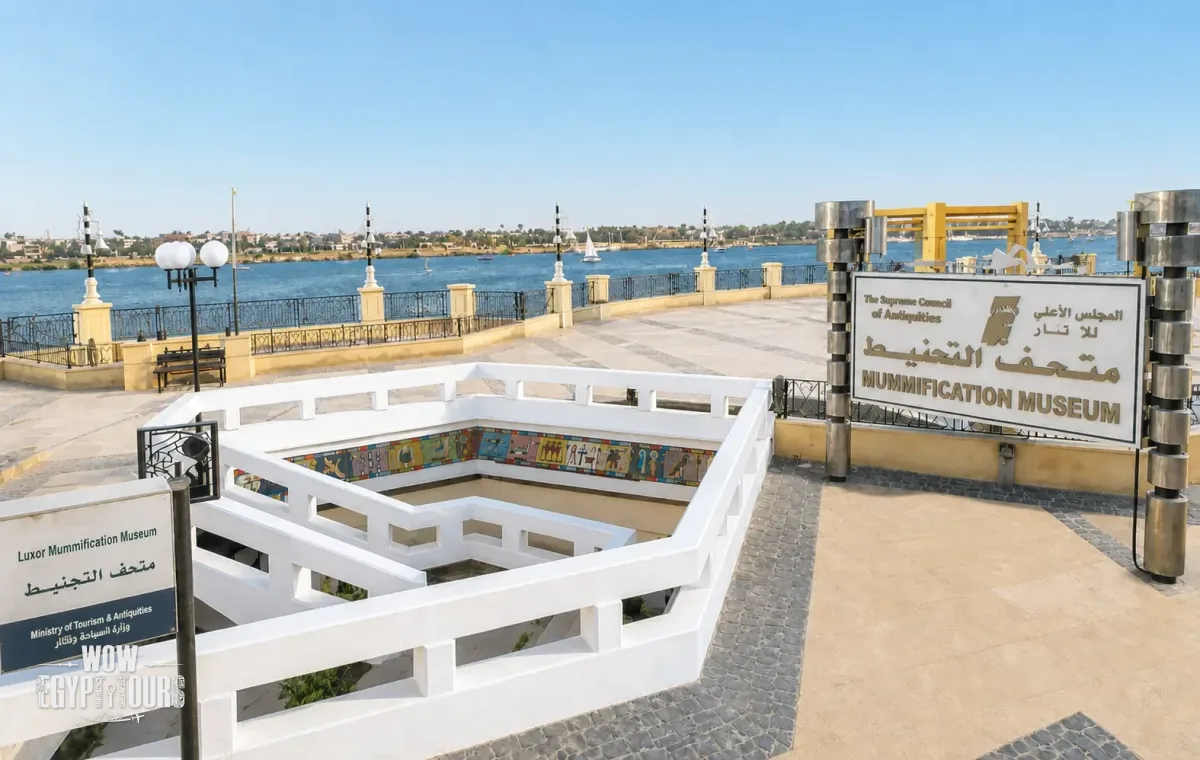
Opened in 1997 and housed in a purpose-built underground gallery directly on the Corniche el-Nile in central Luxor, the Mummification Museum is the only museum in the world dedicated exclusively to the ancient Egyptian art and science of mummification. Its collection includes human mummies, animal mummies, mummification tools, canopic jars, amulets, resins, natron, and all the ritual equipment used by the ancient Egyptian embalmers known as the wabet, presented in a setting of dramatic low lighting that perfectly suits the solemn and sacred nature of the subject matter.
The museum provides an essential complement to the great open-air monuments of the Theban region, explaining in intimate detail the beliefs about death, the afterlife, and the preservation of the soul that motivated the construction of the Valley of the Kings, the Luxor Temple, and the Karnak Temple themselves.

Who Founded The Luxor Mummification Museum?
The Mummification Museum in Luxor was founded by the Egyptian Antiquities Organization, now known as the Egyptian Ministry of Tourism and Antiquities, and was opened to the public in 1997. The museum was conceived and developed as part of a broader effort to enhance the cultural offer of Luxor city and to provide a dedicated space for explaining the extraordinary ancient Egyptian practice of mummification, which had previously been addressed only in passing at larger general collections such as the Egyptian Museum in Cairo. The museum was designed to occupy a specially constructed underground gallery on the Corniche el-Nile, taking advantage of its riverside location to create a dramatic and atmospheric setting appropriate to the solemnity of its subject. It continues to be administered by the Egyptian Ministry of Tourism and Antiquities and remains the only museum in the world with an exclusive focus on the ancient art of mummification.
What Is The Luxor Mummification Museum Known For?
The Luxor Mummification Museum is known above all for its unique and exclusive focus on the ancient Egyptian practice of mummification, presented through an outstanding collection of objects that covers every aspect of the embalming process from the initial preparation of the body to the final wrapping, placement of amulets, and enclosure in a decorated coffin. The museum is particularly celebrated for its collection of actual human mummies displayed in climate-controlled cases, its exceptional array of animal mummies representing the sacred animals of ancient Egypt, its complete set of mummification tools including the bronze implements used by embalmers, its collection of canopic jars used to store the preserved internal organs of the deceased, and its display of natron, resins, oils, and ritual materials used in the preservation process. The museum also houses a remarkable mummy of the high priest of Amun, Masaharta, which is one of the finest and best-preserved royal-era mummies on public display anywhere in Egypt.
Luxor Mummification Museum Location In Egypt
The Mummification Museum of Luxor is located directly on the Corniche el-Nile road on the east bank of the Nile in central Luxor, approximately midway between Luxor Temple to the south and Karnak Temple to the north, and very close to the Luxor Museum. Its central riverside location makes the Mummification Museum a natural and easy addition to any Luxor East Bank Tour, and it is one of the most conveniently situated specialist museums in all of Egypt, reachable on foot from most hotels in central Luxor.
Luxor Mummification Museum Fun Facts
The Mummification Museum in Luxor is the only museum in the world dedicated exclusively to the ancient Egyptian practice of mummification. The ancient Egyptians believed that preserving the physical body was essential to securing eternal life in the afterlife, since the soul, or ka, needed to be able to return to its physical form after death. The mummification process in its most elaborate form took 70 days to complete and involved removing all internal organs except the heart, drying the body with natron salt, applying resins and oils, and wrapping the body in hundreds of meters of linen bandages while priests recited sacred texts and placed amulets among the wrappings.
The ancient Egyptians did not only mummify human beings: they also mummified animals on a vast scale, including cats, dogs, ibises, crocodiles, baboons, rams, bulls, and fish, as offerings to the gods whose sacred animals these were. The Luxor Mummification Museum displays examples of both human and animal mummies, giving visitors a complete picture of the extraordinary range of this ancient practice.
Why Is The Luxor Mummification Museum Called By This Name In Egypt?
The museum takes its name directly from its exclusive subject: mummification, the ancient Egyptian art of preserving the dead. The word mummy itself derives from the Arabic word mumiya, meaning bitumen or pitch, a reference to the darkened, resin-coated appearance of many preserved ancient Egyptian bodies. The Mummification Museum of Luxor was given its name to identify it precisely with its unique and focused collection, distinguishing it clearly from the broader archaeological collections of the Luxor Museum and the Egyptian Museum in Cairo, and signaling to visitors that it offers an experience unlike any other museum in the world.
Luxor Mummification Museum History
The idea for a museum dedicated to mummification in Luxor grew out of decades of archaeological work in the Theban region, which had yielded not only royal mummies but an enormous quantity of mummification equipment, animal mummies, and embalming materials that were held in storage without adequate public display. The Egyptian Antiquities Organization recognized that Luxor, as the center of the ancient Egyptian funerary world, was the ideal location for a museum dedicated to this subject. A purpose-built underground gallery was constructed on the Corniche el-Nile, and the museum opened to the public in 1997 with a carefully selected collection of objects covering all aspects of the mummification process.
Since its opening, the Mummification Museum has been consistently recognized as one of the most innovative and visitor-friendly museum experiences in Egypt, praised for its atmospheric presentation, its educational clarity, and the exceptional quality of the objects on display. The museum has also benefited from ongoing donations of newly discovered mummification objects from excavations across the Theban region, steadily enriching its collection since its founding.
The Story Of Ancient Egyptian Mummification
The ancient Egyptians developed the practice of mummification over thousands of years, beginning with simple natural desiccation in the hot desert sand and evolving by the New Kingdom period into a highly sophisticated ritual procedure performed by specialist priests over 70 days. The process began with the removal of the brain through the nostrils using a metal hook, followed by the removal of the internal organs through an incision in the left side of the body. The heart was left in place, as it was believed to be the seat of intelligence and conscience and would be weighed against the feather of truth in the afterlife judgment. The liver, lungs, stomach, and intestines were preserved separately in four canopic jars, each protected by one of the four sons of Horus.
The body cavity was then packed with natron, a naturally occurring salt, and the entire body was covered in natron for 40 days to dry it completely. After drying, the body was washed, rubbed with resins, oils, and spices, packed with linen, sawdust, and other materials to restore its original shape, and then wrapped in hundreds of meters of linen bandages. Priests recited sacred texts from the Book of the Dead throughout the process, and amulets were placed among the bandages at specific locations on the body to protect the deceased on their journey through the underworld. The entire procedure is documented in detail in the exhibits of the Mummification Museum in Luxor, making it the most complete and accessible presentation of this extraordinary ancient practice available anywhere in Egypt.
Luxor Mummification Museum Architecture
The Entrance And Reception Hall
The Luxor Mummification Museum is housed in an underground gallery accessed from the Corniche el-Nile road. The entrance descends below street level into a reception hall where visitors are oriented to the museum's layout and subject matter before entering the main gallery. The transition from the bright Egyptian sunlight above to the carefully controlled low lighting of the underground galleries creates an immediate and powerful atmospheric shift that prepares visitors for the solemnity and intimacy of the exhibits within.
The Main Mummification Gallery
The heart of the Mummification Museum of Luxor is its main gallery, which presents the mummification process in a clear chronological sequence, taking visitors from the earliest stages of body preparation through the removal of organs, the drying process, the application of resins and oils, the wrapping of the body, and the final enclosure in the coffin. Each stage is illustrated by actual ancient objects displayed in individually lit cases with informative bilingual labels in Arabic and English. The atmospheric low lighting of the gallery creates a mood of quiet contemplation that encourages visitors to engage slowly and carefully with each object.
The Human Mummies Display
The Mummification Museum in Luxor displays a number of actual human mummies in climate-controlled cases. The most celebrated of these is the mummy of Masaharta, a high priest of Amun from the Third Intermediate Period, whose large and exceptionally well-preserved body represents one of the finest examples of ancient Egyptian mummification on public display in Egypt. The display of human mummies in the museum is presented with full respect for the individuals concerned and provides visitors with a direct and profoundly moving encounter with the physical reality of ancient Egyptian funerary practice.
The Animal Mummies Gallery
A dedicated section of the Luxor Mummification Museum is devoted to animal mummies, which were produced in vast quantities by the ancient Egyptians as votive offerings to the gods. The collection includes mummified cats dedicated to the goddess Bastet, ibises dedicated to the god Thoth, crocodiles dedicated to Sobek, rams dedicated to Amun, and fish dedicated to various Nile deities. The elaborate wrapping and sometimes painted linen bandages of the animal mummies are often as technically accomplished as those on human mummies, and the collection provides a fascinating window into the popular religious practice of animal dedication that characterized ancient Egyptian piety throughout the Late and Ptolemaic Periods.
The Mummification Tools And Equipment Display
The Mummification Museum of Luxor houses one of the most complete collections of ancient Egyptian embalming tools and ritual equipment in existence. The display includes bronze hooks, knives, and spatulas used in the preparation of the body; natron storage vessels; resin containers; oil jars; ritual bandages; and the specialized ceramic and stone vessels used to hold the various materials applied during the embalming process. Together these objects provide an extraordinarily detailed picture of the practical and ritual equipment of the ancient Egyptian embalmer's workshop, known in ancient Egyptian as the wabet or place of purification.
The Canopic Jars Collection
The Mummification Museum in Luxor displays a rich collection of canopic jars spanning several periods of ancient Egyptian history. Canopic jars were used to store the preserved internal organs of the deceased — the liver, lungs, stomach, and intestines — each protected by one of the four sons of Horus: human-headed Imsety for the liver, baboon-headed Hapy for the lungs, jackal-headed Duamutef for the stomach, and falcon-headed Qebehsenuef for the intestines. The museum's collection illustrates the evolution of canopic jar forms and decoration from the Old Kingdom through the New Kingdom and Late Period, providing a beautifully displayed survey of this essential component of ancient Egyptian funerary equipment.
The Amulets And Funerary Jewelry Display
Among the most visually striking displays in the Luxor Mummification Museum is the collection of amulets and funerary jewelry that were placed among the bandages of mummies to protect the deceased on their journey through the underworld. The collection includes heart scarabs inscribed with spells from the Book of the Dead, djed pillars symbolizing the stability of Osiris, wedjat eyes offering divine protection, and dozens of other amulet types in faience, gold, carnelian, and lapis lazuli. The display illustrates both the extraordinary craftsmanship of ancient Egyptian goldsmiths and jewelers and the profound religious significance of each type of protective amulet.
Why Is The Luxor Mummification Museum Important?
The Mummification Museum of Luxor is important for two interconnected reasons. The first is scholarly: it is the most complete and systematic public presentation of the ancient Egyptian mummification process in existence, bringing together in a single dedicated gallery the tools, materials, ritual equipment, and actual mummies that document this extraordinary practice from beginning to end. No other museum in the world addresses mummification with this degree of focus and depth, making the Mummification Museum an irreplaceable resource for understanding ancient Egyptian funerary culture.
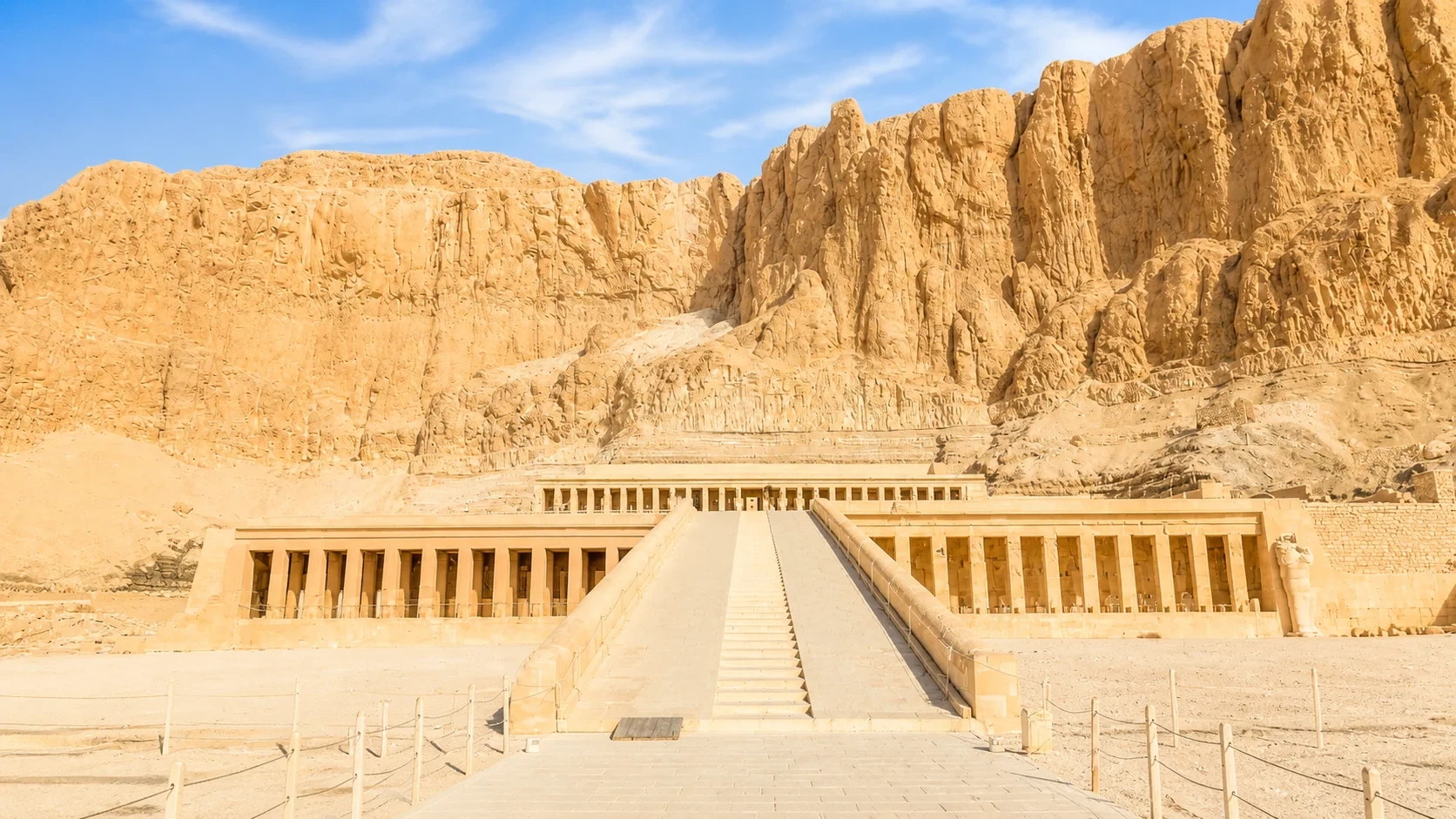
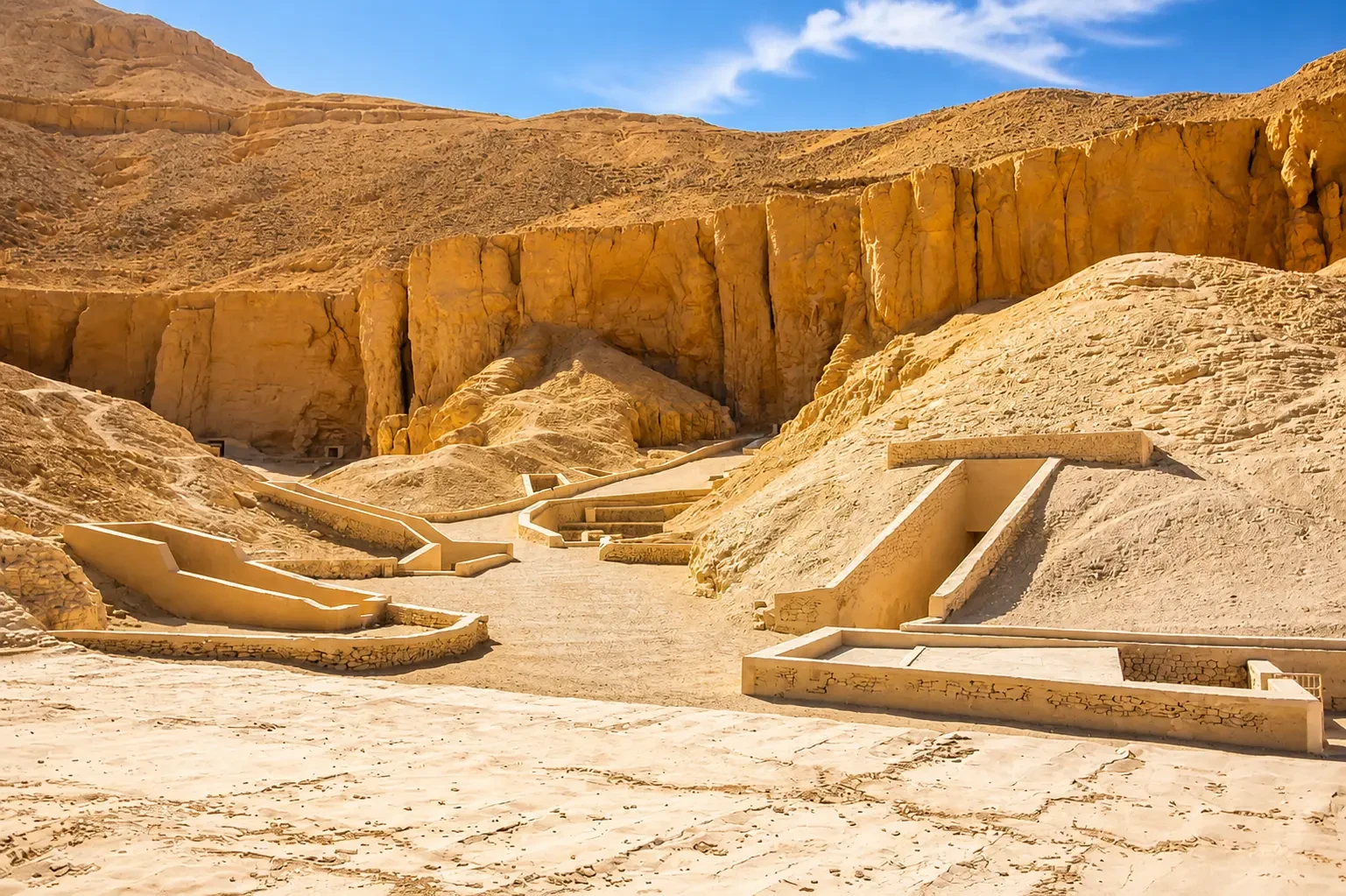
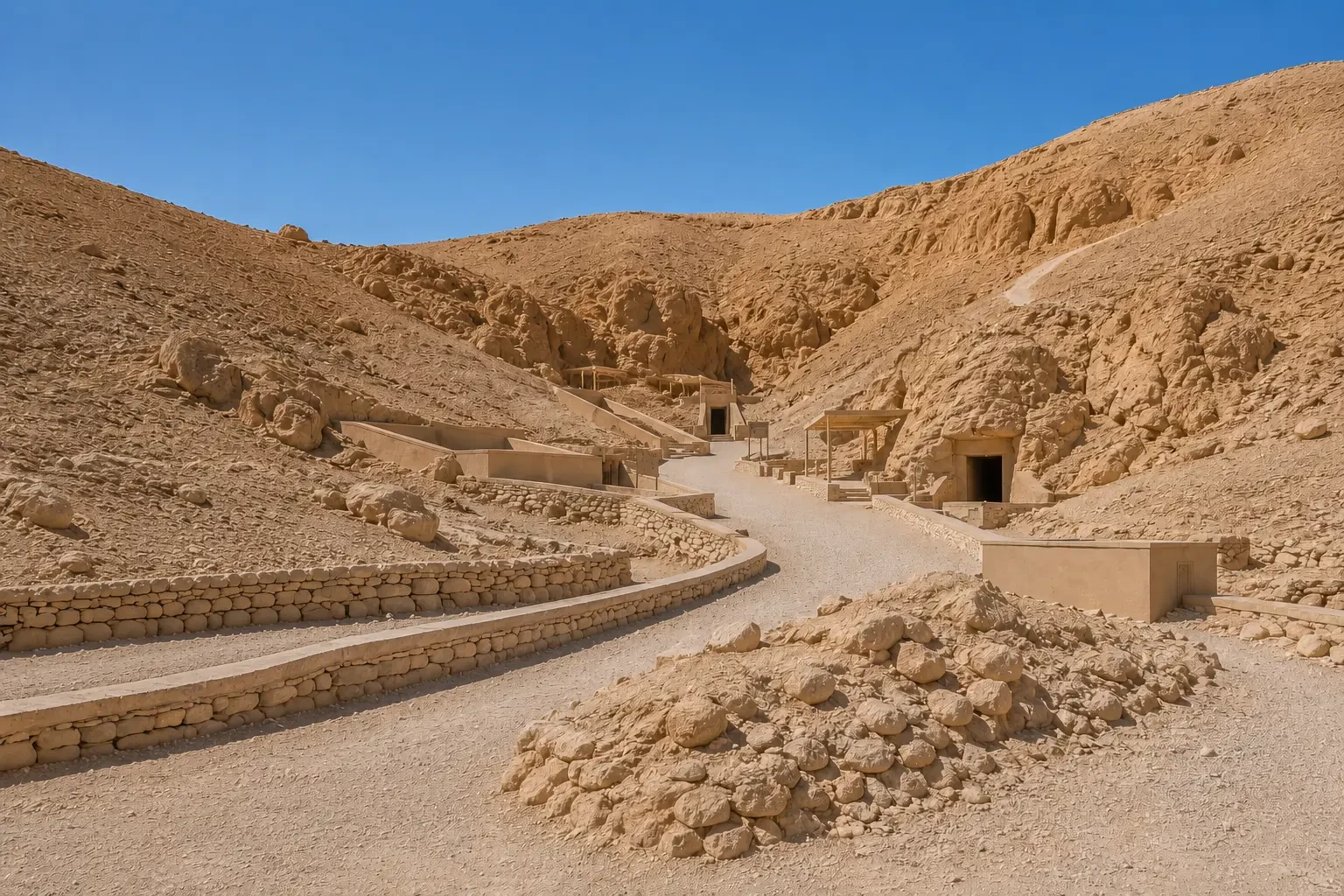
The second reason is experiential: the museum provides visitors to ancient Thebes with the essential context needed to fully understand and appreciate the great monuments of the West Bank, including the Valley of the Kings, the Temple of Hatshepsut, and the Valley of the Queens. Understanding what mummification meant to the ancient Egyptians — why they devoted such extraordinary resources to preserving the body, what they believed would happen to the soul after death, and how the funerary ritual was performed — transforms a visit to the royal tombs from an aesthetic experience into a genuinely moving encounter with one of history's most profound responses to human mortality.
What Are Some Interesting Facts About The Luxor Mummification Museum?
The Mummy Of Masaharta
The most celebrated object in the Mummification Museum in Luxor is the mummy of Masaharta, a high priest of Amun who served during the 21st Dynasty of the Third Intermediate Period, around 1054 to 1046 BCE. Masaharta was one of the most powerful figures in Upper Egypt during his lifetime, effectively ruling the Theban region as the representative of the god Amun at a time when the high priests of Amun had assumed quasi-royal authority. His mummy is exceptionally large and well-preserved, measuring approximately 1.88 meters in length, and represents one of the finest examples of 21st Dynasty mummification in existence. The mummy was originally discovered in the great royal cache at Deir el-Bahari and was later transferred to the Luxor Mummification Museum, where it is now the centerpiece of the human mummies display.
The Crocodile Mummies
Among the most visually dramatic objects in the Mummification Museum of Luxor are the mummified crocodiles in the animal mummies gallery. Crocodiles were sacred to the god Sobek, the crocodile-headed deity of the Nile, and were raised in temple precincts, cared for during their lives as living manifestations of the god, and mummified after death with considerable skill and care. The crocodile mummies in the museum range from small juveniles to large adults, and their elaborate linen wrappings, sometimes decorated with painted patterns, demonstrate that the ancient Egyptians applied the same reverence and technical skill to the mummification of sacred animals as they did to the preservation of human beings.
The Natron Display
One of the most educational displays in the Mummification Museum in Luxor is the presentation of natron, the naturally occurring salt mixture that was the essential preservative agent in the ancient Egyptian mummification process. Natron, a combination of sodium carbonate and sodium bicarbonate found in dry lake beds in Egypt, was used both as a dry packing material to desiccate the body and as a solution for washing and purifying the body during preparation. The museum's display of actual natron samples alongside explanatory diagrams of how it was applied makes the chemistry of ancient Egyptian preservation uniquely accessible to visitors, transforming what might otherwise seem like a mysterious or supernatural process into a comprehensible and fascinating application of natural materials.
What Is So Special About The Luxor Mummification Museum?
The Only Museum Of Its Kind In The World
What makes the Luxor Mummification Museum genuinely unique among all the world's cultural institutions is the fact that it is the only museum anywhere on earth dedicated exclusively to the ancient Egyptian art of mummification. While many museums around the world display Egyptian mummies as part of broader ancient Egypt collections, no other institution has brought together the tools, materials, ritual equipment, explanatory displays, and actual mummies needed to present the entire mummification process as a coherent whole in the way that the Mummification Museum does. This uniqueness alone makes a visit to the museum an irreplaceable experience that cannot be replicated elsewhere.
An Essential Companion To The West Bank Monuments
The Mummification Museum of Luxor occupies a special place in the visitor experience of ancient Thebes because it provides the conceptual foundation needed to fully understand and appreciate everything on the West Bank of Luxor. Visiting the Valley of the Kings without understanding what mummification meant to the ancient Egyptians is like visiting a great cathedral without understanding what Christianity means. The Mummification Museum supplies that understanding in a compact, accessible, and deeply engaging way, and WOW Egypt Tours strongly recommends combining a museum visit with any West Bank tour for the most complete and meaningful experience of ancient Thebes.
Luxor Mummification Museum Through The Ages: From Ancient Egypt To The Present
The practice of mummification that the Mummification Museum in Luxor documents spans more than three thousand years of ancient Egyptian history, from the earliest experimental preservation attempts of the Predynastic period around 3500 BCE through the elaborate royal and elite mummification of the New Kingdom to the mass animal mummification industries of the Late and Ptolemaic Periods. After the spread of Christianity and later Islam through Egypt, the practice of mummification ceased entirely, and the tombs and burial sites of ancient Thebes fell into disuse and were gradually covered by sand and debris.
The modern rediscovery of Egyptian mummies began with the Napoleonic expedition to Egypt in 1798 and continued through the great wave of European archaeological exploration in the 19th century, culminating in Howard Carter's discovery of the tomb of Tutankhamun in the Valley of the Kings in 1922. The Luxor Mummification Museum, opened in 1997, represents the most recent and most focused chapter in this history of discovery and understanding, bringing together the best of what more than two centuries of Egyptological research has revealed about this extraordinary practice in a single dedicated institution on the banks of the Nile.
Luxor Mummification Museum UNESCO World Heritage Site
The Mummification Museum of Luxor is not itself a UNESCO World Heritage Site, but it is one of the primary museum institutions serving the Ancient Thebes with its Necropolis UNESCO World Heritage Site, inscribed in 1979. This designation recognizes the outstanding universal value of the entire Theban region, which includes Luxor Temple, Karnak Temple, the Valley of the Kings, the Valley of the Queens, and the many temples and tombs of the West Bank. The Mummification Museum houses objects recovered from across this World Heritage landscape and provides the essential funerary context needed to understand the significance of every monument and tomb within it.
Best Time To Visit The Luxor Mummification Museum
The best time to visit the Mummification Museum in Luxor is during the cooler months from October through April, when temperatures in Luxor are moderate and the city is at its most comfortable for exploration. Because the Mummification Museum is a fully enclosed and climate-controlled interior environment, it is also one of the most pleasant places to visit in Luxor during the intensely hot summer months from May to September, when outdoor sites such as Luxor Temple and Karnak Temple can be demanding in the midday heat. WOW Egypt Tours recommends combining a museum visit with the nearby Luxor Museum in a single East Bank museum afternoon, reserving the morning for the great open-air temples.
Luxor Mummification Museum Opening Hours
The Luxor Mummification Museum is open to visitors every day of the week, including public holidays. The museum opens at 9:00 AM and closes at 4:00 PM during the winter months from October to April, and remains open from 9:00 AM to 9:00 PM during the summer months from May to September, with the extended evening hours providing a comfortable and atmospheric visit option during the hotter part of the year. The museum is compact enough that visits at any time of day are equally rewarding, and it is rarely crowded enough to require timing your visit to avoid peak hours.
Luxor Mummification Museum Entrance Fees
Adults: EGP 220
Students: EGP 110
Visitors should keep their ticket throughout the visit. Entrance fees are included in all Mummification Museum Tours, Egypt Tours Packages, and Safaga Shore Excursions booked through WOW Egypt Tours.
How To Get To The Luxor Mummification Museum
The Mummification Museum of Luxor is located directly on the Corniche el-Nile road on the east bank of the Nile in central Luxor, very close to the Luxor Museum and within walking distance of most hotels in the city center. Visitors arriving by air land at Luxor International Airport approximately 7 kilometers east of the museum, with taxis and ride-hailing apps readily available. Those traveling from Cairo or Aswan by train arrive at Luxor Railway Station a short taxi ride from the museum. Nile cruise ships dock along the Corniche within easy walking distance of the museum entrance.
Local transport options within Luxor include taxis, tuk-tuks, and horse-drawn calèches. Visitors coming from the West Bank can use the public Nile ferry and connect to local transport on the East Bank. All Luxor Tours, Luxor Day Tours, and Safaga Shore Excursions with WOW Egypt Tours include private air-conditioned transportation directly to and from the Mummification Museum.
How Long To Spend At The Luxor Mummification Museum
Most visitors spend between 45 minutes and one hour at the Mummification Museum in Luxor, which is sufficient time to move through the entire collection and engage with the main exhibits at a comfortable pace. The museum's compact layout means that it never feels rushed and every display can be read and examined in detail within a single hour. Visitors with a deeper interest in ancient Egyptian funerary religion, the biology of preservation, or the social history of death in the ancient world may wish to allow up to 90 minutes for a more leisurely and thorough visit. The Mummification Museum is ideally combined on the same day with the Luxor Museum, Luxor Temple, and Karnak Temple as part of a full Luxor East Bank Tour.
Tips For Visiting The Luxor Mummification Museum
The museum is compact and never overcrowded, making it a comfortable and peaceful visit at any time of day. Read the bilingual labels carefully, as the explanatory text provided with each exhibit is clear, informative, and essential for fully understanding what you are seeing. A licensed Egyptologist guide is recommended for visitors who want to go beyond the labels and explore the religious, ritual, and historical significance of the objects in depth. Allow extra time for the human mummies display and the mummification tools section, as these are the most educationally rich areas of the museum. Photography with a smartphone or standard camera is permitted throughout most of the museum, though flash must never be used near mummies or organic materials. Combine your museum visit with the Luxor Museum nearby for the most complete East Bank museum experience available in Luxor.
What To Wear At The Luxor Mummification Museum
The Luxor Mummification Museum is a fully enclosed and air-conditioned interior environment with no formal dress code. Comfortable, modest clothing is always appropriate when visiting any cultural institution in Egypt. Because the museum is climate-controlled, a light layer is recommended during the summer months when the contrast between the outdoor heat and the cool interior can be noticeable. Flat, comfortable shoes are suitable as the museum floors are level and smooth. There are no restrictions on footwear or specific clothing requirements beyond the general standards of modesty appropriate to a public institution in Egypt.
Photography At The Luxor Mummification Museum
Personal photography with a smartphone or standard camera is permitted throughout most areas of the Mummification Museum of Luxor. The museum's low, atmospheric lighting creates moody and dramatic photography conditions that reward cameras with good low-light performance. Flash photography is strictly prohibited throughout the entire museum, as intense light causes irreversible damage to ancient organic materials including linen bandages, resins, and the mummified bodies themselves. Visitors should always be respectful when photographing human mummies and should follow any specific restrictions indicated by museum signage in the human mummies display area. Professional photography or filming with specialized equipment requires a separate permit from Egypt's Ministry of Tourism and Antiquities.
Luxor Mummification Museum Tours
Single Attraction Visit: Luxor Mummification Museum Tour
This tour covers the Mummification Museum in Luxor as a standalone visit. It is suitable for travelers with a particular interest in ancient Egyptian funerary religion and burial practices, visitors who wish to complement a previous visit to the Valley of the Kings or West Bank with a dedicated museum experience, or those who want to understand the mummification process in full detail before or after visiting the royal tombs.
What Is Covered
Full guided visit of the Luxor Mummification Museum including the main mummification gallery, the human mummies display featuring the mummy of Masaharta, the animal mummies gallery, the mummification tools and equipment display, the canopic jars collection, the natron and materials display, and the amulets and funerary jewelry section.
Duration
45 minutes to 1 hour inside the museum.
Includes
Private transportation, private licensed Egyptologist guide, and entrance fees. Available for morning and afternoon departures.
Luxor East Bank Tours: Mummification Museum, Luxor Temple, Karnak Temple And Luxor Museum
This full-day tour covers the four main sites on the East Bank of Luxor. It is suitable for travelers who want a complete East Bank experience in a single day, combining the great open-air temple complexes with both of Luxor's main museums.
What Is Covered
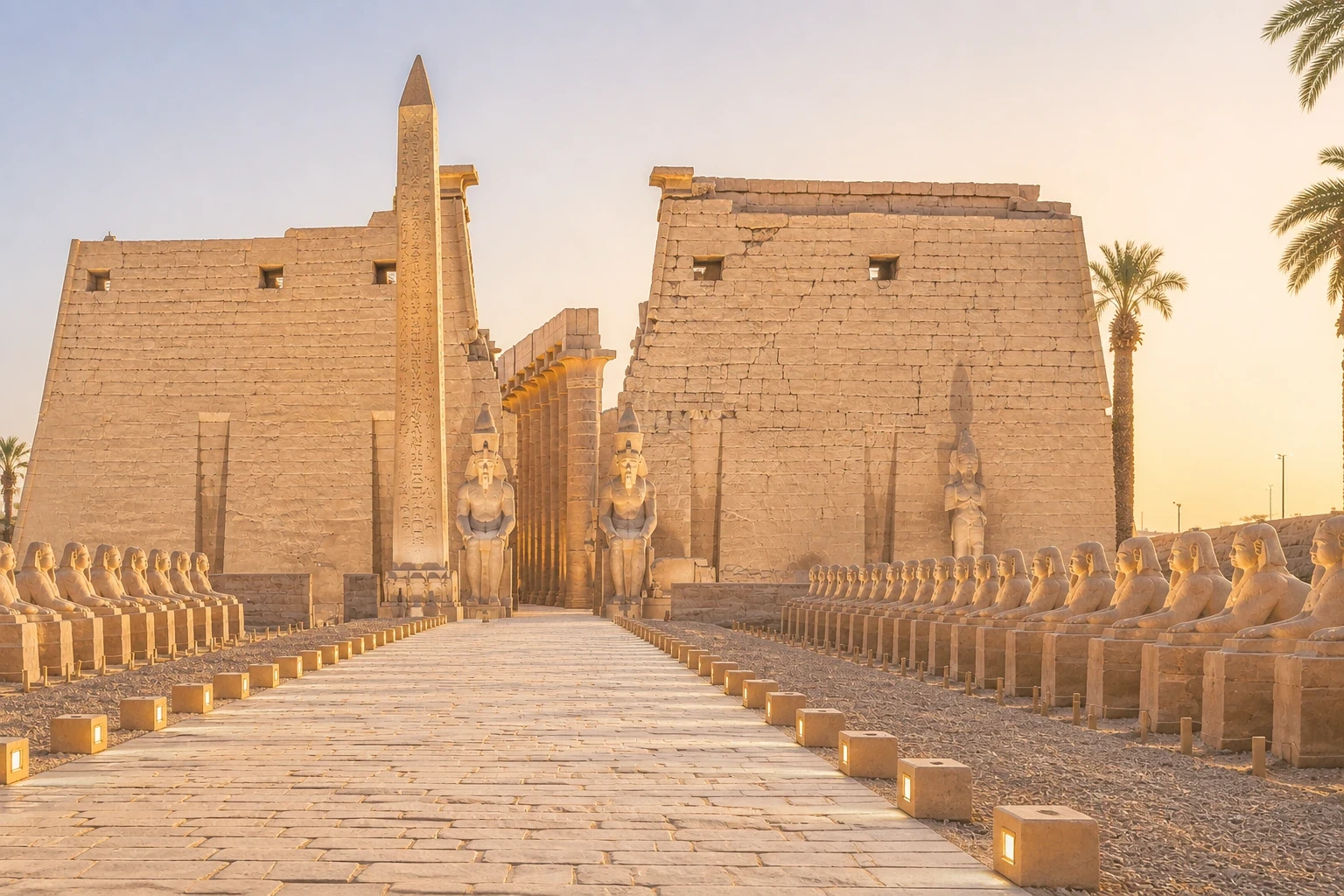
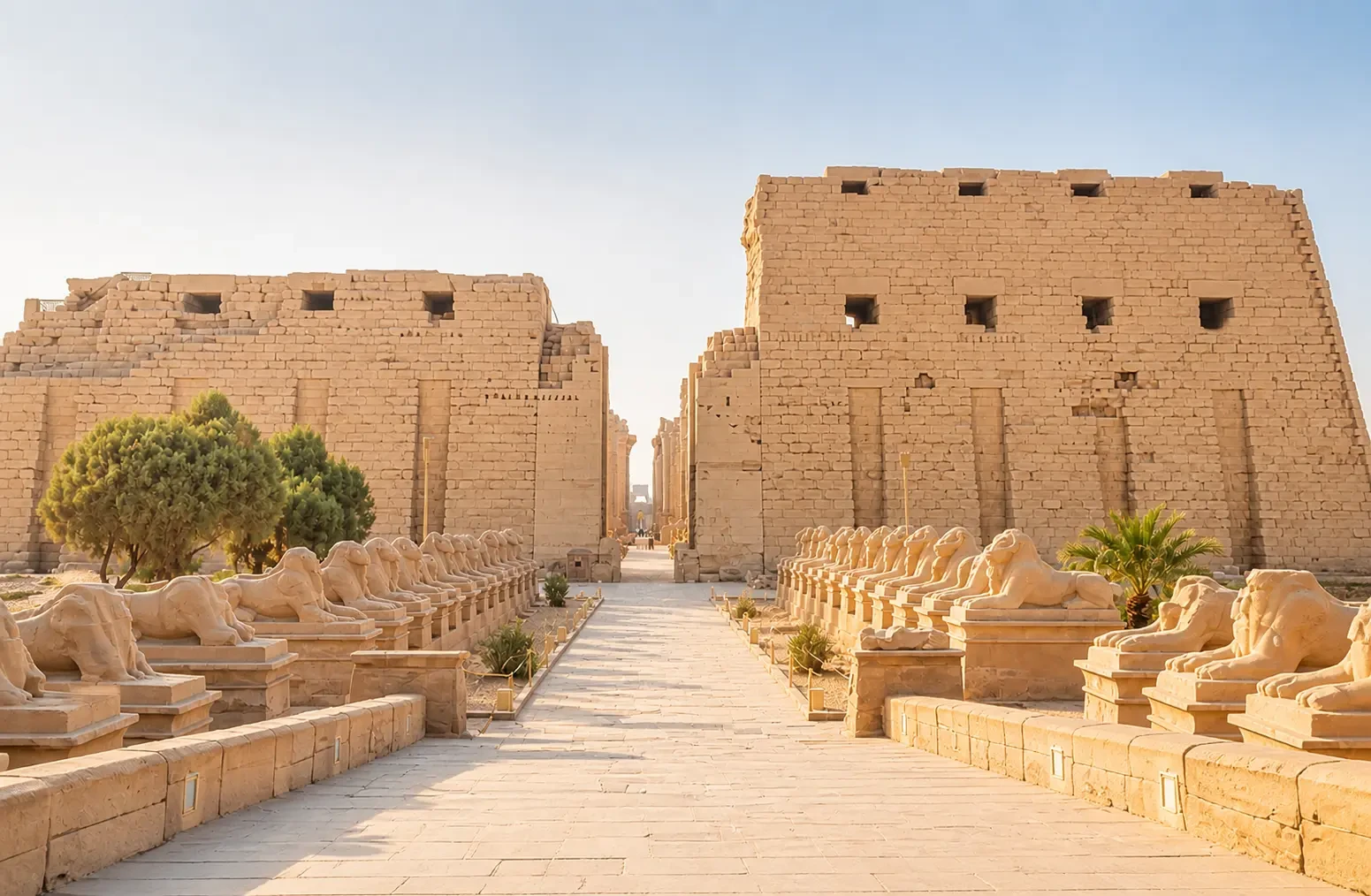
Karnak Temple with a full guided visit of the main precinct, including the Great Hypostyle Hall, the Sacred Lake, the obelisks of Hatshepsut and Thutmose I, and the Open Air Museum. The Avenue of Sphinxes connecting Karnak Temple to Luxor Temple. Luxor Temple including the entrance pylon, the courtyard of Ramesses II, the great colonnade, the courtyard of Amenhotep III, and the inner halls and Holy of Holies. The Luxor Museum with a full guided visit of all galleries. The Mummification Museum covering the tools, methods, and materials used in ancient Egyptian embalming.
Duration
Full day, approximately 6 to 7 hours.
Includes
Private air-conditioned transportation, private licensed Egyptologist guide, and entrance fees to all four sites. Available for morning departures.
Luxor West Bank Tours: Valley Of The Kings, Hatshepsut Temple And More
This full-day tour covers the major sites on the West Bank of Luxor, the ancient burial ground of the pharaohs. It is suitable for travelers who want to visit the royal tombs, mortuary temples, and monuments across the Nile from Luxor city.
What Is Covered
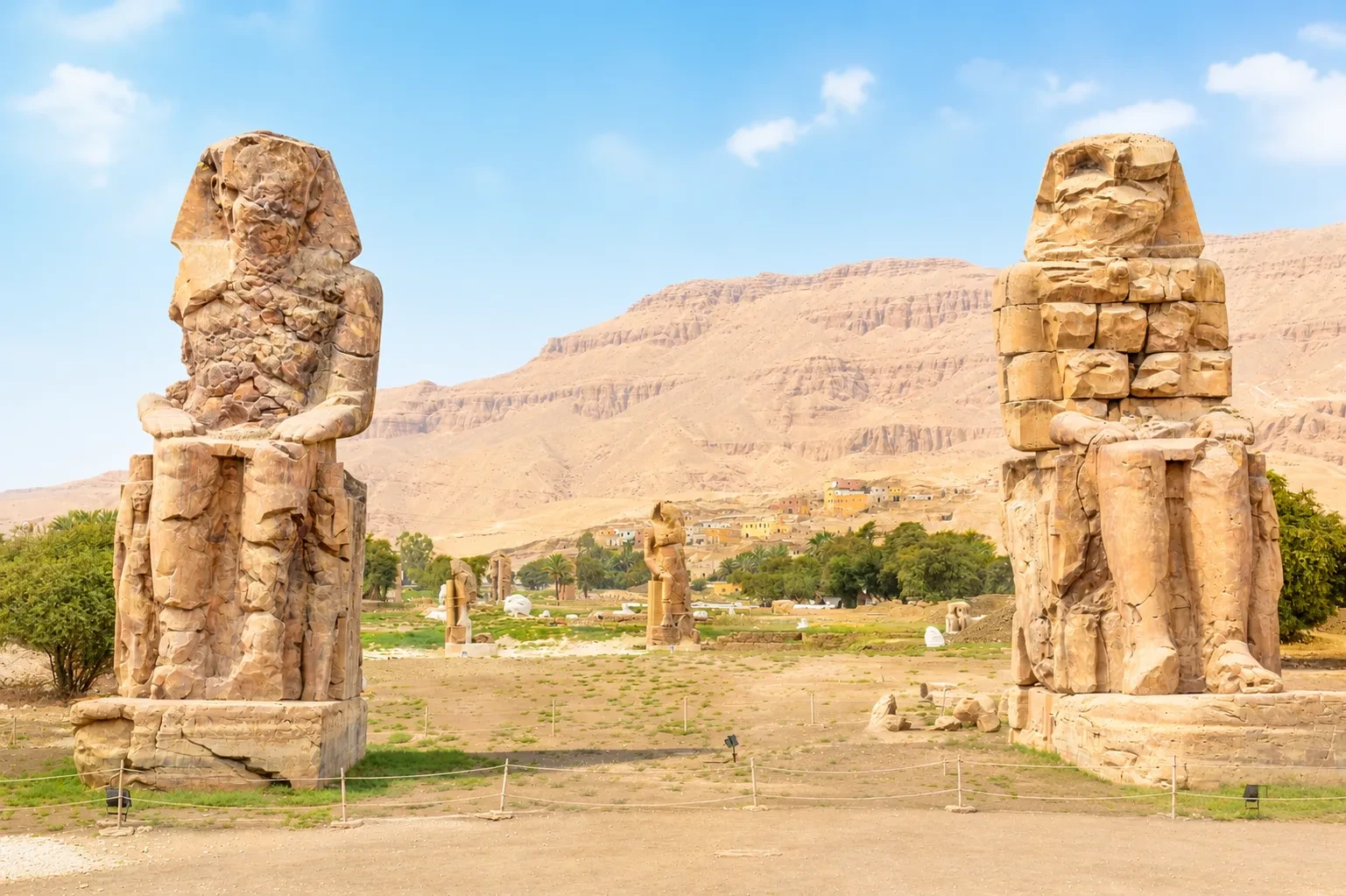
The Valley of the Kings with entry to three royal tombs, including options to visit the tombs of Tutankhamun, Ramesses II, Seti I, Ramesses III, and others depending on availability. The Temple of Hatshepsut at Deir el-Bahari, a three-tiered mortuary temple built into the limestone cliffs. The Colossi of Memnon, two 18-meter seated statues of Amenhotep III. Optional extensions include the Valley of the Queens, the Ramesseum, and Medinet Habu Temple.
Duration
Full day, approximately 6 to 7 hours.
Includes
Private air-conditioned transportation, private licensed Egyptologist guide, and entrance fees to the main sites. Available for morning departures.
Luxor Day Tours: Combined East Bank And West Bank
This full-day combined tour covers the most important sites on both banks of the Nile in Luxor in a single day. It is the most comprehensive Luxor Day Tour available and is suitable for travelers with one day in Luxor.
What Is Covered
East Bank: Karnak Temple including the Great Hypostyle Hall and Sacred Lake, the Avenue of Sphinxes, Luxor Temple, and the Mummification Museum. West Bank: Valley of the Kings with three tomb entries, Temple of Hatshepsut at Deir el-Bahari, and the Colossi of Memnon.
Duration
Full day, approximately 8 to 9 hours.
Includes
Private air-conditioned transportation, Nile crossing, private licensed Egyptologist guide, and entrance fees to all sites. Available for morning departures.
Safaga Shore Excursions To The Luxor Mummification Museum
Safaga Port is located on the Red Sea coast, approximately 250 kilometers (155 miles) from Luxor. WOW Egypt Tours operates Safaga Shore Excursions that transfer cruise ship passengers from Safaga Port to Luxor and back within a single port day. The transfer is approximately 2.5 to 3 hours each way by private air-conditioned vehicle.
What Is Covered
Karnak Temple with a full guided visit including the Great Hypostyle Hall and the Sacred Lake. The Avenue of Sphinxes connecting Karnak Temple to Luxor Temple. Luxor Temple including the entrance pylon, the great colonnade, and the inner courts. Optional addition: the Mummification Museum and Luxor Museum for an extra fee and subject to available time.
Duration
Full day from port departure to port return, approximately 12 to 13 hours including transfers.
Includes
Private air-conditioned vehicle from Safaga Port, private licensed Egyptologist guide, entrance fees to Karnak Temple and Luxor Temple, and return transfer to the ship. All Safaga Shore Excursions are coordinated around each ship's port schedule to guarantee return to the vessel before departure.
Dahabiya Nile River Cruise
A Dahabiya Nile River Cruise is a small-vessel sailing experience on the Nile between Luxor and Aswan aboard a traditional wooden dahabiya. WOW Egypt Tours operates dahabiya cruises with private cabins, all meals, a private licensed Egyptologist guide on board, and guided shore excursions at every stop.
4 Days 3 Nights Dahabiya Nile River Cruise From Aswan To Luxor
Route: Aswan to Luxor, sailing north.
Itinerary
Day 1: Embarkation in Aswan. Visit to Philae Temple and the Unfinished Obelisk. Sail north to Kom Ombo. Guided visit to Kom Ombo Temple. Continue to Gebel el Silsila. Overnight on board.
Day 2: Guided visit to Gebel el Silsila. Sail to the Village of Basaw. Guided visit to Village of Basaw. Continue to Edfu. Guided visit to the Temple of Horus at Edfu. Overnight on board.
Day 3: Sail to El Kab. Guided visit to El Kab Tombs. Sail to El Hagaz Island. Swimming stop. Overnight on board.
Day 4: Sail to Esna. Visit Khnum Temple at Esna. Disembarkation in Esna. Transfer to Luxor, approximately 55 kilometers (35 miles).
Includes
Private cabin, all meals on board, private licensed Egyptologist guide, entrance fees to all temple visits, and private transfers.
5 Days 4 Nights Dahabiya Nile River Cruise From Luxor To Aswan
Route: Luxor to Aswan, sailing south.
Itinerary
Day 1: Embarkation in Luxor. Transfer to Esna, approximately 55 kilometers (35 miles). Visit Khnum Temple at Esna. Sail to El Hagaz Island. Overnight on board.
Day 2: Sail to El Kab. Guided visit to El Kab Tombs. Continue to Edfu. Guided visit to the Temple of Horus at Edfu. Sail to the Village of Basaw. Guided visit to Village of Basaw. Overnight on board.
Day 3: Sail to Gebel el Silsila. Guided visit to Gebel el Silsila. Sail south to Kom Ombo. Guided visit to Kom Ombo Temple. Sail to Daraw Village. Overnight on board.
Day 4: Guided visit to Daraw Village. Sail to Herbiab Island. Swimming stop. Philae Sound and Light Show. Overnight on board.
Day 5: Optional Abu Simbel visit available by air or road. Guided visits to Philae Temple, the High Dam, and the Unfinished Obelisk. Disembarkation in Aswan.
Includes
Private cabin, all meals on board, private licensed Egyptologist guide, entrance fees to all temple visits, and private transfers.
8 Days 7 Nights Dahabiya Nile River Cruise Round Trip From Luxor (Via Aswan)
Route: Luxor and Aswan, sailing north and south.
Itinerary
Day 1: Embarkation in Luxor. Transfer to Esna, approximately 55 kilometers (35 miles). Visit Khnum Temple at Esna. Sail to El Hagaz Island. Overnight on board.
Day 2: Sail to El Kab. Continue to Edfu. Guided visit to the Temple of Horus at Edfu. Sail to the Village of Basaw. Guided visit to Village of Basaw. Overnight on board.
Day 3: Sail to Gebel el Silsila. Sail south to Kom Ombo. Guided visit to Kom Ombo Temple. Sail to Daraw Village. Overnight on board.
Day 4: Guided visit to Daraw Village. Sail to Herbiab Island. Swimming stop. Philae Sound and Light Show. Overnight on board.
Day 5: Optional Abu Simbel visit available by air or road. Guided visits to Philae Temple, the High Dam, and the Unfinished Obelisk. Sail north to Kom Ombo. Continue to Gebel el Silsila. Overnight on board.
Day 6: Guided visit to Gebel el Silsila. Sail to the Village of Basaw. Continue to Edfu. Overnight on board.
Day 7: Sail to El Kab. Guided visit to El Kab Tombs. Sail to El Hagaz Island. Swimming stop. Overnight on board.
Day 8: Disembarkation in Esna. Transfer to Luxor, approximately 55 kilometers (35 miles).
Includes
Private cabin, all meals on board, private licensed Egyptologist guide, entrance fees to all temple visits, and private transfers.
8 Days 7 Nights Dahabiya Nile River Cruise Round Trip From Aswan (Via Luxor)
Route: Luxor and Aswan, sailing north and south.
Itinerary
Day 1: Embarkation in Aswan. Visit to Philae Temple and the Unfinished Obelisk. Sail north to Kom Ombo. Continue to Gebel el Silsila. Overnight on board.
Day 2: Guided visit to Gebel el Silsila. Sail to the Village of Basaw. Continue to Edfu. Overnight on board.
Day 3: Sail to El Kab. Guided visit to El Kab Tombs. Sail to El Hagaz Island. Swimming stop. Overnight on board.
Day 4: Sail to Esna. Visit Khnum Temple at Esna. Sail to El Hagaz Island. Overnight on board.
Day 5: Sail to El Kab. Continue to Edfu. Guided visit to the Temple of Horus at Edfu. Sail to the Village of Basaw. Guided visit to Village of Basaw. Overnight on board.
Day 6: Sail to Gebel el Silsila. Sail south to Kom Ombo. Guided visit to Kom Ombo Temple. Sail to Daraw Village. Overnight on board.
Day 7: Guided visit to Daraw Village. Sail to Herbiab Island. Swimming stop. Philae Sound and Light Show. Overnight on board.
Day 8: Disembarkation in Aswan.
Includes
Private cabin, all meals on board, private licensed Egyptologist guide, entrance fees to all temple visits, and private transfers.
Luxor And Aswan Nile River Cruise
The Luxor and Aswan Nile River Cruise is a standard Nile cruise product operated aboard a full-size cruise ship between Luxor and Aswan. WOW Egypt Tours operates this cruise in both directions with private licensed Egyptologist guides, all meals included, private cabins, and guided shore excursions at every port of call.
4 Days 3 Nights Luxor And Aswan Nile River Cruise From Aswan To Luxor
Route: Aswan to Luxor, sailing north.
Itinerary
Day 1: Embarkation in Aswan. Guided visits to Philae Temple, the High Dam, and the Unfinished Obelisk. Overnight on board in Aswan.
Day 2: Sail north to Kom Ombo. Guided visit to Kom Ombo Temple. Continue to Edfu. Overnight on board.
Day 3: Guided visit to the Temple of Horus at Edfu. Continue north toward Luxor. Guided visit to Luxor Temple and Karnak Temple. Overnight on board in Luxor.
Day 4: Optional Sunrise Hot Air Balloon available. Guided visits to Valley of the Kings, Queen Hatshepsut Temple, and Colossi of Memnon. Disembarkation in Luxor.
Includes
Private cabin, all meals on board, private licensed Egyptologist guide, entrance fees to all temple visits, and private transfers.
5 Days 4 Nights Luxor And Aswan Nile River Cruise From Luxor To Aswan
Route: Luxor to Aswan, sailing south.
Itinerary
Day 1: Embarkation in Luxor. Guided visits to Luxor Temple and Karnak Temple. Overnight on board in Luxor.
Day 2: Optional Sunrise Hot Air Balloon available. Guided visits to Valley of the Kings, Queen Hatshepsut Temple, and Colossi of Memnon. Pass through the Esna locks. Sail south to Edfu. Overnight on board.
Day 3: Guided visit to the Temple of Horus at Edfu. Continue to Kom Ombo. Guided visit to Kom Ombo Temple. Overnight on board.
Day 4: Continue south toward Aswan. Guided visits to Philae Temple, the High Dam, and the Unfinished Obelisk. Overnight on board in Aswan.
Day 5: Optional Abu Simbel visit available by air or road. Disembarkation in Aswan.
Includes
Private cabin, all meals on board, private licensed Egyptologist guide, entrance fees to all temple visits, and private transfers.
8 Days 7 Nights Luxor And Aswan Nile River Cruise Round Trip From Luxor (Via Aswan)
Route: Luxor and Aswan, sailing north and south.
Itinerary
Day 1: Embarkation in Luxor. Guided visits to Luxor Temple and Karnak Temple. Overnight on board in Luxor.
Day 2: Guided visits to Luxor Museum. Pass through the Esna locks. Sail south to Edfu. Overnight on board.
Day 3: Guided visit to the Temple of Horus at Edfu. Continue to Kom Ombo. Overnight on board.
Day 4: Continue south toward Aswan. Guided visits to Philae Temple, the High Dam, and the Unfinished Obelisk. Overnight on board in Aswan.
Day 5: Abu Simbel visit available by road. Sound and Light Show at Philae Temple. Overnight on board in Aswan.
Day 6: Guided visits to Nubian Village. Sail north to Kom Ombo. Guided visit to Kom Ombo Temple. Continue to Edfu. Overnight on board.
Day 7: Guided visits to Valley of the Kings, Queen Hatshepsut Temple, and Colossi of Memnon. Pass through the Esna locks. Sail south to Edfu. Overnight on board.
Day 8: Optional Sunrise Hot Air Balloon available. Disembarkation in Luxor.
Includes
Private cabin, all meals on board, private licensed Egyptologist guide, entrance fees to all temple visits, and private transfers.
8 Days 7 Nights Luxor And Aswan Nile River Cruise Round Trip From Aswan (Via Luxor)
Route: Luxor and Aswan, sailing north and south.
Itinerary
Day 1: Embarkation in Aswan. Guided visits to Philae Temple, the High Dam, and the Unfinished Obelisk. Overnight on board in Aswan.
Day 2: Sail north to Kom Ombo. Guided visit to Nubian Village and Kom Ombo Temple. Continue to Edfu. Overnight on board.
Day 3: Continue north toward Luxor. Guided visit to Luxor Museum and Karnak Sound and Light Show. Overnight on board in Luxor.
Day 4: Guided visits to Luxor Temple and Karnak Temple. Overnight on board in Luxor.
Day 5: Optional Sunrise Hot Air Balloon available. Guided visits to Valley of the Kings, Queen Hatshepsut Temple, and Colossi of Memnon. Pass through the Esna locks. Sail south to Edfu. Overnight on board.
Day 6: Guided visit to the Temple of Horus at Edfu. Continue to Kom Ombo. Overnight on board.
Day 7: Sound and Light Show at Philae Temple. Overnight on board in Aswan.
Day 8: Abu Simbel visit available by road. Disembarkation in Aswan.
Includes
Private cabin, all meals on board, private licensed Egyptologist guide, entrance fees to all temple visits, and private transfers.
Combine The Luxor Mummification Museum With Your Egypt Tours Package
The Mummification Museum of Luxor is included as a featured stop across the full range of WOW Egypt Tours travel products. Browse the options below to find the Egypt experience that is right for you.
Egypt Tour Packages: Multi-day guided Egypt tours organized by duration, including 2 Days Egypt Packages, 3 Days Egypt Packages, 4 Days Egypt Packages, 5 Days Egypt Packages, 6 Days Egypt Packages, 7 Days Egypt Packages, 8 Days Egypt Packages, 10 Days Egypt Packages, and longer itineraries. All packages include private air-conditioned transportation, private licensed Egyptologist guide, accommodations, entrance fees to all included sites, and private transfers throughout Egypt.
Egypt Travel Packages: Themed Egypt travel packages designed around specific travel styles and interests, including Egypt Honeymoon Travel Packages, Egypt Budget Travel Packages, Egypt Family Travel Packages, Egypt Luxury Travel Packages, Egypt Adventure Travel Packages, Egypt Cultural Travel Packages, and Egypt Christmas and New Year Travel Packages. All packages include private air-conditioned transportation, private licensed Egyptologist guide, accommodations, meals, entrance fees to all included sites, and private transfers.
Egypt Nile Cruise Packages: Complete Egypt travel packages combining Cairo sightseeing with a fully guided Nile cruise between Luxor and Aswan, available as Cairo and Nile Cruise Packages, Egypt and Nile Cruise Packages, and Nile Cruise and Red Sea Packages. All packages include private cabin on board, all meals, private licensed Egyptologist guide, entrance fees to all temple and museum visits, and private transfers.
Nile River Cruises: All WOW Egypt Tours Nile cruise options between Luxor and Aswan, available across four ship categories, Standard, Deluxe, Ultra Deluxe, and Luxury, as well as private Dahabiya sailing vessels. All cruises include private cabin on board, all meals, private licensed Egyptologist guide, entrance fees to all temple visits, and private transfers.
Luxor Aswan Nile Cruises: The classic Upper Egypt Nile cruise route between Luxor and Aswan, available in both directions and in durations of 4 Days 3 Nights, 5 Days 4 Nights, and 8 Days 7 Nights round trip. The Mummification Museum is available as an optional East Bank addition on all itineraries. All cruises include private cabin on board, all meals, private licensed Egyptologist guide, entrance fees to all temple visits, and private transfers.
Standard Nile Cruises: Comfortable standard-category cruise ships sailing between Luxor and Aswan, available in 4 Days 3 Nights, 5 Days 4 Nights, and 8 Days 7 Nights itineraries in both directions. Includes standard cabin on board, all meals, private licensed Egyptologist guide, entrance fees to all temple visits, and private transfers.
Deluxe Nile Cruises: Deluxe-category cruise ships with enhanced cabin comfort and upgraded dining, sailing between Luxor and Aswan in 4 Days 3 Nights, 5 Days 4 Nights, and 8 Days 7 Nights itineraries in both directions. Includes deluxe cabin on board, all meals, private licensed Egyptologist guide, entrance fees to all temple visits, and private transfers.
Ultra Deluxe Nile Cruises: Ultra deluxe-category cruise ships offering superior cabins, premium dining, and an elevated onboard experience, sailing between Luxor and Aswan in 4 Days 3 Nights, 5 Days 4 Nights, and 8 Days 7 Nights itineraries in both directions. Includes ultra deluxe cabin on board, all meals, private licensed Egyptologist guide, entrance fees to all temple visits, and private transfers.
Luxury Nile Cruises: Luxury-category cruise ships with the finest cabins, exceptional cuisine, and premium onboard facilities, sailing between Luxor and Aswan in 4 Days 3 Nights, 5 Days 4 Nights, and 8 Days 7 Nights itineraries in both directions. Includes luxury cabin on board, all meals, private licensed Egyptologist guide, entrance fees to all temple visits, and private transfers.
Dahabiya Nile Cruises: Private small-vessel sailing experience aboard a traditional wooden dahabiya between Luxor and Aswan, available in four itineraries: Dahabiya From Aswan To Luxor 4 Days 3 Nights, Dahabiya From Luxor To Aswan 5 Days 4 Nights, Dahabiya Round Trip From Luxor via Aswan 8 Days 7 Nights, and Dahabiya Round Trip From Aswan via Luxor 8 Days 7 Nights. Includes private cabin on board, all meals, private licensed Egyptologist guide, entrance fees to all temple visits, and private transfers.
Luxor Tours: Day tours and multi-day tours of Luxor covering all major sites on both banks of the Nile, including Luxor East Bank Tours covering Karnak Temple, Luxor Temple, Luxor Museum, and the Mummification Museum; Luxor West Bank Tours covering the Valley of the Kings, Temple of Hatshepsut, and Colossi of Memnon; and combined Luxor Day Tours covering the East and West Banks in a single day. All tours include private air-conditioned transportation, private licensed Egyptologist guide, entrance fees to all included sites, and private transfers.
Shore Excursions: Guided day excursions from Egypt's Red Sea ports to Luxor and the monuments of Upper Egypt, available for cruise ship passengers with a port call at Safaga, Hurghada, Port Said, Alexandria, and Sokhna. Includes private air-conditioned transportation from the port, private licensed Egyptologist guide, entrance fees to all included sites, and return transfer to the ship, with all timings coordinated around each vessel's port schedule.
Safaga Port Excursions: Shore excursions departing from Safaga Port on the Red Sea coast, approximately 250 kilometers (155 miles) from Luxor, covering Karnak Temple, Luxor Temple, and optionally the Mummification Museum and Luxor Museum as a full-day trip within a single port call. Available options include Safaga to Luxor East Bank Tours, Safaga to Luxor West Bank Tours, and combined Safaga to Luxor East and West Bank Day Tours. Includes private air-conditioned vehicle from Safaga Port, private licensed Egyptologist guide, entrance fees to all included sites, and return transfer to the ship.
Nearby Attractions To The Luxor Mummification Museum
The Mummification Museum in Luxor sits at the center of one of the richest archaeological landscapes in the world. The Luxor Museum is located immediately nearby on the Corniche el-Nile and is an essential companion visit for any visitor to the Mummification Museum. Luxor Temple is located approximately 1.5 kilometers to the south along the Corniche, and Karnak Temple is approximately 1.5 kilometers to the north, connected to Luxor Temple by the famous Avenue of Sphinxes.
On the West Bank of the Nile, directly across the river, lies the Valley of the Kings, where the tombs of Tutankhamun, Ramesses II, Seti I, and dozens of other pharaohs were cut into the limestone cliffs. The Temple of Hatshepsut at Deir el-Bahari, the Colossi of Memnon, the Valley of the Queens, the Ramesseum, Medinet Habu Temple, the Valley of the Nobles, and Deir el-Medina are all within easy reach across the Nile.
Frequently Asked Questions About The Luxor Mummification Museum
What is the Luxor Mummification Museum?
The Luxor Mummification Museum is a specialist archaeological museum located on the Corniche el-Nile in the city of Luxor, opened in 1997, and dedicated exclusively to the ancient Egyptian art and science of mummification. It is the only museum in the world focused entirely on this subject and is a featured stop in all WOW Egypt Tours Luxor East Bank Tours, Egypt Tours Packages, Egypt Travel Packages, and Safaga Shore Excursions.
Who founded the Luxor Mummification Museum?
The Mummification Museum of Luxor was founded by the Egyptian Antiquities Organization, now the Egyptian Ministry of Tourism and Antiquities, and opened to the public in 1997.
What is the most famous object in the Luxor Mummification Museum?
The most celebrated object in the museum is the mummy of Masaharta, a high priest of Amun from the 21st Dynasty, which is one of the finest and best-preserved mummies of its period on public display anywhere in Egypt.
What is mummification and why did the ancient Egyptians practice it?
Mummification is the process of artificially preserving a body after death. The ancient Egyptians practiced it because they believed that the physical body needed to be preserved for the soul to return to it in the afterlife. Without a preserved body, they believed eternal life was impossible.
How long did the mummification process take?
In its most elaborate form, the ancient Egyptian mummification process took 70 days to complete, from the initial preparation of the body through the final wrapping and placement of amulets in the linen bandages.
Are there animal mummies at the Luxor Mummification Museum?
Yes. The museum has a dedicated animal mummies gallery displaying mummified cats, ibises, crocodiles, rams, fish, and other sacred animals that were offered to the gods as votive offerings in ancient Egypt.
What are canopic jars?
Canopic jars were containers used to store the preserved internal organs of the deceased during the mummification process. Each of the four jars was protected by one of the four sons of Horus and held a different organ: the liver, lungs, stomach, or intestines. The museum displays a rich collection of canopic jars spanning several periods of ancient Egyptian history.
What are the opening hours of the Luxor Mummification Museum?
The Mummification Museum in Luxor is open daily from 9:00 AM to 4:00 PM in winter and from 9:00 AM to 9:00 PM in summer, including public holidays.
How much does it cost to enter the Luxor Mummification Museum?
The entrance fee is EGP 220 for adults and EGP 110 for students. Entrance fees are included in all Mummification Museum Tours, Egypt Tours Packages, and Safaga Shore Excursions booked through WOW Egypt Tours.
How long does it take to visit the Luxor Mummification Museum?
Most visitors spend between 45 minutes and one hour at the museum. Those with a deeper interest in the subject may wish to allow up to 90 minutes.
What is the best time of year to visit the Luxor Mummification Museum?
The Mummification Museum can be comfortably visited year-round as it is fully enclosed and climate-controlled. The best time to visit Luxor overall is from October to April, but the museum is an ideal cool refuge during the summer months between May and September.
How do I get to the Luxor Mummification Museum?
The Luxor Mummification Museum is located directly on the Corniche el-Nile road in central Luxor, near the Luxor Museum, within walking distance of most hotels in the city center. All Luxor Tours, Luxor East Bank Tours, and Safaga Shore Excursions with WOW Egypt Tours include private transportation directly to and from the museum.
Can I combine the Mummification Museum with Luxor Temple and Karnak Temple in one day?
Yes. The Mummification Museum is ideally visited on the same day as Luxor Temple, Karnak Temple, and the Luxor Museum as part of a full Luxor East Bank Tour with WOW Egypt Tours.
Is a guide necessary at the Luxor Mummification Museum?
A guide is not required but is strongly recommended. WOW Egypt Tours provides licensed Egyptologist guides for all Mummification Museum Tours, Egypt Tours Packages, and Safaga Shore Excursions.
Can I take photographs at the Luxor Mummification Museum?
Personal photography with a smartphone or standard camera is permitted throughout most of the museum. Flash photography is strictly prohibited near mummies and organic materials. Professional filming requires a separate permit from Egypt's Ministry of Tourism and Antiquities.
What should I wear to visit the Luxor Mummification Museum?
Comfortable, modest clothing is recommended. Because the museum is climate-controlled, a light layer is advisable in summer. Flat, comfortable shoes are suitable on the museum's level floors.
Is the Luxor Mummification Museum connected to a UNESCO World Heritage Site?
The Mummification Museum is not itself a UNESCO site but serves the Ancient Thebes with its Necropolis UNESCO World Heritage Site, inscribed in 1979, and houses objects recovered from across this World Heritage landscape including the Valley of the Kings and the West Bank necropolises.
What is the difference between the Mummification Museum and the Luxor Museum?
The Mummification Museum is a specialist institution dedicated exclusively to the subject of mummification, covering the process, tools, materials, and ritual equipment of ancient Egyptian embalming. The Luxor Museum is a broader collection of the finest archaeological objects from the Theban region, including royal statues, portraits, military reliefs, and royal mummies. The two museums complement each other perfectly and are ideally visited together on the same day.
What Nile cruise options include the Mummification Museum?
WOW Egypt Tours offers both Dahabiya Nile River Cruises and Luxor Aswan Nile River Cruises, all of which include guided visits to Luxor's East Bank. The Mummification Museum can be included as an optional East Bank addition on all itineraries. All options are available as part of WOW Egypt Tours Egypt Tours Packages and Egypt Travel Packages.
Can I visit the Mummification Museum as part of a Safaga Shore Excursion?
Yes. WOW Egypt Tours operates Safaga Shore Excursions from Safaga Port that can include the Mummification Museum as an optional addition to the standard East Bank programme, subject to available time within the port schedule. Our team handles all transportation, guiding, entrance fees, and logistics.
How do I book a Mummification Museum Tour with WOW Egypt Tours?
You can book any Mummification Museum Tour, Luxor East Bank Tour, Luxor Day Tour, Dahabiya Nile River Cruise, Luxor Aswan Nile River Cruise, Egypt Tours Package, Egypt Travel Package, or Safaga Shore Excursion directly through WOW Egypt Tours. Our team of travel specialists will arrange everything from private transportation and licensed Egyptologist guides to hotel pick-up and entrance fees, ensuring a seamless and unforgettable experience of the Mummification Museum of Luxor and all the wonders of ancient Egypt.