

The Coptic Museum is the most comprehensive, the most personally extraordinary, and the most completely irreplaceable institution of Coptic Christian heritage in the entire world, a museum of such completely overwhelming collection depth, such completely extraordinary artistic achievement, and such completely personal historical significance for the understanding of the most ancient continuously existing Christian community in the complete African heritage record that it occupies a position in the global heritage of Christian civilization comparable in its institutional centrality and its scholarly indispensability to the position of the Egyptian Museum in the global heritage of the ancient pharaonic civilization, the single institution whose specific collection of more than 16,000 individual objects spanning the complete spectrum of Coptic Christian material culture from the earliest period of Egyptian Christianity in the 1st century CE through the complete medieval Coptic period to the early Islamic era gives scholars, students, and heritage visitors from every country and every cultural tradition in the world their most complete, their most personally overwhelming, and their most institutionally authoritative available encounter with the extraordinary artistic, theological, and cultural achievements of the ancient Egyptian Christian heritage in the most beautifully designed and the most personally affecting museum environment ever devoted to the Coptic Christian civilization. Located in the Old Cairo Babylon Fortress complex immediately adjacent to the most celebrated ancient Coptic church in Egypt at the Hanging Church and within walking distance of the oldest synagogue in Egypt at the Ben Ezra Synagogue and the oldest mosque in Africa at the Amr Ibn Al-Ass Mosque, the Coptic Museum gives every visitor to the Old Cairo multi-faith heritage district the most completely extraordinary and the most personally affecting scholarly and artistic encounter with the ancient Egyptian Christian heritage available at any museum institution in the complete Egyptian capital, the single museum whose specific combination of collection completeness, display quality, architectural beauty, and multi-faith neighbourhood context makes it the most institutionally essential and the most personally rewarding single museum destination of the complete Old Cairo heritage programme. This extraordinary institution is featured in Cairo Tours, Egypt Classic Tours, and Egypt Short Break Tours, all of which WOW Egypt Tours proudly offers to travelers from around the world as part of Egypt Tours Packages and Egypt Travel Packages that encompass the extraordinary multi-faith and ancient heritage of Cairo and the complete Egyptian Nile Valley civilization.
The Coptic Museum Cairo is not simply a museum of religious art however extraordinary and not simply an institution of cultural heritage however celebrated; it is the primary custodian of the most complete and the most personally extraordinary collection of Coptic Christian material culture in the world, a museum whose specific collection of textiles, manuscripts, icons, carved stone, painted wood, metalwork, ceramics, glassware, and the complete range of ancient Egyptian Christian material production gives every visitor who engages with it the most direct and the most personally affecting encounter with the extraordinary creative achievement of the ancient Egyptian Christian community across more than fifteen centuries of continuous artistic and cultural production in the most concentrated and the most institutionally complete available expression of the Coptic Christian heritage tradition's artistic genius, theological depth, and cultural vitality available at any accessible heritage institution in the complete world. The Coptic Museum's specific collection represents not only the primary source of scholarly knowledge about the Coptic Christian heritage for the global academic community but also the most personally touching and the most immediately humanly affecting encounter with the ancient Egyptian Christian soul available to any visitor who approaches it with the genuine personal openness and the genuine cultural respect that the collection's extraordinary achievements in every medium of the ancient Coptic creative tradition most completely reward. WOW Egypt Tours includes the Coptic Museum as an essential cultural heritage destination in all comprehensive Cairo Tours, Egypt Classic Tours, Egypt Short Break Tours, Egypt Family Tours, Egypt Budget Tours, and all Egypt Tour Packages that encompass the extraordinary multi-faith heritage of the Egyptian capital.

What Is The Coptic Museum?
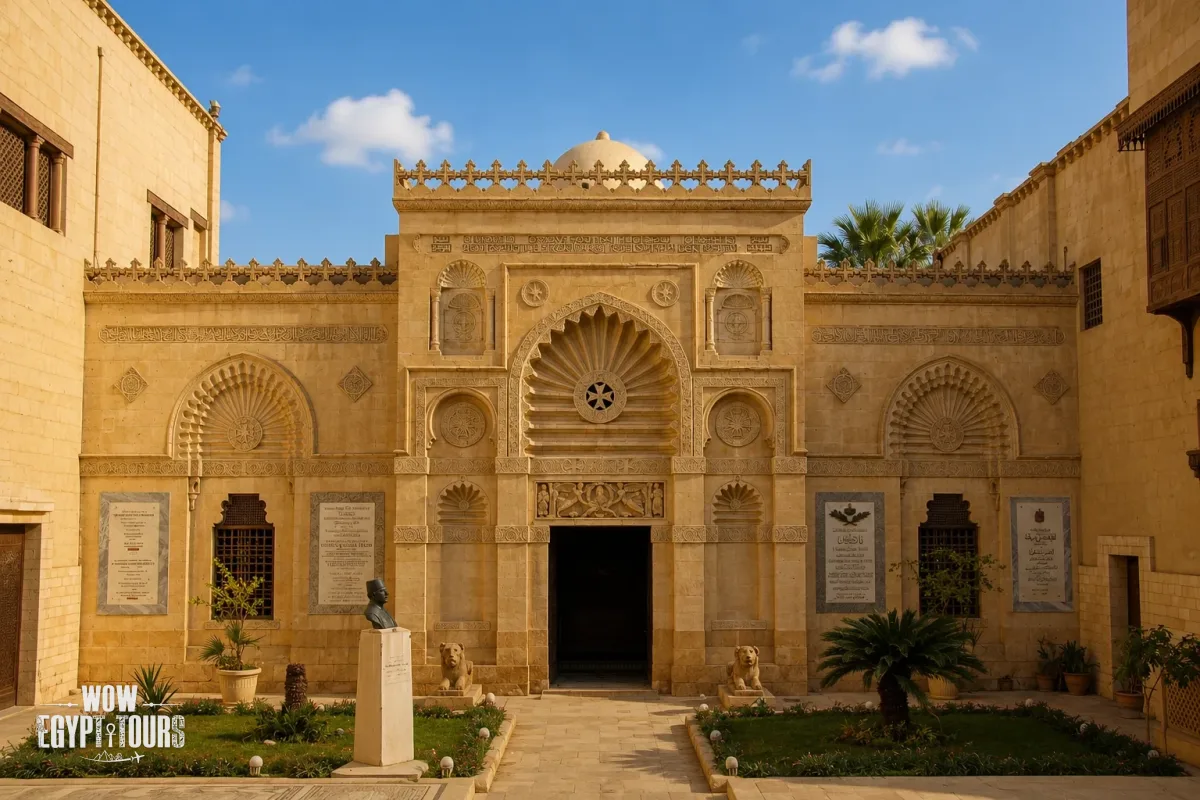
The Coptic Museum is the national museum of the ancient Egyptian Coptic Christian civilization, established in 1910 CE in the Old Cairo Babylon Fortress Coptic heritage district to house, preserve, study, and publicly display the most comprehensive and the most personally extraordinary collection of Coptic Christian art and material culture assembled at any museum institution in the complete world. The museum's collection of more than 16,000 individual objects encompasses every category of Coptic Christian artistic and material production from the 1st century CE through the medieval period, including the most complete collection of Coptic textiles in the world, the most important collection of Coptic manuscripts outside the Vatican Library, the most extraordinary collection of Coptic icons accessible at any museum institution, the most complete collection of Coptic carved stone in any accessible museum, the most extensive collection of Coptic woodwork, the most comprehensive collection of Coptic metalwork, and the most complete collection of Coptic ceramics and glassware, together constituting the single most comprehensive and the single most personally affecting institutional representation of the Coptic Christian artistic tradition in its most complete and its most historically authoritative available museum expression. The museum building itself, a remarkable complex of two connected structures encompassing the Old Wing built between 1908 and 1910 CE and the New Wing added in 1947 CE, is one of the most architecturally beautiful museum buildings in the complete Cairo heritage landscape, whose extraordinary carved wooden ceilings, magnificent mashrabiyya screen panels, decorated stone archways, and beautifully landscaped garden courtyard give the building itself a quality of personal architectural beauty and intimate institutional heritage atmosphere entirely appropriate to the primary custodian of the most beautiful and the most personally extraordinary collection of ancient Christian art accessible at any museum in the complete Egyptian capital.
The Coptic Museum's physical location within the Old Cairo Babylon Fortress heritage compound, sharing the ancient walled heritage enclosure with the Hanging Church, the Ben Ezra Synagogue, the St George Church, and the St Virgin Mary Church, gives the museum its most completely extraordinary and its most personally affecting heritage context as the scholarly and institutional anchor of the most concentrated and the most personally extraordinary multi-faith heritage neighbourhood in the complete Egyptian capital, the single museum whose specific position at the heart of the Old Cairo multi-faith district makes it simultaneously the primary scholarly resource for the study of the ancient Egyptian Christian heritage and the primary institutional complement to the living devotional experience of the active ancient Coptic churches that surround it within the same heritage enclosure. Every visitor who engages with the Coptic Museum's extraordinary collection and then walks through the ancient lanes of the heritage enclosure to enter the adjacent Hanging Church, the Ben Ezra Synagogue, or the ancient St George Church experiences the most completely satisfying and the most personally comprehensive single heritage encounter with the ancient Egyptian Christian tradition available at any accessible heritage destination in the complete Egyptian capital, the specific quality of museum collection scholarship combined with living heritage devotional encounter that is available nowhere else in the world in the same concentrated, the same personally extraordinary, and the same institutionally complete form.
Who Founded The Coptic Museum?
The Coptic Museum was founded in 1910 CE through the extraordinary personal vision, the extraordinary personal generosity, and the extraordinary personal institutional determination of Marcus Simaika Pasha, the most consequential and the most personally extraordinary individual in the complete modern history of Coptic Christian heritage preservation in Egypt, a man whose specific combination of personal wealth, personal Coptic Christian faith, personal scholarly commitment to the Coptic heritage, and personal institutional genius gave the Egyptian Coptic Christian community its most permanently consequential and its most personally extraordinary single institutional achievement in the complete modern history of the Egyptian Christian heritage. Marcus Simaika Pasha, born in 1864 CE to a prominent Coptic Christian family of considerable social standing and considerable personal wealth whose specific resources he would subsequently devote to the most ambitious programme of Coptic heritage preservation undertaken by any individual in the complete modern history of the Egyptian Christian community, conceived the specific institutional vision of the Coptic Museum as early as the 1890s and spent the subsequent decades systematically purchasing, commissioning, and receiving as donations the most extraordinary examples of Coptic Christian material culture he could identify in the private collections, the church treasuries, and the commercial markets of the complete Egyptian heritage landscape, assembling a collection of such extraordinary quality and such completely extraordinary variety that the museum he opened in 1910 immediately established itself as the primary and the most authoritative institutional repository of the Coptic Christian heritage in the complete world.
The specific institutional context of Marcus Simaika Pasha's museum founding, which received the active support and the practical cooperation of the Egyptian government, the Coptic Patriarchate, and the international Egyptological and art historical scholarly community, gave the Coptic Museum from its founding moment in 1910 the most complete institutional legitimacy and the most authoritative scholarly endorsement of any newly founded heritage museum in the complete Egyptian heritage landscape of the early 20th century, establishing the institution's specific identity as simultaneously the primary custodian of the Coptic Christian heritage for the Egyptian Coptic community and the primary scholarly resource for the international academic study of Coptic Christian art, Coptic Christian literature, and Coptic Christian material culture whose collection of unique and irreplaceable primary source objects gives the Coptic Museum its most fundamental and its most completely extraordinary scholarly importance for every generation of researchers who engage with the Coptic heritage in the most complete and the most institutionally authoritative available form.
Marcus Simaika Pasha: The Founder Who Saved A Heritage
Marcus Simaika Pasha's personal biography is the most completely extraordinary and the most personally affecting single narrative of individual heritage preservation achievement in the complete modern history of the Egyptian Christian community, a biography whose central achievement of creating the world's most comprehensive museum of Coptic Christian heritage through the most sustained, the most personally committed, and the most institutionally consequential programme of cultural heritage rescue and institutional museum-building in the complete modern history of the Egyptian Christian heritage gives him an uncontested position as the most important individual in the complete modern history of Coptic heritage preservation whose specific institutional legacy in the form of the Coptic Museum gives the Egyptian Christian community its most permanently extraordinary and its most personally consequential single cultural heritage institution. Simaika Pasha spent decades personally visiting churches, monasteries, private homes, and commercial antiquities markets throughout Egypt to identify, purchase, and receive as donations the most extraordinary examples of Coptic Christian material culture that the progressive dispersal and deterioration of the Egyptian Christian heritage had placed at greatest risk of permanent loss or export to foreign collections, building the Coptic Museum's founding collection through the most personally committed and the most institutionally ambitious programme of cultural heritage rescue available at any comparable institution in the complete modern history of Egyptian museum-building. His specific institutional vision of a museum dedicated entirely and exclusively to the Coptic Christian heritage, a vision that was genuinely unprecedented in the complete history of Egyptian museum culture whose previous institutions had treated Coptic Christian objects primarily as a subsidiary category within the broader ancient Egyptian heritage rather than as a distinct civilization deserving its own dedicated museum institution of the highest scholarly and cultural quality, gave the Coptic Museum its most fundamental and its most permanently consequential institutional character as the world's first and the world's most complete dedicated museum of the Coptic Christian civilization.
Coptic Museum Location
The Coptic Museum is located within the Old Cairo Babylon Fortress Coptic heritage enclosure in the historic southern Cairo district, approximately 5 kilometers south of the modern Cairo city center, immediately adjacent to the Hanging Church and within the same ancient walled heritage compound that houses the Ben Ezra Synagogue, the St George Church, and the St Virgin Mary Church in the most concentrated and the most personally extraordinary multi-faith heritage enclosure of the complete Egyptian capital. The museum is accessible by the Cairo Metro to Mar Girgis station on Line 1 and then a very short walk of approximately 2 to 3 minutes through the entrance of the Old Cairo heritage enclosure, by private vehicle from central Cairo in approximately 20 to 25 minutes, or by taxi from any point in central or southern Cairo. The Coptic Museum is most naturally and most efficiently visited as the institutional scholarly anchor of the complete Old Cairo multi-faith heritage programme, ideally visited before or after the adjacent Hanging Church to give the living church interior experience its most complete scholarly and artistic context from the museum collection, and combined with the Ben Ezra Synagogue, the St George Church, the St Virgin Mary Church, and the Amr Ibn Al-Ass Mosque in the most completely satisfying and the most personally extraordinary multi-faith heritage day programme available from any Cairo hotel base. WOW Egypt Tours provides private vehicle transportation from all Cairo hotels and organizes the complete Old Cairo multi-faith heritage programme as part of all Cairo Tours and Egypt Tour Packages.
Coptic Museum Fun Facts
The Coptic Museum houses the most complete collection of Coptic textiles in the world, a collection whose extraordinary variety, extraordinary technical quality, and extraordinary completeness of the complete Coptic textile heritage from the earliest period of Egyptian Christian textile production in the 2nd and 3rd centuries CE through the full flowering of the medieval Coptic weaving tradition in the most refined and the most personally extraordinary tapestry weaving accessible at any museum in the complete world gives the Coptic Museum's textile galleries their most immediately compelling and their most personally affecting position in the complete global heritage of ancient and medieval textile art as the primary and the most authoritative institutional repository of the most extraordinary textile-producing tradition in the complete early Christian heritage of the African and Middle Eastern world. The Coptic weaving tradition, which achieved its most completely extraordinary expression in the tapestry-woven wool and linen panels whose specific combination of extraordinary figural narrative content, extraordinary geometric ornamental complexity, and extraordinary technical mastery in the most demanding of all the ancient textile production techniques gives Coptic tapestry weaving its supreme position in the complete global heritage of ancient textile art, is most completely represented in the Coptic Museum's collection whose thousands of individual textile examples span the full chronological range and the full stylistic variety of the ancient Egyptian Christian weaving tradition in a single accessible institutional setting of completely extraordinary personal textile heritage impact.
The Coptic Museum houses one of the most important collections of Coptic manuscripts in the complete world, a collection whose extraordinary scholarly significance is most completely expressed in the specific fact that the museum preserves some of the most ancient surviving Christian manuscripts in the complete world heritage record, including manuscript fragments whose specific antiquity of more than 1,700 years gives the Coptic Museum its most completely extraordinary and its most personally extraordinary position in the complete global heritage of ancient Christian manuscript culture as the primary accessible institutional repository of the most ancient surviving Christian textual heritage of the African continent. The Coptic manuscript collection encompasses liturgical texts, biblical codices, theological commentaries, hagiographical writings, and the complete range of the ancient Coptic Christian literary heritage in the most personally extraordinary and the most institutionally authoritative available museum collection of its kind, whose specific scholarly importance for the study of early Christianity, early Christian literature, and early Christian theological development in the Egyptian Coptic tradition gives the museum's manuscript gallery its most fundamental and its most completely irreplaceable heritage significance for every scholar of the early Christian heritage who engages with the Coptic textual tradition in its most primary and its most institutionally complete available source.
The Coptic Museum building itself, particularly the extraordinary carved wooden ceilings of the Old Wing whose magnificent programme of geometric and arabesque woodcarving in the most refined available expression of the Islamic-influenced Egyptian decorative woodwork tradition gives the building its most immediately personal and its most completely affecting architectural character in the most beautiful and the most personally extraordinary museum interior available at any museum institution in the complete Old Cairo heritage district, is itself one of the most architecturally distinguished and the most personally memorable heritage buildings in the complete Egyptian museum landscape, whose specific combination of Islamic-influenced decorative elements, traditional Coptic architectural details, and the beautiful garden courtyard with its ancient Roman tower visible above the garden wall creates an institutional environment of such completely extraordinary personal beauty and such completely intimate heritage atmosphere that the building experience itself, independent of the extraordinary collection it houses, gives the Coptic Museum visit a quality of architectural heritage pleasure and personal institutional aesthetic satisfaction that is simply unavailable at any other museum institution in the complete Old Cairo heritage district.
Why Is It Called The Coptic Museum?
The Coptic Museum takes its name from the Coptic Christian community of Egypt whose extraordinary cultural and artistic heritage it was specifically established to collect, preserve, study, and publicly display in the most institutionally complete and the most personally authoritative available museum expression of the ancient Egyptian Christian civilization's greatest achievements in every medium of artistic and material production available in the complete heritage record of the most ancient continuously existing Christian community in the complete African heritage record. The designation Coptic, derived through the Arabic Qibt and the Greek Aigyptios from the ancient Egyptian word Hwt-Ka-Ptah, one of the ancient names of the city of Memphis meaning the House of the Soul of Ptah, whose progressive phonological transformation through successive linguistic stages from the ancient Egyptian original through the Greek and Arabic adaptations to the current English form Coptic gives the word its most extraordinary etymological heritage as a linguistic bridge between the ancient pharaonic civilization and the medieval Christian tradition of the Egyptian Nile Valley in the most personally instructive single word-history available in the complete English-language Egyptological vocabulary, identifies the museum's specific institutional focus on the ancient Egyptian Christian civilization whose name is preserved in this extraordinary etymological inheritance from the ancient pharaonic world. The museum designation identifies the institution as a public facility for the collection, preservation, study, and display of the Coptic heritage in the most formally recognized and the most institutionally appropriate available institutional designation whose specific combination of the Coptic community identity and the museum institutional form gives the complete name Coptic Museum its most immediately informative and its most personally historically resonant heritage institution designation in the complete Egyptian museum landscape.
Coptic Museum History
The history of the Coptic Museum from its founding in 1910 through the complete sequence of collection development, building expansion, and institutional evolution that has given it its current character as the world's most complete museum of Coptic Christian heritage traces one of the most extraordinary and the most personally consequential single museum institution biographies in the complete modern history of Egyptian cultural heritage management, a biography whose defining characteristic is the extraordinary institutional vision of Marcus Simaika Pasha whose founding collection and founding institutional concept gave the Coptic Museum from its very first public opening in 1910 a quality of scholarly authority and personal collection excellence that established it immediately as the primary and the most completely authoritative institutional repository of the Coptic Christian heritage in the complete world. The museum's founding collection, assembled through Marcus Simaika Pasha's decades of systematic personal collecting from churches, monasteries, private collections, and commercial markets throughout Egypt, gave the institution its most complete and its most personally extraordinary initial heritage endowment of any newly founded museum in the complete early 20th century Egyptian museum landscape, a founding collection whose specific combination of extraordinary variety, extraordinary quality, and extraordinary completeness of coverage across the complete range of Coptic Christian artistic and material production gave the Coptic Museum its most fundamental and its most permanently consequential institutional distinction as the single most comprehensive accessible repository of the Coptic heritage in the complete world.
The museum's physical development from the original Old Wing building of 1908 to 1910 through the addition of the New Wing in 1947 to the subsequent conservation and display upgrading campaigns of the modern era has progressively expanded both the physical capacity and the display quality of the institution in the most complete and the most personally rewarding available expression of the Egyptian government's commitment to the preservation and public presentation of the Coptic Christian heritage as an essential and irreplaceable component of the complete Egyptian national cultural heritage whose institutional care and public accessibility reflect the most fundamental Egyptian national commitment to the multi-faith heritage of the Egyptian civilization across its complete historical depth from the ancient pharaonic tradition through the Coptic Christian period to the Islamic era. The most consequential single episode of institutional adversity in the complete history of the Coptic Museum was the severe damage caused to certain sections of the museum building and collection by the 1992 Cairo earthquake, whose specific structural impact on the Old Wing's historic fabric required the most extensive and the most institutionally consequential single conservation and restoration programme in the museum's complete history, a programme whose successful completion gave the museum its most completely restored and its most personally accessible heritage character in the most completely extraordinary expression of the Egyptian heritage conservation tradition's commitment to the permanent institutional preservation of the most extraordinary Coptic Christian collection in the complete world.
The Story Of The World's Greatest Coptic Collection
The story of the Coptic Museum as the world's greatest museum of the Coptic Christian heritage is the story of how a single individual's extraordinary personal vision, personal commitment, and personal cultural generosity created the most permanently consequential and the most personally extraordinary single institutional legacy of the complete modern Egyptian Christian heritage in the most completely realized and the most institutionally authoritative available museum expression of the ancient Egyptian Christian civilization's artistic, theological, and cultural genius. Marcus Simaika Pasha's specific vision of the Coptic Museum as the primary institutional guardian of the most extraordinary Christian artistic tradition produced by any ancient African community, a tradition whose specific achievements in textile weaving, manuscript production, icon painting, stone carving, and the complete range of the ancient Coptic decorative and fine arts give the complete Coptic Christian heritage its most immediately personal and its most completely extraordinary dimension of direct artistic genius and personal creative achievement, gave the institution from its founding moment in 1910 a clarity of institutional purpose and a depth of collection ambition that have defined its character and its mission across more than a century of continuous institutional operation as the world's most complete museum of the Coptic Christian civilization.
Coptic Museum Key Attractions And Features
The Extraordinary Textile Collection
The Coptic Museum's textile collection is the single most extraordinary and the most personally affecting gallery of ancient Christian material culture accessible at any museum institution in the complete world, a collection of such completely overwhelming artistic quality, such completely extraordinary technical achievement, and such completely comprehensive coverage of the full chronological and stylistic range of the ancient Coptic textile tradition that it gives every visitor who engages with it the most immediately personally overwhelming and the most completely intellectually astonishing single museum gallery encounter available at any heritage museum in the complete Egyptian capital. The Coptic textile collection encompasses thousands of individual woven fabric pieces in every category of ancient Coptic textile production, from the most intimately personal garment embellishments of the ancient Coptic tunic tradition whose extraordinary portrait medallions and figural roundels give the collection its most immediately human and its most personally affecting ancient human presence in the most direct physical survival of the actual clothing of ancient Egyptian Christian individuals across more than fifteen centuries of material heritage preservation, through the most extraordinary tapestry-woven figurative panels whose scale, complexity, and artistic quality make them the supreme individual objects of the complete ancient Coptic textile tradition in the most personally extraordinary and the most institutionally authoritative available expression of the Coptic weaving achievement at its absolute artistic apex. The specific artistic quality of the Coptic tapestry weaving represented in the museum's collection encompasses the most extraordinary range of figural subject matter in the complete ancient Christian textile heritage record, from the most intimate portraits of individual Coptic Christians in the most immediately personal and the most completely affecting human heritage encounter available in any category of ancient Egyptian Christian material culture, through the most complex narrative scenes from both the Old and New Testament traditions, through the most elaborate mythological compositions whose specific combination of ancient Egyptian, Greco-Roman, and specifically Coptic Christian iconographic elements gives the Coptic textile tradition its most personally fascinating and its most intellectually extraordinary dimension of multi-cultural artistic synthesis in the complete heritage of any ancient textile-producing tradition in the African and Middle Eastern world.
The Icon Collection
The Coptic Museum's icon collection is the most comprehensive and the most personally extraordinary institutional collection of ancient Coptic painted icons accessible at any museum in the complete Egyptian heritage landscape, a collection whose extraordinary chronological range from the earliest surviving examples of the ancient Coptic panel painting tradition in the 6th and 7th centuries CE through the complete medieval Coptic icon painting development to the most recent expressions of the living contemporary Coptic icon tradition gives it the most complete available overview of the Coptic icon painting heritage in its full historical development accessible at any single institutional collection in the complete world. The specific artistic quality of the Coptic icons in the museum's collection gives the icon gallery its most immediately personally affecting and its most completely institutionally authoritative heritage character as the primary accessible scholarly and aesthetic resource for the understanding of the ancient Egyptian Christian devotional painting tradition in its most complete and its most personally extraordinary institutional expression, the specific combination of Byzantine iconographic influence with the distinctively Egyptian Coptic stylistic vocabulary, the distinctive Egyptian face types, the warm Egyptian color palette, and the specific Egyptian Coptic theological interpretation of the standard Eastern Christian iconographic programme giving the Coptic icon tradition a quality of personal artistic distinctiveness and personal cultural identity entirely unique in the complete world heritage of Eastern Christian devotional painting. The museum's icon collection includes several extraordinary examples of the most ancient Coptic panel painting tradition whose specific antiquity of more than 1,400 years gives them a position of supreme individual importance in the complete global heritage of Christian panel painting, objects whose specific combination of extreme antiquity, extraordinary preservation condition, and extraordinary personal artistic quality makes them the most personally affecting and the most institutionally significant individual objects in the complete icon gallery programme.
The Manuscript Collection
The Coptic Museum's manuscript collection is one of the most important and the most personally extraordinary collections of ancient Christian manuscripts accessible at any museum institution in the complete world, a collection whose extraordinary chronological depth encompassing some of the most ancient surviving Christian manuscripts in the complete world heritage record of Christian textual production gives the museum's manuscript gallery its most immediately personally astonishing and its most completely institutionally consequential heritage character as the primary accessible repository of the most ancient surviving Christian literary tradition of the African continent. The collection encompasses biblical codices of extraordinary antiquity whose specific textual character as some of the oldest surviving complete or near-complete biblical manuscripts in the Coptic language gives them a position of supreme individual importance in the complete global heritage of ancient Christian textual scholarship, liturgical manuscripts of the Coptic Orthodox tradition whose extraordinary illumination programmes in the most refined available expression of the medieval Coptic manuscript decoration tradition give them their most immediately personal and their most completely affecting aesthetic heritage quality as the most beautiful surviving examples of the ancient Egyptian Christian illuminated manuscript tradition, theological commentaries and hagiographical writings whose specific scholarly importance for the understanding of the ancient Coptic theological tradition and the ancient Coptic hagiographic literary achievement gives the manuscript collection its most fundamentally scholarly and its most institutionally consequential heritage dimension for every specialist scholar of early Christian literature who engages with the Coptic textual heritage in the most complete and the most institutionally authoritative available museum collection. The museum's most celebrated individual manuscript treasure is the Nag Hammadi Library, the extraordinary collection of 13 Coptic codices discovered in 1945 near the Upper Egyptian town of Nag Hammadi that contains 52 early Christian and Gnostic texts including the Gospel of Thomas, the Gospel of Philip, and the Gospel of Truth in the most personally extraordinary and the most internationally celebrated single manuscript discovery of the complete 20th century in the complete world heritage of early Christian textual scholarship.
The Nag Hammadi Library: The Most Important Manuscript Discovery Of The 20th Century
The Nag Hammadi Library, housed in the Coptic Museum as its single most internationally celebrated and its most personally extraordinary individual collection, is the most important single manuscript discovery in the complete modern history of early Christian scholarship and one of the most personally extraordinary and the most intellectually consequential single archaeological discoveries in the complete history of the humanities in any academic tradition, a collection of 13 leather-bound papyrus codices discovered by local farmers near the Upper Egyptian town of Nag Hammadi in December 1945 that contains 52 early Christian and Gnostic texts in the Coptic language, most of which were completely unknown to the modern scholarly world before their discovery and many of which had been known only from brief references or quotations in the writings of early Christian heresiologists whose specific polemical descriptions gave no adequate sense of the theological richness, the literary sophistication, and the personal spiritual depth of the original texts. The Nag Hammadi discovery, which occurred approximately a year before Solomon Schechter's Cairo Geniza discovery is often celebrated as the most important manuscript discovery in the history of Jewish studies, transformed the modern scholarly understanding of early Christianity in the most completely radical and the most permanently consequential manner of any single manuscript discovery in the complete modern history of Christian scholarship, revealing for the first time the extraordinary diversity and the extraordinary spiritual richness of the early Christian theological and philosophical tradition in the period before the great ecumenical councils of the 4th and 5th centuries established the doctrinal boundaries of what would become mainstream orthodox Christianity.
The most celebrated and the most personally affecting of the Nag Hammadi texts is the Gospel of Thomas, a collection of 114 sayings attributed to Jesus Christ in the most personal and the most immediately affecting first-person voice available in any early Christian gospel text, many of whose specific sayings have no parallel in the canonical four Gospels of the New Testament and whose specific theological character of direct mystical wisdom without narrative framework or biographical context gives it a quality of personal spiritual immediacy and direct divine encounter that has made it the most widely discussed and the most personally affecting of all the Nag Hammadi texts in the complete modern popular and scholarly reception of the library's extraordinary early Christian literary heritage. The presence of the Nag Hammadi Library in the Coptic Museum gives the institution a position of supreme individual importance in the complete global heritage of early Christian textual scholarship, making the Coptic Museum the single most important museum institution in the complete world for the study of early Christian diversity, early Christian Gnostic spirituality, and the extraordinary range of early Christian theological and philosophical creativity whose most complete accessible museum representation is precisely this collection of 13 leather-bound codices in the ancient Coptic language preserved in the Old Cairo museum.
The Carved Stone Collection
The Coptic Museum's carved stone collection is the most comprehensive and the most personally extraordinary accessible collection of ancient Coptic stone carving in the complete world, encompassing architectural elements, funerary stelae, liturgical furnishings, and sculptural fragments whose collective coverage of the full chronological and stylistic range of the ancient Coptic stone carving tradition from the earliest period of Egyptian Christian architectural production in the 4th century CE through the complete medieval Coptic stone carving tradition gives the museum's stone gallery its most immediately personally affecting and its most completely institutionally authoritative heritage character as the primary accessible scholarly resource for the understanding of the ancient Egyptian Christian architectural and sculptural tradition. The collection's most celebrated individual objects include extraordinary examples of the earliest period of Coptic architectural stone carving whose specific combination of ancient Egyptian decorative motifs, Greco-Roman architectural vocabulary, and specifically Christian iconographic content gives them a quality of cultural synthesis entirely unique in the complete heritage of ancient stone carving in the African and Middle Eastern world, a synthesis whose specific character of blending the ancient pharaonic lotus and papyrus column capital tradition with the classical vine scroll and acanthus leaf decoration and the specifically Christian cross, dove, and fish symbols creates the most personally extraordinary and the most completely intellectually fascinating single category of ancient stone carving accessible at any museum institution in the complete Egyptian capital. The funerary stelae of the ancient Coptic period, whose carved Greek and Coptic inscriptions and whose extraordinary carved portrait roundels and figural compositions give them a quality of direct personal human heritage connection across fifteen centuries of the most intimate and the most personally affecting ancient funerary artistic tradition available in any medium of ancient Egyptian Christian material culture, give the stone gallery its most immediately personally touching and its most completely humanly resonant heritage dimension for every visitor who engages with the ancient Coptic funerary tradition in the most direct and the most personally immediate available material expression.
The Woodwork Collection And The Museum Building
The Coptic Museum's woodwork collection and the museum building itself together constitute the most personally extraordinary and the most completely affecting single encounter with the ancient Coptic woodworking heritage accessible at any museum institution in the complete Egyptian capital, a collection and an architectural environment whose specific combination gives the museum visit its most uniquely personal and its most completely institutionally coherent heritage quality as the experience of ancient Coptic woodwork art displayed within a museum building whose own extraordinary carved wooden ceilings, magnificent mashrabiyya screen panels, and beautifully decorated wooden gallery railings are themselves masterworks of the Egyptian decorative woodwork tradition that the museum's collection programme most directly and most completely addresses. The museum's woodwork collection encompasses the most complete range of ancient Coptic carved wooden objects accessible at any museum institution, from the most intimate personal items of the ancient Coptic daily life tradition through the most elaborate architectural elements of the ancient Coptic church building programme to the most extraordinary liturgical furnishings of the ancient Coptic liturgical tradition, whose combined collection gives the museum's woodwork gallery its most complete and its most personally extraordinary overview of the ancient Coptic woodworking achievement in every scale, every application, and every level of decorative complexity from the most practically functional to the most elaborately ornamental available in the complete ancient Egyptian Christian woodworking heritage.
The Garden Courtyard And The Roman Tower
The museum's beautifully landscaped garden courtyard, whose intimate enclosed garden space provides the most personally atmospheric and the most completely tranquil heritage retreat available at any museum institution in the complete Old Cairo heritage district, is one of the most immediately personally affecting and the most completely architecturally extraordinary single outdoor heritage spaces of the complete Coptic Museum visit programme, combining the ancient Roman Babylon Fortress tower visible above the garden wall in the most dramatically positioned ancient heritage architectural element accessible at any museum garden in the complete Egyptian capital with the most beautifully maintained and the most personally intimate garden environment of any museum outdoor space in the complete Old Cairo heritage landscape. The garden courtyard's specific combination of the ancient Roman fortress heritage visible in the tower above the garden wall, the ancient Coptic architectural elements incorporated into the garden's boundary walls and display settings, and the contemporary botanical richness of the garden's plantings creates the most personally extraordinary and the most completely affecting single outdoor museum heritage space available at any museum institution in the complete Egyptian capital, a garden whose specific quality of enclosed peaceful beauty within the most ancient and the most heritage-dense urban fabric of the complete Old Cairo district gives every visitor who pauses there the most completely personal and the most perfectly contemplative heritage encounter of the complete Coptic Museum programme.
The Metalwork And The Ceramics
The Coptic Museum's metalwork and ceramics collections complete the most comprehensive available overview of the ancient Coptic Christian material production tradition in its most practically functional and its most personally beautiful categories of daily-use material culture, encompassing the most complete collection of ancient Coptic liturgical metalwork accessible at any museum institution, including crosses, censers, chalices, patens, lamps, and the complete range of sacred liturgical metal objects whose specific combination of extraordinary technical craftsmanship and extraordinary devotional programme give the metalwork collection its most immediately personally affecting and its most completely institutionally authoritative heritage character as the primary accessible repository of the ancient Egyptian Christian liturgical metalwork tradition at its most complete and its most individually extraordinary. The ceramics collection, encompassing the most complete range of ancient Coptic pottery types from the most practically functional domestic vessel forms of the ancient Coptic daily life tradition through the most elaborately decorated pilgrim flasks and oil lamps of the ancient Coptic devotional tradition, gives the museum's ceramics gallery its most personally immediate and its most directly archaeologically informative heritage dimension for every visitor who engages with the ancient Coptic ceramic heritage in the most direct and the most archaeologically complete available material expression of the ancient Egyptian Christian community's most everyday and most personally intimate material culture.
Why Is The Coptic Museum Important?
The Coptic Museum is important for reasons spanning the complete history of the Coptic Christian artistic and cultural tradition in Egypt, the specific scholarly heritage of the museum's extraordinary collection as the primary source of scholarly knowledge about the Coptic Christian civilization for the global academic community, the institutional heritage of Marcus Simaika Pasha's founding vision as the most personally consequential and the most permanently extraordinary single act of cultural heritage preservation in the complete modern history of the Egyptian Christian community, the specific importance of the Nag Hammadi Library as the most internationally celebrated and the most intellectually consequential single manuscript discovery in the complete modern history of early Christian scholarship, and the broader cultural significance of the Coptic Museum as the institutional anchor of the most extraordinary multi-faith heritage neighbourhood in the complete Egyptian capital whose specific position within the Old Cairo Babylon Fortress enclosure shared with the ancient Coptic churches, the ancient Jewish synagogue, and within walking distance of the oldest mosque in Africa gives it the most completely extraordinary and the most personally affecting multi-faith heritage context of any accessible museum institution in the complete Egyptian capital. As a museum institution, the Coptic Museum is simultaneously the most historically significant and the most personally extraordinary Coptic Christian heritage institution in the complete world, whose specific combination of collection comprehensiveness, individual object quality, institutional scholarly authority, and personal display excellence gives it a position of supreme individual importance in the complete global heritage of Christian museum institutions available at any accessible heritage museum in the complete African and Middle Eastern world. WOW Egypt Tours includes the Coptic Museum as an essential destination in all comprehensive Cairo Tours, Egypt Classic Tours, and all Egypt Tour Packages encompassing the extraordinary multi-faith heritage of the Egyptian capital.
What Are Some Interesting Facts About The Coptic Museum?
The World's Best Coptic Textile Collection
The Coptic Museum's designation as the holder of the world's most comprehensive collection of Coptic textiles is the most immediately personally astonishing of the museum's several world-class collection superlatives, a designation whose specific implication of a single museum institution possessing more extraordinary Coptic woven fabric than any other museum, university, or private collection in the complete world gives the textile gallery its most immediately striking and its most personally affecting distinction as the global center of excellence for the study and the appreciation of the ancient Coptic weaving tradition. The specific magnitude of this textile supremacy, in which the Coptic Museum's collection encompasses more examples of a greater variety and a greater chronological depth of Coptic textile production than all other accessible Coptic textile collections in the complete world combined, reflects the extraordinary systematic comprehensiveness of Marcus Simaika Pasha's founding collecting strategy whose specific commitment to representing the complete Coptic heritage in the most complete and the most institutionally authoritative available museum collection gave the museum's textile holdings a depth and a variety of coverage unmatched by any subsequent collecting programme at any other museum institution in the complete world.
The Nag Hammadi Library: 52 Lost Christian Texts
The Nag Hammadi Library's 52 early Christian and Gnostic texts, discovered in leather-bound papyrus codices buried near the Upper Egyptian town of Nag Hammadi in December 1945 and now housed in the Coptic Museum as its single most internationally celebrated and its most personally extraordinary individual collection, represent the most important single contribution of the Coptic Museum to the global scholarly understanding of early Christianity in the most completely radical and the most permanently consequential manner available in the complete modern history of Christian textual scholarship. The specific discovery circumstances of the Nag Hammadi Library, in which local farmers digging near a cliff base accidentally broke open a sealed large ceramic jar and found the 13 leather-bound papyrus codices whose extraordinary early Christian contents would transform the modern scholarly understanding of the complete diversity and the extraordinary philosophical richness of early Christian thought in the period before the canonical decisions of the great ecumenical councils, give the collection its most personally dramatic and its most directly affecting discovery narrative in the most completely extraordinary single manuscript archaeological discovery available in the complete modern history of Egyptian archaeological investigation. The most celebrated individual text of the collection, the Gospel of Thomas, with its 114 sayings attributed to Jesus and its specifically Gnostic theological orientation of direct mystical encounter with the divine light, has become the most widely discussed and the most personally affecting of all the early Christian non-canonical texts known to the modern world and the primary individual reason for the Nag Hammadi Library's extraordinary popular as well as scholarly reception since its discovery and publication.
A Museum Building That Is Itself A Work Of Art
The Coptic Museum building's Old Wing, whose magnificent carved wooden ceilings represent the most complete and the most personally extraordinary single programme of carved wooden ceiling decoration accessible at any museum building in the complete Egyptian heritage landscape, gives the museum the most extraordinary single institutional distinction available in the complete world of museum building design: a museum building whose own carved wooden ceilings are themselves individually classified heritage objects of the highest cultural significance and the highest artistic quality, requiring the most careful and the most institutionally sophisticated conservation management programme of any museum building's primary decorative architectural element in the complete Egyptian museum landscape. The specific quality of the Old Wing's carved wooden ceilings, whose programme of the most elaborate geometric interlace, the most refined arabesque floral patterns, and the most completely extraordinary multi-panel decorative composition in the most demanding of all the ancient Egyptian decorative woodwork traditions gives each ceiling its most immediately personal and its most completely overwhelming aesthetic heritage impact, makes the Coptic Museum's building interior one of the most personally beautiful and the most institutionally distinguished museum architectural environments accessible at any heritage museum in the complete Egyptian capital, giving every visitor to the museum the most extraordinary combination of world-class heritage collection display and world-class museum architectural heritage in the single most personally rewarding museum building experience available at any museum institution in the complete Old Cairo heritage district.
What Is So Special About The Coptic Museum?
The Only Place In The World For The Complete Coptic Heritage
What makes the Coptic Museum uniquely and incomparably special in the complete Egyptian heritage landscape, and in the complete world heritage landscape of accessible Christian heritage museums, is the extraordinary combination of institutional comprehensiveness, collection quality, individual object significance, architectural beauty, and multi-faith heritage neighbourhood context that gives it a quality of total institutional achievement simply unavailable at any other accessible museum institution in the complete Egyptian capital or in the complete world of accessible Coptic Christian heritage institutions. The specific quality of standing in the Coptic Museum's textile gallery and experiencing the most extraordinary collection of ancient Coptic woven fabric in the complete world, then moving to the icon gallery for the most complete available institutional representation of the ancient Coptic panel painting tradition, then to the manuscript gallery to encounter the Nag Hammadi Library's 52 lost early Christian texts in the most extraordinary single manuscript discovery of the complete 20th century, then to the stone gallery for the most comprehensive available collection of ancient Coptic architectural carving, then to the woodwork gallery and the museum's own extraordinary carved wooden ceilings, and then to the beautifully landscaped garden courtyard with the ancient Roman Babylon Fortress tower visible above the garden wall, creates a quality of personal museum heritage encounter that is simply without parallel at any other accessible museum institution in the complete Egyptian capital and that gives the Coptic Museum its most fundamental and its most completely extraordinary identity as the place where the ancient Egyptian Christian heritage is most completely, most personally, and most beautifully itself in the most institutionally authoritative and the most personally affecting available museum expression.
Where The Pharaonic, The Christian, And The Islamic Traditions Meet
The Coptic Museum is also uniquely special for the extraordinary multi-cultural heritage synthesis that its collection most directly and most personally embodies, the recognition that the ancient Egyptian Christian tradition represented in the museum's extraordinary collection did not emerge from nowhere but was itself the product of the most extraordinary cultural synthesis in the complete history of the African Christian heritage, combining the ancient pharaonic artistic and iconographic tradition inherited from three thousand years of Egyptian cultural production with the Greco-Roman artistic vocabulary introduced to Egypt through the Hellenistic and Roman periods of Egyptian cultural history, and then infusing both with the specifically Christian theological content and the specifically Christian iconographic programme of the new faith whose establishment in Egypt through the apostolic mission of Saint Mark the Evangelist in the 1st century CE gave the Egyptian Christian community its most fundamentally distinctive and its most personally extraordinary cultural identity in the most complete available expression of the multi-cultural synthesis that gives Coptic Christian art its most immediately personal and its most institutionally fascinating quality as the most extraordinary ancient artistic tradition produced by any African Christian community in the complete world heritage of ancient Christian civilization.
The Coptic Museum Through The Ages
The complete narrative of the Coptic Museum from Marcus Simaika Pasha's founding vision and the museum's opening in 1910 through the addition of the New Wing in 1947, through the 1992 earthquake damage and the subsequent comprehensive restoration programme, through the progressive enrichment of the collection through donations, acquisitions, and archaeological transfers, to the contemporary museum's function as the world's primary accessible institution of the Coptic Christian heritage traces an institutional biography of extraordinary variety and extraordinary personal institutional consequence whose most fundamental characteristic is the continuous fulfillment of Marcus Simaika Pasha's founding vision of a museum that would preserve, display, and celebrate the extraordinary artistic and cultural achievements of the ancient Egyptian Christian community in the most complete, the most institutionally authoritative, and the most personally affecting available museum expression of the Coptic Christian civilization's most extraordinary creative accomplishments across fifteen centuries of continuous artistic production in the most ancient and the most continuously inhabited Christian heritage district of the complete African and Middle Eastern world.
The Coptic Museum And UNESCO
The Coptic Museum is protected as the primary scholarly heritage institution component of the UNESCO World Heritage Site designated in 1979 as Historic Cairo, recognized as a heritage of outstanding universal value for the extraordinary concentration of Islamic, Coptic Christian, and Jewish heritage in the historic core of Cairo that includes the Coptic Museum as the most institutionally significant and the most scholarly authoritative individual heritage institution of the complete Historic Cairo World Heritage designation alongside the ancient Coptic churches, the ancient synagogue, and the complete surrounding multi-faith heritage district. The UNESCO Historic Cairo inscription specifically acknowledges the Coptic Museum as an essential component of the outstanding universal value of the complete Historic Cairo World Heritage designation in its most institutionally comprehensive and its most personally extraordinary Coptic Christian heritage expression, the single museum institution whose specific combination of world-class collection comprehensiveness, extraordinary individual object significance, beautiful museum architecture, and direct adjacency to the primary living Coptic Christian heritage monuments of the Old Cairo heritage enclosure gives the complete Historic Cairo inscription its most institutionally authoritative and its most personally affecting individual Coptic Christian heritage component. The Egyptian government and UNESCO are engaged in ongoing collaboration on the conservation management of the Coptic Museum and its extraordinary collection, addressing the specific heritage challenges of preserving a collection of such extraordinary diversity and such extraordinary material fragility in the specific climatic and environmental conditions of the Old Cairo heritage district.
Best Time To Visit The Coptic Museum
The Coptic Museum is an indoor museum environment whose air-conditioned galleries provide comfortable visiting conditions throughout the year, making it one of the most comfortable heritage venues in the complete Old Cairo heritage district at any season. The morning hours from approximately 9:00 AM to noon are the most recommended visiting period for the most manageable visitor density and the most extraordinary natural light quality in the museum's garden courtyard and in the naturally lit sections of the Old Wing's gallery spaces. The Coptic Museum is most naturally and most efficiently visited as the institutional scholarly anchor of the complete Old Cairo multi-faith heritage programme, ideally positioned in the programme immediately before or after the adjacent Hanging Church visit to give the museum collection experience and the living church devotional experience their most completely satisfying mutual context. The cooler months from October through April provide the most comfortable overall conditions for the complete Old Cairo multi-faith heritage programme. WOW Egypt Tours advises on optimal timing within the complete Old Cairo heritage programme.
Coptic Museum Opening Hours
The Coptic Museum is open daily from 9:00 AM to 5:00 PM. The museum is subject to adjustment for Egyptian national holidays and special institutional events whose specific schedule should be confirmed at time of booking with WOW Egypt Tours. Photography arrangements within the museum should be confirmed at the museum entrance at time of visit as specific photography policies apply to different gallery areas and specific collection objects.
Coptic Museum Entrance Fees
Coptic Museum: EGP 100 for adults, EGP 50 for students. All Coptic Museum entrance fees are included in the Cairo Tours and Egypt Tour Packages organized by WOW Egypt Tours as part of the complete Old Cairo multi-faith heritage programme. Fees are subject to periodic adjustment and current rates should be confirmed at time of booking.
How To Get To The Coptic Museum
The Coptic Museum is located within the Old Cairo Coptic heritage enclosure approximately 5 kilometers south of the Cairo city center, accessible by the Cairo Metro to Mar Girgis station on Line 1 and then a 2 to 3 minute walk through the entrance of the Old Cairo heritage enclosure, by private vehicle from central Cairo in approximately 20 to 25 minutes, or by taxi from any point in central or southern Cairo. The private vehicle organized by WOW Egypt Tours provides the most practically efficient approach within the complete Old Cairo multi-faith heritage programme whose multiple heritage destinations within the same district require the most organized and the most personally convenient movement between the various sites of the complete multi-faith programme.
How Long To Spend At The Coptic Museum
A minimum of one and a half to two hours at the Coptic Museum is required for the most complete available programme encompassing the textile gallery highlights, the icon gallery primary objects, the Nag Hammadi Library in the manuscript gallery, the stone carving gallery, the woodwork and decorative arts gallery, and the garden courtyard with the ancient Roman tower in the most complete and the most personally satisfying available format. A more completely satisfying Coptic Museum programme of two and a half to three hours allows the most thorough and the most personally rewarding engagement with all primary gallery areas in the most unhurried and the most personally contemplative format. The Coptic Museum is most naturally combined with the immediately adjacent Hanging Church and the complete Old Cairo multi-faith heritage programme in the most completely satisfying and the most personally extraordinary ancient Egyptian Christian heritage day programme organized by WOW Egypt Tours.
Tips For Visiting The Coptic Museum
Begin the Coptic Museum visit with the textile gallery, as the immediate personal encounter with the world's most extraordinary collection of ancient Coptic woven fabric creates the most dramatically affecting and the most personally overwhelming single gallery first encounter available at the museum, a gallery whose specific quality of visual richness and personal artistic excellence establishes the most complete possible personal appreciation for the extraordinary artistic achievement of the ancient Coptic Christian tradition that gives all subsequent gallery encounters their most personally enriching and their most institutionally satisfying context. Ask your licensed guide from WOW Egypt Tours to specifically introduce the Nag Hammadi Library in the manuscript gallery with the complete narrative of the 1945 discovery, the specific texts in the collection including the Gospel of Thomas, and the specific scholarly transformation that the collection's revelation caused in the complete modern understanding of early Christianity, as the combination of this extraordinary discovery narrative with the direct visual encounter with the actual ancient codices in their museum display cases creates the most personally extraordinary and the most intellectually affecting single museum object encounter available at any heritage institution in the complete Old Cairo multi-faith heritage district. Allow adequate time in the museum's beautiful garden courtyard for the most completely personal and the most perfectly contemplative heritage encounter available at any museum outdoor space in the complete Egyptian capital, whose specific combination of the ancient Roman Babylon Fortress tower visible above the garden wall, the beautiful garden plantings, and the intimate enclosed serenity of the heritage enclosure garden gives the Coptic Museum visit its most personal and its most completely peaceful single heritage moment.
What To Wear At The Coptic Museum
The Coptic Museum is a public heritage institution accessible to all visitors without specific religious dress requirements beyond the general standards of modest and respectful clothing appropriate for visiting the Old Cairo heritage district. Comfortable walking shoes with good support are essential for the extended gallery walking programme across the museum's multiple interconnected galleries. Light, comfortable clothing is appropriate for the air-conditioned gallery spaces throughout the year, though a light layer may be useful during the summer months when the temperature differential between the Egyptian summer heat and the museum's interior climate control creates a noticeable coolness in the most intensively air-conditioned gallery sections. Carry adequate water as the museum's refreshment facilities are limited and the extended gallery programme creates hydration needs that should be met before entering the complete gallery programme.
Photography At The Coptic Museum
Photography arrangements at the Coptic Museum are subject to specific institutional policies that apply differently to different gallery areas and different categories of collection objects, with specific photography permissions and photography fees that should be confirmed at the museum entrance at time of visit. The most photographically extraordinary subjects of the complete Coptic Museum visit include the museum building's extraordinary carved wooden ceilings in the Old Wing whose specific programme of geometric and arabesque woodcarving gives them the most personally beautiful and the most institutionally distinguished single architectural photography subject of any museum building accessible in the complete Old Cairo heritage district, the textile gallery's extraordinary collection of ancient woven fabric panels in the most visually extraordinary ancient textile photography subjects available at any accessible museum in the complete Egyptian capital, the icon gallery's ancient Coptic painted panel portraits in the most personally affecting and the most historically resonant ancient Christian devotional art photography available at any museum institution in the complete Egyptian capital, and the garden courtyard with the ancient Roman Babylon Fortress tower in the most beautiful and the most personally atmospheric outdoor museum photography subject available at any museum in the complete Old Cairo heritage district. Specific photography regulations for the Nag Hammadi manuscripts and the most fragile textiles should be confirmed with museum staff at time of visit.
Coptic Museum Tours
Complete Old Cairo Multi-Faith Heritage Day: Coptic Museum, Hanging Church, And Ben Ezra
This comprehensive Old Cairo multi-faith heritage programme combines the world's most comprehensive Coptic Christian art collection with the most celebrated ancient Coptic church in Egypt, the oldest synagogue in Egypt, and the oldest mosque in Africa in the most personally extraordinary and the most completely multi-faith single heritage day programme available from any Cairo hotel base, encompassing the three primary Abrahamic religious traditions in their most ancient and their most personally extraordinary Egyptian expressions within walking distance of each other in the Old Cairo heritage district.
What Is Covered
Private vehicle from Cairo hotel with morning departure. Coptic Museum: complete gallery programme with textile highlights, icon collection, Nag Hammadi Library in the manuscript gallery with complete discovery narrative, stone carving gallery, woodwork gallery, and garden courtyard. Hanging Church: complete nave programme with extraordinary iconostasis screens and ancient icon collection. St George Church: circular Roman tower interior with dragon legend. St Virgin Mary Church: intimate Marian sanctuary with Holy Family connection. Ben Ezra Synagogue: oldest synagogue in Egypt with Cairo Geniza narrative. Amr Ibn Al-Ass Mosque: oldest mosque in Africa. Return to Cairo hotel or onward transport.
Duration
Full day from Cairo hotel, approximately 4 to 6 hours depending on programme scope.
Includes
Private vehicle, licensed multi-faith Cairo guide, Coptic Museum admission and all monument entrance fees, and all logistics. Through WOW Egypt Tours Cairo Tours.
Complete Cairo Multi-Period Heritage
This extraordinary two-day Cairo heritage programme combines the ancient Egyptian heritage of the Giza Plateau and Grand Egyptian Museum with the complete multi-faith heritage of Old Cairo including the Coptic Museum and the complete Islamic heritage of El Moez Street and the Saladin Citadel.
What Is Covered
Day 1: Giza Pyramids and Grand Egyptian Museum.
Day 2: Coptic Museum and complete Old Cairo multi-faith morning programme. Afternoon: El Moez Street, Khan El Khalili, Sultan Hassan Mosque, and Saladin Citadel. Return to Cairo hotel.
Duration
2 Days from Cairo hotel.
Includes
Private vehicle both days, licensed guide, all entrance fees, lunch both days, and all logistics. Through WOW Egypt Tours Cairo Tours.
Combine The Coptic Museum With Your Egypt Tours Package
The Coptic Museum is featured as an essential multi-faith heritage destination across the full range of WOW Egypt Tours travel products. Browse the options below to find the Egypt experience that includes the Coptic Museum.
Egypt Tour Packages: Multi-day guided Egypt tours organized by duration, including 2 Days Egypt Packages, 3 Days Egypt Packages, 4 Days Egypt Packages, 5 Days Egypt Packages, 6 Days Egypt Packages, 7 Days Egypt Packages, 8 Days Egypt Packages, 10 Days Egypt Packages, and longer itineraries. The Coptic Museum is included in all Egypt Tour Packages of 4 days and above as the institutional scholarly anchor of the complete Old Cairo multi-faith heritage programme. All packages include private vehicle, licensed guide, accommodation, all museum entrance fees, and all logistics.
Egypt Travel Packages: Themed Egypt travel packages including Egypt Honeymoon Travel Packages, Egypt Budget Travel Packages, Egypt Family Travel Packages, Egypt Luxury Travel Packages, Egypt Adventure Travel Packages, Egypt Cultural Travel Packages, and Egypt Christmas and New Year Travel Packages. The Coptic Museum is featured in every Egypt Travel Package category as the world's most comprehensive museum of Coptic Christian heritage, home to the Nag Hammadi Library, the world's greatest Coptic textile collection, and the most extraordinary museum building interior in the Old Cairo heritage district.
Egypt Classic Tours: The most popular and the most comprehensively balanced Egypt travel programme, combining the ancient Egyptian heritage of Cairo with the Coptic Museum and the complete Old Cairo multi-faith heritage programme, the medieval Islamic heritage of El Moez Street and the Saladin Citadel, and the Nile Valley heritage of Luxor and Aswan in the most complete and the most personally satisfying introduction to the complete Egyptian heritage available in any organized Egypt itinerary.
Egypt Short Break Tours: Focused short duration Egypt travel programmes for travelers with limited time. The Coptic Museum is included in Egypt Short Break Tours of 3 days and above as the primary scholarly heritage institution of the Old Cairo multi-faith district, combined with the Hanging Church and Ben Ezra Synagogue in the most efficiently organized and the most personally extraordinary compact ancient Christian and Jewish heritage programme available from any Cairo hotel base.
Egypt Family Tours: Family-friendly Egypt travel programmes in which the Coptic Museum's extraordinary ancient textiles with their ancient portrait faces, the dramatic story of the Nag Hammadi discovery and the Gospel of Thomas, the beautiful carved wooden ceilings, the peaceful garden courtyard with the ancient Roman tower, and the extraordinary multi-faith neighbourhood together provide one of the most educationally enriching and the most personally engaging heritage museum experiences for families with children of all ages.
Egypt Budget Tours: Value-focused Egypt travel programmes providing access to the Coptic Museum's extraordinary world-class collection at the most economical pricing available from any professional Egyptian tour operator, ensuring that the world's most comprehensive museum of Coptic Christian heritage is accessible to travelers at every budget level.
Egypt Nile Cruises: All-inclusive Nile River Cruise programmes combining the ancient pharaonic heritage of Luxor and Aswan with Cairo extensions that include the Coptic Museum as the institutional scholarly anchor of the complete Old Cairo multi-faith heritage programme.
Nile River Cruises: All WOW Egypt Tours Nile cruise options. The Coptic Museum is available as part of the Old Cairo multi-faith heritage programme in the Cairo extension from the beginning or end of any Nile River Cruise itinerary.
Luxor Aswan Nile Cruises: The Coptic Museum combined with the Hanging Church, Ben Ezra Synagogue, and Amr Ibn Al-Ass Mosque is the primary Old Cairo multi-faith heritage programme for any Luxor-Aswan Nile cruise Cairo extension, providing the most personally extraordinary multi-faith heritage complement to the ancient pharaonic monument heritage of the Nile Valley cruise.
Dahabiya Nile Cruises: The Coptic Museum available as part of the Old Cairo multi-faith heritage programme for travelers combining the most intimate private Nile sailing experience with the world's most comprehensive museum of Coptic Christian heritage and the extraordinary ancient Christian and Jewish heritage of Old Cairo.
Lake Nasser Cruises: The Coptic Museum available as part of the Cairo extension for travelers combining the extraordinary Nubian heritage of Lake Nasser with the world's most comprehensive museum of ancient Egyptian Christian civilization in the complete Egyptian capital.
Cairo Tours: The complete range of guided day tour programmes available from Cairo hotels, including the Old Cairo multi-faith heritage day combining the Coptic Museum with the Hanging Church, St George Church, St Virgin Mary Church, Ben Ezra Synagogue, and Amr Ibn Al-Ass Mosque, the complete Cairo multi-faith and Islamic heritage day combining the Coptic Museum with El Moez Street, Khan El Khalili, Al Azhar Mosque, Saladin Citadel, Muhammad Ali Mosque, Sultan Hassan Mosque, and Mosque of Ibn Tulun, and the complete Cairo multi-period programme combining the Coptic Museum with the Giza Pyramids, the Grand Egyptian Museum, and the Egyptian Museum. All Cairo Tours include private vehicle, licensed guide, all entrance fees, and all logistics organized by WOW Egypt Tours.
Nearby Attractions To The Coptic Museum
The Coptic Museum is positioned within the Old Cairo Coptic heritage enclosure at the center of the most concentrated and the most personally extraordinary multi-faith heritage neighbourhood of the complete Egyptian capital, immediately surrounded by the other primary ancient Christian, Jewish, and Islamic heritage monuments of the complete Old Cairo heritage district whose walking-distance proximity gives the museum visit its most naturally combined and the most personally comprehensive multi-faith heritage context. The most immediately proximate and the most naturally combined nearby heritage destination is the Hanging Church, immediately adjacent to the Coptic Museum within the same heritage enclosure and giving the complete museum and church combined heritage programme its most institutionally complementary and its most personally satisfying combination of museum scholarly encounter and living devotional heritage encounter available at any adjacent museum and church pair in the complete Egyptian heritage landscape. The Ben Ezra Synagogue, the oldest synagogue in Egypt, and the St George Church and the St Virgin Mary Church complete the most comprehensive accessible multi-faith heritage programme within the same heritage enclosure. The Amr Ibn Al-Ass Mosque, the oldest mosque in Africa, is accessible by a very short walk through the adjacent historic streets of the Old Cairo Fustat district, completing the most extraordinary walking-distance three-faith heritage programme of the three primary Abrahamic religious traditions in their most ancient Egyptian expressions available at any accessible heritage district in the complete world. All these destinations are organized by WOW Egypt Tours as part of comprehensive Cairo Tours and Egypt Tour Packages encompassing the extraordinary multi-faith heritage of Cairo the Capital of Egypt.
Frequently Asked Questions About The Coptic Museum
What is the Coptic Museum?
The Coptic Museum is the world's most comprehensive museum of Coptic Christian heritage, located in the Old Cairo Babylon Fortress Coptic heritage district and founded in 1910 by Marcus Simaika Pasha. Its collection of more than 16,000 objects includes the world's greatest Coptic textile collection, one of the most important Coptic manuscript collections in the world including the Nag Hammadi Library, the most comprehensive Coptic icon collection accessible at any museum, and the most complete collections of Coptic carved stone, woodwork, metalwork, and ceramics in the complete world museum landscape. The museum building's own carved wooden ceilings are themselves masterworks of Egyptian decorative art. It is featured in Cairo Tours, Egypt Classic Tours, and Egypt Short Break Tours offered by WOW Egypt Tours.
Who founded the Coptic Museum?
The Coptic Museum was founded in 1910 by Marcus Simaika Pasha, the most consequential individual in the complete modern history of Coptic Christian heritage preservation in Egypt, who spent decades systematically assembling the most extraordinary Coptic Christian material culture collection through personal purchases, donations, and rescues from churches, monasteries, and private collections throughout Egypt, opening the museum in 1910 as the world's first dedicated museum institution for the Coptic Christian civilization and immediately establishing it as the primary and the most completely authoritative institutional repository of the Coptic heritage in the complete world.
What is the Nag Hammadi Library?
The Nag Hammadi Library is a collection of 13 leather-bound papyrus codices containing 52 early Christian and Gnostic texts in the Coptic language, discovered by local farmers near the Upper Egyptian town of Nag Hammadi in December 1945 and now housed in the Coptic Museum as its single most internationally celebrated individual collection. The library transformed the modern scholarly understanding of early Christian diversity and early Christian Gnostic spirituality, revealing for the first time the extraordinary theological and philosophical richness of early Christian traditions before the canonical decisions of the great ecumenical councils. Its most celebrated text, the Gospel of Thomas, contains 114 sayings attributed to Jesus Christ many of which have no parallel in the canonical Gospels and whose specifically Gnostic theological orientation has made it the most widely discussed early Christian non-canonical text in the complete modern scholarly and popular reception of early Christian literature.
What is Coptic textile art?
Coptic textile art is the extraordinary ancient weaving tradition of the Egyptian Christian community whose specific achievement in tapestry-woven wool and linen panels constitutes the supreme expression of the ancient textile-producing tradition in the complete early Christian heritage of the African and Middle Eastern world. The Coptic Museum houses the world's most comprehensive collection of Coptic textiles, encompassing thousands of woven pieces from the most intimately personal garment embellishments of the ancient Coptic tunic tradition with their extraordinary portrait medallions and figural roundels through the most elaborate tapestry-woven narrative panels depicting biblical scenes, mythological subjects, and the complete range of the ancient Coptic iconographic programme in the most extraordinary ancient textile photography subjects available at any accessible museum in the complete Egyptian capital.
Is the Coptic Museum adjacent to the Hanging Church?
Yes. The Coptic Museum and the Hanging Church (Saint Virgin Mary's Coptic Orthodox Church) share the same Old Cairo Coptic heritage enclosure and are immediately adjacent to each other, making their combined visit the most institutionally complementary and the most personally satisfying pairing of a scholarly museum collection and a living heritage church available at any adjacent museum and church combination in the complete Egyptian heritage landscape. The museum's extraordinary icon collection and Coptic decorative arts give the Hanging Church's own extraordinary icon collection and iconostasis screens their most complete and most personally enriching scholarly context, and the living devotional atmosphere of the Hanging Church gives the museum's extraordinary scholarly collection its most directly personal and most completely humanly affecting devotional dimension.
What is the most important object in the Coptic Museum?
The Coptic Museum houses multiple objects of supreme individual importance in different categories of the Coptic heritage. The Nag Hammadi Library codices are the most internationally celebrated and the most intellectually consequential individual collection. The most ancient surviving Coptic panel paintings in the icon gallery represent the most personally affecting ancient individual objects. The most extraordinary individual tapestry-woven panels of the textile collection represent the most immediately visually overwhelming single objects. The museum's ancient biblical manuscript fragments represent the most theologically significant and the most personally historically affecting category for visitors engaged with the early Christian textual heritage. Every gallery of the museum houses its own category of supremely important individual objects whose combined presence gives the Coptic Museum its most completely extraordinary character as the world's most comprehensively excellent museum of the Coptic Christian heritage.
What is the Coptic Museum's garden courtyard?
The Coptic Museum's beautifully landscaped garden courtyard, visible from the museum's ground floor gallery connections and accessible from several gallery areas, provides the most personally atmospheric and the most completely tranquil heritage retreat available at any museum institution in the complete Old Cairo heritage district, combining the ancient Roman Babylon Fortress tower visible above the garden wall with the most beautifully maintained garden plantings and ancient Coptic architectural elements incorporated into the garden's boundary walls. The garden courtyard gives the Coptic Museum visit its most perfectly contemplative and its most personally peaceful single heritage moment in the most extraordinary outdoor museum space of the complete Old Cairo heritage district.
How is the Coptic Museum related to Egyptian history?
The Coptic Museum represents the most complete institutional embodiment of the extraordinary cultural synthesis that defines the Coptic Christian heritage's specific position in the complete Egyptian historical narrative, combining the ancient pharaonic artistic and iconographic tradition inherited from three thousand years of Egyptian cultural production with the Greco-Roman artistic vocabulary of the Hellenistic and Roman periods and the specifically Christian theological content of the new faith introduced by Saint Mark the Evangelist in the 1st century CE, creating in the Coptic Christian tradition the most extraordinarily multi-cultural artistic synthesis in the complete history of African Christian civilization whose most complete and most institutionally authoritative museum expression is precisely the Coptic Museum's extraordinary collection of 16,000+ objects spanning the complete chronological and stylistic range of the ancient Egyptian Christian creative tradition.
How do I book a Coptic Museum tour with WOW Egypt Tours?
You can book any Cairo Tours programme, Egypt Classic Tours package, Egypt Short Break Tours programme, Egypt Family Tours, Egypt Budget Tours, Egypt Tours Package, or Egypt Travel Package that includes the Coptic Museum directly through WOW Egypt Tours. Our team of travel specialists will arrange private vehicle, licensed multi-faith Cairo guide, all Coptic Museum entrance fees, and the most complete and the most personally extraordinary guided encounter with the world's most comprehensive museum of Coptic Christian heritage, the Nag Hammadi Library's 52 lost early Christian texts, the world's greatest Coptic textile collection, the most extraordinary ancient Coptic icon collection accessible at any museum, the beautiful carved wooden ceiling building, and the most complete scholarly context for the complete Old Cairo multi-faith heritage programme available through any Egyptian heritage tour operator.