

Cairo, the Egyptian capital whose Arabic name Al-Qahira, meaning the Victorious or the Overwhelming, was bestowed upon it by the Fatimid astrologers who identified the planet Mars as the dominant celestial body rising at the exact moment of the city's auspicious founding on the 6th of Ramadan in 969 CE, is the most extraordinary, the most historically layered, the most personally overwhelming, and the most completely inexhaustible single heritage destination available at any capital city in the complete African and Middle Eastern world, a city of such completely extraordinary historical depth, such completely unprecedented heritage variety, and such completely personal urban vitality that every serious traveler who engages with it discovers not simply a city to visit but an entire civilizational universe to explore, a place where the monuments of the most ancient of the world's great civilizations, the pharaonic civilization of the ancient Nile Valley whose greatest and most personally extraordinary surviving monuments at the Giza Pyramids Complex rise above the city's western desert edge with a quality of personal ancestral grandeur that no other surviving ancient monument on earth can equal, exist within the same metropolitan horizon as the supreme masterpieces of medieval Islamic architecture in the historic Islamic Cairo district whose extraordinary density of Fatimid, Mamluk, and Ottoman mosques, mausoleums, palaces, and markets gives it the most completely extraordinary medieval Islamic urban heritage of any accessible heritage city in the complete African and Middle Eastern world, and as the oldest continuously active Christian community in the complete African heritage record at the Old Cairo Coptic district whose ancient churches, ancient synagogue, and ancient mosque within the same walking-distance heritage enclosure give Cairo its most completely personal and its most completely affecting expression of the extraordinary historical coexistence of the three primary Abrahamic religious traditions in the ancient Nile Valley civilization. Cairo's population of more than 20 million inhabitants in the complete metropolitan area makes it simultaneously one of the largest cities in Africa, one of the most historically significant urban centers in the complete world, and the most personally extraordinary single destination available to any heritage traveler whose specific combination of ancient, medieval, and living contemporary urban heritage gives the Egyptian capital a quality of total heritage experience whose specific depth, variety, and personal human vitality is simply without parallel at any other accessible destination in the complete world. The extraordinary heritage of Cairo is featured across the complete range of Cairo Tours, Egypt Classic Tours, Egypt Short Break Tours, Egypt Family Tours, and Egypt Budget Tours, all of which WOW Egypt Tours proudly offers to travelers from around the world as part of Egypt Tours Packages and Egypt Travel Packages encompassing the most complete and the most personally extraordinary heritage capital on the African continent.
Cairo the Capital of Egypt is not simply the largest city in Africa and the most populous city in the Arab world; it is the living embodiment of the most complete and the most personally extraordinary civilizational continuity available at any accessible urban destination in the complete world, a city whose specific geographical position at the apex of the Nile Delta where the ancient Nile transitions from the single valley channel of Upper Egypt to the multiple branches of the Delta gave it the most strategically significant and the most culturally consequential urban location in the complete ancient world, a location that has been continuously inhabited and continuously politically consequential from the ancient pharaonic foundations of Memphis, the first capital of the unified Egyptian state established by the legendary first pharaoh Menes approximately 5,000 years ago, through the complete sequence of Islamic Arab, Tulunid, Fatimid, Ayyubid, Mamluk, Ottoman, and modern Egyptian political authorities whose successive contributions to the physical and cultural heritage of the Egyptian capital have given Cairo the most extraordinary and the most personally affecting single heritage landscape available at any accessible destination in the complete African and Middle Eastern world. Every visitor who stands at the foot of the Great Pyramid of Giza and then turns to see the medieval minarets of the Islamic Cairo skyline visible in the distance behind them is experiencing in the most personal and the most immediately affecting single visual composition the specific quality of Cairo's total heritage experience as the most completely extraordinary layering of civilizational achievement in the complete world, a city where 4,500 years of continuous human cultural production are simultaneously visible and simultaneously personally accessible in the most overwhelming and the most personally affecting single urban heritage encounter available at any heritage destination in the world. WOW Egypt Tours organizes the most complete, the most expertly guided, and the most personally satisfying Cairo heritage programmes available from any professional Egyptian tour operator.

What Is Cairo?
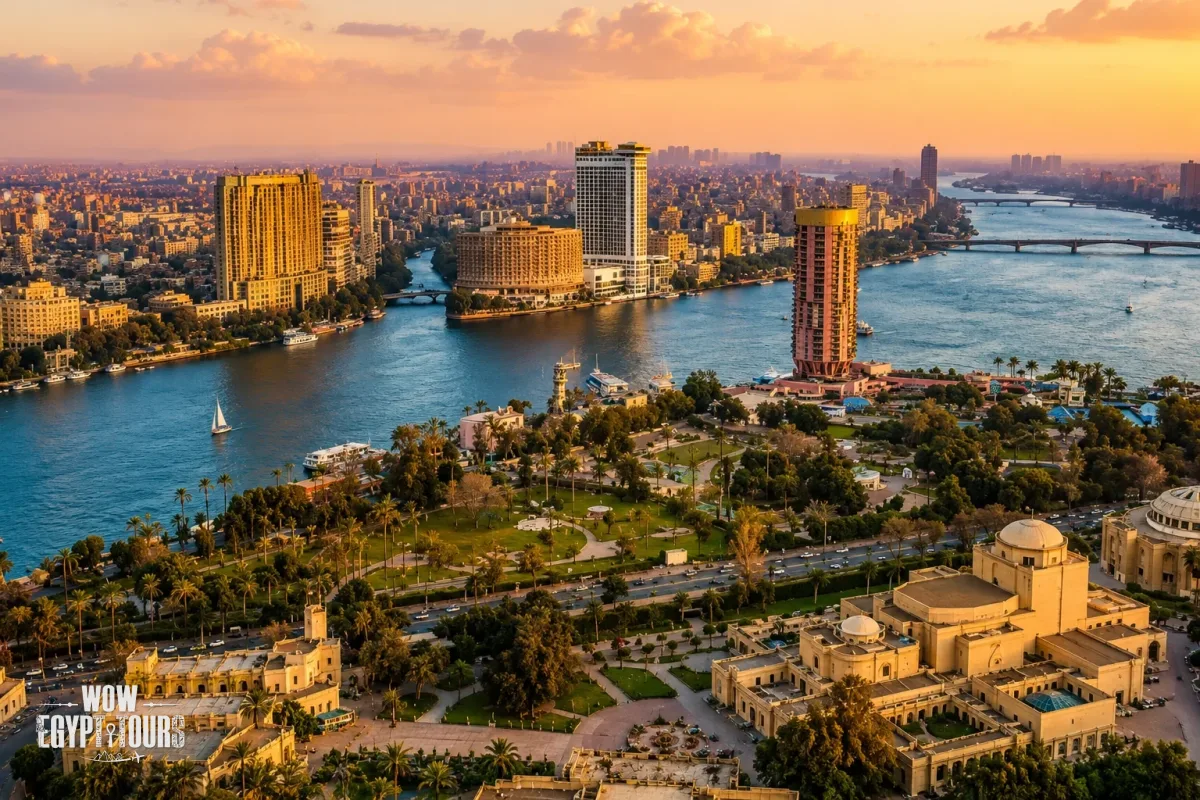
Cairo is the capital city of the Arab Republic of Egypt, the largest city in Africa by most urban population measures, the most historically significant urban center in the complete African and Middle Eastern world, and the most personally extraordinary heritage destination available to any traveler whose specific interest in the complete range of human civilizational achievement from the most ancient to the most medieval to the most contemporary gives the Egyptian capital its most completely personal and its most institutionally irreplaceable position in the complete world heritage of great cities. Cairo proper, whose contemporary administrative boundaries encompass the historic urban core established by the successive Islamic capitals from the Arab Islamic Fustat of 641 CE through the Tulunid Al-Qata'i of the 870s, the Fatimid Al-Qahira of 969 CE, and the subsequent Ayyubid, Mamluk, and Ottoman expansions of the Islamic urban fabric, sits on the eastern bank of the Nile at the point where the ancient river begins its transition from the single valley channel of Upper Egypt to the multiple Delta branches of Lower Egypt, giving the Egyptian capital its most fundamentally strategic geographical position as the gateway city between the ancient world's most productive agricultural valley and its most commercially significant Delta port zone in the most consequential single urban location in the complete ancient and medieval Egyptian heritage. The broader Cairo metropolitan area encompasses the Giza Governorate on the western bank of the Nile whose spectacular plateau above the city's western horizon houses the most celebrated ancient monument complex in the complete world in the form of the Giza Pyramids Complex and its extraordinary associated monuments, and extends southward through the ancient Memphis area of Saqqara and Dahshur whose combined ancient heritage gives the complete southern Cairo heritage zone its most extraordinary and its most personally affecting dimension of ancient pharaonic civilizational depth in the most complete surviving ancient landscape of any major world city's immediate historical surroundings.
Cairo Fun Facts
Cairo is nicknamed the City of a Thousand Minarets in the most immediately personally affecting and the most completely descriptive popular designation available for the most extraordinary medieval Islamic urban skyline of any accessible heritage city in the complete African and Middle Eastern world, a skyline whose specific character of hundreds of medieval mosque minarets rising above the ancient rooftops of the historic Islamic Cairo quarter in the most dramatically extraordinary and the most personally overwhelming single urban Islamic heritage panorama available from the Saladin Citadel's northern terrace gives the city its most immediately recognizable international heritage identity and its most personally extraordinary single visual heritage encounter for every visitor who ascends to the panoramic viewpoint of the Saladin Citadel and sees for the first time the complete historic Islamic Cairo skyline spread below in the most completely extraordinary and the most permanently memorable single urban heritage panorama available at any accessible viewpoint in the complete Egyptian capital.
The name Al-Qahira, the Arabic name for Cairo whose specific meaning of the Victorious or the Overwhelming was given to the new Fatimid capital by the astrologers who identified the planet Mars, known in Arabic as Al-Qahir the Subduer or the Victorious, as the dominant celestial body at the exact moment of the city's foundation, gives Cairo one of the most personally extraordinary and the most intellectually fascinating city naming histories of any major world capital in the complete heritage record of Islamic urban founding, a naming whose specific combination of celestial observation, astrological significance, and political ambition gives the Egyptian capital its most completely extraordinary foundational mythology in the most personally affecting expression of the medieval Islamic civilization's specific understanding of the relationship between heavenly signs and earthly political foundations. The same planetary body that gave Cairo its name also gives the English name for the planet Mars its most direct etymological connection to the Egyptian capital, the Arabic Al-Qahir and the city Al-Qahira (Cairo) sharing the same root whose specific connection between the most martial of the classical planets and the most historically extraordinary of the African Islamic capitals gives Cairo's naming history its most immediately personally extraordinary international heritage dimension.
The historic district of Islamic Cairo, designated in 1979 as a UNESCO World Heritage Site under the designation Historic Cairo, contains the highest concentration of medieval Islamic monuments of any single urban area in the complete world, with the El Moez Street corridor alone containing more individually significant medieval Islamic heritage monuments per linear kilometer than any other single street in the complete world heritage of Islamic urban architecture, a concentration whose specific character of the most extraordinary density of Fatimid, Ayyubid, Mamluk, and Ottoman mosques, mausoleums, madrasas, caravanserais, and palaces gives the complete historic Islamic Cairo district its most immediately personal and its most completely extraordinary character as the most institutionally ambitious and the most architecturally distinguished surviving medieval Islamic city in the complete African and Middle Eastern heritage record.
Cairo History: Five Thousand Years At The Apex Of The Nile
The history of Cairo as a continuously inhabited and continuously politically consequential urban center encompasses the most extraordinary temporal span of any major world capital in the complete heritage record of human urban civilization, a span of approximately 5,000 years from the ancient pharaonic establishment of the first capital of unified Egypt at nearby Memphis in approximately 3100 BCE through the complete sequence of ancient, Christian, and Islamic political authorities that have given the Egyptian capital its most completely extraordinary and its most personally affecting heritage of accumulated civilizational achievement. The ancient pharaonic heritage of the Cairo area, whose most immediately personal and most personally overwhelming surviving expression is the extraordinary complex of pyramids, sphinx, and temples on the Giza Plateau whose specific construction between approximately 2560 and 2510 BCE placed the most individually impressive structures in the complete history of human building at the western edge of what is now the Egyptian capital, gives Cairo its most fundamental and its most globally recognized heritage identity as the city that sits beside the most extraordinary ancient monuments in the complete world, monuments whose specific combination of physical grandeur, ancient age, and personal historical significance gives the complete Cairo heritage experience its most immediately personal and its most permanently memorable single heritage dimension in the vast majority of international visitors' complete engagement with the Egyptian capital.
The establishment of Fustat in 641 CE by the Arab Islamic general Amr ibn Al-Ass immediately following the Islamic conquest of Egypt, whose founding of the first mosque on the African continent at the site of the current Amr Ibn Al-Ass Mosque gave the Islamic Egyptian capital its most primary and its most institutionally consequential single religious heritage institution, inaugurated the complete Islamic period of the Cairo area's urban history whose successive phases of Umayyad, Abbasid, Tulunid, Ikhshidid, and Fatimid governance gave the Egyptian capital the most extraordinary and the most personally extraordinary sequence of political transformations of any Islamic city in the complete medieval world before the Fatimid founding of Al-Qahira in 969 CE established the city whose name and whose urban fabric give contemporary Cairo its most directly personal historical continuity with the medieval Islamic political tradition. The Fatimid period from 969 to 1171 CE was the most architecturally productive and the most culturally brilliant era of the complete medieval Islamic Cairo heritage, the era that created the primary urban fabric of the historic Islamic Cairo district with its extraordinary concentration of Fatimid mosques, palaces, and market streets whose accumulated heritage, supplemented and amplified by the subsequent extraordinary Mamluk cultural programme, gives the complete historic Islamic Cairo district its most personally affecting and its most institutionally irreplaceable character as the most complete surviving medieval Islamic city in the complete world heritage landscape.
The Mamluk sultanate from 1250 to 1517 CE was the most architecturally extraordinary and the most culturally consequential era of the complete Islamic Cairo heritage, the period in which the extraordinary succession of Mamluk sultans whose competitive architectural patronage and extraordinary personal investment in building prestige gave Cairo the most spectacular collection of medieval Islamic mosques, mausoleums, and madrasas in the complete world in the most personally extraordinary and the most institutionally complete expression of the Mamluk cultural programme's architectural ambition. The Ottoman conquest of Egypt in 1517 CE, followed by the extraordinary 19th century political transformation initiated by Muhammad Ali Pasha's seizure of power in 1805 and the subsequent establishment of the Muhammad Ali dynasty that governed Egypt until the 1952 Revolution, gave Cairo its most consequential transitions of the modern era whose specific architectural and institutional legacy in the extraordinary Muhammad Ali Mosque on the Saladin Citadel and the broader programme of 19th century urban modernization gave the Egyptian capital the most personally extraordinary single building of the complete Cairo skyline and the most dramatic political institutional transformation of the modern Egyptian state.
Cairo's Heritage Districts: A Complete Guide
The Giza Plateau: Ancient Wonders At The City's Edge
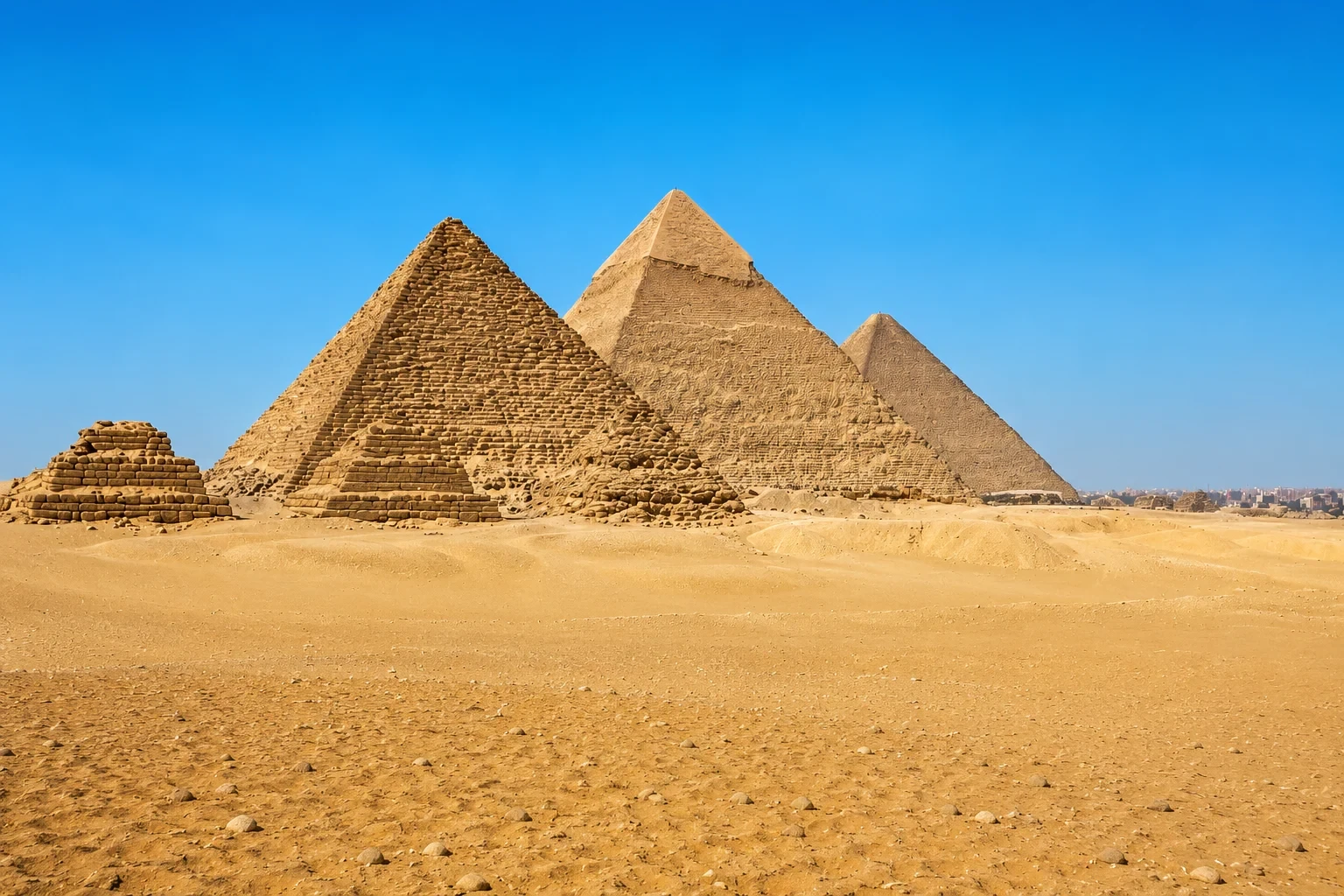
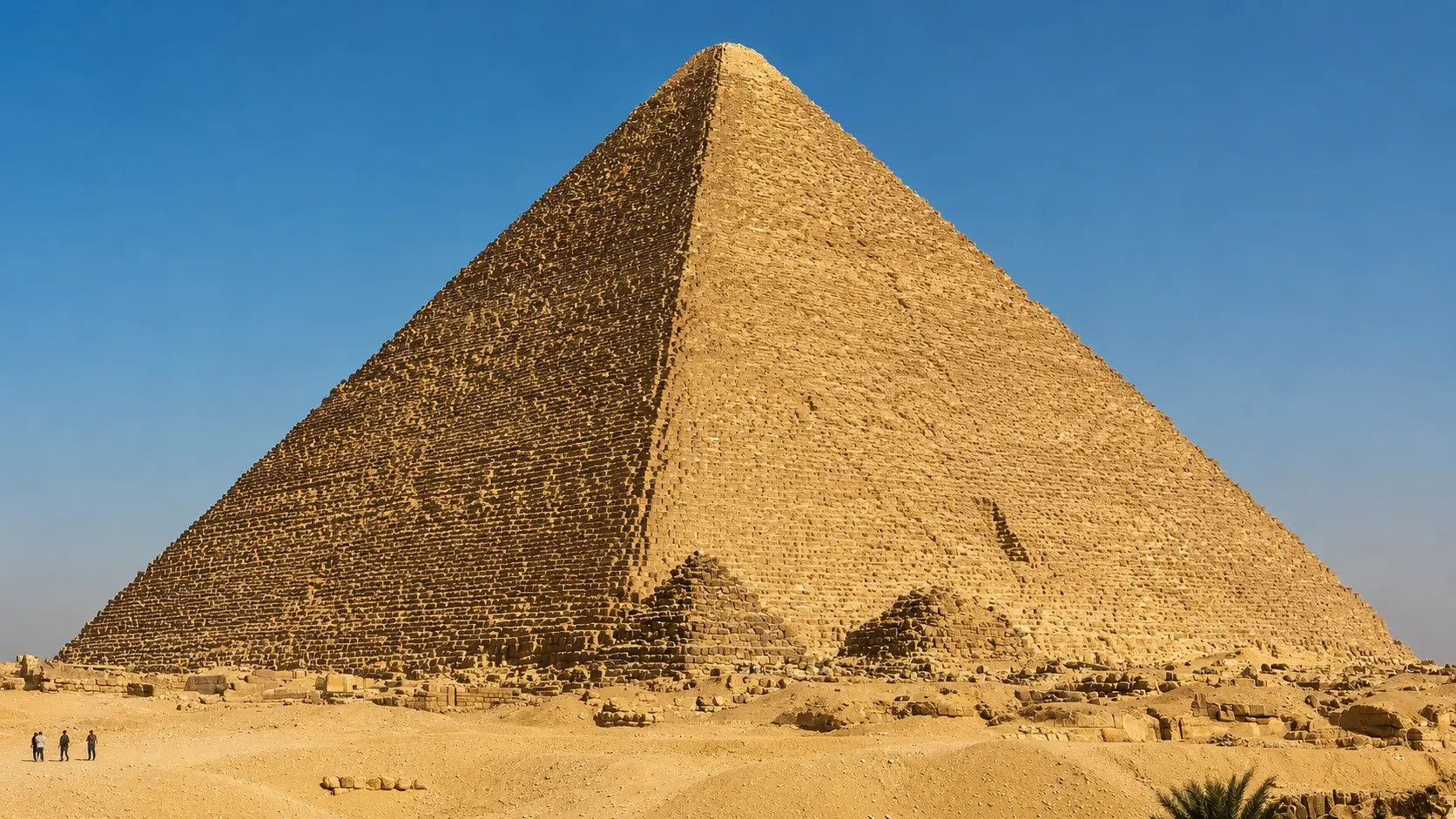
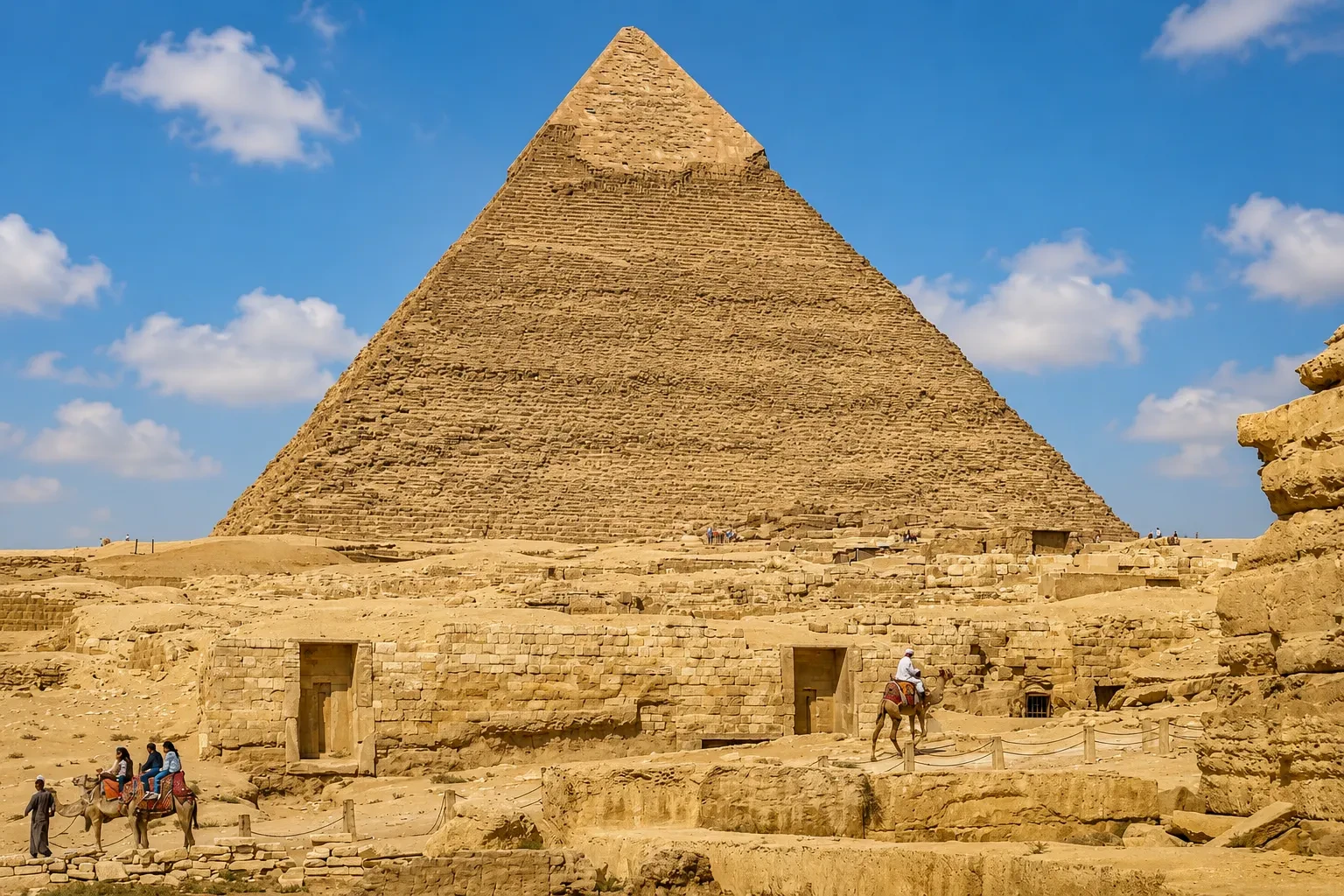
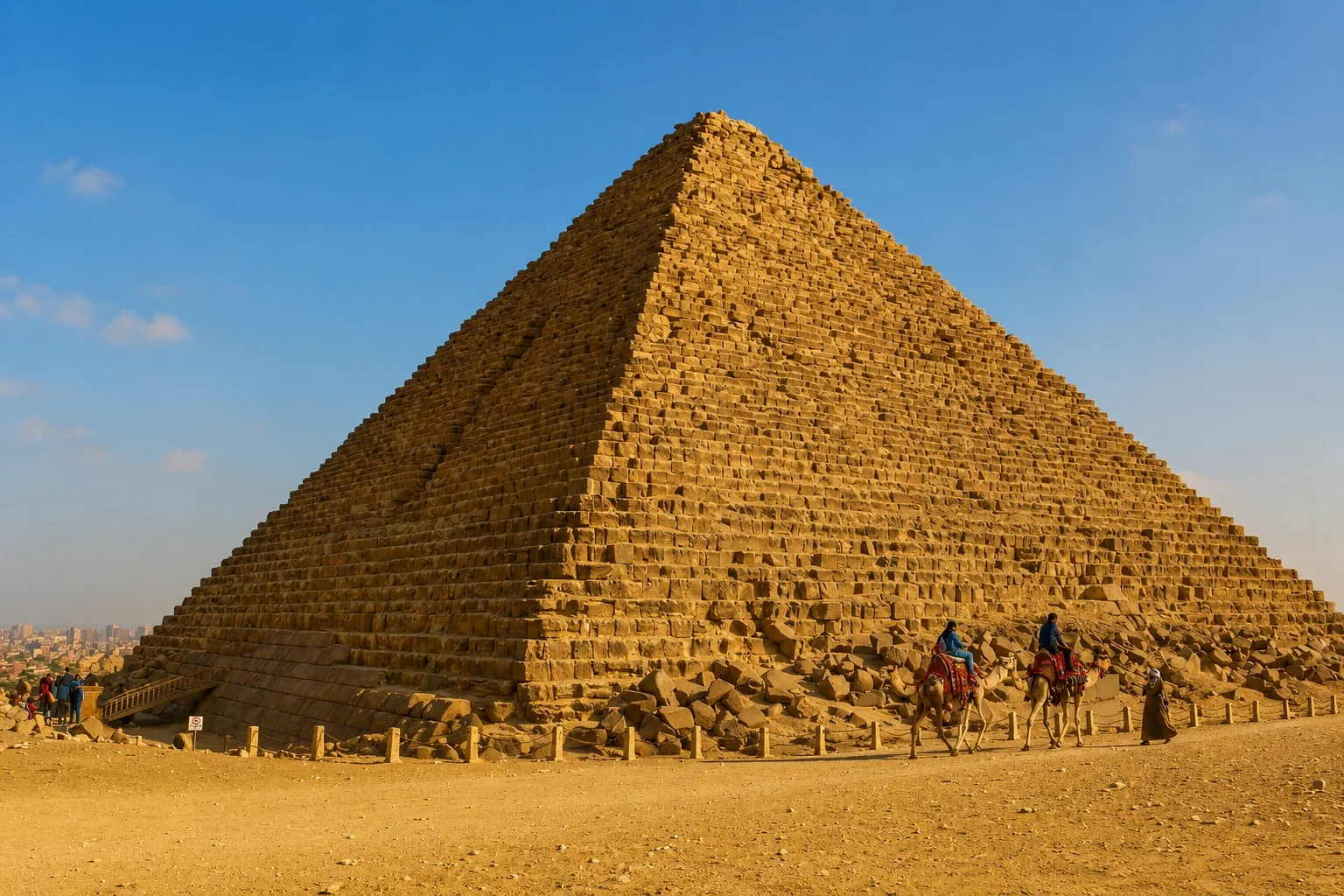
The Giza Plateau, rising above the western edge of the Cairo metropolitan area on the Libyan limestone escarpment that marks the ancient boundary between the fertile Nile Valley and the desert beyond, is the single most personally extraordinary and the most internationally celebrated heritage district of the complete Egyptian capital, the specific location where the most impressive and the most personally overwhelming ancient monuments in the complete world rise above the desert plateau in a concentration of architectural achievement that has defined the entire global image of Egypt and the Egyptian heritage for the complete modern era of international cultural consciousness. The Giza Pyramids Complex encompasses the complete extraordinary ancient landscape of the three great royal pyramids, the Great Sphinx, the valley temples, the satellite pyramids, and the complete ancient ceremonial infrastructure of the Old Kingdom Giza plateau whose accumulated ancient heritage gives the complete Giza heritage district its most personally extraordinary and its most institutionally irreplaceable position as the single most visited and the single most personally affecting ancient heritage landscape in the complete world. The Great Pyramid of Khufu, the single largest ancient building ever constructed in the complete history of human civilization and the only surviving ancient Wonder of the World, rises to 138.5 meters above the plateau in the most personally overwhelming and the most historically extraordinary single ancient architectural presence available at any accessible heritage monument in the complete world. The Middle Pyramid of Khafre, whose preserved summit casing stones give it the most visually distinctive apex of all three Giza pyramids, and the Small Pyramid of Menkaure, the most personally intimate of the three great Giza royal pyramids, complete the extraordinary royal trio. The Great Sphinx of Giza, the most immediately personally recognized ancient sculpture in the complete world, guards the eastern approach to the plateau with its human face and lion body in the most completely extraordinary ancient sculptural presence of any accessible heritage monument in the complete Egyptian capital. The Valley Temple of Khafre provides the most completely preserved ancient pharaonic temple architecture of any structure in the complete Giza heritage district.
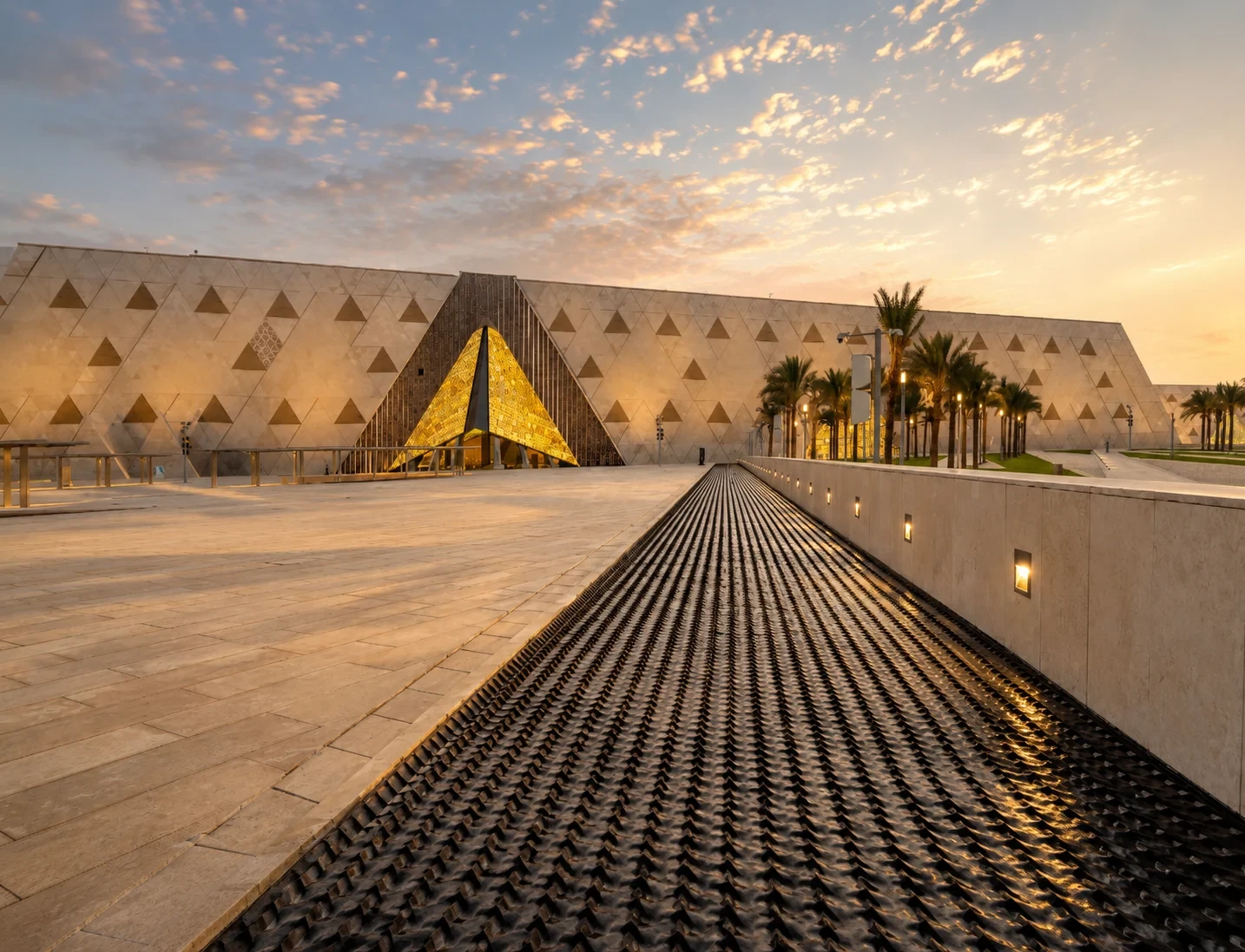
Immediately adjacent to the Giza Plateau and accessible as the most naturally combined single heritage destination with the pyramids and sphinx, the Grand Egyptian Museum is the world's largest archaeological museum, opened in 2023 CE on a site approximately 2 kilometers north of the Giza Pyramids Complex whose extraordinary collection of more than 100,000 ancient Egyptian objects including the complete 5,000-object Tutankhamun collection, the only place in the complete world where every single object from Tutankhamun's extraordinary tomb is displayed together in a single museum, gives the Grand Egyptian Museum its most personally extraordinary and its most institutionally irreplaceable position as the single most comprehensive and the most personally affecting ancient Egyptian heritage institution in the complete world.
The Ancient Memphis Heritage Zone: Egypt's Oldest Royal Landscape
The ancient Memphis heritage zone to the south of the Cairo metropolitan area encompasses the most historically deep and the most personally extraordinary surviving landscape of the ancient pharaonic civilization in the complete Egyptian heritage record, combining the open-air museum of Memphis City, Egypt's first capital and one of the most consequential cities in the complete ancient world, with the extraordinary ancient pyramid and tomb complex of Saqqara and the extraordinary royal pyramid complex of Dahshur in the most complete and the most personally extraordinary surviving ancient royal landscape of any historic capital city in the complete world heritage record. The Saqqara Step Pyramid, the world's oldest complete monumental stone building and the world's first pyramid, built approximately 2667 BCE by the architect Imhotep for Pharaoh Djoser in the most personally extraordinary and the most institutionally consequential single ancient building event of the complete human heritage record, gives the Saqqara heritage complex its most immediately personal and its most completely historically resonant heritage identity as the location where the ancient Egyptian architectural tradition made its most consequential single creative leap from mud-brick mastaba construction to monumental stone pyramid building. The Dahshur Pyramids, whose Bent Pyramid of Sneferu preserves the most complete ancient exterior pyramid casing in the complete Egyptian heritage record and whose Red Pyramid represents the world's first true smooth-sided pyramid, give the Dahshur heritage complex its most extraordinary and its most personally affecting dimension of ancient architectural experimental genius in the most completely personal surviving evidence of the ancient Egyptian pyramid-building tradition's most dramatic developmental transition available at any accessible heritage site in the complete Egyptian capital area.
The Egyptian Museum: One Hundred And Seventy Thousand Objects
Located in the heart of modern Cairo on Tahrir Square, the Egyptian Museum is the oldest national museum of ancient Egyptian art and archaeology in the complete African heritage record, inaugurated in 1902 CE in its current neoclassical building and housing more than 170,000 individual ancient Egyptian objects whose combined collection gives the museum its most comprehensive and its most institutionally authoritative position as the primary national repository of the ancient Egyptian heritage for more than a century of Egyptian cultural heritage stewardship. The museum's most celebrated individual collection, the extraordinary Royal Mummy Room housing the preserved remains of eleven royal pharaohs including Ramesses the Great, Seti I, and Queen Hatshepsut in the most personally affecting and the most completely extraordinary ancient royal heritage encounter available at any accessible museum in the complete Egyptian capital, and the extraordinary complete Tutankhamun collection whose golden burial mask, solid gold innermost coffin, and complete treasure of 5,000 objects give the Egyptian Museum its most internationally recognized and its most personally overwhelming single heritage gallery programme, together give the Egyptian Museum its most fundamental and its most permanently consequential heritage significance as the primary custodian of the ancient pharaonic royal heritage for the international heritage visiting community.
The Islamic Cairo Northern District: The City of a Thousand Minarets
The northern Islamic Cairo heritage district, encompassing the extraordinary medieval urban fabric of the Fatimid city of Al-Qahira whose primary heritage corridor of El Moez Street contains the highest concentration of medieval Islamic architectural monuments of any single street in the complete world, the extraordinary medieval commercial heritage of the Khan El Khalili bazaar whose continuous operation since 1382 CE gives it the most completely extraordinary and the most personally affecting medieval Islamic commercial heritage of any accessible bazaar in the complete African and Middle Eastern world, and the world's second oldest continuously operating university at Al Azhar Mosque whose extraordinary combination of the world's oldest Islamic university with the primary center of Sunni Islamic scholarly authority for more than one billion Muslims worldwide gives it the most internationally consequential and the most personally extraordinary Islamic institutional heritage of any accessible mosque in the complete world, constitutes the most completely extraordinary and the most personally affecting single heritage walking district of the complete Egyptian capital whose accumulated density of individually significant medieval Islamic heritage monuments gives every visit to the northern Islamic Cairo district the most completely overwhelming and the most personally extraordinary single day of heritage encounters available at any accessible heritage district in the complete African and Middle Eastern world.
The Islamic Cairo Southern District: Fortress, Masterpiece, And Ancient Mosque
The southern Islamic Cairo heritage district encompasses the most individually spectacular and the most politically consequential heritage monuments of the complete Cairo Islamic landscape, combining the most architecturally magnificent medieval Islamic building in Egypt at the Sultan Hassan Mosque whose extraordinary cruciform interior of four great iwan spaces and whose supremely refined Mamluk decorative programme give it its universal recognition as the supreme masterpiece of the medieval Islamic architectural tradition in Egypt, the most atmospheric and the oldest surviving ancient mosque in Cairo in its original form at the Mosque of Ibn Tulun whose extraordinary vast courtyard, unique spiral minaret, and ancient brick arcades give it the most personally affecting and the most atmospherically extraordinary single Islamic spatial experience available at any accessible heritage mosque in the complete Egyptian capital, and the most historically commanding medieval Islamic fortification in Egypt at the Saladin Citadel whose 700-year tenure as the primary seat of Egyptian political power and whose extraordinary panoramic view of the complete Cairo heritage landscape give it the most politically consequential and the most personally extraordinary elevated heritage experience of the complete Egyptian capital. The Muhammad Ali Mosque within the Citadel enclosure, the most visually dominant single building in the complete Cairo skyline whose twin pencil minarets and extraordinary Ottoman interior give it the most immediately personally extraordinary and the most completely institutionally ambitious architectural presence of any Islamic monument visible on the complete Cairo horizon, and the Amr Ibn Al-Ass Mosque in the Old Cairo Fustat district whose specific claim as the oldest mosque in Egypt and the oldest mosque in Africa gives it the most institutionally primary and the most personally historically consequential heritage significance of any accessible Islamic sacred site in the complete Egyptian capital, complete the extraordinary Islamic heritage programme of the southern Cairo district.
Old Cairo: The Multi-Faith Heritage Heart
The Old Cairo Babylon Fortress Coptic heritage district in the historic southern Cairo area is the most personally extraordinary and the most completely affecting multi-faith heritage neighbourhood in the complete Egyptian capital and arguably in the complete world, a walking-distance concentration of the most ancient accessible Christian sacred spaces, the most ancient accessible Jewish sacred space, and the most ancient accessible Islamic sacred space in the complete Egyptian heritage record within the same ancient Roman fortress enclosure and its immediately adjacent historic streets. The Hanging Church, the most celebrated ancient Coptic church in Egypt whose suspended nave over the Roman fortress towers, three extraordinary ivory and ebony inlaid iconostasis screens, and ancient icon collection give it the most internationally recognized and the most personally affecting ancient Coptic Christian heritage identity of any accessible church in the complete Egyptian capital, is the primary Christian heritage monument of the district. The St George Church, the only circular church in the complete Egyptian Christian heritage landscape by virtue of its construction within the circular towers of the Roman Babylon Fortress, and the St Virgin Mary Church, the most personally intimate ancient Marian sanctuary of the complete Old Cairo heritage district with its extraordinary Holy Family devotional tradition, complete the most extraordinary concentration of ancient Coptic Christian sacred spaces. The Ben Ezra Synagogue, the oldest synagogue in Egypt and the site of the most consequential single manuscript discovery in the complete modern history of Jewish scholarship in the 1896 discovery of 300,000 medieval Jewish manuscript fragments in its geniza chamber, gives the Old Cairo multi-faith district its most intellectually extraordinary and its most institutionally astonishing Jewish heritage monument. The Coptic Museum, the world's most comprehensive museum of Coptic Christian heritage whose collection of more than 16,000 objects encompasses the world's greatest Coptic textile collection, one of the most important Coptic manuscript collections in the world including the Nag Hammadi Library, and the most extraordinary Coptic icon collection accessible at any museum institution, gives the Old Cairo heritage district its most institutionally authoritative scholarly and cultural anchor in the most personally extraordinary and the most completely affecting museum environment of the complete Old Cairo multi-faith heritage programme.
Why Is Cairo Important?
Cairo is important for reasons that encompass the complete spectrum of human civilizational achievement across five thousand years of continuous urban history at the most strategically significant single location in the complete African and Middle Eastern heritage record, combining the most personally extraordinary ancient heritage in the world at the Giza Plateau with the most completely extraordinary medieval Islamic urban heritage in Africa at the historic Islamic Cairo district and the most personally affecting multi-faith ancient Christian and Jewish heritage in the complete African world at the Old Cairo Coptic district in the single most completely extraordinary and the most personally inexhaustible heritage city available at any accessible destination in the complete world. As a political capital, Cairo has been the primary seat of the Egyptian state across the complete span of the Islamic Egyptian political tradition from the Arab Islamic conquest of 641 CE to the present day, a continuous 1,400-year tenure as the capital of the most consequential Arab and Islamic state in the complete African and Middle Eastern heritage record whose specific political historical depth gives the Egyptian capital its most fundamental and its most completely extraordinary institutional significance in the complete history of the modern Islamic world. As a cultural capital, Cairo has been the primary center of the Arabic language literary tradition, the Arabic language scholarly tradition, and the Arabic language popular culture tradition throughout the complete modern era of the Arab world's cultural history, giving the Egyptian capital its most personally consequential and its most institutionally irreplaceable position as the cultural heart of the Arabic-speaking world whose specific influence over the Arabic language, Arabic literature, Arabic cinema, Arabic music, and Arabic intellectual culture gives Cairo a quality of cultural authority and cultural vitality in the complete contemporary Arab world that is simply without parallel at any other accessible heritage capital in the complete Arab and Islamic civilization. WOW Egypt Tours organizes the most complete and the most personally extraordinary Cairo heritage programmes available from any professional Egyptian tour operator.
Cairo Attractions: The Complete Heritage Guide
The Ancient Pharaonic Heritage
The ancient pharaonic heritage of the Cairo metropolitan area is the most personally extraordinary and the most internationally recognized heritage category in the complete Cairo heritage landscape, encompassing the complete range of the ancient Egyptian civilization's most ambitious architectural and cultural achievements from the earliest pyramid-building era of the Old Kingdom through the New Kingdom royal programme and the complete sequence of ancient Egyptian artistic and material cultural production whose surviving monuments give Cairo its most immediate and its most universally personally recognized international heritage identity. The primary ancient pharaonic heritage destinations of the complete Cairo metropolitan area are the Giza Pyramids Complex encompassing the complete Giza plateau heritage landscape, the Great Sphinx of Giza the most personally recognized ancient sculpture in the world, the Great Pyramid of Khufu the only surviving ancient Wonder of the World, the Middle Pyramid of Khafre, the Small Pyramid of Menkaure, the Valley Temple of Khafre, the Grand Egyptian Museum the world's largest archaeological museum, the Egyptian Museum the oldest national museum of ancient Egyptian art in Africa, Memphis City Egypt's first capital, the Saqqara Step Pyramid the world's oldest complete monumental stone building, and the Dahshur Pyramids whose Bent and Red Pyramids represent the most extraordinary surviving evidence of the ancient pyramid-building tradition's most dramatic developmental transition.
The Islamic Heritage
The Islamic heritage of the Cairo metropolitan area is the most completely extraordinary and the most personally overwhelming single category of medieval Islamic urban heritage accessible at any heritage city in the complete African and Middle Eastern world, encompassing the supreme masterpieces of the Fatimid, Mamluk, and Ottoman architectural traditions across the complete historic Islamic Cairo district whose accumulated density of individually significant medieval Islamic monuments gives it the most extraordinary and the most personally affecting medieval Islamic urban heritage landscape in the complete world. The primary Islamic heritage destinations of the complete Cairo area are El Moez Street the world's highest concentration of medieval Islamic monuments on a single street, Khan El Khalili the most historically extraordinary medieval Islamic bazaar in Egypt, Al Azhar Mosque the world's second oldest continuously operating university and the primary center of Sunni Islamic scholarly authority, the Sultan Hassan Mosque the supreme masterpiece of medieval Islamic architecture in Egypt, the Mosque of Ibn Tulun the oldest surviving mosque in Cairo in its original form and the sole survivor of an entire demolished medieval Islamic capital city, the Saladin Citadel the primary seat of Egyptian political power for 700 years, the Muhammad Ali Mosque the most visually dominant building in the complete Cairo skyline, and the Amr Ibn Al-Ass Mosque the oldest mosque in Egypt and the oldest mosque in Africa.
The Coptic Christian And Jewish Heritage
The Coptic Christian and Jewish heritage of the Cairo capital area is the most personally extraordinary and the most completely affecting ancient multi-faith heritage in the complete African world, encompassing the most ancient continuously existing Christian community in the complete African heritage record at the Old Cairo Coptic district and the most institutionally extraordinary ancient Jewish heritage monument in the complete African heritage record at the Ben Ezra Synagogue in the most concentrated and the most personally affecting walking-distance multi-faith heritage neighbourhood of the complete Egyptian capital. The primary Coptic Christian and Jewish heritage destinations of the Cairo area are the Hanging Church the most celebrated ancient Coptic church in Egypt, the St George Church the only circular church in Egypt, the St Virgin Mary Church the most intimate ancient Marian sanctuary of the Old Cairo heritage district, the Ben Ezra Synagogue the oldest synagogue in Egypt and the site of the extraordinary Cairo Geniza discovery, and the Coptic Museum the world's most comprehensive museum of Coptic Christian heritage.
Best Time To Visit Cairo
The best time to visit Cairo is during the cooler months from October through April when the Egyptian climate provides the most comfortable conditions for the extensive outdoor heritage programme of the Giza Plateau, the ancient Memphis area, the Islamic Cairo walking districts, and the Old Cairo heritage enclosure whose combined outdoor visiting requirements are most comfortably fulfilled in the moderate temperatures of the Egyptian winter whose specific daytime temperatures typically ranging from approximately 15 to 25 degrees Celsius give the heritage visitor the most pleasant and the most personally comfortable conditions for the extended outdoor monument walking programme that the most complete Cairo heritage experience most essentially requires. The spring months of March and April provide particularly beautiful natural light conditions for heritage photography at the outdoor monuments and the most personally pleasant desert climate conditions for the Giza Plateau visit. The summer months from May through September are the most challenging visiting period for the outdoor heritage programme by virtue of the intense Egyptian summer heat whose specific combination of high temperatures and high solar radiation requires the most careful hydration management and the most intensive sun protection programme of any season in the complete Cairo heritage visiting calendar, though the indoor museum programmes of the Grand Egyptian Museum, the Egyptian Museum, and the Coptic Museum remain fully comfortable throughout the summer months in their air-conditioned gallery environments. WOW Egypt Tours advises all visitors on the most optimal seasonal programme management for the complete Cairo heritage experience.
How Many Days To Spend In Cairo
A minimum of two full days in Cairo is required for the most basic available programme that covers the Giza Plateau ancient heritage and one additional heritage district, giving the visitor the most essential introduction to the complete Cairo heritage landscape without the depth of engagement that the most extraordinary and the most personally satisfying Cairo heritage experience most essentially requires. Three to four days in Cairo provides the most complete and the most personally rewarding available Cairo heritage programme encompassing the Giza Plateau and Grand Egyptian Museum on the first day, the Islamic Cairo heritage districts on the second day, and the Old Cairo multi-faith heritage district combined with the Egyptian Museum on the third day, giving the three-day visitor the most comprehensive available introduction to all primary Cairo heritage categories in the most efficiently organized and the most personally satisfying format. Five to seven days in Cairo allows the most completely extraordinary and the most personally inexhaustible heritage experience of the complete Egyptian capital, providing adequate time for the complete ancient Memphis area programme of Memphis City, Saqqara, and Dahshur, the most thorough available engagement with the northern and southern Islamic Cairo heritage districts, the most complete Old Cairo multi-faith heritage programme, and the most personally satisfying additional time for the specific Cairo heritage destinations whose individual programme requires the most complete available time allocation in the most unhurried and the most personally extraordinary format. WOW Egypt Tours designs the most complete and the most personally satisfying Cairo heritage programmes of any duration from a single day through a full week.
Getting Around Cairo
The private vehicle organized by WOW Egypt Tours is the most practically efficient and the most personally convenient transportation arrangement for the complete Cairo heritage programme, providing door-to-door hotel transport and organized movement between the various heritage districts of the complete Cairo metropolitan area whose specific geographical dispersal across the Giza Plateau, the ancient Memphis area, the Islamic Cairo northern and southern districts, and the Old Cairo Coptic district makes private vehicle transport the most time-efficient and the most personally comfortable available approach for the international heritage visitor whose limited Cairo programme time makes the most efficient available movement between heritage destinations the most essential practical requirement of the complete Cairo heritage experience. The Cairo Metro, Africa's oldest rapid transit system and one of the most efficiently operated public transport networks in the complete African and Middle Eastern world, provides convenient access to several primary Cairo heritage destinations including the Mar Girgis station for the Old Cairo Coptic heritage district and the El Ahram station for the Giza Plateau area, giving independent travelers a practical public transport complement to the private vehicle arrangement for the most accessible heritage districts. The Giza Plateau, the Islamic Cairo districts, and the ancient Memphis area require private vehicle access from central Cairo for the most practically efficient and the most personally comfortable heritage visiting experience.
Tips For Visiting Cairo
Begin every Cairo heritage day with the most demanding outdoor heritage programme in the morning hours before noon when the Egyptian sun is at its most manageable intensity, reserving the indoor museum visits for the hottest midday hours when the air-conditioned gallery environments of the Grand Egyptian Museum, the Egyptian Museum, and the Coptic Museum provide the most comfortable and the most personally pleasant heritage visiting conditions of the complete daily programme. Ask your licensed guide from WOW Egypt Tours to sequence the complete Giza Plateau heritage programme to include the most extraordinary early morning light at the pyramids before the maximum visitor activity of the mid-morning period, the most complete interior pyramid visit during the most comfortable visiting hours, and the most personal and the most contemplative sunset viewing of the complete Giza heritage landscape from the most optimal available viewpoint before the Giza Sound and Light Show in the evening for visitors who wish to add the most dramatically theatrical available dimension to the complete Giza heritage experience. Allocate the most generous available time to the Islamic Cairo walking programme, as the specific character of the historic Islamic Cairo district as the most extraordinary and the most personally inexhaustible walking heritage urban landscape in the complete world rewards every additional hour of unhurried exploration with the most completely extraordinary and the most personally unexpected heritage discoveries that the most scheduled and the most programmatically organized heritage programme inevitably cannot fully encompass in the limited time available to the most efficiently organized international heritage visitor. Carry adequate water throughout every Cairo heritage day, as the Egyptian climate's specific character of high heat and low humidity creates significant hydration requirements at every season of the year even in the cooler months whose relatively moderate temperatures can create a deceptive sense of comfortable conditions whose cumulative dehydration effect on the heritage visitor engaged in extended outdoor walking is the most practically significant single health consideration of the complete Cairo heritage visiting experience.
What To Wear In Cairo
Cairo's specific heritage visiting requirements of outdoor monument exploration, mosque and church interior visits, and museum gallery programmes across the complete range of heritage destination types require the most thoughtfully versatile approach to visiting clothing available at any single heritage destination in the complete African and Middle Eastern world. Comfortable, modest clothing covering the shoulders and the knees is the most appropriate and the most practically universal visiting dress standard for the complete Cairo heritage programme, meeting simultaneously the outdoor comfort requirements of the ancient monument and Islamic district walking programmes, the religious visiting requirements of the mosque interiors that require covered shoulders and covered knees for all visitors and head coverings for women, the Coptic church requirements of similar modesty standards, and the general personal comfort requirements of the extended heritage day programme. Women visiting Cairo's mosque and church interiors should carry a head covering for the religious site visits whose specific requirement of covered hair gives the complete Cairo visiting wardrobe its most essential single additional item beyond the general modest clothing standard of the complete heritage programme. Comfortable, supportive walking shoes with appropriate cushioning are the single most personally consequential practical equipment item for the complete Cairo heritage programme whose extended outdoor walking requirements across the ancient monument landscapes of the Giza Plateau, the cobbled streets of the Islamic Cairo heritage districts, and the ancient lanes of the Old Cairo Coptic heritage enclosure create significant demands on the most practically functional and the most personally comfortable walking footwear available to the heritage visitor engaged in the most extensive and the most physically demanding single heritage day programme of any accessible heritage destination in the complete African and Middle Eastern world.
Cairo Tours
Complete Cairo Three-Day Heritage Programme
This comprehensive three-day Cairo heritage programme provides the most complete available introduction to the full range of the extraordinary Egyptian capital's primary heritage districts, combining the ancient pharaonic heritage of the Giza Plateau and Grand Egyptian Museum with the medieval Islamic heritage of El Moez Street and the Saladin Citadel and the multi-faith heritage of Old Cairo in the most completely satisfying and the most personally extraordinary available three-day Cairo heritage experience.
What Is Covered
Day 1: Giza Pyramids Complex, Great Sphinx, Great Pyramid of Khufu, Valley Temple of Khafre, Grand Egyptian Museum with complete Tutankhamun collection programme.
Day 2: Islamic Cairo northern district with El Moez Street, Khan El Khalili, and Al Azhar Mosque morning programme. Afternoon: Islamic Cairo southern district with Sultan Hassan Mosque, Saladin Citadel, and Muhammad Ali Mosque.
Day 3: Old Cairo multi-faith heritage programme with Hanging Church, St George Church, St Virgin Mary Church, Ben Ezra Synagogue, Coptic Museum, and Amr Ibn Al-Ass Mosque. Egyptian Museum afternoon programme.
Duration
3 full days from Cairo hotel.
Includes
Private vehicle all three days, licensed guide, all monument and museum entrance fees including the Grand Egyptian Museum, Coptic Museum, and Egyptian Museum, lunch daily, and all logistics. Through WOW Egypt Tours Cairo Tours.
Complete Cairo Five-Day Comprehensive Heritage Programme
This extraordinary five-day Cairo heritage programme provides the most completely satisfying and the most personally extraordinary available engagement with the full range of the Egyptian capital's heritage districts including the complete ancient Memphis area of Memphis City, Saqqara, and Dahshur combined with the complete Giza Plateau and Grand Egyptian Museum programme, the complete Islamic Cairo northern and southern district programme, and the complete Old Cairo multi-faith heritage programme.
What Is Covered
Day 1: Giza Pyramids Complex complete programme and Grand Egyptian Museum.
Day 2: Ancient Memphis area: Memphis City, Saqqara Step Pyramid complex with Pyramid Texts tomb of Unas and Serapeum, Dahshur Pyramids. Egyptian Museum afternoon.
Day 3: Islamic Cairo northern district: Al Azhar Mosque, El Moez Street complete walk, Khan El Khalili and Fishawi's Café. Afternoon: Mosque of Ibn Tulun and Gayer-Anderson Museum.
Day 4: Islamic Cairo southern district: Sultan Hassan Mosque, Saladin Citadel and Muhammad Ali Mosque complete programme, Amr Ibn Al-Ass Mosque.
Day 5: Old Cairo complete multi-faith programme: Coptic Museum, Hanging Church, St George Church, St Virgin Mary Church, Ben Ezra Synagogue.
Duration
5 full days from Cairo hotel.
Includes
Private vehicle all five days, licensed guide, all monument and museum entrance fees, lunch daily, and all logistics. Through WOW Egypt Tours Cairo Tours.
Combine Cairo With Your Complete Egypt Tours Package
Cairo is the essential starting and ending point and the primary heritage destination of every WOW Egypt Tours Egypt travel programme. Browse the complete range of Egypt travel products below to find the most personally extraordinary Egypt experience that gives Cairo its most complete and its most personally satisfying place in the full Egypt heritage itinerary.
Egypt Tour Packages: Multi-day guided Egypt tours organized by duration, including 2 Days Egypt Packages, 3 Days Egypt Packages, 4 Days Egypt Packages, 5 Days Egypt Packages, 6 Days Egypt Packages, 7 Days Egypt Packages, 8 Days Egypt Packages, 10 Days Egypt Packages, and longer itineraries. Cairo is the essential destination of every Egypt Tour Package of any duration, providing the complete ancient pharaonic heritage of the Giza Plateau and Grand Egyptian Museum, the medieval Islamic heritage of the historic Cairo district, and the multi-faith ancient Christian and Jewish heritage of Old Cairo in the most complete and the most personally extraordinary heritage capital programme of any accessible destination in the complete African and Middle Eastern world. All packages include private vehicle, licensed guide, accommodation, all monument and museum entrance fees, and all logistics.
Egypt Travel Packages: Themed Egypt travel packages including Egypt Honeymoon Travel Packages, Egypt Budget Travel Packages, Egypt Family Travel Packages, Egypt Luxury Travel Packages, Egypt Adventure Travel Packages, Egypt Cultural Travel Packages, and Egypt Christmas and New Year Travel Packages. Cairo is featured in every Egypt Travel Package category as the most historically extraordinary and the most personally inexhaustible heritage capital in the complete African world whose specific combination of ancient pharaonic, medieval Islamic, and ancient Christian heritage gives every themed travel programme its most completely extraordinary and its most personally rewarding primary heritage destination.
Egypt Classic Tours: The most popular and the most comprehensively balanced Egypt travel programme, combining the complete Cairo heritage programme with the ancient Nile Valley heritage of Luxor and Aswan in the most complete and the most personally satisfying introduction to the complete Egyptian civilization available in any organized Egypt itinerary. Cairo's ancient pharaonic, medieval Islamic, and multi-faith heritage programmes together with the Nile Valley's extraordinary temple and tomb heritage give the Egypt Classic Tour its most completely extraordinary and its most personally rewarding available expression of the complete range of the Egyptian civilization's most supreme heritage achievements.
Egypt Short Break Tours: Focused short duration Egypt travel programmes for travelers with limited time. Cairo's most essential heritage programme encompassing the Giza Pyramids, Grand Egyptian Museum, and a focused selection of the Islamic Cairo and Old Cairo heritage destinations gives the Egypt Short Break visitor the most personally extraordinary and the most completely satisfying available introduction to the Egyptian capital's most individually significant and most internationally celebrated heritage monuments in the most efficiently organized and the most personally rewarding compact heritage programme.
Egypt Family Tours: Family-friendly Egypt travel programmes in which Cairo's extraordinary family heritage programme combines the most personally exciting ancient monument encounters of the Giza Pyramids and the Great Sphinx with the most educationally enriching museum experiences of the Grand Egyptian Museum and the Coptic Museum, the most dramatically extraordinary Islamic heritage stories of the Saladin Citadel and the Mosque of Ibn Tulun, and the most personally engaging multi-faith heritage encounters of the Old Cairo district in the most completely extraordinary and the most personally memorable family heritage experience available at any accessible heritage capital in the complete world.
Egypt Budget Tours: Value-focused Egypt travel programmes providing access to the most extraordinary heritage capital in Africa at the most economical pricing available from any professional Egyptian tour operator, ensuring that the Giza Pyramids, the Islamic Cairo heritage districts, and the Old Cairo multi-faith heritage complex are accessible to travelers at every budget level in the most personally satisfying and the most institutionally complete heritage programme available within the most practically realistic budget parameters.
Egypt Nile Cruises: All-inclusive Nile River Cruise programmes combining the ancient pharaonic heritage of Luxor and Aswan with Cairo extensions that provide the most completely extraordinary and the most personally satisfying available combination of Nile Valley temple and tomb heritage with the ancient, medieval, and multi-faith heritage of the Egyptian capital.
Nile River Cruises: All WOW Egypt Tours Nile cruise options. Cairo is available as a pre- or post-cruise extension from the beginning or end of any Nile River Cruise itinerary, providing the complete Cairo heritage programme as the most personally extraordinary available complement to the ancient pharaonic heritage of any Nile Valley cruise.
Luxor Aswan Nile Cruises: The Cairo heritage programme is the primary pre- and post-cruise extension for any Luxor-Aswan Nile cruise, combining the Giza Pyramids, Grand Egyptian Museum, and complete Cairo Islamic and multi-faith heritage with the extraordinary Luxor and Aswan ancient temple and tomb heritage in the most personally extraordinary and the most completely satisfying available Egypt heritage itinerary.
Dahabiya Nile Cruises: Cairo heritage available as the most personally extraordinary extension to the most intimate private Nile sailing experience, combining the extraordinary ancient, medieval, and multi-faith heritage of the Egyptian capital with the most personally affecting and the most completely intimate traditional Nile sailing heritage available at any Egypt cruise programme.
Lake Nasser Cruises: Cairo heritage available as the most personally extraordinary extension to the extraordinary Nubian heritage of Lake Nasser, combining the ancient, medieval, and multi-faith heritage of the Egyptian capital with the most personally affecting ancient Nubian temple heritage of the Lake Nasser cruise in the most completely extraordinary and the most personally satisfying available combination of Egypt's two most individually extraordinary heritage landscapes.
Cairo Tours: The complete range of individually bookable guided day tour programmes available from Cairo hotels, encompassing the Giza Plateau day programme with the Giza Pyramids Complex, Great Sphinx, and Grand Egyptian Museum, the ancient Memphis area day programme with Memphis City, Saqqara, and Dahshur, the Islamic Cairo northern heritage day with El Moez Street, Khan El Khalili, and Al Azhar Mosque, the Islamic Cairo southern heritage day with Sultan Hassan Mosque, Mosque of Ibn Tulun, Saladin Citadel, and Muhammad Ali Mosque, the Old Cairo multi-faith heritage day with Hanging Church, Coptic Museum, Ben Ezra Synagogue, St George Church, St Virgin Mary Church, and Amr Ibn Al-Ass Mosque, and all combined comprehensive Cairo heritage day programmes. All Cairo Tours include private vehicle, licensed guide, all entrance fees, and all logistics organized by WOW Egypt Tours.
Cairo Attractions: Complete List
The complete range of individually documented Cairo heritage attractions, each with its own dedicated comprehensive visitor guide, encompasses the most extraordinary collection of individually significant heritage monuments available at any accessible heritage capital in the complete African and Middle Eastern world. Explore each destination in detail through the individual visitor guides linked below, organized by the primary heritage district of the complete Cairo metropolitan area.
Giza Plateau And Grand Egyptian Museum
Giza Pyramids Complex: The most celebrated ancient monument complex in the complete world, encompassing the three great royal pyramids, the Great Sphinx, the valley temples, and the complete extraordinary ancient ceremonial landscape of the Old Kingdom Giza plateau.
Great Sphinx of Giza: The most personally recognized ancient sculpture in the complete world, the colossal limestone half-human half-lion guardian of the Giza Plateau whose extraordinary physical presence and whose extraordinary personal mystery of incomplete historical identification give it the most immediately personal and the most completely internationally celebrated individual ancient sculpture heritage of the complete world monument record.
Great Pyramid of Khufu: The only surviving ancient Wonder of the World and the single largest ancient building ever constructed in the complete history of human civilization, built approximately 2560 BCE for Pharaoh Khufu and rising to 138.5 meters above the Giza Plateau in the most personally overwhelming and the most historically extraordinary single ancient architectural presence available at any accessible heritage monument in the complete world.
Middle Pyramid of Khafre: The second great pyramid of Giza whose preserved summit casing stones give it the most visually distinctive apex of all three Giza royal pyramids and whose adjacent Great Sphinx and Valley Temple give the Khafre monument complex the most completely extraordinary and the most personally affecting ancient ceremonial landscape of any individual pyramid in the complete Giza heritage district.
Small Pyramid of Menkaure: The third and the most personally intimate of the three great Giza royal pyramids, whose extraordinary collection of royal triads in the Egyptian Museum and whose specific character as the most accessible interior pyramid visit of the complete Giza trio give it the most directly personal and the most completely affecting individual pyramid heritage experience of the complete Giza Plateau programme.
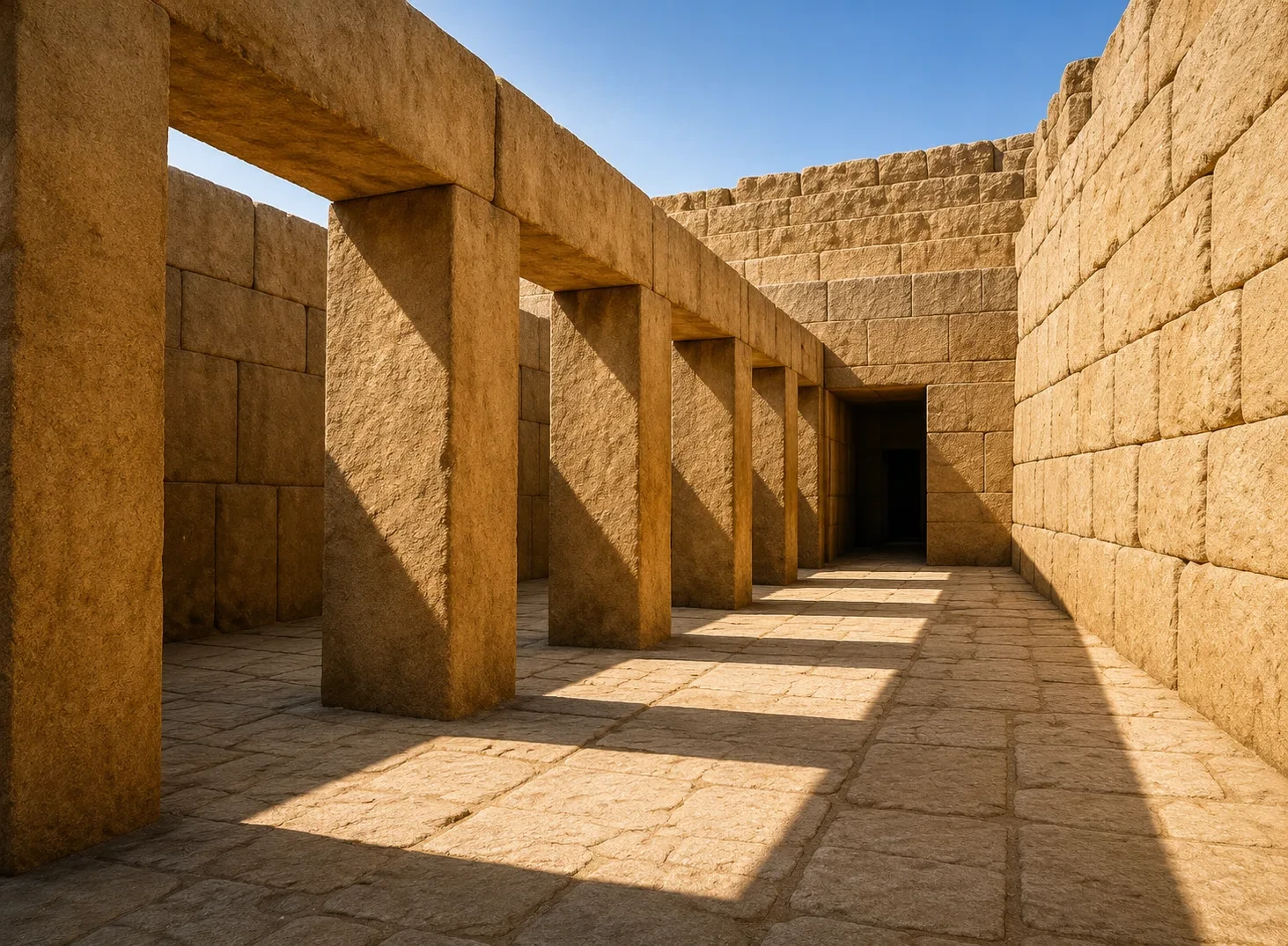
Valley Temple of Khafre: The most completely preserved ancient pharaonic temple architecture of any structure in the complete Giza heritage district, built approximately 2530 BCE as the mortuary ritual entrance facility for the pyramid complex of Khafre and preserved in the most extraordinary condition of any ancient pharaonic temple structure in the complete Giza heritage landscape.
Grand Egyptian Museum (GEM): The world's largest archaeological museum, opened in 2023 CE adjacent to the Giza Pyramids Complex, housing more than 100,000 ancient Egyptian objects including the complete 5,000-object Tutankhamun collection in the only institution in the complete world where every object from Tutankhamun's extraordinary tomb is displayed together.
The Egyptian Museum And The Ancient Memphis Heritage Zone
Egyptian Museum: The oldest national museum of ancient Egyptian art and archaeology in the complete African heritage record, inaugurated in 1902 CE on Tahrir Square, housing more than 170,000 individual ancient Egyptian objects including the Royal Mummy Room and the original Tutankhamun collection whose golden burial mask gives the museum its most internationally recognized and its most personally overwhelming single heritage object.
Memphis City: The open-air museum of Egypt's first capital, founded approximately 3100 BCE by the legendary first pharaoh Menes at the strategic junction of the Nile Valley and the Delta, preserving the colossal limestone Ramesses II statue, the extraordinary alabaster sphinx, and the alabaster embalming tables of the ancient Apis bull tradition in the most directly personal encounter with the ancient capital of unified Egypt available at any accessible heritage site in the complete Egyptian heritage landscape.
Saqqara Step Pyramid: The world's oldest complete monumental stone building and the world's first pyramid, built approximately 2667 BCE by the architect Imhotep for Pharaoh Djoser in the most consequential single ancient building event of the complete human heritage record, combined with the Pyramid Texts tomb of Unas containing the oldest religious literature corpus in the world, the Serapeum with its extraordinary 60-80 tonne granite bull sarcophagi, and the most important collection of ancient mastaba tombs in the complete Egyptian heritage landscape.
Dahshur Pyramids: The most extraordinary surviving evidence of the ancient pyramid-building tradition's most dramatic developmental transition, encompassing Sneferu's Bent Pyramid with the best preserved ancient exterior pyramid casing in all Egypt and the Red Pyramid, the world's first true smooth-sided pyramid whose three corbelled chambers give it the most accessible pyramid interior programme of any pyramid in the complete Greater Cairo heritage landscape.
Islamic Cairo Northern District
El Moez Street: The world's highest concentration of medieval Islamic architectural monuments on any single street, the approximately 1-kilometer Fatimid heritage corridor from Bab al-Futuh to Bab Zuweila encompassing the Qalawun Complex, the Al-Aqmar Mosque, the Barquq Complex, the Al-Ghuri Complex, and dozens of the most personally extraordinary and the most institutionally significant Fatimid, Mamluk, and Ottoman heritage monuments in the complete Egyptian Islamic architectural heritage.
Khan El Khalili: The most historically extraordinary and the most personally affecting medieval Islamic bazaar in Egypt, founded 1382 CE on the site of the Fatimid royal Caliphal mausoleum, whose labyrinthine lanes of gold merchants, spice traders, copper craftsmen, textile vendors, and souvenir dealers give the most completely extraordinary and the most personally atmospheric commercial heritage experience of the complete Egyptian capital.
Al Azhar Mosque: The world's second oldest continuously operating university, founded 970 CE by the Fatimid general Jawhar al-Siqilli, and the primary center of Sunni Islamic scholarly authority whose religious pronouncements are followed by more than one billion Sunni Muslim believers worldwide, combining the most ancient Islamic educational tradition with the most extraordinary living scholarly circles of the traditional halaqat format accessible at any Islamic heritage monument in the complete Egyptian capital.
Islamic Cairo Southern District
Sultan Hassan Mosque: The supreme masterpiece of medieval Islamic architecture in Egypt, built 1356 to 1363 CE by Sultan Hassan ibn Muhammad ibn Qalawun, universally recognized as the most magnificently realized and the most personally extraordinary single Islamic building in the complete Egyptian heritage landscape for its extraordinary cruciform interior, its colossal iwan spaces, its supreme Mamluk decorative programme, and its 68-meter surviving minaret.
Amr Ibn Al-Ass Mosque: The oldest mosque in Egypt and the oldest mosque in Africa, founded 641 CE by the Arab general Amr ibn Al-Ass following the Islamic conquest of Egypt as the first Islamic place of worship ever established on the African continent, giving it the most institutionally primary and the most personally historically consequential heritage significance of any accessible Islamic sacred site in the complete Egyptian capital.
Mosque of Ibn Tulun: The oldest surviving mosque in Cairo in its original architectural form, built 876 to 879 CE, the sole surviving monument of the entire Tulunid capital of Al-Qata'i, featuring the only spiral minaret in the complete Egyptian Islamic heritage, 128 unique stucco window grilles, the most atmospherically powerful courtyard of any accessible Cairo mosque, and the extraordinary sycamore wood carved frieze running the complete interior perimeter.
Saladin Citadel: The primary seat of Egyptian political power for approximately 700 years, founded by Saladin in 1176 CE on the commanding Muqattam spur, offering the most spectacular panoramic view of the complete Cairo heritage landscape, the extraordinary Well of the Spiral engineering monument, the Mosque of al-Nasir Muhammad, the al-Gawhara Palace, and the Military Museum in the most institutionally varied and the most personally comprehensive single heritage complex of the complete Cairo Islamic heritage district.
Muhammad Ali Mosque: The most visually dominant single building in the complete Cairo skyline, built 1830 to 1848 CE within the Saladin Citadel enclosure by the founder of modern Egypt, featuring twin pencil minarets of approximately 82 meters, a soaring central dome in the most completely realized Ottoman mosque interior in Egypt, extraordinary alabaster wall cladding, the mausoleum of Muhammad Ali Pasha, and the famous French clock tower exchanged for the Luxor obelisk now at the Place de la Concorde in Paris.
Old Cairo Multi-Faith Heritage District
Hanging Church: The most celebrated ancient Coptic church in Egypt, officially the Saint Virgin Mary's Coptic Orthodox Church, whose nave suspended over the Roman Babylon Fortress towers approximately 6 meters above street level gives it its most extraordinary name, combined with three extraordinary ivory and ebony inlaid iconostasis screens recognized as the supreme masterworks of the medieval Coptic woodwork tradition, an extraordinary ancient icon collection, and a marble pulpit of exceptional quality.
St George Church: The only circular church in the complete Egyptian Christian heritage landscape, built within the circular stone towers of the Roman Babylon Fortress whose 1st century CE military engineering gave the church its entirely unique circular interior plan, dedicated to Saint George the most universally celebrated early Christian military martyr and the patron saint of England, Georgia, Portugal, Ethiopia, and several other nations.
St Virgin Mary Church: The most personally intimate ancient Marian sanctuary of the complete Old Cairo heritage district, dedicated to the Virgin Mary whose Theotokos title was defined by the Egyptian Coptic Patriarch Cyril of Alexandria at the Council of Ephesus in 431 CE in the most consequential single Marian theological event of the complete early Christian heritage, connected to the Holy Family's Egyptian sojourn tradition, and celebrated in the monthly Marian feast on the 21st day of every Coptic calendar month.
Ben Ezra Synagogue: The oldest synagogue in Egypt and the site of the most consequential single manuscript discovery in the complete modern history of Jewish scholarship, where Solomon Schechter identified in 1896 approximately 300,000 medieval Jewish manuscript fragments spanning nine centuries of the Old Cairo Jewish community's complete documentary life, now distributed across 70+ libraries worldwide including the 140,000-fragment Taylor-Schechter Genizah Collection at Cambridge University Library.
Coptic Museum: The world's most comprehensive museum of Coptic Christian heritage, founded in 1910 by Marcus Simaika Pasha, housing more than 16,000 objects including the world's greatest Coptic textile collection, the Nag Hammadi Library with its 52 early Christian and Gnostic texts discovered in 1945, the most important accessible Coptic manuscript collection, the most complete Coptic icon collection at any museum, and the most beautiful carved wooden ceiling museum building in the complete Old Cairo heritage district.
Frequently Asked Questions About Cairo
What does Cairo mean?
Cairo's Arabic name Al-Qahira means the Victorious or the Overwhelming, a name bestowed by Fatimid astrologers who identified the planet Mars, known in Arabic as Al-Qahir the Subduer, as the dominant celestial body at the exact moment of the city's auspicious founding on the 6th of Ramadan in 969 CE by the Fatimid general Jawhar al-Siqilli following the Fatimid conquest of Egypt. The name gives Cairo one of the most personally extraordinary and the most intellectually fascinating founding mythologies of any major world capital in the complete heritage record of Islamic urban civilization.
What is Cairo famous for?
Cairo is most immediately famous for the Giza Pyramids and the Great Sphinx, the most celebrated ancient monuments in the complete world, but the Egyptian capital's complete heritage encompasses the world's second oldest continuously operating university at Al Azhar Mosque, the highest concentration of medieval Islamic monuments of any city in Africa at the historic Islamic Cairo district, the world's most comprehensive museum of Coptic Christian heritage at the Coptic Museum, the site of the greatest manuscript discovery in Jewish history at the Ben Ezra Synagogue, the world's largest archaeological museum at the Grand Egyptian Museum, and the most completely extraordinary multi-faith heritage neighbourhood in the complete world at the Old Cairo Coptic district.
How many days do you need in Cairo?
A minimum of two days is required for the most basic Cairo heritage introduction encompassing the Giza Plateau and one additional district. Three to four days provides the most complete and personally satisfying introduction to all primary Cairo heritage districts. Five to seven days allows the most completely extraordinary and most thoroughly satisfying total Cairo heritage engagement including the complete ancient Memphis area of Memphis City, Saqqara, and Dahshur alongside the complete Islamic Cairo and Old Cairo multi-faith programmes. WOW Egypt Tours organizes the most complete Cairo heritage programmes of any duration.
What is the best time to visit Cairo?
The best time to visit Cairo is October through April when moderate temperatures provide the most comfortable conditions for the extended outdoor ancient monument and Islamic district walking programmes. March and April offer particularly beautiful natural light for heritage photography. The summer months of May through September are the most challenging for outdoor visiting but the air-conditioned Grand Egyptian Museum, Egyptian Museum, and Coptic Museum remain fully comfortable year-round.
Is Cairo safe for tourists?
Cairo is a very safe destination for international heritage tourists whose visit experience is most completely and most personally satisfying when organized through a professional licensed Egyptian tour operator such as WOW Egypt Tours whose team of licensed guides, experienced drivers, and heritage programme specialists provides the most complete and the most personally secure professional heritage visiting experience available from any Egyptian tour operator. The heritage districts of the Giza Plateau, the Islamic Cairo quarter, and the Old Cairo Coptic district are regularly visited by international tourists and are well-organized for heritage visitor management.
How do I get from Cairo to Luxor?
Cairo to Luxor connections are available by domestic flight (approximately 1 hour), by overnight sleeper train (approximately 9 to 10 hours) or by the Nile cruise that begins at Luxor or Aswan as part of the complete Egypt Nile cruise itinerary whose specific starting and ending points at Luxor and Aswan are connected to Cairo by domestic flight or train for the most convenient available access to the most extraordinary Nile Valley heritage destination from the Egyptian capital. WOW Egypt Tours organizes all Cairo to Luxor and Cairo to Aswan transport arrangements as part of the complete Egypt Tour Package itinerary.
What is the oldest monument in Cairo?
The oldest surviving ancient monument in the complete Cairo metropolitan area is the Great Pyramid of Khufu on the Giza Plateau, built approximately 2560 BCE in the most completely extraordinary ancient building event of the complete human heritage record. The oldest surviving building within the current Cairo urban area itself is the ancient Roman Babylon Fortress in Old Cairo whose primary construction dates from the 1st century CE Roman imperial period and whose massive circular stone towers provide the physical foundation for the Hanging Church and the St George Church of the Old Cairo Coptic heritage district.
How do I book Cairo tours with WOW Egypt Tours?
You can book any Cairo Tours programme, Egypt Classic Tours package, Egypt Short Break Tours programme, Egypt Family Tours, Egypt Budget Tours, Egypt Tours Package, or Egypt Travel Package encompassing Cairo directly through WOW Egypt Tours. Our team of travel specialists will arrange the most complete and the most personally extraordinary guided encounter with the most historically layered and the most individually inexhaustible heritage capital in the complete African and Middle Eastern world, encompassing the ancient pharaonic heritage of the Giza Plateau and the Grand Egyptian Museum, the medieval Islamic heritage of El Moez Street and the Saladin Citadel, the multi-faith ancient Christian and Jewish heritage of Old Cairo, and the complete range of Cairo's most extraordinary individual heritage monuments in the most expertly guided, the most efficiently organized, and the most personally satisfying available Cairo heritage programme through any Egyptian heritage tour operator.