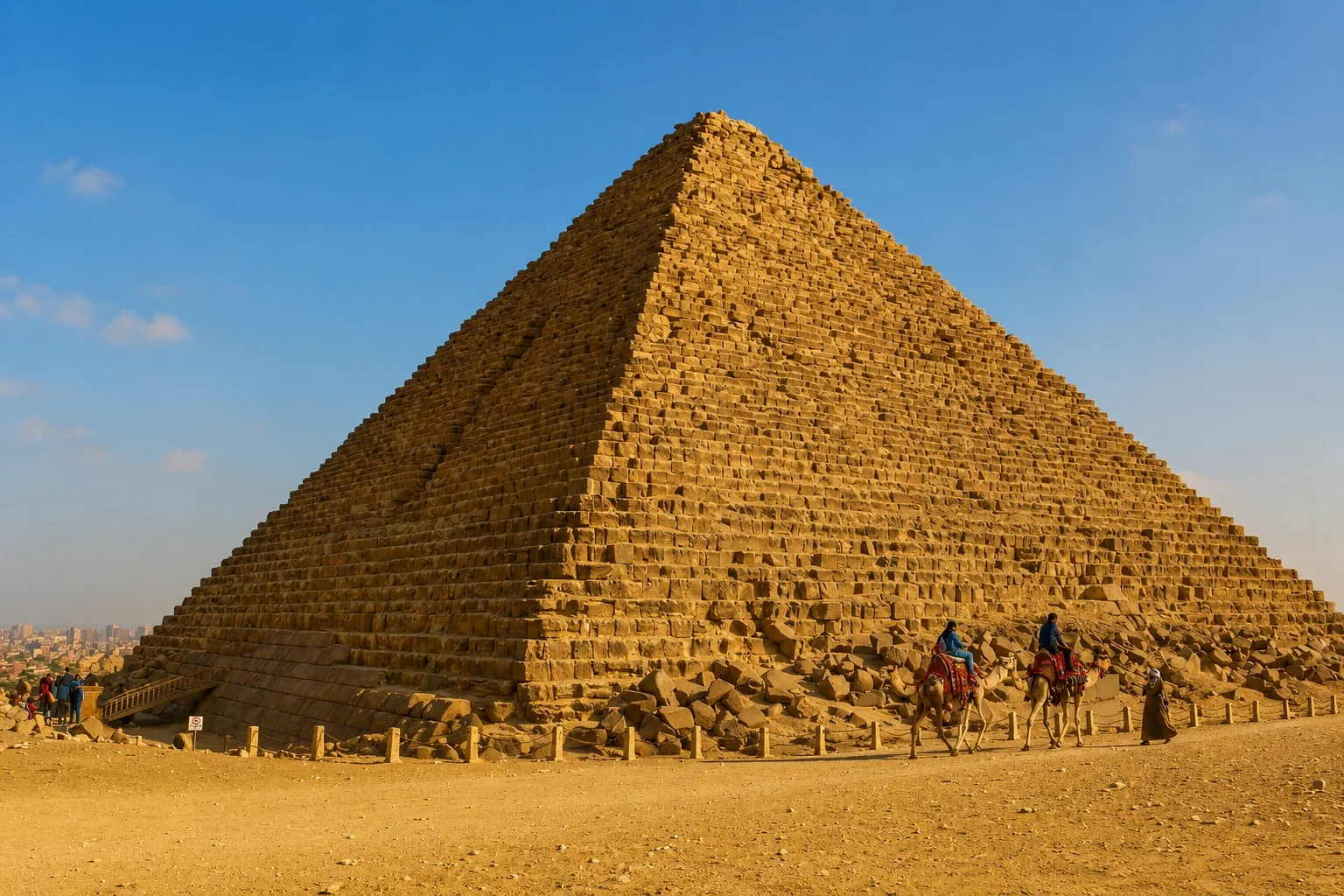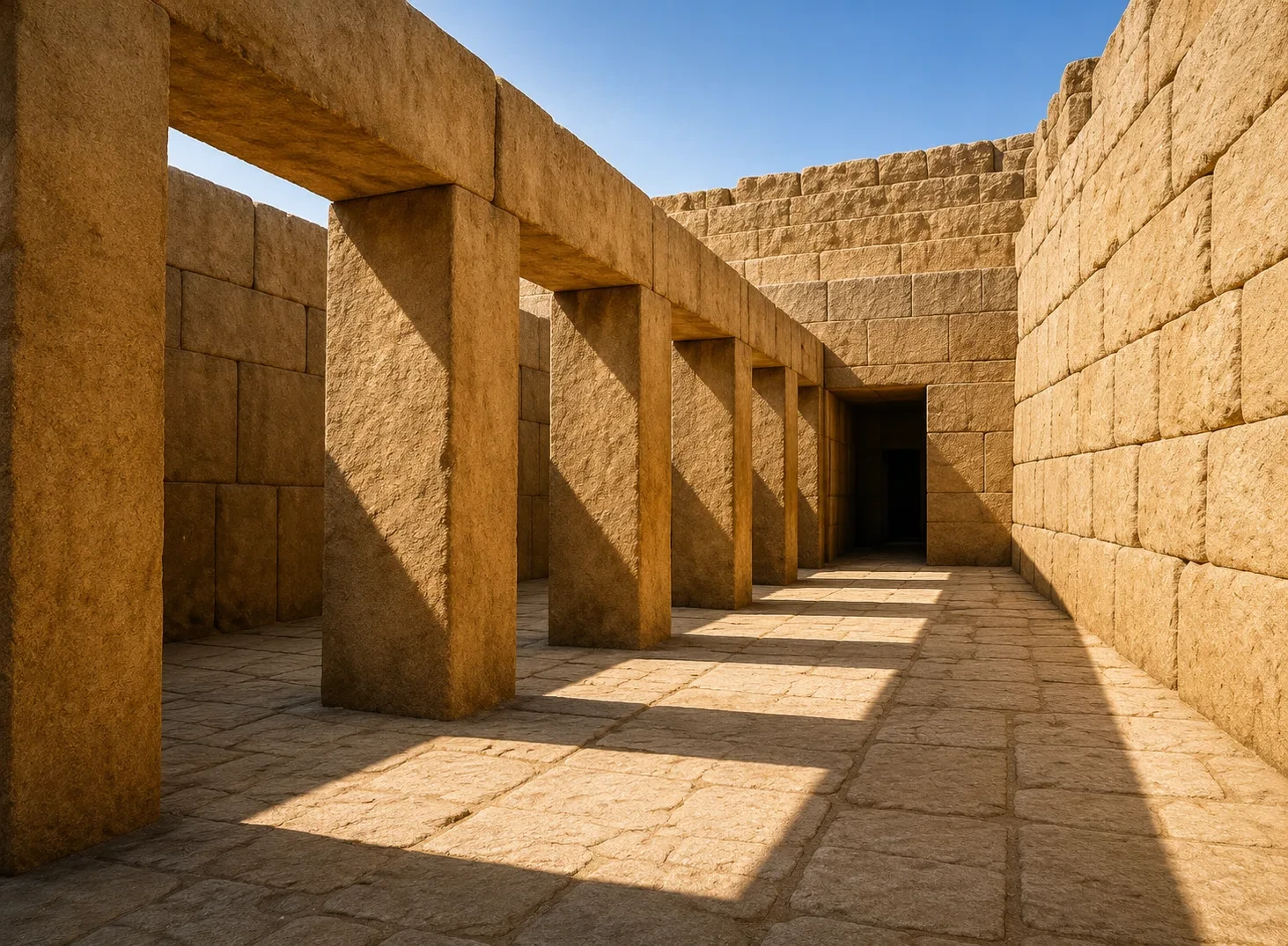

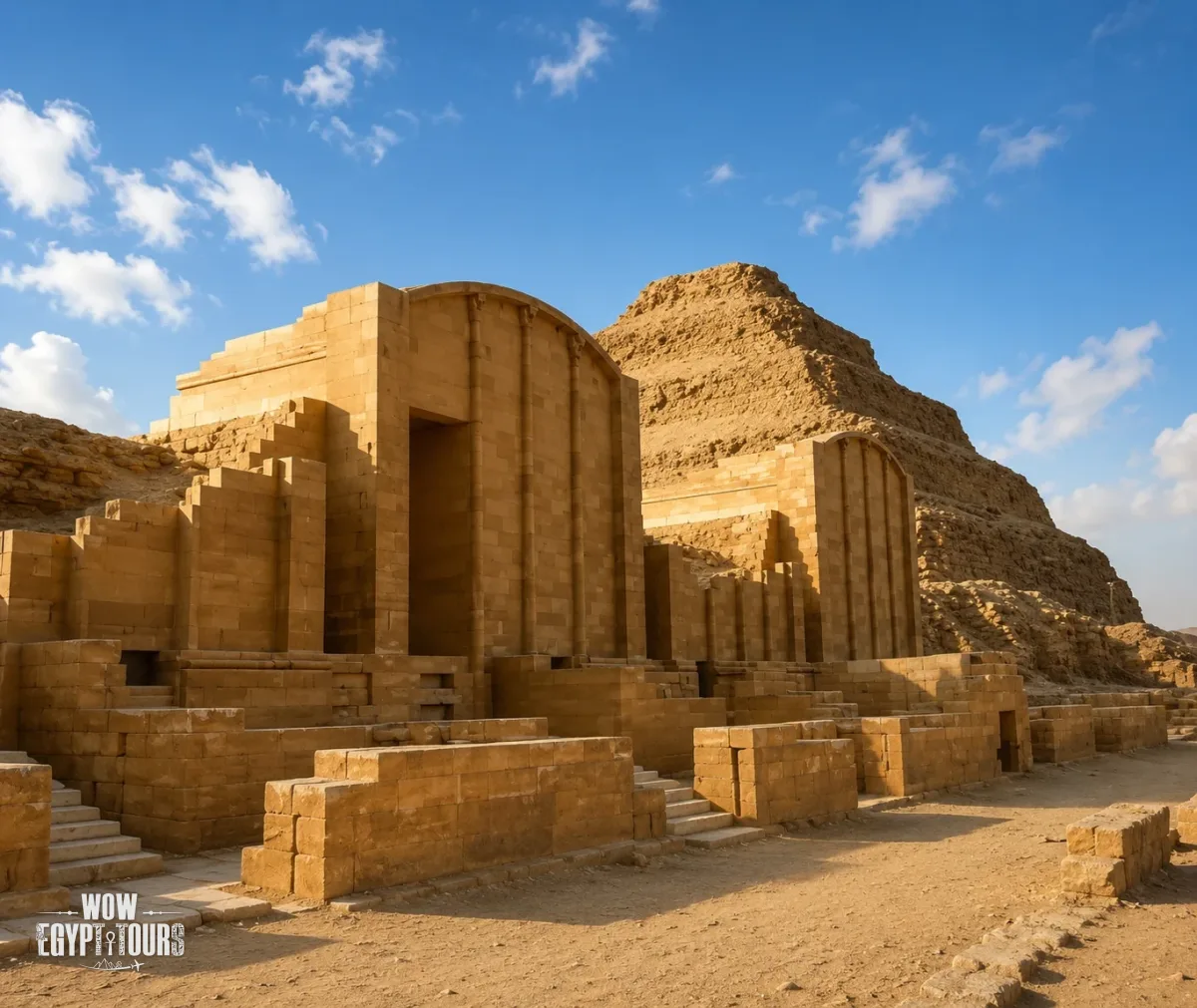

Memphis, the ancient capital of Egypt and one of the most historically consequential cities in the entire history of human civilization, is a site of extraordinary archaeological significance and extraordinary personal heritage impact located at the modern village of Mit Rahina approximately 24 kilometers south of central Cairo on the western bank of the Nile Valley, whose position at the apex of the Nile Delta at the precise geographical junction between the narrow Nile Valley of Upper Egypt and the broad fan of the Delta of Lower Egypt gave it the strategic geographical centrality that made it the most natural and the most logistically practical location for the administrative capital of the unified Egyptian pharaonic state across more than three thousand years of continuous ancient Egyptian civilization. Memphis was the first great city of the unified pharaonic Egypt, founded by the legendary pharaoh Menes, identified by most Egyptologists with the historical Narmer whose extraordinary Narmer Palette in the Egyptian Museum documents the unification of Upper and Lower Egypt in approximately 3100 BCE, whose choice of the junction point between the Two Lands as the site of the new unified state's administrative capital established Memphis as the most important city in Egypt for the complete Old Kingdom period of pharaonic civilization and made it the primary political, administrative, religious, and commercial center of the ancient Egyptian world in the most consequential and the most culturally productive three centuries of the Old Kingdom that produced the extraordinary pyramid building programme of the Giza Pyramids Complex and the extraordinary Saqqara Step Pyramid as the most spectacular and the most enduring monuments of ancient Egyptian administrative, religious, and technological ambition. This extraordinary ancient city is featured in Cairo Tours, Egypt Classic Tours, and Egypt Short Break Tours, all of which WOW Egypt Tours proudly offers to travelers from around the world as part of Egypt Tours Packages and Egypt Travel Packages that encompass the extraordinary ancient heritage of Cairo and the complete Egyptian Nile Valley civilization.
Memphis Egypt ancient city is not simply an archaeological site however significant; it is the physical location where the most consequential single act in the political history of the ancient world, the unification of the Two Lands of Upper and Lower Egypt into the single pharaonic state whose extraordinary cultural achievement has defined the identity of the Egyptian civilization across five thousand years of continuous history, was given its most concrete geographical expression in the founding of the city at the junction between the two formerly separate political and cultural territories of the ancient Egyptian Nile Valley world. The modern Mit Rahina open-air museum that preserves the most significant surviving physical remains of the ancient city presents visitors with a collection of ancient objects and architectural elements of extraordinary quality and extraordinary historical depth, including the most magnificent of all the surviving colossal statues of Ramesses II whose fallen limestone colossus of approximately 10 meters in length represents the most completely extraordinary and the most personally overwhelming single ancient Egyptian royal portrait sculpture accessible in its original ancient site context at any heritage destination in the complete Greater Cairo area, and the extraordinary alabaster sphinx of Memphis whose massive form of approximately 80 tonnes in perfectly polished white alabaster is the third largest sphinx in Egypt and one of the most immediately beautiful and the most completely extraordinary ancient Egyptian sculptural monuments accessible in its ancient landscape setting at any heritage site in the complete Greater Cairo area. WOW Egypt Tours includes the ancient city of Memphis as an essential destination in all comprehensive Cairo Tours, Egypt Classic Tours, Egypt Short Break Tours, Egypt Family Tours, Egypt Budget Tours, and all Egypt Tour Packages that encompass the extraordinary ancient heritage of the Egyptian capital region.

What Is Memphis Egypt?
Memphis was the ancient capital city of Egypt and the primary political, administrative, religious, and commercial metropolis of the pharaonic civilization across the complete Old Kingdom period and for significant portions of the Middle and New Kingdom periods when the seat of pharaonic power was located in the Memphite region in the most consequential and the most architecturally productive periods of the ancient Egyptian state's development. The city was established at the apex of the Nile Delta on the western bank of the Nile approximately 24 kilometers south of the modern Cairo city center, at the geographical junction between the narrow Nile Valley corridor of Upper Egypt to the south and the broad agricultural delta of Lower Egypt to the north, a position of extraordinary strategic and administrative significance that gave Memphis direct access to the resources, the agricultural surpluses, the building materials, and the administrative networks of both the southern Nile Valley and the northern Delta regions in the most centrally positioned ancient administrative capital available at any location in the complete Nile Valley geographical framework.
The ancient city of Memphis covered an area of many square kilometers of the Nile Valley floor at the height of its development as the primary urban center of the ancient Egyptian Old Kingdom, encompassing the great temple of Ptah, the most important and the most completely revered religious institution of the ancient Memphite region, the royal palace complex, the administrative buildings, the craftsmen's workshops, the harbour and warehouse district serving the riverine trade of the Nile Valley, the residential districts of the complete social hierarchy from the royal family and the highest officials to the artisans and the laboring population, and the extraordinary funerary monuments and cult installations of the necropolis zone immediately to the west of the city on the desert plateau where the great pyramids and the mastaba tombs of the Memphite necropolis, extending from Giza in the north through Saqqara in the center to Dahshur in the south, constitute the most extraordinary funerary landscape of any ancient city in the history of human civilization. The modern Mit Rahina open-air museum preserves the most significant surviving physical remains of the ancient city in the most accessible and the most personally legible heritage format available at any ancient Egyptian urban site in the complete Greater Cairo heritage area.
Who Founded Memphis Egypt?
The founding of Memphis is attributed in the ancient Egyptian historical tradition to the legendary pharaoh Menes, the unifier of the Two Lands of Upper and Lower Egypt who is identified by most contemporary Egyptologists with the historical pharaoh Narmer, the ruler documented on the extraordinary Narmer Palette in the Egyptian Museum as the conqueror of Lower Egypt and the inaugurator of the unified pharaonic state in approximately 3100 BCE. The ancient Egyptian historical tradition, preserved in the Turin King List, the Abydos and Saqqara king lists, and the later compilations of the ancient Egyptian historian Manetho, consistently identifies Menes as both the first pharaoh of the unified Egyptian state and the founder of the city at the junction between the Two Lands that became the capital of the unified kingdom, a tradition of urban foundation so deeply embedded in the ancient Egyptian historical consciousness that Memphis was celebrated throughout the complete pharaonic period as the city of the beginning, the physical location where the unified Egyptian state first came into being in the most consequential act of political creation in the history of the ancient Egyptian world.
The specific site selection for the city of Memphis at the apex of the Nile Delta reflects a combination of strategic, geographical, and political considerations of such complete practical appropriateness that the choice appears in retrospect entirely inevitable, though its specific historical implementation must have required both the administrative vision of Menes and the organizational capacity of the newly unified state to realize in the practical form of a genuine urban foundation at this specific location. The city was positioned on the western bank of the Nile at the point where the single river channel of the Upper Egyptian Nile Valley begins to divide into the multiple distributary channels of the Delta, a geographical transition of extraordinary strategic significance as the principal crossing point between the Two Lands and the natural administrative gateway between the northern and southern territories of the unified Egyptian state. According to the ancient Egyptian historical tradition as recorded by the Greek historian Herodotus, the founding of Memphis required the construction of a dam or embankment to divert the main Nile channel away from the site chosen for the city, an engineering intervention of considerable ambition for the earliest period of the unified pharaonic state whose specific technical realization, whatever form it actually took in the early Dynastic period, established from the very beginning of the city's history the tradition of large-scale hydraulic engineering that would characterize the ancient Egyptian state's management of its relationship with the Nile throughout the complete pharaonic period.
Memphis Egypt As The Ancient World's Greatest City
At the height of its development as the primary urban center of the ancient Egyptian Old Kingdom in approximately 2600 to 2200 BCE, Memphis was almost certainly the largest city in the world, a metropolitan center of hundreds of thousands of inhabitants whose extraordinary concentration of royal power, administrative authority, religious institution, commercial activity, and craft production gave it a scale and a complexity of urban life that no contemporary city anywhere in the ancient world could match in the same combination of political significance, economic activity, and population density. The city's central position in the ancient Egyptian administrative system made it the primary node of the most completely organized and the most logistically sophisticated state administration in the ancient world, the point through which the agricultural surplus of the Nile Valley and the Delta was collected and redistributed in the state's service, through which the construction materials for the extraordinary pyramid building programme were assembled and organized, through which the religious and administrative communications of the unified pharaonic state flowed, and through which the commercial and diplomatic contacts of the ancient Egyptian state with its neighbors in Nubia, Libya, Sinai, the Levant, and the eastern Mediterranean world were conducted and managed.
The temple of Ptah at Memphis, the primary religious institution of the ancient city, was the most important single temple in the ancient Egyptian religious landscape for much of the pharaonic period, whose principal deity Ptah, the craftsman god and the creator deity of the Memphite religious tradition, occupied a position of supreme theological importance in the ancient Egyptian pantheon as the divine patron of all craft production and all artistic creation, the god through whose divine word and divine conception the entire world was created in the Memphite theological tradition's most ambitious statement of divine creative power. The theological significance of Ptah and the religious authority of the Memphis temple establishment gave the ancient city a dimension of sacred importance that complemented and reinforced its political and administrative primacy in the complete ancient Egyptian state system, making Memphis simultaneously the most politically powerful, the most administratively complex, the most commercially active, and the most theologically significant urban center in the ancient Egyptian world at the height of the Old Kingdom pharaonic achievement.
Memphis Egypt Location
The ancient city of Memphis, whose modern archaeological site is located at the village of Mit Rahina in Giza Governorate, lies approximately 24 kilometers south of central Cairo and approximately 32 kilometers south of the Giza Pyramids Complex on the western bank of the Nile Valley, accessible by the agricultural road that runs south from Giza through the cultivated Nile Valley landscape to the Mit Rahina village and the adjacent open-air museum site. The journey from central Cairo to Memphis by private vehicle takes approximately 30 to 45 minutes depending on traffic conditions and route selection, with the most commonly used route passing through the Giza area and then south along the western bank of the Nile through the agricultural landscape of the ancient Memphite flood plain whose cultivation and settlement patterns retain some general relationship to the ancient landscape configuration of the Memphis urban zone. The Mit Rahina open-air museum is typically visited in combination with the Saqqara Step Pyramid Complex immediately to the west on the desert plateau and the Dahshur Pyramids approximately 10 kilometers further south as part of the most completely organized and the most personally satisfying Greater Cairo southern heritage circuit, whose combination of the ancient city remains at Memphis with the complete sequence of pyramid monuments from Saqqara to Dahshur gives the day programme its most comprehensive chronological coverage of the ancient Egyptian Memphite funerary and urban heritage. WOW Egypt Tours provides private vehicle transportation from all Cairo hotels to Memphis and organizes the complete Memphis, Saqqara, and Dahshur heritage circuit as part of all Cairo Tours and Egypt Tour Packages.
Memphis Egypt Fun Facts
The ancient city of Memphis is the most probable inspiration for the naming of the modern city of Memphis in the state of Tennessee in the United States, which was named in 1819 by its founders who drew a deliberate parallel between the ancient Memphis's position at the apex of the Egyptian Delta and the American city's position at the apex of the Mississippi Delta, establishing the most direct and the most personally evocative geographical analogy between the ancient Nile Valley capital and its American namesake that is commemorated in the modern Tennessee city's historical self-presentation and that gives the ancient Egyptian city a specifically transatlantic dimension of cultural afterlife that is unique among ancient Egyptian urban foundations in its specific connection to a major living American city.
The colossal limestone statue of Ramesses II displayed in the Mit Rahina open-air museum at Memphis, now lying on its back in the purpose-built display pavilion that protects it from the elements, is one of the most completely extraordinary and the most personally overwhelming ancient Egyptian royal portrait sculptures accessible at any archaeological site in the complete Greater Cairo heritage area, a fallen colossus of approximately 10 meters in length and approximately 83 tonnes of carved and polished limestone whose extraordinary quality of surface modeling, whose refined royal physiognomy with its characteristic Ramesside aquiline nose and strong jaw, and whose extraordinary state of preservation in the specific conditions of the Memphis soil give it a quality of ancient material presence and personal sculptural impact entirely comparable to the most celebrated colossal royal sculptures in any museum collection in the world, available here in the original ancient site context of Memphis rather than in the extracted and decontextualized environment of a museum gallery display case.
The alabaster sphinx of Memphis, one of the most immediately beautiful and the most materially extraordinary ancient Egyptian sphinxes accessible at any heritage site in the complete Greater Cairo area, is carved from a single block of perfectly white alabaster weighing approximately 80 tonnes and measuring approximately 8 meters in length and 4 meters in height, whose extraordinary material quality of translucent white polished stone gives it a visual character completely unlike the coarser limestone of the Great Sphinx of Giza and whose perfectly preserved surface, free of the severe wind erosion that has degraded the surface of the Great Sphinx, gives it a quality of ancient surface completeness and material refinement that is more immediately evocative of the original polished surface appearance of ancient Egyptian large-scale sculpture than any other surviving sphinx monument accessible at any heritage site in the complete Egyptian archaeological record.
Why Is It Called Memphis Egypt?
The name Memphis by which the ancient Egyptian capital is universally known in the Western scholarly and popular tradition is a Greek adaptation of the ancient Egyptian name Men-nefer, meaning Established and Beautiful or Enduring and Beautiful in the most direct translation of the two ancient Egyptian words that compose the compound place name, a designation that was originally applied not to the city as a whole but specifically to the pyramid complex of the 6th Dynasty pharaoh Pepi I at Saqqara, whose pyramid bore the name Men-nefer Pepi, meaning Pepi is Established and Beautiful, in the ancient Egyptian pyramid naming convention of the Old Kingdom period. The progressive extension of the pyramid complex name to the entire urban zone of the Memphite region that surrounded and served the complex reflects the ancient Egyptian linguistic and geographical practice of naming urban settlements after the most prominent or the most recently established royal monument in their immediate vicinity, a practice whose specific application to the Pepi I pyramid complex at Saqqara produced the Men-nefer designation that was subsequently generalized to cover the complete urban agglomeration of the ancient Egyptian capital in the most consequential example of this pyramid-to-city naming process in the complete ancient Egyptian toponymic tradition.
The Greek adaptation of Men-nefer to Memphis through the standard process of ancient Greek phonetic transliteration of ancient Egyptian place names, whose specific transformations of Egyptian consonants and vowels into the available Greek phonetic equivalents followed conventions that were not always perfectly consistent but that were systematically applied to the major ancient Egyptian place names encountered by Greek travelers, merchants, and scholars in the Ptolemaic and earlier periods of Greek engagement with Egypt, produced the Memphis designation that was adopted by all subsequent ancient Greek and Latin geographical and historical writers as the standard classical designation for the ancient Egyptian capital and that has been universally retained in all modern Western scholarly and popular geographical literature about ancient Egypt as the standard designation for the site. The ancient Egyptians themselves also knew the city by an earlier name, Ineb-Hedj, meaning White Walls, a designation that referred to the brilliant white limestone or mudbrick enclosure walls of the earliest royal precinct at the city's founding and that reflects the most immediately distinctive visual characteristic of the earliest royal fortified settlement at the Memphis site in the period of the first pharaohs of the unified Egyptian state.
Memphis Egypt History
The history of Memphis spans the complete arc of ancient Egyptian civilization from the city's founding in approximately 3100 BCE at the unification of the Two Lands through the extraordinary flourishing of the Old Kingdom when Memphis was the uncontested political and cultural capital of the ancient Egyptian world, the periods of relative decline during the First and Second Intermediate Periods when political fragmentation shifted power to the provincial centers of Middle and Upper Egypt, the restoration of Memphite administrative importance during the New Kingdom when the city remained the primary military and administrative base of the Egyptian empire even as the royal court was sometimes located at Thebes in the south, and the long twilight of the Late Period and the Ptolemaic era when Memphis retained its sacred significance as the site of the Ptah temple and the coronation ceremonies of successive rulers while its political primacy was progressively superseded by the new Ptolemaic capital of Alexandria to the north. The complete chronological span of Memphis as a major urban center encompasses more than three thousand years of continuous occupation and continuous significance in the ancient Egyptian political, religious, and commercial landscape, making it one of the longest continuously occupied and continuously significant urban sites in the complete history of ancient civilization.
The Old Kingdom period, approximately 2686 to 2181 BCE, was the absolute peak of Memphite political and cultural significance, the era in which Memphis served as the unambiguous primary administrative, religious, and cultural capital of the most powerful state in the ancient world, whose royal court, whose administrative bureaucracy, whose craft workshops, and whose religious institutions concentrated in the Memphite urban zone the most complete expression of the ancient Egyptian state's political authority, intellectual achievement, and cultural production available at any single urban center in the complete ancient Egyptian geographical landscape. The pyramid building programme of the Old Kingdom, whose extraordinary monuments extend along the desert plateau immediately west of Memphis from the Giza Pyramids in the north through Saqqara to Dahshur in the south, was the most direct and the most completely extraordinary physical expression of the Memphis-based royal administration's capacity to mobilize the national resources of the unified Egyptian state in the service of the most ambitious construction programme ever attempted by any ancient civilization, a programme whose organizational headquarters and logistical center were in the ancient city whose modern remains at Mit Rahina give visitors to the Greater Cairo heritage circuit their most direct encounter with the urban foundation of the most extraordinary ancient building achievement in the history of the world.
The decline of Memphis as the primary Egyptian capital began gradually in the First Intermediate Period following the collapse of the Old Kingdom central administration in approximately 2181 BCE, continued through the Middle Kingdom restoration when the royal court was established at the new capital of Itjtawy near Dahshur and Memphis retained its religious and commercial importance without recovering its exclusive political primacy, and was definitively completed in the New Kingdom period when the military and administrative capital functions of Memphis were retained while the primary royal ceremonial and religious center shifted to Thebes in Upper Egypt. The New Kingdom pharaohs, despite their Theban ceremonial and religious orientation, continued to invest in the Memphis temple establishments and to use the city as their primary military marshalling point for the great imperial campaigns of the 18th and 19th Dynasty period, giving Memphis in the New Kingdom era a specifically military and administrative character that complemented the Theban ceremonial and religious focus of the royal programme in the most practically efficient division of the complete royal capital function between the two primary urban centers of the New Kingdom Egyptian state. The extraordinary additions to the Ptah temple at Memphis made by Ramesses II in the 19th Dynasty period, including the extraordinary pair of colossal statues of the king that flanked the temple entrance and whose fallen surviving example now gives the Mit Rahina open-air museum its most celebrated and its most personally overwhelming exhibit, demonstrate the continued royal investment in the Memphite sacred landscape even in the period of Theban ceremonial primacy that gives the New Kingdom Memphis evidence its most immediately accessible and its most personally engaging ancient heritage character.
The final phase of Memphis as a major urban center encompasses the Late Period and the Ptolemaic era, during which the city's sacred significance as the site of the most important Ptah temple in Egypt, the location of the extraordinary Apis bull cult whose sacred animals were mummified and buried with royal honours in the extraordinary Serapeum at Saqqara immediately to the west, and the traditional location of the coronation ceremonies of successive pharaohs through the Ptolemaic period gave Memphis a continued religious and ceremonial importance that sustained its urban vitality long after its political primacy had passed definitively to the Ptolemaic capital of Alexandria. The progressive decline and eventual abandonment of the Memphis urban site in the early centuries of the Christian era, as Alexandria's commercial and administrative dominance of the Egyptian economy progressively drew population and economic activity northward to the Delta and as the Nile's eastward channel migration progressively flooded and buried the ancient city fabric under the agricultural alluvium of the Nile Valley floor, transformed the most important city in the ancient Egyptian world into the agricultural landscape of the Mit Rahina village, leaving only the most massive and the most durable of the ancient structures visible above ground and burying the complete fabric of the ancient urban landscape beneath meters of Nile alluvial deposit whose progressive archaeological investigation since the 19th century has produced the most important surviving evidence for the physical character of the ancient Memphite urban world.
The Story Of Egypt's First Great Capital
The story of Memphis as Egypt's first great capital is the foundational narrative of the ancient Egyptian civilization itself, the story of how the political unification of the Two Lands of Upper and Lower Egypt under the first pharaoh created the institutional and geographical conditions for the extraordinary cultural achievement of the complete pharaonic tradition, and how the specific geographical choice of the Memphis site at the junction between the Two Lands gave the unified Egyptian state its most appropriately central and its most logistically effective administrative base for the three thousand years of continuous pharaonic achievement that unification inaugurated. The story begins with the legendary Menes whose act of conquest and unification, celebrated on the Narmer Palette and commemorated in the most extensive ancient Egyptian historical tradition available for any single historical event of the prehistoric and early dynastic period, established the political framework within which the extraordinary cultural achievement of the ancient Egyptian civilization became possible, and whose foundation of Memphis as the unified state's administrative capital gave that framework its most concrete geographical expression in the city at the junction of the Two Lands whose enduring presence in the ancient Egyptian political geography for more than three thousand years is the most direct testimony to the appropriateness and the practical rightness of Menes's original site selection decision.
The story of Memphis as the city of the pyramids is the most immediately extraordinary and the most personally compelling dimension of the ancient city's heritage significance for the modern visitor, the recognition that the extraordinary plateau monuments of Giza, Saqqara, and Dahshur that stretch along the desert horizon immediately west of the ancient city site for more than 30 kilometers were all created in the direct service of the Memphis-based pharaonic administration, conceived and organized from the Memphis royal court, funded from the Memphis administrative surplus collection system, staffed with workers who lived in the ancient city and its satellite settlements, and built from materials that passed through the Memphis harbor and logistics infrastructure on their way from the distant quarries to the construction sites, making the entire extraordinary pyramid building achievement of the Old Kingdom the most completely direct physical expression of what the Memphis-based ancient Egyptian state could accomplish when it directed the complete organizational capacity of the most sophisticated administrative system in the ancient world toward the realization of the most ambitious architectural programme in the history of human construction.
Memphis Egypt Key Attractions And Features
The Colossal Statue Of Ramesses II
The colossal limestone statue of Ramesses II displayed in the purpose-built protective pavilion of the Mit Rahina open-air museum is the single most celebrated, the most personally overwhelming, and the most immediately extraordinary ancient Egyptian monument accessible in the original ancient city context of Memphis, a fallen colossus of approximately 10 meters in length representing the pharaoh Ramesses II in standing position with his characteristic royal nemes headdress, double crown, and royal regalia in the most completely refined and the most personally majestic of the surviving Ramesside colossal royal portrait tradition accessible at any heritage site in the complete Greater Cairo area. The statue, originally one of a pair that flanked the entrance to the great temple of Ptah at Memphis and was probably carved in the 19th Dynasty reign of Ramesses II in approximately 1279 to 1213 BCE, fell at some point in antiquity from its original standing position and came to rest face-up in the soft alluvial soil of the Memphis flood plain where the exceptional preservation conditions of the waterlogged Nile Valley floor protected it from the surface erosion that has damaged comparable exposed statues elsewhere in Egypt, giving it a quality of surface preservation and sculptural detail completeness that makes it one of the most extraordinary surviving examples of ancient Egyptian colossal royal portrait sculpture in the complete Egyptian heritage record.
The specific quality of the Ramesses II Memphis colossus that most immediately and most completely astonishes every visitor who sees it for the first time is the extraordinary refinement and the extraordinary naturalistic detail of the ancient sculptor's rendering of the royal face, whose strong aquiline nose, prominent cheekbones, finely modeled lips, and the extraordinary sculptural articulation of the distinctive Ramesside royal physiognomy give the fallen statue a quality of specific royal individual presence and personal artistic achievement entirely commensurate with the most celebrated royal portrait sculptures of the complete ancient Egyptian sculptural tradition. The fact that the statue is viewed from above by visitors descending into the protective pavilion, looking down at the upturned royal face from the elevated viewing platforms that give the visitor the most complete and the most personally affecting single-statue encounter available at any ancient Egyptian royal sculpture accessible in its original site context, creates one of the most personally extraordinary and the most completely memorable heritage photography experiences available at any heritage site in the complete Greater Cairo area, a viewpoint of such intimacy and such sculptural completeness that visitors consistently describe it as one of the most completely extraordinary ancient heritage encounters of their complete Egyptian journey.
The Alabaster Sphinx Of Memphis
The alabaster sphinx of Memphis, displayed in the open-air section of the Mit Rahina museum immediately adjacent to the Ramesses II colossus pavilion, is one of the most immediately beautiful and the most materially extraordinary ancient Egyptian sphinx monuments accessible at any heritage site in the complete Greater Cairo area, a recumbent sphinx of approximately 8 meters in length and 4 meters in height carved from a single massive block of perfectly white calcite alabaster whose extraordinary material quality of translucent polished whiteness, whose perfectly preserved facial modelling undamaged by the severe weathering that has affected the surface of the Great Sphinx of Giza, and whose extraordinary sense of regal authority in the refined sculptural treatment of the royal face give it a quality of ancient sculptural excellence and personal material impact that is entirely worthy of its position as one of the most celebrated ancient monuments of the complete Memphis heritage landscape. The sphinx weighs approximately 80 tonnes and represents one of the largest alabaster carvings in the complete ancient Egyptian sculptural tradition, a fact whose specific implications for the quarrying, transportation, and carving of a single alabaster block of this exceptional size from the distant calcite quarries of Middle Egypt to the Memphis temple precinct give the monument a dimension of ancient material ambition and ancient logistical achievement entirely appropriate to the ancient capital city whose organizational capacity created the most extraordinary building programme in the history of the ancient world.
The specific date of the Memphis sphinx is not definitively established, with scholarly proposals ranging from the Middle Kingdom 12th Dynasty to the New Kingdom 18th Dynasty depending on the specific Egyptological interpretation of the limited inscriptional evidence and the stylistic comparison of the royal face with the documented royal portraiture of the candidate periods. The most commonly cited attribution is to the pharaoh Amenhotep II or Thutmose III of the New Kingdom 18th Dynasty based on stylistic and inscriptional considerations, though the specific question of the sphinx's precise royal patronage continues to be discussed in the Egyptological literature as one of the most productively uncertain attribution questions in the complete Memphis archaeological record. Whatever its specific royal patron, the alabaster sphinx of Memphis is universally recognized as one of the most beautiful and the most materially extraordinary surviving ancient Egyptian sphinx monuments and one of the most immediately personally affecting heritage encounters available at any accessible ancient Egyptian site in the complete Greater Cairo heritage area.
The Mit Rahina Open-Air Museum
The Mit Rahina open-air museum, established to protect and display the most significant surviving physical remains of the ancient city of Memphis in the most accessible and the most personally legible heritage format available at the site, encompasses both the indoor pavilion housing the fallen Ramesses II colossus and the outdoor garden museum whose collection of ancient architectural elements, inscribed blocks, statue fragments, and ancient objects recovered from the Memphis site by successive generations of Egyptological excavation since the early 19th century provides the most comprehensive available overview of the ancient city's physical character and its material cultural production in the most directly accessible site-context heritage presentation available at any ancient Egyptian urban site in the complete Greater Cairo heritage landscape. The outdoor garden display encompasses a fascinating collection of ancient Egyptian objects of considerable variety and considerable personal interest, including ancient alabaster embalming tables from the Memphis temple complex whose perfectly preserved surfaces document the specific ritual practices of the ancient Egyptian sacred animal cult at Memphis, fragments of ancient sphinx statues of different periods and different material qualities that together document the complete sequence of pharaonic investment in the sacred landscape of the ancient capital, architectural elements from different phases of the great Ptah temple whose stone blocks preserve inscriptional evidence for the complete history of royal building at the most important temple in ancient Memphis, and a range of additional ancient objects whose variety and whose historical richness give the open-air garden a quality of incidental archaeological discovery and personal heritage surprise that rewards the most attentive and the most unhurried exploration with successive individual encounters of genuine scholarly interest and genuine personal historical impact.
The Ptah Temple Precinct
The great temple of Ptah at Memphis, whose ancient precinct occupied an area of enormous extent in the center of the ancient city and whose principal deity Ptah, the craftsman god and the creator deity of the Memphite theological tradition, was the most important single divine figure in the ancient Egyptian religious landscape for much of the pharaonic period, is represented in the modern Mit Rahina archaeological landscape primarily by the scattered architectural elements and inscribed blocks that successive phases of Egyptological excavation have identified as components of the most extensively rebuilt and the most continuously elaborated religious complex in the complete ancient Egyptian sacred landscape. The Ptah temple was rebuilt, expanded, and elaborated by virtually every major pharaoh of the Egyptian Old, Middle, and New Kingdom periods, with the most extensively documented phase of New Kingdom construction being the extraordinary addition to the temple precinct made by Ramesses II whose colossal statues, whose gateway pylons, whose hypostyle halls, and whose processional avenues of sphinxes gave the Memphis Ptah temple in the 19th Dynasty its most architecturally magnificent and its most spatially extensive historical expression. The modern visitor to the Memphis open-air museum who stands among the scattered architectural elements of the ancient Ptah temple precinct in the garden display, surrounded by the inscribed stone blocks and the statue fragments of the most important and the most continuously venerated religious complex in the ancient Egyptian world, is standing in the physical remains of the religious heart of the most powerful state in the ancient world at the peak of its extraordinary achievement, an experience of direct archaeological site engagement whose specific character of direct contact with the ancient urban heritage in its original landscape context is unlike the experience of any museum gallery display however beautifully organized and however expertly curated.
The Ancient Embalming Tables
Among the most fascinating and the most immediately personally extraordinary objects in the Mit Rahina open-air museum's garden display are the ancient alabaster embalming tables, massive polished calcite platforms of approximately 2 to 3 meters in length raised on carved leonine legs whose perfectly preserved surfaces preserve the drainage channels and the specific functional form of the ritual embalming infrastructure of the ancient Memphis sacred animal cult in the most completely physically available and the most personally compelling material documentation of the ancient Egyptian embalming tradition accessible at any heritage site in the complete Greater Cairo heritage area. The embalming tables were used in the preparation of the sacred Apis bulls for their elaborate mummified burial in the Serapeum at Saqqara, a religious ritual of extraordinary complexity and extraordinary sacred significance in which the death of each sacred Apis bull was treated as a royal death, with the animal receiving the complete royal mummification treatment on a full-scale embalming table of the kind preserved in the Memphis museum before its elaborately wrapped mummified body was placed in an enormous granite sarcophagus and transported to the Serapeum for burial with the full honours of an ancient Egyptian royal funeral. The physical reality of the embalming tables, with their perfectly preserved alabaster surfaces and their precisely carved drainage channels, gives the visitor the most direct and the most physically immediate encounter with the ancient Egyptian sacred animal cult that is available at any accessible heritage site in the complete Greater Cairo heritage landscape, a material encounter with an aspect of the ancient Egyptian religious tradition whose specific physical evidence gives it a quality of direct personal understanding that textual descriptions and museum displays of embalming equipment cannot quite replicate.
The Ancient Urban Landscape And The Nile Valley Setting
Beyond the specific museum exhibits of the Mit Rahina open-air museum, the ancient city of Memphis retains in its broader landscape a quality of ancient urban atmosphere and ancient geographical legibility that gives the complete heritage visit a dimension of site engagement and landscape understanding entirely beyond what the museum objects alone can provide, the experience of standing in the ancient city landscape and looking west across the cultivated Nile Valley floor toward the desert plateau on whose edge the great pyramids of Saqqara and Dahshur are visible in the distance, understanding directly and physically the ancient urban geographical relationship between the city on the valley floor and its extraordinary funerary monuments on the desert plateau to the west that gave the Memphis necropolis zone its most fundamental ancient organizational logic. The modern Mit Rahina village, built directly on the ancient city site, retains in its specific landscape character of agricultural cultivation intersected by occasional ancient stone blocks and architectural fragments the most immediately legible evidence for the most consequential transformation in the ancient Egyptian urban heritage record, the progressive submergence of the most important city in the ancient world under the accumulated alluvium and the agricultural landscape of the Nile Valley floor in the centuries following the city's decline and eventual abandonment, a transformation whose specific character of disappearance-by-burial rather than destruction-by-demolition gives the Memphis ancient urban landscape its most distinctive and its most archaeologically significant heritage character.
Why Is Memphis Egypt Important?
Memphis Egypt is important for reasons spanning the complete foundations of ancient Egyptian civilization, the political history of the pharaonic state from its founding to its final decline, the religious history of the most important ancient Egyptian divine cult in the complete Memphite tradition, the architectural history of the most extensive and the most continuously developed royal temple complex in the ancient Egyptian sacred landscape, the art historical significance of the extraordinary colossal royal sculpture programme that makes the Mit Rahina museum one of the most important and the most personally extraordinary ancient Egyptian sculptural heritage sites in the complete Greater Cairo area, and the UNESCO World Heritage significance of Memphis as the primary urban center of the civilization that produced the most extraordinary ancient monument complex in the history of the world. As the founding city of the unified pharaonic state, Memphis is the location of the most consequential single act of political creation in the ancient Egyptian historical tradition, the establishment of the unified Egyptian kingdom whose extraordinary three-thousand-year cultural achievement is the foundation of the entire pharaonic heritage that gives Egypt its most fundamental and its most internationally recognized identity in the modern world. WOW Egypt Tours includes Memphis as an essential destination in all comprehensive Cairo Tours, Egypt Classic Tours, and all Egypt Tour Packages encompassing the complete Greater Cairo ancient heritage circuit.
What Are Some Interesting Facts About Memphis Egypt?
The City That Named A Modern American City
The modern city of Memphis, Tennessee, in the United States, was named in 1819 by its founders John Overton, James Winchester, and Andrew Jackson, who deliberately drew a geographical parallel between the ancient Egyptian capital's position at the apex of the Nile Delta and the American city's position at a significant geographic feature of the Mississippi River system, establishing the most direct and the most personally evocative cultural connection between the ancient Nile Valley capital and its American namesake that is commemorated in the modern Tennessee city's historical self-presentation, in the ancient Egypt-themed displays of its various cultural institutions, and in the broader popular cultural identity of the American Memphis as a city that carries the name of the most important urban foundation in the ancient world. The naming of Memphis, Tennessee after the ancient Egyptian capital is one of the most personally extraordinary examples of the ancient Egyptian civilization's continued presence in the modern world's cultural geography and one of the most directly personal connections between the ancient heritage landscape of the Greater Cairo area and the everyday contemporary life of a major American city.
The City Buried By Its Own River
The progressive burial of ancient Memphis under the accumulated alluvium of the Nile Valley floor is one of the most extraordinary and the most personally instructive examples of how ancient urban landscapes are preserved and transformed by natural geological processes in the long-term archaeological record, a process whose specific mechanism at Memphis, the eastward migration of the main Nile channel away from the Memphis site combined with the progressive deepening of the Nile Valley floor through annual flood deposition, buried the ancient city fabric under meters of agricultural alluvium that simultaneously destroyed the above-ground structures of the ancient city through waterlogging and collapse while preserving the subsurface archaeological deposits and the most massive and durable of the ancient stone structures in conditions of extraordinary completeness for the archaeological investigation that has progressively revealed the ancient city's character through more than two centuries of systematic excavation and survey. The archaeological investigation of Memphis, still far from complete despite more than two centuries of sustained effort, represents one of the most important and the most institutionally consequential ongoing ancient urban archaeology programmes in the complete Egyptian archaeological research landscape.
The City Of The Sacred Bull
Memphis was the primary center of the Apis bull cult, one of the most elaborate and the most personally extraordinary religious traditions of the complete ancient Egyptian sacred animal worship system, in which the living Apis bull, identified by specific physical characteristics including a specific pattern of markings on its hide, a specific shape of the hair growth patterns, and a specific triangular mark on its forehead, was recognized as the divine manifestation of the Memphite deity Ptah and was housed in a dedicated sacred stable complex within the Memphis temple precinct with a retinue of priests, attendants, and ritual specialists whose complete service maintained the living bull in the divine honour appropriate to its sacred status. When each sacred Apis bull died, it was treated with the full honours of an ancient Egyptian royal death, mummified on the alabaster embalming tables whose physical reality can be seen in the Mit Rahina open-air museum, elaborately wrapped in the finest linen and resin treatments of the royal mummification tradition, placed in one of the most enormous granite sarcophagi in the complete ancient Egyptian funerary material record, and transported to the extraordinary underground Serapeum at Saqqara for burial in the most elaborate and the most personally consequential sacred animal funeral tradition in the complete ancient Egyptian religious landscape.
What Is So Special About Memphis Egypt?
The City Where Ancient Egypt Began
What makes Memphis uniquely and irreplaceably special in the complete ancient Egyptian heritage landscape is its foundational status as the city where the unified pharaonic civilization began, the specific geographical location where the political unification of the Two Lands in approximately 3100 BCE was given its most concrete expression in the founding of the state capital, and where the extraordinary cultural achievement of the complete pharaonic tradition had its most direct administrative and organizational foundation in the city from which the ancient Egyptian state's resources were mobilized, the pyramid building programme was organized, the divine cults were maintained, and the comprehensive ancient Egyptian civilization was sustained across the most productive and the most architecturally extraordinary centuries of the Old Kingdom period. The specific quality of standing on the Memphis site and understanding that this is the location where the most consequential political event in the ancient Egyptian historical tradition, the unification of the Two Lands, was first given urban form in the establishment of a city at the junction between the northern and southern territories of the unified Egyptian state, gives the Memphis heritage visit a dimension of historical foundational significance that is simply unavailable at any other ancient Egyptian site in the complete Greater Cairo heritage landscape, making Memphis not simply an archaeological site however significant but the physical location of the beginning of the ancient Egyptian civilization itself in its most completely unified and its most extraordinarily productive historical form.
Where The Greatest Sculptures Meet Their Ancient Home
Memphis is also uniquely special for the extraordinary quality of its surviving sculpture programme, whose fallen Ramesses II colossus in the protected pavilion and whose magnificent alabaster sphinx in the garden display together give the Mit Rahina open-air museum a collection of ancient Egyptian large-scale sculpture in its original ancient city context that is simply unavailable at any other ancient Egyptian urban site in the complete Greater Cairo heritage area, a collection whose specific quality of site-contextual authenticity, of ancient objects encountered in the landscape of the city for whose sacred programme they were created rather than in the extracted environment of a museum gallery, gives the Memphis sculpture encounter a quality of ancient site presence and personal historical immediacy that no amount of museum display quality however excellent can fully replicate or substitute for in the specific experience of encountering the fallen colossus of Ramesses II in the ancient city where it once stood at the entrance to the most important temple in the ancient world.
Memphis Egypt Through The Ages
The complete narrative of Memphis from its founding by Menes in approximately 3100 BCE through the extraordinary Old Kingdom apogee when it was the largest city in the world and the organizational center of the most ambitious building programme in the history of civilization, through the Middle Kingdom period of restored Memphite administrative importance, through the New Kingdom era of continued sacred and military significance, through the Late Period and Ptolemaic transitions to Alexandria's political primacy, and through the progressive archaeological investigation of the buried ancient city by successive generations of Egyptologists from the Napoleonic expedition of 1798 onwards to the present systematic excavation programmes of international archaeological teams, traces one of the most extraordinary and the most personally consequential urban heritage biographies in the complete ancient world, a biography whose fundamental importance for the understanding of the complete ancient Egyptian civilization makes it the most significant and the most historically consequential ancient urban heritage site in the complete Greater Cairo archaeological landscape. The ongoing archaeological investigation of Memphis, whose subsurface deposits of the complete ancient city fabric have been only very partially explored despite more than two centuries of investigation, continues to generate new discoveries and new understanding of the ancient city's physical character and its cultural significance that progressively deepen and enrich the heritage experience of every visitor who engages with the Memphis site in the most complete and the most informed manner available through the licensed Egyptology guide programme of WOW Egypt Tours.
Memphis Egypt And UNESCO
The ancient city of Memphis is protected as the primary urban heritage component of the UNESCO World Heritage Site designated in 1979 as Memphis and its Necropolis: the Pyramid Fields from Giza to Dahshur, recognized as a heritage of outstanding universal value for the extraordinary concentration of ancient Egyptian pharaonic civilization heritage that encompasses the founding capital city of the unified Egyptian state, the most extensive pyramid necropolis in the complete ancient Egyptian funerary landscape, and the most completely extraordinary concentration of ancient royal monument heritage available at any comparable geographical area in the complete world heritage record. The UNESCO designation specifically acknowledges the exceptional importance of the Memphis urban site as the administrative and cultural capital from which the entire extraordinary monument-building programme of the Giza to Dahshur pyramid fields was conceived, organized, and executed, giving the ancient city its most authoritative international recognition as the foundational heritage site without whose existence the extraordinary monument heritage of the UNESCO inscription's pyramid fields could not have been created. The Egyptian government and the UNESCO World Heritage Committee are engaged in ongoing collaboration on the conservation management and the archaeological investigation of the Memphis site, addressing the specific challenges of an urban archaeological site buried under an active agricultural landscape and accessible only through the systematic excavation programme that continues to reveal new components of the ancient city fabric in each successive season of systematic archaeological fieldwork.
Best Time To Visit Memphis Egypt
The best time to visit the ancient city of Memphis is during the cooler months from October through April when the Cairo and Nile Valley climate provides the most comfortable conditions for the outdoor open-air museum programme, whose combination of the indoor Ramesses II colossus pavilion with the outdoor garden display of the alabaster sphinx, the embalming tables, and the additional sculptural and architectural exhibits is most comfortably and most enjoyably experienced in the cool, clear weather of the Egyptian winter months. The winter months of December through February offer the most extraordinary quality of low-angle afternoon light that illuminates the surface of the alabaster sphinx in the most dramatically beautiful and the most completely revealing natural lighting of any time of day, enhancing both the visual impact of the sphinx's extraordinary white material surface and the photography quality of the most celebrated single object in the complete Memphis open-air museum programme. The summer months bring very hot outdoor temperatures that make the extended outdoor garden museum exploration most demanding, though the relative brevity of the standard Memphis visit programme means that the site remains visitble in the summer with adequate hydration and appropriate sun protection. Memphis is most naturally and most efficiently visited as part of the complete Greater Cairo southern heritage circuit combining Memphis, Saqqara, and Dahshur in a single day programme organized by WOW Egypt Tours.
Memphis Egypt Opening Hours
The Mit Rahina open-air museum at the ancient city of Memphis is open daily from 9:00 AM to 5:00 PM throughout the year. The Ramesses II colossus protective pavilion and the outdoor garden museum with the alabaster sphinx, the embalming tables, and the additional sculptural collection are accessible throughout the museum's opening hours. All visiting hours are subject to adjustment for Egyptian national holidays and should be confirmed at time of booking with WOW Egypt Tours. The Memphis museum visit is most efficiently organized as part of the complete Greater Cairo southern heritage circuit whose programme timing is planned by WOW Egypt Tours to allow adequate time at each site within the most practically organized and the most personally satisfying day programme sequence.
Memphis Egypt Entrance Fees
Mit Rahina Open-Air Museum (Memphis): EGP 200 for adults, EGP 100 for students. All Memphis site entrance fees are included in the Cairo Tours and Egypt Tour Packages organized by WOW Egypt Tours as part of the complete Greater Cairo southern heritage circuit combining Memphis with Saqqara and Dahshur. Fees are subject to periodic adjustment and current rates should be confirmed at time of booking.
How To Get To Memphis Egypt
The ancient city of Memphis at Mit Rahina is located approximately 24 kilometers south of central Cairo and approximately 15 kilometers south of the Giza Pyramids Complex on the western bank of the Nile Valley, accessible by private vehicle from Cairo in approximately 30 to 45 minutes by the desert road through Giza and then south to Mit Rahina. The most convenient and the most operationally organized approach for international visitors is the private vehicle from the Cairo hotel provided by WOW Egypt Tours as part of the complete Greater Cairo southern heritage circuit, which provides door-to-door transport and organized movement between Memphis, Saqqara, and Dahshur in the most efficiently timed and the most personally satisfying single-day southern heritage programme available in the complete Greater Cairo heritage landscape. Memphis is not conveniently accessible by public transport from Cairo and the private vehicle organized by WOW Egypt Tours is the most practical approach for all international visitors.
How Long To Spend In Memphis Egypt
The Mit Rahina open-air museum visit requires approximately 45 minutes to one hour for the most complete programme encompassing the Ramesses II colossus pavilion with the full guided expert interpretation of the statue's history and sculptural quality, the alabaster sphinx with its material quality analysis and attribution discussion, the ancient embalming tables with the Apis bull cult narrative, and the complete outdoor garden display of architectural elements and sculptural fragments. A more leisurely and more individually exploratory visit of one to one and a half hours allows the most unhurried engagement with all the museum's objects and the most completely satisfying personal exploration of the complete open-air garden display beyond the primary highlight programme. Memphis is most naturally and most efficiently combined with Saqqara and Dahshur in the most complete Greater Cairo southern heritage day programme, with Memphis typically visited either in the morning before the Saqqara and Dahshur programme or as a mid-programme stop between the two pyramid site visits in the most logistically efficient and the most geographically rational sequence. WOW Egypt Tours designs the complete Memphis, Saqqara, and Dahshur circuit in the most practically organized and the most personally enriching programme sequence.
Tips For Visiting Memphis Egypt
Visit the Ramesses II colossus pavilion first on arrival at the Memphis museum, as the combination of the guide's complete introduction to the ancient city of Memphis and the specific history of the colossus with the direct encounter with the fallen statue from the elevated viewing platforms creates the most completely and the most personally affecting heritage introduction to the complete Memphis site that any sequence of the museum visit programme can provide. Ask your licensed Egyptology guide from WOW Egypt Tours to explain the specific ancient funerary significance of the alabaster embalming tables before approaching them in the garden display, as the combination of the Apis bull cult narrative, the sacred animal mummification tradition, and the direct physical encounter with the perfectly preserved alabaster platforms on which the sacred mummification was performed creates one of the most personally extraordinary moments of direct contact with the ancient Egyptian religious tradition available at any heritage site in the complete Greater Cairo area. For the alabaster sphinx photography, visit in the late afternoon when the low western sun creates the most dramatically beautiful lighting on the sphinx's white surface and produces the most warm and the most revealing shadow modelling of the sculptural detail of the royal face. Combine the Memphis visit most naturally with the Saqqara Step Pyramid Complex visit on the same day, as the direct visual connection between the ancient city remains on the valley floor and the pyramid monuments on the plateau immediately to the west creates the most personally immediate and the most historically complete understanding of the ancient Memphite urban-funerary landscape relationship available at any point in the complete Greater Cairo southern heritage circuit.
What To Wear In Memphis Egypt
The Memphis open-air museum visit is primarily an outdoor programme in the open agricultural landscape of the Nile Valley, requiring practical sun-protection clothing appropriate for extended outdoor exposure at a site with very limited natural shade beyond the interior of the Ramesses II protective pavilion. Lightweight breathable long-sleeved clothing covering the arms and legs, a wide-brimmed hat, high-SPF sunscreen, and UV-protective sunglasses are essential for comfortable outdoor exploration of the garden museum throughout the year. Comfortable, sturdy walking shoes with good grip are recommended for the gravel and earth paths of the open-air garden museum whose surface is uneven in sections and whose specific ground conditions, occasionally muddy in the winter months when the Nile Valley water table is highest, require more robust footwear than the sandals or light footwear that visitors sometimes wear for Cairo city centre heritage destinations. Modest clothing covering the shoulders and knees is appropriate in the Egyptian cultural context. Carry at least one to one and a half liters of water per person for the complete Memphis visit, as the museum's refreshment facilities are limited and the outdoor environment in the warmer months creates significant hydration requirements.
Photography In Memphis Egypt
The Memphis open-air museum provides two of the most photographically extraordinary and the most personally distinctive heritage photography subjects in the complete Greater Cairo area, both of which are unique to this specific site and unavailable at any other accessible heritage destination in the complete Greater Cairo heritage circuit. The Ramesses II colossal statue viewed from the elevated pavilion platforms provides the most extraordinarily intimate and the most completely personal royal portrait photography of any ancient Egyptian colossal statue accessible at any heritage site in the Greater Cairo area, with the upturned royal face photographed from directly above in the most intimate and the most revealing viewpoint available for any ancient Egyptian royal portrait sculpture of this scale, creating photography of extraordinary personal quality and extraordinary historical impact whose specific character of overhead intimacy with an ancient royal face of approximately ten meters in original height is unlike any photography experience available at any comparable ancient Egyptian royal sculpture site in the complete Egyptian archaeological record. The alabaster sphinx photographed in the late afternoon low western light provides the most completely beautiful and the most materially extraordinary ancient Egyptian sphinx photography available at any accessible heritage site in the complete Greater Cairo area, the warm amber light on the perfectly polished white alabaster surface creating a material beauty of light and stone that is unlike anything available in the harsher and more weathered limestone surface of any other accessible ancient Egyptian sphinx monument. Photography is freely permitted throughout the Memphis open-air museum.
Memphis Egypt Tours
Greater Cairo Southern Heritage Circuit: Memphis, Saqqara, And Dahshur
This comprehensive southern heritage day programme from Cairo combines the ancient city remains of Memphis with the world's oldest monumental stone building at Saqqara and the extraordinary experimental transitional pyramids of Dahshur in the most completely organized and the most personally enriching single-day ancient Egyptian heritage programme available in the complete Greater Cairo southern heritage area, covering the complete sequence from the founding urban capital of the unified Egyptian state through the earliest pyramid monuments to the direct architectural precursors of the Giza Great Pyramids in the most chronologically complete and the most personally satisfying southern heritage circuit available from any Cairo hotel base.
What Is Covered
Private vehicle from Cairo hotel with morning departure. Memphis Mit Rahina open-air museum: Ramesses II colossal statue pavilion with complete historical and sculptural guide programme, alabaster sphinx with material quality and attribution analysis, ancient alabaster embalming tables with Apis bull cult narrative, outdoor garden display of architectural elements and sculptures. Saqqara Step Pyramid Complex: the complete Djoser complex including the Step Pyramid as the world's oldest monumental stone building, the Heb-Sed court, the South Tomb, the subsidiary structures, the Unas Pyramid and its extraordinary Pyramid Texts, the Old Kingdom mastaba tombs with their remarkable painted relief decoration, and the Imhotep Museum. Lunch near Saqqara. Dahshur Pyramids: the extraordinary Bent Pyramid of Sneferu whose unique double-angle profile documents the ancient Egyptian pyramid builder's mid-construction structural correction and the Red Pyramid of Sneferu as the world's first true smooth-sided pyramid and the direct architectural prototype for the Giza Great Pyramids. Return to Cairo hotel in the late afternoon.
Duration
Full day from Cairo hotel, approximately 8 to 9 hours.
Includes
Private vehicle, licensed Egyptology guide, all site entrance fees for Memphis, Saqqara, and Dahshur, lunch, and all logistics. Through WOW Egypt Tours Cairo Tours.
Complete Greater Cairo Pyramid Heritage Circuit: Giza, Memphis, Saqqara, And Dahshur
This extraordinary two-day Cairo ancient heritage programme covers the complete sequence of ancient Egyptian pyramid civilization from the founding urban capital of Memphis through the complete range of pyramid monuments from the earliest Step Pyramid at Saqqara through the experimental Bent and Red Pyramids at Dahshur to the supreme achievements of the Giza Plateau, giving every visitor the most completely historically organized and the most personally enriching encounter with the complete Memphite ancient heritage available in the Greater Cairo area.
What Is Covered
Day 1: Complete Giza Plateau programme including all three pyramids, the Great Sphinx, the Valley Temple of Khafre, and the panoramic desert viewpoint. Afternoon: Grand Egyptian Museum.
Day 2: Memphis open-air museum morning programme. Saqqara Step Pyramid Complex. Lunch. Dahshur Bent and Red Pyramids. Return to Cairo hotel.
Duration
2 Days from Cairo hotel.
Includes
Private vehicle both days, licensed Egyptology guide, all site entrance fees, lunch both days, and all logistics. Through WOW Egypt Tours Cairo Tours.
Combine Memphis Egypt With Your Egypt Tours Package
The ancient city of Memphis is included as an essential destination in the Greater Cairo southern heritage circuit across the full range of WOW Egypt Tours travel products. Browse the options below to find the Egypt experience that includes Memphis.
Egypt Tour Packages: Multi-day guided Egypt tours organized by duration, including 2 Days Egypt Packages, 3 Days Egypt Packages, 4 Days Egypt Packages, 5 Days Egypt Packages, 6 Days Egypt Packages, 7 Days Egypt Packages, 8 Days Egypt Packages, 10 Days Egypt Packages, and longer itineraries. Memphis is included in Egypt Tour Packages of 5 days and above as part of the complete Greater Cairo southern heritage circuit combining Memphis with Saqqara and Dahshur. All packages include private vehicle, licensed Egyptology guide, accommodation, all site entrance fees, and all logistics.
Egypt Travel Packages: Themed Egypt travel packages including Egypt Honeymoon Travel Packages, Egypt Budget Travel Packages, Egypt Family Travel Packages, Egypt Luxury Travel Packages, Egypt Adventure Travel Packages, Egypt Cultural Travel Packages, and Egypt Christmas and New Year Travel Packages. Memphis is featured in Cultural and Classic themed packages as the founding capital of the unified pharaonic state and the most historically consequential ancient Egyptian urban foundation accessible at any heritage site in the complete Greater Cairo heritage area.
Egypt Classic Tours: The most popular and the most comprehensively balanced Egypt travel programme, combining the complete Giza Plateau programme with the Greater Cairo southern heritage circuit of Memphis, Saqqara, and Dahshur, and the Nile Valley heritage of Luxor and Aswan, in the most complete and the most personally satisfying introduction to the ancient Egyptian world available in any organized Egypt itinerary. Memphis is the urban heritage anchor of the southern heritage circuit that gives the Egypt Classic Tours programme its most complete geographical and chronological coverage of the ancient Egyptian Memphite civilization zone.
Egypt Short Break Tours: Focused short duration Egypt travel programmes for travelers with limited time. Memphis is included in Egypt Short Break Tours of 4 days and above as part of the Greater Cairo southern heritage circuit, most efficiently combined with Saqqara in a compact half-day programme that covers the ancient city remains and the world's oldest monumental stone building in the most efficiently organized southern heritage programme available from any Cairo hotel base.
Egypt Family Tours: Family-friendly Egypt travel programmes in which the fallen Ramesses II colossus viewed from above, the magnificent alabaster sphinx, and the extraordinary Apis bull embalming tables together provide one of the most varied and the most personally engaging heritage programmes for families with children of all ages in the complete Greater Cairo southern heritage circuit.
Egypt Budget Tours: Value-focused Egypt travel programmes providing access to the ancient city of Memphis, the Ramesses II colossus, and the alabaster sphinx at the most economical pricing available from any professional Egyptian tour operator, ensuring that the founding capital of the unified Egyptian state is accessible to travelers at every budget level.
Egypt Nile Cruises: All-inclusive Nile River Cruise programmes combining the ancient pharaonic heritage of Luxor and Aswan with Cairo extensions that include Memphis as part of the complete Greater Cairo southern heritage circuit for the most historically complete Cairo programme complement to the Nile Valley cruise experience.
Nile River Cruises: All WOW Egypt Tours Nile cruise options. Memphis is available as part of the Greater Cairo southern heritage circuit Cairo extension from the beginning or end of any Nile River Cruise itinerary.
Luxor Aswan Nile Cruises: Memphis combined with Saqqara and Dahshur is the primary Greater Cairo southern heritage programme for any Luxor-Aswan Nile cruise Cairo extension, providing the most chronologically complete coverage of the ancient Egyptian Memphite pyramid civilization zone as the complement to the Nile Valley temple heritage of the cruise programme.
Dahabiya Nile Cruises: Memphis available as part of the Greater Cairo southern heritage circuit for travelers combining the most intimate private Nile sailing experience with the most historically consequential ancient Egyptian urban foundation in the complete Greater Cairo heritage landscape.
Lake Nasser Cruises: Memphis available as part of the Cairo extension for travelers combining the extraordinary Nubian heritage of Lake Nasser with the founding ancient Egyptian capital of the unified pharaonic state in the complete Greater Cairo southern heritage circuit.
Cairo Tours: The complete range of guided day tour programmes available from Cairo hotels, including the Greater Cairo southern heritage circuit combining Memphis, Saqqara, and Dahshur, the complete Greater Cairo pyramid circuit combining Memphis, Saqqara, Dahshur, and the Giza Plateau in a two-day programme, the combined Giza and southern heritage programme, the Islamic Cairo programme covering the Khan El Khalili, El Moez Street, Saladin Citadel, and Muhammad Ali Mosque, and the Coptic Cairo programme covering the Hanging Church, Coptic Museum, and Ben Ezra Synagogue. All Cairo Tours include private vehicle, licensed Egyptology guide, all entrance fees, and all logistics organized by WOW Egypt Tours.
Nearby Attractions To Memphis Egypt
The ancient city of Memphis is positioned at the center of the most extraordinary ancient funerary and urban heritage landscape in the complete Greater Cairo area, immediately adjacent to and naturally combined with the most significant pyramid monument sites and the most important ancient Egyptian necropolis zones in the complete Memphite archaeological region. The most immediately proximate and the most naturally combined nearby heritage destination is the Saqqara Step Pyramid Complex, located approximately 3 to 4 kilometers west of the Memphis open-air museum on the desert plateau immediately above the ancient city's western edge, whose extraordinary archaeological landscape of the world's oldest monumental stone building, the extraordinary Pyramid Texts of the Unas Pyramid, the magnificent painted relief mastaba tombs of the Old Kingdom elite, and the extraordinary underground Serapeum of the sacred Apis bull cult whose embalming tables are displayed in the Memphis museum gives the combined Memphis and Saqqara heritage programme an extraordinary depth of ancient Egyptian cultural heritage engagement available at no other single site combination in the complete Greater Cairo heritage area. The Dahshur Pyramids of Sneferu approximately 10 kilometers south of the Memphis site provide the most direct architectural context for the development from the Saqqara Step Pyramid to the true smooth-sided pyramid of the Giza tradition.
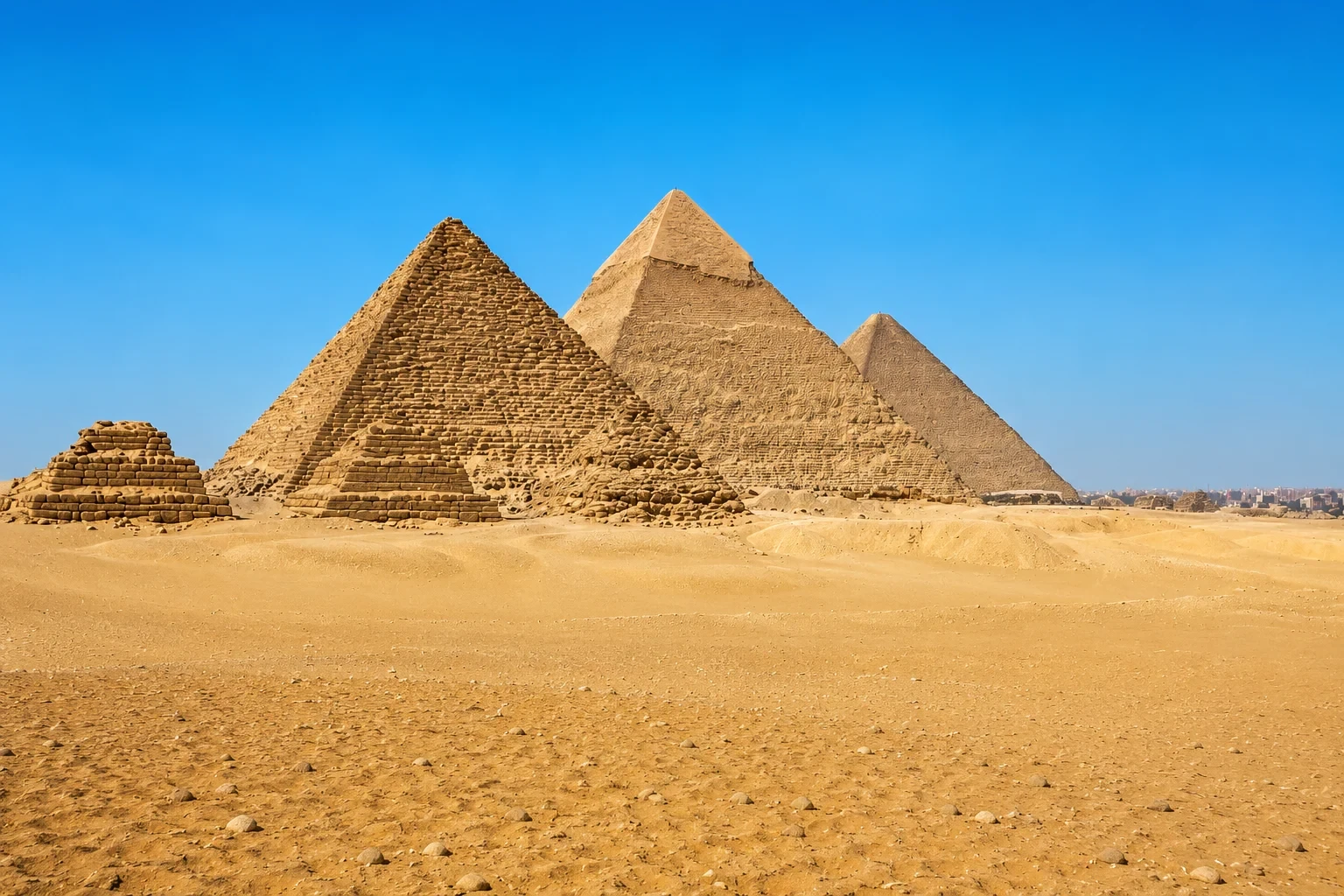
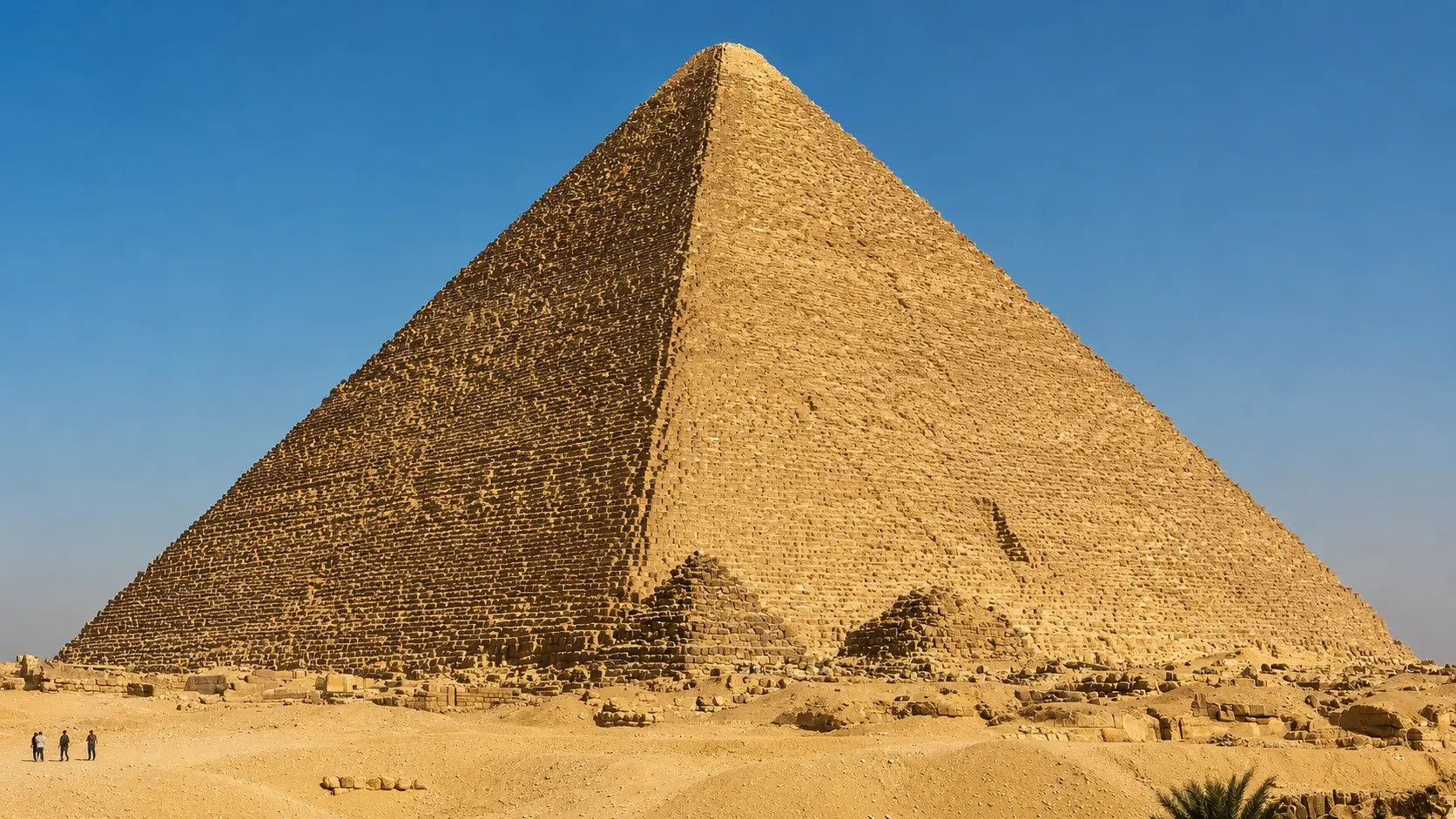
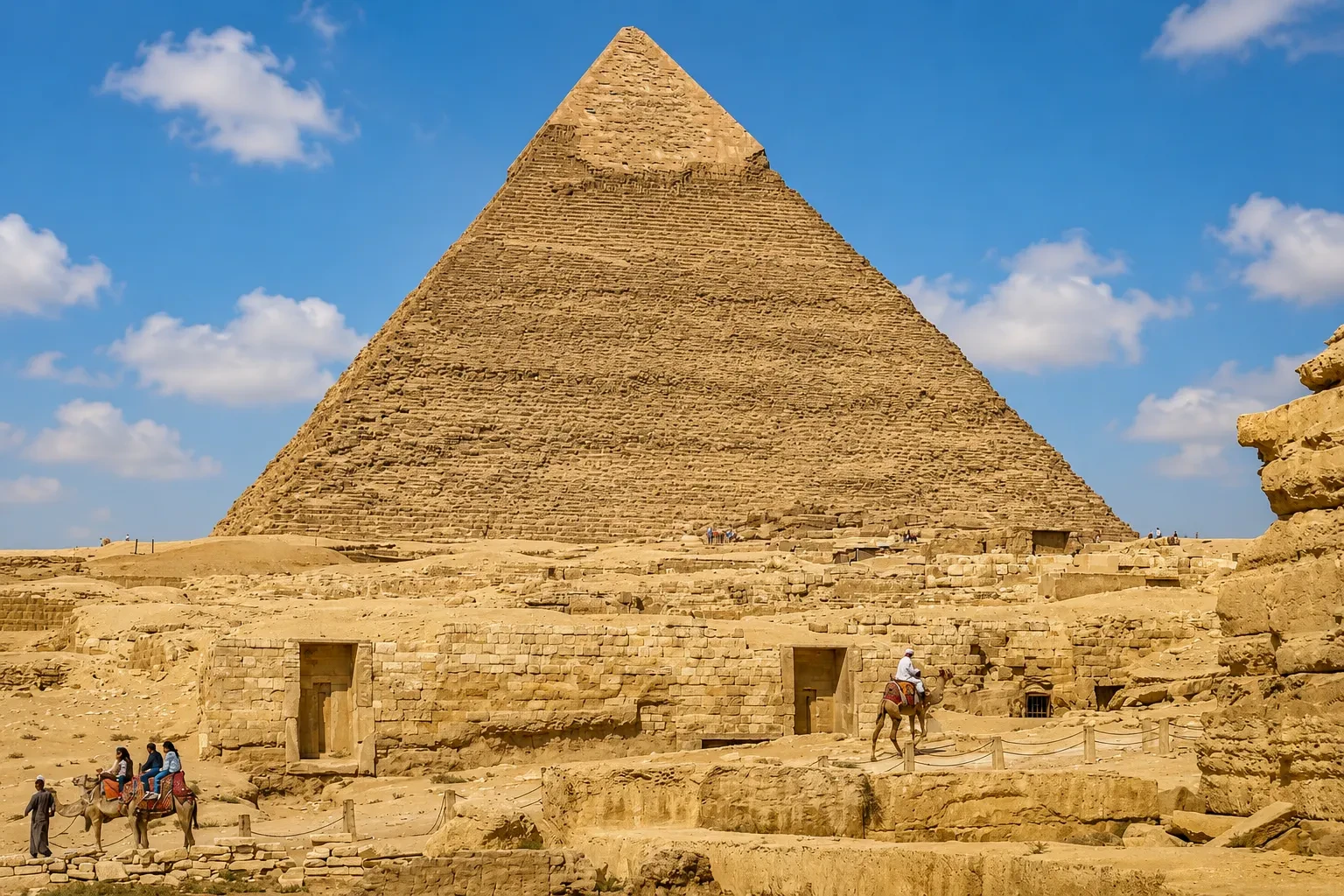
To the north, the complete Giza Pyramids Complex approximately 32 kilometers north of Memphis provides the supreme architectural achievement of the Memphis-based pharaonic administration in the most completely extraordinary concentration of ancient monument heritage available at any site in the Greater Cairo area, with the Great Pyramid of Khufu, the Middle Pyramid of Khafre, the Small Pyramid of Menkaure, and the Great Sphinx together constituting the most extraordinary and the most universally recognized ancient monument landscape in the complete world heritage record. The Grand Egyptian Museum and the Egyptian Museum in central Cairo provide the most important institutional collection contexts for the ancient heritage of the Memphis urban civilization, housing the finest ancient Egyptian objects from the complete Memphite monument programme in the most completely organized and the most expertly presented museum display available anywhere in the Egyptian heritage landscape. All these destinations are organized by WOW Egypt Tours as part of comprehensive Cairo Tours and Egypt Tour Packages encompassing the extraordinary heritage of Cairo the Capital of Egypt and its pharaonic legacy.
Frequently Asked Questions About Memphis Egypt
What is Memphis Egypt?
Memphis was the ancient capital of Egypt and the primary political, administrative, religious, and commercial center of the pharaonic civilization, founded approximately 3100 BCE by the legendary pharaoh Menes at the junction of the Nile Valley and the Nile Delta on the western bank of the Nile approximately 24 kilometers south of modern Cairo. Its modern archaeological site at Mit Rahina preserves the most significant surviving physical remains including the colossal limestone statue of Ramesses II and the magnificent alabaster sphinx, accessible as part of the UNESCO World Heritage Site Memphis and its Necropolis: the Pyramid Fields from Giza to Dahshur. It is featured in Cairo Tours, Egypt Classic Tours, and Egypt Short Break Tours offered by WOW Egypt Tours.
Who founded ancient Memphis?
The founding of Memphis is attributed in the ancient Egyptian historical tradition to the legendary pharaoh Menes, identified by most Egyptologists with the historical pharaoh Narmer whose extraordinary Narmer Palette in the Egyptian Museum documents the unification of Upper and Lower Egypt in approximately 3100 BCE. Menes chose the apex of the Nile Delta, at the junction between the Nile Valley of Upper Egypt and the Delta of Lower Egypt, as the site of the unified state's administrative capital, a geographical decision of such complete strategic appropriateness that Memphis remained the primary Egyptian administrative capital for more than a millennium of the most productive ancient Egyptian civilization.
What is the colossal statue of Ramesses II at Memphis?
The colossal limestone statue of Ramesses II is the primary exhibit of the Mit Rahina open-air museum, a fallen royal colossus of approximately 10 meters in length and 83 tonnes of carved and polished limestone originally one of a pair that flanked the entrance to the great Ptah temple at Memphis, now displayed face-up in a protective pavilion that allows visitors to view the extraordinary royal face from elevated platforms above. Its extraordinary quality of surface preservation and its refined Ramesside royal physiognomy make it one of the finest surviving ancient Egyptian colossal royal portrait sculptures in its original ancient site context.
What is the alabaster sphinx of Memphis?
The alabaster sphinx of Memphis is a recumbent sphinx of approximately 8 meters in length and 4 meters in height carved from a single massive block of perfectly polished white calcite alabaster weighing approximately 80 tonnes, displayed in the open-air garden of the Mit Rahina museum adjacent to the Ramesses II colossus pavilion. It is one of the most immediately beautiful and the most materially extraordinary ancient Egyptian sphinx monuments at any heritage site in the Greater Cairo area, with its perfectly preserved white polished surface giving it a quality of material refinement unlike any other accessible sphinx monument in Egypt.
What were the embalming tables at Memphis used for?
The ancient alabaster embalming tables displayed in the Mit Rahina open-air museum were used in the preparation of the sacred Apis bulls for their mummified burial in the Serapeum at Saqqara, the most elaborate ancient Egyptian sacred animal religious tradition in which each successive sacred Apis bull was treated at death as a royal person, receiving the complete royal mummification treatment on these full-scale polished alabaster platforms before its elaborately wrapped mummified body was placed in an enormous granite sarcophagus and buried in the Serapeum with the full honours of an ancient Egyptian royal funeral.
Why did ancient Memphis decline?
Memphis declined progressively from its Old Kingdom peak for multiple interrelated reasons including the collapse of the centralized Old Kingdom administration in approximately 2181 BCE, the shift of political focus to Thebes and then Alexandria in successive periods of Egyptian history, the progressive eastward migration of the main Nile channel away from the Memphis site which reduced the city's commercial harbor importance, and ultimately the progressive burial of the entire ancient city fabric under the accumulated Nile alluvium of the Nile Valley floor as the annual flood depositions progressively raised the level of the cultivated landscape above the ancient city surfaces.
Why is Memphis called Men-nefer?
The ancient Egyptian name Men-nefer, meaning Established and Beautiful or Enduring and Beautiful, was originally applied to the pyramid complex of the 6th Dynasty pharaoh Pepi I at Saqqara, whose pyramid bore the name Men-nefer Pepi. The name was progressively extended from the pyramid complex to the entire urban zone of the ancient capital surrounding it, eventually becoming the standard ancient Egyptian designation for the complete Memphite urban agglomeration. The Greek phonetic adaptation of Men-nefer to Memphis is the origin of the universal Western designation for the ancient Egyptian capital city.
Is Memphis connected to Memphis Tennessee?
Yes. The American city of Memphis, Tennessee was deliberately named after the ancient Egyptian capital in 1819 by its founders John Overton, James Winchester, and Andrew Jackson, who drew a geographical parallel between the ancient Memphis's position at the apex of the Egyptian Nile Delta and the American city's position at the apex of the Mississippi River system, establishing the most direct and the most personally evocative transatlantic cultural connection between the ancient Nile Valley capital and its American namesake in the complete history of ancient Egyptian naming legacy in the modern world.
What other sites can I combine with Memphis?
The most natural and the most historically organized combination is the Greater Cairo southern heritage circuit combining Memphis with the Saqqara Step Pyramid Complex immediately to the west on the desert plateau and the Dahshur Pyramids approximately 10 kilometers south, giving the complete day programme its most comprehensive chronological and geographical coverage of the ancient Egyptian Memphite urban and funerary heritage. The Giza Pyramids are accessible in a two-day extended programme combining the Giza Plateau on day one with the Memphis-Saqqara-Dahshur circuit on day two.
What is the Mit Rahina open-air museum?
The Mit Rahina open-air museum is the heritage management facility at the ancient city of Memphis that protects and displays the most significant surviving physical remains of the ancient city, encompassing the indoor protective pavilion housing the fallen Ramesses II colossal statue and the outdoor garden museum displaying the alabaster sphinx, the ancient embalming tables, and the architectural elements and sculptural fragments recovered from successive generations of Egyptological excavation at the Memphis site since the early 19th century.
How do I book a Memphis Egypt tour with WOW Egypt Tours?
You can book any Cairo Tours programme, Egypt Classic Tours package, Egypt Short Break Tours programme, Egypt Family Tours, Egypt Budget Tours, Egypt Tours Package, or Egypt Travel Package that includes Memphis directly through WOW Egypt Tours. Our team of travel specialists will arrange private vehicle, licensed Egyptology guide, all Memphis site entrance fees, and the complete Mit Rahina open-air museum programme encompassing the Ramesses II colossal statue, the alabaster sphinx, the Apis bull embalming tables, and all the sculptural and architectural heritage of the founding capital of the unified Egyptian state, combined with the Saqqara Step Pyramid and Dahshur Pyramids in the most completely organized and the most personally enriching Greater Cairo southern heritage circuit available through any Egyptian heritage tour operator.